
San Antonio homeowners face unique challenges when it comes to roof longevity. The combination of intense summer heat, frequent hail storms, and high humidity creates a perfect storm that can dramatically shorten a roof’s expected lifespan. Understanding how different materials perform in this specific climate is essential for making smart investment decisions. How to get your San Antonio roof fixed after a major hail storm.
The harsh South Texas environment accelerates wear and tear on roofing systems in ways that national averages don’t capture. What works in cooler climates or coastal areas often fails prematurely here. This guide breaks down exactly what you can expect from various roofing materials when installed in San Antonio’s demanding conditions. National Weather Service San Antonio.
Understanding San Antonio’s Climate Impact on Roofing
San Antonio sits in a unique climate zone where multiple environmental factors converge to stress roofing materials. The city experiences an average of 220 sunny days per year with summer temperatures regularly exceeding 95°F. This intense UV exposure breaks down roofing materials at the molecular level, causing cracking, warping, and deterioration. What to do when your San Antonio roof starts leaking in the middle of a storm.
The region also faces frequent hail events, particularly during spring and fall. The National Weather Service reports that Bexar County experiences hail on average 3-4 times per year, with stones often exceeding one inch in diameter. These impacts can puncture or crack even durable roofing materials.. Read more about A checklist for evaluating roofing estimates from contractors in the South Side.
High humidity levels compound these problems by promoting algae growth, particularly on north-facing roof sections that receive less direct sunlight. The moisture also accelerates the rusting process on metal components and can lead to wood rot in underlying structures.. Read more about Does a metal roof actually make your house louder during a South Texas thunderstorm?.
Asphalt Shingle Lifespan in San Antonio
Traditional 3-tab asphalt shingles typically last 12-15 years in San Antonio, significantly shorter than the 20-25 years often advertised. The extreme heat causes the asphalt to soften and the granules to loosen, while thermal cycling from day-to-night temperature swings creates stress fractures.. Read more about Why Shingle Blistering Is So Common in the Westover Hills Heat.
Architectural shingles offer better performance, lasting 15-20 years when properly installed. These thicker, more durable shingles resist wind uplift better and provide more UV protection. However, even premium architectural shingles show accelerated aging in San Antonio’s climate compared to milder regions.
Class 4 impact-resistant shingles provide the best asphalt option for San Antonio homeowners. These specially engineered shingles can withstand hail impacts that would destroy standard shingles. While they cost 15-20% more upfront, they often prove cost-effective when factoring in the reduced need for repairs and potential insurance discounts.. Read more about How overhanging oak trees can destroy the roof of your Olmos Park home.
Proper attic ventilation becomes critical for asphalt shingle longevity. Without adequate airflow, heat builds up under the roof deck, creating temperatures that can exceed 150°F on summer days. This extreme heat bakes the shingles from below, causing premature failure regardless of the material quality.
Metal Roofing Performance in South Texas Heat
Metal roofing systems excel in San Antonio’s climate, typically lasting 40-70 years with minimal maintenance. The reflective properties of metal help deflect solar radiation, keeping buildings cooler and reducing energy costs. Many metal roofs qualify for Energy Star ratings due to their heat-reflective coatings. How much a new roof actually costs in San Antonio right now.
Standing seam metal roofs offer superior performance compared to corrugated panels. The raised seams eliminate exposed fasteners that can become leak points over time. When properly installed with high-temperature underlayment, these systems resist the thermal expansion and contraction that plague other materials.
Aluminum and Galvalume steel provide the best corrosion resistance for San Antonio’s humid conditions. These materials naturally resist rust and can be coated with additional protective layers. Copper and zinc options, while more expensive, develop protective patinas that enhance their longevity in harsh environments.. Read more about Comparing Concrete Tile and Natural Clay for Custom Homes in The Dominion.
The key to metal roof longevity lies in proper installation. San Antonio’s temperature swings cause significant expansion and contraction. Quality installers use sliding clips and allow for movement at panel ends. Without these accommodations, panels can buckle or seams can separate, leading to premature failure.
Tile Roofing: Mediterranean Durability for San Antonio
Clay and concrete tiles thrive in San Antonio’s climate, often lasting 50+ years with proper maintenance. These materials naturally resist UV damage and thermal cycling. Their heavy mass provides excellent insulation, helping to moderate indoor temperatures during summer heat waves.
Spanish-style clay tiles remain popular in historic districts and Mediterranean-inspired neighborhoods like Alamo Heights and Terrell Hills. These tiles develop character over time and can be individually replaced if damaged. Modern manufacturing techniques have improved consistency while maintaining the traditional aesthetic.. Read more about Why high humidity in the Mission District might be rotting your roof from the inside out.
Concrete tiles offer a more economical alternative to clay while providing similar longevity. Available in various profiles and colors, they can mimic the appearance of clay, wood shakes, or slate. Their weight requires proper structural support, but once installed, they withstand San Antonio’s weather extremes exceptionally well.. Read more about Choosing the right roof color to lower your cooling costs in the Westside area.
The main vulnerability of tile roofing in San Antonio involves the underlayment. While tiles themselves last decades, the felt or synthetic underlayment typically needs replacement every 20-25 years. During this process, individual tiles can be removed and reinstalled, making the overall system more economical than it might initially appear.. Read more about Why your Castle Hills home might need a ridge vent upgrade to survive the summer.
Flat Roof Systems for Commercial and Modern Homes
Modified bitumen and built-up roofing (BUR) systems commonly used on flat roofs in San Antonio typically last 15-25 years. The intense UV exposure degrades the surface layers, while ponding water from summer thunderstorms can accelerate deterioration. Regular maintenance including resealing and coating extends these lifespans significantly.
Single-ply membranes like TPO and EPDM offer improved performance for flat roofs. TPO, in particular, reflects heat effectively and resists UV damage better than older materials. When installed with proper insulation and drainage, these systems can last 20-30 years in San Antonio’s climate.
Green roof systems, while less common, show promise for San Antonio’s environment. These living roofs provide natural insulation, manage stormwater runoff, and create habitat for local wildlife. The initial investment runs higher, but the energy savings and extended roof life often justify the cost over time.
Commercial buildings in areas like the Brooks City Base or Port San Antonio often benefit from cool roof coatings. These highly reflective surfaces can reduce roof temperatures by 50-60°F, dramatically reducing cooling costs and extending the underlying roof system’s life. How to Get Your Commercial Flat Roof Ready for San Antonio Summer Storms.
Comparative Lifespan Analysis by Material Type
The following table compares typical lifespans for various roofing materials in San Antonio’s climate versus national averages:. Read more about Ridge Vents versus Attic Turbines — Finding the Best Airflow System for South Texas Heat.
| Material Type | San Antonio Expected Lifespan | National Average Lifespan | Key Climate Factors |
|---|---|---|---|
| 3-Tab Asphalt Shingles | 12-15 years | 20-25 years | UV degradation, thermal shock |
| Architectural Asphalt Shingles | 15-20 years | 25-30 years | Heat softening, granule loss |
| Class 4 Impact-Resistant Shingles | 18-22 years | 25-30 years | Hail resistance, UV protection |
| Standing Seam Metal | 40-70 years | 30-50 years | Thermal movement, corrosion |
| Clay Tile | 50+ years | 50+ years | Minimal climate impact |
| Concrete Tile | 40-50 years | 40-50 years | Structural weight, underlayment |
| TPO Single-Ply | 20-30 years | 20-25 years | UV reflection, heat resistance |
Factors That Accelerate Roof Deterioration in San Antonio
Several local conditions specifically impact roof longevity in the San Antonio area. Understanding these factors helps homeowners make informed decisions about material selection and maintenance schedules. Understanding Roof Warranties.
Thermal shock represents one of the most significant threats to roof longevity. San Antonio experiences temperature swings of 30-40 degrees between day and night, particularly during spring and fall. These rapid changes cause materials to expand and contract repeatedly, creating stress points that eventually fail.
High humidity levels promote algae and moss growth, particularly on north-facing roof slopes. These organisms retain moisture against the roof surface, accelerating deterioration. In some cases, moss roots can penetrate under shingles or tiles, causing lifting and creating entry points for water.
San Antonio’s location in “Hail Alley” makes impact damage a constant concern. The region experiences frequent severe thunderstorms, with hail events often occurring with little warning. Even small hail can damage aging roofs, creating weak points that fail during subsequent storms.
Expansive clay soils common in the area can indirectly impact roof longevity. As these soils expand and contract with moisture changes, they shift foundations slightly. This movement transfers to the roof structure, creating stress at connection points and potentially causing cracking or separation.
Maximizing Roof Lifespan Through Proper Installation and Maintenance
Even the best roofing materials fail prematurely without proper installation. In San Antonio’s climate, installation quality becomes even more critical. Key factors include adequate attic ventilation, proper underlayment selection, and appropriate fastening patterns for local wind conditions.
Attic ventilation plays a crucial role in roof longevity. Without proper airflow, heat builds up under the roof deck, creating temperatures that can exceed 150°F on summer days. This extreme heat bakes shingles from below, causing premature failure. Ridge vents, soffit vents, and powered attic fans can dramatically extend roof life.
Regular maintenance significantly impacts roof lifespan. Annual inspections can identify and address minor issues before they become major problems. Common maintenance tasks include cleaning debris from valleys, checking for loose or damaged shingles, and ensuring gutters function properly.
Professional cleaning removes algae, moss, and debris that retain moisture against the roof surface. In San Antonio’s humid climate, this service typically proves valuable every 2-3 years. Some homeowners opt for algae-resistant shingles or tiles with protective coatings to reduce cleaning frequency.
Recognizing When Replacement Becomes Necessary
Understanding the signs of roof deterioration helps San Antonio homeowners plan for replacement before catastrophic failure occurs. Several indicators suggest a roof nears the end of its useful life.
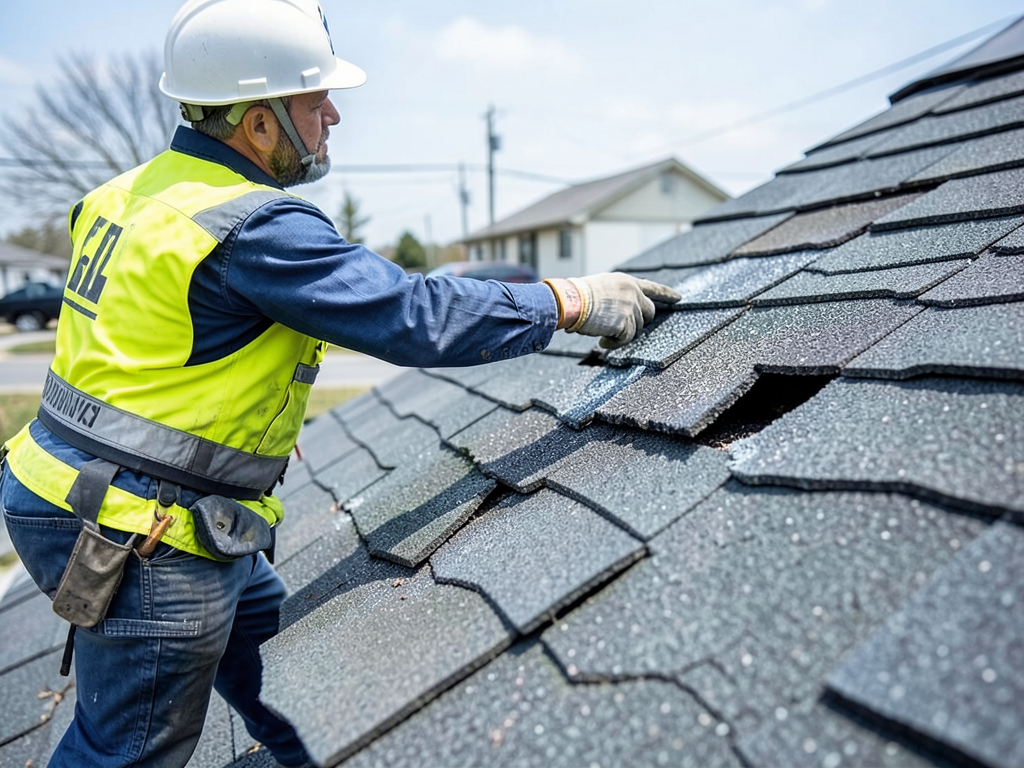
Curling or buckling shingles indicate advanced age and heat damage. As asphalt shingles age, they lose their flexibility and begin to warp. This deformation creates gaps where water can penetrate, leading to leaks and interior damage.
Excessive granule loss signals deteriorating asphalt shingles. These protective granules shield the underlying asphalt from UV radiation. When they begin washing into gutters in large quantities, the shingles’ protective layer has been compromised.
Multiple leaks or widespread water stains on ceilings indicate systemic roof failure. While individual leaks can often be repaired, widespread water intrusion suggests the roofing system has reached the end of its service life.. Read more about Managing Leaf Buildup in the Hard to Reach Roof Valleys of Shady Oaks.
Visible sagging or drooping areas in the roof plane indicate structural problems. These issues may stem from long-term water damage, inadequate support, or advanced age. Any visible sagging requires immediate professional assessment.
Insurance Considerations for San Antonio Roofs
Homeowners insurance policies in Texas often include specific provisions related to roof age and condition. Many insurers reduce coverage or increase deductibles for roofs over 15 years old, particularly in hail-prone areas like San Antonio. Texas Department of Insurance.
Class 4 impact-resistant shingles can qualify for insurance discounts in many cases. These discounts typically range from 5-10% of the annual premium, potentially offsetting much of the additional cost over the roof’s lifetime.
Some insurance companies now require roof certifications for policies on homes with roofs over 15 years old. These certifications involve professional inspections that document the roof’s condition and remaining lifespan. Without certification, coverage may be limited or denied.
Documenting regular maintenance and repairs helps support insurance claims when damage occurs. Photos, receipts, and professional inspection reports create a paper trail that demonstrates responsible homeownership and can streamline the claims process.
Cost-Benefit Analysis of Premium Materials
While premium roofing materials require higher upfront investment, they often prove more economical over the long term in San Antonio’s climate. The intense environmental stress means cheaper materials fail more quickly, potentially costing more in frequent replacements and repairs.
Metal roofing, despite costing 2-3 times more than asphalt initially, often proves most economical for San Antonio homeowners planning to stay in their homes long-term. The 40-70 year lifespan means a single installation versus 3-4 asphalt replacements, and the energy savings can offset much of the additional cost.
Tile roofing offers similar long-term economics. While installation costs run higher due to weight and complexity, the 50+ year lifespan and minimal maintenance requirements make it cost-effective for many homeowners. The thermal mass also provides ongoing energy savings.
Class 4 impact-resistant shingles represent a middle-ground option. They cost 15-20% more than standard architectural shingles but can qualify for insurance discounts and resist hail damage that would destroy cheaper options. For many San Antonio homeowners, this represents the best balance of cost and performance.
Environmental Considerations and Sustainability
Roofing material selection impacts both environmental footprint and long-term sustainability. San Antonio’s climate creates unique considerations for environmentally conscious homeowners.
Metal roofing offers excellent sustainability credentials. Most metal roofing contains significant recycled content, and the material is fully recyclable at the end of its life. The long lifespan means fewer replacement cycles and less material in landfills over time.
Tiles, particularly clay tiles, provide natural, non-toxic roofing options. Clay tiles can last over a century and are made from abundant natural materials. Their thermal mass helps reduce cooling loads, decreasing energy consumption during San Antonio’s long summers.
Some homeowners in San Antonio are integrating solar panels with new roofing installations. While this adds upfront cost, the combination can dramatically reduce energy bills and environmental impact. Many modern roofing materials are designed to accommodate solar installations without compromising their primary function.
Making the Right Choice for Your San Antonio Home
Selecting the optimal roofing material requires balancing multiple factors including budget, aesthetic preferences, home style, and long-term plans. San Antonio’s unique climate makes certain materials more suitable than others.
Homeowners planning to stay in their homes for 10+ years often benefit from premium materials despite higher upfront costs. The extended lifespan and reduced maintenance requirements typically provide better long-term value, particularly in San Antonio’s harsh climate.
Those planning shorter stays might prioritize materials offering the best balance of cost and immediate performance. Class 4 impact-resistant architectural shingles often provide this balance, offering improved hail resistance and longer life than basic options without the premium cost of metal or tile.
Historic or architecturally significant homes may have material requirements based on neighborhood covenants or historic district guidelines. These restrictions often favor traditional materials like tile or wood shakes, even when modern alternatives might offer better performance.
Consulting with local roofing professionals familiar with San Antonio’s specific challenges helps ensure optimal material selection. Experienced contractors understand how different products perform in the local climate and can recommend solutions tailored to individual homes and budgets.
Frequently Asked Questions
How long does a typical roof last in San Antonio?
Roof lifespan in San Antonio varies significantly by material. Asphalt shingles typically last 12-20 years, metal roofing 40-70 years, and tile roofing 50+ years. The harsh local climate, including intense UV exposure and frequent hail, often reduces these lifespans compared to national averages.
Are metal roofs worth the extra cost in San Antonio?
For many San Antonio homeowners, metal roofing proves cost-effective despite higher upfront costs. The 40-70 year lifespan means fewer replacements over time, and the reflective properties can reduce cooling costs by 20-30% during hot summers. Many insurance companies also offer discounts for impact-resistant metal roofs.
What roofing material best resists hail damage in San Antonio?
Class 4 impact-resistant shingles and metal roofing offer the best hail protection. Class 4 shingles are engineered to withstand impacts from hail up to 2 inches in diameter, while metal roofing typically dents but doesn’t puncture from hail. Tile roofing also performs well, though individual tiles can crack from severe impacts.
How often should I have my San Antonio roof inspected?
Annual professional inspections are recommended for San Antonio roofs. Additionally, inspections should follow any severe weather events, particularly hailstorms. Regular inspections help identify minor issues before they become major problems, potentially extending your roof’s lifespan by several years.
Can I install a new roof over my existing one in San Antonio?
While building codes allow one layer of shingles over an existing layer, this practice is generally discouraged in San Antonio due to the climate’s severity. Adding a new layer traps heat and prevents proper inspection of the underlying roof deck. Complete tear-off allows for proper underlayment installation and identification of any deck damage.
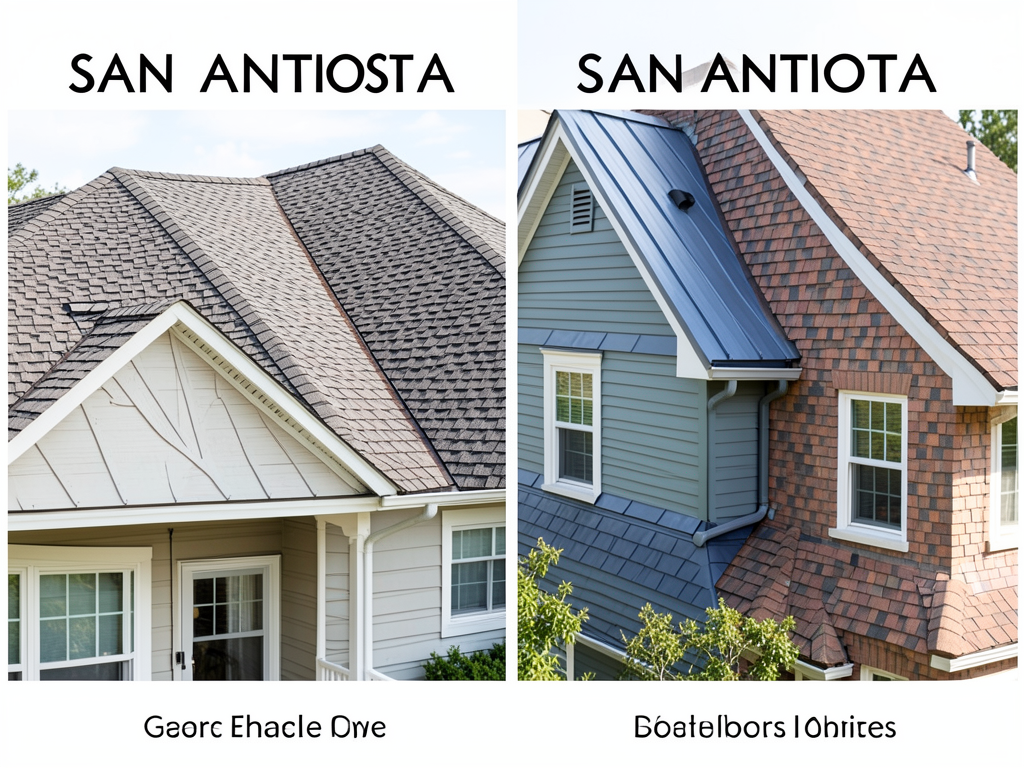
Understanding how San Antonio’s unique climate affects different roofing materials helps homeowners make informed decisions about their most important home investment. Whether you’re building new or replacing an existing roof, choosing materials suited to local conditions ensures better performance and longer life.
Ready to explore roofing options for your San Antonio home? Summit Roofing San Antonio offers free consultations to help you understand which materials best suit your home, budget, and long-term plans. Call us today at (726) 256-6199 to schedule your no-obligation assessment.
{
“@context”: “https://schema.org”,
“@type”: “BlogPosting”,
“headline”: “Comparing the lifespan of different roofing materials in the harsh San Antonio climate”,
“description”: “Discover how San Antonio’s extreme heat, hail, and humidity affect roof longevity. Compare asphalt, metal, tile, and TPO lifespans with local climate data.”,
“wordCount”: 2730,
“datePublished”: “2026-04-19T06:44:00.000Z”,
“dateModified”: “2026-04-19T06:44:00.000Z”,
“inLanguage”: “en-US”,
“mainEntityOfPage”: {
“@type”: “WebPage”,
“@id”: “https://summitroofingsanantonio.com”
},
“publisher”: {
“@type”: “LocalBusiness”,
“name”: “Summit Roofing San Antonio”,
“url”: “https://summitroofingsanantonio.com”
},
“author”: {
“@type”: “Organization”,
“name”: “Summit Roofing San Antonio”,
“url”: “https://summitroofingsanantonio.com”
},
“image”: {
“@type”: “ImageObject”,
“url”: “https://summitroofingsanantonio.com/wp-content/uploads/2026/03/comparing-the-lifespan-of-different-roofing-materi-1.png”
}
}
{
“@context”: “https://schema.org”,
“@type”: “RoofingContractor”,
“name”: “Summit Roofing San Antonio”,
“url”: “https://summitroofingsanantonio.com”,
“address”: {
“@type”: “PostalAddress”,
“addressLocality”: “San Antonio”
},
“areaServed”: {
“@type”: “City”,
“name”: “San Antonio”
}
}
{
“@context”: “https://schema.org”,
“@type”: “FAQPage”,
“mainEntity”: [
{
“@type”: “Question”,
“name”: “How long does a typical roof last in San Antonio?”,
“acceptedAnswer”: {
“@type”: “Answer”,
“text”: “Roof lifespan in San Antonio varies significantly by material. Asphalt shingles typically last 12-20 years, metal roofing 40-70 years, and tile roofing 50+ years. The harsh local climate, including intense UV exposure and frequent hail, often reduces these lifespans compared to national averages.”
}
},
{
“@type”: “Question”,
“name”: “Are metal roofs worth the extra cost in San Antonio?”,
“acceptedAnswer”: {
“@type”: “Answer”,
“text”: “For many San Antonio homeowners, metal roofing proves cost-effective despite higher upfront costs. The 40-70 year lifespan means fewer replacements over time, and the reflective properties can reduce cooling costs by 20-30% during hot summers. Many insurance companies also offer discounts for impact-resistant metal roofs.”
}
},
{
“@type”: “Question”,
“name”: “What roofing material best resists hail damage in San Antonio?”,
“acceptedAnswer”: {
“@type”: “Answer”,
“text”: “Class 4 impact-resistant shingles and metal roofing offer the best hail protection. Class 4 shingles are engineered to withstand impacts from hail up to 2 inches in diameter, while metal roofing typically dents but doesn’t puncture from hail. Tile roofing also performs well, though individual tiles can crack from severe impacts.”
}
},
{
“@type”: “Question”,
“name”: “How often should I have my San Antonio roof inspected?”,
“acceptedAnswer”: {
“@type”: “Answer”,
“text”: “Annual professional inspections are recommended for San Antonio roofs. Additionally, inspections should follow any severe weather events, particularly hailstorms. Regular inspections help identify minor issues before they become major problems, potentially extending your roof’s lifespan by several years.”
}
},
{
“@type”: “Question”,
“name”: “Can I install a new roof over my existing one in San Antonio?”,
“acceptedAnswer”: {
“@type”: “Answer”,
“text”: “While building codes allow one layer of shingles over an existing layer, this practice is generally discouraged in San Antonio due to the climate’s severity. Adding a new layer traps heat and prevents proper inspection of the underlying roof deck. Complete tear-off allows for proper underlayment installation and identification of any deck damage.”
}
}
]
}
{
“@context”: “https://schema.org”,
“@type”: “BreadcrumbList”,
“itemListElement”: [
{
“@type”: “ListItem”,
“position”: 1,
“name”: “Home”,
“item”: “https://summitroofingsanantonio.com”
},
{
“@type”: “ListItem”,
“position”: 2,
“name”: “Blog”,
“item”: “https://summitroofingsanantonio.com/blog”
},
{
“@type”: “ListItem”,
“position”: 3,
“name”: “Comparing the lifespan of different roofing materials in the harsh San Antonio climate”
}
]
}
{
“@context”: “https://schema.org”,
“@type”: “Service”,
“serviceType”: “Roofing”,
“provider”: {
“@type”: “LocalBusiness”,
“name”: “Summit Roofing San Antonio”,
“url”: “https://summitroofingsanantonio.com”
},
“areaServed”: {
“@type”: “City”,
“name”: “San Antonio”
},
“description”: “Discover how San Antonio’s extreme heat, hail, and humidity affect roof longevity. Compare asphalt, metal, tile, and TPO lifespans with local climate data.”
}