




Menu

Metal Retrofit Roofing in San Antonio – Zero Downtime Solutions for Commercial Buildings

Summit Roofing San Antonio delivers metal-over-metal retrofit systems that keep your facility operational while upgrading performance, reducing lifecycle costs, and meeting Texas building codes for commercial properties.

Slider Image 1
Slider Image 2
Slider Image 3
Slider Image 4
Slider Image 5
Slider Image 7
Slider Image 8
Slider Image 9
Slider Image 10
Slider Image 11

Why San Antonio Commercial Buildings Need Metal Roof Recover Systems

Your existing commercial metal roof does not need a full tearoff when performance declines. Metal retrofit roofing systems allow you to install a new metal roof directly over the existing structure, avoiding disposal costs, reducing project timelines, and keeping your business operational during construction.

San Antonio's intense UV exposure and frequent hailstorms accelerate metal roof degradation. Industrial facilities in areas like the East Side and Brooks City Base face additional challenges from petroleum emissions and industrial dust that corrode fasteners and panel joints. When leaks develop at seams or fastener penetrations fail, water intrusion threatens inventory, disrupts operations, and creates liability exposure.

A metal roof overlay addresses these failures without the expense and disruption of a complete roof replacement. The retrofit system adds structural rigidity, improves thermal performance, and creates a new weather barrier while the old roof remains in place. This approach works for warehouses, manufacturing plants, distribution centers, and retail facilities across greater San Antonio.

Commercial metal roof recover eliminates the need for production shutdowns. You avoid the cost of relocating equipment or covering inventory with protective sheeting. The new roof system installs above the old panels, using engineered sub-framing that creates ventilation space and isolates the new membrane from previous failures. For multi-tenant properties along I-10 or facilities near Port San Antonio, this means uninterrupted rent collection and zero lost productivity during roof restoration.

Retrofit metal roofing systems also address code compliance issues. Older roofs may lack adequate wind uplift ratings or thermal barriers required by current International Building Code standards adopted by San Antonio. The overlay system brings your building into compliance without triggering wholesale replacement requirements.

Why San Antonio Commercial Buildings Need Metal Roof Recover Systems
How Metal Over Metal Roofing Systems Restore Commercial Performance

How Metal Over Metal Roofing Systems Restore Commercial Performance

We engineer each metal-over-metal retrofit to match your building's structural capacity and operational requirements. The process begins with a load analysis to confirm your existing roof deck can support the additional dead load of the new system. Most standing seam and through-fastened metal roofs can accommodate a retrofit assembly, but older buildings with lightweight bar joist systems may require selective reinforcement.

The sub-framing system creates the foundation for the new roof. We install hat channels or zee-purlins perpendicular to the existing panel ribs, mechanically fastened through the old roof into the structural deck. This framework eliminates thermal bridging and creates an air gap that improves energy performance. The spacing and gauge of the sub-framing depends on your building's span requirements and local wind load calculations for San Antonio's 115 mph design wind speed.

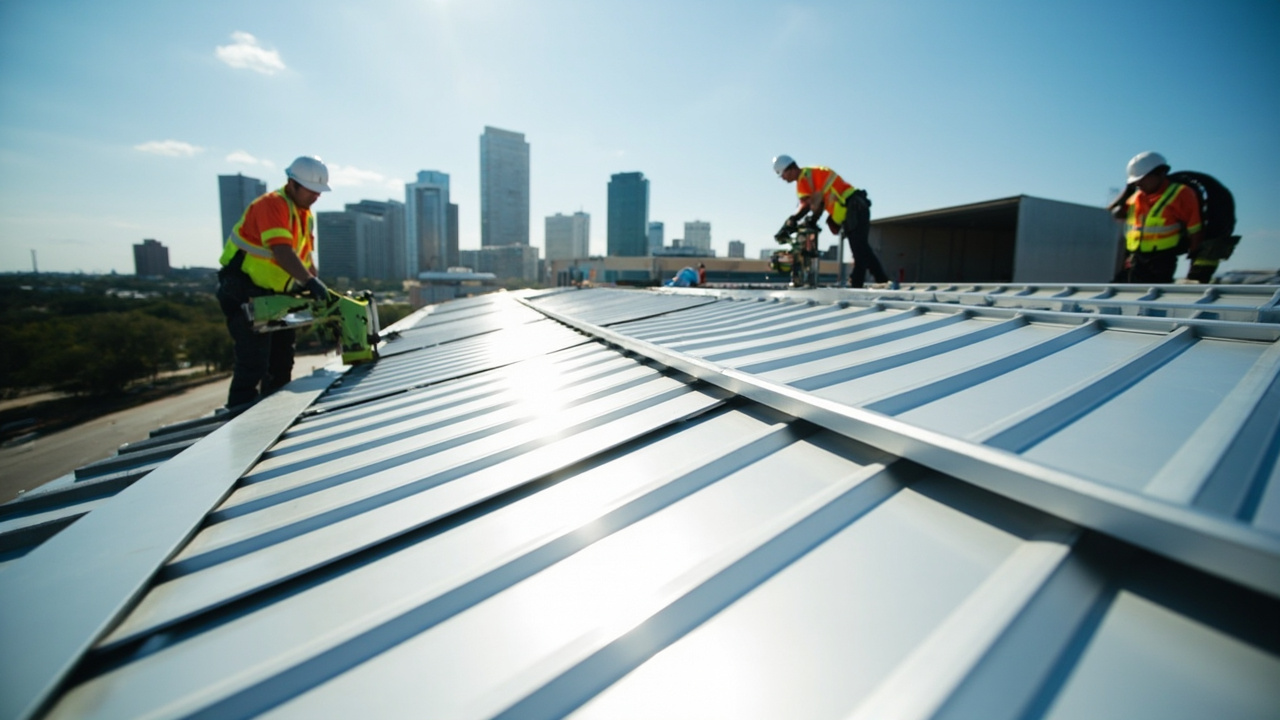
New metal panels install directly to this framework. We use standing seam profiles with concealed fasteners for maximum weather resistance and thermal movement accommodation. Panel profiles typically range from 16-inch to 24-inch coverage widths, with rib heights engineered for your building's structural bay spacing. The panel material matches your performance requirements: Galvalume for standard applications, aluminum for coastal exposure, or coated steel for enhanced corrosion resistance.

Flashing details require precision execution. We custom-fabricate all termination, transition, and penetration flashings to integrate with your existing parapet caps, mechanical curbs, and rooftop equipment. Each penetration receives a factory-formed boot or field-fabricated flashing assembly that maintains watertight integrity while accommodating thermal expansion. Ridge vents install where needed to promote air circulation in the cavity between roof layers.

The completed retrofit system delivers a watertight envelope with improved reflectivity, better wind resistance, and extended service life that defers major capital expenditure while maintaining asset value.

What Happens During Your Commercial Retrofit Installation

Metal Retrofit Roofing in San Antonio – Zero Downtime Solutions for Commercial Buildings
01

Structural Assessment and Engineering

We conduct a comprehensive roof inspection and structural load evaluation to determine your building's capacity for a retrofit system. Our team identifies existing failures, measures panel profiles, and reviews original construction documents. We calculate dead load additions, verify deck attachment, and prepare engineered drawings stamped by a Texas-licensed professional engineer. This documentation supports your permit application and provides the structural validation required for insurance and financing approvals.
02

Sub-Framing and Panel Installation

Installation crews position and fasten the sub-framing system to create a level plane for the new roof panels. We verify fastener pull-out resistance through field testing and adjust fastener patterns based on substrate conditions. Metal panels install in sequence from eave to ridge, with each panel mechanically seamed or fastened according to manufacturer specifications. All work occurs above your existing roof, so interior operations continue without interruption. Weather delays are minimal because we schedule installation during optimal conditions.
03

Flashing Integration and Final Inspection

Custom flashing assemblies install at all terminations, transitions, and penetrations to ensure water-shedding performance. We integrate new flashings with existing parapet walls, equipment curbs, and rooftop units without disturbing your HVAC or electrical systems. A final walkthrough inspection verifies proper panel alignment, fastener engagement, and flashing continuity. We provide complete documentation including as-built drawings, material certifications, and manufacturer warranties. Your facility gains a fully warranted roof system with minimal business disruption.

Why San Antonio Facility Managers Choose Summit Roofing for Metal Retrofits

Commercial metal roof recover demands precise engineering and execution expertise that residential contractors do not possess. Summit Roofing San Antonio specializes in large-format commercial installations where structural integration, code compliance, and operational continuity determine project success.

We understand San Antonio's commercial building stock. Facilities built during the 1980s and 1990s construction boom along Loop 410 and I-35 corridors often feature through-fastened metal roofs with exposed fastener deterioration. These buildings need retrofit solutions that address fastener failure patterns specific to Texas climate cycles. Our team has restored roofs on distribution centers near Toyota's South Side plant, manufacturing facilities in the Port San Antonio industrial complex, and retail centers throughout Stone Oak and Alamo Ranch.

Local building department familiarity accelerates project timelines. San Antonio's Development Services Department requires engineered drawings and Texas wind load calculations for all commercial roof replacements. We maintain relationships with city plan reviewers and understand the documentation requirements that prevent permit delays. Our projects move through plan review efficiently because we submit complete, code-compliant packages on first submittal.

We coordinate with your operational schedule to minimize disruption. Manufacturing facilities cannot shut down production lines for roof work. Retail centers cannot close during peak seasons. We phase installation around your operational requirements, working in sections that allow business continuity. For 24-hour operations, we schedule noisy activities during shift changes and maintain emergency access routes throughout construction.

Our supplier relationships deliver material cost advantages and shortened lead times. We maintain credit accounts with major metal panel manufacturers and regional distributors. This purchasing power reduces your material costs and ensures panel availability when project schedules demand quick turnaround. You receive competitive pricing without sacrificing material quality or warranty coverage.

What to Expect from Your Metal Retrofit Roofing Project

Project Timeline and Scheduling Flexibility

Most commercial metal roof overlay projects complete within two to six weeks, depending on building size and complexity. A 50,000-square-foot warehouse typically requires three weeks from mobilization to final inspection. Larger distribution centers or facilities with extensive rooftop equipment may extend to six weeks. We provide detailed CPM schedules that identify critical path activities and potential weather delays. Our crews work extended hours when needed to meet your occupancy deadlines or seasonal constraints. You receive weekly progress updates and can track installation phases through documented photo reports. We coordinate material deliveries to avoid site congestion and maintain safe access for your employees and customers.

Engineering Review and Load Analysis

Your project begins with a thorough structural assessment conducted by our field technicians and reviewed by a licensed structural engineer. We measure existing roof profiles, document deck attachment patterns, and identify any structural deficiencies that require remediation before overlay installation. The engineering analysis calculates total dead load addition, verifies deck capacity, and confirms that your building can support the retrofit system. We prepare stamped engineering drawings that satisfy San Antonio building code requirements and provide the documentation needed for insurance approval. This upfront analysis prevents mid-project surprises and ensures your retrofit system performs as designed. You receive complete engineering documentation for your facility records and future reference.

Finished Roof Performance and Appearance

The completed retrofit delivers a watertight roof system with improved energy performance and enhanced curb appeal. New metal panels eliminate leak points at deteriorated fasteners and failed sealant joints. The air gap between old and new roof layers creates a thermal break that reduces heat transfer and lowers cooling costs. Reflective panel coatings meet Energy Star and Cool Roof Rating Council standards for solar reflectance, further reducing your facility's energy consumption. Panel profiles create clean, uniform sightlines that improve building appearance and property value. You gain a roof system engineered for 30-year service life without the disruption and expense of complete replacement. The finished installation passes third-party inspection and qualifies for manufacturer warranties that protect your investment.

Warranty Coverage and Maintenance Requirements

Metal retrofit systems include manufacturer warranties covering material defects and panel finish performance. Standard warranties provide 20-year coverage on Galvalume substrate and 25-year coverage on finish coatings. Enhanced warranty options extend coverage to 30 years with proper maintenance documentation. We provide workmanship warranties covering installation defects and water infiltration for periods ranging from two to ten years based on system specifications. Regular maintenance extends roof life and maintains warranty validity. We recommend annual inspections to verify flashing integrity, clean debris from valleys and gutters, and address minor issues before they escalate. Scheduled maintenance agreements are available for facilities requiring documented compliance with insurance or lease requirements. Your warranty documentation includes panel certifications, material test reports, and as-built drawings for insurance and property transfer purposes.

Frequently Asked Questions

You Have Questions,
We Have Answers

What is a retrofit roof? +

A retrofit roof installs a new metal roofing system directly over your existing commercial roof without full tear-off. This approach uses a structural framework attached to the original deck, creating an air gap between layers. For San Antonio commercial properties, retrofit roofing reduces downtime and labor costs while improving energy efficiency. The method works well on low-slope commercial buildings common throughout the metro area. You avoid disruption to daily operations and eliminate landfill waste from tear-off. The retrofit system also addresses drainage concerns specific to South Texas weather patterns, including heavy rain events.

Why do insurance companies not like metal roofs? +

Insurance companies evaluate metal roofs based on risk models that sometimes lag behind current performance data. Some carriers consider metal roofs higher risk due to hail damage claims in certain regions, though modern metal roofing performs well in San Antonio's climate. The concern centers on repair costs and potential for denting, not structural failure. Many commercial insurers in Texas now recognize metal roofing benefits, including wind resistance and fire ratings. Request documentation from your contractor showing impact ratings and wind uplift certifications. This data helps underwriters assess your specific installation accurately.

Can I put a metal roof over my existing roof? +

You can install metal roofing over existing commercial roofing in most San Antonio applications, provided the deck structure supports additional weight and local codes permit it. Building officials typically allow one or two layers before requiring tear-off. The existing roof must be stable without significant rot or structural damage. Retrofit systems work particularly well over flat or low-slope commercial roofs common in San Antonio's industrial districts. A structural engineer should evaluate load capacity before proceeding. This approach cuts project costs by 30 to 40 percent compared to complete tear-off and reduces business interruption.

How much does it cost to upgrade to a metal roof? +

Commercial metal roof upgrades involve multiple cost factors specific to your facility. Building size, existing roof condition, metal panel type, insulation requirements, and structural modifications all impact total investment. San Antonio projects must account for local wind load requirements and potential drainage improvements. Retrofit installations cost less than tear-off replacements because you eliminate disposal fees and reduce labor hours. Energy savings from reflective metal panels offset initial costs over time, particularly given San Antonio's long cooling season. Request a site evaluation to determine your specific cost factors and potential ROI through reduced energy consumption.

What are the disadvantages of retrofitting? +

Retrofitting adds weight to your existing structure, requiring engineering review to confirm load capacity. The installation creates a concealed space between roof layers where moisture can accumulate if ventilation design fails. You cannot inspect the original roof deck after installation without removing panels. In San Antonio's humid climate, proper vapor barrier placement becomes critical to prevent condensation issues. The retrofit system must accommodate thermal expansion and contraction in Texas heat. Some building codes restrict the number of roof layers allowed. These factors require professional assessment before proceeding with a retrofit approach.

How much does retrofitting usually cost? +

Commercial retrofitting costs vary based on building size, existing conditions, and system specifications. Metal retrofit projects in San Antonio typically range between moderate and substantial investment per square foot, depending on structural requirements and panel selection. Costs include engineering analysis, support framing, metal panels, insulation upgrades, and flashing details. The retrofit approach eliminates tear-off and disposal expenses, reducing total project costs compared to replacement. Energy efficiency improvements can generate ROI within several years through reduced cooling costs. Request multiple bids from experienced commercial contractors familiar with San Antonio building codes and climate requirements.

How much does it cost to put a metal roof on a 2000 sq ft house in Florida? +

This question asks about Florida pricing, which does not apply to San Antonio commercial projects. Metal roofing costs in South Texas differ from Florida due to regional labor rates, material availability, wind code requirements, and competitive market conditions. San Antonio commercial installations face different structural and climate factors than residential Florida projects. For accurate commercial retrofit pricing in the San Antonio metro area, you need a site-specific evaluation considering your building's square footage, existing roof type, required structural upgrades, and energy efficiency goals. Focus on local contractors with commercial experience in Texas markets.

Do metal roofs leak more than shingles? +

Properly installed metal roofs leak less than shingle systems when designed for commercial applications. Metal panels create continuous weatherproof surfaces with minimal seams compared to overlapping shingles. Leak risk centers on penetration points, flashing details, and panel fastening methods. San Antonio's intense rain events require precise installation of ridge vents, pipe boots, and edge trim. Standing seam systems with concealed fasteners eliminate puncture points that cause shingle roof failures. Commercial metal roofing also resists wind uplift better than shingles, preventing weather-driven leaks. Quality installation matters more than material choice for leak prevention.

Does a metal roof affect WiFi? +

Metal roofing does not affect WiFi signal strength in commercial buildings. WiFi operates on frequencies that penetrate metal materials without significant interference. Any signal concerns in San Antonio commercial facilities typically stem from building size, interior concrete walls, or equipment placement rather than roof material. Modern wireless systems use multiple access points to ensure coverage regardless of building envelope materials. Metal roofing actually provides benefits through superior lightning protection compared to other materials. If you experience connectivity issues after installation, the cause lies elsewhere in your network infrastructure, not the roof system overhead.

What is the biggest problem with metal roofs? +

Improper installation creates the biggest problem with metal roofs, not the material itself. Inadequate fastening, incorrect flashing details, and poor penetration sealing cause most metal roof failures in San Antonio. Thermal expansion and contraction require specific fastening techniques that inexperienced contractors often miss. Panel profiles must match slope requirements and drainage patterns for South Texas rainfall intensity. Oil canning, or visible panel waviness, occurs when installation does not follow manufacturer specifications. Hiring experienced commercial metal roofing contractors familiar with local building codes prevents these issues. Material quality matters less than installation expertise for long-term performance.

How San Antonio's Climate Accelerates Metal Roof Degradation in Commercial Buildings

San Antonio averages 220 days of sunshine annually with summer temperatures exceeding 95 degrees for extended periods. This intense solar exposure causes thermal cycling that fatigues metal roof fasteners and degrades sealant compounds. Through-fastened metal roofs experience accelerated gasket deterioration as expansion and contraction cycles work fasteners loose from the deck. The city's location in Hail Alley means facilities face periodic impact damage that dimples panels and compromises finish coatings. Industrial areas near I-35 and Highway 90 expose roofs to airborne contaminants from vehicle emissions and manufacturing operations. These pollutants create acidic condensation that corrodes unprotected fasteners and panel edges. Metal roof overlay systems address these climate-specific failures by eliminating exposed fasteners and creating a new weather barrier above the deteriorated substrate.

Commercial projects in San Antonio require compliance with the 2018 International Building Code as adopted by city ordinance. All roof replacements must meet current wind uplift requirements based on the city's 115 mph design wind speed and exposure category. Metal retrofit installations require engineered drawings stamped by a Texas-licensed professional engineer and submitted through the city's online ePlan portal. Summit Roofing San Antonio maintains established relationships with Development Services Department plan reviewers and understands the documentation standards that ensure first-pass approval. Our local project history includes facilities throughout the greater metro area, from industrial properties near Port San Antonio to retail centers in Stone Oak. We understand the permitting nuances that affect commercial roofing projects and provide the technical expertise that keeps your retrofit installation on schedule and compliant with local requirements.
Roofing Services in The San Antonio Area

Explore our service coverage in and around San Antonio using the map below. Summit proudly serves residential and commercial clients throughout the region. Whether you're in the heart of the city or in the nearby suburbs, we’re just a call away. We make it easy to reach us for inspections, quotes, or emergency assistance. Your trusted roofing team is always nearby.

Address:
Summit Roofing San Antonio, 1100 NW Loop 410, Suite 700, San Antonio, TX, 78213

Additional Services We Offer

Our news updates

Latest Articles & News from The Blogs

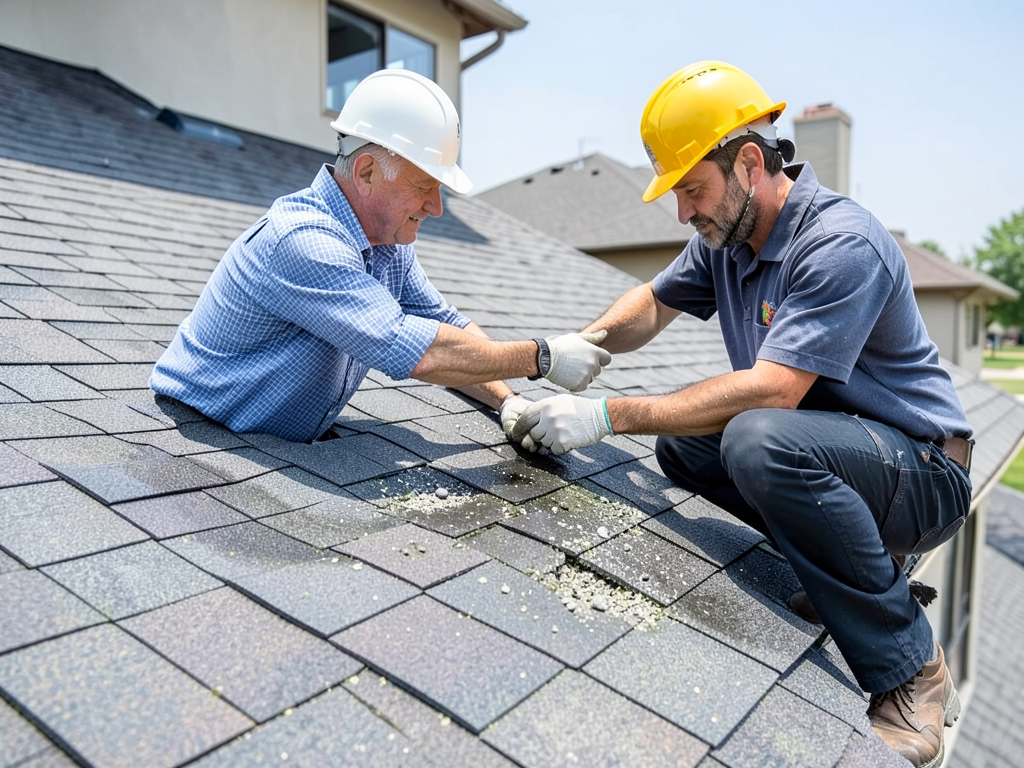
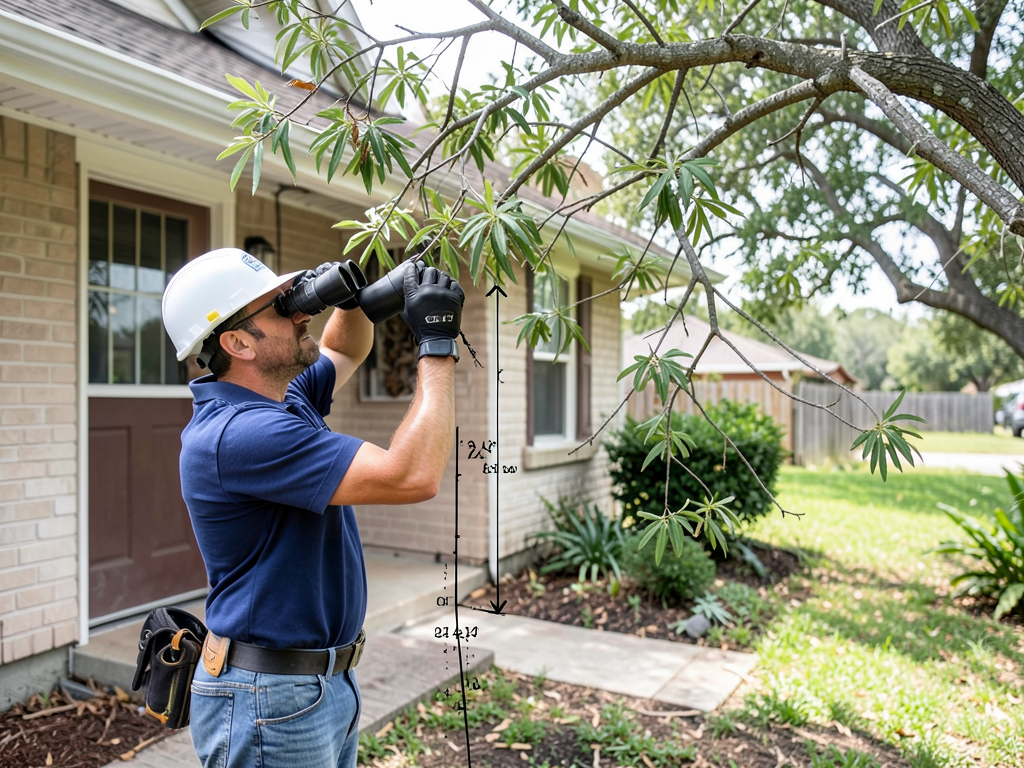
Managing Leaf Buildup in the Hard to Reach Roof Valleys of Shady Oaks Roof valleys channel rainwater off your home…

Managing Leaf Buildup in the Hard to Reach Roof Valleys of Shady Oaks

Managing Leaf Buildup in the Hard to Reach Roof Valleys of Shady Oaks Roof valleys channel rainwater off your home…

Understanding how Texas wildfire risks should influence your choice of roofing materials

Understanding how Texas wildfire risks should influence your choice of roofing materials Living in San Antonio means dealing with intense…

Choosing the Right Roof Underlayment to Battle South Texas Humidity

Choosing the Right Roof Underlayment to Battle South Texas Humidity Your roof faces a daily assault in San Antonio. The…

Contact Us

Stop water intrusion and defer replacement costs with a metal-over-metal retrofit system. Call Summit Roofing San Antonio at (726) 256-6199 for a structural evaluation and project proposal. We provide engineered solutions that keep your business operational during installation.