




Menu

Apartment Complex Roofing in San Antonio – Minimize Downtime and Protect Your Multi-Unit Investment

Summit Roofing San Antonio delivers fast-track commercial roofing solutions for apartment complexes, reducing vacancy risk and extending asset life with minimal disruption to tenants across the greater San Antonio metro.

Slider Image 1
Slider Image 2
Slider Image 3
Slider Image 4
Slider Image 5
Slider Image 7
Slider Image 8
Slider Image 9
Slider Image 10
Slider Image 11

Why Apartment Building Roofing Failures Cost You More Than the Repair

A failing roof on a multi-family property triggers a cascade of financial and legal exposure. Water intrusion leads to mold, which triggers habitability complaints and potential liability under Texas Property Code. Tenant turnover accelerates when units become unlivable, and vacancy loss compounds faster than the repair bill.

San Antonio's subtropical climate creates a hostile environment for multi-unit residential roofing systems. Intense UV exposure degrades membrane systems and asphalt shingles at an accelerated rate. Summer storms deliver wind-driven rain that exploits even minor flashing failures around HVAC penetrations and parapet walls. The freeze-thaw cycles we experience during winter cold snaps cause expansion and contraction that separates seams in low-slope commercial roofing assemblies.

Clay soil movement across the Alamo City foundation shifts that translate through the structure and stress roof planes. This creates cracking in rigid systems and ponding in flat assemblies. Ponding water becomes a breeding ground for algae and accelerates membrane deterioration, shortening your roof lifespan by years.

Property managers and owners face mounting pressure from tenants who expect immediate resolution and from lenders who require proof of proper asset maintenance. Delayed action transforms a manageable roof repair into a full tear-off replacement, multiplying costs and extending disruption timelines. Apartment roofing contractors who understand multi-family roofing logistics can prevent this escalation through proactive assessment and staged repair strategies that keep units occupied and revenue flowing.

Why Apartment Building Roofing Failures Cost You More Than the Repair
How We Execute Large-Scale Apartment Complex Roofing Without Operational Chaos

How We Execute Large-Scale Apartment Complex Roofing Without Operational Chaos

Commercial roofing for apartments requires phased execution to balance repair urgency with tenant retention. Summit Roofing San Antonio deploys section-by-section methodologies that isolate work zones and maintain access to occupied units throughout the project. We coordinate material deliveries to minimize parking disruption and schedule noise-intensive tasks during mid-day hours when most residents are off-property.

Our initial evaluation uses infrared thermography to map moisture intrusion beneath the existing membrane without destructive testing. This technology identifies compromised insulation and saturated decking, allowing precise scope development and eliminating change-order surprises. We core-sample roofing assemblies to verify deck integrity and determine whether a recover or full tear-off delivers better lifecycle value for your specific building age and construction type.

For flat and low-slope systems common in multi-family construction, we install TPO or EPDM single-ply membranes with mechanically fastened or fully adhered attachment based on wind uplift calculations for San Antonio's wind zone rating. Proper drainage design eliminates ponding by adjusting tapered insulation layouts and positioning scuppers to handle the intense rainfall rates we see during Gulf moisture events.

Flashing details around parapet walls, pipe penetrations, and rooftop HVAC units receive custom-fabricated metal components, not generic boots that fail within three years. We coordinate with property maintenance teams to verify all mechanical equipment is anchored per manufacturer specifications and that electrical conduit penetrations are properly sealed with pitch pans or retrofit flashing collars. This integrated approach prevents the callback cycles that plague apartment building roofing projects handled by contractors unfamiliar with multi-unit operational requirements.

What Happens During Your Apartment Roofing Project

Apartment Complex Roofing in San Antonio – Minimize Downtime and Protect Your Multi-Unit Investment
01

Building Assessment and Phasing Plan

We conduct a complete roof inspection across all buildings in your complex, documenting current conditions with drone imagery and thermal scans. You receive a detailed report that ranks buildings by urgency and outlines a phased approach that spreads capital expenditure across multiple budget cycles if needed. We coordinate with your property management team to identify occupied versus vacant units and schedule work to minimize resident impact while addressing critical leaks first.
02

Staged Execution and Tenant Communication

Our crews work on designated sections while maintaining full access to adjacent buildings. We provide bilingual signage and advance notice to residents about noise schedules, parking restrictions, and safety protocols. Material staging happens in predetermined zones that preserve resident parking and emergency vehicle access. Daily cleanup prevents debris accumulation, and our project manager remains on-site to address real-time concerns from property staff and tenants, keeping your reputation intact throughout construction.
03

Final Inspection and Documentation Delivery

After installation, we conduct a comprehensive quality control walk-through, checking every flashing detail, seam, and penetration. You receive as-built documentation including photos, material certifications, and manufacturer warranty registration. We provide your maintenance team with a roof care guide specific to your new system, outlining inspection intervals and minor maintenance tasks that extend service life. This documentation package supports lender compliance requirements and increases property value during refinancing or sale transactions.

Why San Antonio Property Owners Choose Local Expertise for Multi-Family Roofing

Multi-unit residential roofing in San Antonio requires knowledge of local building codes that differ from standard residential requirements. The City of San Antonio enforces specific wind uplift ratings in areas near major corridors, and understanding these zone distinctions prevents costly permit rejections and reinstallation orders. Summit Roofing San Antonio maintains current relationships with city inspectors and expedites the permitting process through pre-submittal coordination.

Our familiarity with San Antonio's architectural styles matters when matching existing roof profiles across properties built in different decades. Many apartment complexes blend flat commercial sections with pitched residential-style buildings, requiring contractors who can seamlessly transition between low-slope membrane systems and conventional shingle or tile applications. We source materials from local distributors, ensuring rapid replacement part availability when storm damage requires emergency repairs between scheduled replacement cycles.

The contractor you choose determines whether your project finishes on schedule or drags into additional months of resident complaints and lost revenue. Large national chains assign transient crews with no accountability to local reputation. We operate exclusively in the greater San Antonio metro, and our business depends on repeat relationships with property management companies and real estate investment groups who manage multiple complexes across Bexar County.

You need a commercial roofing partner who understands that apartment building roofing is not just construction work but asset preservation strategy. Proper execution protects your NOI, maintains occupancy rates, and prevents the insurance claim complications that arise when water damage spreads across multiple units. Our approach treats your roof as a business continuity asset, not just a building component.

What to Expect When You Partner With Us

Project Timeline and Mobilization Speed

Initial assessment and proposal delivery happens within 48 hours of your request. For emergency leak situations threatening occupied units, we deploy temporary containment measures immediately while developing the permanent repair scope. Full roof replacement projects on multi-building complexes typically run six to twelve weeks depending on total square footage and weather delays. We provide weekly progress reports to your management team and adjust crew sizing to meet occupancy transition deadlines. Permit acquisition adds one to two weeks in San Antonio, and we handle all municipal coordination to keep you focused on property operations rather than construction administration.

Comprehensive Property Evaluation Process

Our assessment includes structural deck evaluation, insulation R-value verification, and drainage performance analysis. We identify code compliance gaps that could trigger issues during future property transfers or refinancing inspections. You receive a written report with photo documentation, recommended action priorities, and budget estimates for both immediate repairs and long-term replacement planning. This transparency allows you to make informed capital allocation decisions and avoid surprise failures that force reactive spending. We also evaluate attic ventilation in pitched-roof sections, as inadequate airflow accelerates shingle deterioration in San Antonio's heat and contributes to elevated cooling costs for top-floor units.

Finished Installation Quality Standards

Completed roofs meet manufacturer specifications for material installation, ensuring full warranty coverage remains in effect. All penetrations receive proper flashing and sealant applications tested to withstand wind-driven rain events common during Gulf storm systems. We verify positive drainage across all roof sections, eliminating ponding that voids membrane warranties and accelerates deterioration. Final cleanup includes magnetic sweeps of all parking areas and landscaping to remove metal debris, protecting vehicle tires and maintaining property aesthetics. You receive a post-installation orientation with your maintenance staff, reviewing access points, drainage components, and recommended inspection intervals that preserve your investment.

Ongoing Support and Maintenance Guidance

We provide maintenance documentation specific to your installed system, outlining seasonal inspection checklists and minor tasks your staff can perform to catch small issues before they escalate. Manufacturer material warranties transfer with property ownership, and we assist with warranty registration and documentation organization for your records. Our team remains available for post-installation support, answering questions about roof care and coordinating any warranty service needs that arise. For property management companies overseeing multiple complexes, we offer ongoing maintenance contract options that include biannual inspections and priority emergency response, helping you manage roof assets across your entire portfolio with predictable budgeting.

Frequently Asked Questions

You Have Questions,
We Have Answers

What type of roof is an apartment building? +

Most apartment buildings in San Antonio use low-slope or flat roofing systems because they are cost-effective and easier to maintain across large square footage. The most common materials are TPO, EPDM, and modified bitumen. TPO performs well in our intense UV exposure and heat cycles. Built-up roofing (BUR) with gravel is also found on older complexes. Your choice depends on budget, lifespan expectations, and whether you need roof access for HVAC units. Climate matters here. San Antonio's extreme summer heat and occasional hail demand materials with high puncture resistance and reflective properties to reduce cooling costs.

How much is a new roof for an apartment building? +

Cost depends on square footage, material selection, structural repairs, and current roof condition. For a typical 10-unit building, expect the project to range from mid-five figures to low-six figures. Larger complexes with 50-plus units scale accordingly. TPO and EPDM are budget-friendly. Modified bitumen costs more. Metal roofing is the premium option. Factor in tear-off expenses, disposal fees, and fascia or decking repairs. San Antonio's competitive contractor market helps control costs, but you pay for quality installation. Request itemized bids from three contractors. Compare warranties, not just price. Deferred maintenance always costs more long-term.

How often do apartment roofs need to be replaced? +

Replacement frequency depends on material and maintenance. TPO lasts 15 to 20 years. EPDM lasts 20 to 25 years. Modified bitumen lasts 15 to 20 years. Metal roofing can last 30-plus years. San Antonio's harsh UV exposure and summer heat accelerate membrane degradation. Poor drainage accelerates failure. Routine inspections every six months extend lifespan. Address ponding water immediately. Replace flashing and sealants proactively. If you see widespread cracking, blistering, or leaks affecting multiple units, replacement is more cost-effective than repeated patch jobs. Business interruption from tenant complaints justifies proactive replacement before total failure.

How to tell if a roofer is lying? +

Ask for references and verify them. Check their Better Business Bureau rating and Texas Department of Insurance registration. Request proof of commercial general liability and workers' compensation insurance. A professional roofer provides a detailed written estimate with material specifications, not vague line items. They inspect the roof in person before quoting. Red flags include pressure tactics, requests for full payment upfront, or reluctance to pull permits. In San Antonio, ask about their experience with local hail claims and clay soil foundation movement that affects roof structures. Verify they understand commercial building codes. A liar avoids specifics and documentation.

Which roof is better, EPDM or TPO? +

TPO outperforms EPDM in San Antonio's climate. TPO reflects heat better, reducing cooling costs for tenants. It handles UV exposure and thermal cycling more effectively. TPO seams are heat-welded, creating stronger bonds than EPDM's adhesive seams. EPDM costs less upfront and resists punctures well, making it suitable for high-traffic roof access areas. EPDM is easier to patch. For apartment complexes prioritizing energy efficiency and lifespan, TPO is the better investment. For budget-conscious projects with minimal foot traffic, EPDM works. Both require professional installation. Improper seam work on either membrane voids warranties and causes premature failure.

What are the three types of roofing? +

The three main categories are flat (low-slope), pitched, and metal roofing. Flat roofing includes TPO, EPDM, PVC, and built-up roofing. These dominate commercial and multi-family construction in San Antonio. Pitched roofing includes asphalt shingles, tile, and wood shakes, common on smaller residential-style apartment buildings. Metal roofing includes standing seam and corrugated panels. Metal is gaining traction for its longevity and wind resistance during severe weather. Each type has trade-offs in cost, lifespan, and maintenance. Your building's design, budget, and tenant expectations dictate the best choice. Low-slope systems dominate larger complexes for cost efficiency and ease of maintenance.

How much should a 2000 sq ft roof cost? +

This question applies to residential construction, not apartment complexes. Commercial roofing is priced per square (100 square feet), not by residential square footage. A 2,000-square-foot section of apartment complex roofing costs differently based on material, accessibility, and structural condition. TPO or EPDM installation runs mid-range per square. Add costs for tear-off, disposal, and flashing replacement. San Antonio contractors price competitively, but focus on value over the lowest bid. For apartment owners, think in terms of total building square footage and lifecycle cost. Request per-square pricing and a detailed scope of work for accurate budget planning.

How long does it take to replace an apartment roof? +

Timeline depends on building size, weather, and crew size. A small 10-unit building takes one to two weeks. A large 50-plus-unit complex takes four to six weeks. Weather delays are common in San Antonio during spring storm season. Tear-off and disposal take the longest. Membrane installation moves quickly with experienced crews. Minimize tenant disruption by scheduling work during off-peak leasing periods. Coordinate with property management to communicate timelines. Delays from structural repairs or unexpected decking rot extend the schedule. A detailed project timeline from your contractor protects you from extended business interruption. Professional crews work efficiently to reduce downtime and tenant complaints.

What is the most expensive part of replacing a roof? +

Labor is the most expensive component, especially tear-off and disposal. Removing old roofing and hauling debris to San Antonio-area landfills adds significant cost. Structural repairs to decking or trusses increase expenses quickly. If water infiltration caused rot, expect additional framing work. Flashing and edge metal replacement also add up. Material cost is secondary. TPO and EPDM are affordable. Insulation upgrades to meet energy codes increase the budget. Crane rental for material lifts on taller buildings adds expense. The more deferred maintenance you have, the higher the hidden costs. Proactive maintenance reduces the expensive surprises during replacement projects.

How old may a roof be before insurance claims it's too old? +

Most commercial property insurers in Texas flag roofs older than 15 to 20 years. They may deny claims, increase premiums, or require inspections. Some carriers drop coverage altogether on roofs older than 20 years. San Antonio's hail exposure makes insurers cautious. If your roof is approaching 15 years, document its condition with professional inspections. Consider proactive replacement before insurability becomes an issue. Insurers care about material type and maintenance records. A well-maintained TPO roof at 18 years may retain coverage. A neglected EPDM roof at 12 years may not. Consult your insurance agent before replacement to maximize claim eligibility and coverage.

How San Antonio's Storm Patterns and Urban Heat Island Effect Impact Apartment Roofing Lifespan

San Antonio sits in a transition zone where Gulf moisture meets Hill Country terrain, creating sudden severe weather that tests commercial roofing systems. Summer thunderstorms develop rapidly, delivering hail and straight-line winds that exceed 70 mph in localized cells. These events stress membrane seams and fastener plates on multi-family roofing installations, particularly on buildings oriented perpendicular to prevailing southeasterly winds. The urban heat island effect across developed areas of Bexar County elevates surface temperatures on dark-colored roofing membranes by 20 to 30 degrees above ambient air temperature, accelerating UV degradation and shortening expected service life by three to five years compared to rural installations.

City of San Antonio building codes require commercial structures to meet specific wind uplift resistance standards based on location and building height. Apartment roofing contractors unfamiliar with local amendments may install systems that pass initial inspection but fail prematurely under actual weather loads. Summit Roofing San Antonio maintains current knowledge of municipal code updates and works directly with city inspectors who understand our installation quality standards. This local accountability matters when protecting your asset value and avoiding the insurance complications that arise from improperly installed commercial roofing systems that void coverage during storm damage claims.
Roofing Services in The San Antonio Area

Explore our service coverage in and around San Antonio using the map below. Summit proudly serves residential and commercial clients throughout the region. Whether you're in the heart of the city or in the nearby suburbs, we’re just a call away. We make it easy to reach us for inspections, quotes, or emergency assistance. Your trusted roofing team is always nearby.

Address:
Summit Roofing San Antonio, 1100 NW Loop 410, Suite 700, San Antonio, TX, 78213

Additional Services We Offer

Our news updates

Latest Articles & News from The Blogs

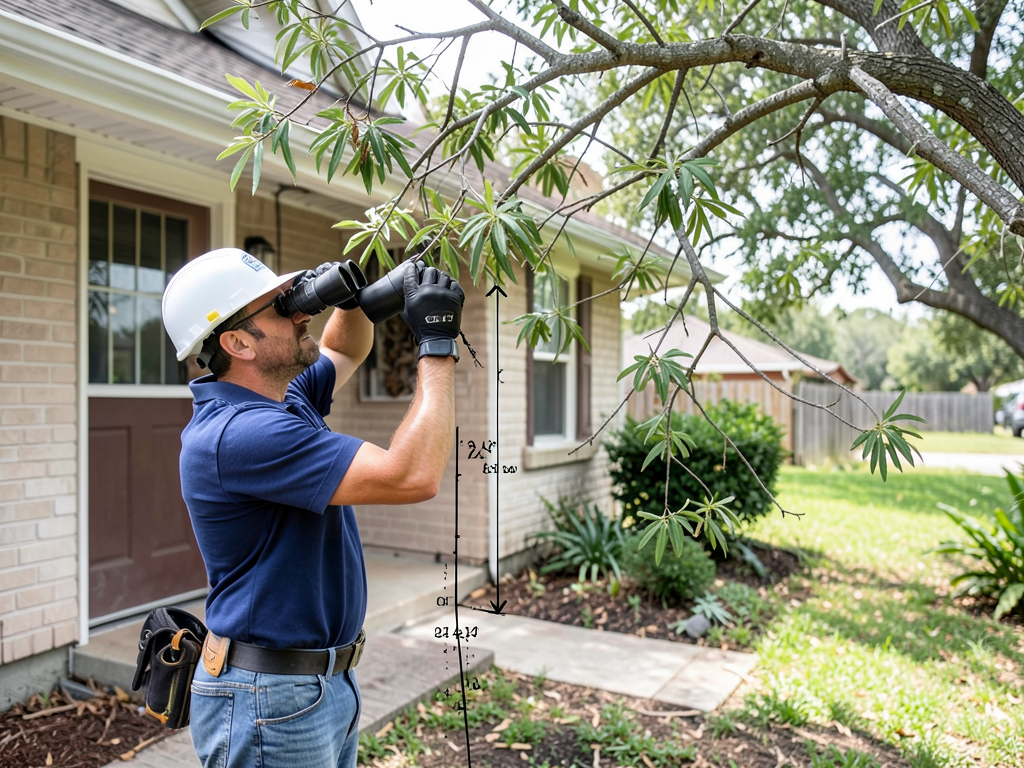
What to do when a neighbor's tree limbs are hanging over your roof in the Great Northwest Living in the…

What to do when a neighbor's tree limbs are hanging over your roof in the Great Northwest

What to do when a neighbor's tree limbs are hanging over your roof in the Great Northwest Living in the…

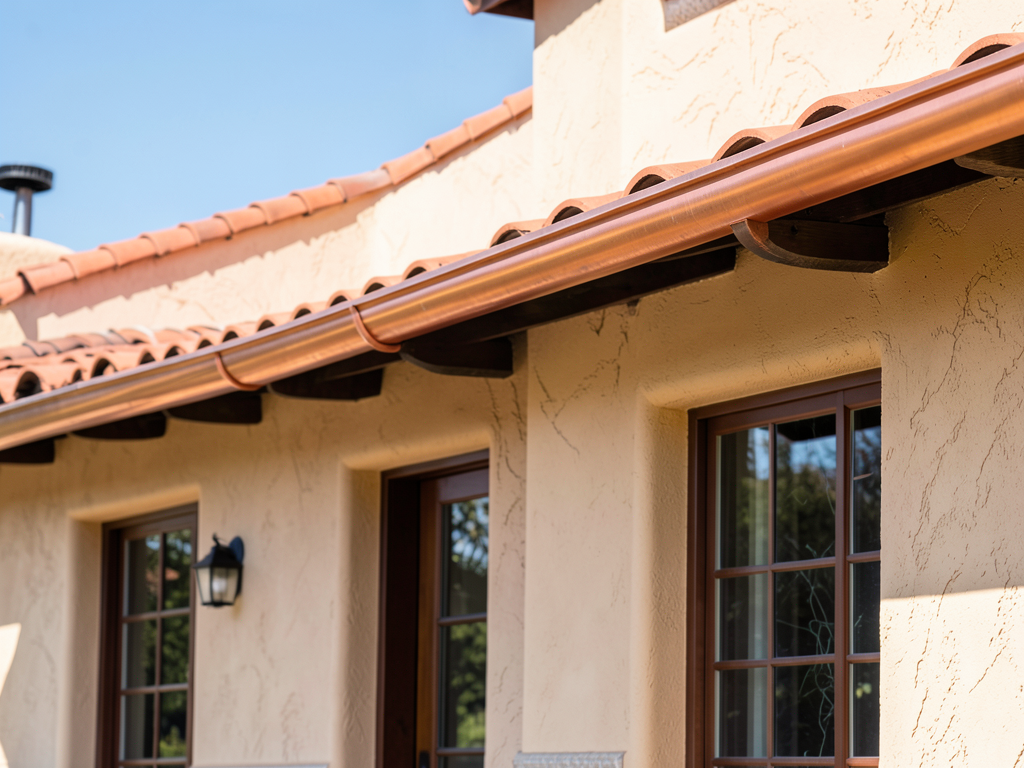
Adding instant curb appeal to your Terrell Hills home with copper gutters

Adding instant curb appeal to your Terrell Hills home with copper gutters Your Terrell Hills home deserves more than ordinary…

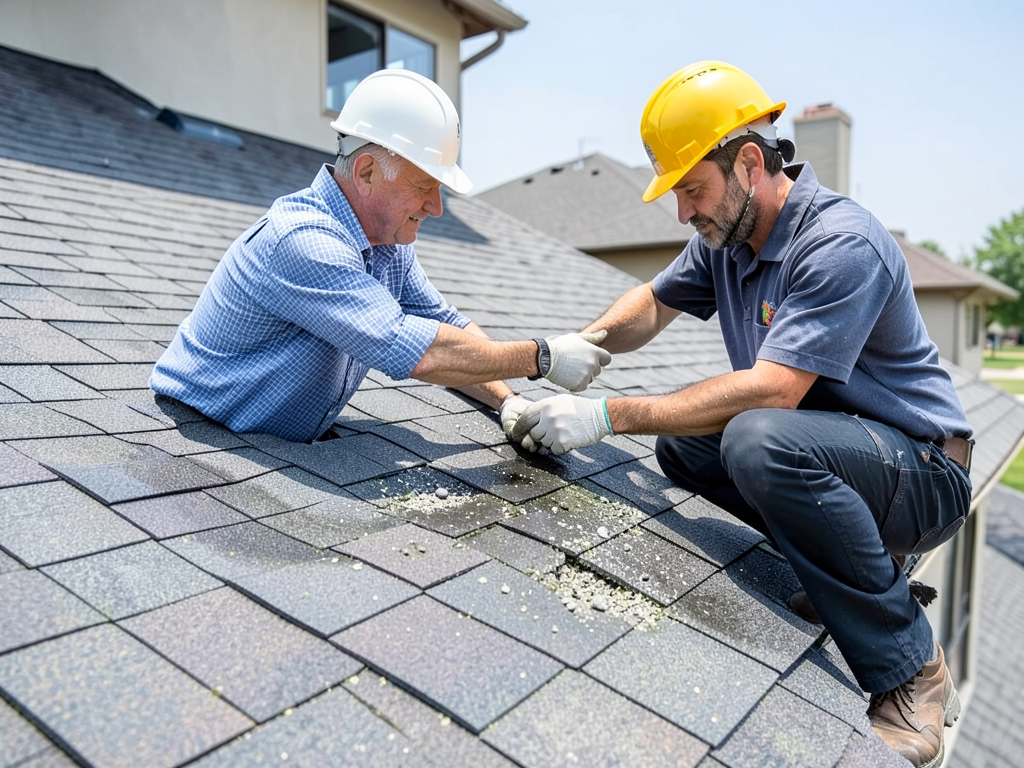
Why brand new homes in Redbird Ranch still need a yearly roof check

Why brand new homes in Redbird Ranch still need a yearly roof check Your brand new roof in Redbird Ranch…

Contact Us

Get a comprehensive apartment complex roof assessment within 48 hours. Call Summit Roofing San Antonio at (726) 256-6199 now to schedule your property evaluation and receive a detailed action plan that protects your revenue stream.