




Menu

Sagging Roof Deck in San Antonio – Get an Expert Structural Diagnosis Before the Problem Spreads

If you see dipping sections or feel soft spots when you walk on your roof, you need a structural assessment now. Summit Roofing San Antonio identifies bowed roof sheathing, warped roof decking, and hidden moisture damage before your ceiling caves in.

Slider Image 1
Slider Image 2
Slider Image 3
Slider Image 4
Slider Image 5
Slider Image 7
Slider Image 8
Slider Image 9
Slider Image 10
Slider Image 11

Why Your Roof Deck Is Sagging and What It Means for Your Home

You climb into the attic and see a dip. You step on the roof and feel give under your boots. That soft spot is not cosmetic. It is a structural problem.

A sagging roof deck means the plywood sheathing beneath your shingles has lost its rigidity. This happens when moisture penetrates the underlayment and saturates the wood. Over time, the decking swells, weakens, and begins to bow. You might see sunken roof sections from the ground or notice a visible wave running across your roofline.

San Antonio's humid subtropical climate accelerates this decay. Summer heat bakes moisture into trapped air pockets. Afternoon thunderstorms dump water onto aging roofs with compromised flashing or cracked shingles. When your attic ventilation fails to exhaust that humid air, condensation forms on the underside of the roof decking. The wood stays damp. Fungal growth begins. The plywood fibers break down.

Roof decking deflection also results from undersized or over-spaced rafters. Older homes in neighborhoods like Alamo Heights and Monte Vista were built to different load standards. If your original framing used undersized lumber or wider spacing than modern code allows, the decking has less support. Add a second or third layer of shingles and the weight crushes the already compromised structure.

Warped roof decking does not flatten itself. It gets worse. Once the wood fibers lose integrity, the decking cannot distribute load properly. Snow, rain, and foot traffic concentrate stress on weak points. The dip becomes a depression. The depression becomes a collapse zone. You do not want to be standing on it when it gives way.

Why Your Roof Deck Is Sagging and What It Means for Your Home
How We Diagnose and Repair Bowed Roof Sheathing

How We Diagnose and Repair Bowed Roof Sheathing

We do not patch soft spots with plywood scraps. We tear out the compromised decking and sister in new sheathing that meets or exceeds current code. This is structural carpentry, not roofing cosmetics.

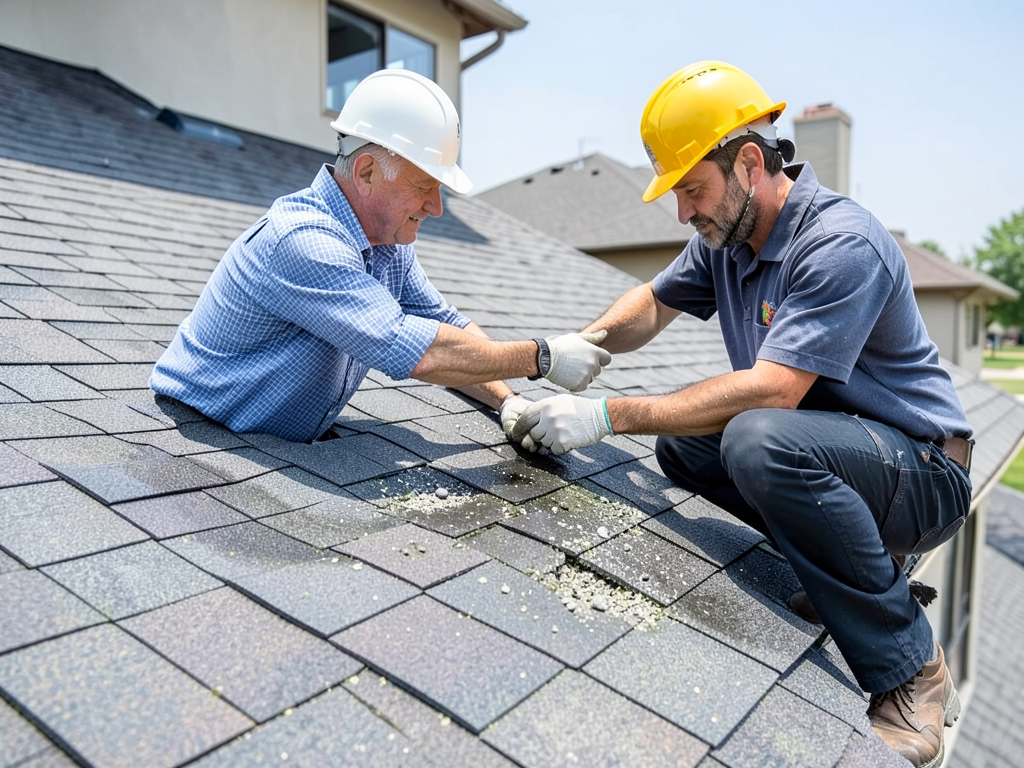
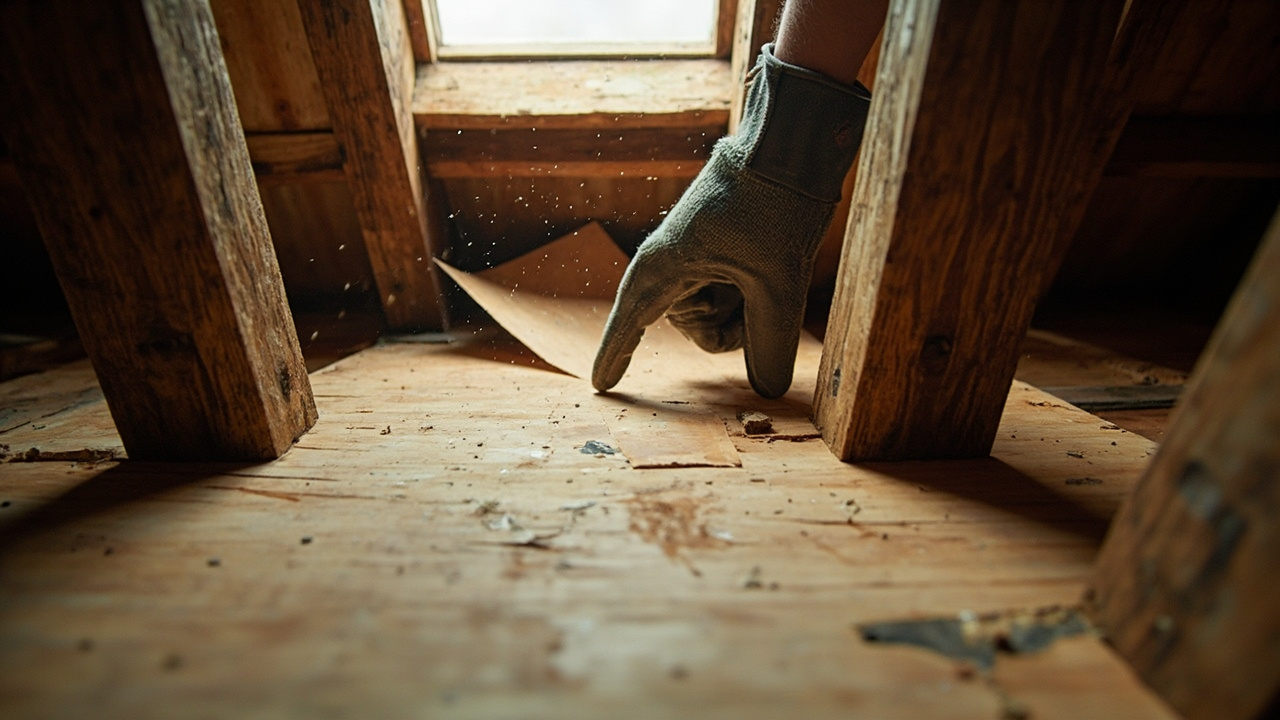
First, we inspect from both sides. We access the attic to check for water stains, mold growth, and compression fractures in the wood grain. We walk the roof surface to map every deflection zone. We measure sag depth with a straight edge and record rafter spacing. We probe for hidden rot with an awl. If the tool sinks more than a quarter inch, the decking is done.

Once we map the damage, we strip the shingles and underlayment over the affected area. We cut out the sagging sections in clean lines back to solid framing. If the rafters or trusses show rot, we sister in new lumber or install blocking to restore load capacity. We do not leave compromised framing in place.

New roof decking goes in with structural-grade plywood or oriented strand board rated for your roof pitch and span. We use ring-shank nails or screws at six-inch intervals along every rafter. The edges get H-clips to prevent differential movement between sheets. We do not skip fasteners. We do not use underlayment as a structural fix.

Before we re-roof, we address the cause. If poor attic ventilation caused condensation, we add soffit vents and ridge vents to create airflow. If a plumbing boot or chimney flashing leaked, we rebuild it to current code. If your roof has multiple layers of shingles, we strip it to the deck and start clean. Fixing the symptom without fixing the cause guarantees a return visit in two years.

What Happens During Your Roof Deck Repair

Sagging Roof Deck in San Antonio – Get an Expert Structural Diagnosis Before the Problem Spreads
01

Attic and Surface Inspection

We access your attic to inspect the underside of the roof decking for water stains, mold, and structural deflection. Then we walk the roof surface to map every soft spot and measure deflection depth. We document rafter spacing, ventilation airflow, and any signs of active leaks. This dual inspection tells us exactly where the decking failed and why.
02

Decking Removal and Framing Repair

We strip the shingles and underlayment over the damaged zone, then cut out the compromised plywood back to solid framing. If rafters or trusses show rot or compression damage, we sister in new lumber or install blocking. We do not leave weak framing in place. Every structural component gets restored to full load capacity before we install new decking.
03

New Decking and Re-Roofing

We install structural-grade plywood or OSB with ring-shank fasteners at six-inch intervals along every rafter. Edges get H-clips to prevent movement. Then we apply new underlayment and shingles that match your existing roof. Before we leave, we verify attic ventilation is adequate and all flashing is sealed. You get a roof deck that will not sag again.

Why San Antonio Homeowners Trust Summit Roofing for Structural Repairs

Roof deck repairs are not entry-level work. You need a crew that understands framing, load distribution, and moisture dynamics. We have replaced sagging decking on everything from 1920s bungalows in Dignowity Hill to modern builds in Stone Oak. We know how San Antonio's older homes were framed and where they fail first.

Local building codes require specific fastener schedules, decking thickness, and ventilation ratios. We pull permits when required and schedule inspections so your repair is documented and compliant. If you plan to sell your home, that paper trail matters. A roof with unpermitted structural work scares off buyers and kills appraisals.

We also understand how San Antonio's clay soil affects your foundation and, by extension, your roof framing. Expansive clay shifts during wet and dry cycles, causing slight movement in your home's structure. Over decades, that movement can stress roof framing and accelerate decking deflection. We check for related issues like cracked ridge boards or displaced rafters during every attic inspection.

Our crews do not outsource structural carpentry. The same team that tears out your compromised decking installs the new sheathing and re-roofs the section. This eliminates coordination gaps and ensures accountability. If something does not look right during teardown, we stop and show you before we proceed. You do not get surprises after the shingles go back on.

We also carry full liability and workers' compensation coverage. Roof deck work involves cutting into your home's structure. If a crew member falls through a soft spot or a saw cuts into wiring, you want to know the contractor is insured. We provide proof of coverage before we start work.

What You Can Expect From Start to Finish

How Long the Repair Takes

Most roof deck repairs take one to three days depending on the size of the damaged area and weather conditions. Small sections with isolated deflection can be torn out, reframed, and re-decked in a day. Larger zones that span multiple rafter bays or require significant framing repair take longer. We stage materials on-site the day before so we do not lose time waiting for deliveries. If rain delays work, we tarp the exposed section and resume as soon as conditions allow. You get a realistic timeline during the estimate, not an optimistic guess.

The Initial Assessment Process

We schedule a roof and attic inspection at a time that works for you. The inspection takes 30 to 60 minutes depending on roof size and attic access. We take photos of every problem area and explain what we find in plain language. You get a written estimate that breaks down decking removal, framing repair, new sheathing, underlayment, and shingle replacement. If your roof needs ventilation upgrades or flashing repairs to prevent future damage, we include those line items separately. You know exactly what you are paying for before we start.

The Quality of the Final Result

Your repaired roof deck will be stronger than the original. We use thicker plywood or OSB if your rafter spacing requires it, and we upgrade fastener schedules to meet current wind load standards. The new decking gets sealed with synthetic underlayment that will not rot if moisture ever penetrates the shingles again. The shingle replacement blends with your existing roof so you cannot tell where the repair happened. We haul away all debris and leave your property clean. You get a roof section that will not sag again.

Follow-Up and Maintenance Guidance

After the repair, we walk you through what caused the decking failure and how to prevent it. If poor attic ventilation was the culprit, we show you the new vents and explain how they create airflow. If a plumbing boot or flashing leaked, we show you the rebuilt flashing and explain warning signs to watch for. We recommend an annual roof inspection to catch small problems before they become structural issues. If you notice new soft spots or water stains in the attic, call us immediately. Early detection saves money and prevents ceiling collapse.

Frequently Asked Questions

You Have Questions,
We Have Answers

How San Antonio's Humidity and Clay Soil Accelerate Roof Decking Deflection

San Antonio's average relative humidity hovers around 65 percent year-round, spiking to 90 percent after summer thunderstorms. When your attic ventilation cannot exhaust that moisture-laden air, condensation forms on the underside of your roof decking. The plywood stays damp for hours or days. Fungal spores colonize the wood. The fibers soften and lose rigidity. At the same time, expansive clay soil shifts beneath your foundation during wet and dry cycles. This gradual movement stresses your roof framing over decades, accelerating bowed roof sheathing and sunken roof sections. The combination of persistent moisture and subtle structural movement creates the perfect conditions for premature decking failure.

Summit Roofing San Antonio has repaired sagging roof decks in every part of Bexar County, from historic homes near Brackenridge Park to newer subdivisions in Helotes. We know how local building practices have changed over the decades and where older homes are most vulnerable. We also understand San Antonio's permitting process and inspection requirements for structural roof repairs. When we replace your compromised decking, we document the work and pull permits when needed. That paper trail protects your property value and ensures compliance with local code. You get a repair that meets current standards and lasts for decades.
Roofing Services in The San Antonio Area

Explore our service coverage in and around San Antonio using the map below. Summit proudly serves residential and commercial clients throughout the region. Whether you're in the heart of the city or in the nearby suburbs, we’re just a call away. We make it easy to reach us for inspections, quotes, or emergency assistance. Your trusted roofing team is always nearby.

Address:
Summit Roofing San Antonio, 1100 NW Loop 410, Suite 700, San Antonio, TX, 78213

Additional Services We Offer

Our news updates

Latest Articles & News from The Blogs

What to do when a neighbor's tree limbs are hanging over your roof in the Great Northwest Living in the…

What to do when a neighbor's tree limbs are hanging over your roof in the Great Northwest

What to do when a neighbor's tree limbs are hanging over your roof in the Great Northwest Living in the…

Adding instant curb appeal to your Terrell Hills home with copper gutters

Adding instant curb appeal to your Terrell Hills home with copper gutters Your Terrell Hills home deserves more than ordinary…

Why brand new homes in Redbird Ranch still need a yearly roof check

Why brand new homes in Redbird Ranch still need a yearly roof check Your brand new roof in Redbird Ranch…

Contact Us

Sagging roof decks do not fix themselves. They get worse. Call Summit Roofing San Antonio at (726) 256-6199 to schedule a structural inspection. We will assess the damage, explain your options, and give you a written estimate. Do not wait until your ceiling collapses.