




Menu

Industrial Roof Replacement in San Antonio | Minimize Downtime with Fast-Track Commercial Reroofing

Summit Roofing San Antonio delivers industrial roof replacement with project timelines engineered for operational continuity, helping warehouses, manufacturing plants, and distribution centers across Bexar County avoid costly shutdowns during commercial reroofing.

Slider Image 1
Slider Image 2
Slider Image 3
Slider Image 4
Slider Image 5
Slider Image 7
Slider Image 8
Slider Image 9
Slider Image 10
Slider Image 11

Why Industrial Facilities in San Antonio Face Accelerated Roof Degradation

San Antonio's position in South Central Texas creates a punishing environment for industrial flat roof replacement needs. The combination of intense UV exposure, thermal cycling between 95-degree summer days and sudden winter cold fronts, and the occasional hail event from spring storm systems rapidly degrades membrane integrity on low-slope commercial roofing systems.

Industrial facilities near major corridors like I-10 and I-35 face additional challenges. The clay-rich soil throughout Bexar County expands and contracts with moisture fluctuations, creating structural movement that stresses roof-to-wall connections and penetrations. Manufacturing plants with heavy HVAC loads or process ventilation punching through the roof deck see accelerated weathering at these termination points.

Flat roof systems dominate the industrial landscape here because they maximize interior clearance for equipment and racking. However, TPO, EPDM, and modified bitumen membranes all show predictable failure patterns in this climate. Seams separate, ponding water develops in low spots, and UV degradation leads to brittleness and cracking, usually within 15 to 20 years depending on original installation quality.

The timing of industrial reroofing matters. Waiting until active leaks compromise inventory or halt production lines turns a planned capital expense into an emergency situation. Water intrusion damages product, corrodes equipment, and creates liability exposure if employees work under compromised conditions. Proactive industrial roof replacement based on condition assessment rather than reactive response to failure protects your bottom line and keeps operations running without interruption.

Why Industrial Facilities in San Antonio Face Accelerated Roof Degradation
Our Commercial Reroofing Methodology for Industrial Applications

Our Commercial Reroofing Methodology for Industrial Applications

Summit Roofing San Antonio approaches industrial roof installation differently than residential contractors who occasionally bid commercial work. We start with infrared moisture scanning and core sampling to map exactly where the existing system has failed. This data determines whether you need full tear-off or if a retrofit system over the existing substrate makes sense for your facility.

For operational facilities that cannot shut down, we phase the work. We isolate sections using temporary weather barriers, complete that zone, then move to the next area while your team continues working below. This sequencing requires coordination with your operations manager to avoid conflicts with shipping schedules, production shifts, or areas with sensitive processes.

Our crews handle the structural realities of industrial buildings. We verify deck attachment and structural capacity before specifying membrane weight and attachment method. Older facilities with lightweight insulating concrete fill or steel decks with minimal fastening require different securement than modern pre-engineered metal buildings. We follow Factory Mutual or IBC wind uplift requirements based on your building height, location, and exposure category.

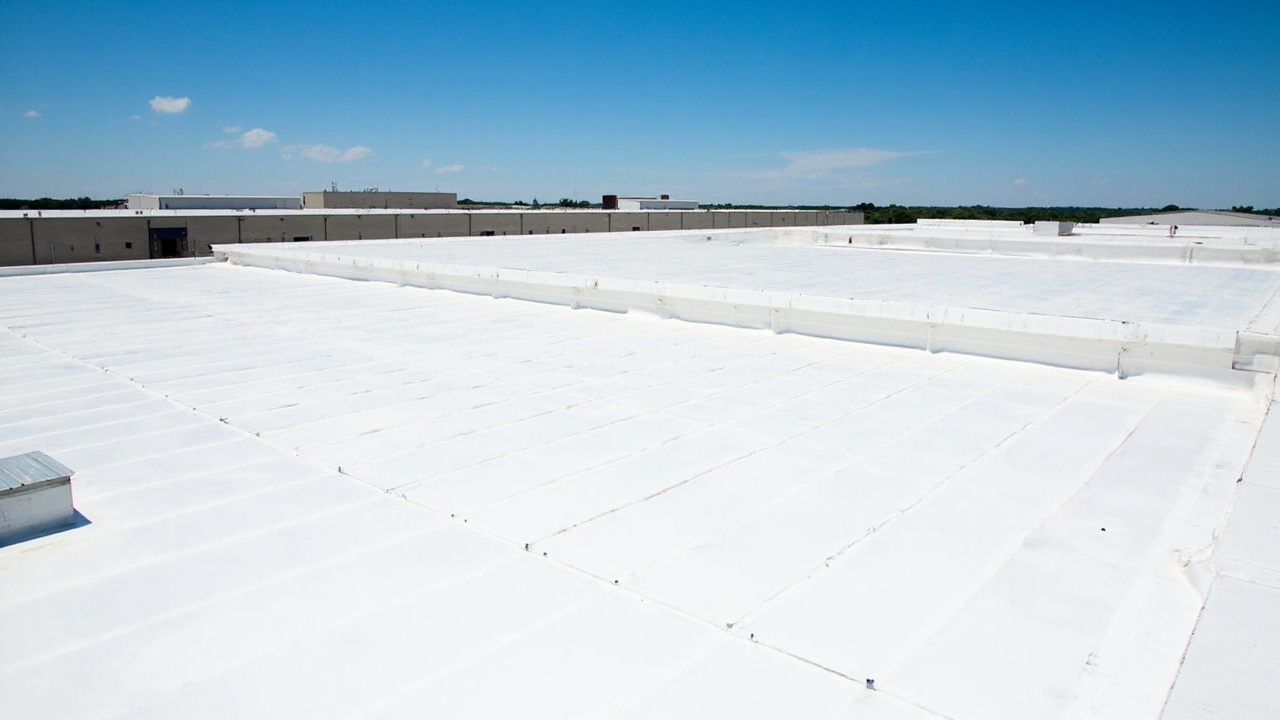
Material selection matters. TPO offers strong heat-weld seams and reflectivity that cuts cooling costs in San Antonio's long cooling season. EPDM provides proven performance for facilities with rooftop equipment traffic. Modified bitumen works well for facilities needing a tougher surface for maintenance access. We specify based on your operational needs, not our material preference.

Penetration management separates adequate industrial reroofing from systems that fail early. Every HVAC curb, vent stack, and pipe penetration gets new counterflashing with proper lap dimensions and termination bars. We rebuild curbs if the existing framing shows rot or damage. Details matter because 80 percent of commercial roof leaks trace back to flashing failures, not membrane problems.

How Industrial Roof Replacement Projects Progress from Assessment to Completion

Industrial Roof Replacement in San Antonio | Minimize Downtime with Fast-Track Commercial Reroofing
01

Facility Assessment and Planning

We conduct a complete roof inspection including core samples, infrared moisture survey, and structural deck evaluation. You receive a written assessment identifying problem areas, remaining service life, and replacement options. We coordinate with your facility manager to establish work zones that minimize operational impact and develop a phasing plan that works around your production schedule and critical business periods.
02

Phased Tear-Off and Installation

Our crews section off work areas using temporary weather protection and remove the existing roof system down to the structural deck. We replace damaged insulation, verify proper deck fastening, install new tapered insulation if drainage improvements are needed, and apply the new membrane system with heat-welded seams or fully-adhered installation per engineering specifications. All penetrations receive new counterflashing and termination details before we move to the next section.
03

Final Inspection and Documentation

After installation completes, we conduct seam testing and a final walkthrough with your facility team. You receive complete documentation including material certifications, installation photos, warranty paperwork, and an asset file with roof system specifications. We establish a maintenance protocol covering drainage cleaning, semi-annual inspections, and documentation requirements to protect your warranty coverage and extend system service life.

Why San Antonio Industrial Facilities Choose Local Commercial Roofing Specialists

Summit Roofing San Antonio understands the operational requirements of industrial facilities throughout Bexar County. We have completed commercial roof replacement projects for distribution centers along the I-10 corridor, manufacturing plants in the southeast industrial district, and warehouse facilities serving the Port San Antonio redevelopment area. This experience means we understand local building department requirements, inspection processes, and the coordination needed to work around active operations.

Industrial reroofing requires different capabilities than residential work. We maintain the equipment to handle large-scale material delivery, stage products without disrupting your operations, and complete work efficiently to minimize the duration your facility operates under construction conditions. Our crews have the training and safety protocols required for industrial environments, including confined space awareness, lockout-tagout procedures, and coordination with your environmental health and safety requirements.

Local presence matters when problems arise. Weather in San Antonio changes quickly. Spring storm systems can appear with little warning. Having a commercial reroofing contractor based locally means we respond immediately if temporary protection needs adjustment or if we need to accelerate work ahead of forecast weather. We do not leave town between phases, and we maintain relationships with local suppliers to source materials quickly if field conditions require specification changes.

We work with the engineers, architects, and property managers involved in your project. Industrial roof installation often requires stamped drawings for permit approval, coordination with rooftop equipment contractors, and documentation for corporate asset management systems. We provide the technical documentation and communication your project stakeholders require, delivered on the timeline your approval processes demand.

What to Expect During Your Industrial Roof Replacement Project

Project Duration and Scheduling

Industrial roof replacement timelines depend on building size, existing roof condition, and operational constraints. A 50,000-square-foot facility typically requires four to six weeks from mobilization to completion, working around your schedule to avoid conflicts with peak operational periods. We provide a detailed schedule during preconstruction meetings showing daily work zones, material delivery windows, and coordination points where your team needs to secure equipment or restrict access. Weather delays happen, but our phasing approach means we maintain weather-tight conditions even if work extends beyond the original timeline.

Initial Facility Evaluation

Your project starts with a comprehensive roof assessment conducted during a site visit coordinated with your facility manager. We inspect the existing membrane, flashing details, drainage system, and structural deck condition. Infrared scanning identifies wet insulation that compromises R-value and adds dead load. Core samples verify deck attachment and insulation type. You receive a written report with photos, findings, and recommendations within one week. This evaluation determines whether a recover system makes sense or if full tear-off to the deck provides better long-term value for your specific building and budget.

Installation Quality and Performance

The quality of commercial roof replacement shows up in details. We follow manufacturer specifications for seam overlap, fastener spacing, and termination methods because that determines whether your roof performs for 20 years or fails in five. Our crews verify deck attachment before installing insulation, tape all insulation joints to prevent thermal bridging, and test seam welds to confirm proper heat-weld temperatures. Flashing receives metal termination bars, not just mastic and membrane. These details cost more in labor but eliminate the callbacks and premature failures that plague industrial reroofing projects completed by low-bid contractors.

Ongoing Maintenance and Warranty Protection

Your new industrial roof system comes with manufacturer material warranties and our installation warranty, but coverage requires documented maintenance. We provide a maintenance manual outlining drainage cleaning schedules, semi-annual inspection checklists, and the documentation you need to maintain warranty compliance. Many facility managers choose our annual maintenance program where we conduct inspections, clean drains, address minor repairs, and provide the written reports your warranty requires. This proactive approach catches small problems before they become expensive failures and protects your investment throughout the system's service life.

Frequently Asked Questions

You Have Questions,
We Have Answers

How much should a 2000 sq ft roof cost? +

Industrial roofing differs from residential, so direct square footage comparisons are misleading. A 2000 sq ft industrial roof replacement in San Antonio depends on membrane type, substrate condition, and access requirements. TPO, EPDM, and modified bitumen systems each carry different material and labor costs. Factor in San Antonio's intense UV exposure and hail risk, which may require upgraded membranes or impact-resistant layers. Insulation upgrades, drainage modifications, and penetration sealing add to the total. Request a detailed scope breakdown that separates materials, labor, and warranty costs to compare bids accurately and avoid change orders.

Can roofers make 100k a year? +

This question addresses individual income, not industrial roofing services. Experienced commercial roofers in San Antonio can earn six figures through specialized skills like thermoplastic welding, metal panel installation, or project management. Industrial roofing demands expertise in large-scale waterproofing systems, safety protocols, and code compliance. The San Antonio market supports strong earning potential due to industrial growth, warehouse expansion, and facility maintenance demands. Skilled foremen and crew leads overseeing multi-building projects typically command higher wages. Certifications in spray foam application, single-ply membrane installation, or steep-slope metal systems increase earning capacity significantly.

Is a commercial roof replacement tax deductible? +

Commercial roof replacement is tax deductible, but treatment varies. Full replacements extending the roof's useful life beyond one year are capitalized and depreciated over 39 years for commercial buildings. Section 179 may allow immediate expensing up to annual limits if the replacement qualifies as equipment or meets specific criteria. Repairs that restore function without extending life are fully deductible in the year incurred. Energy-efficient upgrades may qualify for additional deductions under Section 179D. San Antonio facility owners should consult tax advisors to classify the work correctly and maximize deductions based on building use and improvement scope.

How long do industrial roofs last? +

Industrial roofs in San Antonio last 15 to 40 years depending on material and maintenance. TPO and EPDM single-ply membranes last 20 to 30 years with proper upkeep. Modified bitumen systems last 15 to 20 years. Metal roofing can exceed 40 years when coatings are reapplied. San Antonio's intense summer UV exposure, thermal cycling, and occasional hail accelerate membrane degradation. Ponding water from insufficient drainage shortens lifespan significantly. Regular inspections, immediate leak repairs, and proactive maintenance extend service life and delay replacement costs. Facilities with high internal humidity or chemical exposure may see reduced longevity without proper ventilation.

What is the most expensive part of replacing a roof? +

Labor represents the highest cost in industrial roof replacement, often exceeding 50 percent of the total. Tearing off existing membranes, disposing of materials, and preparing the substrate are labor-intensive. Substrate repairs, especially for water-damaged insulation or deteriorated decking, add unpredictable costs. In San Antonio, heat stress protocols and safety requirements increase labor hours. Material costs for premium membranes or upgraded insulation layers also drive expenses. Complex details like HVAC curbs, skylights, and expansion joints require skilled labor and increase project duration. Accurate pre-construction assessment of substrate condition minimizes costly surprises and keeps the project on budget.

How much does it cost to pour a 2000 sq ft slab? +

This question addresses concrete foundation work, not industrial roofing. A 2000 sq ft concrete slab involves site prep, grading, formwork, rebar placement, and pouring. Costs vary based on thickness, reinforcement requirements, soil conditions, and accessibility. San Antonio's expansive clay soils require special consideration for foundation stability and may demand deeper excavation or engineered fill. This work falls outside roofing scope. Facility owners planning new construction or additions should consult structural engineers and concrete contractors familiar with local soil behavior and building codes to ensure long-term slab performance and prevent settlement issues.

What is the highest paid roofing job? +

Specialized commercial roles command the highest pay in roofing. Project managers overseeing large-scale industrial replacements or multi-site portfolios earn top compensation through oversight of budgets, schedules, and crews. Certified spray polyurethane foam applicators with expertise in complex substrates earn premium rates. Metal roofing specialists installing standing seam systems on industrial facilities also command higher wages. In San Antonio, expertise in waterproofing for food processing plants, cold storage facilities, or chemical plants increases earning potential due to stringent code requirements and liability concerns. Technical sales roles with performance-based compensation can exceed six figures annually.

What percentage of roofers go out of business? +

National data suggests 50 to 60 percent of roofing contractors fail within five years. Factors include undercapitalization, poor estimating, inadequate insurance, and cash flow mismanagement. Industrial roofing requires bonding capacity, specialized equipment, and skilled labor, creating higher barriers to entry than residential work. In San Antonio's competitive commercial market, contractors lacking experience with local building codes, weatherproofing standards, or storm response capabilities struggle. Businesses that invest in safety training, maintain manufacturer certifications, and build relationships with facility managers achieve longevity. Financial discipline and accurate project costing separate surviving firms from those that close quickly.

Where do roofers make the most money? +

Commercial roofers earn the highest wages in metropolitan areas with strong industrial and commercial construction activity. Markets with unionized labor, prevailing wage requirements, or high cost of living drive compensation upward. San Antonio's expanding logistics, manufacturing, and healthcare sectors create consistent demand for industrial roofing services. Regions with harsh climates requiring frequent replacements or specialized systems also support higher earnings. States with energy sector concentration, like Texas, offer premium pay for roofing technicians working on refineries or chemical plants. Geographic areas with skilled labor shortages command higher wages to attract qualified crews capable of handling large-scale commercial projects.

Is there a tax credit for a new roof in 2025? +

Federal tax credits for residential roofing expired or do not apply to commercial properties. The Energy Efficient Commercial Buildings Deduction under Section 179D allows building owners to deduct costs for energy-efficient improvements, including reflective roofing systems meeting specific energy savings thresholds. San Antonio facility owners installing cool roofs or solar-reflective membranes may qualify if energy modeling demonstrates required savings. This applies to building owners, not tenants. Consult a tax professional to determine eligibility based on building type, ownership structure, and improvement scope. State-level incentives are rare, so federal deductions represent the primary tax benefit for commercial roof replacements.

How San Antonio's Climate and Industrial Growth Drive Demand for Commercial Roof Replacement

San Antonio's position as a major logistics and manufacturing hub means the industrial building stock continues expanding, particularly around I-35, I-10, and Loop 1604. These facilities use flat or low-slope roof systems that handle South Central Texas weather poorly without proper design and maintenance. Summer temperatures regularly exceed 95 degrees, creating thermal stress on membrane systems. Spring hail events from storms moving northeast out of the Hill Country damage TPO and EPDM surfaces. The clay soil throughout Bexar County shifts with moisture changes, stressing roof-to-wall connections and creating the structural movement that separates flashing and opens seams on industrial flat roof replacement projects.

Industrial facility managers in San Antonio choose local commercial reroofing contractors because we understand the building department requirements in Bexar County, the inspection processes for commercial projects, and the coordination required to work in active industrial environments. We know which inspectors handle commercial work, what documentation they require, and how to schedule inspections without delaying your project. Our relationships with local suppliers mean we source materials quickly and handle changes without the delays that occur when contractors ship everything from out of state. When your industrial roof installation requires responsive service and local accountability, working with San Antonio-based specialists protects your timeline and your investment.
Roofing Services in The San Antonio Area

Explore our service coverage in and around San Antonio using the map below. Summit proudly serves residential and commercial clients throughout the region. Whether you're in the heart of the city or in the nearby suburbs, we’re just a call away. We make it easy to reach us for inspections, quotes, or emergency assistance. Your trusted roofing team is always nearby.

Address:
Summit Roofing San Antonio, 1100 NW Loop 410, Suite 700, San Antonio, TX, 78213

Additional Services We Offer

Our news updates

Latest Articles & News from The Blogs

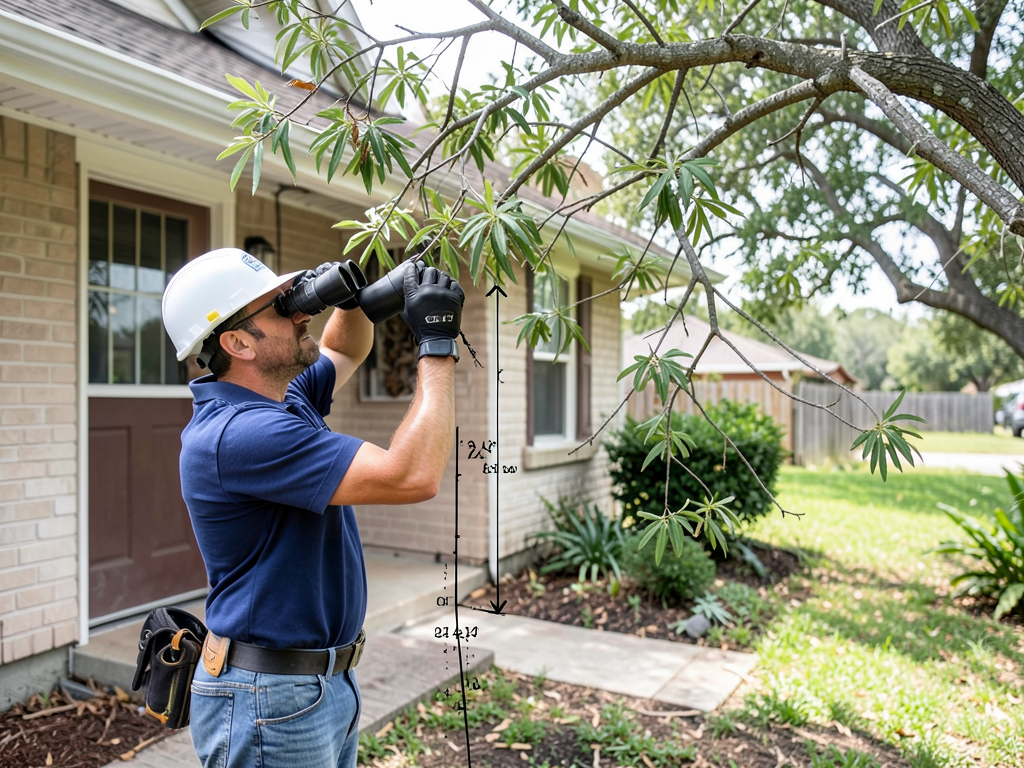
What to do when a neighbor's tree limbs are hanging over your roof in the Great Northwest Living in the…

What to do when a neighbor's tree limbs are hanging over your roof in the Great Northwest

What to do when a neighbor's tree limbs are hanging over your roof in the Great Northwest Living in the…

Adding instant curb appeal to your Terrell Hills home with copper gutters

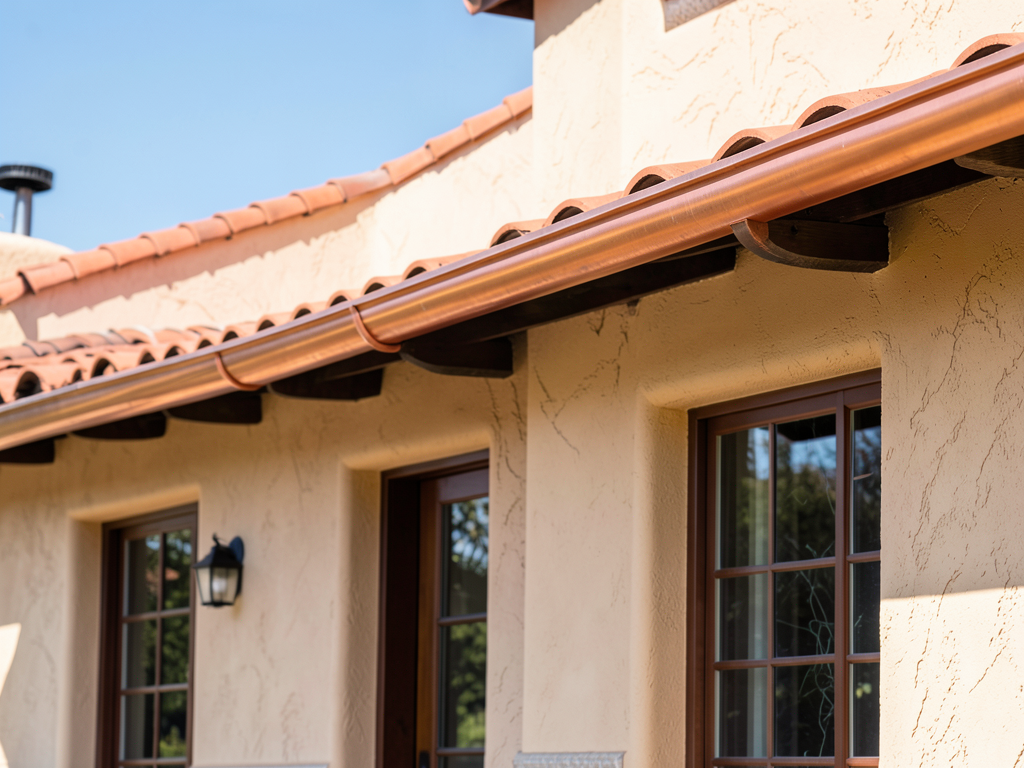
Adding instant curb appeal to your Terrell Hills home with copper gutters Your Terrell Hills home deserves more than ordinary…

Why brand new homes in Redbird Ranch still need a yearly roof check

Why brand new homes in Redbird Ranch still need a yearly roof check Your brand new roof in Redbird Ranch…

Contact Us

Contact Summit Roofing San Antonio at (726) 256-6199 for a comprehensive facility evaluation. We will assess your existing roof system, identify problems, and provide replacement options that minimize downtime and protect your operations.