
Choosing the right roof color to lower your cooling costs in the Westside area
Your roof color does more than affect curb appeal. In San Antonio’s Westside where summer temperatures regularly hit triple digits it directly impacts your energy bills. A darker roof can absorb up to 90% of solar energy while a lighter one reflects much of that heat away from your home. How to get your San Antonio roof fixed after a major hail storm.
The right color choice can reduce your attic temperature by 50 to 60 degrees Fahrenheit. That translates to lower air conditioning costs and less strain on your HVAC system during our brutal summer months. How much a new roof actually costs in San Antonio right now.
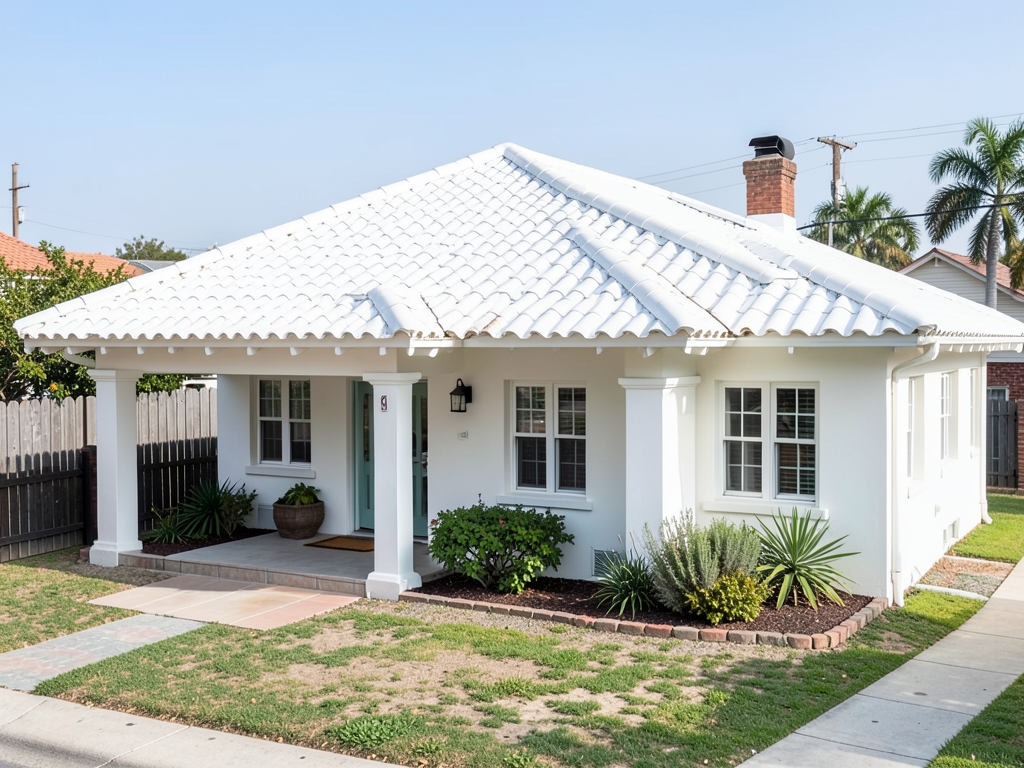
How roof color affects your cooling costs
Solar energy hits your roof throughout the day. Darker colors absorb this energy and transfer heat into your attic space. Lighter colors reflect more of that energy back into the atmosphere.. Read more about Why a Dark Roof Might Be Driving Up Your CPS Energy Bill Every Summer.
The science behind this involves two key measurements. Solar Reflectance measures how much sunlight a material reflects. Thermal Emittance measures how efficiently a surface releases absorbed heat. Together they determine the Solar Reflectance Index or SRI.
A roof with high SRI stays cooler and reduces heat transfer into your living space. This means your air conditioner runs less often and for shorter periods. Over a San Antonio summer that adds up to significant savings on your CPS Energy bill. CPS Energy official website.
Best energy-efficient roof colors for San Antonio homes
Not all light colors perform equally in our climate. Here are the top performers for the Westside area.
White and off-white shades
White roofs reflect the most solar energy. An aged white asphalt shingle typically achieves an SRI of 20 to 25. This means it reflects 20 to 25% of incoming solar radiation.
White works especially well on Spanish Colonial and Mediterranean style homes common in the Westside. These architectural styles often feature clay tile or concrete tile roofing which naturally provides better insulation than asphalt. Built-Up Roofing (BUR).
Light gray and silver
Light gray offers excellent performance with more versatility than pure white. These colors work well on mid-century ranch homes and modern farmhouse designs popular in neighborhoods like Woodlawn Hills and Jefferson.
Light gray shingles typically achieve an SRI of 15 to 20. They show dirt less than white while still providing substantial heat reflection.
Tan and beige
Warmer neutrals like tan and beige blend naturally with the limestone and stucco exteriors common throughout San Antonio. These colors achieve an SRI of 10 to 15. What to do when your San Antonio roof starts leaking in the middle of a storm.
Beige works particularly well in historic districts where white might look too stark against traditional architecture. It also hides dust and pollen better than lighter options.
Terra cotta and clay
Terra cotta offers a distinctly Texas Hill Country aesthetic while providing good energy performance. Natural clay tiles have inherent thermal properties that help regulate temperature.
Modern terra cotta colored concrete tiles achieve an SRI of 10 to 20 depending on the specific formulation. The color variation in these products helps hide imperfections and age gracefully.
Specialized cool roof shingles
Several manufacturers now offer asphalt shingles with reflective granules. These products look like traditional dark shingles but reflect more infrared radiation.
Cool roof shingles achieve an SRI of 20 to 30 despite their darker appearance. They work well for homeowners who prefer the look of dark gray or brown but want energy savings.
Material matters more than you think
The same color performs differently depending on the roofing material. Understanding these differences helps you make the best choice for your home. Understanding Roof Warranties.
Metal roofing reflects more heat than asphalt even when both are the same color. A light gray metal roof might reflect 50% more solar energy than a light gray asphalt shingle.
Tile roofing provides natural insulation due to the air space beneath each tile. This air gap reduces heat transfer regardless of the tile color.
Asphalt shingles have improved significantly with new reflective granule technology. Modern architectural shingles can achieve much higher SRI ratings than traditional three-tab products.
Local impact on your CPS Energy bill
San Antonio’s climate creates unique challenges for cooling. Our high humidity means your air conditioner must remove both heat and moisture from your home.
A cooler roof reduces the total heat load on your HVAC system. This can extend the life of your air conditioning equipment by reducing runtime hours.
Based on CPS Energy data a typical 2000 square foot home in the Westside might save 15 to 25% on cooling costs with an energy-efficient roof color. That translates to $25 to $40 per month during peak summer months.
These savings compound over time. A roof that lasts 20 years could save you $6000 to $9600 in energy costs compared to a standard dark roof.
HOA and aesthetic considerations
Many Westside neighborhoods have homeowners association guidelines that affect your color choices. Understanding these rules prevents costly mistakes.
Subdivisions like Thunderbird Hills and Thunderbird Valley often require color approval before installation. Some associations limit how light your roof can be to maintain neighborhood character.
Historic districts have additional restrictions. The King William area near downtown may require historically appropriate colors that might not be the most energy efficient.
Working with a local roofing contractor familiar with these requirements saves time and prevents rejection of your color choice.
Balancing style with efficiency
Your home’s architectural style should guide your color choice. A modern home might look best with a sleek silver or light gray roof. A traditional ranch benefits from warmer neutrals.
Consider your exterior materials too. A home with dark brick or stone might need a medium-tone roof to create visual balance. A light stucco exterior pairs beautifully with a white or very light roof.
The goal is finding a color that reduces cooling costs while enhancing your home’s appearance and fitting neighborhood standards.
Installation factors that affect performance
Even the best color choice loses effectiveness without proper installation. Ventilation plays a crucial role in keeping your attic cool.
Adequate intake and exhaust vents allow hot air to escape from your attic. This prevents heat buildup that would otherwise transfer into your living space.
Underlayment quality matters too. Some synthetic underlayments reflect more heat than traditional felt paper. This adds another layer of protection against heat transfer.
Proper installation also includes ensuring your roof decking is in good condition. Damaged or warped decking creates air gaps that reduce insulation effectiveness.
Cost considerations
Energy-efficient roofing colors typically cost the same as standard colors. The main price difference comes from the roofing material itself.
Metal roofing costs more upfront but offers superior longevity and energy performance. Tile roofing also has higher initial costs but provides excellent insulation and durability.
Asphalt shingles remain the most affordable option. Premium cool roof asphalt products cost slightly more than standard shingles but offer better energy performance.
Factor in the long-term energy savings when comparing prices. A more expensive roof that cuts your cooling bills might pay for itself over time.
Maintenance and longevity
Light colored roofs show dirt and algae growth more readily than dark ones. This means you might need to clean your roof more frequently to maintain its reflective properties.
Many manufacturers now add algae-resistant granules to their light colored shingles. These prevent the black streaks that commonly appear on roofs in humid climates.
Regular maintenance includes removing debris that can trap moisture and promote algae growth. Clean gutters also prevent water backup that could damage your roof deck.
A well-maintained energy-efficient roof can last 20 to 30 years depending on the material. This longevity maximizes your energy savings over the roof’s lifetime.
Environmental benefits
Beyond personal savings energy-efficient roof colors benefit the entire community. They reduce the urban heat island effect that makes cities hotter than surrounding areas.
San Antonio’s Westside experiences significant heat buildup during summer. Widespread adoption of cool roof colors could lower neighborhood temperatures by several degrees.
Lower energy consumption also reduces power plant emissions. This helps improve air quality throughout Bexar County especially during ozone alert days.
Some utility companies offer rebates for cool roof installations. Check with CPS Energy for current incentive programs that might offset your roofing costs.
Making your final decision
Start by evaluating your home’s style and your neighborhood’s character. Then consider your energy savings goals and budget constraints.
Request samples from your roofing contractor to see how different colors look on your specific home. Colors appear different under various lighting conditions and against different exterior materials.
Ask about the Solar Reflectance Index rating for any color you’re considering. Higher numbers mean better energy performance.
Consider the long-term picture. The right color choice today can save you thousands in energy costs over the next two decades.
Frequently Asked Questions
Will a light colored roof make my home colder in winter?
San Antonio winters are mild compared to our summers. The heating savings from a darker roof in winter are minimal compared to the cooling savings in summer. You’ll still save money overall with a lighter color.
How much does roof color affect home value?
Curb appeal significantly impacts home value. A roof color that complements your home’s style can increase perceived value. Energy-efficient features also appeal to many buyers potentially increasing marketability.
Can I install solar panels on a light colored roof?
Yes solar panels work on any roof color. In fact the cooler surface under panels can improve their efficiency slightly. The panels themselves absorb most incoming solar radiation regardless of the roof color beneath them.
How long does it take to recoup the investment in an energy-efficient roof?
Most homeowners recover the additional cost through energy savings within 5 to 7 years. This depends on your specific energy rates home size and how much you currently spend on cooling.
Are there any tax credits for energy-efficient roofing?
Federal tax credits for roofing materials expired recently. However some local utility companies and municipalities offer rebates. Check with CPS Energy and the City of San Antonio for current programs.
Ready to lower your cooling costs?
The right roof color can make a real difference in your San Antonio home’s comfort and energy efficiency. Our team understands the unique challenges of the Westside climate and can help you choose the perfect color for your home.
We’ll evaluate your home’s style neighborhood requirements and energy goals to recommend the best options. Our installation includes proper ventilation and underlayment to maximize your roof’s performance.
Call Summit Roofing San Antonio today at (726) 256-6199 to schedule your free consultation. Let’s find the perfect roof color to keep your home cooler and your energy bills lower. For more information, visit U.S. Department of Energy on cool roofs. For more information, visit EPA information on cool roofs.
{
“@context”: “https://schema.org”,
“@type”: “BlogPosting”,
“headline”: “Choosing the right roof color to lower your cooling costs in the Westside area”,
“description”: “Discover how roof color affects cooling costs in San Antonio’s Westside. Learn which colors reflect heat best and save on energy bills.”,
“wordCount”: 1816,
“datePublished”: “2026-04-08T09:29:00.000Z”,
“dateModified”: “2026-04-08T09:29:00.000Z”,
“inLanguage”: “en-US”,
“mainEntityOfPage”: {
“@type”: “WebPage”,
“@id”: “https://summitroofingsanantonio.com”
},
“publisher”: {
“@type”: “LocalBusiness”,
“name”: “Summit Roofing San Antonio”,
“url”: “https://summitroofingsanantonio.com”
},
“author”: {
“@type”: “Organization”,
“name”: “Summit Roofing San Antonio”,
“url”: “https://summitroofingsanantonio.com”
},
“image”: {
“@type”: “ImageObject”,
“url”: “https://summitroofingsanantonio.com/wp-content/uploads/2026/03/choosing-the-right-roof-color-to-lower-your-coolin-1.png”
}
}
{
“@context”: “https://schema.org”,
“@type”: “RoofingContractor”,
“name”: “Summit Roofing San Antonio”,
“url”: “https://summitroofingsanantonio.com”,
“address”: {
“@type”: “PostalAddress”,
“addressLocality”: “San Antonio”
},
“areaServed”: {
“@type”: “City”,
“name”: “San Antonio”
}
}
{
“@context”: “https://schema.org”,
“@type”: “FAQPage”,
“mainEntity”: [
{
“@type”: “Question”,
“name”: “Will a light colored roof make my home colder in winter?”,
“acceptedAnswer”: {
“@type”: “Answer”,
“text”: “San Antonio winters are mild compared to our summers. The heating savings from a darker roof in winter are minimal compared to the cooling savings in summer. You’ll still save money overall with a lighter color.”
}
},
{
“@type”: “Question”,
“name”: “How much does roof color affect home value?”,
“acceptedAnswer”: {
“@type”: “Answer”,
“text”: “Curb appeal significantly impacts home value. A roof color that complements your home’s style can increase perceived value. Energy-efficient features also appeal to many buyers potentially increasing marketability.”
}
},
{
“@type”: “Question”,
“name”: “Can I install solar panels on a light colored roof?”,
“acceptedAnswer”: {
“@type”: “Answer”,
“text”: “Yes solar panels work on any roof color. In fact the cooler surface under panels can improve their efficiency slightly. The panels themselves absorb most incoming solar radiation regardless of the roof color beneath them.”
}
},
{
“@type”: “Question”,
“name”: “How long does it take to recoup the investment in an energy-efficient roof?”,
“acceptedAnswer”: {
“@type”: “Answer”,
“text”: “Most homeowners recover the additional cost through energy savings within 5 to 7 years. This depends on your specific energy rates home size and how much you currently spend on cooling.”
}
},
{
“@type”: “Question”,
“name”: “Are there any tax credits for energy-efficient roofing?”,
“acceptedAnswer”: {
“@type”: “Answer”,
“text”: “Federal tax credits for roofing materials expired recently. However some local utility companies and municipalities offer rebates. Check with CPS Energy and the City of San Antonio for current programs.”
}
},
{
“@type”: “Question”,
“name”: “Ready to lower your cooling costs?”,
“acceptedAnswer”: {
“@type”: “Answer”,
“text”: “The right roof color can make a real difference in your San Antonio home’s comfort and energy efficiency. Our team understands the unique challenges of the Westside climate and can help you choose the perfect color for your home.”
}
}
]
}
{
“@context”: “https://schema.org”,
“@type”: “BreadcrumbList”,
“itemListElement”: [
{
“@type”: “ListItem”,
“position”: 1,
“name”: “Home”,
“item”: “https://summitroofingsanantonio.com”
},
{
“@type”: “ListItem”,
“position”: 2,
“name”: “Blog”,
“item”: “https://summitroofingsanantonio.com/blog”
},
{
“@type”: “ListItem”,
“position”: 3,
“name”: “Choosing the right roof color to lower your cooling costs in the Westside area”
}
]
}
{
“@context”: “https://schema.org”,
“@type”: “Service”,
“serviceType”: “Roofing”,
“provider”: {
“@type”: “LocalBusiness”,
“name”: “Summit Roofing San Antonio”,
“url”: “https://summitroofingsanantonio.com”
},
“areaServed”: {
“@type”: “City”,
“name”: “San Antonio”
},
“description”: “Discover how roof color affects cooling costs in San Antonio’s Westside. Learn which colors reflect heat best and save on energy bills.”
}