




Menu

Roof Coating Application in San Antonio – Extending Your Roof's Life Against Texas Heat and UV Damage

Summit Roofing San Antonio applies elastomeric roof coatings engineered to reflect intense sun, reduce thermal cycling, and prevent premature membrane failure on flat and low-slope roofs across the Alamo City.

Slider Image 1
Slider Image 2
Slider Image 3
Slider Image 4
Slider Image 5
Slider Image 7
Slider Image 8
Slider Image 9
Slider Image 10
Slider Image 11

Why San Antonio Roofs Fail Without Protective Coating

San Antonio's climate punishes roofs. Summer temperatures routinely exceed 100°F, baking asphalt and membrane systems for months. UV radiation degrades roof materials faster here than in northern climates. The thermal cycling between scorching days and cooler nights causes expansion and contraction that cracks seams and splits membranes.

Without protection, your roof ages in dog years. Flat roofs on commercial buildings and low-slope residential structures absorb heat, drive up cooling costs, and develop leaks at penetrations and seams. Modified bitumen, TPO, and EPDM membranes all show accelerated wear under South Texas sun.

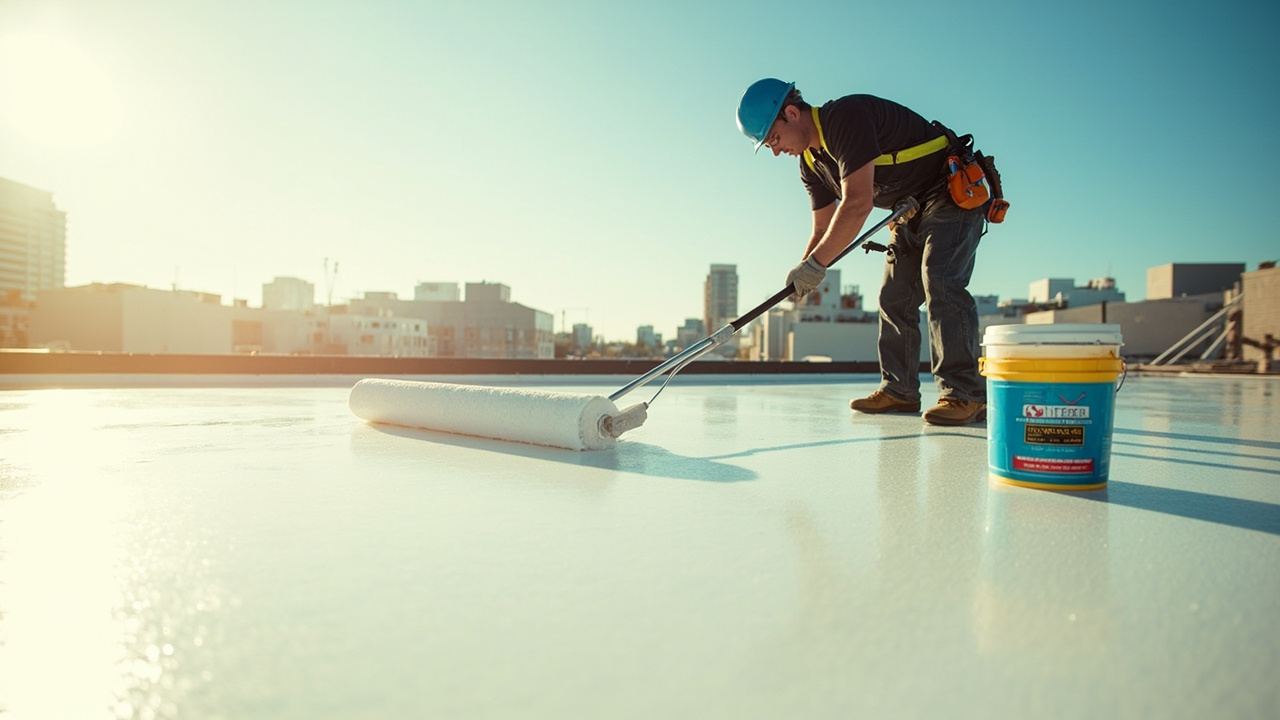
Applying roof coating creates a reflective barrier that rejects up to 85% of solar radiation. Liquid roof coating application fills micro-cracks, seals vulnerable seams, and creates a monolithic waterproof layer. Elastomeric roof coating application flexes with temperature changes instead of cracking like untreated membranes.

This process stops minor issues from becoming major failures. A roof showing early signs of wear, granule loss on modified bitumen, or chalking on TPO is a perfect candidate for coating instead of replacement. Applying roof sealant extends service life by 10 to 15 years at a fraction of replacement cost.

In neighborhoods from Alamo Heights to Stone Oak, property owners face the same challenge. The sun does not discriminate. Roof coating installation protects your investment and delays the expensive decision to tear off and replace.

Why San Antonio Roofs Fail Without Protective Coating
How Professional Roof Coating Application Works

How Professional Roof Coating Application Works

Roof coating application is not painting. It requires surface preparation, material selection, and application technique that most contractors get wrong.

We start with a thorough roof inspection. We identify substrate type, existing damage, and moisture intrusion. Moisture trapped under coating leads to blistering and delamination. We use infrared scanning on larger commercial roofs to map wet insulation before any liquid roof coating application begins.

Surface preparation determines coating performance. We power wash to remove dirt, biological growth, and loose granules. We grind down raised seams on modified bitumen. We prime porous substrates to ensure proper adhesion. Penetrations, vents, and HVAC curbs get fabric reinforcement embedded in base coat for puncture resistance.

Material selection matters. Acrylic coatings work well in San Antonio's dry climate and offer excellent UV resistance and reflectivity. Silicone coatings handle ponding water better on roofs with drainage issues. Elastomeric roof coating application provides the best balance of flexibility and durability for most applications.

We apply coating in multiple passes to achieve proper mil thickness. The first coat seals the substrate. The second coat builds film thickness for waterproofing and reflectivity. We use airless sprayers calibrated for viscosity and temperature, not rollers that leave thin spots.

Summit Roofing San Antonio follows manufacturer specifications exactly. Applying roof sealant at the wrong temperature, wrong thickness, or wrong substrate compatibility voids performance expectations. We do not cut corners on prep or materials.

Our Roof Coating Application Process

Roof Coating Application in San Antonio – Extending Your Roof's Life Against Texas Heat and UV Damage
01

Roof Assessment and Preparation

We inspect your roof for structural integrity, existing damage, and moisture issues. We document substrate condition, measure existing coating thickness if present, and identify areas requiring repair before coating. Power washing removes contaminants, and we allow complete drying before material application. Proper substrate preparation determines coating longevity and prevents future delamination or blistering problems.
02

Repair and Priming

We repair cracks, splits, and damaged seams with compatible materials. Penetrations and detail areas get fabric reinforcement embedded in base coat for added strength. Porous substrates receive primer to improve adhesion and prevent excessive coating absorption. We address flashing defects and edge metal issues that could compromise the coating system. This repair phase ensures a sound substrate for liquid roof coating application.
03

Coating Application and Inspection

We apply elastomeric roof coating in multiple passes using calibrated airless sprayers to achieve manufacturer-specified mil thickness. Each coat cures fully before the next application. We monitor weather conditions and avoid application during temperature extremes or high humidity. Final inspection confirms uniform coverage, proper film build, and complete detail work. You receive documentation of materials used and coverage rates for future maintenance planning.

Why San Antonio Property Owners Choose Summit Roofing

Roof coating application done wrong costs you twice. You pay for materials and labor that fail in two years instead of lasting fifteen. You face the same replacement decision you tried to avoid.

Summit Roofing San Antonio specializes in commercial and residential coating systems across the greater San Antonio metro. We understand which coating chemistries perform in Texas heat. We know that silicone handles the ponding water common on older flat roofs with inadequate slope. We know that acrylic coatings require perfectly dry substrates and fail if applied over moisture.

We work with property managers, facility directors, and homeowners from downtown to the Hill Country. We have coated everything from historic buildings in Southtown to industrial facilities near the airport. Local building codes require specific fire ratings and wind uplift resistance. We ensure your coating system meets those requirements.

Our crews are trained in application technique, not just handed a sprayer. Film thickness matters. Too thin and you get no waterproofing or UV protection. Too thick and you waste money on excess material. We calibrate equipment and measure wet film thickness during application.

We also know when coating is the wrong choice. If your roof has structural damage, widespread membrane splitting, or saturated insulation, coating will not fix those problems. We tell you the truth about what your roof needs. Sometimes that means replacement. Sometimes that means targeted repairs before applying roof coating. We do not sell you a service that will not perform.

You are hiring local expertise that understands San Antonio's climate and construction methods.

What to Expect When You Choose Roof Coating

Project Timeline and Scheduling

Most residential roof coating projects take two to three days depending on roof size and required repairs. Commercial roofs may take longer based on square footage and complexity. Weather affects scheduling more than replacement projects because coatings require dry conditions and specific temperature ranges for proper curing. We monitor forecasts and schedule during optimal windows. You can remain in your building during the work. Roof coating installation produces minimal noise and no odor issues. We coordinate with you to avoid disruption to business operations or daily routines.

Initial Roof Assessment

We conduct a detailed roof inspection before providing a detailed proposal. This includes checking membrane condition, identifying moisture intrusion, evaluating drainage, and assessing detail work at penetrations and edges. For commercial properties, we may use infrared scanning to detect wet insulation that could compromise coating adhesion. We document current issues with photos and explain what repairs are necessary before applying roof sealant. You receive a written assessment that outlines substrate condition, recommended coating system, and expected service life extension. This transparency helps you make an informed decision.

Quality of Final Results

A professionally applied elastomeric roof coating creates a seamless, monolithic membrane that reflects heat and waterproofs your roof. You will notice immediate energy savings as your building stays cooler and air conditioning runs less. The bright white surface reflects up to 85% of solar radiation compared to dark membrane systems that absorb heat. Your roof stops leaking at seams and penetrations. The coating flexes with thermal movement instead of cracking. You gain 10 to 15 years of additional service life without the expense and disruption of complete roof replacement.

Maintenance and Long-Term Care

Roof coatings require periodic maintenance to maximize lifespan. We recommend annual inspections to identify any damage from foot traffic, hail, or debris. Small areas of wear can be touched up easily before they become larger problems. Keep drains and scuppers clear to prevent ponding water that degrades coating over time. Most coating systems can be recoated after 10 to 15 years to extend service life further. This recoat process costs less than the initial application because the substrate is already sealed and prepared. We provide maintenance guidelines specific to your coating type and roof configuration.

Frequently Asked Questions

You Have Questions,
We Have Answers

What is the best way to apply roof coating? +

The best method depends on your roof type and condition. Start by cleaning the surface with a pressure washer to remove debris, algae, and loose material. Repair all cracks, leaks, and damaged areas before coating. Apply a primer if needed, especially on porous surfaces. Use a high-quality elastomeric or acrylic coating designed for San Antonio's intense UV exposure and temperature swings. Roll or spray the coating in even layers during dry conditions, ideally when temperatures stay between 50-90 degrees. Avoid application before rain or during high humidity periods common in summer months. Two coats provide optimal protection and longevity.

What are the disadvantages of roof coatings? +

Roof coatings require proper surface preparation or they fail quickly. If your roof has significant structural damage, ponding water, or saturated insulation, coating will not fix these problems. San Antonio's extreme heat can cause cheap coatings to blister or crack within months. Coatings add minimal insulation value and may void existing warranties if applied incorrectly. They need reapplication every 5-10 years depending on product quality and weather exposure. DIY application often leads to uneven coverage, thin spots, and premature failure. Coatings also hide underlying damage temporarily, which can worsen undetected leaks over time.

How do you prepare a roof for elastomeric coating? +

Preparation determines coating success. First, inspect for structural damage, ponding areas, and leaks. Power wash the entire surface to remove dirt, mold, grease, and loose material. Let the roof dry completely, which takes 24-48 hours in San Antonio's humidity. Repair all cracks, splits, and damaged flashing with compatible patching materials. Remove rust from metal surfaces and apply rust inhibitor. Fill seams and gaps with elastomeric caulk. Prime porous surfaces like concrete or weathered metal to ensure proper adhesion. Check weather forecasts and avoid application if rain threatens within 24 hours or temperatures exceed 95 degrees.

How many coats of elastomeric roof coating? +

Apply two coats minimum for proper protection and warranty compliance. The first coat seals the surface and fills minor imperfections. The second coat provides thickness and complete coverage. Each coat should be 10-15 mils wet, creating a total dry film thickness of 15-20 mils. Wait 4-8 hours between coats depending on temperature and humidity. San Antonio's heat accelerates drying, but high humidity can extend cure times. Some manufacturers require three coats on porous substrates or extremely weathered roofs. Always follow the specific product instructions for your coating type and substrate material to ensure proper performance.

How long should roof coating dry before rain? +

Most elastomeric coatings need 24-48 hours to cure before rain exposure. San Antonio's afternoon thunderstorms make timing critical during spring and summer months. Temperature and humidity affect cure times significantly. Coatings dry faster in low humidity and temperatures between 70-85 degrees. If rain hits uncured coating, it washes away, causes bubbling, or creates thin spots that fail prematurely. Check extended weather forecasts before starting. Plan application during dry periods, ideally fall or winter when rain patterns are more predictable. Some fast-dry coatings cure in 4-6 hours, but these cost more and may sacrifice longevity.

How to put a roof on for beginners? +

Installing a complete roof requires professional skills, tools, and safety equipment beyond beginner level. You risk serious injury from falls, improper techniques, and code violations. San Antonio building codes mandate specific wind ratings, flashing details, and underlayment requirements for storm protection. Mistakes cause leaks, structural damage, and voided insurance claims. If you want to learn roofing, start with small repairs like replacing shingles or fixing flashing. Watch experienced roofers work. Take safety courses. Understand local weather challenges like hail and wind uplift. For full installations, hire licensed contractors who pull permits and guarantee their work.

What is the 80 20 rule for coating? +

The 80-20 rule suggests 80 percent of coating failures come from 20 percent of application mistakes. These critical errors include inadequate surface preparation, applying coating too thin, ignoring weather conditions, and skipping primer on porous surfaces. In San Antonio, the most common mistake is rushing application before checking humidity levels and rain forecasts. Contractors who skip cleaning or fail to repair damage before coating cause most premature failures. Focus your effort on thorough prep work, proper dry film thickness, and ideal weather timing. These steps prevent the majority of coating problems and ensure long-term performance.

What is the average cost of roof coating? +

Roof coating costs vary widely based on roof size, condition, coating type, and accessibility. Material costs range from $0.75 to $3.00 per square foot for quality elastomeric or silicone products. Labor adds $1.50 to $4.00 per square foot depending on prep work required and roof complexity. A typical San Antonio home needs significant surface cleaning due to algae growth and UV damage. Flat commercial roofs with ponding issues cost more to prep. Expect higher quotes if your roof needs extensive repairs before coating. Quality products and thorough preparation cost more upfront but last longer in intense Texas heat and weather.

How to tell if a roofer is lying? +

Watch for red flags. A dishonest roofer pressures immediate decisions, demands large upfront deposits, or offers prices far below competitors without explanation. They avoid written contracts, lack proper licensing, or refuse to pull permits for San Antonio code compliance. Liars exaggerate storm damage to inflate insurance claims or recommend unnecessary full replacements when repairs suffice. Check their physical business address, verify insurance, and read recent reviews mentioning completed projects. Ask for local references you can visit. Legitimate contractors explain options clearly, document damage with photos, and provide detailed written estimates breaking down materials and labor costs.

How much does a 5 gallon bucket of roof coating cover? +

A five-gallon bucket covers 250-500 square feet depending on coating thickness, application method, and surface porosity. Smooth metal roofs need less material than rough concrete or aged shingles. Manufacturers recommend 10-15 mils wet thickness per coat, which equals roughly 100 square feet per gallon for proper coverage. San Antonio's porous, UV-damaged surfaces absorb more coating than newer roofs. Rolling uses more material than spraying but ensures better thickness control. Always buy 10-15 percent extra for waste, surface variations, and second coats. Coverage claims on labels assume ideal conditions, which rarely exist on weathered roofs needing restoration.

San Antonio's Intense UV and Heat Demand Protective Roof Coating

San Antonio receives over 2,800 hours of sunshine annually and sits in one of the highest UV index zones in the continental United States. This combination accelerates roof degradation faster than cities with cloud cover or milder climates. Modified bitumen loses granules in five to seven years instead of ten. TPO membranes chalk and become brittle. EPDM shrinks and pulls away from termination bars. Applying roof coating before significant damage occurs is preventative maintenance that makes financial sense. The reflective surface reduces roof surface temperature by 50°F or more, which slows material breakdown and cuts cooling costs.

San Antonio's commercial building stock includes many flat-roof structures built during the 1980s and 1990s construction boom. These roofs are reaching the end of their original service life but may not need full replacement yet. Roof coating installation extends their viability while property owners plan for eventual replacement. Local contractors who understand substrate compatibility and proper surface preparation deliver results that last. Summit Roofing San Antonio has worked on roofs across every neighborhood, from Medical Center office buildings to Southside industrial facilities. We understand local code requirements and work with inspectors who expect quality application and proper documentation.
Roofing Services in The San Antonio Area

Explore our service coverage in and around San Antonio using the map below. Summit proudly serves residential and commercial clients throughout the region. Whether you're in the heart of the city or in the nearby suburbs, we’re just a call away. We make it easy to reach us for inspections, quotes, or emergency assistance. Your trusted roofing team is always nearby.

Address:
Summit Roofing San Antonio, 1100 NW Loop 410, Suite 700, San Antonio, TX, 78213

Additional Services We Offer

Our news updates

Latest Articles & News from The Blogs

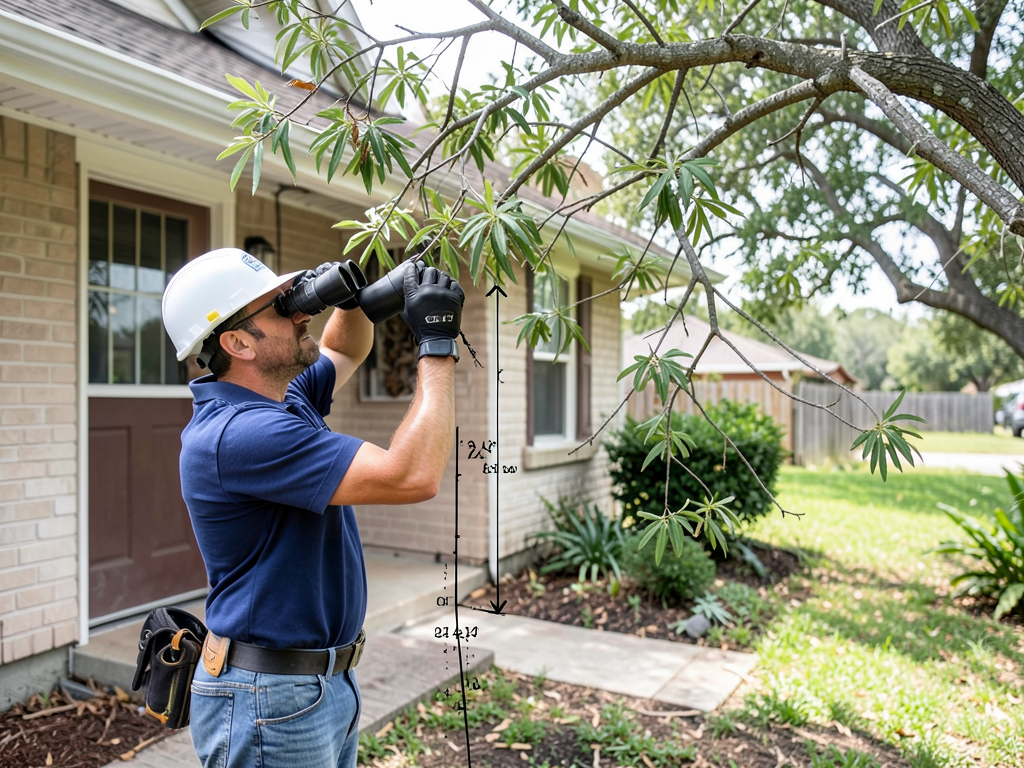
What to do when a neighbor's tree limbs are hanging over your roof in the Great Northwest Living in the…

What to do when a neighbor's tree limbs are hanging over your roof in the Great Northwest

What to do when a neighbor's tree limbs are hanging over your roof in the Great Northwest Living in the…

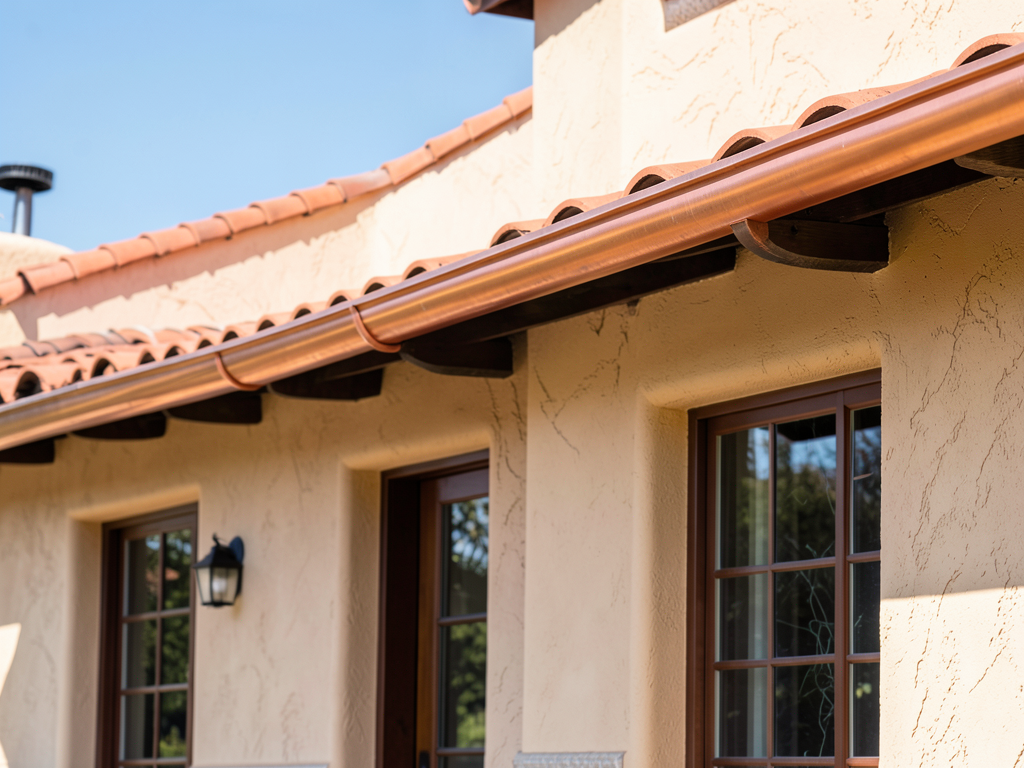
Adding instant curb appeal to your Terrell Hills home with copper gutters

Adding instant curb appeal to your Terrell Hills home with copper gutters Your Terrell Hills home deserves more than ordinary…

Why brand new homes in Redbird Ranch still need a yearly roof check

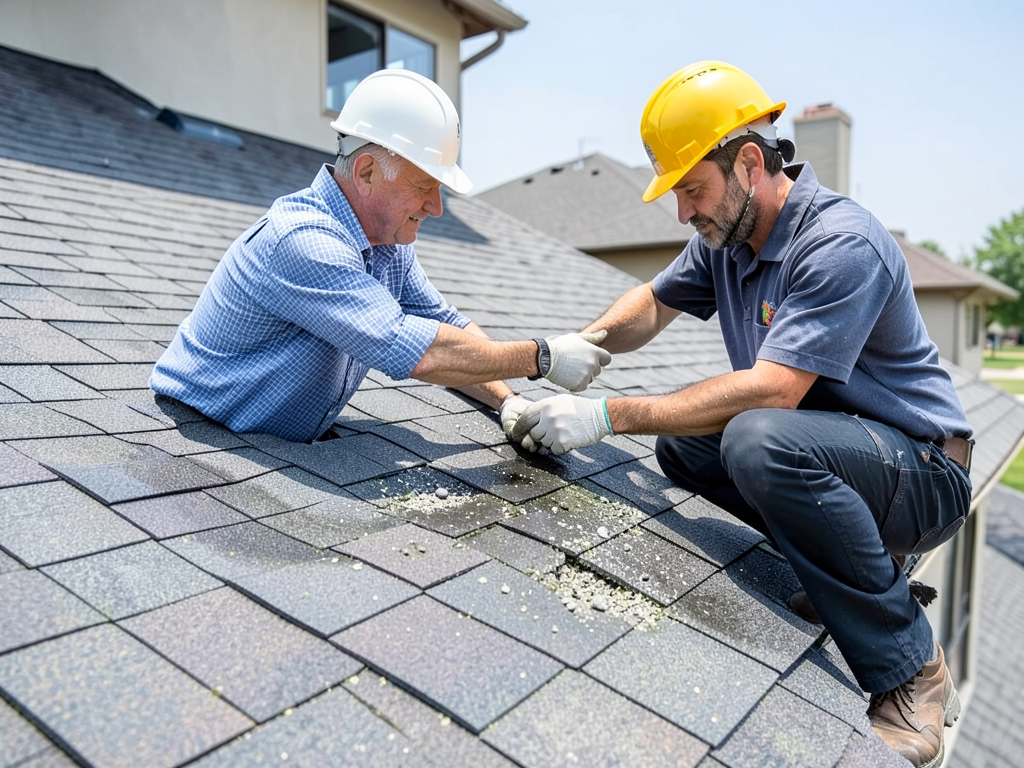
Why brand new homes in Redbird Ranch still need a yearly roof check Your brand new roof in Redbird Ranch…

Contact Us

If your roof shows wear but has not failed, coating may be the right solution. Call Summit Roofing San Antonio at (726) 256-6199 for an honest assessment. We will tell you if coating makes sense or if you need a different approach.