




Menu

The Importance of Drip Edge in San Antonio – Protecting Your Home from Texas Storm Damage and Fascia Rot

Understanding the function of drip edge and why this critical flashing component stops water intrusion that can destroy your roof deck, fascia boards, and foundation in San Antonio's intense rainfall climate.

Slider Image 1
Slider Image 2
Slider Image 3
Slider Image 4
Slider Image 5
Slider Image 7
Slider Image 8
Slider Image 9
Slider Image 10
Slider Image 11

Why Drip Edge Matters More in San Antonio Than You Think

San Antonio gets hit with sudden downpours that dump inches of rain in minutes. When water sheets off your roof during these storms, it does not politely drip away. Without proper drip edge flashing, that water wraps under your shingles, soaks into your fascia boards, and saturates your roof deck.

The purpose of roof drip edge is simple but essential. This L-shaped metal flashing extends your roof line and forces water to drip away from vulnerable wood components. In our climate, where afternoon thunderstorms roll through from April through October, fascia boards without drip edge protection rot faster than most homeowners realize.

You might wonder, is drip edge necessary? The answer becomes obvious after one season. Homes in the Alamo Heights and Stone Oak areas built without this component show accelerated fascia deterioration. The benefits of drip edge flashing extend beyond just wood protection. This component also prevents water from backing under your shingles during wind-driven rain, which San Antonio sees during severe weather events.

The function of drip edge includes creating a clean termination line for your shingles and preventing wasp nests from forming in that gap between your fascia and roof deck. Many older homes in King William and Monte Vista lack this protection entirely because building codes did not always require it.

When you understand why install drip edge, you realize it costs far less than replacing rotted fascia boards and repairing water-damaged attic insulation. This component forms your roof's first line of defense against water intrusion.

Why Drip Edge Matters More in San Antonio Than You Think
How Drip Edge Functions as Your Roof's Water Management System

How Drip Edge Functions as Your Roof's Water Management System

Drip edge works through physics and positioning. The metal extends past your fascia board by about half an inch and includes a downward-bent drip lip. When water flows off your roof deck, surface tension wants to pull that water backward under your shingles and into contact with wood. The drip lip breaks that surface tension and forces water to fall straight down into your gutters.

We install drip edge in two critical locations. The first placement goes along your eaves, underneath your underlayment but on top of your roof deck. This positioning stops water that penetrates through damaged shingles from reaching your fascia. The second installation runs along your rake edges, on top of your underlayment. This layering sequence matters because it creates overlapping protection that channels water away at every vulnerable point.

The material composition makes a difference in San Antonio's heat. Aluminum drip edge resists corrosion from our occasional Gulf moisture but can expand and contract with temperature swings. Galvanized steel offers more rigidity but requires proper coating to prevent rust. We select materials based on your roof pitch, gutter configuration, and whether you have tile or composition shingles.

Installation technique separates adequate protection from superior performance. Each section overlaps the previous piece by two inches, and we secure it every twelve inches with roofing nails positioned high enough that shingles cover the fasteners. Gaps between sections become water entry points, so precise cutting and fitting matter.

Summit Roofing San Antonio treats drip edge as a water management component, not an afterthought. We integrate it with your underlayment, starter strips, and gutter system to create continuous protection from ridge to foundation.

What Happens During a Drip Edge Evaluation and Installation

The Importance of Drip Edge in San Antonio – Protecting Your Home from Texas Storm Damage and Fascia Rot
01

Roof Edge Assessment

We inspect your existing fascia boards for rot, examine how your current shingles terminate at the roof edge, and measure the gap between your roof deck and fascia. This reveals whether water has already caused damage and determines the correct drip edge profile for your roof geometry. We also check your gutter attachment points because drip edge affects how gutters mount and drain.
02

Material Selection and Fabrication

Based on your roof type and pitch, we select the appropriate drip edge profile. Type D drip edge works for most composition shingle roofs, while Type C fits low-slope applications. We cut sections to match your roof dimensions and ensure clean corners at valleys and hips. Color matching to your shingles or fascia creates a finished appearance rather than an obvious add-on component.
03

Installation and Integration

We remove the bottom course of shingles if retrofitting, position the drip edge with proper overhang, and secure it according to manufacturer specifications. The starter strip then goes over the drip edge at eaves, creating a sealed system. We verify water will flow into gutters rather than behind them and confirm no gaps exist where wasps could nest or water could penetrate.

Why Local Roofing Knowledge Matters for Drip Edge Installation

San Antonio's building environment creates specific challenges that out-of-area contractors miss. Our homes range from 1920s bungalows in Mahncke Park with no roof overhang to modern builds in Cibolo Canyons with complex hip and valley configurations. Each requires different drip edge approaches.

Historic district properties need installation methods that respect original architecture while providing modern protection. We work within Historic Design Review Commission guidelines for neighborhoods like King William, where visible metal components must match approved color palettes. Modern subdivision homes in areas like Cibolo and Schertz often have builder-grade drip edge that fails within ten years. We identify substandard installations during routine inspections and recommend upgrades before fascia damage occurs.

The clay soil throughout Bexar County causes foundation movement that affects how roofs settle. Homes in areas like Bulverde and Garden Ridge experience more pronounced settling, which can create gaps in drip edge systems installed without accounting for this movement. We use flexible sealants at joints and avoid over-fastening that prevents thermal expansion.

Our crews understand how San Antonio's temperature swings from freezing mornings to 80-degree afternoons affect metal expansion. Installation during summer heat requires different spacing than winter installations. This knowledge prevents buckling and gaps that develop when metal contracts in cold snaps.

Summit Roofing San Antonio has installed and repaired drip edge on thousands of local homes. We recognize the difference between wind-driven rain damage and gutter overflow problems. We know which homes in Terrell Hills have the original 1950s fascia boards that need reinforcement before new drip edge goes on. This experience means we solve the actual problem rather than applying generic solutions that fail in our specific climate.

What You Can Expect from Professional Drip Edge Service

Inspection Timeline and Scheduling

We schedule roof inspections within three business days of your call. The evaluation takes 30 to 45 minutes and includes attic access to check for existing water damage. You receive a detailed report with photos showing your current edge conditions and specific recommendations. Installation scheduling depends on weather and material availability, but most drip edge retrofits complete in one day. We avoid working during rain or when temperatures drop below 40 degrees because sealants and adhesives need proper curing conditions.

Comprehensive Edge Evaluation

Our assessment goes beyond just looking at metal. We probe fascia boards for soft spots that indicate rot, examine your underlayment condition at roof edges, and verify your gutters align properly with the roof plane. We measure the gap between your roof deck and fascia because this determines the correct drip edge profile. You learn whether you need simple drip edge installation or if fascia board replacement should happen first. We explain the difference between code-minimum installation and best-practice methods that provide superior long-term protection.

Installation Quality and Results

Completed drip edge installation creates a clean, professional roof edge where water flows directly into gutters during rain. You should see no gaps between sections, uniform overhang around your entire roof perimeter, and fasteners positioned where shingles conceal them. The metal lies flat against your fascia without buckling or gaps. During the next rainstorm, water will drip cleanly away rather than running down your fascia or wicking under shingles. Properly installed drip edge lasts 20 to 30 years with minimal maintenance.

Ongoing Protection and Maintenance

Drip edge requires minimal maintenance but benefits from annual inspection. We check that sections remain securely fastened, verify no gaps have opened at joints, and confirm gutters still align properly with the drip edge. After severe storms, we look for impact damage or lifted sections. If you spot water stains on fascia boards or notice wasps nesting at your roof edge, contact us immediately because these indicate compromised drip edge. We include drip edge inspection as part of routine roof maintenance visits and address minor issues before they become fascia replacement projects.

Frequently Asked Questions

You Have Questions,
We Have Answers

What is the point of drip edge? +

Drip edge directs water away from the fascia board and roof deck edges. It prevents moisture from wicking back under the shingles or running down behind your gutters. In San Antonio, where intense summer storms dump heavy rain quickly, drip edge protects the vulnerable wood framing from rot and decay. It also creates a clean, finished appearance at the roof line and stops wind-driven rain from infiltrating the roof structure. Without it, you risk wood damage, pest entry points, and premature fascia rot, which leads to expensive repairs down the road.

What happens if you don't put a drip edge on a roof? +

Skipping drip edge invites water damage to your fascia, soffit, and roof deck. Rainwater can seep behind gutters and soak the wood framing, causing rot and mold growth. In San Antonio's humid climate, this moisture creates ideal conditions for termites and carpenter ants to invade. You may also see paint peeling on fascia boards and water stains on soffits. Ice dams are less of a concern here, but wind-driven rain during severe thunderstorms can push water under shingles at the eaves, damaging the underlayment and roof deck over time.

Where is a drip edge required? +

Texas building code requires drip edge along all eaves and rake edges of sloped roofs. Most jurisdictions in the San Antonio area enforce this standard for new construction and complete roof replacements. The International Residential Code mandates drip edge to protect roof sheathing and extend at least a quarter inch below the roof deck. During inspections, code officials verify proper installation before signing off on roofing work. Some older homes may lack drip edge if they were built before code adoption, but adding it during re-roofing improves performance and brings your roof up to current standards.

Is drip edge supposed to go into the gutter? +

Drip edge should extend over the gutter's back edge, not sit inside it. The metal flashing directs water into the gutter channel while keeping moisture away from the fascia board behind it. Proper installation places the drip edge between the underlayment and first shingle course at the eaves. In San Antonio, where sudden downpours can overwhelm gutters, correct positioning prevents water from running behind the gutter system. The drip edge lip should project about three-eighths of an inch past the fascia to allow water to fall cleanly into the gutter without backflow.

Why do insurance companies not like metal roofs? +

This is a misconception. Insurance companies do not universally dislike metal roofs. Most carriers actually favor metal roofing because it resists wind damage, fire, and impact better than asphalt shingles. Some older policies contained exclusions due to past hail damage concerns, but modern metal roofing profiles perform well in San Antonio's hail-prone climate. Metal roofs often qualify for premium discounts due to their durability and Class 4 impact ratings. Insurers primarily care about proper installation and matching the roof to local wind and weather hazards, not the material itself.

Is drip edge a code requirement? +

Yes. The International Residential Code requires drip edge on all sloped roofs, and Texas has adopted this standard. San Antonio building officials enforce drip edge requirements during inspections for new construction and complete tear-offs. The code specifies that drip edge must extend down the roof deck and project outward to direct water away from the fascia. If you are re-roofing your San Antonio home, your contractor must install drip edge to pass final inspection. Older homes grandfathered under previous codes still benefit from adding drip edge during repairs or upgrades.

What is an alternative to drip edges? +

No true alternative provides the same protection as metal drip edge. Some contractors use extended underlayment or roll the shingles over the edge, but these methods do not meet code and fail to protect the fascia adequately. Drip edge starter strips combine shingle starter course with edge protection, but they still work best with traditional drip edge underneath. In San Antonio, where moisture and pests pose constant threats to roof edges, proper metal flashing is the only reliable solution. Cutting corners on drip edge saves a few dollars upfront but costs far more in repairs later.

When did Drip Edge become code? +

Drip edge became code in most U.S. jurisdictions after the 2007 International Residential Code update. Texas adopted this requirement shortly after, making it mandatory for new construction and complete roof replacements. San Antonio building permits issued after this adoption require drip edge installation along eaves and rakes. Homes built before 2007 may lack drip edge unless previous owners upgraded the roof. Many San Antonio homes from the 1980s and 1990s were built without it because code did not mandate it then. Current standards recognize drip edge as critical for long-term roof performance.

Do you need a drip edge if you don't have gutters? +

Yes. Drip edge protects your roof deck and fascia whether gutters are present or not. Without gutters, drip edge becomes even more important because it directs water away from the fascia board and prevents it from running down the exterior wall. In San Antonio, where many homes have stucco or masonry facades, proper water management at the roof line prevents moisture intrusion and foundation issues. Drip edge also stops water from soaking into the soffit and creating rot or mold. The flashing provides a clean edge that sheds water away from the structure.

What is the biggest problem with metal roofs? +

Oil canning is the biggest cosmetic issue with metal roofs. This visible waviness results from thermal expansion and contraction, which happens frequently in San Antonio's extreme heat. Properly installed metal roofing minimizes this effect through correct fastening patterns and panel profiles. Noise during rain is another concern, but underlayment and attic insulation reduce sound transmission. Denting from hail can occur with thinner gauge metals, so choosing thicker panels or standing seam profiles helps in hail-prone areas. Installation quality matters more than the material itself for avoiding leaks and performance problems.

How San Antonio's Flash Flooding and Clay Soil Movement Make Drip Edge Essential

San Antonio sits in flash flood alley, where slow-moving storms can dump four inches of rain in an hour. When this happens, water overwhelms gutters and sheets off roof edges in torrents. Without drip edge, this water slams into fascia boards and splashes back under shingles. The expansive clay soil throughout Bexar County compounds the problem. As foundations shift with soil moisture changes, homes in neighborhoods from Helotes to New Braunfels experience roof plane movement that can open gaps in poorly installed drip edge systems. This combination of extreme rainfall and foundation movement makes proper drip edge installation more critical here than in stable-soil regions with gentler rain patterns.

San Antonio's roofing contractors see the consequences of missing or inadequate drip edge every day. Homes in established neighborhoods like Alamo Heights and Olmos Park that have original 1960s roofing often lack this component entirely because building codes changed. Summit Roofing San Antonio works with the specific challenges of local architecture, from Spanish Colonial Revival homes with minimal overhang to modern designs with complex roof lines. We understand how the city's building department interprets current IRC code requirements for drip edge and ensure installations meet or exceed these standards. Our familiarity with local supply chains means we source materials that hold up to Texas heat without warping or corroding.
Roofing Services in The San Antonio Area

Explore our service coverage in and around San Antonio using the map below. Summit proudly serves residential and commercial clients throughout the region. Whether you're in the heart of the city or in the nearby suburbs, we’re just a call away. We make it easy to reach us for inspections, quotes, or emergency assistance. Your trusted roofing team is always nearby.

Address:
Summit Roofing San Antonio, 1100 NW Loop 410, Suite 700, San Antonio, TX, 78213

Additional Services We Offer

Our news updates

Latest Articles & News from The Blogs

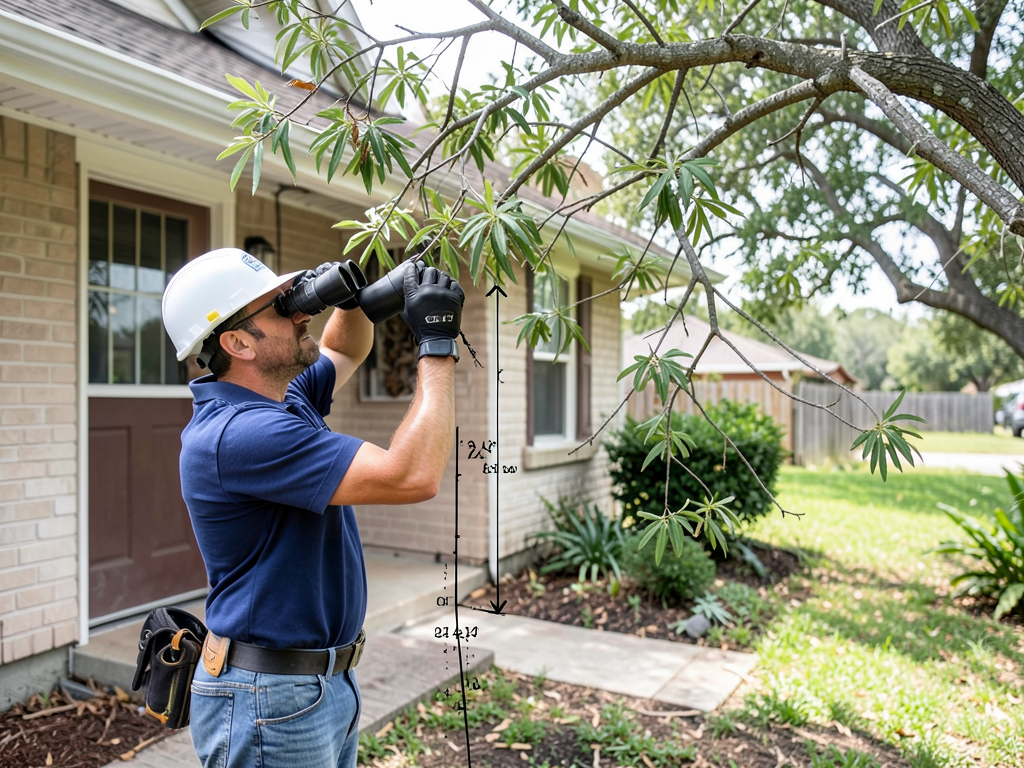
What to do when a neighbor's tree limbs are hanging over your roof in the Great Northwest Living in the…

What to do when a neighbor's tree limbs are hanging over your roof in the Great Northwest

What to do when a neighbor's tree limbs are hanging over your roof in the Great Northwest Living in the…

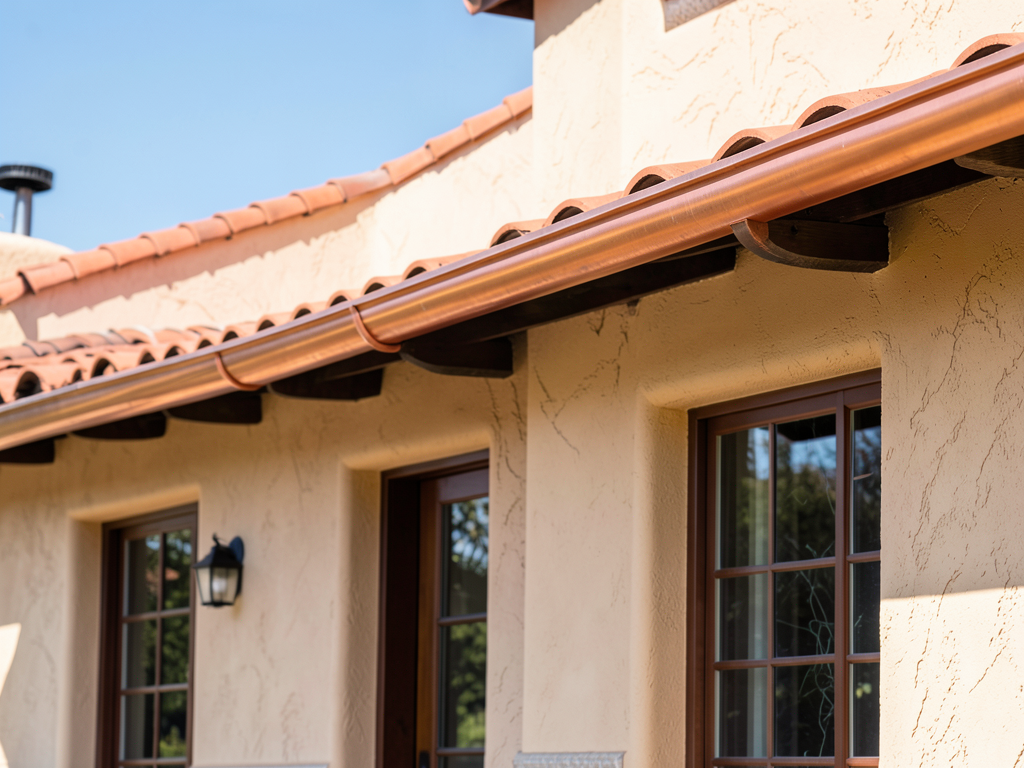
Adding instant curb appeal to your Terrell Hills home with copper gutters

Adding instant curb appeal to your Terrell Hills home with copper gutters Your Terrell Hills home deserves more than ordinary…

Why brand new homes in Redbird Ranch still need a yearly roof check

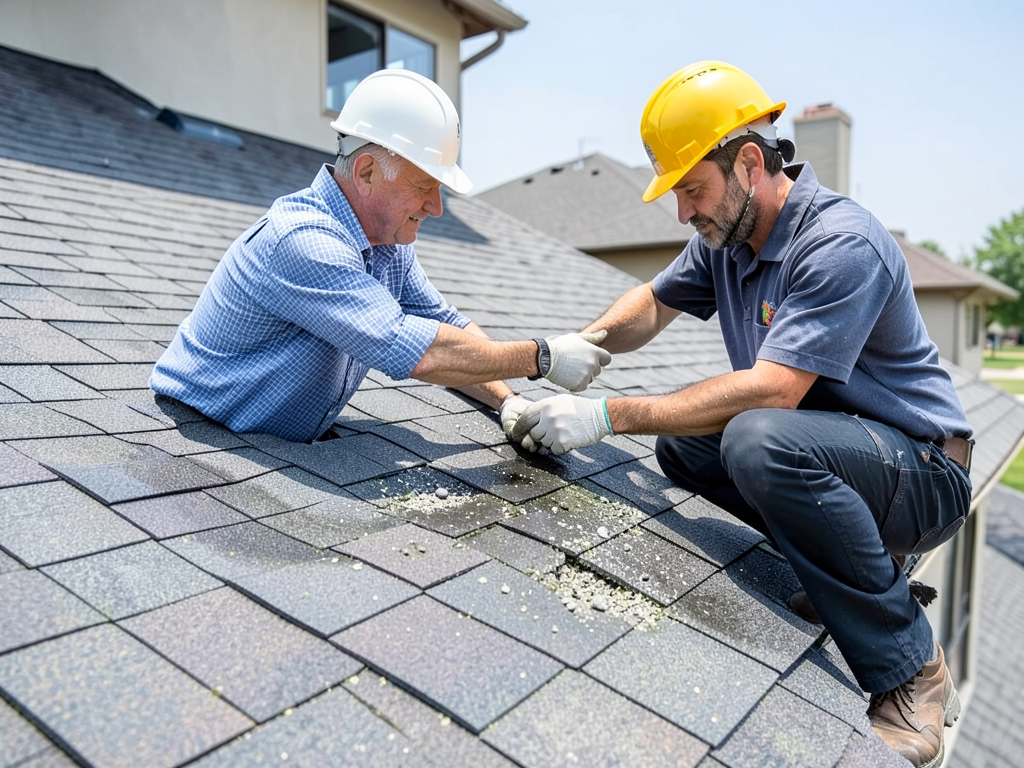
Why brand new homes in Redbird Ranch still need a yearly roof check Your brand new roof in Redbird Ranch…

Contact Us

Schedule a drip edge inspection with Summit Roofing San Antonio today. We will show you exactly what is protecting your roof edge and what needs attention. Call (726) 256-6199 now to prevent expensive fascia damage and water intrusion before the next heavy rain.

;