




Menu

Curling Shingles in San Antonio – Get Expert Diagnosis and Permanent Repair Before Leaks Start

Summit Roofing San Antonio identifies the root cause of curling shingles, whether heat damage or ventilation failure, and delivers the correct fix to stop progressive deterioration across your entire roof system.

Slider Image 1
Slider Image 2
Slider Image 3
Slider Image 4
Slider Image 5
Slider Image 7
Slider Image 8
Slider Image 9
Slider Image 10
Slider Image 11

Why Your Shingles Are Curling and What It Means for Your San Antonio Home

You walk outside and notice your shingles are lifting at the edges or warping in the middle. This is not cosmetic. Curling shingles expose the underlayment to San Antonio's intense UV radiation and sudden downpours, which means leaks are coming.

San Antonio's brutal summer heat accelerates asphalt shingle aging. When temperatures on your roof surface exceed 160 degrees for months at a time, the asphalt binder dries out and loses flexibility. The shingle edges lift upward in a pattern called cupping, or the entire shingle warps into a convex shape known as clawing. Both conditions break the waterproof seal between shingle layers.

Inadequate attic ventilation makes this worse. If your attic traps heat instead of venting it through ridge vents and soffit intakes, your shingles bake from below and above. This double heat load causes buckling, where shingles develop waves or humps across entire sections of the roof. You also see fishmouthing, where shingle tabs curl upward at the bottom edge and create entry points for wind-driven rain.

Warped shingles lose granule protection faster. Once the ceramic granules wash away, the asphalt mat breaks down in months instead of years. You end up with brittle, cracked shingles that snap in high winds or allow water to penetrate the roof deck. The damage spreads outward from the initial curling zones until the entire roof system fails prematurely.

The fix is not always a full replacement. Sometimes we can address ventilation deficiencies and replace damaged sections. Other times the damage is too widespread and a tear-off is the only safe option. Summit Roofing San Antonio diagnoses the specific failure mode and gives you an honest assessment of what will actually solve the problem.

Why Your Shingles Are Curling and What It Means for Your San Antonio Home
How We Diagnose and Repair Curling Shingles the Right Way

How We Diagnose and Repair Curling Shingles the Right Way

Most roofers see curling shingles and immediately pitch a full replacement. We start with a thermal diagnostic to measure attic temperatures and airflow patterns. If your attic is running 20 to 30 degrees hotter than ambient air, the curling is a ventilation problem, not just shingle age.

We inspect the ridge vent, soffit vents, and gable vents to calculate your net free ventilation area. The building code requires one square foot of ventilation for every 150 square feet of attic space, with balanced intake and exhaust. Most San Antonio homes have blocked soffit vents from insulation or inadequate ridge venting. This creates a pressure imbalance that traps superheated air against the roof deck.

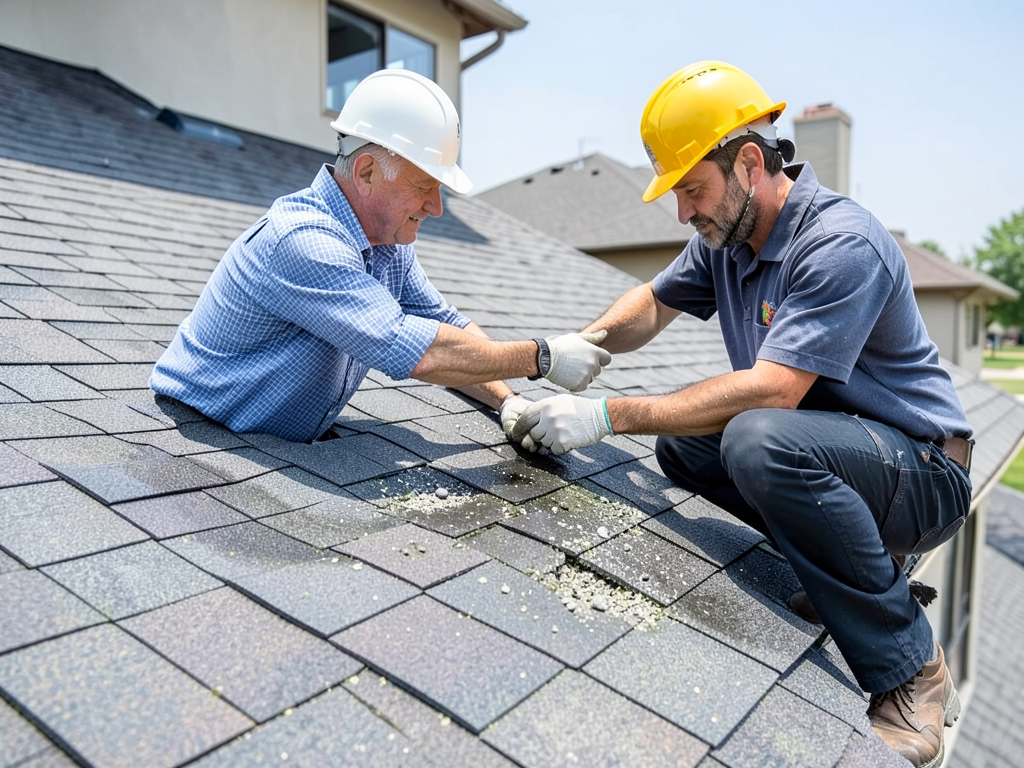
Next, we pull sample shingles to check for manufacturing defects, improper installation, or end-of-life deterioration. We look for delamination between the fiberglass mat and asphalt coating, which indicates moisture infiltration or poor adhesive bonding. We measure the remaining asphalt thickness and granule coverage to determine if the shingles have useful life left.

If the curling is localized to southern or western exposures, we can often replace those sections and upgrade ventilation to prevent recurrence. We install baffles to maintain airflow channels in the rafter bays and add continuous ridge venting if you currently have individual box vents or turbines. The goal is to drop attic temperatures by 15 to 25 degrees, which doubles the lifespan of your replacement shingles.

For widespread curling across multiple roof planes, a full tear-off is the safer choice. We strip the old shingles down to the deck, inspect for rot or delamination, replace damaged plywood, install Ice and Water Shield in valleys and eaves, and apply a synthetic underlayment with higher heat resistance than felt paper. This gives you a clean foundation that will not amplify heat stress on the new shingle layer.

What Happens During Your Curling Shingle Inspection and Repair

Curling Shingles in San Antonio – Get Expert Diagnosis and Permanent Repair Before Leaks Start
01

Thermal and Structural Assessment

We measure attic temperatures, check ventilation coverage, and inspect shingle adhesion patterns from the roof surface and interior. We photograph all curling zones, failed sealant strips, and exposed underlayment. You get a written report that explains whether the damage is heat-related, moisture-related, or installation-related. This diagnostic phase takes 45 to 90 minutes depending on roof complexity and determines whether you need ventilation upgrades, section replacement, or full tear-off.
02

Ventilation Correction and Shingle Replacement

If we identify ventilation failure, we install or enlarge soffit intakes and add continuous ridge venting to balance airflow. For partial replacement, we remove curling shingles in affected zones, inspect and repair the deck, and install new shingles that match your existing roof color and profile. For full replacement, we strip the roof to bare deck, replace compromised plywood, install high-temp underlayment, and apply a complete shingle system rated for high-heat climates. All tear-off debris goes into a dump trailer the same day.
03

Final Inspection and Documentation

We walk the completed roof to verify sealant activation, check flashing integration at all penetrations, and confirm proper shingle alignment and exposure. You receive before-and-after photos, thermal readings showing the temperature drop in your attic, and documentation of all ventilation upgrades. We also provide a roof maintenance checklist that explains how to monitor shingle condition and when to schedule follow-up inspections. This final quality check ensures your repair will perform correctly through San Antonio's extreme summer heat cycles.

Why San Antonio Homeowners Choose Summit Roofing for Curling Shingle Repairs

San Antonio's climate is hard on roofs. We see curling shingles on homes less than ten years old because builders cut corners on ventilation or used economy-grade shingles that cannot handle prolonged heat exposure. Summit Roofing San Antonio has repaired hundreds of curling shingle failures across Alamo Heights, Stone Oak, and the Northwest Side. We know which shingle brands hold up in our heat and which ones fail early.

We also understand San Antonio building code requirements for roof ventilation and wind uplift resistance. The city enforces the International Residential Code with amendments for high-wind zones. If you live near Loop 1604 or in areas with open terrain, your roof needs enhanced nailing patterns and higher-rated underlayment to meet code. We pull permits for all structural work and coordinate inspections so your repair is fully compliant.

Our diagnostic approach saves you money. Other contractors see curling and automatically quote a full replacement because it is the easiest sale. We separate heat damage from installation defects and moisture problems. If your shingles are curling because of poor ventilation, we fix the ventilation and replace only the damaged sections. You get a roof that performs correctly without paying for unnecessary work.

We also work directly with insurance adjusters when wind or hail contributes to shingle failure. Curling shingles are more vulnerable to wind uplift and impact damage. If a storm accelerates existing deterioration, you may have a valid claim. We document all pre-existing conditions and storm-related damage so your adjuster has clear evidence to support your claim. You do not pay for storm damage that should be covered.

Local references matter. We have completed curling shingle repairs on homes in Terrell Hills, Olmos Park, and Monte Vista Historic District. Older homes with inadequate ventilation and newer homes with builder-grade shingles both experience curling, but the repair approach is different. We adjust our methods based on your roof design, shingle type, and budget.

What You Can Expect When You Call Summit Roofing About Curling Shingles

Same-Week Inspection Scheduling

We schedule inspections within three to five business days. You do not wait two weeks for someone to show up. Curling shingles get worse fast, especially during summer months when heat stress compounds daily. We prioritize inspections for homeowners who report active leaks or recent storm damage. The inspection itself takes one to two hours. You receive a written diagnostic report within 24 hours that explains the failure mode, recommended repairs, and cost breakdown for all options. No pressure, no upselling.

Comprehensive Roof and Attic Evaluation

We inspect your roof from the surface and from inside the attic. Surface inspection identifies curling patterns, missing granules, failed sealant strips, and wind damage. Attic inspection reveals ventilation deficiencies, moisture stains on the roof deck, and insulation problems that contribute to heat buildup. We use thermal imaging to map temperature differentials across the roof deck. Hot spots indicate ventilation failure or inadequate insulation. You get a complete picture of why your shingles are curling and what needs to change to prevent recurrence.

Durable Repair That Stops Progressive Damage

Our repairs address the root cause, not just the visible symptoms. If poor ventilation caused the curling, we upgrade your ventilation system so the new shingles do not fail prematurely. If the shingles were defective or improperly installed, we replace them with higher-grade products and follow manufacturer installation specs exactly. You get a roof that will perform correctly through San Antonio's temperature extremes and seasonal storms. We do not slap patches over failing shingles and hope for the best. You get a repair that lasts.

Workmanship Warranty and Maintenance Guidance

All labor is backed by a workmanship warranty. Materials carry the manufacturer warranty, which varies by shingle brand and product line. We provide written warranty documentation and explain exactly what is covered and for how long. We also give you a maintenance checklist that explains how to inspect your roof annually, what warning signs to watch for, and when to schedule professional inspections. Curling shingles are often an early warning sign of ventilation or installation problems. Catching these issues early prevents expensive leak damage and premature roof failure.

Frequently Asked Questions

You Have Questions,
We Have Answers

How to fix curled shingles? +

Fixing curled shingles depends on severity. Minor curling can be addressed by applying roofing sealant under lifted edges and pressing them flat with weights. However, this is a temporary fix. In San Antonio's intense heat, shingles often curl due to thermal cycling and UV damage. If curling is widespread or shingles are brittle, replacement is the only reliable solution. Attempting DIY fixes on deteriorated shingles can void warranties and lead to leaks during our heavy summer storms. A professional inspection determines whether spot repairs or full replacement makes sense for your roof's age and condition.

What does curling shingles mean? +

Curling shingles means the asphalt shingle edges lift upward or downward instead of lying flat against the roof deck. This happens when shingles lose flexibility due to age, heat exposure, or manufacturing defects. In San Antonio, extreme temperature swings between scorching summers and occasional freezes accelerate this deterioration. Curling exposes your roof to wind damage and water infiltration because the shingle's protective seal breaks. You will notice edges turning up like potato chips or center sections cupping downward. This signals your shingles are past their functional lifespan and no longer protect your home effectively.

Do curling shingles need to be replaced? +

Yes, curling shingles need replacement. Once shingles curl, they cannot regain their original shape or protective seal. Curled edges create entry points for wind-driven rain, common during San Antonio's severe thunderstorms and occasional tropical systems. Water infiltration leads to decking rot, insulation damage, and interior leaks. Curling also indicates broader roof failure since surrounding shingles likely face the same deterioration. Delaying replacement increases repair costs as hidden water damage compounds. If you see widespread curling across multiple roof sections, prioritize replacement before the next storm season to avoid emergency repairs and potential insurance complications.

What is the difference between cupping and curling shingles? +

Cupping and curling describe different shingle distortions. Cupping occurs when shingle centers sink downward while edges remain relatively flat, creating a concave shape. Curling happens when shingle edges lift upward, creating a convex or wavy appearance. Both stem from moisture issues, poor ventilation, or age-related deterioration. In San Antonio's attic-baking heat, inadequate ventilation often causes cupping as shingles cook from below. Curling typically results from top-down UV degradation and thermal stress. Both conditions compromise your roof's water-shedding ability and require professional evaluation to determine if localized repairs suffice or full replacement is needed.

How to tell if a roofer is lying? +

Spot dishonest roofers by watching for pressure tactics, demands for full payment upfront, or offers to cover your insurance deductible. Legitimate contractors provide detailed written estimates with material specifications and timeline. Be wary of door-knockers after storms claiming they found damage without proper inspection. Request license verification, insurance certificates, and local references you can contact. In San Antonio, check their standing with the Better Business Bureau and verify they pull proper permits. Honest roofers explain findings with photos, never exaggerate damage, and give you time to decide without high-pressure sales tactics or limited-time discounts.

Will new roof shingles flatten out? +

No, new roof shingles will not flatten if they curl. Some minor waviness immediately after installation may settle within weeks as shingles heat and seal, but true curling indicates defective materials or improper installation. In San Antonio's heat, quality shingles should activate their adhesive strips quickly and lie flat within days. If new shingles curl within the first year, this suggests manufacturing defects, inadequate attic ventilation causing excessive heat buildup, or installer error. Contact your roofing contractor immediately, as most material and workmanship warranties cover early failures. Persistent curling on new installations requires corrective action, not patience.

How often will insurance pay for a new roof after? +

Insurance typically covers roof replacement when damage results from covered perils like hail, wind, or fire, not age-related wear. After a claim, there is no set waiting period for future claims, but filing multiple claims within three to five years often raises premiums or risks policy cancellation. In San Antonio, insurers may inspect your roof after severe storms sweep through the metro area. If your roof shows pre-existing wear or poor maintenance, they may deny claims or apply depreciation. Document all maintenance and repairs. Your policy covers sudden, accidental damage, not gradual deterioration from neglect.

How to make shingles lay flat? +

You cannot make old, curled shingles lay flat permanently. The asphalt has lost its flexibility and the adhesive seal has failed. Temporary measures like applying roofing cement under edges and weighing them down rarely last through San Antonio's temperature extremes and wind events. For new installations, proper nail placement, adequate attic ventilation, and correct shingle alignment ensure flat installation. If your roof has ventilation problems causing heat buildup, fixing airflow helps prevent future curling but will not reverse existing damage. Once shingles curl from age or heat exposure, replacement is the only solution that restores protection.

What do curling shingles look like? +

Curling shingles have visible distortion where edges lift upward away from the roof surface, creating gaps. From ground level, you will see a wavy, uneven roofline instead of smooth, flat planes. Individual shingles may look like curled potato chips with corners pointing skyward. Some shingles show clawing, where center sections lift while edges stay down. In San Antonio's bright sunlight, shadows beneath lifted edges become obvious. Curling often appears first on south and west-facing slopes that receive maximum sun exposure. Severe cases show brittle, cracked edges that crumble when touched. Widespread curling across multiple roof sections signals replacement need.

What is the average cost to replace shingles on a roof? +

Replacement costs vary widely based on roof size, pitch, shingle quality, and accessibility. Factors include disposal of old materials, decking repairs, and ventilation upgrades. In San Antonio, prices reflect local labor rates and building code requirements specific to our region. Steep roofs or multi-story homes increase complexity and cost. The number of penetrations like chimneys, skylights, and vents also affects pricing. Material choice matters, from basic three-tab shingles to architectural or impact-resistant products that perform better in our hail-prone climate. Get detailed written estimates from licensed local contractors who inspect your specific roof rather than relying on generic square-footage averages.

How San Antonio's Extreme Heat and Humidity Accelerate Shingle Curling

San Antonio averages over 100 days per year with temperatures above 90 degrees, and roof surface temperatures regularly exceed 150 degrees from May through September. This sustained heat exposure causes asphalt shingles to lose volatile oils faster than in cooler climates. The shingles become brittle and lose flexibility, which leads to cupping and clawing as the material contracts unevenly. High humidity compounds the problem by preventing moisture from evaporating out of the attic space, which increases condensation on the underside of the roof deck and accelerates deterioration. Homes with clay tile roofs in older San Antonio neighborhoods rarely experience these issues because tile does not degrade from heat exposure the way asphalt does.

Summit Roofing San Antonio has worked on homes across every neighborhood in Bexar County, from new construction in Cibolo Canyons to historic properties in King William. We understand how different roof designs and ventilation strategies perform in our specific climate. San Antonio building inspectors enforce strict ventilation requirements because they see the damage that inadequate airflow causes. We work with local suppliers who stock shingles rated for high-heat climates and match the architectural styles common in San Antonio. When you hire a local roofing company, you get someone who knows which products hold up and which ones fail early in our heat.
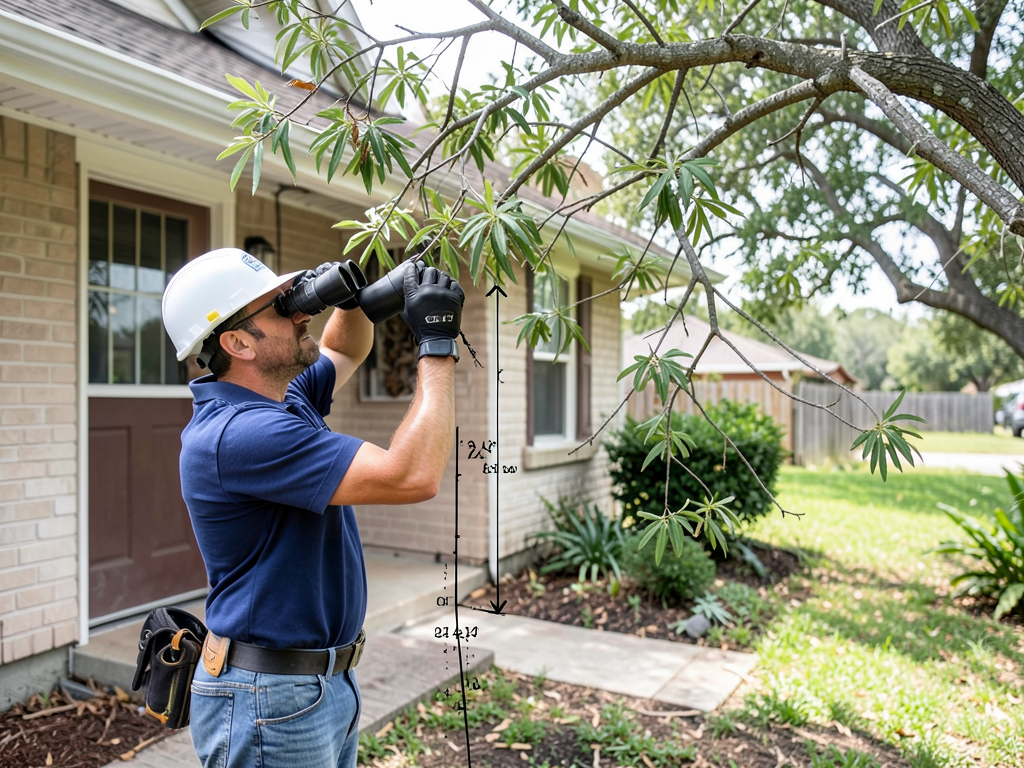
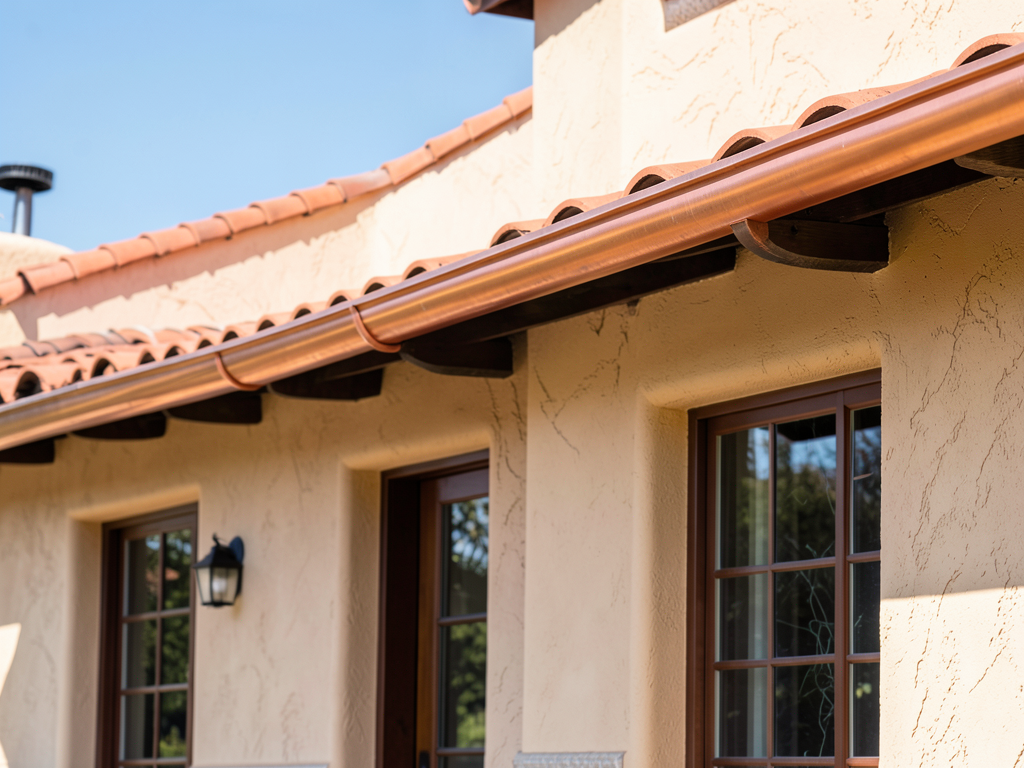
Roofing Services in The San Antonio Area

Explore our service coverage in and around San Antonio using the map below. Summit proudly serves residential and commercial clients throughout the region. Whether you're in the heart of the city or in the nearby suburbs, we’re just a call away. We make it easy to reach us for inspections, quotes, or emergency assistance. Your trusted roofing team is always nearby.

Address:
Summit Roofing San Antonio, 1100 NW Loop 410, Suite 700, San Antonio, TX, 78213

Additional Services We Offer

Our news updates

Latest Articles & News from The Blogs

Managing Leaf Buildup in the Hard to Reach Roof Valleys of Shady Oaks Roof valleys channel rainwater off your home…

Managing Leaf Buildup in the Hard to Reach Roof Valleys of Shady Oaks

Managing Leaf Buildup in the Hard to Reach Roof Valleys of Shady Oaks Roof valleys channel rainwater off your home…

Understanding how Texas wildfire risks should influence your choice of roofing materials

Understanding how Texas wildfire risks should influence your choice of roofing materials Living in San Antonio means dealing with intense…

Choosing the Right Roof Underlayment to Battle South Texas Humidity

Choosing the Right Roof Underlayment to Battle South Texas Humidity Your roof faces a daily assault in San Antonio. The…

Contact Us

Call Summit Roofing San Antonio at (726) 256-6199 to schedule your curling shingle inspection. We will diagnose the problem, explain your repair options, and give you an honest assessment of what will actually fix the issue.