




Menu

EPDM Rubber Roofing in San Antonio – Minimizing Downtime for Commercial Properties

Summit Roofing San Antonio delivers single-ply EPDM membrane systems engineered to protect your facility against extreme heat, UV degradation, and ponding water while keeping your business operational throughout installation.

Slider Image 1
Slider Image 2
Slider Image 3
Slider Image 4
Slider Image 5
Slider Image 7
Slider Image 8
Slider Image 9
Slider Image 10
Slider Image 11

Why San Antonio's Climate Demands Proven Synthetic Rubber Roof Systems

San Antonio's commercial properties face aggressive roofing conditions that destroy inferior systems within years. Summer temperatures exceeding 100 degrees for weeks at a time create thermal cycling that causes conventional materials to crack and delaminate. The city's position at the edge of the Edwards Plateau means facilities experience both intense UV radiation and sudden severe weather including hail and flash flooding that pools water on flat commercial structures.

Ethylene propylene diene monomer roofing solves these problems through molecular engineering. The synthetic rubber composition resists UV breakdown without chalking or brittleness. Single-ply EPDM membrane installations eliminate the multiple failure points found in built-up systems. The material remains flexible across temperature ranges from 20 degrees to 160 degrees, maintaining watertight integrity through freeze-thaw cycles that split lesser materials.

Commercial EPDM roofing systems deliver particular value for San Antonio's warehouse districts along Interstate 10 and the industrial corridors near Port San Antonio. These facilities require roof solutions that withstand reflected heat from concrete and metal while protecting inventory and equipment. EPDM flat roof membrane installations provide Class A fire ratings required by city commercial building codes without the weight loads that stress older structural frames.

The material's resistance to ozone and oxidation prevents the premature aging that forces expensive reroof projects. You avoid the business disruption of emergency repairs when your roof system withstands the environmental assault that defines South Texas commercial roofing conditions.

Why San Antonio's Climate Demands Proven Synthetic Rubber Roof Systems
How Summit Roofing San Antonio Installs Commercial EPDM Systems

How Summit Roofing San Antonio Installs Commercial EPDM Systems

We approach every EPDM installation by analyzing your existing substrate condition and drainage patterns. Our crews inspect the roof deck for deterioration, measure deflection in structural members, and map all penetrations including HVAC units, plumbing vents, and electrical conduits. This assessment determines whether we execute a mechanical attachment, fully adhered, or ballasted system based on your building's load capacity and local wind uplift requirements.

Mechanical attachment uses plates and fasteners secured directly through the membrane into the deck at engineered spacing intervals. This method works for facilities that cannot support ballast weight and provides superior wind resistance for San Antonio's exposure to severe thunderstorm downbursts. Fully adhered systems bond the EPDM flat roof membrane to the substrate using contact adhesive or hot asphalt, creating a monolithic barrier that eliminates air movement beneath the membrane.

We coordinate installations to minimize operational disruption. Roof work occurs in phases that keep your facility functional. Our crews stage materials to avoid blocking loading docks or customer access points. We maintain debris containment protocols that prevent roofing materials from contaminating your product or creating safety hazards in parking areas.

Seam integrity determines EPDM system performance. We use hot-air welding for seams, creating bonds stronger than the base membrane itself. This eliminates the adhesive failures that plague tape-seam installations after exposure to ponded water. Flashing details at parapet walls, penetrations, and roof-to-wall transitions receive custom-fabricated EPDM components that integrate with the field membrane through vulcanized connections. The result is a roof assembly without weak points where water infiltration typically begins.

Commercial EPDM Installation Phases for San Antonio Facilities

EPDM Rubber Roofing in San Antonio – Minimizing Downtime for Commercial Properties
01

Structural Assessment and Planning

We conduct load calculations and substrate analysis to determine the appropriate attachment method for your building. Our team reviews architectural drawings, tests core samples from the existing roof assembly, and evaluates drainage adequacy. This phase includes coordination with your facility manager to schedule work around operational requirements and establish staging areas that maintain business continuity throughout the project.
02

Membrane Installation and Seaming

Crews remove existing failed materials down to sound substrate, then install insulation boards and the single-ply EPDM membrane according to engineered specifications. We execute hot-air welded seams that create permanent bonds and install custom flashing at all penetrations and terminations. Quality control inspections verify proper fastener spacing, seam strength, and flashing integration before crews move to the next phase.
03

Final Inspection and Documentation

We conduct a comprehensive water test to verify system integrity, checking all seams, penetrations, and terminations for leaks. You receive detailed documentation including photos of completed work, warranty information, and maintenance recommendations. Our team walks the roof with your maintenance staff to identify access points, explain proper equipment placement procedures, and establish a maintenance schedule that protects your investment and maintains warranty compliance.

Why San Antonio Facility Managers Choose Summit Roofing for EPDM Systems

Commercial roofing in San Antonio requires understanding how the city's unique position affects building performance. We work regularly with properties in the Medical Center district where hospital and research facilities demand zero tolerance for water intrusion. Our crews know the inspection requirements for structures near Joint Base San Antonio and understand the coordination needed for facilities operating under federal oversight.

Summit Roofing San Antonio maintains relationships with the major commercial property management firms handling retail centers along Loop 1604 and the industrial properties in the eastern warehouse districts. This experience means we anticipate code compliance issues before they delay your project. We understand City of San Antonio commercial building department expectations for roof replacement permits and inspection protocols.

Our installation crews receive ongoing training in EPDM system advancements and manufacturer specifications. This expertise prevents the installation errors that void warranties and create liability exposure. We maintain proper insurance coverage including pollution liability for facilities handling sensitive materials and operations.

You get accurate timelines because we staff projects appropriately. A 50,000 square foot warehouse receives a different crew composition than a 200,000 square foot distribution center. We coordinate material deliveries to match installation pace, preventing job site congestion and security concerns from stockpiled roofing materials.

The synthetic rubber roof systems we install withstand San Antonio's environmental challenges because we follow engineering principles, not shortcuts. Your facility avoids the business interruption costs of premature roof failure. You protect assets, maintain operations, and eliminate the emergency repair expenses that destroy operating budgets when inferior systems fail during critical business periods.

What Your Facility Gets with Commercial EPDM Installation

Project Timeline and Facility Access

Installation duration depends on roof size, existing condition, and weather windows. A typical 40,000 square foot commercial facility requires two to three weeks from mobilization to completion. We schedule work to accommodate your operational needs, including after-hours installation for facilities that cannot tolerate daytime disruption. Our project managers provide weekly progress updates and adjust schedules when weather or unforeseen substrate conditions require timeline modifications. You receive advance notice before crews arrive and clear communication about daily work scope.

Initial Roof Evaluation Process

Our assessment includes infrared scanning to detect trapped moisture in existing roof assemblies and core sampling to verify deck condition. We measure drainage slopes, document all roof penetrations, and photograph existing damage patterns. This evaluation produces a detailed scope of work with material specifications and identifies any structural repairs needed before membrane installation. You receive a written report explaining our findings and recommendations within 48 hours of the site visit. The assessment takes approximately two hours for an average commercial facility.

System Performance and Longevity

Properly installed EPDM systems deliver decades of performance in San Antonio's climate. The membrane resists UV degradation, maintains flexibility through temperature extremes, and tolerates ponding water that destroys other single-ply materials. Your facility gets a roof that requires minimal maintenance beyond periodic inspections and debris removal. The system withstands foot traffic from HVAC technicians and other maintenance personnel without tearing or puncturing. You avoid the frequent repairs and premature replacement cycles associated with inferior roofing materials, protecting your capital budget from unexpected expenses.

Maintenance Requirements and Support

We provide a maintenance protocol document specific to your installation. This includes inspection schedules, drainage cleaning procedures, and guidelines for equipment placement on the roof surface. Our team remains available for questions about roof performance and can schedule periodic inspections to verify system integrity. You get guidance on proper repair procedures if damage occurs from severe weather or equipment installation. We maintain detailed records of your roof installation including seam locations and flashing details, which simplifies future work when your facility undergoes expansion or equipment upgrades.

Frequently Asked Questions

You Have Questions,
We Have Answers

What is EPDM rubber roofing? +

EPDM rubber roofing is a synthetic rubber membrane made from ethylene propylene diene monomer. It comes in large black or white sheets that create a seamless, waterproof barrier over flat or low-slope commercial roofs. The material resists UV degradation, handles thermal expansion well, and performs in San Antonio's high heat and occasional freeze events. EPDM is mechanically fastened, ballasted, or fully adhered to the roof deck. Most commercial property owners choose it for warehouses, strip malls, and office buildings because it delivers reliable weatherproofing without complex installation. It handles ponding water better than many alternatives.

What are common problems with EPDM roofs? +

EPDM roofs typically fail at seams and penetrations where adhesive degrades or mechanical fasteners loosen. Ponding water accelerates membrane breakdown if drainage is poor, which happens frequently on San Antonio's flat commercial roofs after heavy rain. Shrinkage occurs over time as the rubber contracts, pulling away from edges and creating openings. Punctures from foot traffic, HVAC maintenance, or debris damage the membrane. UV exposure on black EPDM increases surface temperatures, shortening lifespan. Improper installation causes most failures. Flashing around roof-mounted equipment often separates first. Regular inspections catch these issues before leaks damage inventory or disrupt operations.

Are EPDM roofs expensive? +

EPDM costs less than TPO or modified bitumen per square foot for commercial installations. Material costs stay predictable, and installation labor is straightforward compared to built-up roofing systems. You pay more for thicker membranes that last longer. Ballasted systems cost less upfront but add structural load. Fully adhered installations cost more but perform better in high wind zones common during San Antonio storm seasons. Total project costs depend on roof size, accessibility, existing deck condition, and required tear-off. The long service life and minimal maintenance requirements improve ROI for commercial property owners focused on lifecycle costs rather than initial expense.

Is EPDM rubber roofing any good? +

EPDM performs well for commercial flat roofs when installed properly. The membrane resists San Antonio's intense UV exposure, handles temperature swings from freezing to over 100 degrees, and maintains flexibility over decades. It does not require the frequent recoating that built-up roofs need. Installation is faster than multi-ply systems, reducing labor disruption to business operations. EPDM handles moderate foot traffic for HVAC maintenance without excessive damage. The black color absorbs heat, which increases cooling loads but prevents ice dams. For commercial property owners prioritizing proven performance and cost control, EPDM delivers reliable weatherproofing with predictable maintenance schedules.

What is the disadvantage of EPDM? +

EPDM's primary disadvantage is vulnerability at seams where adhesive fails over time. The black membrane absorbs heat, increasing cooling costs for conditioned commercial spaces below. Puncture resistance is lower than TPO or PVC, making it less suitable for high-traffic roof areas. Aesthetics limit use on visible roofs since black rubber lacks curb appeal. Shrinkage pulls the membrane away from edges and penetrations as it ages. San Antonio's intense sun accelerates surface degradation on south-facing exposures. The material offers no reflectivity unless you choose white EPDM, which costs more. Commercial property owners must weigh these limitations against lower installation costs and proven longevity.

How long will EPDM rubber roof last? +

EPDM roofs last 20 to 30 years on commercial buildings with proper installation and regular maintenance. Membrane thickness affects lifespan. Thicker 60-mil or 90-mil products outlast standard 45-mil material. San Antonio's UV exposure and thermal cycling reduce service life on poorly maintained roofs. Fully adhered installations last longer than mechanically attached systems in high wind zones. Ponding water shortens lifespan if drainage fails. Regular inspections to reseal seams and repair punctures extend performance. Commercial property owners who invest in preventive maintenance typically reach 25 years before replacement. Budget constraints and deferred maintenance often force earlier tear-offs when minor problems become major leaks.

What is the downside of a rubber roof? +

Rubber roofs show the same disadvantages as EPDM. Seam failures cause most leaks as adhesive degrades. The black surface absorbs heat, increasing energy costs for cooling commercial spaces. Punctures from maintenance traffic or hail require immediate repair to prevent water infiltration. Shrinkage over time creates gaps at roof edges and penetrations. Installation quality determines performance. Poor workmanship around flashing and termination bars leads to early failure. San Antonio's temperature extremes stress the membrane at fastener points. Commercial property owners must budget for seam inspections every few years. The material lacks the puncture resistance of thermoplastic membranes, making it less suitable for high-activity roof areas.

How to tell if a roofer is lying? +

A roofer lies when they push unnecessary tear-offs, claim your roof needs immediate replacement without documentation, or inflate damage after storms. Check references and verify licensing with the Texas Department of Licensing and Regulation. Demand written estimates with material specifications and labor breakdowns. Be suspicious of cash-only offers or pressure to sign insurance proceeds over before work completes. Request proof of current general liability and workers compensation insurance. In San Antonio, experienced commercial roofers provide detailed inspection reports with photos before quoting repairs. They explain code requirements and material options without scare tactics. Walk away from anyone offering steep discounts for immediate signing or claiming exclusive storm damage detection abilities.

What is considered the best roofing material? +

No single best roofing material exists for all commercial applications. EPDM works well for cost-conscious property owners with low-slope roofs. TPO offers better energy efficiency through reflectivity. Modified bitumen handles ponding water. Metal roofing lasts longest but costs more upfront. The best material depends on building use, roof slope, budget, and climate factors. In San Antonio, white TPO and metal roofing reduce cooling loads, while EPDM provides proven performance at lower cost. Consider foot traffic patterns, warranty requirements, and maintenance capabilities. Commercial property owners should evaluate lifecycle costs, not just installation expense, when selecting roofing materials for long-term asset protection.

How much should a 2000 sq ft roof cost? +

Commercial roofing costs vary too widely for accurate estimates without site inspection. Roof height, access limitations, existing deck condition, required tear-off, and material selection all affect pricing. A 2000 square foot flat commercial roof might cost substantially less than a steep-slope installation. Local San Antonio labor rates, permit fees, and disposal costs add variables. Commercial projects require engineered solutions, code compliance documentation, and often require work during off-hours to avoid business disruption. Request detailed written estimates from multiple licensed contractors. Focus on material specifications, warranty terms, and installer experience rather than lowest bid. Proper installation prevents costly callbacks and premature failure.

How San Antonio's Urban Heat Island Effect Impacts Commercial EPDM Performance

San Antonio's downtown and industrial corridors experience temperature increases of 10 to 15 degrees compared to surrounding areas due to concentrated asphalt, concrete, and metal surfaces. This urban heat island effect accelerates thermal cycling on commercial roofs, causing expansion and contraction that tears conventional materials at seams and penetrations. EPDM membrane systems maintain dimensional stability through these temperature swings because the synthetic rubber composition flexes without breaking molecular bonds. Facilities in the Medical Center, downtown district, and along Interstate 35 benefit from EPDM's heat resistance, which prevents the brittleness and cracking that forces premature replacement of inferior roof systems.

Summit Roofing San Antonio works extensively with commercial property owners throughout Bexar County, from the industrial parks near Port San Antonio to retail centers in Stone Oak. We understand local building code requirements including wind uplift ratings for structures in different exposure categories and fire rating requirements for buildings based on occupancy type and proximity to property lines. Our installations meet City of San Antonio inspection standards and comply with the drainage requirements critical for flat commercial roofs in an area prone to intense rainfall events. Choosing a contractor with specific San Antonio experience prevents code violations, failed inspections, and liability issues that arise when out-of-area contractors misunderstand local regulations.
Roofing Services in The San Antonio Area

Explore our service coverage in and around San Antonio using the map below. Summit proudly serves residential and commercial clients throughout the region. Whether you're in the heart of the city or in the nearby suburbs, we’re just a call away. We make it easy to reach us for inspections, quotes, or emergency assistance. Your trusted roofing team is always nearby.

Address:
Summit Roofing San Antonio, 1100 NW Loop 410, Suite 700, San Antonio, TX, 78213

Additional Services We Offer

Our news updates

Latest Articles & News from The Blogs

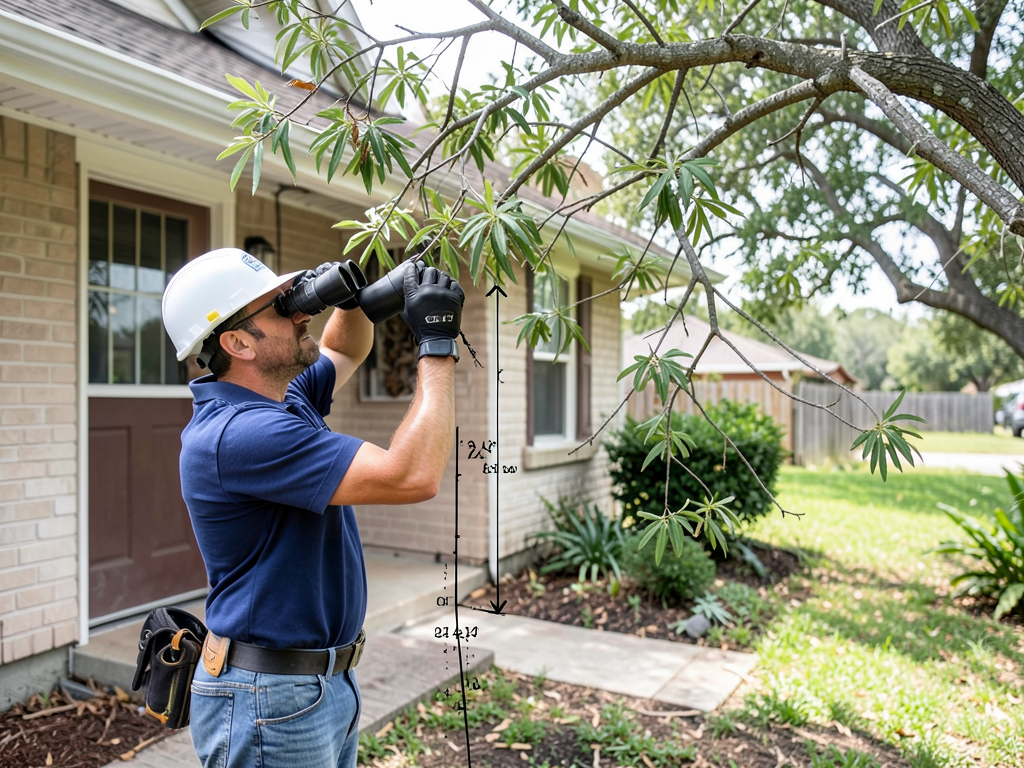
What to do when a neighbor's tree limbs are hanging over your roof in the Great Northwest Living in the…

What to do when a neighbor's tree limbs are hanging over your roof in the Great Northwest

What to do when a neighbor's tree limbs are hanging over your roof in the Great Northwest Living in the…

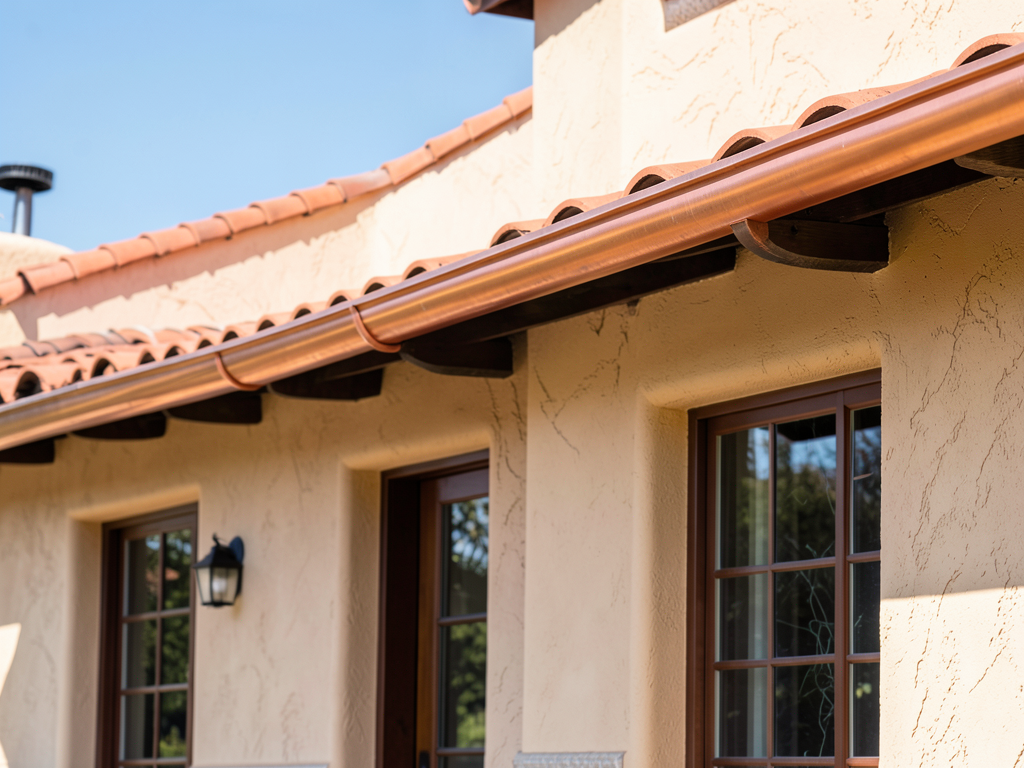
Adding instant curb appeal to your Terrell Hills home with copper gutters

Adding instant curb appeal to your Terrell Hills home with copper gutters Your Terrell Hills home deserves more than ordinary…

Why brand new homes in Redbird Ranch still need a yearly roof check

Why brand new homes in Redbird Ranch still need a yearly roof check Your brand new roof in Redbird Ranch…

Contact Us

Stop managing emergency repairs and start protecting your facility with a roof system engineered for San Antonio conditions. Call Summit Roofing San Antonio at (726) 256-6199 to schedule your commercial roof assessment and get a detailed proposal for EPDM installation.