





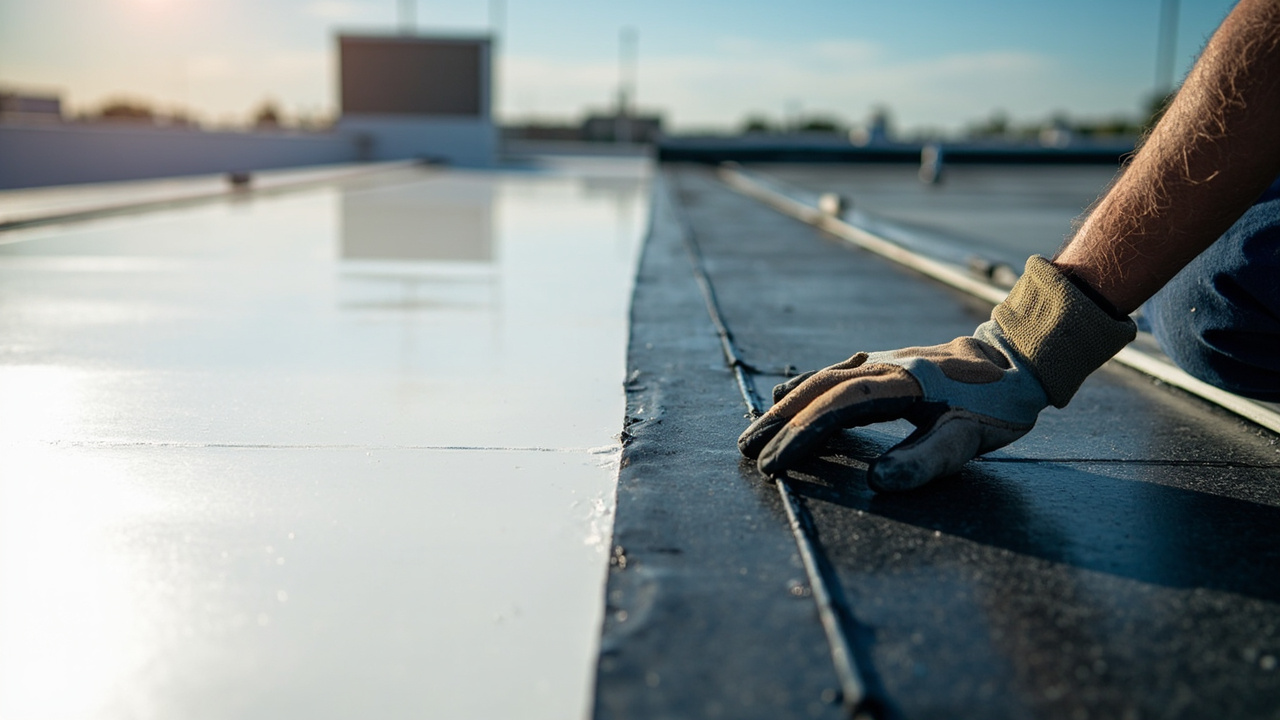

San Antonio's average high temperature exceeds 90 degrees from June through September, with rooftop surface temperatures reaching 150 to 170 degrees. This sustained heat accelerates membrane aging through UV degradation and thermal cycling. TPO's reflective surface stays 30 to 50 degrees cooler than black EPDM, reducing stress on the membrane and extending life. The difference between TPO and EPDM roofing becomes measurable in energy bills. Buildings with white TPO roofs show 10 to 15 percent lower cooling costs compared to black EPDM installations. Humidity also affects seam adhesion. EPDM tape seams need low humidity during application for proper curing, and San Antonio's humid mornings can delay installation or compromise seam integrity if installers rush the process.
Summit Roofing San Antonio works with commercial property managers across the city who've dealt with membrane failures caused by improper installation or poor material selection. We've replaced roofs on buildings along the I-10 corridor where wind uplift from storm fronts tore poorly fastened membranes. We've repaired seam failures on Loop 1604 warehouses where installers didn't account for thermal expansion. Local expertise means we understand how San Antonio's weather patterns stress roofing systems and which membrane brands hold up better over time. We're familiar with the city's permitting process and inspector expectations, ensuring your roof meets code on the first inspection.