




Menu

Roof Flashing Leaking in San Antonio – Expert Diagnosis Stops Water Damage Before It Spreads

Get a Professional Flashing Inspection That Identifies the Exact Failure Point and Prevents Ceiling Stains, Mold Growth, and Structural Rot from Roof Flashing Leaks

Slider Image 1
Slider Image 2
Slider Image 3
Slider Image 4
Slider Image 5
Slider Image 7
Slider Image 8
Slider Image 9
Slider Image 10
Slider Image 11

Why Roof Flashing Fails So Often in South Texas

You spot water stains near your chimney. You notice drips around the skylight after heavy rain. The ceiling bubbles near the valley where two roof planes meet. These are the telltale signs of damaged roof flashing, and in San Antonio, they happen faster than most homeowners expect.

San Antonio's climate accelerates flashing failure. Summer temperatures regularly exceed 100 degrees, causing metal flashing to expand and contract daily. This thermal cycling loosens fasteners, cracks sealant, and creates gaps where water infiltrates. Intense afternoon thunderstorms then dump inches of rain in minutes, overwhelming compromised flashing seals.

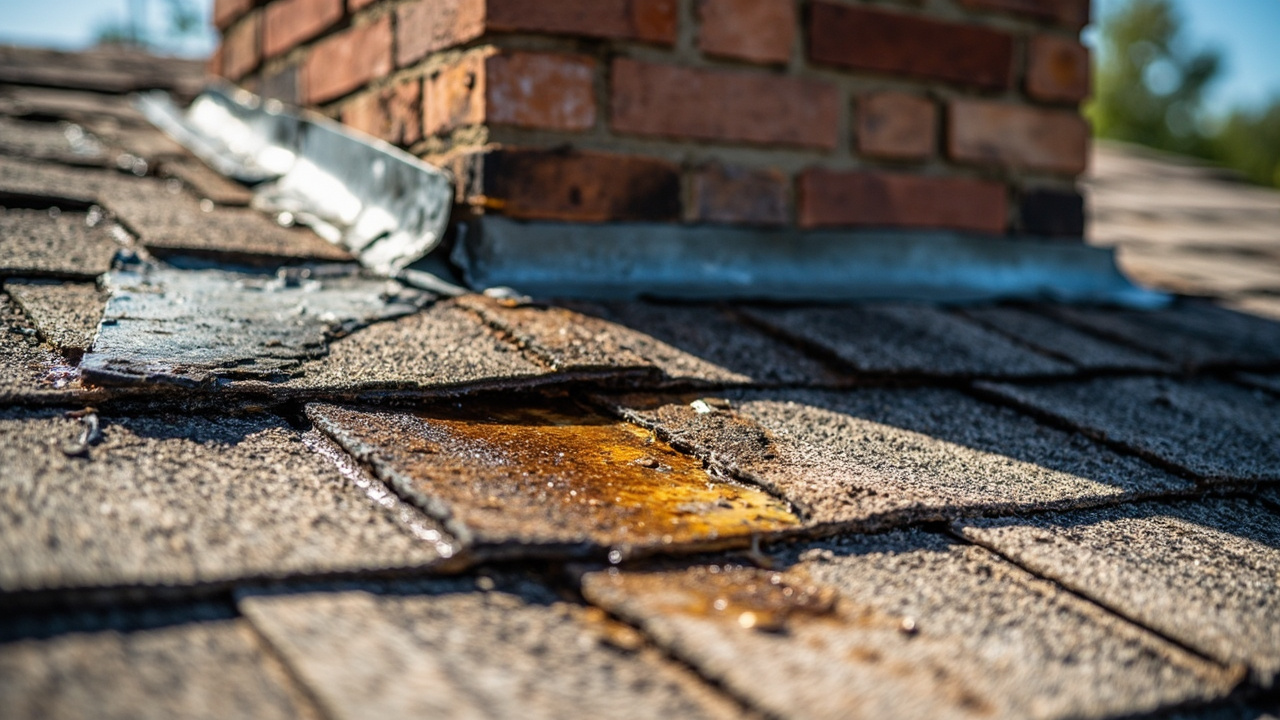
Leaky roof flashing often starts small. A nail pops loose. A sealant bead shrinks and splits. Wind-driven rain finds that tiny opening and works its way under the shingles. Within weeks, water migrates into the roof deck, insulation, and ceiling cavity. What began as a minor roof flashing failure becomes a cascade of interior damage.

The problem compounds in older neighborhoods like Alamo Heights and Monte Vista, where original flashing installations may predate modern waterproofing standards. Step flashing along brick chimneys deteriorates from decades of expansion and contraction. Valley flashing develops pinholes from debris accumulation and moisture exposure.

Water leaking around flashing rarely announces itself with dramatic signs. Most homeowners only notice the issue after stains appear or drywall softens. By then, hidden damage has been occurring for months. The key is catching loose roof flashing before water finds a path through your roof assembly and into your living space.

Why Roof Flashing Fails So Often in South Texas
How We Diagnose and Repair Flashing Leaks Correctly

How We Diagnose and Repair Flashing Leaks Correctly

Most roofers slap caulk on the problem and call it fixed. That approach fails within months because it addresses the symptom, not the cause. Summit Roofing San Antonio uses a diagnostic protocol that identifies why the flashing failed in the first place.

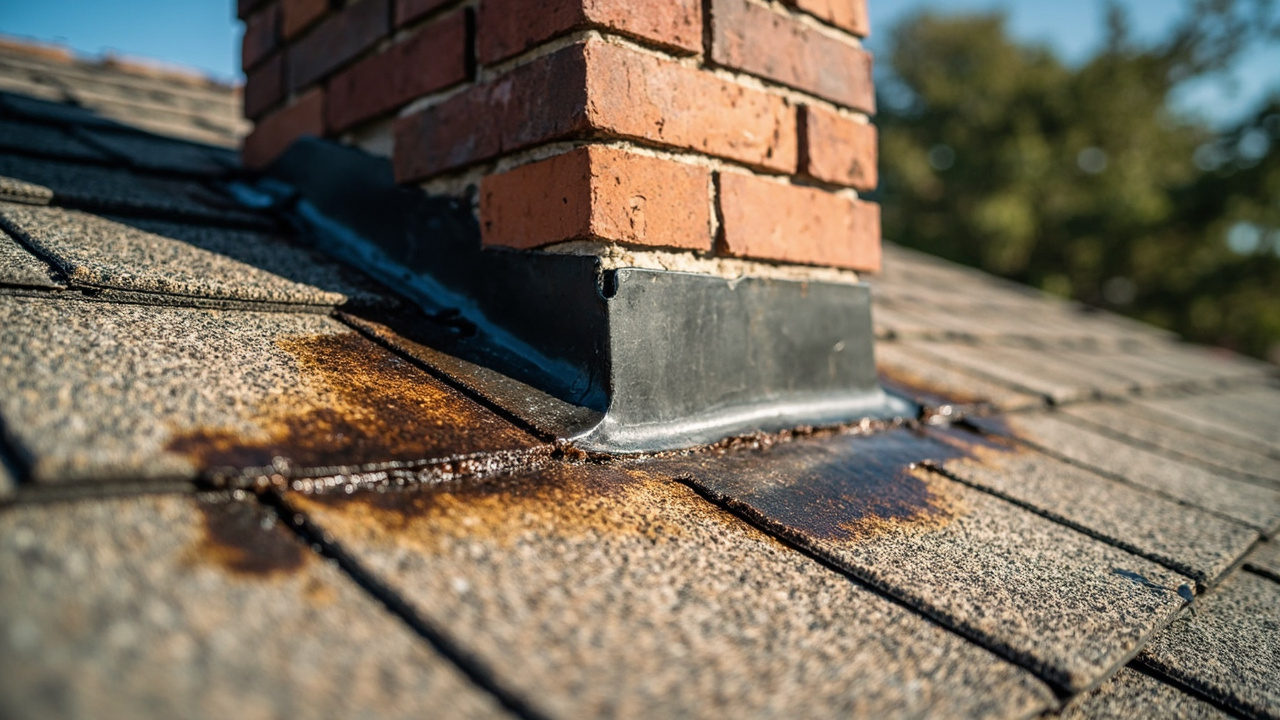
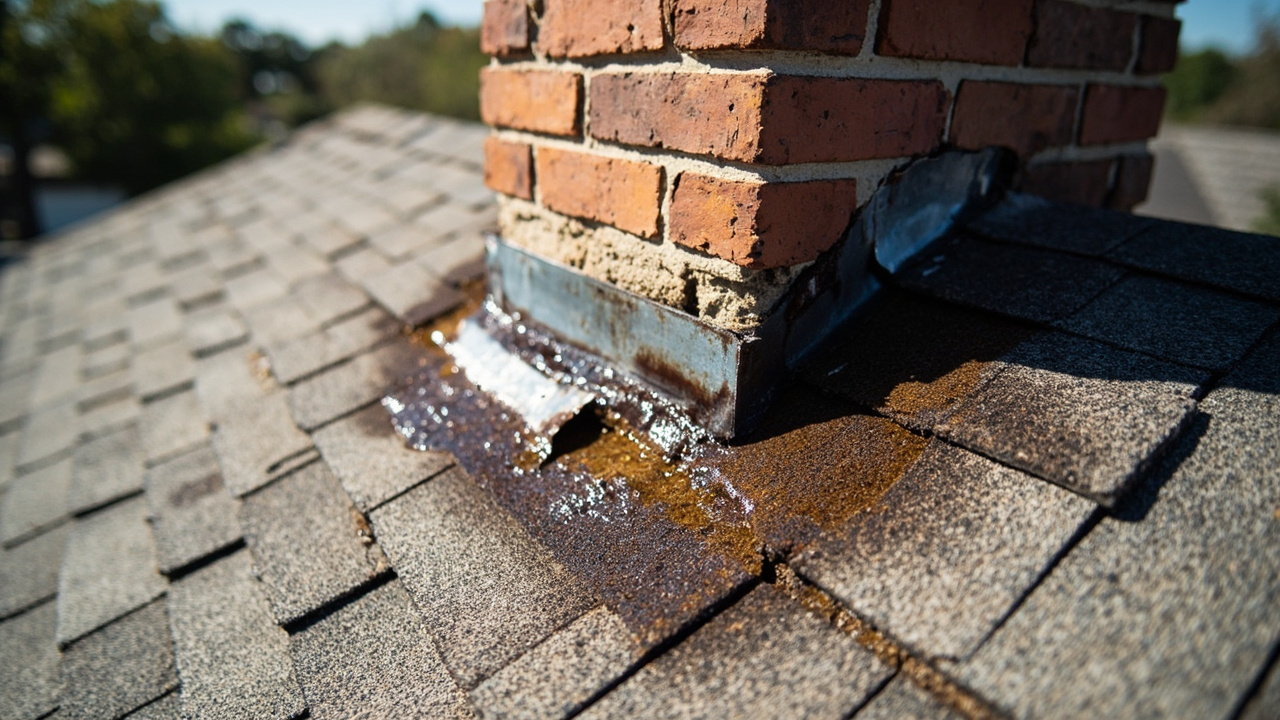
We start by examining the entire flashing assembly, not just the visible leak point. Chimney flashing requires inspecting the base flashing, step flashing, counter flashing, and cap flashing as a system. Each component must interlock correctly and maintain proper lap distances. We check fastener patterns, sealant condition, and metal gauge thickness.

For valley flashing, we assess whether the original installation used open or closed valley construction. Open valleys handle San Antonio's intense rainfall better but require wider metal coverage. We verify that the valley flashing extends at least 12 inches up each roof plane and features a center crimp to direct water flow. Debris buildup in valleys accelerates corrosion, so we clear all organic material before evaluating the metal itself.

Pipe boot flashing demands different attention. The rubber collar around vent pipes degrades rapidly under Texas sun exposure. Cracked boot seals allow water to run down the pipe exterior and into the attic. We replace compromised boots entirely rather than attempting temporary patches.

When we find roof flashing failure, we remove the affected section completely. New flashing gets integrated with the existing shingle courses using proper overlap sequences. We use ice and water shield membrane beneath flashing in critical areas to create a secondary waterproof barrier. All penetrations receive fresh sealant rated for high-temperature applications.

The repair work follows manufacturer specifications and local building code requirements. We document the scope of deterioration with photos so you understand exactly what failed and why.

What Happens During Your Flashing Leak Repair

Roof Flashing Leaking in San Antonio – Expert Diagnosis Stops Water Damage Before It Spreads
01

Leak Source Identification

We trace the interior water damage back to the exterior entry point. Water travels along roof decking and rafters before appearing inside, so the leak location rarely matches the actual flashing failure. We perform a complete perimeter inspection of all flashing installations, checking chimneys, valleys, skylights, pipe boots, and sidewall intersections. This diagnostic phase pinpoints the exact compromised section.
02

Damage Assessment and Planning

Once we locate the leaky roof flashing, we evaluate whether surrounding materials sustained water damage. Roof decking may show delamination or rot. Shingles near the flashing might require replacement if adhesive strips failed. We measure the repair zone and determine whether we need to replace individual flashing pieces or entire assemblies. You receive a detailed scope before we begin any removal work.
03

Permanent Flashing Restoration

We remove failed flashing and install new components using proper integration techniques. Each piece overlaps correctly with adjacent materials to shed water away from vulnerable seams. Fresh underlayment goes beneath the flashing. New shingles blend with existing roof coverage. The repair zone gets tested with controlled water application to verify the seal before we leave your property. You get documentation of all work completed.

Why San Antonio Property Owners Choose Our Flashing Repair Expertise

Flashing leaks require someone who understands roof system integration, not just surface-level patching. Summit Roofing San Antonio specializes in forensic leak diagnosis throughout Bexar County. We have repaired flashing failures on everything from 1920s bungalows in Lavaca to modern construction in Stone Oak.

San Antonio's building codes require specific flashing details at roof penetrations and intersections. These requirements exist because our weather patterns create severe testing conditions for roof assemblies. Inspectors check flashing installations during new construction and major repairs. We know these code provisions and apply them even on small repair jobs where inspections are not required.

Local climate knowledge matters when selecting repair materials. Standard aluminum flashing corrodes quickly in our humid environment. We use heavier gauge metals and apply protective coatings where appropriate. Sealants must withstand prolonged UV exposure and temperature extremes without becoming brittle or separating from substrates.

Our crews work on pitched roofs daily. We understand the physical access challenges of reaching chimney flashing or valley installations safely. Proper staging and fall protection allow us to perform detailed work without cutting corners due to difficult positioning. You get thorough repairs, not quick fixes compromised by unsafe working conditions.

We also recognize that water damage extends beyond the roof itself. Leaky roof flashing often affects insulation, wiring, and interior finishes. We coordinate with other trades when repairs require drywall replacement or attic remediation. This integrated approach prevents you from managing multiple contractors for a single water intrusion problem.

Communication remains clear throughout the process. We explain what we found, what needs correction, and what you can expect long-term. No industry jargon meant to confuse. No pressure tactics to upsell unnecessary work. Just straightforward assessment and competent repair execution.

What to Expect When You Schedule Flashing Repair

Response Time and Scheduling

We schedule flashing inspections within 48 hours of your call. Most diagnostic visits take 30 to 45 minutes depending on roof accessibility and the number of potential leak sources. If we identify an active leak causing interior damage, we prioritize the repair and often complete it the same week. Non-emergency repairs get scheduled based on material procurement and weather windows. You receive a firm appointment time, not a vague day-of arrival estimate.

Inspection and Diagnosis Process

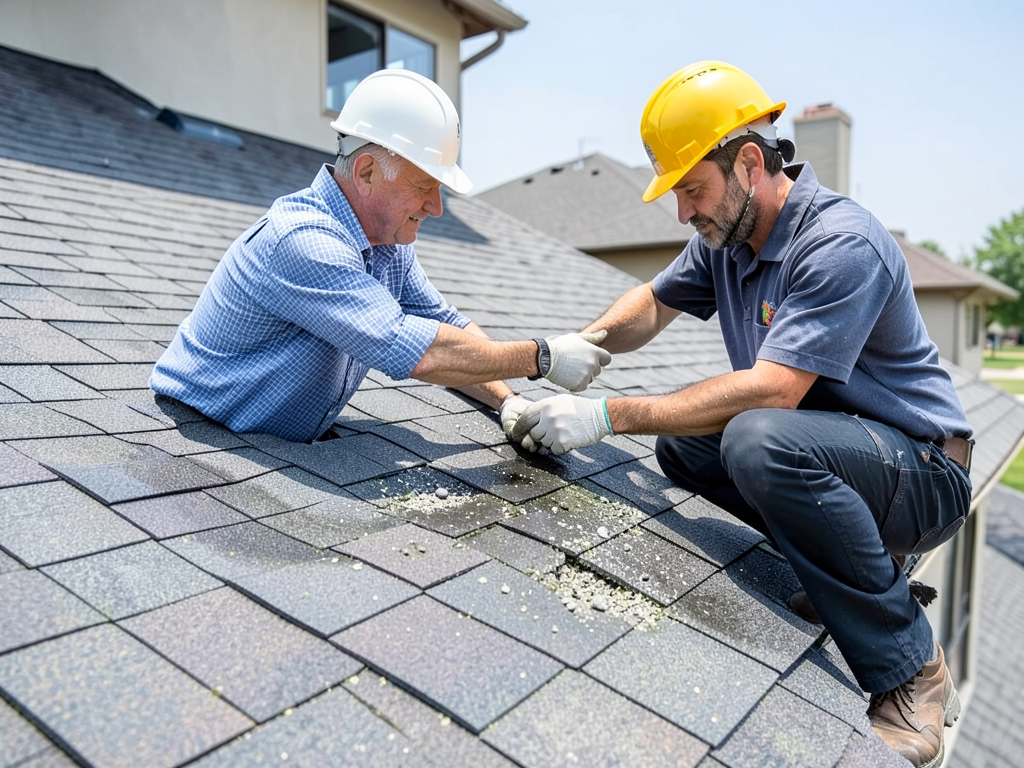
Our inspection covers all roof penetrations and transition points where flashing installations exist. We document conditions with photos showing the specific failure mechanisms. You see exactly what we see. We explain how water entered, where it traveled, and what repairs will prevent recurrence. The assessment includes checking attic spaces for hidden moisture damage and verifying that roof ventilation systems function properly. This comprehensive approach catches problems that limited inspections miss entirely.

Repair Quality and Materials

We use manufacturer-grade flashing materials designed for permanent installations, not temporary patches. Metal flashing comes from the same suppliers that provide materials for new construction projects. Sealants carry ratings for extended UV exposure and temperature cycling. Replacement shingles match your existing roof color and style. The repaired section integrates seamlessly with surrounding materials. You should not be able to identify the repair zone from ground level once we complete the work.

Post-Repair Support and Monitoring

After completing flashing repairs, we provide guidance on monitoring the previously affected areas during future rain events. You will know what signs indicate successful repair versus potential issues. We document all work with photos and written descriptions of what we replaced or modified. If you experience any water intrusion in the repaired zone within the first year, we return to evaluate the situation at no charge. This follow-up commitment ensures you have confidence in the repair durability.

Frequently Asked Questions

You Have Questions,
We Have Answers

How to fix a leak in a roof flashing? +

Fixing a flashing leak requires proper diagnosis first. Small gaps can be sealed with roofing cement or polyurethane sealant, but most flashing leaks in San Antonio stem from failed step flashing, corroded valleys, or separated chimney counterflashing. You need to remove the compromised section, install new metal flashing, and properly integrate it with your shingles and underlayment. DIY fixes rarely last because flashing must create a watertight barrier under extreme conditions. Our frequent hailstorms and roof-baking summer heat accelerate sealant failure. A professional roofer will assess whether you need spot repair or full flashing replacement to prevent water intrusion into your attic and walls.

Can roof flashing cause leaks? +

Yes. Flashing is your roof's primary defense against water entry at vulnerable intersections like chimneys, skylights, valleys, and wall junctions. When flashing corrodes, separates, or was improperly installed, water flows directly into your roof deck. In San Antonio, flashing failure is common after severe weather. High winds lift shingles and expose flashing seams. Hail dents and cracks metal flashing. Our clay soil shifts foundations, causing chimney movement that tears flashing away from rooflines. Even minor flashing damage allows water to bypass your shingles entirely. You might see ceiling stains, wall discoloration, or attic moisture long before you spot the actual flashing problem from ground level.

How much does it cost to repair flashing on a roof? +

Flashing repair in San Antonio typically ranges from minor sealant work to full section replacement. Small repairs around a chimney or skylight may cost less than larger jobs, while complete valley flashing replacement costs more due to labor intensity. Costs depend on flashing type (aluminum, copper, galvanized steel), roof accessibility, pitch steepness, and whether surrounding shingles need replacement. Metal flashing material prices fluctuate. Two-story homes cost more due to safety equipment needs. The real cost of delaying repair is hidden water damage to your roof deck, insulation, and framing. Get a detailed written estimate that specifies materials, labor, and warranty coverage before work begins.

Are roofers responsible for flashing? +

Yes. Professional roofers are responsible for proper flashing installation and integration with your roofing system. Flashing is not an add-on. It is a critical component of every roof assembly. A qualified roofer installs step flashing along walls, counterflashing at chimneys, valley flashing in roof intersections, and drip edge at eaves. They understand how each piece overlaps to create continuous water shedding. In San Antonio, your roofer must account for thermal expansion in our scorching summers and properly seal against wind-driven rain. Roofers who skip or shortcut flashing work create guaranteed leak points. Always verify your contractor includes flashing in written proposals and follows manufacturer specifications.

Does flex seal work on roof flashing? +

Flex Seal is a temporary emergency stopgap, not a permanent flashing repair. It may slow a minor leak during a rainstorm, but it will not withstand San Antonio's intense UV exposure, thermal cycling, or wind uplift. Proper flashing repair requires metal-to-metal integration with your roof assembly. Flex Seal cannot recreate the layered water-shedding design that step flashing, counterflashing, and valley flashing provide. The product degrades quickly under our summer heat. It traps moisture against metal, accelerating corrosion. Insurance adjusters and professional roofers do not recognize Flex Seal as a code-compliant repair method. Use it only as a short-term measure until a licensed roofer can perform proper metal flashing replacement.

Does homeowners insurance cover flashing repair? +

Homeowners insurance typically covers flashing repair if damage results from a covered peril like hail, wind, or falling tree limbs. Insurance will not cover flashing failure from normal wear, aging, improper installation, or deferred maintenance. After San Antonio storms, document visible damage with photos before tarping. File your claim promptly. Adjusters look for dented metal, torn seams, or displaced flashing sections. They deny claims for rust or deterioration from age. Your policy may cover only the damaged flashing section, not a full roof replacement unless widespread damage exists. Read your policy's coverage limits and deductibles. Some carriers require professional inspection reports to validate flashing damage claims.

Can I put new flashing over old flashing? +

No. Layering new flashing over old flashing creates a bulky, ineffective seal that traps moisture and guarantees future leaks. Proper flashing replacement requires removing the failed section, inspecting underlying roof deck for water damage, installing new metal flashing with correct overlap sequences, and integrating it under shingles. In San Antonio's climate, doubling flashing also creates thermal expansion issues. Metal expands and contracts at different rates, causing separation. Old corroded flashing contaminates new material. Building codes require proper flashing installation, not patches over compromised materials. Shortcuts waste money because the leak will return. Remove and replace flashing correctly the first time to protect your roof investment.

How much does it cost to have roof flashing replaced? +

Complete flashing replacement costs vary based on project scope and materials. Replacing all step flashing along a dormer wall differs from replacing valley flashing or chimney counterflashing. Copper flashing costs more than aluminum but lasts decades longer in San Antonio's weather. Roof pitch, height, and accessibility affect labor costs. Removing and replacing surrounding shingles adds expense. Two-story homes require additional safety equipment and time. Get multiple written estimates that specify linear feet of flashing, material type, and whether shingle replacement is included. The investment prevents catastrophic water damage to roof decking, insulation, and interior walls. Quality flashing replacement protects your home for 20 to 30 years.

What is the best product to seal a flashing roof? +

The best flashing seal depends on application. For metal-to-metal joints, use polyurethane or butyl rubber sealants rated for roofing applications and UV resistance. For chimney counterflashing, use high-grade roofing cement or through-wall flashing tape. San Antonio's extreme heat demands sealants that remain flexible through thermal cycling. Avoid silicone on flashing because it does not adhere well to metal and fails under UV exposure. Professional-grade products like Geocel, Karnak, or Henry sealants outperform hardware store options. The best solution is proper mechanical flashing installation that relies on gravity and overlapping metal, not sealant alone. Sealant supplements correct installation but never replaces it.

What is the lifespan of roof flashing? +

Flashing lifespan depends on material and installation quality. Galvanized steel flashing lasts 15 to 20 years before rust compromises it. Aluminum flashing lasts 20 to 30 years but dents easily during San Antonio hailstorms. Copper flashing lasts 50-plus years and develops a protective patina. Stainless steel offers similar longevity. Poor installation shortens any flashing's life. Improperly sealed seams, missing underlayment, or incorrect overlap sequences cause premature failure. Our intense summer heat accelerates sealant degradation. Inspect flashing annually, especially after severe weather. Look for rust stains, separated seams, or lifted edges. Replace flashing when you reroof to maintain warranty coverage and prevent future leak paths.

How San Antonio's Flash Flooding Tests Every Flashing Detail

San Antonio sits at the convergence zone where moist Gulf air meets dry Hill Country conditions. This geographic position creates explosive thunderstorm development that dumps extreme rainfall in short periods. The 2013 floods demonstrated how quickly water accumulates when storms stall over Bexar County. These intense rain events overwhelm roof drainage systems and find every weakness in flashing installations. Water leaking around flashing happens when metal overlaps are too narrow or sealant beads are incomplete. Standard flashing details that work in moderate climates fail here during heavy downpours because the volume exceeds design capacity.

Summit Roofing San Antonio has repaired storm-damaged roofs across every neighborhood from Government Hill to Helotes. We understand how local soil conditions affect foundation movement and create stress on flashing connections. We know which subdivisions used cheaper construction materials during boom periods and where original flashing installations cut corners. This local knowledge helps us anticipate failure patterns before they become emergency situations. When you work with a roofing company that operates exclusively in this market, you benefit from accumulated experience with San Antonio-specific challenges that out-of-area contractors simply do not recognize.
Roofing Services in The San Antonio Area

Explore our service coverage in and around San Antonio using the map below. Summit proudly serves residential and commercial clients throughout the region. Whether you're in the heart of the city or in the nearby suburbs, we’re just a call away. We make it easy to reach us for inspections, quotes, or emergency assistance. Your trusted roofing team is always nearby.

Address:
Summit Roofing San Antonio, 1100 NW Loop 410, Suite 700, San Antonio, TX, 78213

Additional Services We Offer

Our news updates

Latest Articles & News from The Blogs

What to do when a neighbor's tree limbs are hanging over your roof in the Great Northwest Living in the…

What to do when a neighbor's tree limbs are hanging over your roof in the Great Northwest

What to do when a neighbor's tree limbs are hanging over your roof in the Great Northwest Living in the…

Adding instant curb appeal to your Terrell Hills home with copper gutters

Adding instant curb appeal to your Terrell Hills home with copper gutters Your Terrell Hills home deserves more than ordinary…

Why brand new homes in Redbird Ranch still need a yearly roof check

Why brand new homes in Redbird Ranch still need a yearly roof check Your brand new roof in Redbird Ranch…

Contact Us

Water does not wait. Every rain event pushes more moisture into your roof assembly and interior spaces. Call Summit Roofing San Antonio at (726) 256-6199 right now to schedule your flashing inspection. We will identify the exact failure point and provide a permanent repair solution.