





San Marcos sits at the intersection of three distinct climate zones where Hill Country meets Central Texas plains. This location creates intense weather patterns that damage roofs faster than most regions. Summer temperatures regularly exceed 100 degrees, causing asphalt shingles to blister and crack. Afternoon thunderstorms roll through with little warning, bringing hail and damaging winds that tear off shingles and dent metal roofing.
The Balcones Escarpment creates unique wind patterns that lift loose shingles and test flashing around chimneys and vents. Oak wilt forces many homeowners to remove large trees, suddenly exposing roofs to full sun that previously had shade protection. The San Marcos River valley creates humidity pockets where moss and algae growth accelerate on north-facing roof slopes.
Winter freezes happen just often enough to crack deteriorated shingles but not frequently enough for most homeowners to notice gradual damage. When ice forms in damaged areas, it expands and creates entry points for water. The limestone bedrock common throughout Hays County means foundation shifts can stress roof structures, particularly in neighborhoods near the Balcones Fault Zone. Properties near Texas State University and downtown San Marcos often have older roof systems that need inspection after every major storm.
Summit Roofing San Antonio has protected San Marcos properties through countless hailstorms, windstorms, and heat waves. We understand how Central Texas weather destroys roofs because we see the damage patterns every day. When a storm hits San Marcos, we prioritize emergency repairs for active leaks before they cause interior damage to ceilings, insulation, and electrical systems.
Our roof construction approach accounts for the specific challenges your property faces. We inspect attic ventilation to prevent heat buildup that shortens shingle life. We examine flashing around penetrations where most leaks start. We check for granule loss on asphalt shingles, a clear sign that UV damage has compromised the protective layer. We look for nail pops caused by expansion and contraction during temperature swings.
We work directly with insurance adjusters to document storm damage and ensure you receive fair claim settlements. Many San Marcos homeowners discover their insurance covers more damage than they realized once we complete a thorough inspection. We provide detailed estimates that break down every component of your roofing work so you understand exactly what needs replacement versus repair.
Our installations use roofing materials rated for high-wind zones and impact resistance. We follow manufacturer specifications precisely because proper installation determines how long your roof system lasts. Cutting corners during installation voids warranties and leads to premature failure. We train our crews on the latest installation techniques and safety protocols. When we complete a roof installation, you get documentation, warranties, and the confidence that your home is protected.

When severe weather hits San Marcos, we mobilize crews immediately for emergency repairs. Active leaks cause thousands in damage within hours. We tarp damaged areas, stop water intrusion, and schedule permanent repairs fast. Our emergency response prevents secondary damage while you wait for insurance approval.

We document storm damage thoroughly and work directly with adjusters to ensure accurate claim assessments. Most homeowners underestimate their damage. We identify hidden issues like compromised decking, damaged underlayment, and failed flashing that adjusters might miss. Our detailed reports support your claim and maximize your settlement.
We maintain certifications with major roofing manufacturers, which means our installations meet strict quality standards. This certification qualifies you for extended warranties that protect your investment. Certified installers understand product specifications and proper application techniques that prevent premature failure. Your warranty is only valid when installation follows manufacturer protocols.
We've repaired roofs across San Marcos for years and understand how weather patterns affect different neighborhoods. Properties near the river face different challenges than homes on the Hill Country ridges. We select roofing materials and installation methods based on your specific microclimate and exposure. This local expertise extends roof life significantly.
Summit Roofing San Antonio handles every type of roof construction and repair work San Marcos properties need. Residential roofs require different approaches than commercial buildings. Emergency repairs demand immediate response while planned replacements allow for careful material selection and scheduling. We categorize our roof services into three main areas based on urgency and scope.
Emergency repairs address active leaks and storm damage that threaten your property right now. Roof installations and replacements handle systems that have reached the end of their functional life or sustained damage beyond economical repair. Maintenance and inspection services catch small problems before they become expensive failures. Each service category requires different expertise and equipment.
Our residential roof work includes asphalt shingle systems, metal roofing, tile installations, and flat roof membranes. We handle complex roof geometry with multiple valleys, dormers, and penetrations. Commercial roofing projects involve TPO membrane systems, modified bitumen, metal panel roofs, and built-up tar and gravel systems. We coordinate with property managers to minimize business disruption during roofing work.
Insurance restoration projects require documentation, communication with adjusters, and precise execution to match existing materials. We handle the entire process from initial damage assessment through final inspection. Our maintenance programs include regular inspections, minor repairs, gutter cleaning, and ventilation optimization that extends roof life and prevents emergency failures.
When your San Marcos roof is leaking, minutes matter. Water damages ceilings, insulation, electrical systems, and personal belongings fast. We respond to emergency calls quickly, assess damage immediately, and stop water intrusion before it spreads. We tarp damaged areas, replace missing shingles, seal penetrations, and repair flashing failures. Our emergency roof services protect your property while we develop a permanent repair plan. We work with your insurance to document damage and expedite claims so repairs happen fast without out-of-pocket expense.
When your roof system has reached the end of its functional life, a complete roof installation provides decades of reliable protection. We remove old materials down to the decking, inspect and repair structural components, install proper underlayment, and apply new roofing materials according to manufacturer specifications. Our roof construction process includes attic ventilation assessment, flashing replacement around all penetrations, and proper drip edge installation. We help you select roofing materials that match your home's architecture, meet your budget, and provide the protection level you need. Every installation includes warranties on materials and workmanship.
Regular roof inspections catch small problems before they become expensive failures. We examine shingles for granule loss, cracking, and curling. We check flashing around chimneys, vents, and skylights where most leaks start. We inspect attic spaces for proper ventilation, moisture accumulation, and structural issues. We clean gutters and downspouts to prevent water backup. Our maintenance programs include minor repairs like replacing damaged shingles, resealing penetrations, and clearing debris. Scheduled maintenance extends roof life significantly and prevents emergency failures during storms. We provide detailed inspection reports with photos.
San Marcos roofs fail for predictable reasons tied to our climate and construction practices. Understanding these common problems helps you spot warning signs before minor issues become major expenses. Most roof damage starts small and progresses over months or years until a storm event causes sudden failure. Regular inspections catch these problems early when repairs are simple and inexpensive.
Hail damage is the leading cause of insurance claims in San Marcos. Even small hail dents asphalt shingles and compromises the protective granule layer. Once granules are knocked loose, UV radiation breaks down the asphalt binder and shingles deteriorate rapidly. Wind damage from thunderstorms lifts improperly secured shingles and tears away flashing. Poor attic ventilation traps heat that bakes shingles from below and shortens their functional life.
Many San Marcos homes were built during construction booms when some contractors cut corners on roof installation. Improper nailing patterns, missing underlayment, and inadequate flashing create failure points. Trees overhanging roofs drop leaves that trap moisture and promote algae growth. Squirrels and raccoons damage roof vents and create entry points. These problems compound over time until your roof system needs complete replacement instead of simple repairs.
Spring and summer storms bring hail that dents shingles and cracks sealant strips. Wind lifts improperly secured shingles and exposes underlayment to UV damage. Even small hail impacts compromise shingle integrity and start a deterioration process. Most homeowners don't realize they have storm damage until leaks appear months later. Insurance covers storm damage but claims must be filed within policy timeframes.
San Marcos summer heat turns attics into ovens that reach 150 degrees. Without proper ventilation, this heat bakes shingles from below and shortens their life dramatically. Inadequate ridge vents and soffit vents trap hot air. Blocked ventilation from insulation pushed against roof decking prevents airflow. Poor ventilation also causes moisture accumulation that rots decking and promotes mold growth in attic spaces.
Most roof leaks start at flashing around chimneys, plumbing vents, skylights, and roof valleys. Flashing sealant deteriorates from UV exposure and temperature cycling. Improperly installed flashing allows water to seep under shingles. Many older San Marcos homes have original flashing that has exceeded its functional life. Flashing replacement during roof repairs prevents future leaks and water damage to interior spaces and structural components.
Some contractors take shortcuts that cause premature roof failure. Incorrect nail placement, missing underlayment, inadequate flashing, and improper shingle overlap void manufacturer warranties. Roofs installed during construction booms sometimes have systemic problems that only appear years later. We frequently find code violations during inspections of older installations. Proper roof construction follows specific building codes and manufacturer specifications that ensure long-term performance and warranty coverage.
From your first call to final inspection, Summit Roofing San Antonio keeps you informed about every aspect of your roofing work. We know roof projects cause stress and disruption. Our process minimizes both through clear communication, realistic timelines, and meticulous attention to detail.
We start with a thorough inspection of your roof system, attic space, and interior ceilings. We look for obvious damage and hidden problems that might not be visible from the ground. We take photos and measurements to document current conditions. If you're filing an insurance claim, we coordinate with your adjuster to ensure all damage is properly documented and included in the claim assessment.
Once we agree on scope and price, we schedule your project based on weather forecasts and material availability. We protect your landscaping, vehicles, and property during the work. We use tarps and magnetic rollers to collect nails and metal debris. Our crews arrive on time, work efficiently, and clean up thoroughly at the end of each day. We handle all required permits and inspections. When we finish, your property looks better than when we started.
We inspect every component of your roof system including shingles, underlayment, flashing, ventilation, gutters, and structural decking. We check your attic for proper insulation and ventilation. We look at ceilings for water stains that indicate past or present leaks. We provide honest assessments about what needs immediate attention versus what can wait. We never upsell unnecessary work. If your roof has years of life remaining, we tell you. If repairs make more sense than replacement, we explain why.
You'll know exactly what's happening at every stage of your roofing work. We provide detailed written estimates that break down materials, labor, and timeline. We explain your options for roofing materials and help you understand the benefits and costs of each choice. We give you realistic completion timelines based on weather and material availability. If unexpected issues arise during the work, we contact you immediately with options and pricing before proceeding. You'll have direct contact information for your project manager.
When we complete your roof installation or repair, you receive documentation including warranties on materials and workmanship. We provide care instructions for your new roof system. We explain what to watch for and when to schedule your next inspection. Our work meets or exceeds all manufacturer specifications and local building codes. We stand behind every installation with comprehensive warranties. If problems arise, we respond quickly to address them. Your satisfaction and protection are our primary goals.
We've refined our roofing process to minimize disruption and maximize quality. Every project follows the same proven steps that ensure consistent results and customer satisfaction.
Call us at (726) 256-6199 to schedule your inspection. We examine your entire roof system, document all damage or wear, and take detailed photos. We measure your roof and note any special requirements like complex valleys or unusual penetrations. We provide a written estimate that details all work, materials, and costs. If you're filing an insurance claim, we coordinate with your adjuster and provide supporting documentation. We answer all questions and explain your options clearly.
Once you approve the estimate, we order materials and schedule your project based on weather forecasts. Our crews arrive on time with all necessary equipment. We protect your property with tarps and barriers. We remove old roofing materials and dispose of debris properly. We inspect and repair decking as needed. We install new underlayment, flashing, and roofing materials according to manufacturer specifications. We use magnetic rollers and detailed cleanup procedures to collect all nails and metal debris.
We conduct a final walkthrough with you to ensure you're completely satisfied with the completed work. We review proper maintenance procedures for your new roof system. We provide all warranty documentation and care instructions. We handle all final inspections required by local building departments. We leave your property cleaner than we found it. You receive direct contact information for any future questions or concerns. Your roof is now protected for decades.
Professional roof construction involves far more than nailing shingles to plywood. Modern roof systems include multiple integrated components that work together to protect your home from water intrusion, temperature extremes, and structural stress. Understanding these components helps you make informed decisions about repairs and replacements.
Texas building codes require specific installation methods and materials for roof systems. Wind uplift ratings determine how securely shingles must be attached based on your location and roof pitch. Impact resistance ratings affect insurance premiums and determine how well your roof withstands hail. Underlayment requirements vary based on roof slope and local weather patterns. San Marcos falls within a high-wind zone that requires enhanced attachment methods.
Proper attic ventilation is critical for roof longevity in Central Texas. The general standard calls for one square foot of ventilation for every 150 square feet of attic space, split between intake vents at soffits and exhaust vents at the ridge. Inadequate ventilation traps heat that can exceed 150 degrees in summer, which dramatically shortens shingle life. Proper ventilation also prevents moisture accumulation that rots decking and promotes mold growth.
Roof system warranties vary significantly based on materials and installation quality. Manufacturer warranties cover material defects but require certified installers and proper installation techniques. Workmanship warranties from your contractor cover installation errors and should last several years minimum. Extended warranties often require regular maintenance and inspections. Understanding what your warranty covers and what voids it protects your investment. Many warranty claims are denied because installation didn't follow manufacturer specifications or required maintenance wasn't performed.
San Marcos requires building permits for most roof replacement projects. Permits ensure work meets current building codes and includes proper inspections. Code requirements cover attachment methods, underlayment types, flashing installation, and fire ratings. Wind uplift standards determine how many nails per shingle and what adhesive strips are required. Permitted work protects your home value and ensures insurance coverage. We handle all permit applications and required inspections for your project.
Roof installation costs depend on size, pitch, complexity, material selection, and current condition. Steeper roofs require more safety equipment and take longer to install. Multiple valleys, dormers, and penetrations increase labor time. Removing multiple layers of old roofing adds disposal costs. Premium materials like architectural shingles or metal roofing cost more than basic three-tab shingles but last longer. Damaged decking requires repair before new materials can be installed, which adds to project scope.
Most residential roof replacements take two to four days depending on size and complexity. We schedule projects based on extended weather forecasts to avoid rain delays. Roofing materials cannot be installed during rain or high winds. Extreme heat affects installation quality, so we sometimes adjust schedules during peak summer. Spring and fall offer ideal conditions. Material availability can affect timelines during busy storm seasons. We provide realistic schedules and keep you informed about any delays.
Asphalt shingles remain the most popular choice for San Marcos homes due to cost and performance. Architectural shingles offer better wind resistance and longer warranties than basic three-tab shingles. Impact-resistant shingles qualify for insurance discounts in hail-prone areas. Metal roofing provides superior longevity and energy efficiency but costs more upfront. Material selection should consider your budget, home style, and how long you plan to own the property. We help you choose materials that balance performance and value.
This video explains common roof storm damage in San Marcos and what homeowners should inspect after severe weather. Summit Roofing San Antonio demonstrates how to identify hail impacts, wind damage, and failing flashing. The video covers insurance claim processes, repair versus replacement decisions, and proper roof installation standards. Viewers learn about local weather challenges, building code requirements, and maintenance practices that extend roof system life in Central Texas climate conditions.
Summit Roofing San Antonio serves every neighborhood across San Marcos and understands the unique characteristics that affect roofs throughout the area. Properties in the Historic District near downtown often have older roof systems on homes built between the 1920s and 1950s. These neighborhoods feature architectural styles that require careful material matching during repairs and replacements. Steep roof pitches and complex geometry are common in these established areas.
The neighborhoods surrounding Texas State University include a mix of historic homes and newer construction. Student rental properties often have deferred maintenance that leads to more extensive damage. Landlords need reliable contractors who can assess damage accurately and complete repairs quickly between tenants. These areas also see more tree coverage that drops debris on roofs and creates moisture retention problems.
The Blanco Gardens and Meadows at Quail Creek areas represent newer development with modern roof systems, but even recent installations need inspection after major hailstorms. These neighborhoods typically feature architectural shingles with better wind ratings. Properties near the San Marcos River and Purgatory Creek face higher humidity and more aggressive algae growth on north-facing roof slopes. River proximity also means more severe storm impacts as weather systems follow waterways.
Developments along Ranch Road 12 toward Wimberley climb into Hill Country elevation where wind exposure increases significantly. Properties on ridges and hilltops face stronger winds during storms. The transition from Blackland Prairie to limestone hills creates soil variation that affects foundation stability, which can stress roof structures. Properties east toward Martindale and west toward Canyon Lake each face distinct weather patterns and exposure challenges.
We maintain crews and equipment positioned to respond quickly across the entire San Marcos area. Our familiarity with local neighborhoods, common architectural styles, and weather patterns helps us provide accurate estimates and effective solutions. Whether you're in older neighborhoods near downtown, newer subdivisions off I-35, or Hill Country properties along the Blanco River, we understand your specific roofing challenges and have the experience to address them properly.
Roof replacement for a 2000 sq ft home in San Marcos typically ranges based on material choice and complexity. Asphalt shingles are the most common option, while metal roofing costs more upfront but lasts longer in Texas heat. Your final price depends on roof pitch, number of layers to remove, flashing repairs, and ventilation upgrades. San Marcos homes built on expansive clay soil sometimes need additional decking repairs due to settling. Get three local estimates and ask about storm damage inspection if hail has hit your neighborhood recently.
Most roofing financing programs accept credit scores starting around 600, though better rates come with scores above 650. Some contractors in San Marcos work with multiple lenders to help homeowners with varying credit profiles. You can also explore FHA Title 1 loans or home equity lines of credit if you own your home. If your credit is lower, consider asking about payment plans or saving for a larger down payment. Many San Marcos roofers offer in-house financing options that focus more on income verification than strict credit requirements.
New roof costs vary widely based on size, material, and structural condition. Asphalt shingle roofs are the entry point, while architectural shingles add dimension and wind resistance for Texas storms. Metal roofing handles San Marcos heat better and lasts decades longer. Tile roofs suit Mediterranean-style homes common in some neighborhoods. Your quote should include tear-off, disposal, new underlayment, drip edge, flashing, and ridge vents. Always verify the contractor checks decking for water damage or rot before installing new shingles.
Roof replacement for a 2000 sq ft home in San Marcos typically ranges based on material choice and complexity. Asphalt shingles are the most common option, while metal roofing costs more upfront but lasts longer in Texas heat. Your final price depends on roof pitch, number of layers to remove, flashing repairs, and ventilation upgrades. San Marcos homes built on expansive clay soil sometimes need additional decking repairs due to settling. Get three local estimates and ask about storm damage inspection if hail has hit your neighborhood recently.
Most roofing financing programs accept credit scores starting around 600, though better rates come with scores above 650. Some contractors in San Marcos work with multiple lenders to help homeowners with varying credit profiles. You can also explore FHA Title 1 loans or home equity lines of credit if you own your home. If your credit is lower, consider asking about payment plans or saving for a larger down payment. Many San Marcos roofers offer in-house financing options that focus more on income verification than strict credit requirements.
New roof costs vary widely based on size, material, and structural condition. Asphalt shingle roofs are the entry point, while architectural shingles add dimension and wind resistance for Texas storms. Metal roofing handles San Marcos heat better and lasts decades longer. Tile roofs suit Mediterranean-style homes common in some neighborhoods. Your quote should include tear-off, disposal, new underlayment, drip edge, flashing, and ridge vents. Always verify the contractor checks decking for water damage or rot before installing new shingles.
Most San Marcos roofers bid by the project, not hourly rates. This protects you from cost overruns and gives a clear total before work starts. If a contractor does charge hourly for repairs, expect rates between standard and premium depending on experience and insurance coverage. Emergency storm repairs after hail or wind damage may carry premium rates due to urgency. For small leak repairs or flashing work, ask for a flat-rate quote instead. Project-based pricing is standard practice and easier to compare across multiple bids.
Labor and tear-off typically represent the largest cost in roof replacement. Removing old shingles, disposing of debris, and preparing the deck takes time and manpower. Material costs follow closely, especially for premium options like metal or tile. In San Marcos, unexpected decking repairs add expense when water damage or rot is found during tear-off. Structural issues from foundation settling on clay soil can require additional framing work. Flashing around chimneys, skylights, and valleys also adds cost but prevents future leaks.
This question addresses concrete foundation work, not roofing. A 2000 sq ft concrete slab involves site preparation, grading, rebar installation, and pouring. Costs depend on soil conditions, thickness requirements, and local building codes. San Marcos sits on expansive clay soil that shifts with moisture changes, often requiring deeper excavation and engineered fill. For roofing questions, contact a local roofer. For foundation or slab work, consult a concrete contractor familiar with Central Texas soil conditions and proper drainage solutions.
Several financing options help San Marcos homeowners afford necessary roof replacement. Start by filing an insurance claim if storm damage caused the need. Many contractors offer payment plans or work with specialized roofing lenders. Home equity loans or lines of credit provide another path if you have equity built up. Government programs like FHA Title 1 loans help qualifying homeowners. Some contractors accept credit cards for smaller projects. Explore local credit unions for personal loans with competitive rates. Delaying a failing roof risks interior damage that costs more long-term.
This question addresses general home affordability, not roofing services. On $70,000 annual income, lenders typically approve mortgages based on debt-to-income ratio, down payment, and credit score. Most financial advisors suggest keeping housing costs under 28 percent of gross monthly income. For roofing-specific financing questions, focus on equity-based loans or roofing payment plans. If you own a home in San Marcos and need roof work, explore home equity options or contractor financing programs designed for home improvements rather than purchase loans.
The 2 2 2 credit rule suggests maintaining credit scores above 620, keeping debt-to-income ratios under 22 percent, and having two months of mortgage reserves. This guideline applies to mortgage qualification, not roofing projects. For roof financing in San Marcos, contractors work with diverse credit profiles. Focus on demonstrating stable income and reasonable existing debt. Some roofing lenders prioritize home equity over credit scores. If traditional financing is challenging, ask local roofers about in-house payment plans or explore home improvement-specific loan programs.
Late fall through early spring offers the best window for roof replacement in San Marcos. October through March brings cooler temperatures and less afternoon heat for crews. Summer heat makes shingle installation harder and affects adhesive activation. Avoid scheduling during peak storm season if possible, though emergency repairs cannot wait. Spring and fall also mean shorter wait times compared to summer when demand peaks. Book early if you schedule work during mild weather months. Winter rarely brings freezing temperatures in Central Texas, making year-round installation feasible when needed.
Most San Marcos roofers bid by the project, not hourly rates. This protects you from cost overruns and gives a clear total before work starts. If a contractor does charge hourly for repairs, expect rates between standard and premium depending on experience and insurance coverage. Emergency storm repairs after hail or wind damage may carry premium rates due to urgency. For small leak repairs or flashing work, ask for a flat-rate quote instead. Project-based pricing is standard practice and easier to compare across multiple bids.
Labor and tear-off typically represent the largest cost in roof replacement. Removing old shingles, disposing of debris, and preparing the deck takes time and manpower. Material costs follow closely, especially for premium options like metal or tile. In San Marcos, unexpected decking repairs add expense when water damage or rot is found during tear-off. Structural issues from foundation settling on clay soil can require additional framing work. Flashing around chimneys, skylights, and valleys also adds cost but prevents future leaks.
This question addresses concrete foundation work, not roofing. A 2000 sq ft concrete slab involves site preparation, grading, rebar installation, and pouring. Costs depend on soil conditions, thickness requirements, and local building codes. San Marcos sits on expansive clay soil that shifts with moisture changes, often requiring deeper excavation and engineered fill. For roofing questions, contact a local roofer. For foundation or slab work, consult a concrete contractor familiar with Central Texas soil conditions and proper drainage solutions.
Several financing options help San Marcos homeowners afford necessary roof replacement. Start by filing an insurance claim if storm damage caused the need. Many contractors offer payment plans or work with specialized roofing lenders. Home equity loans or lines of credit provide another path if you have equity built up. Government programs like FHA Title 1 loans help qualifying homeowners. Some contractors accept credit cards for smaller projects. Explore local credit unions for personal loans with competitive rates. Delaying a failing roof risks interior damage that costs more long-term.
This question addresses general home affordability, not roofing services. On $70,000 annual income, lenders typically approve mortgages based on debt-to-income ratio, down payment, and credit score. Most financial advisors suggest keeping housing costs under 28 percent of gross monthly income. For roofing-specific financing questions, focus on equity-based loans or roofing payment plans. If you own a home in San Marcos and need roof work, explore home equity options or contractor financing programs designed for home improvements rather than purchase loans.
The 2 2 2 credit rule suggests maintaining credit scores above 620, keeping debt-to-income ratios under 22 percent, and having two months of mortgage reserves. This guideline applies to mortgage qualification, not roofing projects. For roof financing in San Marcos, contractors work with diverse credit profiles. Focus on demonstrating stable income and reasonable existing debt. Some roofing lenders prioritize home equity over credit scores. If traditional financing is challenging, ask local roofers about in-house payment plans or explore home improvement-specific loan programs.
Late fall through early spring offers the best window for roof replacement in San Marcos. October through March brings cooler temperatures and less afternoon heat for crews. Summer heat makes shingle installation harder and affects adhesive activation. Avoid scheduling during peak storm season if possible, though emergency repairs cannot wait. Spring and fall also mean shorter wait times compared to summer when demand peaks. Book early if you schedule work during mild weather months. Winter rarely brings freezing temperatures in Central Texas, making year-round installation feasible when needed.
Explore our service coverage in and around San Antonio using the map below. Summit proudly serves residential and commercial clients throughout the region. Whether you're in the heart of the city or in the nearby suburbs, we’re just a call away. We make it easy to reach us for inspections, quotes, or emergency assistance. Your trusted roofing team is always nearby.
Address:
San Marcos, TX, 78666

Essential steps to prepare your roof for a heavy South Texas rain event South Texas weather can change in minutes. One day the sun bakes your roof at 100 degrees. The next day a thunderstorm…
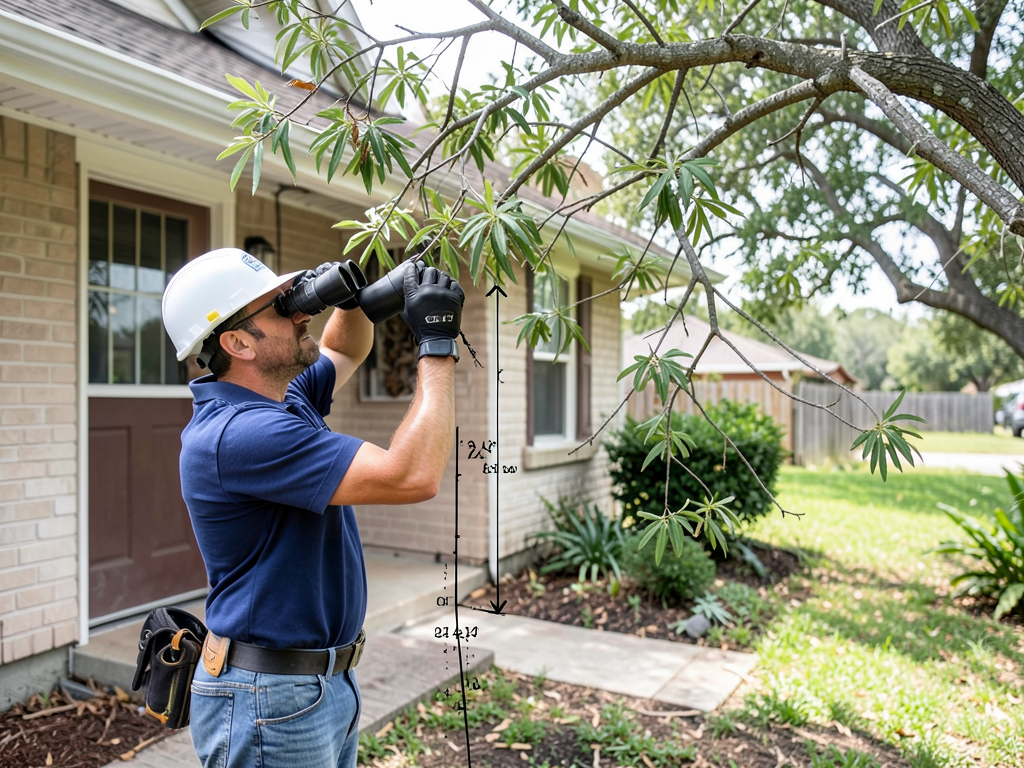
What to do when a neighbor's tree limbs are hanging over your roof in the…
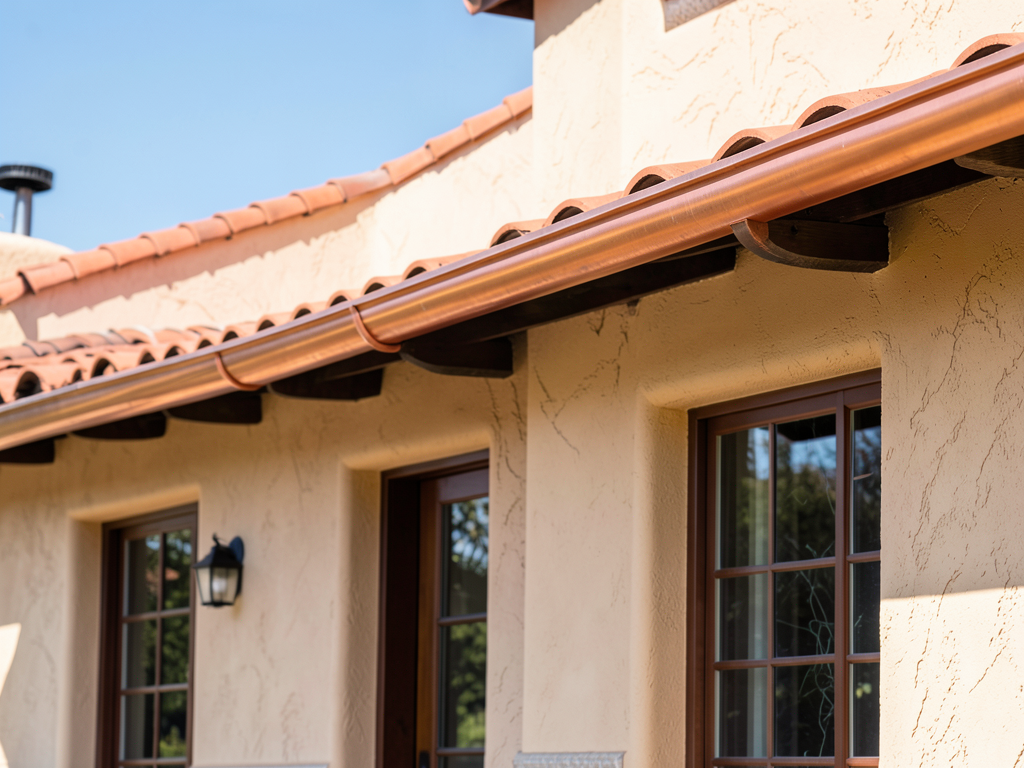
Adding instant curb appeal to your Terrell Hills home with copper gutters Your Terrell Hills…
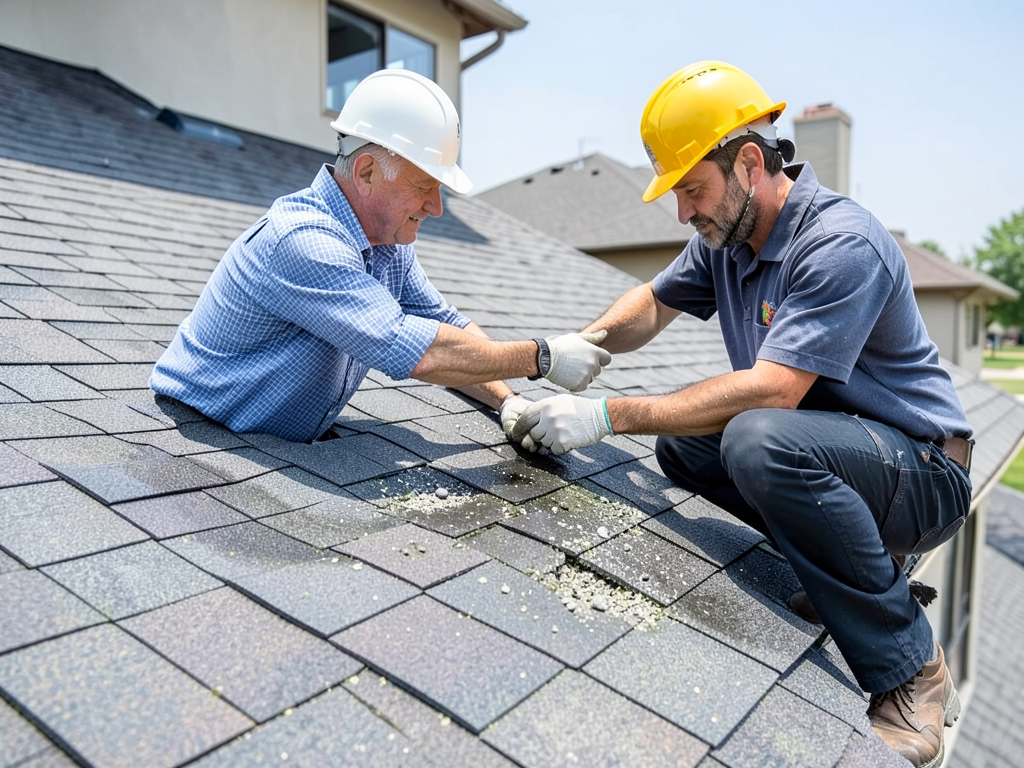
Why brand new homes in Redbird Ranch still need a yearly roof check Your brand…
Don't wait for a small problem to become a major expense. Call Summit Roofing San Antonio now at (726) 256-6199 for your free inspection. We'll assess your roof condition, identify any damage, and provide honest recommendations. Protect your San Marcos home before the next storm hits.