





Menu

Roof Replacement in San Antonio – Expert Installation for South Texas Heat and Storm Protection

Summit Roofing San Antonio delivers full roof replacement services engineered for intense UV exposure, summer hail storms, and the unique clay soil movement that causes structural stress across the Alamo City.

Slider Image 1
Slider Image 2
Slider Image 3
Slider Image 4
Slider Image 5
Slider Image 7
Slider Image 8
Slider Image 9
Slider Image 10
Slider Image 11

Why San Antonio Roofs Fail Faster Than You Think

San Antonio sits in a climate zone that punishes roofing materials. Summer temperatures regularly exceed 100 degrees, baking asphalt shingles and causing premature granule loss. UV radiation here is among the highest in Texas, breaking down protective coatings and accelerating aging. Add sudden hail storms that roll through from April to June, and you have a recipe for damage that compounds year after year.

The clay soil underneath your home shifts with seasonal moisture changes. During drought, clay contracts and cracks. When rain finally comes, it swells. This constant movement stresses your roof structure, loosening fasteners and creating gaps where water infiltrates. You might notice interior ceiling cracks, nail pops in your drywall, or subtle roof sagging, all signs that your foundation movement is impacting the roof system above.

Most homeowners wait too long. A roof showing visible wear, missing shingles after a storm, or water stains in the attic needs more than a patch job. Reroofing becomes necessary when the decking underneath deteriorates from repeated leaks. What started as a small repair becomes a full roof replacement because the underlying structure can no longer support new materials. Delaying a new roof installation in this climate does not save money. It creates bigger problems. Mold grows in attic spaces. Insulation loses R-value when wet. Electrical systems become fire hazards.

Residents near Alamo Heights, Stone Oak, and the Medical Center area see these issues frequently because of the age of housing stock and exposure to weather patterns rolling off the Hill Country.

Why San Antonio Roofs Fail Faster Than You Think
How We Execute a Full Roof Replacement Built for South Texas

How We Execute a Full Roof Replacement Built for South Texas

We do not patch over problems. Summit Roofing San Antonio removes the entire existing roof system down to the decking. This allows us to inspect the structural deck for rot, warping, or fastener failure caused by clay soil movement. If we find compromised sheathing, we replace it with properly rated OSB or plywood before any new materials go down.

Our replacement process uses a multi-layer system designed for wind uplift and thermal expansion. We install synthetic underlayment rated for high temperatures, which will not crack or tear like traditional felt paper. In areas prone to wind-driven rain, like eaves and valleys, we add peel-and-stick ice and water shield even though San Antonio rarely sees ice. The product works just as well against storm surge and horizontal rain.

Flashing details matter. We custom-fabricate step flashing for wall intersections and use kickout flashing at roof-to-wall transitions to direct water away from siding and into gutters. Pipe boots get replaced with EPDM rubber models that resist UV breakdown. Ridge vents are installed with external baffles to prevent rain intrusion while allowing hot attic air to escape, critical in a city where attic temperatures hit 150 degrees in July.

Shingle selection depends on your home's orientation and tree cover. Architectural shingles with algae-resistant granules perform well in shaded areas near Brackenridge Park or along the Museum Reach. Reflective shingles with cool-roof technology reduce cooling loads for homes in full sun exposure. We match your existing roof pitch and local architectural style, whether that is Spanish tile aesthetics in older neighborhoods or modern standing seam profiles in new construction areas.

What Happens During Your Roof Replacement Project

Roof Replacement in San Antonio – Expert Installation for South Texas Heat and Storm Protection
01

Property Assessment and Material Selection

We start with a roof inspection that measures pitch, identifies structural concerns, and documents existing damage. You receive a detailed scope that explains what materials your home needs based on sun exposure, tree coverage, and roof complexity. We walk you through shingle options, ventilation requirements, and how local building codes impact your project. This is not a sales pitch. It is an engineering evaluation.
02

Tear-Off and Structural Repair

Our crew removes old shingles, underlayment, and flashing in sections to protect your property from exposure. We inspect decking for soft spots, replace damaged sheathing, and verify that rafters and trusses remain structurally sound. Any wood rot gets cut out and replaced. Fascia boards are checked and repaired if needed. This phase determines whether your roof will perform for 20 years or fail in five.
03

Installation and Final Inspection

We install new underlayment, flashing, drip edge, and shingles according to manufacturer specifications and local wind load requirements. Ventilation components are balanced to create proper airflow. Ridge caps are installed with high-wind nailing patterns. A final walkthrough confirms clean job site conditions, proper nail placement, and that all penetrations are sealed. You get documentation for warranty registration and future insurance claims.

Why Local Expertise Matters for Reroofing in San Antonio

San Antonio operates under the International Residential Code with local amendments that address wind speed zones and fire ratings. Homes near Lackland AFB or within certain municipal utility districts have additional requirements. We know which areas require Class 4 impact-resistant shingles for insurance compliance and where HOA architectural review boards mandate specific colors or styles.

Our crews understand how the Edwards Aquifer Recharge Zone regulations affect tear-off procedures and waste disposal. We follow stormwater management rules that prevent shingle debris from entering drainage systems. These are not minor details. Violating environmental regulations during a roof replacement leads to fines and project delays.

We have worked on homes in Monte Vista's historic district, where preservation standards require matching original roofline profiles and using materials that respect the neighborhood's character. We have replaced roofs on mid-century ranch homes in Terrell Hills and modern builds in The Dominion. Each project demands different flashing techniques, ventilation strategies, and material choices.

Insurance claims are common after hail events. We document pre-existing damage, provide detailed estimates that match insurance adjuster line items, and communicate directly with carriers to prevent claim denials. Homeowners who hire out-of-town contractors often face delays because those companies do not understand local insurance practices or building department inspection protocols.

Summit Roofing San Antonio operates year-round in this market. We stock materials that perform in South Texas heat. Our suppliers are local, which means faster project starts and no waiting for special orders. When a summer storm damages 200 roofs in a weekend, we have the crew capacity and material access to respond quickly.

What You Can Expect From Start to Finish

Project Timeline and Scheduling

Most single-family roof replacements take two to four days depending on size, pitch, and complexity. We schedule projects based on weather forecasts to avoid mid-job rain delays. You will know the start date, daily work hours, and crew size before we arrive. If your project requires structural repairs or additional decking replacement, we communicate timeline changes immediately. We do not leave your home exposed overnight. Tarping and temporary weather protection are standard if unforeseen issues arise. During peak storm season, lead times can extend due to high demand, but we provide realistic scheduling expectations upfront.

Pre-Installation Inspection and Planning

Before any work begins, we conduct a thorough attic inspection to assess ventilation, insulation condition, and signs of previous leaks. We measure your roof to calculate exact material quantities and identify areas that need custom flashing or additional underlayment. You receive a written scope that details every component being replaced, from drip edge to ridge caps. We discuss color selection, shingle warranty options, and any HOA approval requirements. If your home has solar panels, satellite dishes, or roof-mounted HVAC equipment, we coordinate removal and reinstallation with licensed professionals. This planning phase prevents surprises and keeps your project on budget.

Quality of Installation and Materials

We use manufacturer-certified installation methods that meet or exceed local wind speed ratings. Shingles are nailed with the correct number of fasteners in the proper placement zones to prevent blow-offs. Underlayment is lapped and sealed according to code. Flashing is integrated into the roofing system, not added as an afterthought. Our crews are trained on proper ventilation balance, which prevents premature shingle failure from heat buildup. You get a roof system that performs as designed, not a rushed installation that looks good but fails early. Material quality matters. We do not use bottom-tier products that degrade quickly in San Antonio's UV environment.

Post-Installation Support and Documentation

Once installation is complete, we provide all manufacturer warranty documentation, building permit records, and a detailed invoice for your records. We walk you through proper roof maintenance practices, like keeping gutters clean and trimming overhanging branches that can abrade shingles. If you experience any issues related to workmanship, we respond quickly to assess and resolve them. We maintain project records for future reference, which is valuable if you sell your home or file an insurance claim years later. Regular inspections after severe weather events are recommended, and we offer those services to catch small problems before they become expensive repairs.

Frequently Asked Questions

You Have Questions,
We Have Answers

How much does it cost for a full roof replacement? +

Full roof replacement costs in San Antonio vary based on size, material, and roof complexity. Asphalt shingle roofs typically cost less than metal or tile systems. Factors affecting price include pitch steepness, number of penetrations, flashing needs, and decking condition. San Antonio's clay soil can cause settling and structural shifts, which may require additional decking repairs. Local building codes also impact material requirements and labor. Most residential roofs range from modest investments for basic asphalt to premium pricing for tile or metal. Get multiple quotes from licensed contractors who understand San Antonio's unique climate and code requirements.

How much does it cost to have a roof replacement? +

Roof replacement costs depend on square footage, material selection, and structural complexity. In San Antonio, heat and UV exposure degrade shingles faster, making material choice critical. Costs include tear-off, disposal, decking repairs, underlayment, new shingles or panels, flashing replacement, and ventilation upgrades. Steeper pitches and multiple roof planes increase labor costs. San Antonio's occasional hail and high summer heat make impact-resistant shingles a smart investment despite higher upfront costs. Always factor in potential decking rot from humidity and ensure your contractor accounts for proper attic ventilation to combat Texas heat.

How much does it cost to replace a roof in CT? +

This question asks about Connecticut pricing, not San Antonio. Roof replacement costs in San Antonio differ significantly from Connecticut due to climate, material availability, and labor markets. San Antonio faces intense UV exposure, occasional hail, and high humidity rather than freeze-thaw cycles and snow loads. Materials like clay tile and metal roofing perform better in Texas heat. Connecticut contractors price for ice dam prevention and winter insulation, while San Antonio roofers focus on ventilation, heat reflectivity, and wind uplift resistance. Always get local San Antonio quotes for accurate pricing relevant to your specific climate challenges.

How much does a new roof cost in MA? +

Massachusetts roof replacement costs do not apply to San Antonio projects. San Antonio's climate demands different materials and installation techniques than Massachusetts. You face extreme heat, UV degradation, and occasional severe thunderstorms rather than heavy snow and ice. Massachusetts roofers install ice barriers and steep-pitch systems for snow shedding. San Antonio requires high-albedo shingles, enhanced ventilation, and wind-rated fastening for Gulf Coast weather patterns. Material costs and labor rates differ drastically between regions. Focus on San Antonio-specific quotes from contractors experienced with South Texas building codes and climate conditions for accurate budgeting.

How much is a roof on a 2000 sq ft house? +

A 2000 square foot house in San Antonio requires different cost calculations than national averages. Roof square footage typically exceeds living space due to pitch and overhangs. Material choice drives cost. Asphalt shingles offer basic protection but degrade faster in San Antonio's intense heat. Metal roofing costs more upfront but reflects heat and lasts decades longer. Factor in decking repairs common with humidity exposure, proper ridge ventilation for attic heat management, and impact-resistant ratings for hail protection. San Antonio's clay soil shifts can also affect roof structure, requiring additional framing work during replacement.

What is the best time of year to replace a roof? +

In San Antonio, late fall through early spring offers the best roof replacement window. October through March brings cooler temperatures and lower humidity, making installation safer and materials easier to handle. Avoid summer months when temperatures exceed 100 degrees. Extreme heat affects shingle adhesion and makes roof surfaces dangerously hot for crews. Spring storms can delay projects, so plan around weather patterns. Fall replacements also let you prepare before winter cold fronts arrive. Schedule early because contractors book quickly during peak seasons. Emergency replacements happen year-round, but planned projects should target cooler months for optimal installation conditions.

Does homeowners insurance pay to replace a roof? +

Homeowners insurance typically covers roof replacement only when damage results from covered perils like hail, wind, or falling trees. Gradual wear, age deterioration, and lack of maintenance do not qualify. In San Antonio, hail damage and wind from severe thunderstorms are common claims. Your policy may use replacement cost or actual cash value, which factors in depreciation. Policies often exclude cosmetic damage. Document storm damage immediately with photos. Insurance adjusters inspect before approving claims. Deductibles apply to approved claims. Regular roof maintenance helps prove you maintained the roof properly, which strengthens legitimate damage claims when storms hit.

What is the average lifespan of a roof? +

Roof lifespan in San Antonio depends heavily on material and installation quality. Three-tab asphalt shingles last 15 to 20 years under intense Texas sun. Architectural shingles reach 20 to 25 years. Metal roofing can exceed 40 years with proper maintenance. Tile roofs last 50 years or more but require periodic maintenance of underlayment and flashing. San Antonio's high UV exposure, humidity, and occasional hail shorten lifespan compared to northern climates. Poor attic ventilation accelerates deterioration. Regular inspections catch minor issues before they become failures. Expect shorter lifespans than manufacturer estimates due to South Texas climate extremes.

Is roof replacement tax deductible? +

Roof replacement is generally not tax deductible for primary residences. The IRS considers it a capital improvement that increases home value rather than a maintenance expense. You can add replacement costs to your home's cost basis, which may reduce capital gains tax when you sell. Rental properties and business properties allow depreciation deductions over time. If you install solar panels during replacement, federal solar tax credits may apply to related roofing work. Energy-efficient upgrades sometimes qualify for specific tax credits, but standard replacement does not. Consult a tax professional for your specific situation and current tax code.

Should a 20 year old roof replace? +

A 20-year-old roof in San Antonio likely needs replacement soon, if not immediately. Most asphalt shingle roofs reach end of life between 18 and 25 years. San Antonio's extreme heat and UV exposure accelerate aging. Inspect for curled shingles, granule loss, cracked flashing, and soft decking. Check attics for leaks or water stains after storms. Even without visible leaks, underlayment deteriorates and loses waterproofing ability. Proactive replacement prevents interior damage and allows you to choose timing rather than reacting to emergency leaks. Schedule a professional inspection to assess remaining life and plan replacement before the next major storm season.

How San Antonio's Clay Soil and Hail Patterns Impact Roof Replacement Decisions

San Antonio sits on expansive clay soil that shrinks during dry periods and swells when moisture returns. This movement creates stress on your home's foundation, which transfers directly to the roof structure. You might see diagonal cracks in interior walls, doors that stick, or gaps between trim and ceilings. These are signs your foundation is shifting, and that movement can compromise roof decking attachment points. During a full roof replacement, we check for these structural indicators and address fastener pullout or decking separation caused by soil-related stress. Ignoring foundation-roof interaction leads to premature failure of even a brand-new roof installation.

Hail storms hit San Antonio with surprising frequency, especially in spring months when cold fronts collide with Gulf moisture. Homes in northern neighborhoods like Stone Oak and areas near the airport see the most hail damage. Insurance companies track these patterns, and many now require impact-resistant shingles for policy renewals in high-risk zones. Summit Roofing San Antonio stays current with local building code updates and insurance requirements specific to Bexar County. We work directly with adjusters during claims and provide documentation that meets both city inspection standards and carrier expectations. Choosing a local roofing contractor means working with someone who understands these regional factors and can navigate them efficiently.
Roofing Services in The San Antonio Area

Explore our service coverage in and around San Antonio using the map below. Summit proudly serves residential and commercial clients throughout the region. Whether you're in the heart of the city or in the nearby suburbs, we’re just a call away. We make it easy to reach us for inspections, quotes, or emergency assistance. Your trusted roofing team is always nearby.

Address:
Summit Roofing San Antonio, 1100 NW Loop 410, Suite 700, San Antonio, TX, 78213

Additional Services We Offer

Our news updates

Latest Articles & News from The Blogs

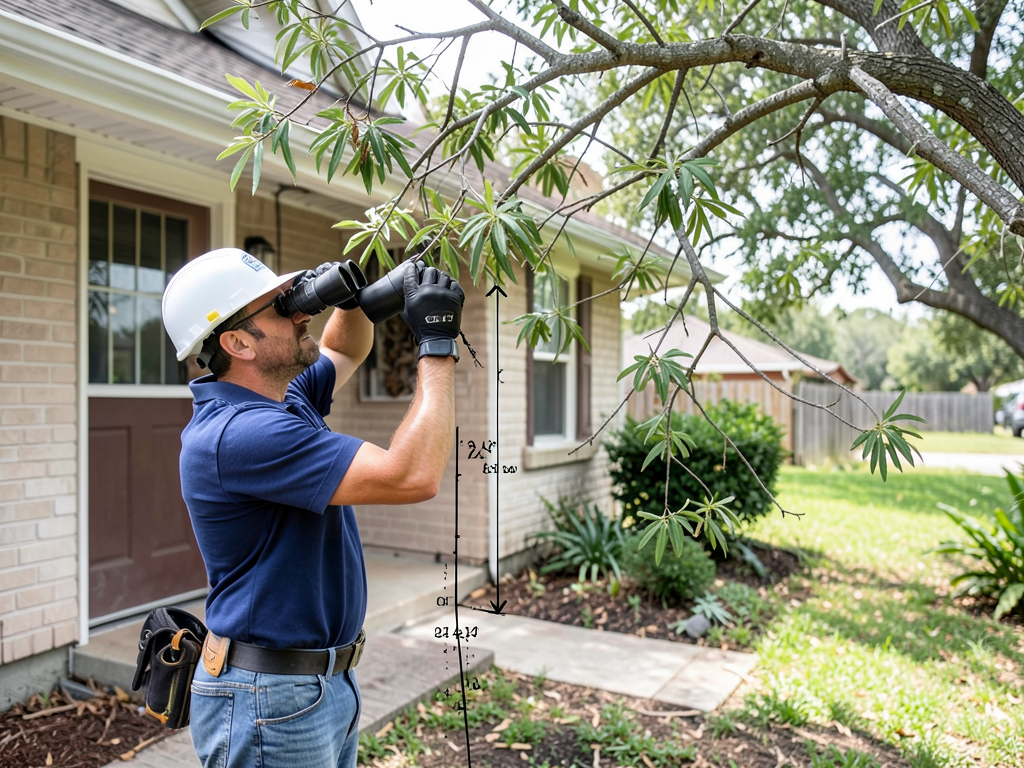
What to do when a neighbor's tree limbs are hanging over your roof in the Great Northwest Living in the…

What to do when a neighbor's tree limbs are hanging over your roof in the Great Northwest

What to do when a neighbor's tree limbs are hanging over your roof in the Great Northwest Living in the…

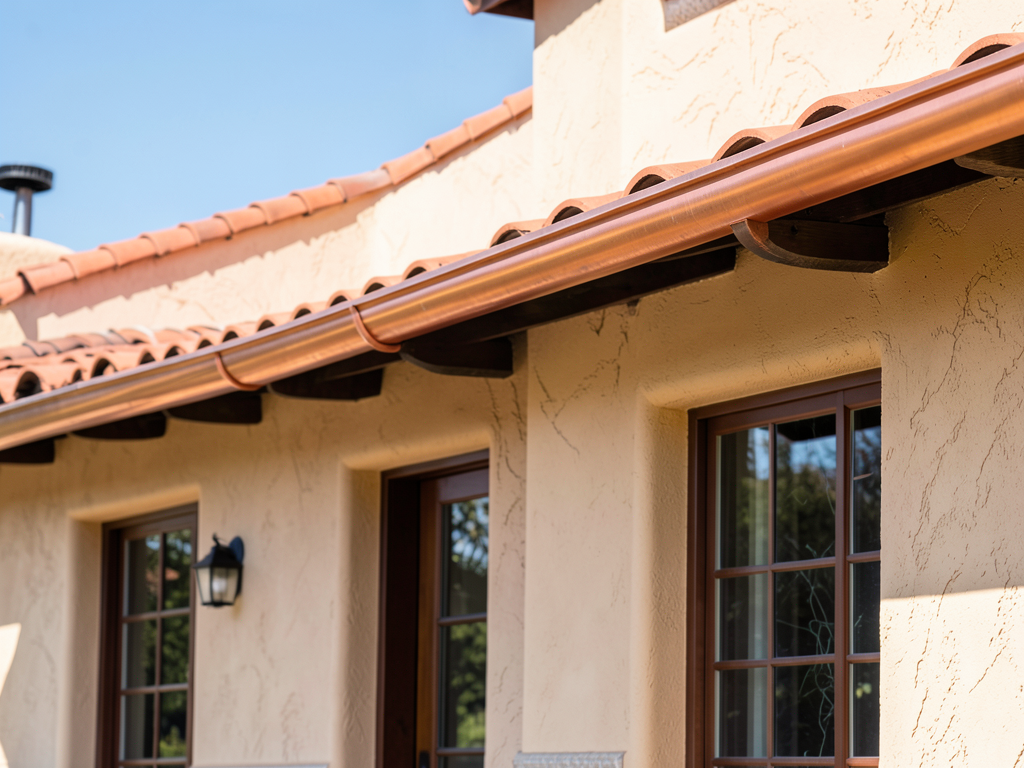
Adding instant curb appeal to your Terrell Hills home with copper gutters

Adding instant curb appeal to your Terrell Hills home with copper gutters Your Terrell Hills home deserves more than ordinary…

Why brand new homes in Redbird Ranch still need a yearly roof check

Why brand new homes in Redbird Ranch still need a yearly roof check Your brand new roof in Redbird Ranch…

Contact Us

Stop worrying about the next storm. Call Summit Roofing San Antonio at (726) 256-6199 for a detailed roof assessment and material recommendation tailored to your home. We provide transparent pricing and realistic timelines.