




Menu

Roof Inspection Checklist in San Antonio – Get the Complete Assessment Template That Prevents Costly Repairs

Use our detailed roof evaluation template to identify damage early, understand what professional inspectors look for, and maintain your San Antonio roof against extreme heat, hail, and sudden storms that cause the most structural failures.

Slider Image 1
Slider Image 2
Slider Image 3
Slider Image 4
Slider Image 5
Slider Image 7
Slider Image 8
Slider Image 9
Slider Image 10
Slider Image 11

Why Your San Antonio Roof Needs a Structured Inspection Checklist

San Antonio's climate destroys roofs faster than most regions. Brutal summer heat exceeding 100 degrees causes shingles to crack and curl. Sudden hailstorms from May through October damage flashing and granules. Winter freezes, though brief, create expansion and contraction that loosens fasteners. Without a systematic roof maintenance checklist, you miss the small problems that turn into leaks.

Most homeowners walk outside, glance up, and assume everything looks fine. That approach fails because the most damaging issues hide in valleys, around penetrations, and under the top layer of shingles. A proper roofing assessment form forces you to check every vulnerable area in sequence. You catch missing granules before water reaches the decking. You spot lifted shingles before wind tears them off completely.

The problem is not knowing what to look for or when to escalate to professional help. A residential roof checkup list removes the guesswork. You understand which issues need immediate attention and which you can monitor over time. You avoid panic calls and make informed decisions.

San Antonio's clay soil shifts with moisture changes, causing foundation movement that transfers stress to your roof structure. Ridge lines may sag slightly. Flashing around chimneys pulls away. These problems do not show up in a casual walk-around. A roof evaluation template guides you through every critical checkpoint, from gutter attachment to soffit ventilation. You protect your investment by catching failures early, not after water stains appear on your ceiling.

Why Your San Antonio Roof Needs a Structured Inspection Checklist
What a Professional Roof Audit Sheet Actually Covers

What a Professional Roof Audit Sheet Actually Covers

A real roof audit sheet examines structural integrity, water defense, and ventilation in that order. The structure comes first. Inspectors check for sagging decking, which signals moisture damage or undersized framing. They measure the slope to confirm proper drainage. They look for truss deflection that indicates overloading or poor original construction.

Water defense gets the most attention because leaks cause the most damage. Inspectors examine every penetration point, including plumbing vents, exhaust fans, and skylights. They check boot seals for cracks. They test flashing adhesion around chimneys and dormers. They verify drip edge installation at eaves and rakes. They inspect valley metal for corrosion or debris buildup that creates dams.

Shingle condition tells the age story. Inspectors count missing granules, measure curl height, and check for algae or moss growth. They identify impact damage from hail by looking for dents on vents and flashing. They note any areas where shingles have lifted or blown off entirely.

Ventilation is the part most homeowners ignore. Inadequate attic airflow traps heat and moisture, cutting shingle life in half. Inspectors verify soffit intake and ridge vent output. They check for blocked vents caused by insulation or debris. They measure attic temperature differentials that indicate ventilation failure.

Summit Roofing San Antonio uses thermal imaging to detect hidden moisture and insulation gaps that visual inspection misses. We document findings with photos tied to specific roof zones. You receive a prioritized repair list, not a vague suggestion to replace everything. Our roofing assessment form separates urgent repairs from routine maintenance so you budget accordingly.

How to Use Your Roof Inspection Checklist Effectively

Roof Inspection Checklist in San Antonio – Get the Complete Assessment Template That Prevents Costly Repairs
01

Document Current Conditions

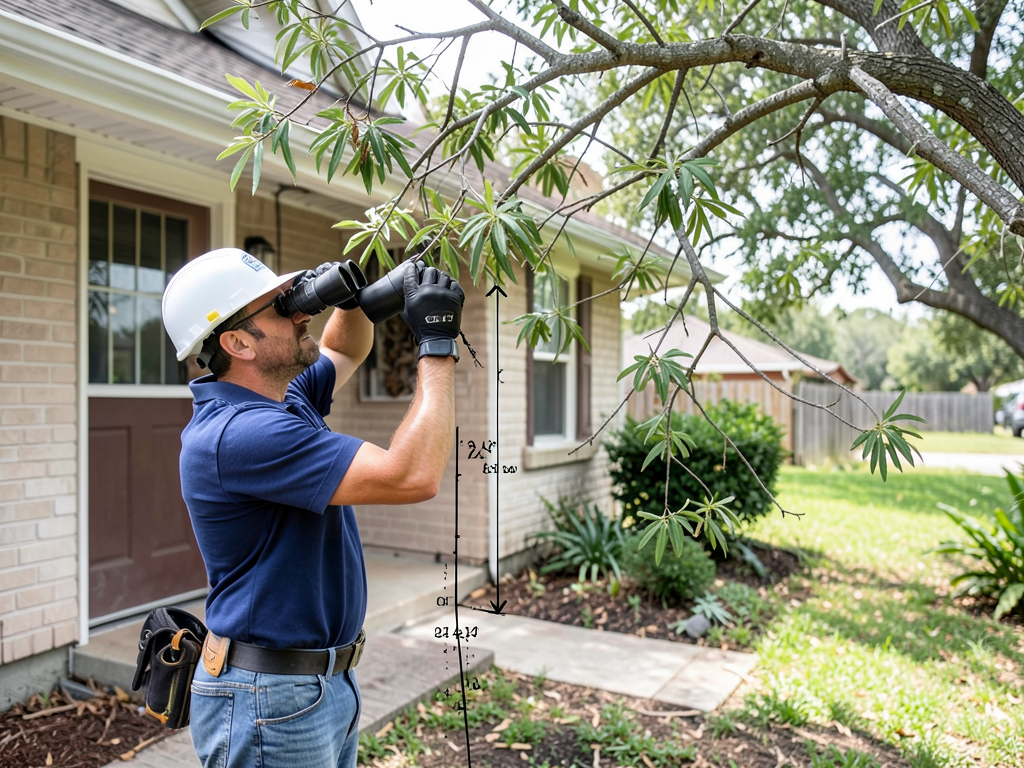
Start by photographing your entire roof from ground level using a zoom lens or binoculars. Capture all four sides, focusing on valleys, ridges, and areas around chimneys. Date these images. They create a baseline for future comparisons. Note any obvious damage like missing shingles or lifted flashing. Record recent weather events, especially hailstorms, that may have caused impact damage you cannot see from the ground.
02

Inspect Critical Zones Systematically

Work through your roof evaluation template zone by zone. Check gutters for granule accumulation, which signals shingle deterioration. Examine flashing around all penetrations for gaps or rust. Look at soffit vents for blockages. Inspect exposed fasteners on metal components for corrosion. Use binoculars to check shingle edges for curling or lifting. Document every finding with notes and photos tied to specific roof sections.
03

Schedule Professional Verification

Use your documented findings to brief a professional roofer. They will verify your observations, access areas you cannot safely reach, and use tools like moisture meters to detect hidden problems. A professional inspection catches structural issues, decking damage, and ventilation failures that ground-level observation misses. You receive a detailed report with cost estimates and priority rankings that turn your checklist into an action plan.

Why San Antonio Homeowners Trust Summit Roofing for Professional Roof Inspections

San Antonio roofing is different. The temperature swings, sudden hailstorms, and clay soil movement create failure patterns you will not find in other regions. Summit Roofing San Antonio knows how heat stress concentrates on south and west-facing slopes. We recognize hail damage patterns that match local storm tracks. We understand how foundation settling caused by soil shrinkage transfers load to roof structures.

We inspect hundreds of roofs across Alamo Heights, Stone Oak, and the downtown historic districts each year. We know which 1920s bungalows have original decking that needs replacement and which 1980s subdivisions used inferior fasteners that fail prematurely. We recognize the signs of improper ventilation in modern homes where builders sealed attics too tightly.

Our roof maintenance checklist reflects local building codes and insurance requirements. We document findings in the format adjusters expect, which speeds up claims processing after hailstorms. We flag issues that affect insurability, like missing cricket flashing behind chimneys or inadequate underlayment in high wind zones.

Many inspection services rush through in 20 minutes and hand you a generic checklist. We spend 45 to 60 minutes on every roof. We use drones to access steep slopes safely. We enter attics to verify ventilation and check for moisture stains on decking. We provide thermal imaging at no extra charge to detect hidden leaks.

You receive a written report with photos, repair priorities, and cost ranges within 24 hours. We explain which repairs prevent further damage and which you can defer. We never sell you a full replacement when targeted repairs solve the problem. That honesty keeps customers coming back and referring their neighbors.

What to Expect When You Schedule a Professional Roof Inspection

Scheduling and Arrival

We schedule most inspections within three to five business days. Emergency inspections after severe weather happen within 24 hours. Our inspector arrives in a marked vehicle with identification. They review your concerns before starting. The inspection takes 45 to 90 minutes depending on roof size and complexity. You do not need to be home, but we prefer someone available to discuss findings immediately after we finish. We notify you by text when we arrive and when we complete the inspection.

The Inspection Process

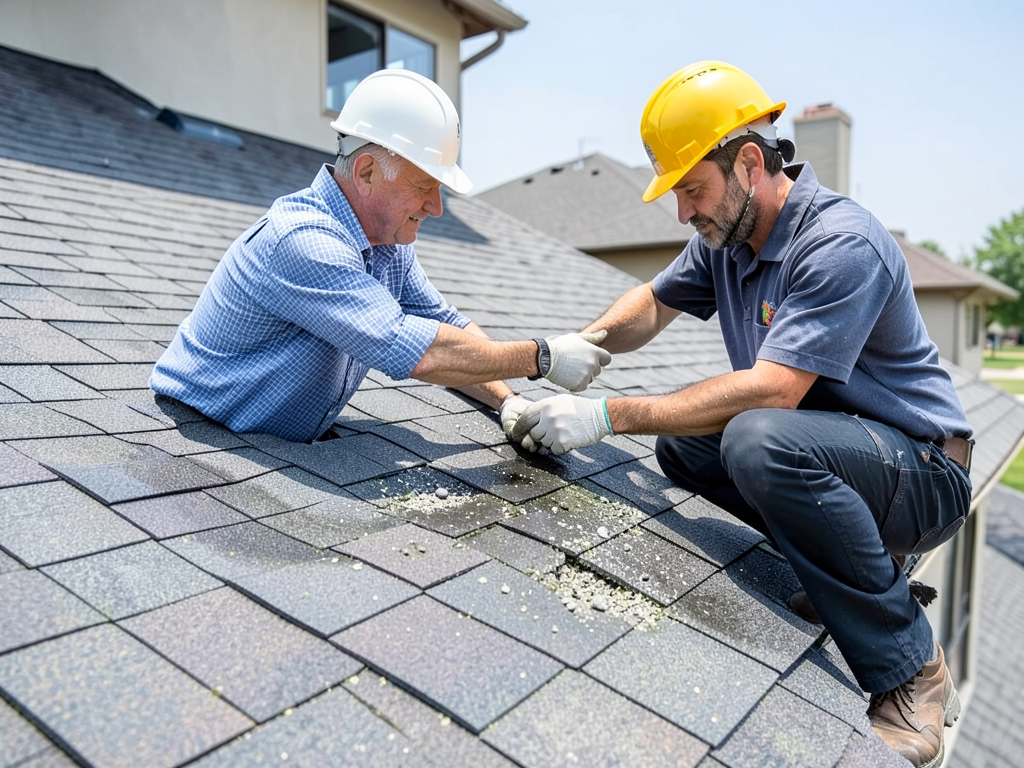
Our inspector examines your roof from the ground using binoculars and high-resolution cameras. They then access the roof safely using ladder stabilizers and fall protection. They walk every section, checking shingles, flashing, vents, and penetrations. They enter the attic to inspect decking from below, verify ventilation, and check for moisture stains or mold. They use a moisture meter on suspicious areas and thermal imaging to detect hidden leaks. They photograph every issue and mark its location on a roof diagram.

The Detailed Report

You receive a written report within 24 hours. The report includes annotated photos showing each problem, a roof diagram marking damage locations, and a prioritized repair list. We separate urgent repairs, like active leaks or missing flashing, from routine maintenance items. We provide cost ranges for each repair category. The report meets insurance documentation requirements and includes enough detail for you to get competitive bids if you choose. We review the report with you by phone or in person.

Follow-Up and Maintenance Planning

We store your inspection report and photos in our system. You receive a follow-up reminder six months later if you have deferred repairs. We offer annual maintenance inspections at a reduced rate for existing customers. These quick checkups catch new damage early and keep your warranty valid if we performed the original repairs. We track your roof age and condition over time, so you know exactly when replacement becomes more cost-effective than continued repairs. No pressure, just information.

Frequently Asked Questions

You Have Questions,
We Have Answers

What does a roof inspection include? +

A roof inspection examines the entire roofing system, including shingles, flashing, underlayment, ventilation, gutters, and structural components. Inspectors check for missing or damaged shingles, cracked flashing around chimneys and vents, signs of water intrusion, and proper attic ventilation. In San Antonio, inspectors pay close attention to hail damage from summer storms and UV deterioration from intense Texas sun exposure. The inspection also covers soffit and fascia condition, granule loss on shingles, and any signs of wind uplift. A thorough report documents current issues, potential problem areas, and remaining roof life estimates to help you plan maintenance or replacement.

What to look for on a roof inspection? +

Look for missing, curled, or cracked shingles that expose the underlayment beneath. Check flashing around penetrations like chimneys, vents, and skylights for rust or separation. Inspect gutters for granule accumulation, which signals shingle deterioration. Examine soffits and fascia for rot or pest damage. San Antonio roofs face unique challenges from hailstorms and extreme heat, so check for impact divots and thermal cracking. Look at the roof from ground level for sagging areas that indicate structural problems. Inside your attic, check for daylight through boards, water stains, or moisture buildup that suggests leaks or ventilation failures.

What should be included in the inspection checklist? +

A comprehensive roof inspection checklist should document shingle condition, flashing integrity, gutter functionality, ventilation adequacy, and structural soundness. Include checks for missing or damaged shingles, proper sealant application, rust or corrosion on metal components, and signs of water intrusion. For San Antonio homes, add hail damage assessment and heat-related deterioration checks. The checklist should cover attic ventilation, insulation condition, and moisture indicators. Document chimney condition, skylight seals, and pipe boot integrity. Include photos of problem areas, measurements of damaged sections, and notes on roof pitch. A good checklist also estimates remaining roof life and prioritizes repairs by urgency.

What are the red flags for roofing contractors? +

Watch for contractors who demand full payment upfront or pressure you to sign immediately. Avoid roofers who offer suspiciously low bids or suggest filing false insurance claims. Red flags include no local business address, lack of proper licensing, or unwillingness to provide references. Be cautious of storm chasers who appear after San Antonio hail events with urgent door-to-door pitches. Legitimate contractors provide written estimates, carry liability insurance, and pull necessary permits. Refuse to work with anyone who discourages you from getting multiple bids or rushes you through contract details. Check online reviews and verify their standing with local business bureaus.

How much does a roof inspection cost in the US? +

Roof inspection costs typically range from free to several hundred dollars across the United States. Many roofing companies offer free inspections as part of their service, especially for potential repair or replacement projects. Professional home inspectors usually charge between two hundred and four hundred dollars for a detailed evaluation. Specialized inspections using infrared technology or drone imaging cost more. In San Antonio, some contractors provide complimentary storm damage assessments after hail events. The inspection cost often applies toward repair work if you hire the same contractor. Pre-sale home inspections that include roof checks fall within standard home inspection pricing.

What is the biggest red flag in a home inspection? +

Water damage represents the biggest red flag in home inspections because it signals active leaks, poor drainage, or structural problems. Water stains on ceilings, walls, or in the attic indicate roof failures that compromise the entire home. In San Antonio, where summer storms dump heavy rain quickly, water intrusion can escalate fast. Water damage promotes mold growth, rots wood framing, and damages insulation effectiveness. It suggests deferred maintenance and potential hidden structural issues. Other major red flags include foundation cracks, electrical problems, and HVAC failures, but water damage from roof leaks often costs the most to remediate and affects multiple building systems simultaneously.

How long does a roof inspection take? +

A standard residential roof inspection takes thirty to forty-five minutes for most San Antonio homes. Larger homes with complex roof designs, multiple levels, or steep pitches require sixty to ninety minutes. The inspector examines the exterior roof surface, checks attic spaces, and documents findings with photos and notes. Additional time is needed if the inspector uses specialized equipment like drones or infrared cameras. After severe weather events, inspections may take longer as the contractor thoroughly documents hail impacts or wind damage for insurance claims. Simple visual inspections from the ground take less time but provide limited detail compared to on-roof examinations.

What is the first thing an inspector wants to see? +

Inspectors typically want to see your attic first because it reveals critical information about roof condition, ventilation, and water intrusion without climbing onto the roof. The attic shows active leaks, inadequate ventilation, insulation problems, and structural issues. Daylight visible through roof boards indicates holes or gaps. Water stains on rafters or decking confirm leak locations. In San Antonio homes, attic inspections reveal whether ventilation handles extreme summer heat adequately. Inspectors check for proper soffit and ridge vent installation, examine roof decking condition from below, and look for condensation issues. The attic tells the roof's story before the inspector steps outside.

How much does it cost to check a roof? +

Roof inspection costs vary from free to several hundred dollars depending on the service provider and inspection scope. Many San Antonio roofing contractors offer complimentary inspections, especially after storm events or when you request repair estimates. Licensed home inspectors typically charge two hundred to four hundred dollars for comprehensive evaluations that include detailed reports. Specialized inspections using thermal imaging or drone technology cost more but provide enhanced documentation. Some companies waive inspection fees if you proceed with recommended repairs. Insurance companies often cover inspection costs when you file storm damage claims. Getting multiple opinions helps verify findings and ensures accurate damage assessment.

What are the 7 steps of the inspection process? +

The seven inspection steps include exterior evaluation, attic examination, structural assessment, ventilation check, flashing inspection, drainage review, and documentation. First, inspectors examine shingles, tiles, or metal panels for damage and wear. Second, they check the attic for leaks, moisture, and proper ventilation. Third, they assess structural integrity including decking and rafters. Fourth, they verify adequate airflow through soffit and ridge vents, which matters in San Antonio heat. Fifth, they inspect flashing around chimneys, vents, and valleys. Sixth, they evaluate gutter function and water drainage patterns. Finally, they document findings with photos and provide a written report with repair recommendations.

How San Antonio's Hail Corridor Makes Regular Roof Inspections Critical

San Antonio sits in a hail corridor where spring and early summer storms produce golf ball to baseball size hail multiple times per year. The I-10 corridor from Boerne through Stone Oak sees the most frequent strikes. Hail damage is cumulative. One storm cracks granules. The next storm drives those cracks deeper. By the third season, you have active leaks. A residential roof checkup list performed after every significant hailstorm catches this progressive damage before it penetrates your decking. Insurance companies require documentation within 12 months of a storm to honor claims. Regular inspections create that paper trail.

Summit Roofing San Antonio maintains relationships with local insurance adjusters and understands their documentation requirements. We know which carriers require specific photo angles and which demand third-party verification. Our roofing assessment form meets industry standards and speeds up claims processing. We have worked on thousands of San Antonio roofs, from historic King William district homes with clay tile to modern subdivisions with architectural shingles. That local experience means we recognize damage patterns specific to this region and catch problems other inspectors miss.
Roofing Services in The San Antonio Area

Explore our service coverage in and around San Antonio using the map below. Summit proudly serves residential and commercial clients throughout the region. Whether you're in the heart of the city or in the nearby suburbs, we’re just a call away. We make it easy to reach us for inspections, quotes, or emergency assistance. Your trusted roofing team is always nearby.

Address:
Summit Roofing San Antonio, 1100 NW Loop 410, Suite 700, San Antonio, TX, 78213

Additional Services We Offer

Our news updates

Latest Articles & News from The Blogs

Managing Leaf Buildup in the Hard to Reach Roof Valleys of Shady Oaks Roof valleys channel rainwater off your home…

Managing Leaf Buildup in the Hard to Reach Roof Valleys of Shady Oaks

Managing Leaf Buildup in the Hard to Reach Roof Valleys of Shady Oaks Roof valleys channel rainwater off your home…

Understanding how Texas wildfire risks should influence your choice of roofing materials

Understanding how Texas wildfire risks should influence your choice of roofing materials Living in San Antonio means dealing with intense…

Choosing the Right Roof Underlayment to Battle South Texas Humidity

Choosing the Right Roof Underlayment to Battle South Texas Humidity Your roof faces a daily assault in San Antonio. The…

Contact Us

Do not wait until you see water stains. Call Summit Roofing San Antonio at (726) 256-6199 to schedule your comprehensive roof inspection. We provide detailed reports, honest recommendations, and competitive pricing. Protect your home before small problems become expensive emergencies.