




Menu

How Long Does a Roof Last in San Antonio – Get the Real Numbers Before You Plan Your Replacement

Understand the expected life of a roof in San Antonio's extreme heat, how material choices affect roof longevity, and when to plan for replacement before you face emergency failure.

Slider Image 1
Slider Image 2
Slider Image 3
Slider Image 4
Slider Image 5
Slider Image 7
Slider Image 8
Slider Image 9
Slider Image 10
Slider Image 11

Why San Antonio's Climate Cuts Years Off Your Roof's Life Expectancy

You want a straight answer about how long your roof will last, but the truth is location matters more than most homeowners realize. San Antonio's climate is brutal on roofing systems. Summer temperatures routinely hit 100 degrees, and your roof surface can reach 160 to 180 degrees under direct sun. This constant thermal cycling causes shingle granules to break down faster, adhesive seals to fail earlier, and underlayment to deteriorate years ahead of schedule.

The typical roof life in San Antonio runs 15 to 20 years for asphalt shingles, compared to 25 to 30 years in cooler climates. Metal roofs last 40 to 50 years here, while tile roofs can reach 50 years or more if properly maintained. But these are averages. Your actual roof longevity depends on material quality, installation technique, ventilation design, and maintenance frequency.

San Antonio's weather patterns add more stress. Hailstorms from spring thunderstorms damage shingles in minutes. Summer heat waves cause attic temperatures to spike above 150 degrees, baking the roof deck from below. Winter temperature swings, though mild compared to northern states, still cause expansion and contraction that loosens fasteners over time. The average roof life expectancy drops by 20 to 30 percent when installation quality is poor or ventilation is inadequate.

If your roof is approaching 15 years old, you need a professional assessment. Waiting for visible leaks means you are already behind. The lifespan of a roof ends long before water shows up on your ceiling.

Why San Antonio's Climate Cuts Years Off Your Roof's Life Expectancy
What Actually Determines Your Roof's Lifespan

What Actually Determines Your Roof's Lifespan

Material choice is the first factor. Three-tab asphalt shingles last 12 to 18 years in San Antonio. Architectural shingles with higher weight ratings push that to 20 to 25 years. Metal standing seam roofs reach 40 to 50 years because they reflect solar heat rather than absorbing it. Clay and concrete tile roofs last 50 years or more, but only if the underlayment is replaced at the 20 to 25 year mark.

Installation quality is the second factor. Proper nail placement, adequate starter strip coverage, and correct flashing integration around chimneys, vents, and valleys determine whether your roof reaches its expected life or fails early. A roof installed with pneumatic nailers set to the wrong pressure will have thousands of overdriven or underdriven nails. Each one is a future failure point. Poor valley flashing causes leaks within five years. Inadequate drip edge allows water to rot fascia boards and roof decking.

Ventilation is the third factor. Attic temperatures in San Antonio exceed 150 degrees in summer without proper ventilation. This heat cooks your roof deck and shingles from below, cutting the lifespan of a roof by 30 percent or more. Ridge vents, soffit vents, and gable vents must work together to create continuous airflow. Blocked soffit vents or insufficient intake area trap heat and moisture.

Maintenance is the fourth factor. Annual inspections catch small problems before they become expensive failures. Cleaning debris from valleys, resealing exposed nail heads, and replacing damaged shingles adds years to roof longevity. Ignoring maintenance accelerates wear and guarantees premature replacement.

How We Evaluate Your Roof's Remaining Life

How Long Does a Roof Last in San Antonio – Get the Real Numbers Before You Plan Your Replacement
01

Surface and Structural Inspection

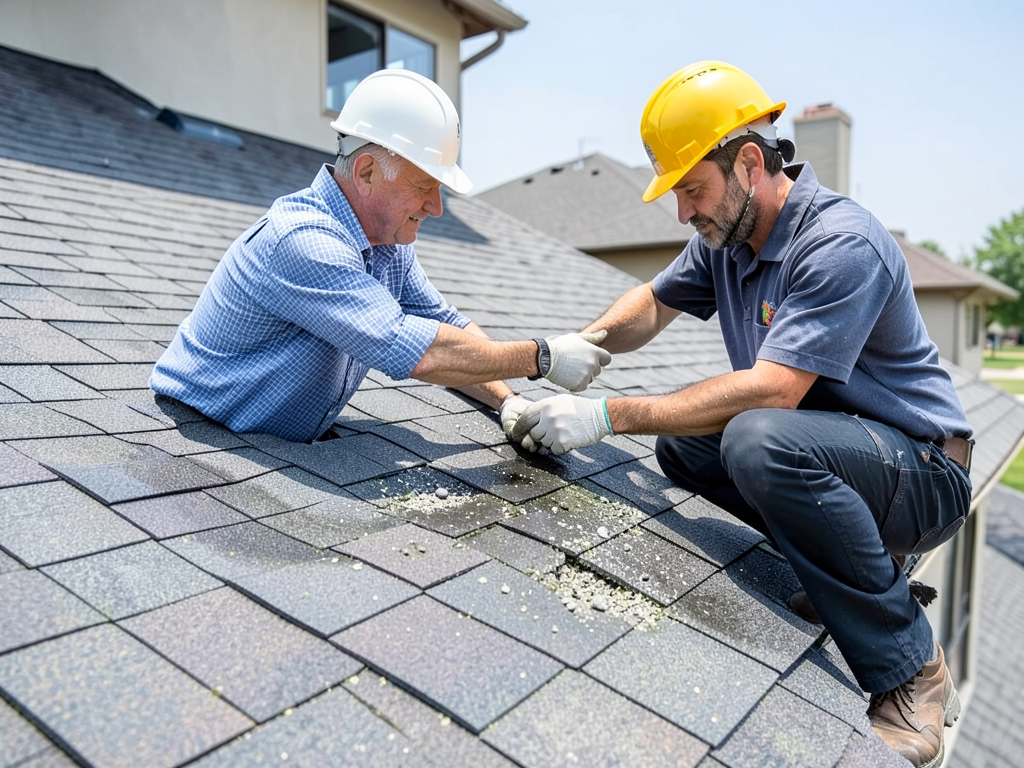
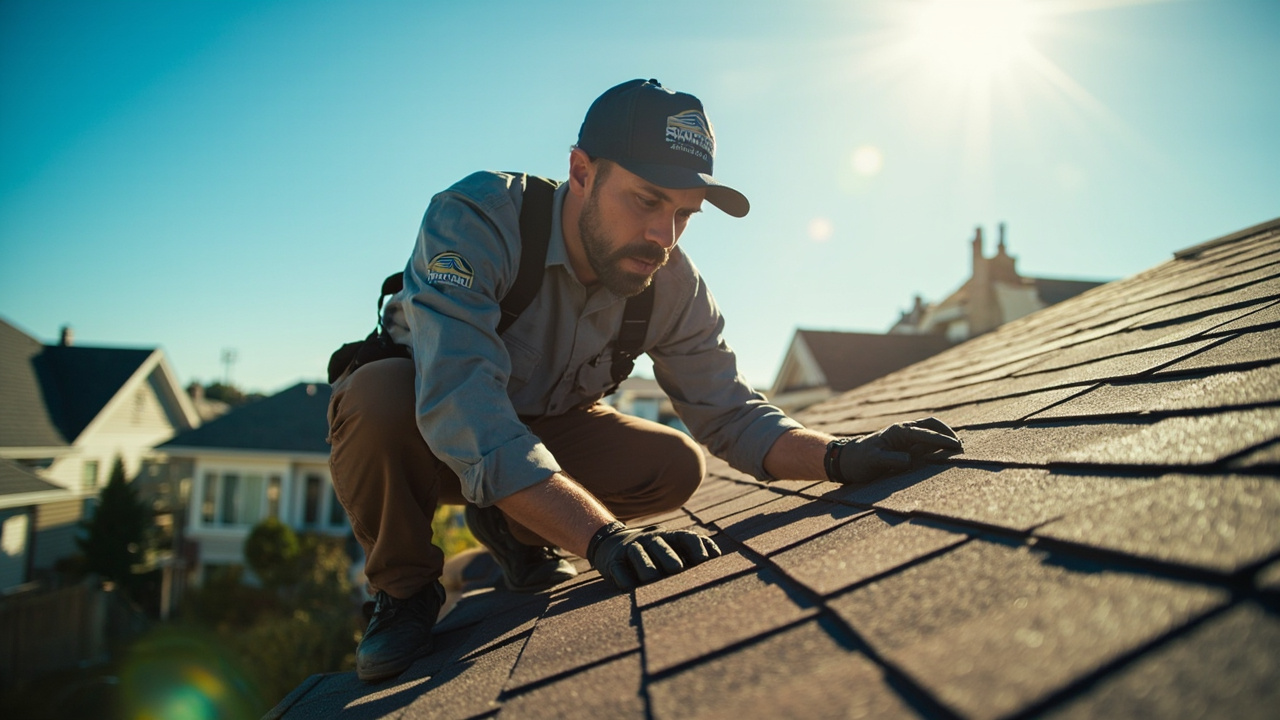
We start with a complete roof surface inspection, checking shingle condition, granule loss, curling, cracking, and fastener exposure. We inspect flashing around chimneys, skylights, and penetrations for rust, separation, or improper sealing. We examine valleys for debris accumulation and worn underlayment. We check ridge caps for wind damage and missing fasteners. From the attic, we inspect the roof deck for sagging, water stains, or rot that indicates structural compromise.
02

Ventilation and Attic Assessment

We measure attic ventilation by calculating net free area of intake and exhaust vents, then compare it to your attic square footage. We use thermal imaging to identify hot spots caused by inadequate airflow. We check for blocked soffit vents, damaged baffles, or missing ridge vents. We inspect insulation for proper depth and placement. Poor ventilation reduces the expected life of a roof by accelerating thermal degradation, so we document deficiencies that need correction.
03

Life Expectancy Report

We provide a written report with photos documenting current condition, identified defects, and estimated remaining lifespan. We explain which repairs extend roof longevity and which problems require full replacement. We outline maintenance steps that add years to your roof and help you plan for future replacement. You get a clear timeline based on your specific roof, not generic estimates. This allows you to budget appropriately and avoid emergency failures.

Why Local Expertise Matters for Accurate Roof Life Estimates

National roofing chains give you manufacturer estimates based on ideal conditions. Those numbers do not apply in San Antonio. You need a contractor who understands how this climate affects the lifespan of a roof and can spot early failure signs specific to Texas heat and storm patterns.

Summit Roofing San Antonio has evaluated thousands of roofs across Alamo Heights, Stone Oak, Terrell Hills, and the surrounding metro. We know how clay soil movement affects homes built on the limestone substrate common in northwest San Antonio. We recognize wind damage patterns from thunderstorms that roll through the I-10 corridor. We understand how oak trees common in older neighborhoods create moss growth and debris accumulation that accelerates wear.

We stay current with updated building codes and manufacturer specifications. San Antonio adopted new wind rating requirements for shingles after recent storm damage patterns emerged. We know which products meet those standards and which ones fail early under local conditions. We work with adjusters after hail events and understand how to document damage for insurance claims.

Local expertise also means access to materials suited for this climate. We source shingles with higher temperature ratings and reflective granules that reduce thermal stress. We specify underlayment designed for high heat exposure. We use flashing materials that resist thermal expansion common in Texas summers.

You get honest assessments, not sales pressure. If your roof has five years of life left, we tell you. If a repair adds three years for a fraction of replacement cost, we recommend it. We build long-term relationships with homeowners and businesses, which means giving accurate information about roof longevity, not inflating problems to close sales.

What to Expect When You Request a Roof Assessment

Inspection Timing and Scope

We schedule inspections within three to five business days. The assessment takes 45 to 90 minutes depending on roof size and complexity. We photograph all problem areas and document conditions that affect the expected life of a roof. We check attic ventilation, insulation, and decking from the interior. We examine gutters, downspouts, and fascia for water damage. You receive a detailed report with photos within 24 to 48 hours. We explain findings in person or by phone, answer questions about the typical roof life for your material and installation, and outline options for repair or replacement.

Honest Diagnosis of Remaining Life

We provide realistic estimates of remaining roof longevity based on current condition, not fear-based sales tactics. If your roof has five to seven years of life left, we tell you. If repairs extend that timeline, we detail those options. If you are within two years of failure, we explain the risks of waiting. We prioritize problems by urgency, separating immediate repairs from issues that need monitoring. You get a clear picture of the average roof life expectancy for your specific system, adjusted for San Antonio's climate and your maintenance history.

Material Recommendations for Longevity

If replacement is needed, we explain how material choices affect the lifespan of a roof in San Antonio. We compare asphalt shingle grades, metal roofing systems, and tile options. We discuss reflective coatings that reduce thermal stress. We explain how proper underlayment and ventilation design extend roof longevity beyond manufacturer estimates. We provide written quotes with material specifications, labor details, and expected timelines. We do not upsell unnecessary upgrades, but we explain where investing in higher-grade materials pays off in extended life and lower long-term costs.

Maintenance Plans That Extend Life

We offer annual maintenance programs designed to maximize roof longevity. These include debris removal from valleys and gutters, fastener inspections, flashing checks, and minor repairs. Regular maintenance catches small problems before they become expensive failures. We document condition changes over time, so you have a clear record of roof health and can plan replacement on your schedule rather than facing emergency failure. Maintenance adds three to five years to the expected life of a roof and protects your investment in a new system.

Frequently Asked Questions

You Have Questions,
We Have Answers

How often should you replace a roof? +

Most asphalt shingle roofs in San Antonio last 15 to 25 years depending on material quality and maintenance. Replace your roof when you see widespread damage like missing shingles, granule loss, curling edges, or frequent leaks. In San Antonio, intense UV exposure and hail storms accelerate aging. Metal roofs last 40 to 70 years, while tile roofs can last 50 years or more. Regular inspections after severe weather help you catch problems early. Don't wait until total failure. Replacing at the right time prevents water damage to your attic, insulation, and interior.

Can I sell my house if my roof is 20 years old? +

Yes, you can sell your house with a 20-year-old roof, but expect pushback. Buyers often request concessions, price reductions, or ask you to replace it before closing. Lenders may require a roof inspection, and some insurance companies won't cover older roofs. In San Antonio's competitive market, a worn roof makes your listing less attractive. If the roof shows visible damage like missing shingles or water stains, you'll lose negotiating power. Consider getting a professional inspection first. Replacing the roof before listing increases buyer confidence and often recoups the investment through a faster sale at full price.

How do I know when my roof needs replacing? +

Look for missing or cracked shingles, curling edges, and dark streaks from algae or moss. Check your attic for water stains, daylight coming through the decking, or sagging areas. Granules collecting in gutters signal advanced wear. After San Antonio's summer hailstorms, inspect for dents or bruising on shingles. Age matters too. If your roof is over 20 years old and showing multiple issues, replacement makes more sense than patching. Frequent leaks, rising energy bills from poor insulation, and visible sagging are red flags. A professional inspection gives you a clear diagnosis and prevents costly interior damage.

Is a 20 year old roof too old? +

A 20-year-old roof sits near the end of its useful life, especially in San Antonio's harsh climate. Asphalt shingles typically last 15 to 25 years, so a 20-year-old roof may function fine or need immediate replacement depending on maintenance and weather exposure. Inspect for visible wear like granule loss, cracking, or missing shingles. Insurance companies often flag roofs over 15 to 20 years old, limiting coverage or requiring inspections. If you're buying a home with a 20-year-old roof, budget for replacement soon. If you're selling, expect buyer concerns and potential negotiation around replacement costs.

How old may a roof be before insurance claims it's too old? +

Most insurance carriers in Texas flag roofs over 15 to 20 years old. Some companies refuse to write new policies on roofs older than 15 years, while others require a professional inspection to confirm the roof's condition. If your roof passes inspection, you may get coverage with higher premiums or limited claim payouts based on actual cash value instead of replacement cost. After major storms in San Antonio, insurers scrutinize roof age more closely. If your roof is approaching 15 years, document its condition with photos and maintenance records. This protects your insurability and claim rights.

What's the best time of year to replace a roof? +

Fall and early spring are ideal for roof replacement in San Antonio. October through December offers mild temperatures and lower humidity, making installation easier and allowing materials to seal properly. Avoid summer when extreme heat stresses crews and softens shingles during installation. Winter works too, but occasional freezes can delay projects. Avoid scheduling during spring storm season when severe weather and hail damage create backlog. Roofers also offer better pricing during off-peak months. Plan ahead and book early. Waiting until after a major storm means longer wait times and higher costs due to demand spikes across the metro area.

What is the hardest month to sell a house? +

December is typically the hardest month to sell a house nationwide due to holidays, cold weather, and reduced buyer activity. In San Antonio, the market stays relatively active year-round thanks to mild winters, but December still sees fewer showings. Buyers pause their search during the holidays, and inventory sits longer. However, serious buyers shopping in December are often motivated and ready to close quickly. If you must list in winter, highlight energy efficiency and stage with warm lighting. Spring remains the strongest selling season in San Antonio when families relocate before the school year ends and inventory turns fastest.

Does replacing a roof increase home value? +

Yes, a new roof typically returns 60 to 70 percent of its cost in added home value. Buyers pay more for move-in-ready homes without immediate repair needs. In San Antonio's competitive market, a new roof makes your listing stand out and often leads to faster sales at asking price. Buyers view a new roof as 20 to 25 years of worry-free protection, which justifies higher offers. Metal and tile roofs add even more value due to longevity and energy efficiency. Replacing a worn roof before listing eliminates buyer objections, appraisal issues, and last-minute negotiations that kill deals.

At what point is a house not worth fixing? +

A house isn't worth fixing when repair costs exceed 50 to 70 percent of the home's after-repair value. If your roof, foundation, electrical, and plumbing all need major work, the math rarely makes sense unless you're in a high-demand neighborhood. In San Antonio, consider the property's location and potential resale value. Homes in desirable areas near downtown or Stone Oak justify larger investments. Get multiple contractor estimates and compare total repair costs to comparable sales in your ZIP code. If you're underwater after repairs, selling as-is to an investor or cash buyer may be smarter than pouring money into a money pit.

What is the most expensive part of replacing a roof? +

Labor represents the most expensive part of roof replacement, typically 40 to 60 percent of total cost. Removing the old roof, hauling debris, and installing new materials requires skilled crews and time. Material costs come next, with premium shingles, underlayment, and flashing adding up quickly. In San Antonio, steep pitches, multiple stories, and complex layouts increase labor hours. Decking repairs due to water damage also spike costs. Metal and tile roofs cost more upfront than asphalt but last longer. Expect waste disposal fees and permits too. Get detailed written estimates that break down labor, materials, and extras before signing contracts.

How San Antonio's Intense UV Exposure Accelerates Roof Aging

San Antonio receives over 2,800 hours of sunshine annually, ranking among the highest UV exposure levels in Texas. This constant solar radiation breaks down asphalt shingle binders and causes granule loss at accelerated rates. The typical roof life for standard three-tab shingles drops from 20 years in moderate climates to 12 to 15 years here. Homes in neighborhoods like Alamo Heights and Terrell Hills with mature tree canopies see slower degradation than properties in Stone Oak or new developments with full sun exposure. UV damage shows as curling shingle edges, brittle tabs that crack easily, and excessive granule loss visible in gutters. Understanding how San Antonio's solar intensity affects roof longevity helps you plan replacement timing and choose materials with higher UV resistance ratings.

Summit Roofing San Antonio has built relationships with local suppliers who stock shingles rated for high UV and thermal exposure. We understand San Antonio building code requirements and work with inspectors across Bexar County. Our crews recognize installation mistakes common in this market, like inadequate ventilation in homes built during the 1990s construction boom or improper flashing around HVAC penetrations on commercial buildings. This local knowledge translates to accurate assessments of your roof's remaining life and realistic timelines for planning replacement. We know how different neighborhoods, from Monte Vista's historic homes to far northwest suburbs, face unique challenges that affect the lifespan of a roof. You get expertise rooted in this community, not generic advice from a national chain.
Roofing Services in The San Antonio Area

Explore our service coverage in and around San Antonio using the map below. Summit proudly serves residential and commercial clients throughout the region. Whether you're in the heart of the city or in the nearby suburbs, we’re just a call away. We make it easy to reach us for inspections, quotes, or emergency assistance. Your trusted roofing team is always nearby.

Address:
Summit Roofing San Antonio, 1100 NW Loop 410, Suite 700, San Antonio, TX, 78213

Additional Services We Offer

Our news updates

Latest Articles & News from The Blogs

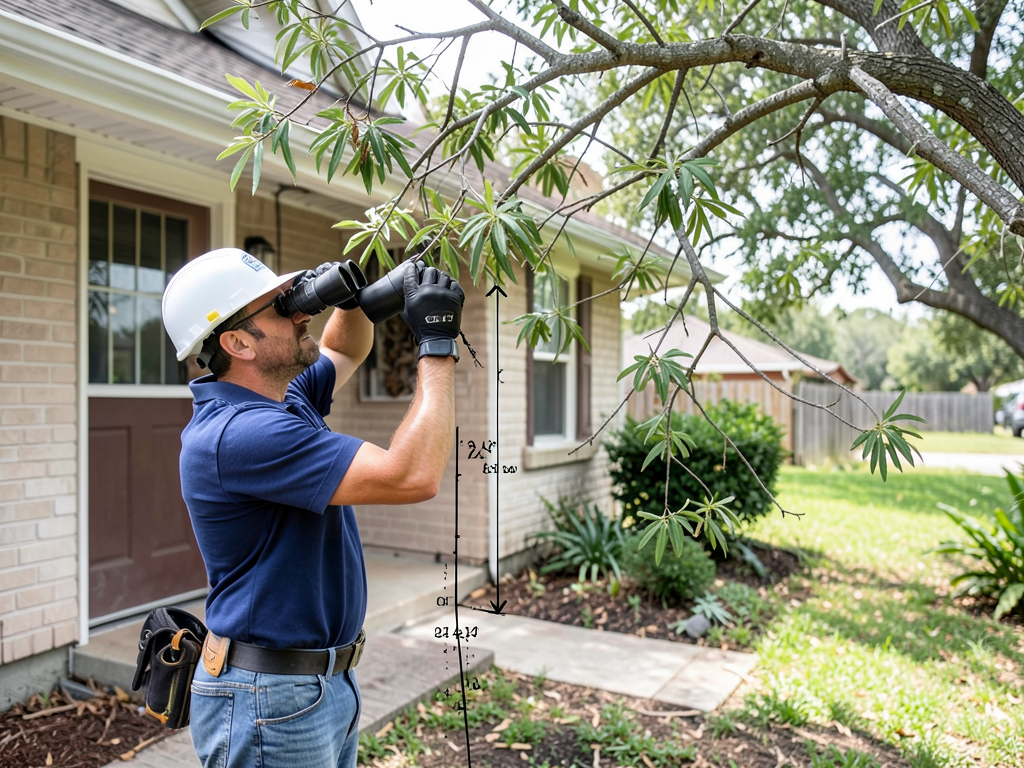
What to do when a neighbor's tree limbs are hanging over your roof in the Great Northwest Living in the…

What to do when a neighbor's tree limbs are hanging over your roof in the Great Northwest

What to do when a neighbor's tree limbs are hanging over your roof in the Great Northwest Living in the…

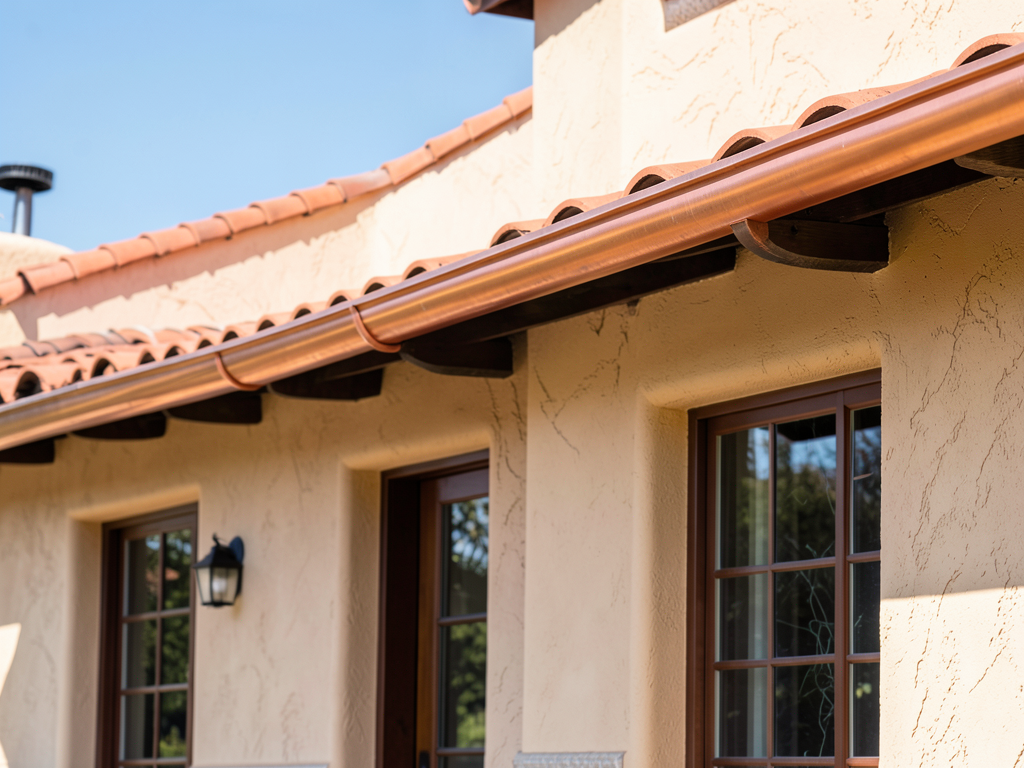
Adding instant curb appeal to your Terrell Hills home with copper gutters

Adding instant curb appeal to your Terrell Hills home with copper gutters Your Terrell Hills home deserves more than ordinary…

Why brand new homes in Redbird Ranch still need a yearly roof check

Why brand new homes in Redbird Ranch still need a yearly roof check Your brand new roof in Redbird Ranch…

Contact Us

Stop guessing about your roof's remaining life. Call Summit Roofing San Antonio at (726) 256-6199 for an honest assessment. We give you clear answers, realistic timelines, and options that fit your budget.