




Menu

Commercial Flat Roof Repair in San Antonio | Minimize Downtime and Protect Your Assets

Summit Roofing San Antonio delivers rapid commercial flat roof repair for warehouses, retail centers, and industrial facilities across the greater San Antonio metro. We mobilize crews within hours to prevent water infiltration, minimize business interruption, and restore building envelope integrity with industrial-grade membrane systems and waterproofing protocols.

Slider Image 1
Slider Image 2
Slider Image 3
Slider Image 4
Slider Image 5
Slider Image 7
Slider Image 8
Slider Image 9
Slider Image 10
Slider Image 11

Why Commercial Flat Roofs Fail in South Central Texas

San Antonio's commercial building stock faces unique vulnerabilities. The region experiences dramatic temperature swings between winter freezes and summer heat that routinely exceeds 100 degrees. This thermal cycling causes TPO and EPDM membranes to expand and contract, which fatigues seams and creates stress points where water penetrates.

Ponding water is the most common catalyst for commercial flat roof deterioration in this area. Summer thunderstorms can drop two inches of rain in under an hour. When drainage systems clog with debris from surrounding oak and pecan trees, water accumulates on low slope roof surfaces. Within 48 hours, standing water begins degrading adhesive bonds and penetrating lap seams.

Industrial flat roof repair becomes urgent when you notice ceiling discoloration, HVAC efficiency drops, or inventory damage. The Edwards Aquifer Recharge Zone that underlies much of Bexar County creates expansive clay soils. These soils shift seasonally, causing building settlement that creates new low spots on flat roofing systems. What started as proper drainage becomes a collection zone for runoff.

Commercial flat roof repair in San Antonio must address both the visible membrane damage and the underlying structural movement. A patch over a blister does not solve a deflected roof deck. Low slope roof repair requires understanding how the building moves, where water flows, and which membrane system can withstand the next decade of thermal punishment. The goal is not cosmetic improvement. The goal is restoring the building envelope to prevent business interruption.

Why Commercial Flat Roofs Fail in South Central Texas
How We Execute Industrial Flat Roof Repairs

How We Execute Industrial Flat Roof Repairs

Summit Roofing San Antonio deploys a systematic approach that separates structural issues from membrane failures. We begin with infrared thermography to map moisture intrusion beneath the roofing assembly. This technology identifies saturated insulation that conventional visual inspections miss. Wet insulation reduces R-value by up to 70 percent and adds dead load to the structural deck.

Our flat roof leak repair process starts with containment. We install temporary weather barriers to stop active infiltration while we develop the permanent repair specification. For occupied retail or warehouse facilities, we coordinate material deliveries and hot work permits to avoid disrupting operations. Most commercial clients cannot afford a full roof shutdown during business hours.

The repair methodology depends on existing roof assembly and remaining service life. If the membrane has five to seven years of useful life remaining, we execute sectional repairs using heat-welded seams that match or exceed original installation specifications. When the membrane has reached end of life, we recommend a fluid-applied restoration system that bonds directly to the existing surface and eliminates tear-off disposal costs.

For industrial flat roof repair involving multiple roof penetrations, we fabricate custom pipe boots and equipment curbs. Off-the-shelf components rarely fit the mechanical systems found in San Antonio's older industrial buildings. We measure each penetration, prefabricate the flashing assembly, and install it with a continuous bead of polyurethane sealant rated for 20-year adhesion.

Flat roofing repair services in commercial environments require more than technical skill. They require project management that coordinates with facility managers, tenants, and municipal inspectors to keep your building operational while we restore weather protection.

What Happens During Your Commercial Repair Project

Commercial Flat Roof Repair in San Antonio | Minimize Downtime and Protect Your Assets
01

Emergency Assessment and Containment

We dispatch a project manager to your facility within four hours of contact. The initial assessment maps all visible damage, identifies active leak locations, and installs temporary weather protection to prevent additional water intrusion. You receive a preliminary scope document with infrared imagery and core samples within 24 hours. This allows you to file insurance claims immediately while we develop the permanent repair specification.
02

Repair Specification and Execution

Our crew removes damaged membrane sections, replaces saturated insulation, and verifies deck integrity. We use hot air welding for thermoplastic membranes and cold-applied adhesives for modified bitumen systems. All seams receive probe testing to verify watertight integrity. For facilities requiring maintained operations, we schedule work in phases to keep critical areas accessible. You receive daily progress updates with photo documentation of completed sections.
03

Final Inspection and Documentation

After installation, we conduct flood testing on all repaired areas and provide a detailed warranty package with manufacturer certifications. You receive as-built drawings showing new membrane sections, flashing details, and drainage modifications. We coordinate final inspection with your insurance adjuster and provide maintenance protocols to extend roof service life. Most commercial clients add our facility to a bi-annual inspection program to catch minor issues before they escalate.

Why San Antonio Facility Managers Choose Local Roofing Expertise

Commercial buildings in Bexar County must comply with the 2021 International Building Code as adopted by San Antonio's Development Services Department. This code mandates specific wind uplift ratings for roof assemblies based on building height and exposure category. A warehouse near the airport faces different design loads than a retail center in the Medical Center district.

Summit Roofing San Antonio maintains relationships with local building inspectors and understands permit requirements for commercial re-roofing projects exceeding 2,000 square feet. We know which repairs trigger full code compliance upgrades and how to document existing conditions for variance approval. This local knowledge prevents project delays that cost you money.

Our material suppliers are located within 20 miles of downtown San Antonio. When we need emergency membrane stock for a weekend repair at a distribution facility, we can secure materials within two hours. National roofing companies dispatch materials from regional warehouses in Houston or Dallas, which adds 24 to 48 hours to your downtime.

We understand how South Texas weather patterns affect scheduling. August and September bring the highest risk of roof damage from Gulf Coast tropical systems. We maintain crew availability during peak storm season and stock emergency supplies before weather events develop. When a hailstorm moves through the I-10 corridor, we can mobilize immediately because we are already here.

Flat roof leak repair on commercial buildings requires coordination with property management companies, tenant improvement contractors, and mechanical service providers. We work regularly with the same commercial ecosystem you deal with every day. We know the local engineers, the expeditors who can fast-track permits, and the insurance adjusters who handle commercial property claims in this market.

What Your Facility Can Expect From Our Service

Rapid Response and Flexible Scheduling

We maintain crew availability six days per week and deploy emergency response teams within four hours for active leak situations. For non-emergency commercial flat roof repair, we schedule work during your lowest traffic periods to minimize operational impact. Retail facilities receive priority for overnight and weekend scheduling. Industrial clients often prefer daylight repairs when supervisors can coordinate with our project managers. We provide 72-hour advance notice before mobilizing equipment and adjust schedules based on your receiving hours or loading dock access. Most sectional repairs complete within three to five business days from initial assessment to final inspection.

Comprehensive Damage Assessment

Your facility receives a complete diagnostic evaluation using infrared thermography, core sampling, and structural deck inspection. We document all findings with high-resolution photography and provide a written report that separates immediate repairs from deferred maintenance items. This allows you to make informed capital decisions about repair versus replacement. The assessment includes a drainage evaluation to identify areas where ponding water will cause future problems. We measure roof slopes with laser levels and map all penetrations that require flashing attention. You receive this documentation package within 24 hours, formatted for submission to insurance carriers or ownership groups who need technical justification for repair expenditures.

Proven Results and Code Compliance

Every low slope roof repair we execute meets or exceeds manufacturer installation standards and local building code requirements. We use only materials with published wind uplift ratings appropriate for your building exposure category and roof assembly type. All thermoplastic seams receive probe testing to verify watertight integrity. Modified bitumen installations follow ASTM D6163 standards for heat welding or cold adhesive application. You receive material certifications, installation photos, and warranty documentation that proves compliance with your property insurance requirements. Most commercial repairs qualify for manufacturer system warranties ranging from five to 15 years, depending on existing roof conditions and scope of work completed.

Ongoing Maintenance and Support

After completing industrial flat roof repair work, we offer bi-annual inspection programs that catch minor problems before they require emergency response. These inspections include drain cleaning, sealant evaluation, and membrane condition assessment. You receive a written report with prioritized maintenance recommendations and cost projections for any work identified. This preventive approach extends roof service life and helps you budget for future capital needs. We maintain detailed service records for every facility we work on, which streamlines future repairs and provides historical documentation for property transactions. Many commercial clients add our contact information to their facility management software so maintenance staff can report concerns directly to our project managers.

Frequently Asked Questions

You Have Questions,
We Have Answers

What is the best way to repair a flat roof? +

The best repair method depends on the membrane type and damage extent. Modified bitumen systems often require torch-down patches or cold adhesive repairs. TPO and PVC membranes need heat-welded patches to maintain watertight seals. EPDM rubber roofs use bonding adhesives and tape systems. In San Antonio's intense UV exposure and summer heat, proper surface preparation is critical. Clean the damaged area, remove all debris, and ensure the substrate is dry before applying patches. For ponding water issues common on flat roofs here, address drainage problems first. Professional assessment identifies whether localized patching suffices or if underlying insulation damage requires more extensive work.

What is the average cost to repair a flat roof? +

Flat roof repairs vary based on damage scope, membrane type, and accessibility. Minor patching runs lower than structural repairs requiring deck replacement. Material costs differ between EPDM, TPO, modified bitumen, and built-up systems. Labor rates in San Antonio reflect local market conditions and project complexity. Emergency repairs after severe weather cost more than scheduled maintenance work. Building height, roof access difficulty, and permit requirements influence final pricing. Commercial properties may need additional engineering assessments. Most contractors provide detailed estimates after inspection. Focus on cost per square foot, material specifications, and warranty coverage when comparing bids. Quality repairs prevent bigger expenses down the line.

How much does it cost to repair a flat roof per? +

Repair costs per square foot vary widely based on specific conditions. Simple membrane patching differs significantly from full section replacement involving insulation and decking. Material selection drives pricing. TPO and PVC welded repairs cost differently than EPDM adhesive patches or modified bitumen torch-down work. San Antonio contractors factor in roof access challenges, building height, and project scope. Commercial jobs requiring after-hours work to minimize business disruption carry premium rates. Drainage corrections, flashing repairs, and parapet work add complexity. Request itemized estimates showing material costs, labor rates, and square footage calculations. Emergency repairs command higher rates than planned maintenance work.

What are common flat roof problems? +

Ponding water ranks as the most frequent issue on flat roofs in San Antonio. Poor drainage creates standing water that degrades membranes and promotes leaks. Membrane splitting and cracking occur from thermal cycling and UV exposure in intense Texas heat. Flashing failures around penetrations, HVAC units, and parapet walls allow water intrusion. Seam separation affects TPO and EPDM systems as adhesives fail over time. Blistering develops when moisture gets trapped under the membrane. Punctures from foot traffic or equipment damage compromise waterproofing. Clogged drains and scuppers exacerbate drainage problems. Regular inspections catch these issues before they cause interior damage and business interruption.

Is flat roof repair covered by insurance? +

Insurance coverage depends on damage cause and policy terms. Sudden events like hail damage, wind uplift, or falling debris typically qualify for claims. Gradual deterioration from age, poor maintenance, or wear does not. San Antonio properties face specific risks from severe thunderstorms and occasional hail events. Document damage immediately with photos and timestamps. Most policies require prompt notification and may mandate using approved contractors. Deductibles apply, and coverage limits vary by policy. Commercial property policies differ from residential coverage in scope and requirements. Review your policy's exclusions for wear and tear versus covered perils. Maintenance records strengthen claims by proving proper care before damage occurred.

Does flex seal work on flat roofs? +

Flex Seal and similar products provide temporary emergency fixes only, not permanent commercial solutions. These sealants lack the durability and engineering specifications required for commercial flat roofs. San Antonio's extreme heat degrades rubber coatings quickly, causing premature failure. They do not address underlying issues like saturated insulation, structural damage, or drainage problems. Applying unauthorized products may void existing roof warranties and violate building codes. Commercial properties need code-compliant repairs using specified materials. Flex Seal cannot withstand ponding water, thermal cycling, or UV exposure long-term. Use it only as an emergency stopgap until professional repairs happen. Proper membrane patches and heat-welded seams provide lasting waterproofing.

Is it cheaper to repair or replace a roof? +

Replacement becomes more cost-effective when repairs exceed 30 percent of replacement cost or when the roof nears end-of-life. Multiple leak points, widespread membrane deterioration, and saturated insulation justify full replacement. San Antonio's climate accelerates aging on poorly maintained roofs. Frequent repairs create ongoing disruption to business operations and累积 costs. New roofing systems offer improved energy efficiency, longer warranties, and modern materials better suited to Texas heat. Consider building plans, budgeting cycles, and tax implications. Partial replacements address specific damaged sections while extending serviceable areas. A professional assessment weighs repair viability against replacement benefits. Factor in long-term operational costs and business continuity needs.

What is the lifespan of a flat roof? +

Flat roof lifespan varies by material type, installation quality, and maintenance consistency. Built-up roofs last 15 to 20 years with proper care. Modified bitumen systems typically provide 15 to 20 years of service. Single-ply membranes like TPO and PVC last 20 to 30 years when correctly installed and maintained. EPDM rubber roofs often reach 25 to 30 years. San Antonio's intense UV exposure and thermal cycling reduce these timeframes without regular maintenance. Ponding water significantly shortens lifespan regardless of material. Commercial roofs with heavy equipment loads or frequent foot traffic age faster. Twice-yearly inspections and preventive maintenance maximize your investment and prevent premature failure.

What are signs my flat roof needs replacing? +

Visible signs include widespread cracking, splitting, or bubbling across large membrane areas. Frequent leaks in multiple locations indicate systemic failure rather than isolated damage. Interior water stains, ceiling damage, or mold growth signal ongoing moisture intrusion. Membrane shrinkage pulling away from flashing and edges compromises waterproofing. Severe ponding water that persists days after rain shows drainage failure. Exposed insulation or visible deck deterioration requires immediate attention. Energy bills increasing from lost insulation value indicate roof failure. If your flat roof exceeds its expected lifespan for the material type, replacement becomes prudent. San Antonio commercial properties cannot afford repeated business disruptions from failing roofs.

What is the average cost to replace a 2000 square foot roof? +

Replacement costs for a 2000-square-foot flat roof depend on material selection, existing roof removal, and structural conditions. Single-ply membranes, modified bitumen, and built-up systems carry different material and installation costs. Complete tear-offs cost more than roof-overs but provide better long-term value. San Antonio projects factor in disposal fees, permit costs, and prevailing labor rates. Commercial properties may need additional insulation upgrades to meet current energy codes. Roof height, accessibility, and building occupancy during work affect pricing. Equipment rental, safety measures, and project timeline influence total investment. Request detailed proposals specifying materials, warranties, and scope of work for accurate comparisons.

How San Antonio's Climate Accelerates Commercial Roof Deterioration

The greater San Antonio metro experiences more than 300 days of direct sunlight annually, with summer roof surface temperatures reaching 170 degrees on dark membranes. This extreme UV exposure and thermal load breaks down the plasticizers in TPO and PVC roofing systems, causing membranes to become brittle and crack at stress points. When combined with sudden temperature drops during winter cold fronts, the thermal shock creates micro-fractures that allow water penetration. Facilities located near Loop 410 and I-10 also contend with airborne particulates from heavy truck traffic, which settle on flat surfaces and clog drainage systems. Commercial flat roof repair in this environment requires materials specifically formulated to resist UV degradation and thermal cycling.

Summit Roofing San Antonio works exclusively within the South Central Texas market and understands the specific failure modes that affect commercial buildings in Bexar, Comal, and Guadalupe counties. We maintain working relationships with local commercial property management firms and understand the documentation requirements for multi-tenant buildings with complex ownership structures. Our estimators are familiar with the San Antonio Development Services Department permit process and can expedite plan reviews for time-sensitive repairs. When you choose a roofing contractor who specializes in this market, you get crews who understand local building construction methods and can source compatible repair materials quickly. This local expertise reduces your downtime and prevents costly mistakes that occur when out-of-market contractors misdiagnose regional building issues.
Roofing Services in The San Antonio Area

Explore our service coverage in and around San Antonio using the map below. Summit proudly serves residential and commercial clients throughout the region. Whether you're in the heart of the city or in the nearby suburbs, we’re just a call away. We make it easy to reach us for inspections, quotes, or emergency assistance. Your trusted roofing team is always nearby.

Address:
Summit Roofing San Antonio, 1100 NW Loop 410, Suite 700, San Antonio, TX, 78213

Additional Services We Offer

Our news updates

Latest Articles & News from The Blogs

What to do when a neighbor's tree limbs are hanging over your roof in the Great Northwest Living in the…

What to do when a neighbor's tree limbs are hanging over your roof in the Great Northwest

What to do when a neighbor's tree limbs are hanging over your roof in the Great Northwest Living in the…

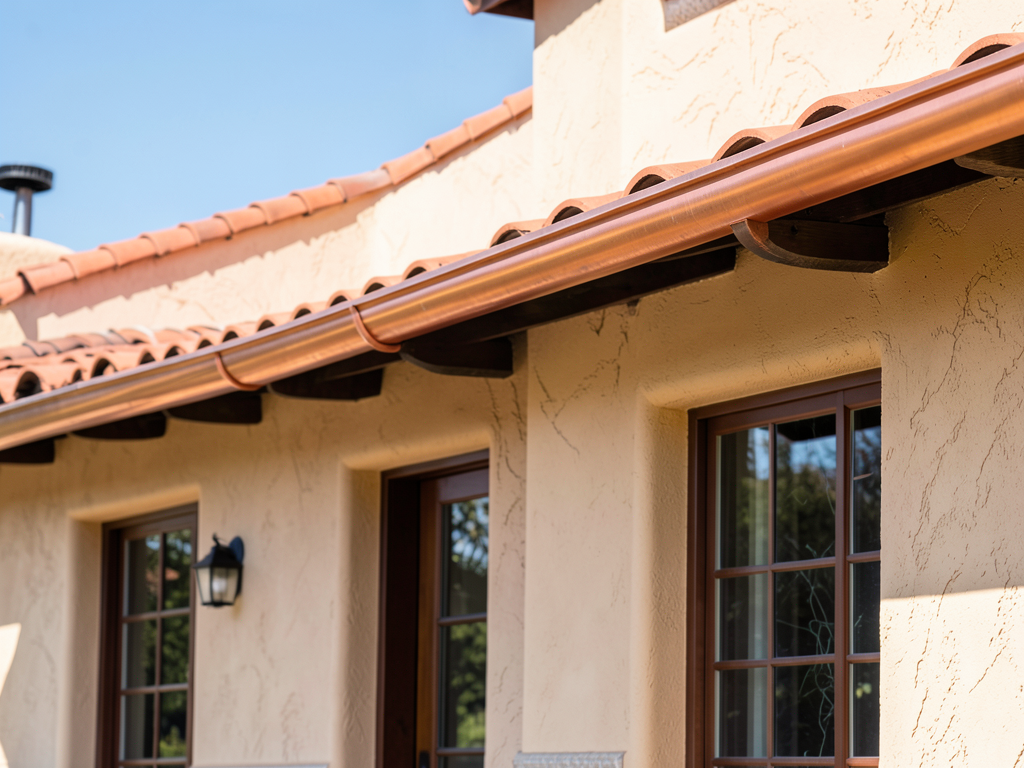
Adding instant curb appeal to your Terrell Hills home with copper gutters

Adding instant curb appeal to your Terrell Hills home with copper gutters Your Terrell Hills home deserves more than ordinary…

Why brand new homes in Redbird Ranch still need a yearly roof check

Why brand new homes in Redbird Ranch still need a yearly roof check Your brand new roof in Redbird Ranch…

Contact Us

Water damage compounds every hour you delay repairs. Call Summit Roofing San Antonio at (726) 256-6199 for emergency response or to schedule a comprehensive roof assessment. We provide written estimates within 24 hours and can mobilize crews immediately to stop active leaks and protect your assets.