




Menu

Skylight Installation in San Antonio – Engineered for South Texas Heat and Heavy Rain

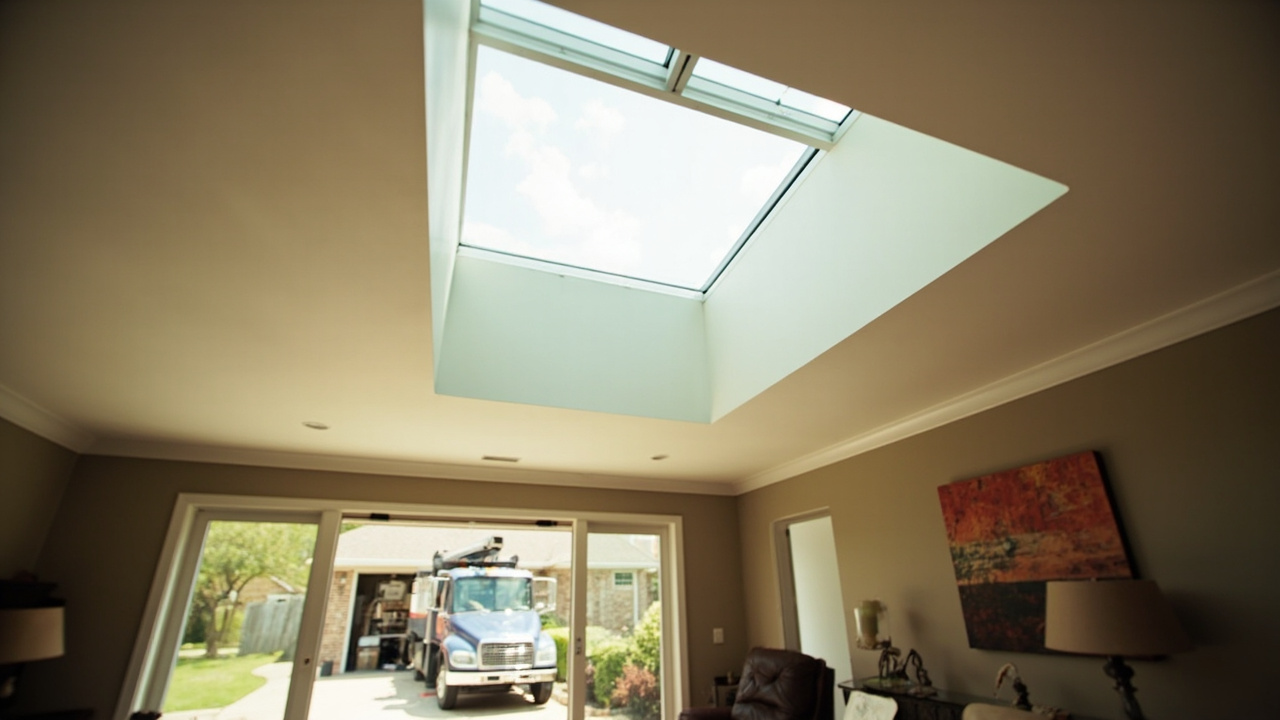
Summit Roofing San Antonio installs custom skylights and roof windows built to withstand triple-digit summers, flash flooding, and Texas-sized hail without leaking or warping.

Slider Image 1
Slider Image 2
Slider Image 3
Slider Image 4
Slider Image 5
Slider Image 7
Slider Image 8
Slider Image 9
Slider Image 10
Slider Image 11

Why San Antonio Homes Need Site-Specific Skylight Engineering

San Antonio's climate punishes poorly installed skylights. Summer heat indexes push past 105 degrees, expanding roofing materials and stressing curb mounts. Fall brings sudden downpours that dump three inches in an hour, testing flashing integrity. Winter freeze-thaw cycles crack sealants. Spring hail storms shatter glazing. Your skylight is not just a decorative feature. It is a thermal and waterproofing challenge.

Installing skylights in homes built on San Antonio's expansive clay soil requires extra care. The ground shifts with moisture changes, transferring movement to roof decks. A rigid skylight installation cracks. Adding skylights to older San Antonio homes, especially those in King William or Monte Vista Historic Districts, means matching architectural period details while meeting modern energy codes. Roof window installation must account for attic ventilation requirements specific to South Texas heat gain. Generic installations leak within two years.

You see water stains on ceilings below your skylight. You feel hot spots in rooms that should stay cool. Your energy bills climb because conditioned air escapes through poor flashing. These are not skylight problems. These are installation problems. Skylight fitting requires understanding San Antonio's unique roof pitch variations, from flat TPO commercial roofs downtown to steep composition shingle roofs in Stone Oak. Installing roof lights correctly the first time prevents expensive tear-outs and interior damage. The solution is not a bigger skylight. The solution is engineering the install for this specific zip code.

Why San Antonio Homes Need Site-Specific Skylight Engineering
How We Engineer Skylight Installations for San Antonio Roofs

How We Engineer Skylight Installations for San Antonio Roofs

Summit Roofing San Antonio does not drop skylights into holes and caulk the edges. We integrate them into your roofing system using multi-layer waterproofing and thermal break engineering. Every roof window installation starts with deck inspection. We check for soft spots, measure rafter spacing, and confirm load paths. San Antonio's wind uplift zones require fastener schedules that generic installers skip. We do not skip them.

We build custom curbs when needed. Pre-fabricated curbs fail on older homes with non-standard rafter spacing. Our curbs are framed to distribute weight across multiple trusses, preventing deck sag. We install ice and water shield underlayment that extends 12 inches beyond the curb on all sides, creating a secondary moisture barrier. Standard felt paper fails in San Antonio heat. We use synthetic underlayment rated for 250-degree surface temps.

Flashing is the critical layer. We use step flashing integrated with your existing shingles, not surface-applied flashing that peels off. The head flashing tucks under upper shingles. The sill flashing laps over lower shingles. Side flashing weaves into each shingle course. Counter flashing caps the curb and laps over step flashing. This creates a shingled water path with no reverse laps. We bed every flashing layer in roof cement compatible with your shingle type. Asphalt-based roofs need asphalt cement. Metal roofs need butyl-based sealants.

Interior finishing includes vapor barrier alignment. San Antonio's humidity drives moisture into attic spaces. If your skylight shaft does not have continuous vapor barrier, you get condensation and mold. We tape seams and seal penetrations. We insulate shafts to R-30 minimum, preventing thermal bridging that causes condensation rings. Installing roof lights is structural work, not cosmetic work.

What Happens During Your Skylight Installation

Skylight Installation in San Antonio – Engineered for South Texas Heat and Heavy Rain
01

Roof Deck Assessment

We measure your attic from below to locate rafters, check for obstructions like HVAC ducts or wiring, and identify the best placement for natural light distribution. We inspect your roof deck for rot or sag. San Antonio's humidity weakens decking around old vent pipes and valleys. We replace compromised sheathing before cutting openings. We verify your roof pitch matches the skylight manufacturer's minimum slope requirements. Flat or low-slope roofs need curb-mounted units with different flashing systems than steep-slope installations.
02

Precision Cutting and Framing

We mark the opening from inside your attic, drilling pilot holes at corners. From the roof, we snap chalk lines and cut shingles back six inches beyond the opening. We cut roof decking with a circular saw set to exact depth, preventing damage to interior ceilings. We frame the opening with doubled headers and trimmers, transferring roof loads around the new opening. We flash and weatherproof the rough opening before setting the skylight. This prevents water damage if weather delays installation. We never leave open roof penetrations overnight.
03

Flashing and Sealing

We set the skylight unit onto the prepared curb, shimming it level in both directions. We fasten through factory-made mounting flanges into solid framing. We install the multi-layer flashing system, integrating each piece with your existing shingles. We apply two beads of sealant at every lap joint. We test the installation with a hose, running water for 15 minutes while checking the interior for leaks. We insulate and finish the interior shaft, tapering it to spread light evenly. We clean up all debris and roof-mounted equipment the same day.

Why San Antonio Homeowners Choose Summit Roofing for Skylight Projects

Summit Roofing San Antonio has installed skylights in every San Antonio neighborhood, from Alamo Heights bungalows to New Braunfels ranch homes to Boerne Hill Country estates. We understand the Spanish Colonial tile roofs in Terrell Hills require different mounting methods than the standing seam metal roofs common in Fair Oaks Ranch. We know San Antonio's building department requires permits for structural roof openings. We pull permits, schedule inspections, and ensure your installation meets the 2021 International Residential Code adopted by Bexar County.

We source skylights rated for South Texas conditions. Impact-resistant glazing survives hail. Low-E coatings block infrared heat gain without reducing visible light. Tempered glass units meet egress requirements for bedroom installations. We do not install builder-grade plastic dome skylights that yellow and crack in San Antonio sun. We install glass units with argon gas fills and insulated frames. The upfront cost is higher. The lifecycle cost is lower because you are not replacing them in five years.

Our crews have installed skylights on every roof type in San Antonio. Composition shingle roofs, tile roofs, metal roofs, flat TPO commercial roofs, and slate roofs all require different flashing details. We carry the flashing kits and sealants for each application. We do not improvise with generic materials. We do not use the same flashing method on a tile roof that we use on a shingle roof. Tile installations require tile flashing pans that channel water around the curb. Shingle installations use woven step flashing. Metal roof installations use standing seam clamps or through-fastened Z-bar flashing depending on your panel profile.

You get a crew that shows up on time, completes the work in one or two days depending on project size, and cleans up thoroughly. We protect your attic insulation with drop cloths. We use magnetic rollers to pick up roofing nails in your driveway and landscaping. We haul away all old materials the same day. Skylight installation is invasive work. We minimize the disruption and maximize the result.

What You Can Expect From Start to Finish

Project Timeline

Most single skylight installations take one full day. We arrive early to avoid working during peak afternoon heat. We complete roof penetration and weatherproofing by mid-afternoon, ensuring your home is secure before we leave. Interior shaft framing and drywall finishing add one additional day. Larger projects with multiple skylights or complex roof geometries take two to three days. We schedule work during dry weather windows. San Antonio's unpredictable spring and fall rain patterns mean we monitor forecasts closely and communicate any necessary delays. We do not rush installations to meet arbitrary deadlines. We time the work to ensure proper sealant curing and flashing integration.

Initial Consultation and Planning

We meet you at your property to evaluate your roof structure, attic access, and interior spaces. We discuss your goals for natural light and ventilation. We take measurements and photographs. We explain the differences between fixed, venting, and solar-powered skylight options. We identify potential obstacles like HVAC equipment, plumbing vents, or electrical wiring that affect placement. We provide detailed written estimates that break out skylight unit cost, flashing materials, framing lumber, interior finishing, and labor. We explain the permit process and inspection requirements. We answer questions about energy performance, condensation control, and maintenance. You get clear information to make an informed decision, not a high-pressure sales pitch.

The Finished Installation

Your completed skylight installation is weathertight, energy-efficient, and built to last decades. The exterior flashing is invisible under your shingles. The interior shaft is smooth and painted. The skylight operates smoothly if you chose a venting model. You notice immediate improvements in natural light quality and distribution. Rooms feel larger and more open. You reduce daytime electrical lighting use. If you installed a venting skylight, you gain passive cooling and attic heat exhaust during San Antonio's long summer. The installation passes building inspection on the first attempt because we follow code requirements exactly. You receive manufacturer documentation, warranty registration information, and operating instructions for motorized or solar-powered units.

Post-Installation Support

We return for a 30-day follow-up inspection to verify flashing performance and check for any settling or minor adjustments. We provide maintenance guidelines specific to your skylight type. Glass units need occasional cleaning. Venting units need lubrication on operators and hinges. We explain how to identify early signs of seal failure or flashing issues. Most skylight manufacturers provide 10-year warranties on glazing units and five-year warranties on operating mechanisms. We handle warranty claims and coordinate factory repairs if needed. We offer annual roof inspection services that include skylight condition checks. San Antonio's weather is hard on roofs. Regular inspections catch small problems before they become expensive repairs.

Frequently Asked Questions

You Have Questions,
We Have Answers

How much does it cost to install a skylight? +

Skylight installation costs vary based on unit type, roof complexity, and installation method. Fixed skylights typically cost less than venting or tubular models. Curb-mounted units require more labor than deck-mounted options. In San Antonio, homes with tile or metal roofs may see higher installation costs due to material complexity and the need for proper flashing to handle intense UV exposure and summer storms. Roof pitch and attic access also affect pricing. Budget considerations include the skylight unit itself, structural framing modifications, interior finishing, and potential drywall work. Energy-efficient glazing adds upfront cost but reduces cooling bills in Texas heat.

What are the downsides of skylights? +

Skylights introduce potential leak points if improperly flashed or sealed. San Antonio's intense summer sun can increase cooling costs without low-E glazing or shades. UV exposure fades furniture and flooring over time. Condensation forms on single-pane units during winter temperature swings. Skylights on south-facing roofs amplify heat gain unless you install reflective coatings. Maintenance access can be difficult for cleaning and repairs. Cheap units crack or discolor under Texas heat. Improper installation voids warranties and creates water intrusion during heavy rain. Older skylights lose seal integrity after years of thermal expansion and contraction.

Can you add skylights to an existing roof? +

Yes, you can add skylights to existing roofs. The process involves cutting an opening through sheathing and roofing material, framing the rough opening between rafters or trusses, and installing proper flashing to prevent leaks. In San Antonio, roofers must account for existing ventilation systems and insulation levels. Asphalt shingle roofs are easier to modify than tile or metal. You may need to remove sections of drywall inside to access framing and finish the light shaft. Structural reinforcement is sometimes necessary. Professional installation ensures compliance with local building codes and maintains roof warranty coverage.

Can a handyman install a skylight? +

No. Skylight installation requires roofing expertise, not general handyman skills. Proper flashing installation is critical to prevent water intrusion, which is especially important in San Antonio where summer storms deliver heavy rain. Roofers understand how to integrate flashing with underlayment, shingle patterns, and roof pitch. Handymen lack the specialized knowledge to address structural framing, load distribution, and vapor barriers. Improper installation voids manufacturer warranties and creates leak risks that damage ceilings, insulation, and attic spaces. Licensed roofing contractors carry insurance and understand local building codes. Hire a professional roofer to protect your investment.

What is the better alternative to skylights? +

Tubular skylights or sun tunnels offer a simpler alternative to traditional skylights. These systems use reflective tubes to channel natural light from a small roof-mounted dome to interior spaces without the structural complexity of full skylights. Solar tubes work well for hallways, closets, and bathrooms. They minimize heat gain, which matters in San Antonio's climate. Another option is installing larger windows or adding a solar attic fan for ventilation without cutting major roof openings. Light shelves and reflective paint maximize existing window light. Each alternative depends on your goals for natural light versus ventilation.

Do skylights add value to a house? +

Skylights can add value when installed correctly in the right spaces. Natural light improves livability and reduces daytime electricity use. In San Antonio, energy-efficient skylights with low-E coatings appeal to buyers concerned about cooling costs. Skylights in kitchens, bathrooms, and living areas create desirable features. Poor installation or cheap units reduce value by causing leaks and heat gain. Location matters. North-facing skylights provide steady light without excessive heat. South-facing units increase cooling loads. Quality installation by a licensed roofer protects resale value. Budget models that yellow or leak hurt home marketability.

Do all skylights eventually leak? +

No, properly installed skylights do not inevitably leak. Leaks result from poor flashing, incorrect installation, or low-quality materials. In San Antonio, where summer storms test roof integrity, professional installation with step flashing and curb-mounted systems prevents water intrusion. Roofers must integrate skylights with underlayment and maintain proper shingle overlap. Regular inspection catches deteriorating sealant before leaks develop. Quality manufacturers provide detailed flashing kits designed for specific roof types. Leaks typically occur around improperly sealed curbs or when installers skip critical steps. Hiring an experienced roofing contractor eliminates leak risks through correct technique and materials.

Do skylights make a house hotter? +

Skylights can increase interior heat if you choose the wrong glazing or orientation. In San Antonio, south and west-facing skylights without low-E coatings or shades significantly raise cooling costs during summer. UV radiation and solar heat gain penetrate clear glass, warming rooms below. Energy-efficient skylights with double-pane glazing, low-E coatings, and tinted glass reduce heat transfer. North-facing skylights provide natural light with minimal heat gain. Venting skylights allow hot air to escape. Cellular shades or external blinds block direct sun. Proper skylight selection and placement prevent overheating while delivering natural light benefits.

Are venting skylights worth it? +

Venting skylights are worth the investment if you need attic ventilation or want to exhaust hot air from upper floors. In San Antonio, venting units help reduce attic temperatures during brutal summers by allowing heat to escape. They improve air circulation in kitchens and bathrooms where moisture accumulates. Manual or electric operators provide control. Venting skylights cost more than fixed units and introduce moving parts that require maintenance. Proper flashing prevents leaks around the opening mechanism. If your goal is natural light alone, fixed skylights cost less. Ventilation benefits justify the expense in Texas heat.

What kind of contractor installs skylights? +

Licensed roofing contractors install skylights. Roofers possess the specialized knowledge to cut roof openings, install flashing systems, and integrate skylights with existing roofing materials without compromising weatherproofing. In San Antonio, experienced roofers understand how to handle tile, asphalt shingle, and metal roof applications. They ensure proper structural support and compliance with local building codes. Some general contractors subcontract skylight work to roofing specialists. Avoid unlicensed handymen who lack roofing expertise. Professional roofers carry liability insurance and offer warranties on installation work. Verify contractor credentials and request references before hiring to protect your home investment.

San Antonio's Intense UV Exposure and Skylight Glazing Selection

San Antonio receives over 220 sunny days per year with UV index ratings regularly exceeding 10 during summer months. This intense ultraviolet exposure degrades acrylic skylight domes, causing yellowing and brittleness within five years. Cheaper plastic skylights crack and leak, requiring complete replacement. Glass skylights with Low-E coatings block 90 percent of UV radiation while maintaining visible light transmission. Tempered or laminated glass withstands hail impacts common during San Antonio's spring storm season. Selecting the right glazing is not optional. It determines whether your skylight lasts 10 years or 30 years in South Texas sun.

San Antonio's building codes require permits for any structural roof opening larger than 16 square inches. Summit Roofing San Antonio handles all permitting and inspection scheduling with the City of San Antonio Development Services Department. We understand local plan reviewers expect stamped truss engineering for openings that interrupt load-bearing members. We coordinate with structural engineers when needed. Our familiarity with local inspectors and code interpretation prevents delays and failed inspections. Choosing a local roofing contractor who understands San Antonio's specific permitting requirements saves you time and eliminates compliance headaches. We get it right the first time because we do this work every day in this jurisdiction.
Roofing Services in The San Antonio Area

Explore our service coverage in and around San Antonio using the map below. Summit proudly serves residential and commercial clients throughout the region. Whether you're in the heart of the city or in the nearby suburbs, we’re just a call away. We make it easy to reach us for inspections, quotes, or emergency assistance. Your trusted roofing team is always nearby.

Address:
Summit Roofing San Antonio, 1100 NW Loop 410, Suite 700, San Antonio, TX, 78213

Additional Services We Offer

Our news updates

Latest Articles & News from The Blogs

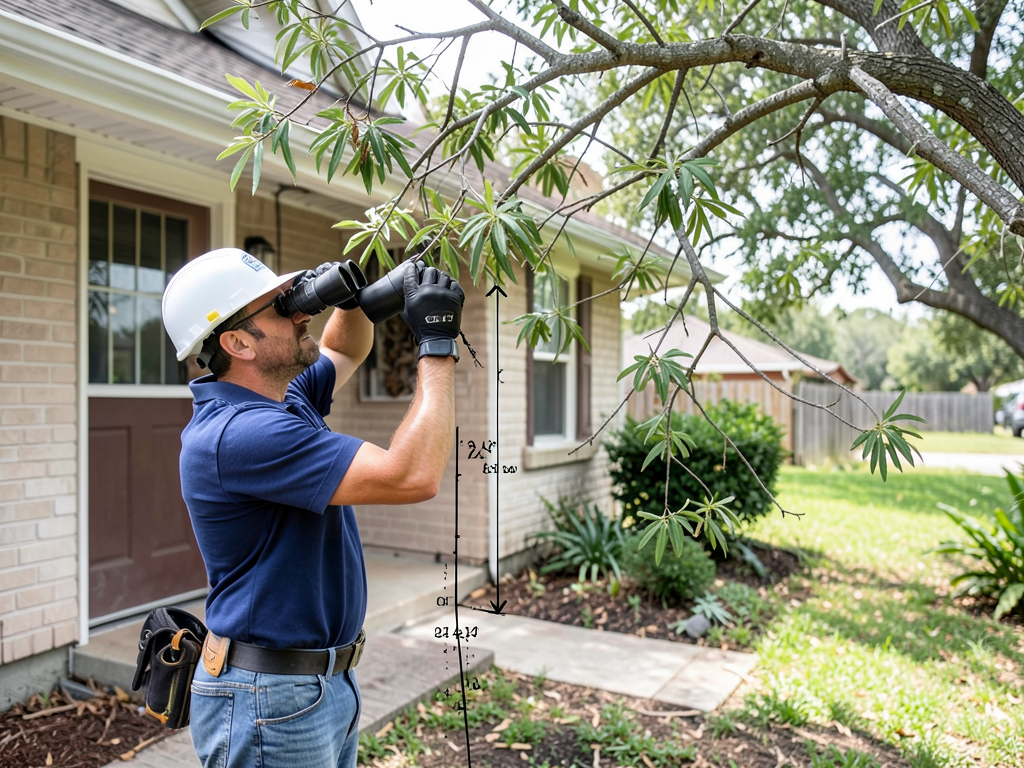
What to do when a neighbor's tree limbs are hanging over your roof in the Great Northwest Living in the…

What to do when a neighbor's tree limbs are hanging over your roof in the Great Northwest

What to do when a neighbor's tree limbs are hanging over your roof in the Great Northwest Living in the…

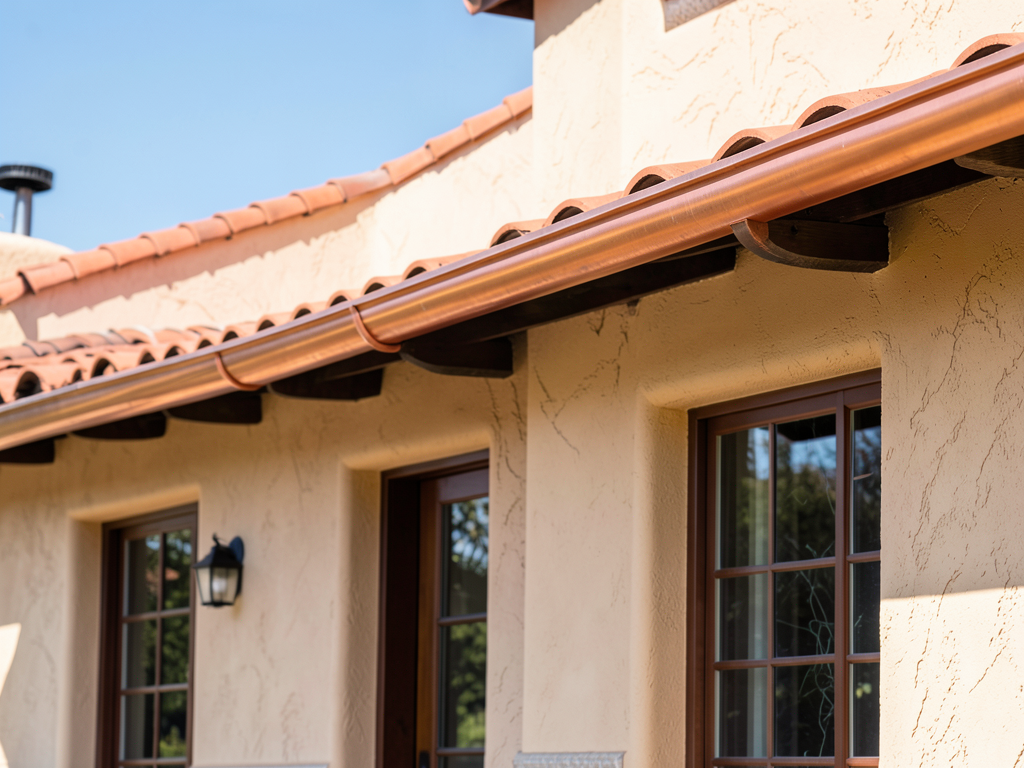
Adding instant curb appeal to your Terrell Hills home with copper gutters

Adding instant curb appeal to your Terrell Hills home with copper gutters Your Terrell Hills home deserves more than ordinary…

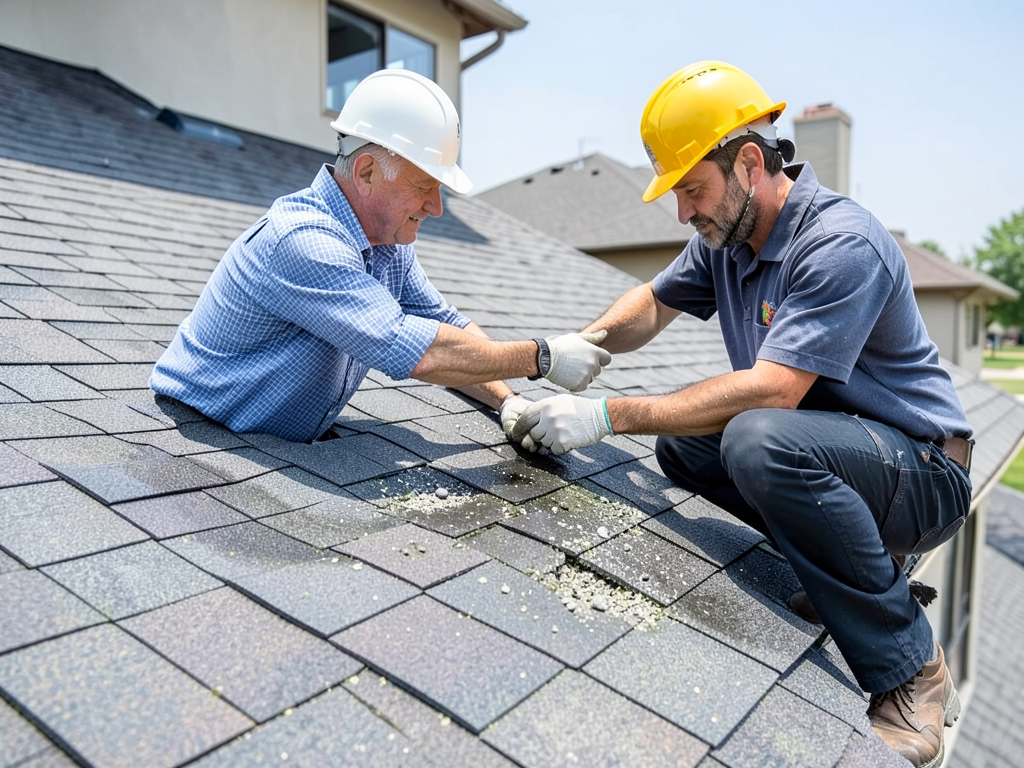
Why brand new homes in Redbird Ranch still need a yearly roof check

Why brand new homes in Redbird Ranch still need a yearly roof check Your brand new roof in Redbird Ranch…

Contact Us

Get expert skylight installation engineered for San Antonio's climate. Call Summit Roofing San Antonio at (726) 256-6199 for a detailed consultation and written estimate. We handle permitting, installation, and inspection. Your home deserves natural light that does not leak.