




Menu

Emergency Roof Leak Detection in San Antonio – Immediate Dispatch and Water Intrusion Traced Fast

When water is dripping through your ceiling at 2 AM, you need urgent roof leak detection that stops the damage now. Summit Roofing San Antonio responds 24/7 with advanced leak tracing technology to pinpoint the source and protect your home before the situation escalates.

Slider Image 1
Slider Image 2
Slider Image 3
Slider Image 4
Slider Image 5
Slider Image 7
Slider Image 8
Slider Image 9
Slider Image 10
Slider Image 11

Why Roof Leaks in San Antonio Escalate Fast

San Antonio's intense afternoon thunderstorms and flash flooding events can turn a small roof vulnerability into a catastrophic leak in minutes. When water breaches your roofing system during a downpour, it rarely stops at the entry point. It travels along rafters, soaks insulation, and spreads across ceilings before you see the first drip.

The clay soil throughout Bexar County makes the problem worse. When soil shifts after heavy rain, your home's foundation can move slightly, cracking mortar joints and separating flashing from rooflines. These micro-movements create invisible entry points that only show up when the next storm hits.

You cannot afford to wait. Every hour of delay allows water to saturate drywall, warp wood framing, and create conditions for mold growth. Emergency roof leak inspection becomes critical because surface damage is just the visible part. Hidden water intrusion can rot your decking, compromise structural members, and destroy expensive HVAC systems tucked in your attic space.

San Antonio homeowners in neighborhoods like Alamo Heights and Terrell Hills know that historic homes with tile roofing are especially vulnerable. Cracked tiles and deteriorated underlayment create complex leak paths that need immediate roof leak locator technology to diagnose correctly. The longer water sits in your structure, the more expensive the remediation becomes. When you notice ceiling stains, hear dripping sounds, or see water pooling in your attic, you are already behind the damage curve. 24/7 roof leak tracing stops the destruction before it spreads to multiple rooms.

Why Roof Leaks in San Antonio Escalate Fast
How We Find and Stop Active Leaks Fast

How We Find and Stop Active Leaks Fast

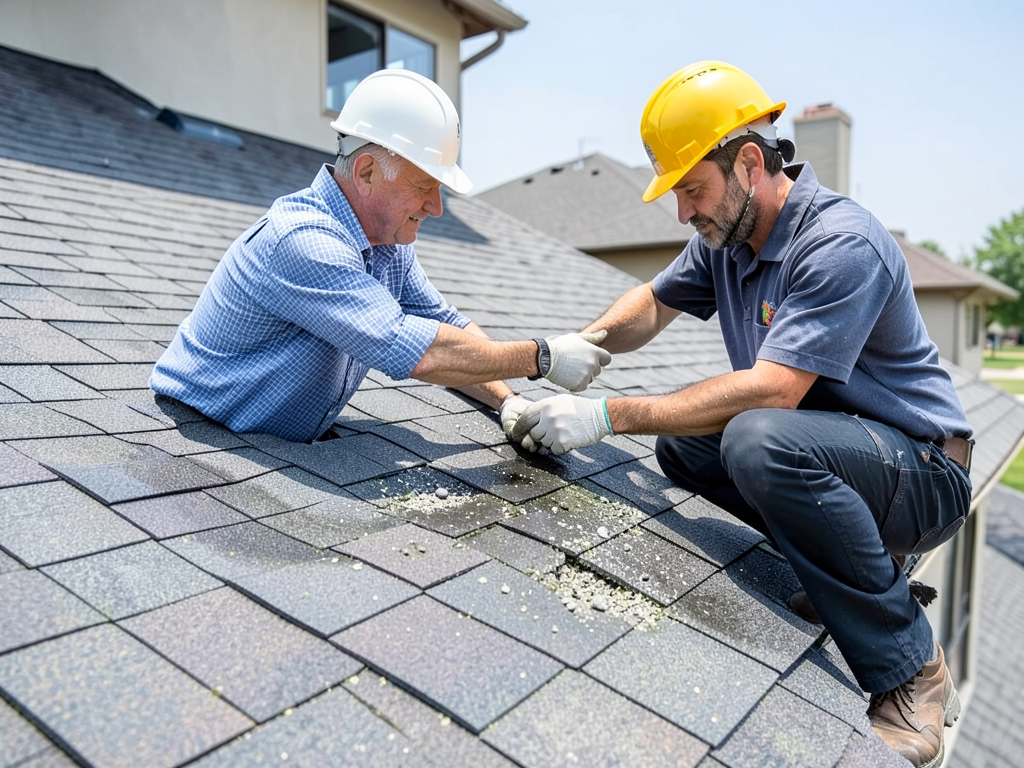
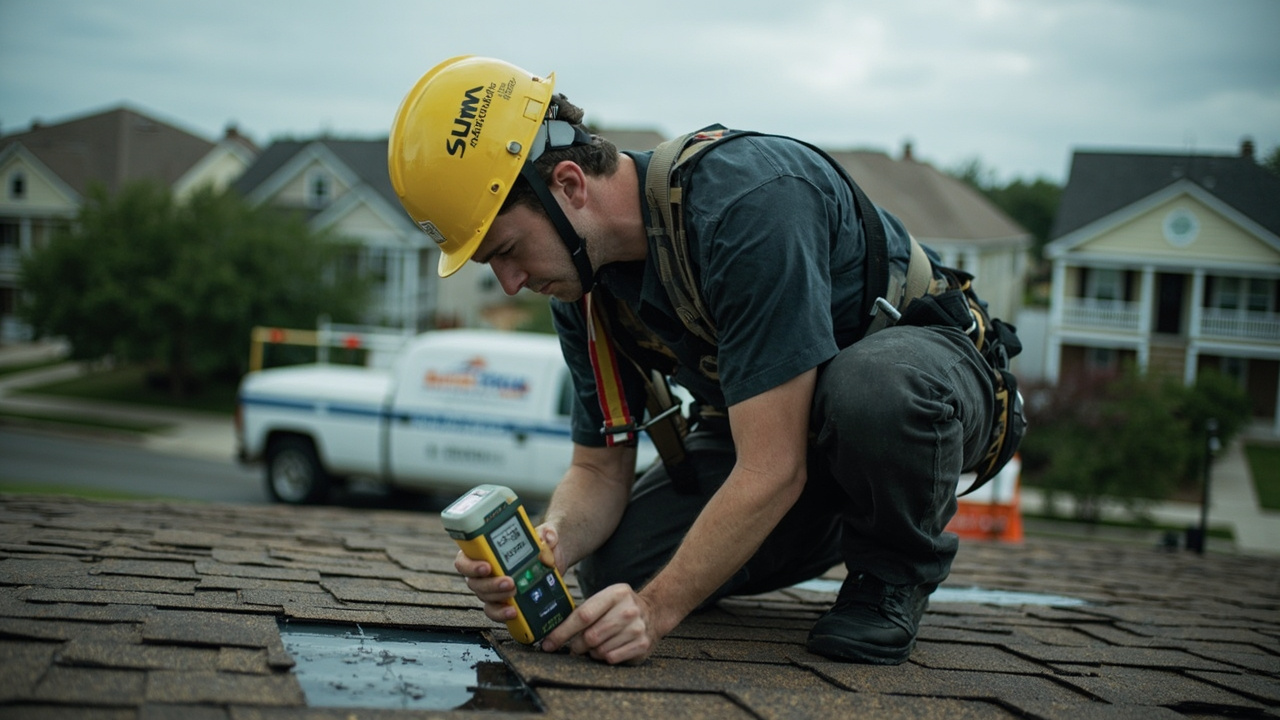
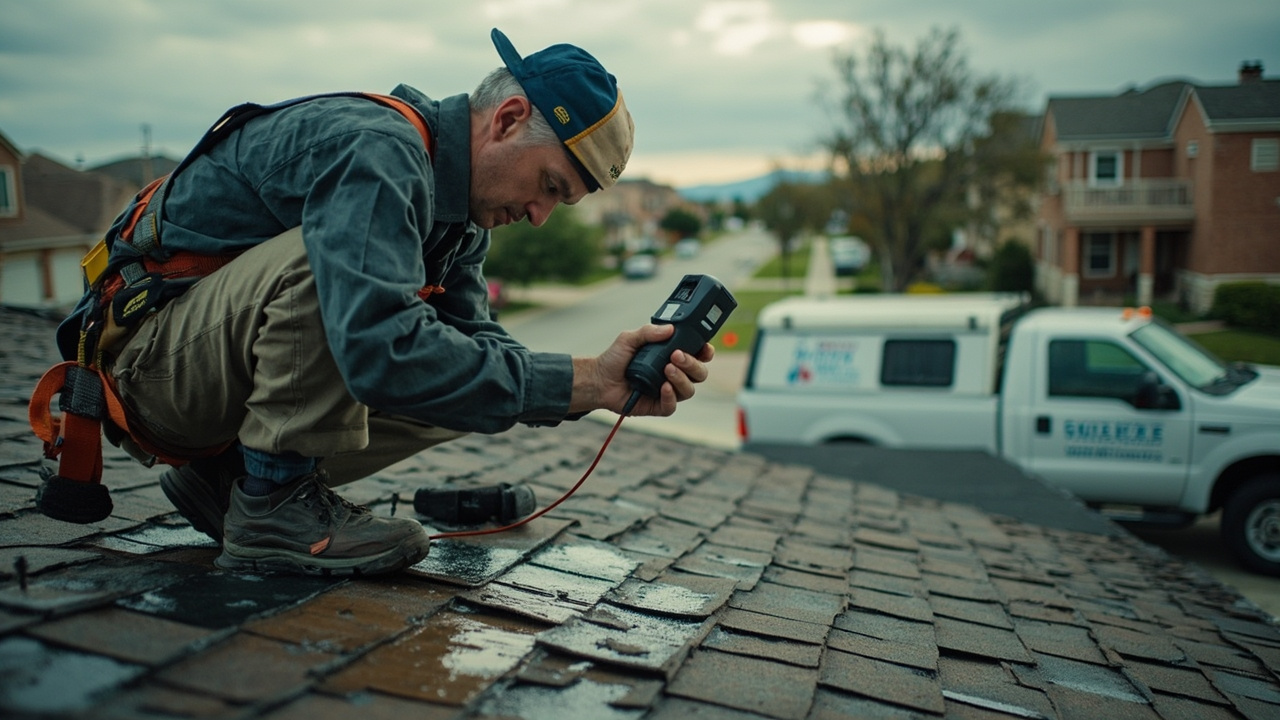
Summit Roofing San Antonio uses thermal imaging cameras and moisture meters to detect emergency roof water intrusion that you cannot see. When you call us during an active leak, we arrive with equipment that reads temperature differentials in your roof deck and identifies saturated areas behind walls.

We do not guess. We trace the water path from the interior damage point back to the exact roof penetration or flashing failure. Most homeowners think the ceiling stain marks the leak location, but water can travel 10 feet or more along rafters before it drops through drywall. Our urgent roof leak detection process involves attic inspection, infrared scanning of the roof surface, and systematic elimination of false leak sources like condensation or plumbing failures.

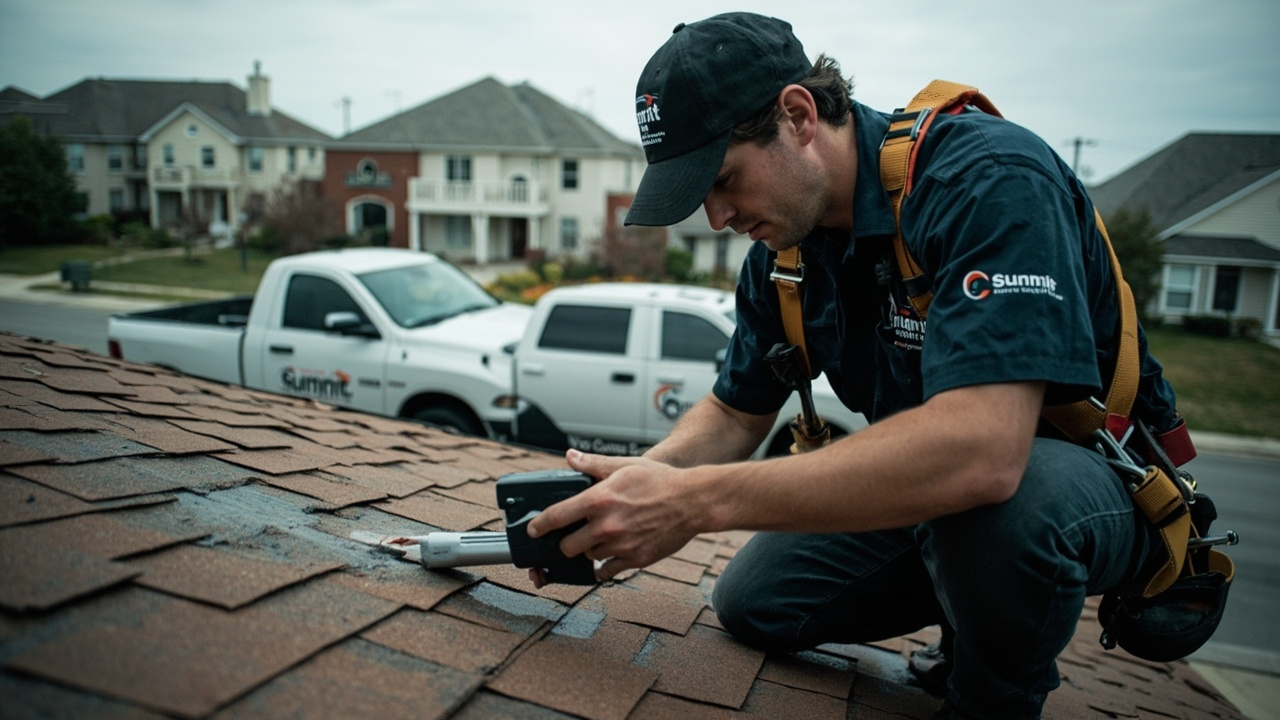
Once we locate the breach, we perform immediate temporary containment. This means tarping, sealing, or patching the entry point to stop new water from entering your home. We document the damage pathway with photos because your insurance adjuster will need this evidence. Then we explain what caused the failure, whether it is missing shingles from wind uplift, cracked pipe boot seals, or deteriorated valley flashing.

San Antonio's building codes require specific flashing details around chimneys and skylights, and many older roofs were installed before these standards were updated. We know which installations are prone to failure and how to identify code violations that contribute to leaks. Our emergency roof leak inspection includes checking for improper installation of drip edge, inadequate underlayment overlap, and failed sealant around roof-mounted equipment like satellite dishes and vent pipes. Speed matters, but accuracy matters more. You need both to protect your home.

What Happens When You Call for Emergency Leak Detection

Emergency Roof Leak Detection in San Antonio – Immediate Dispatch and Water Intrusion Traced Fast
01

Immediate Response Dispatch

When you call our emergency line, you speak directly with a routing technician who logs your location and leak severity. We dispatch the nearest crew to your San Antonio home within 60 minutes, arriving with ladders, safety equipment, tarps, and diagnostic tools. You get a callback within 10 minutes confirming your technician's name and estimated arrival time so you can prepare access to your attic and roof.
02

Leak Source Tracing

Our crew inspects your attic first to map the water trail, then accesses your roof to examine flashing, shingles, and penetrations. We use thermal imaging to detect hidden moisture in the roof deck and test vulnerable areas like valleys and eaves. This process takes 20 to 40 minutes depending on roof complexity. You receive a verbal report explaining the breach location, the cause, and the immediate containment plan before we proceed.
03

Temporary Containment and Documentation

We seal or tarp the entry point to stop water infiltration, then photograph the damage for your insurance claim. You get a written summary of findings, recommended permanent repairs, and a timeline for follow-up work. If the leak caused interior damage, we note the affected areas and suggest mitigation steps like running fans or removing wet insulation. Your home is stabilized before we leave the site.

Why San Antonio Homeowners Trust Summit Roofing for Emergency Leak Detection

When water is pouring through your ceiling during a midnight thunderstorm, you need a crew that knows San Antonio roofing systems inside out. Summit Roofing San Antonio has responded to emergency calls in every neighborhood from Stone Oak to Southtown, and we understand how local weather patterns and construction methods affect leak behavior.

San Antonio's building officials enforce specific underlayment and flashing standards for high wind zones, especially after recent hail events. We stay current on these code requirements and know which older installations are most likely to fail. If your roof was installed before 2015, it may not have self-sealing shingles or adequate ice and water shield in valleys. These details matter when you are trying to prevent repeat leaks after a temporary fix.

Our crews carry commercial-grade thermal cameras, not the consumer models that miss temperature variations under tile or metal roofing. This equipment investment means we find leaks faster and with greater accuracy than competitors who rely on visual inspection alone. When you are paying for emergency service, you deserve technology that delivers results.

We also understand the insurance claims process. Our written reports include the technical language adjusters expect, like "failed step flashing at sidewall intersection" or "wind-driven rain infiltration through ridge vent." This specificity helps you get approved for repairs instead of getting stuck with vague denials. We have worked with every major carrier active in Bexar County, and we know how to document damage so it meets claim standards.

Local knowledge matters most during emergencies. We know which suppliers stay open late for emergency materials, which streets flood during heavy rain, and how to access roofs on historic homes without damaging original architecture. You are not getting a call center in another state. You are getting San Antonio roofers who live and work in this community.

What to Expect During Emergency Roof Leak Detection

Rapid Response Time

We answer emergency calls 24 hours a day, 7 days a week, including holidays. Our goal is to have a crew at your San Antonio home within 60 minutes of your call during active leak situations. If conditions are unsafe due to lightning or high winds, we dispatch as soon as weather permits and provide phone guidance on immediate containment steps you can take. You will not sit on hold or wait until Monday morning while water destroys your ceilings. We treat every emergency call as if it were our own home flooding.

Thorough Leak Diagnosis

Our technicians perform a systematic inspection starting in your attic, where we trace water stains back to their source. Then we examine your roof surface, checking flashing around chimneys, vent pipes, skylights, and wall intersections. We test shingles for wind damage, look for punctures from tree branches, and inspect valleys for debris buildup. If the leak source is not obvious, we use thermal imaging to detect temperature anomalies that indicate hidden moisture. You get a clear explanation of what failed, why it failed, and what it will take to fix it permanently.

Immediate Damage Mitigation

We stop the water intrusion before we leave your property. This involves applying roof sealant, installing tarps secured with strapping, or performing temporary shingle replacement if materials are available. Our containment methods meet Texas Wind Load Standards so tarps will not blow off during the next storm. We also advise you on interior mitigation steps like moving furniture, placing buckets, or cutting access holes in ceilings to drain trapped water. Your home is stabilized and protected until permanent repairs can be scheduled and completed.

Insurance Documentation Support

We provide detailed written reports with photographs that your insurance carrier will accept as damage documentation. Our reports specify the cause of loss, the affected building components, and the recommended scope of repair. If your adjuster needs additional information or wants to inspect the site, we coordinate access and answer technical questions about the damage. We do not file claims on your behalf, but we give you the evidence you need to file a complete and accurate claim. Many San Antonio homeowners have used our documentation to secure full approval for roof replacement after storm damage.

Frequently Asked Questions

You Have Questions,
We Have Answers

Is a leaking roof considered an emergency? +

Yes, a leaking roof is an emergency. Water intrusion spreads fast, damaging insulation, drywall, framing, and electrical systems. In San Antonio's heavy thunderstorms, a small leak becomes catastrophic in hours. Mold grows in 24 to 48 hours in our humid climate. Active leaks during rain demand immediate action. Stop the water entry, contain the damage, and call a roofer immediately. Do not wait until morning. Every minute allows more water to destroy your home's structure and your belongings. Tarping and emergency repairs prevent thousands in secondary damage.

How to figure out where a roof leak is coming from? +

Water travels along rafters, insulation, and sheathing before dripping inside, so the ceiling stain rarely sits directly under the roof breach. Start in the attic during rain with a flashlight. Look for wet spots, water trails, or daylight through the decking. Check valleys, chimney flashing, vent boots, and skylight edges. San Antonio's wind-driven rain pushes water under shingles. A thermal imaging camera detects hidden moisture in walls. If you cannot locate the source, a professional roof inspection with moisture meters pinpoints the exact entry point.

How much does a roof leak test cost? +

Most roof leak inspections in San Antonio cost between no charge and a service call fee if you hire the company for repairs. Comprehensive leak detection using thermal imaging or moisture mapping may cost more if billed separately. Some roofers waive the inspection fee when you authorize the repair. Avoid companies charging high diagnostic fees upfront. Request a detailed assessment that identifies the leak source, documents damage, and provides a written repair estimate. The inspection investment prevents throwing money at the wrong repair area and ensures you fix the actual problem.

Does homeowners insurance pay for a leaky roof? +

Homeowners insurance typically covers sudden, accidental roof leaks caused by storms, wind, hail, or falling debris. Coverage includes water damage to your home's interior and contents. Insurance does not pay for leaks from poor maintenance, wear and tear, or gradual deterioration. In San Antonio, many claims involve wind-driven rain or hail damage after severe weather. Document everything with photos. Get a professional inspection report. File your claim quickly. Your roofer can work directly with your adjuster to ensure proper damage assessment and full coverage for valid claims.

How urgent is a leaking roof? +

Extremely urgent. A leaking roof accelerates exponentially. What starts as a drip becomes a structural disaster within days. Water saturates insulation, rots wood framing, shorts electrical wiring, and floods living spaces. San Antonio's humidity breeds mold within 48 hours, creating health hazards and expensive remediation. During active storms, water volume overwhelms containment efforts. You cannot bucket your way out of this. Call a 24-hour emergency roofer immediately. Temporary tarping and water diversion buy time for permanent repairs. Delaying turns a fixable leak into a total roof replacement and interior rebuild.

How much does it cost to get a roof resealed? +

Roof resealing costs vary widely based on roof size, material, and scope. Small repairs like resealing flashing, vents, or nail pops may run a few hundred dollars. Full roof coating systems for flat or low-slope roofs cost significantly more per square foot. In San Antonio, many older homes need chimney flashing resealed or valley metal replaced. Get multiple written estimates detailing materials and labor. Beware of low bids using inferior sealants that fail in our intense heat and UV exposure. Quality resealing extends roof life and prevents expensive interior damage.

How do plumbers find hidden leaks? +

Plumbers find hidden leaks using electronic listening devices that detect water movement inside walls and slabs. Thermal imaging cameras identify temperature differences from moisture. Pressure testing isolates specific pipe sections. Tracer gas or dye injected into lines reveals the exact breach point. In San Antonio homes built on expansive clay soil, slab leaks from shifting foundations are common. Video camera inspection accesses drain lines. Moisture meters map wet areas behind surfaces. Professional leak detection prevents unnecessary demolition and targets repairs precisely, saving you time and money.

How much will it cost to fix a roof leak? +

Roof leak repair costs depend on the damage extent and accessibility. Simple fixes like replacing a cracked vent boot or resealing flashing may cost a few hundred dollars. Structural repairs involving sheathing replacement, rafter repair, or extensive shingle replacement cost more. Emergency repairs during storms include premium rates for immediate response. In San Antonio, hail and wind damage often require larger section replacement. Request an itemized written estimate before work begins. Many roofers offer financing. Address leaks immediately because delay multiplies costs when water damages ceilings, walls, and belongings.

How to tell if a roofer is lying? +

A dishonest roofer avoids written estimates, demands large upfront deposits, or pressures you to sign immediately. Red flags include refusing to provide references, lacking local business addresses, or quoting unusually low prices. In San Antonio, storm chasers appear after hail events offering free roofs through insurance fraud. Honest roofers provide detailed written proposals, proper licensing, and verifiable insurance. They never tell you to file a false claim or inflate damage. Check reviews and verify credentials. Ask for a roof inspection report with photos. Trust your gut if something feels wrong.

Is it normal for a roof to leak in heavy rain? +

No, roofs should not leak during heavy rain if properly installed and maintained. Water intrusion during storms indicates failed flashing, damaged shingles, clogged gutters, or improper roof slope. San Antonio's intense downpours and wind-driven rain expose weak points that stay dry during light weather. Pooling water from clogged drains on flat roofs forces leaks at seams. If your roof only leaks during hard rain, the problem exists but worsens under stress. Schedule an inspection immediately. Do not accept leaks as normal. Address the underlying failure before the next storm causes catastrophic damage.

Why San Antonio's Flash Flood Patterns Make Emergency Roof Leak Detection Critical

San Antonio sits at the southern edge of the Texas Hill Country, where sudden elevation changes and limestone bedrock create extreme runoff during thunderstorms. When 3 inches of rain falls in 30 minutes, your roof experiences water volumes it was never designed to handle. Gutters overflow, water backs up under shingles, and pressure forces moisture through tiny gaps in flashing. Emergency roof leak inspection becomes essential because these flash flood events expose weaknesses that stay hidden during normal rain. Neighborhoods near Olmos Creek and the San Antonio River basin see the worst impacts, and older homes in Monte Vista and Lavaca lack modern drainage features that protect against wind-driven rain.

San Antonio's roofing contractors must understand local soil mechanics and how foundation movement affects roof integrity. Summit Roofing San Antonio has worked on thousands of homes across Bexar County, from new construction in Cibolo Canyons to 1920s bungalows in Dignowity Hill. We know which tile profiles crack easily, which shingle brands hold up in our UV intensity, and how to detail flashing so it flexes with seasonal foundation shifts. When you need urgent roof leak detection at 3 AM, you want technicians who have seen your exact roof type fail before and know the fix without guessing. Local expertise is not marketing language. It is the difference between stopping a leak and replacing your entire ceiling.
Roofing Services in The San Antonio Area

Explore our service coverage in and around San Antonio using the map below. Summit proudly serves residential and commercial clients throughout the region. Whether you're in the heart of the city or in the nearby suburbs, we’re just a call away. We make it easy to reach us for inspections, quotes, or emergency assistance. Your trusted roofing team is always nearby.

Address:
Summit Roofing San Antonio, 1100 NW Loop 410, Suite 700, San Antonio, TX, 78213

Additional Services We Offer

Our news updates

Latest Articles & News from The Blogs

Managing Leaf Buildup in the Hard to Reach Roof Valleys of Shady Oaks Roof valleys channel rainwater off your home…

Managing Leaf Buildup in the Hard to Reach Roof Valleys of Shady Oaks

Managing Leaf Buildup in the Hard to Reach Roof Valleys of Shady Oaks Roof valleys channel rainwater off your home…

Understanding how Texas wildfire risks should influence your choice of roofing materials

Understanding how Texas wildfire risks should influence your choice of roofing materials Living in San Antonio means dealing with intense…

Choosing the Right Roof Underlayment to Battle South Texas Humidity

Choosing the Right Roof Underlayment to Battle South Texas Humidity Your roof faces a daily assault in San Antonio. The…

Contact Us

Water damage spreads fast. Call Summit Roofing San Antonio now at (726) 256-6199 for immediate emergency roof leak detection. We dispatch crews 24/7 across San Antonio and arrive ready to trace the source, stop the intrusion, and protect your home tonight.