





Menu

Roof Cricket Drainage Issues in San Antonio – Expert Diagnosis Stops Interior Damage Before It Starts

Our roofing specialists identify the exact cause of chimney saddle leaks and roof cricket water ponding, then engineer permanent drainage solutions that protect your San Antonio home from ceiling stains, mold growth, and structural decay.

Slider Image 1
Slider Image 2
Slider Image 3
Slider Image 4
Slider Image 5
Slider Image 7
Slider Image 8
Slider Image 9
Slider Image 10
Slider Image 11

Why Water Pools Around Your Chimney After Every Storm

You walk into your living room after a heavy rain and see it. A brown stain spreading across the ceiling near the chimney. Or you climb into the attic and smell the musty odor of wet insulation. The culprit is almost always improper cricket slope or a missing roof saddle.

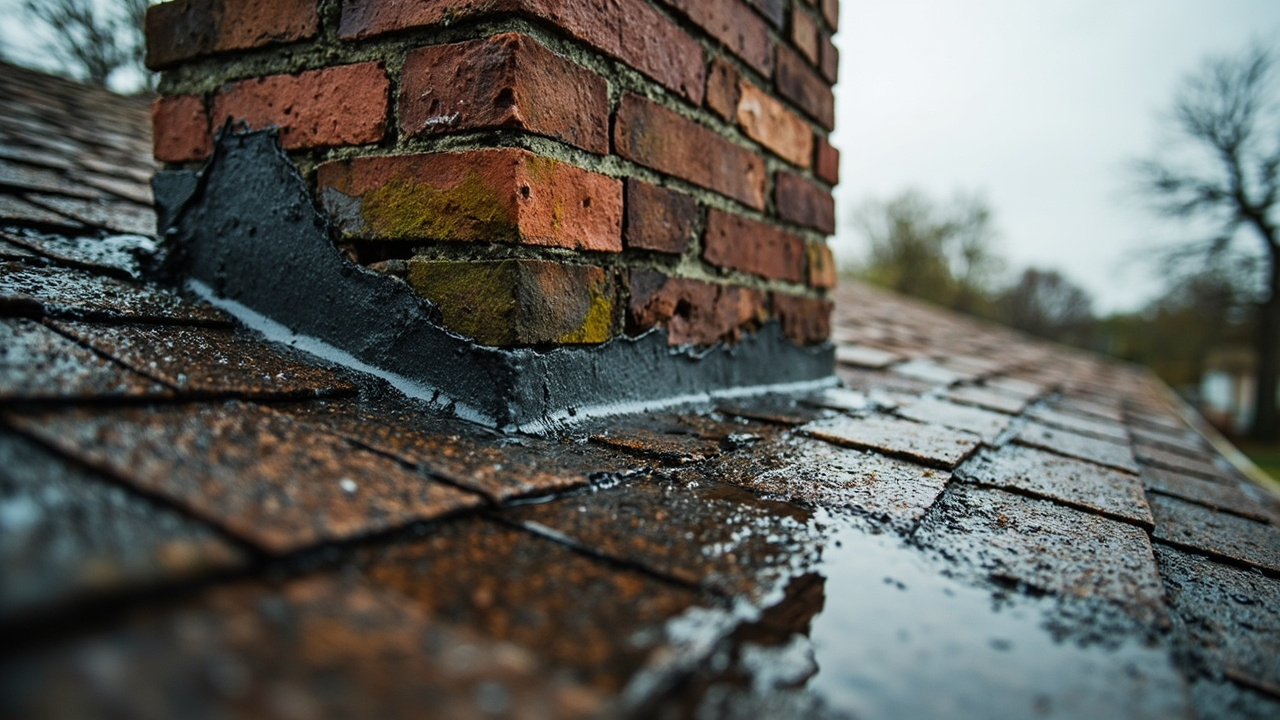
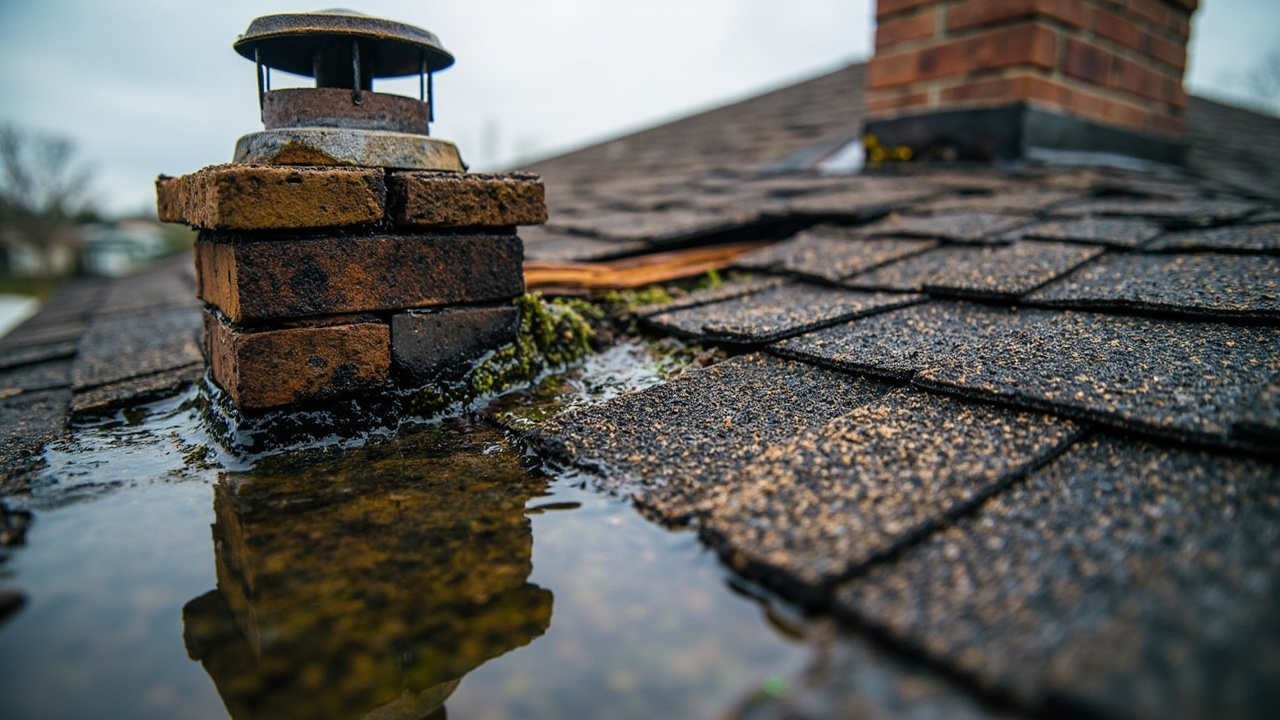
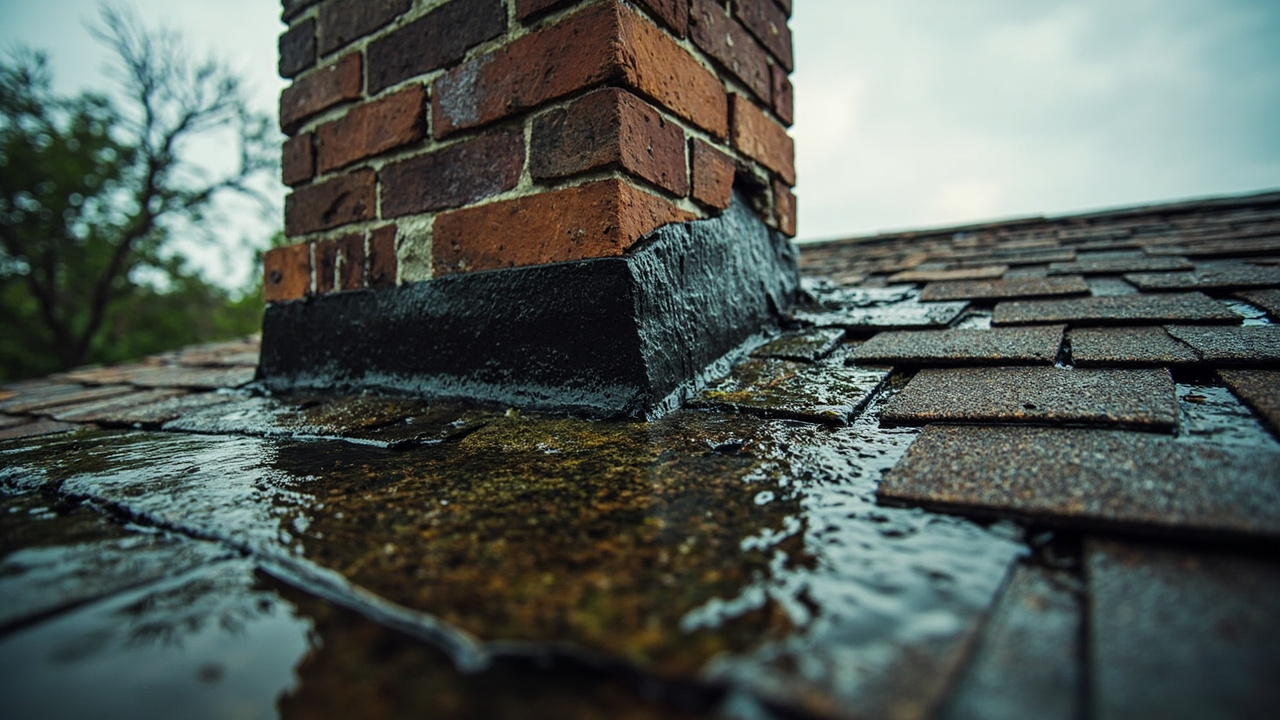
San Antonio's intense summer thunderstorms dump massive volumes of water in short bursts. When a roof cricket, the triangular structure behind your chimney that diverts water, is built with the wrong slope or installed incorrectly, water ponds instead of draining. That standing water finds every microscopic gap in your flashing and seeps into your home.

The problem gets worse during our brief winter freezes. Water trapped in poorly designed chimney diverters expands when temperatures drop, cracking sealants and widening gaps. By spring, what started as a small chimney saddle leak becomes a major infiltration point.

Most cricket drainage problems stem from three issues. First, the cricket slope is too shallow, less than the minimum 5 degrees needed for proper runoff. Second, the cricket itself is too small to push water past the chimney base. Third, the valley where the cricket meets the main roof plane lacks proper underlayment or has deteriorated step flashing.

You will see the symptoms inside before you spot the cause outside. Ceiling discoloration, peeling paint near the chimney breast, or damp drywall all signal roof saddle standing water above. The longer water sits, the more damage it causes to roof decking, rafters, and insulation.

Why Water Pools Around Your Chimney After Every Storm
How We Engineer Permanent Cricket Drainage Solutions

How We Engineer Permanent Cricket Drainage Solutions

We do not patch leaks. We fix the geometry that causes them.

Our process starts with a complete drainage analysis. We measure your existing cricket dimensions, calculate the slope angle with a digital level, and inspect the valley flashing configuration. We check for ice dam damage along the cricket edges and look for granule loss that indicates prolonged water exposure.

Most San Antonio homes built before 2010 have undersized crickets. The structure might only extend 18 inches up the roof when it needs to be 36 inches to properly divert water volume during our intense storms. We recalculate the required cricket size based on your chimney width and roof pitch.

Next, we examine the flashing system. A properly built cricket requires step flashing along both sides, counter flashing embedded into the chimney mortar, and a continuous ice and water barrier underneath. We often find builder-grade crickets with only tar and a single piece of bent metal, a setup guaranteed to fail.

Summit Roofing San Antonio rebuilds crickets using engineered framing techniques. We construct a new saddle frame with pressure-treated lumber, set at a minimum 7-degree slope for positive drainage. We install Ice and Water Shield across the entire cricket surface, then layer step flashing that integrates with your main roof valleys.

The final assembly includes kickout flashing at the base to direct water into your gutter system, not behind it. We seal all penetrations with high-grade polyurethane and install a cricket cover that matches your existing shingle profile. The result is a drainage system that moves water away from your chimney during every storm.

What Happens During a Cricket Repair

Roof Cricket Drainage Issues in San Antonio – Expert Diagnosis Stops Interior Damage Before It Starts
01

Attic and Exterior Inspection

We start inside your attic to document water damage patterns and identify the exact entry point. Then we photograph your existing cricket from the roof, measuring its dimensions and slope angle. This diagnostic phase reveals whether you need a complete rebuild or if the flashing system alone is failing. We map the damage zone so you understand exactly what needs repair.
02

Cricket Reconstruction and Flashing

We remove the old cricket structure down to the roof deck, then build a properly sized replacement frame with the correct slope. We install continuous waterproof membrane, then integrate layered step flashing and counter flashing. Each piece of metal overlaps the one below it, creating a shingle effect that makes reverse water flow impossible. The new cricket extends far enough up the roof to handle San Antonio's storm volumes.
03

Final Seal and Water Testing

After installing the cricket cover and surrounding shingles, we seal every transition point with polyurethane sealant rated for Texas heat. Then we perform a controlled water test, running a hose over the repaired area for 15 minutes while monitoring the attic below. You get photographic documentation of the completed work and a detailed explanation of how the new drainage system functions to protect your home.

Why San Antonio Homeowners Choose Local Cricket Specialists

Cricket drainage failures are not obvious from the ground. You need a roofer who climbs onto your roof, walks the valleys, and understands how water behaves during a Texas downpour.

Summit Roofing San Antonio has repaired cricket drainage problems across every neighborhood from Alamo Heights to Stone Oak. We know the common construction shortcuts in different subdivisions. Homes in older areas like Monte Vista often have undersized crickets built during an era of less stringent code enforcement. Newer homes in developments north of Loop 1604 sometimes have crickets built too steeply, creating shingle exposure problems.

We understand San Antonio's building code requirements for cricket construction in Section R905 of the International Residential Code as adopted by the city. That includes minimum slope requirements, flashing specifications, and underlayment standards. When we rebuild a cricket, the work meets or exceeds these standards.

Our familiarity with local weather patterns matters. San Antonio receives most of its annual rainfall between April and October, with individual storms dropping 2 to 4 inches in an hour. Your cricket must handle that volume without allowing roof saddle standing water to accumulate. We size and slope every cricket for worst-case storm conditions, not average rainfall.

We also recognize the specific challenges of San Antonio's temperature swings. A roof surface can reach 160 degrees in July, then drop to 28 degrees during a January cold snap. These cycles cause expansion and contraction that destroys inferior sealants and loosens improperly fastened flashing. We use materials rated for these extremes and install them with fastening patterns that allow for thermal movement.

When you hire local specialists, you get roofers who have seen every type of chimney configuration in San Antonio architecture, from the massive stone chimneys in Terrell Hills estates to the prefab metal units in newer ranch homes.

What to Expect When You Call About Cricket Problems

Inspection Timeline and Availability

We schedule roof inspections within 48 hours of your call. The inspection takes 45 minutes to an hour, including attic access and exterior measurements. You receive a written assessment with photographs the same day. If you are dealing with active leaking, we can often provide temporary waterproofing during the initial visit to prevent further interior damage while you review repair options. Emergency inspections during or immediately after storms are available.

Diagnostic Process and Documentation

Our assessment includes digital measurements of your cricket dimensions, slope angle verification, and close-up photography of all flashing components. We document any water staining on roof decking, measure the extent of damaged shingles, and note whether your chimney mortar needs repointing before we install new counter flashing. You get a detailed explanation of why water is pooling and what specific geometric or installation failures are causing chimney saddle leaks. We explain repair options in plain language and answer technical questions about materials and methods.

Quality of the Completed Repair

The finished cricket looks like original construction, with shingles that match your existing roof profile and flashing that integrates seamlessly with your chimney. Water flows smoothly down both sides of the cricket into your main roof valleys, then into your gutter system. You will not see standing water after storms. The repair includes replacement of any damaged roof decking and new underlayment across the entire work area. All penetrations are sealed with high-grade polyurethane that remains flexible through temperature extremes. The work meets San Antonio building code requirements.

Post-Repair Follow-Up and Monitoring

We provide specific guidance on monitoring your repair after the first few storms. You learn what to look for in your attic and what normal versus abnormal water flow patterns look like around your chimney. If you notice any issues during the first year, we return to inspect and address them. We also offer annual roof maintenance inspections that include checking cricket drainage, flashing integrity, and sealant condition. Many homeowners schedule these inspections before summer storm season to catch small problems before they become major leaks.

Frequently Asked Questions

You Have Questions,
We Have Answers

Does rooftop cricket damage roofs? +

No. A rooftop cricket is not an insect. It is a specialized drainage structure, a peaked saddle built behind a chimney or large rooftop penetration. The cricket diverts water away from the upslope side of the obstruction, preventing pooling and leaks. Without a cricket, water collects behind the chimney during San Antonio's intense summer thunderstorms and slow-draining winter rains. Over time, this standing water degrades flashing, penetrates underlayment, and causes interior water damage. The cricket itself does not damage your roof. It protects it by managing water flow around obstacles where standard roof slopes cannot shed water effectively.

How to get rid of a cricket in the roof? +

If you hear chirping in your attic, you are dealing with an insect, not a roofing cricket. To remove live crickets, locate entry points around vents, soffits, or damaged fascia common in older San Antonio homes. Seal gaps with caulk or expanding foam. Use sticky traps or a shop vacuum to capture the insect. If the noise persists, check for moisture issues. Crickets seek damp environments. Poor attic ventilation in our humid climate creates ideal conditions. Address ventilation and moisture first. For persistent infestations, contact a pest control specialist familiar with South Texas species.

What problems do roof crickets solve? +

Roof crickets solve the critical problem of water pooling behind chimneys and large roof penetrations. On sloped roofs, water flows downhill until it hits an obstruction. Without a cricket, water collects on the upslope side, overwhelming flashing and seeping under shingles. In San Antonio, where we experience both heavy downpours and prolonged drizzle, this pooling accelerates rot and leaks. The cricket is a peaked structure that redirects water around the obstruction, maintaining proper drainage. It prevents flashing failure, underlayment damage, and interior leaks. For chimneys wider than 30 inches, building codes require crickets to manage this drainage risk.

What is the problem with roof drainage? +

Roof drainage problems occur when water does not shed off the roof quickly enough. Common issues include clogged gutters, insufficient slope, ponding around penetrations, and failed flashing. In San Antonio, clay soil expansion and foundation settling can alter original roof pitch, creating low spots where water pools. Our intense summer storms also overwhelm undersized gutter systems. When drainage fails, water infiltrates underlayment, rots decking, and leaks into living spaces. You may see ceiling stains, peeling paint, or mold growth. Crickets, proper flashing, and adequate gutter capacity prevent these failures by directing water off the roof efficiently.

Do roof crickets need to be inspected? +

Yes. Roof crickets require periodic inspection, especially after severe weather. San Antonio's hail storms, wind-driven rain, and temperature swings stress flashing and sealant around the cricket structure. Inspect the cricket during your annual roof check or after any major storm event. Look for cracked sealant, lifted flashing, or damaged shingles on the cricket peak. Water stains on the ceiling near the chimney signal cricket failure. If you notice standing water behind the chimney after rain, the cricket may have settled or the flashing has failed. Catching these issues early prevents costly interior water damage and structural rot.

Are roofs covered in homeowners insurance? +

Most homeowners insurance policies cover sudden, accidental roof damage from wind, hail, or fire. They typically do not cover gradual wear, poor maintenance, or drainage failures caused by deferred repairs. If a cricket fails due to storm damage and causes a leak, your claim may be covered. If the cricket was never installed properly or you ignored obvious deterioration, the insurer may deny the claim. In San Antonio, document storm damage with photos and timestamps. Get a professional inspection immediately after hail or wind events. Maintaining your roof, including crickets and flashing, strengthens your position when filing claims.

How do you get rid of a cricket you can't find? +

If you cannot locate a chirping cricket in your attic, try these steps. Turn off all HVAC, fans, and appliances. Crickets chirp more in silence. Use a flashlight and listen carefully near insulation, wall voids, and stored boxes. Crickets hide in dark, tight spaces during the day. Place sticky traps along walls and near suspected areas. Reduce moisture by improving attic ventilation. In San Antonio's humid climate, dehumidification discourages crickets. If the chirping continues for weeks and you cannot find the source, call a pest control professional. They have detection tools and knowledge of local cricket species and hiding behaviors.

How long will a cricket live in your house? +

A cricket can live in your house for two to three months if it finds food, moisture, and shelter. Adult crickets survive longer in warm, humid environments like San Antonio attics during summer. They feed on organic debris, paper, fabric, and even dead insects. Without food or in cooler conditions, they may die within weeks. If you hear chirping, act quickly. The longer a cricket remains, the more likely it will lay eggs and create an infestation. Remove the cricket, seal entry points, and reduce moisture. Check insulation and stored items for damage or droppings indicating prolonged cricket activity.

What time of year are crickets most active? +

Crickets are most active from late spring through early fall in San Antonio. Warm temperatures, typically May through September, trigger mating behavior and the loud chirping males use to attract females. Peak activity occurs at night when temperatures cool slightly but remain above 60 degrees. During our hot, humid summers, crickets seek shelter in attics, crawl spaces, and wall voids. Fall rains in September and October also drive crickets indoors as they search for dry areas. If you hear increased chirping in late summer, inspect your home for entry points and moisture issues before cricket populations explode.

How to tell if a roof is about to collapse? +

Roof collapse is rare but catastrophic. Warning signs include severe sagging in the roof deck or ceiling, visible cracks in exterior walls, doors and windows that suddenly stick or will not close, and popping or cracking sounds from the attic. In San Antonio, prolonged water intrusion from drainage failures weakens roof decking and trusses. You may notice water stains spreading rapidly or drywall bowing. If you see daylight through the roof deck or feel the ceiling moving when you touch it, evacuate immediately and call a structural engineer. Do not enter the attic. Collapsed roofs often result from ignored leaks, rotted framing, or undersized structural components.

How San Antonio's Clay Soil and Storm Patterns Accelerate Cricket Failures

San Antonio sits on expansive clay soil that swells during wet periods and contracts during drought. This constant ground movement causes foundation shifts that translate into roof stress, particularly around rigid structures like chimneys. A chimney settles at a different rate than your roof frame, creating gaps in flashing that turn into entry points for roof cricket water ponding. Combined with our intense thunderstorms that dump several inches of rain in under an hour, even small improper cricket slope issues become major leaks quickly. Your drainage system must handle both the volume of water and the structural movement unique to central Texas.

Summit Roofing San Antonio has worked with local building inspectors and insurance adjusters for years. We understand how claims are processed for chimney diverter drainage problems and what documentation insurers require. We know which San Antonio-area suppliers stock the specific flashing materials and sealants that perform in our climate. Our crews recognize the construction methods used by major builders in different subdivisions and time periods, which helps us anticipate hidden problems before we start work. When you hire roofers familiar with San Antonio's building landscape, you avoid the learning curve that costs time and creates mistakes.
Roofing Services in The San Antonio Area

Explore our service coverage in and around San Antonio using the map below. Summit proudly serves residential and commercial clients throughout the region. Whether you're in the heart of the city or in the nearby suburbs, we’re just a call away. We make it easy to reach us for inspections, quotes, or emergency assistance. Your trusted roofing team is always nearby.

Address:
Summit Roofing San Antonio, 1100 NW Loop 410, Suite 700, San Antonio, TX, 78213

Additional Services We Offer

Our news updates

Latest Articles & News from The Blogs

What to do when a neighbor's tree limbs are hanging over your roof in the Great Northwest Living in the…

What to do when a neighbor's tree limbs are hanging over your roof in the Great Northwest

What to do when a neighbor's tree limbs are hanging over your roof in the Great Northwest Living in the…

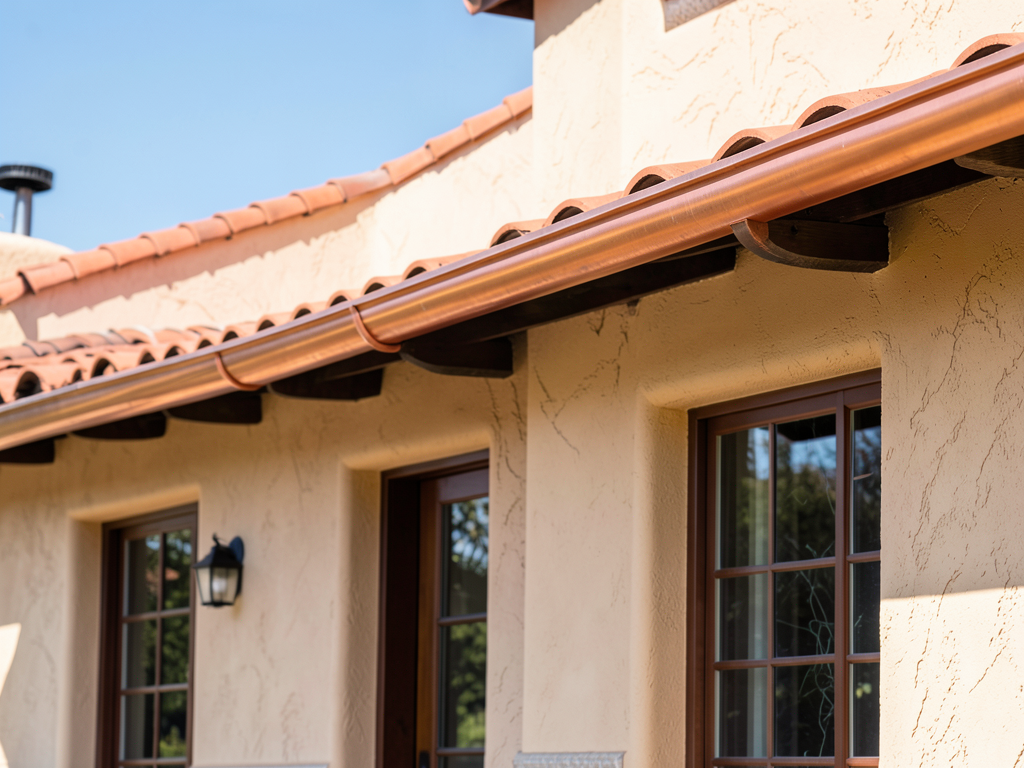
Adding instant curb appeal to your Terrell Hills home with copper gutters

Adding instant curb appeal to your Terrell Hills home with copper gutters Your Terrell Hills home deserves more than ordinary…

Why brand new homes in Redbird Ranch still need a yearly roof check

Why brand new homes in Redbird Ranch still need a yearly roof check Your brand new roof in Redbird Ranch…

Contact Us

Call Summit Roofing San Antonio at (726) 256-6199 right now for a complete cricket drainage inspection. We will identify the exact cause of your leak and explain the permanent fix. Do not wait for the next rainstorm to cause more damage.