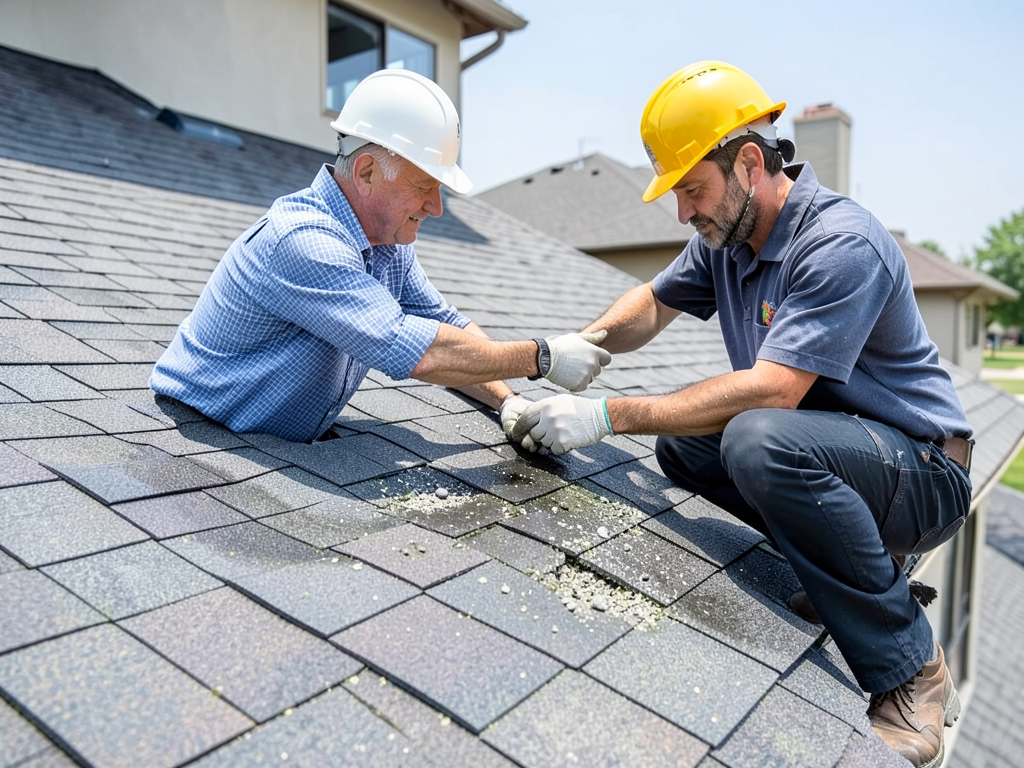







San Antonio sits at the southern edge of Tornado Alley where Gulf moisture collides with dry air from West Texas. This creates severe thunderstorms with rotating updrafts that produce large hail from March through October. The hail falls with terminal velocity that punches through composition shingles, cracks clay and concrete tiles, and dents metal roofing. The I-35 corridor from San Antonio to Austin experiences concentrated hail events because storms intensify as they move northeast. Neighborhoods in Stone Oak, Alamo Ranch, and the Far West Side see repeated hail damage because they sit directly in the storm path.
San Antonio building codes require specific wind uplift ratings and fastening patterns for roof systems because of our exposure to severe weather. The City of San Antonio enforces International Residential Code provisions for high wind regions. Proper storm damage restoration means installing materials that meet these standards, not just replacing what was there before. Local building inspectors verify underlayment specifications, flashing details, and valley construction during permit inspections. Storm damage roofing contractors who work regularly in San Antonio understand these requirements and install systems that pass inspection the first time.