




Menu

Soffit and Fascia Repair in San Antonio – Complete Roofline Protection From Local Experts

Professional soffit and fascia repair services that protect your San Antonio home from water intrusion, pest damage, and structural deterioration caused by our extreme heat and seasonal storms.

Slider Image 1
Slider Image 2
Slider Image 3
Slider Image 4
Slider Image 5
Slider Image 7
Slider Image 8
Slider Image 9
Slider Image 10
Slider Image 11

Why Soffit and Fascia Fail Faster in San Antonio

Your soffit and fascia work harder in San Antonio than almost anywhere else in Texas. These critical roofline components face relentless sun exposure that reaches 100-plus degrees for months at a time, accelerating wood rot and warping even in treated lumber. When the rare freeze hits, moisture trapped in damaged fascia boards expands and contracts, creating splits that allow water into your roof deck and attic space.

The combination of high humidity from our proximity to the Gulf and sudden torrential downpours during spring and fall creates the perfect environment for repairing rotted fascia. When your gutters overflow during a typical San Antonio thunderstorm, water backs up against compromised fascia, soaking into the wood grain and creating decay from the inside out.

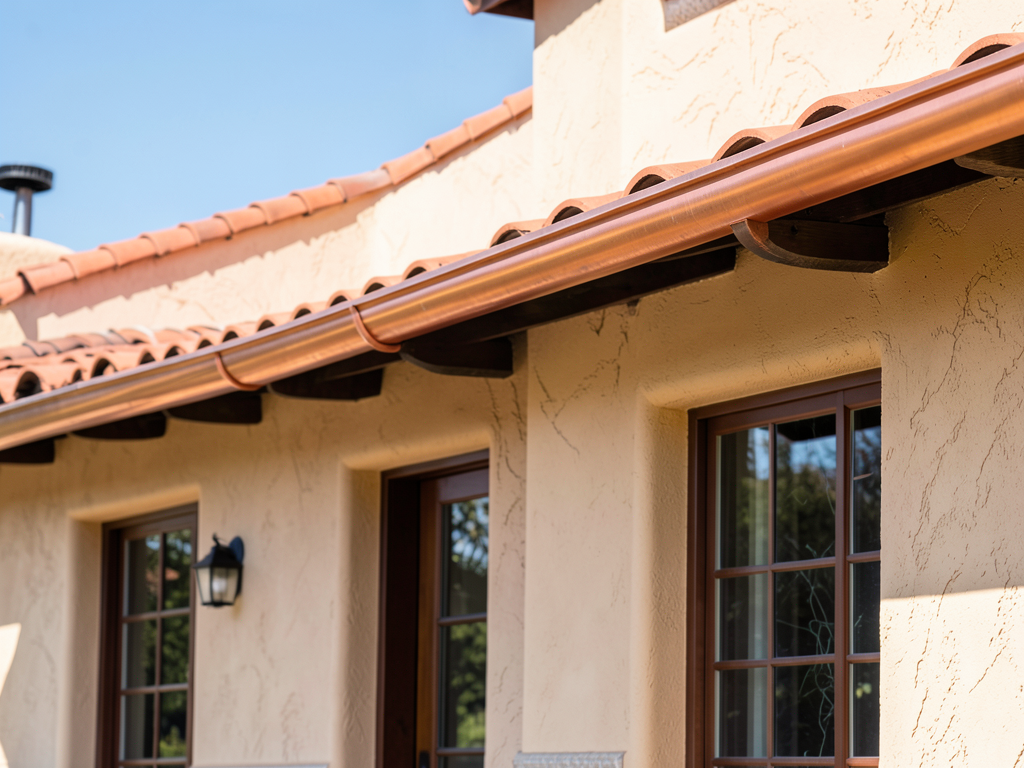
Many homes in neighborhoods like Alamo Heights, Terrell Hills, and Monte Vista feature original wood soffits that have reached the end of their service life. The architectural styles common to these historic districts require careful matching of materials and profiles during roof eaves repair to maintain the character of these properties.

You know you need fixing soffit and fascia when you see paint peeling along your roofline, daylight visible through gaps near your gutters, or evidence of wasp nests and rodent entry points. These are not cosmetic issues. Damaged fascia compromises your gutter system, allowing water to cascade down exterior walls and saturate your foundation. Compromised soffits eliminate attic ventilation, trapping superheated air that degrades your roof decking and drives up cooling costs.

Fascia board repair is time-sensitive work in San Antonio. Once moisture penetrates the wood, decomposition accelerates in our climate. What starts as a small soft spot becomes a structural liability within a single season.

Why Soffit and Fascia Fail Faster in San Antonio
How We Approach Soffit and Fascia Restoration

How We Approach Soffit and Fascia Restoration

Summit Roofing San Antonio does not patch failing soffit and fascia. We diagnose the full extent of damage before recommending a repair scope, because hidden rot behind painted surfaces is the norm, not the exception.

We start with moisture meter readings along the entire fascia run and visual inspection of soffit panels from attic access points. This reveals whether damage is isolated to one elevation or systemic across multiple rooflines. We check for rafter tail rot, which occurs when water wicks past the fascia and into the structural members behind it. If the rafter tails show soft spots or discoloration, we address that during the fascia board replacement to prevent callback repairs.

For soffit and fascia replacement, we remove damaged sections back to solid substrate. If you have wood fascia, we replace it with primed, paint-grade lumber or transition you to composite or aluminum systems that eliminate future rot concerns. Composite fascia boards offer the appearance of wood without the vulnerability to moisture, making them ideal for the south and west elevations that take the brunt of sun and wind-driven rain.

When we install new soffit panels, we verify proper attic ventilation ratios. Continuous soffit vents paired with ridge vents create the airflow that keeps your attic temperatures manageable and prevents moisture accumulation. This is critical in San Antonio, where attic temps can hit 150 degrees in July.

We integrate new fascia with your existing gutter system, ensuring proper pitch and secure mounting. If your gutters contributed to the original damage due to improper slope or inadequate capacity, we address that during the repair process. The goal is a roofline system that sheds water efficiently and stands up to the next decade of San Antonio weather without recurring maintenance.

What Happens During Your Fascia and Soffit Repair

Soffit and Fascia Repair in San Antonio – Complete Roofline Protection From Local Experts
01

Damage Assessment and Scope

We inspect all accessible roofline components, using moisture detection tools to identify hidden water damage behind painted surfaces. You receive photos of problem areas and a written scope detailing what needs replacement versus what remains structurally sound. We identify the root cause, whether it's gutter overflow, missing drip edge, or roof leaks, so the repair addresses the source, not just the symptom.
02

Controlled Demolition and Replacement

We remove damaged fascia and soffit sections using techniques that protect your gutters, siding, and roof edge. Any compromised rafter tails receive sistering or replacement. New materials are cut to exact measurements, primed on all edges, and installed with corrosion-resistant fasteners. We maintain proper soffit ventilation ratios and ensure the fascia provides a solid nailing surface for gutter reattachment. All gaps are sealed against pest entry.
03

Final Integration and Inspection

We reinstall or adjust gutters to proper pitch, verify downspout flow, and ensure the repaired roofline sheds water away from the fascia. Exposed wood receives finish paint matched to your existing trim. You get a walk-around inspection showing completed work and confirmation that your attic ventilation is functioning correctly. The repair integrates seamlessly with your existing roofing system, with no visible patchwork or mismatched materials.

Why San Antonio Homeowners Choose Summit Roofing for Roofline Repairs

Fascia and soffit work is finish carpentry performed at elevation in extreme heat. It requires an understanding of how San Antonio's climate affects different materials and the skill to integrate repairs with existing roof and gutter systems without creating new leak points.

Summit Roofing San Antonio has spent years working on the specific architectural styles found throughout Bexar County. We know the difference between repairing a ranch-style home in Castle Hills with wide eave overhangs and addressing the narrow fascia profiles common to bungalows in Dignowity Hill. We source materials that match original profiles when historic accuracy matters and recommend modern alternatives when performance trumps aesthetics.

Our crews understand San Antonio's building practices. We know that many homes built before 1980 have minimal overhang and inadequate soffit venting, which contributes to premature fascia failure. When we perform roof eaves repair on these properties, we look for opportunities to improve ventilation without altering the roofline appearance.

We also recognize that timing matters in this climate. Soffit and fascia replacement needs to happen during weather windows that allow materials to acclimate and finishes to cure properly. We do not rush jobs during temperature extremes or high humidity periods that compromise paint adhesion and material stability.

You will not get an oversell from us. If your fascia has isolated damage on one elevation, we do not push you toward whole-house replacement. We provide options at different price points and explain the performance trade-offs between wood, composite, and aluminum systems so you can make an informed decision based on your budget and long-term maintenance preferences.

Our reputation in San Antonio is built on solving problems correctly the first time. That means addressing underlying issues like inadequate drip edge, improper gutter pitch, or roof drainage problems that caused the fascia damage in the first place.

What You Can Expect From Our Soffit and Fascia Services

Project Timeline and Scheduling

Most soffit and fascia repairs take one to three days depending on the extent of damage and total linear footage. We schedule work around your availability and provide specific arrival windows, not vague all-day estimates. Material lead times for specialty profiles or color-matched composite products can add a week to project start, which we communicate upfront. Emergency repairs for fascia that is actively shedding water into your home receive priority scheduling, often with same-week service. We monitor weather forecasts and adjust schedules if high winds or rain would compromise installation quality or crew safety.

Detailed Pre-Work Inspection

You receive a thorough evaluation before any work begins. We document existing damage with photos, measure moisture content in suspect areas, and check related components like gutter hangers, drip edge, and roof edge flashing. This inspection often reveals contributing problems like clogged gutters or missing kick-out flashing that need correction to prevent recurring damage. We provide a written estimate breaking down labor and materials by roofline section, so you understand exactly what you are paying for. If we find conditions that differ from what you described over the phone, we walk you through the updated scope before proceeding.

Quality Installation Standards

Your new fascia and soffit will be installed to manufacturer specifications using the correct fastener spacing and material overlaps. We do not use finish nails where structural fasteners are required. All cut edges on wood receive primer sealing before installation to prevent moisture wicking. Soffit panels maintain required ventilation area per attic square footage, which we calculate based on your specific roof design. Fascia boards provide continuous backing for gutter attachment without gaps or unsupported spans. The finished work looks intentional, not improvised, with clean joints and proper flashing integration at all roof-to-wall transitions.

Material Performance and Longevity

We stand behind our installation workmanship and help you understand realistic service life for different material choices. Wood fascia with proper maintenance and finish paint can last 15 to 20 years in San Antonio's climate. Composite and PVC options extend that to 25 to 30 years with virtually no maintenance beyond occasional cleaning. Aluminum fascia systems offer the longest service life but require professional installation to avoid oil-canning and thermal expansion issues. We provide care instructions specific to your chosen materials and offer optional maintenance inspections to catch small problems before they become expensive repairs.

Frequently Asked Questions

You Have Questions,
We Have Answers

How much does it cost to replace soffits and fascia? +

Soffit and fascia replacement costs vary based on material choice, linear footage, and access difficulty. In San Antonio, expect factors like roof height, trim complexity, and whether you choose vinyl, aluminum, or wood to influence pricing. Wood requires more maintenance in our humid climate and costs more long-term. Aluminum resists moisture better. Most projects involve removing damaged sections, repairing any underlying rot or pest damage to the roofline, then installing new materials. Get a detailed inspection first. Hidden water damage from our intense summer storms often increases scope once contractors open up the eaves.

How much do soffit and fascia cost to replace? +

Replacement costs depend on linear footage, material type, and labor complexity. San Antonio homes with two-story rooflines or intricate eave designs cost more due to access challenges. Vinyl is budget-friendly but fades faster under our intense UV exposure. Aluminum lasts longer in humidity. Wood looks traditional but invites carpenter ants and termites common to South Texas. Most quotes include tear-out, wood rot repair, and installation. If your attic shows signs of poor ventilation or animal entry, address that simultaneously. Deferred fascia damage lets water reach roof decking, multiplying repair costs quickly.

How do you repair soffit and fascia? +

Repair starts with identifying damage source. Water stains, sagging sections, or pest holes indicate problems. Contractors remove damaged soffit panels or fascia boards, inspect underlying rafters and lookouts for rot, then replace compromised wood framing. In San Antonio, check for termite or carpenter ant damage before closing anything up. New panels get cut to fit, secured with corrosion-resistant fasteners, then sealed at joints. Proper ventilation intake through soffits prevents attic moisture buildup. If gutters caused the original damage, fix drainage issues first or you will face repeat repairs within months.

What kind of contractor fixes soffit and fascia? +

Roofing contractors typically handle soffit and fascia work since these components tie directly into your roofline and gutter system. Some siding contractors also perform this work. Look for someone experienced with San Antonio's climate challenges like high humidity, severe thunderstorms, and pest pressure. Verify they understand proper attic ventilation requirements and can identify hidden water damage to roof decking or rafter tails. A quality contractor inspects beyond the visible damage, checks flashing integration, and ensures new materials will not trap moisture against your home's structure. Avoid handymen for structural eave repairs.

Does homeowners insurance cover fascia damage? +

Coverage depends on damage cause. Wind damage from San Antonio's severe thunderstorms or hail typically qualifies if you file promptly. Tornado or hurricane damage also gets covered. Gradual deterioration from age, poor maintenance, or pest infestation does not qualify. Water damage coverage depends on whether the source was sudden or long-term neglect. Review your policy's wind and hail deductibles. Document damage with photos immediately after storms. Insurance adjusters sometimes miss soffit damage hidden behind gutters. If your claim gets denied but you believe storm damage caused it, request a re-inspection or hire a public adjuster.

Is it worth replacing soffits and fascias? +

Absolutely. Damaged soffits and fascia let water reach roof decking, rafters, and interior walls. In San Antonio's humid climate, this creates mold growth and wood rot quickly. Open gaps invite raccoons, squirrels, birds, and wasps into your attic. Compromised fascia means gutters pull away, dumping water against your foundation. Soffit damage blocks attic ventilation, raising cooling costs and shortening shingle life. Ignoring visible damage turns a straightforward repair into a complete roof deck replacement within two years. Protect your investment. Address eave damage as soon as you notice peeling paint, sagging sections, or animal activity.

Is soffit repair expensive? +

Repair costs less than full replacement if you catch damage early. Small sections with localized rot or a few cracked panels cost considerably less than whole-side replacements. In San Antonio, minor repairs make sense if damage stays isolated to one eave section after a storm. However, if multiple sides show wear or you find extensive hidden rot during inspection, piecemeal repairs waste money. Mismatched materials from different repair attempts look bad and create ventilation inconsistencies. If your home is over 20 years old with original soffits showing multiple problem areas, replacement delivers better long-term value than repeated patch jobs.

Do roofers install soffit and fascia? +

Yes. Roofing contractors regularly install soffit and fascia because these components integrate with your roof edge, drip edge, and gutter system. They understand how water must shed off shingles, past fascia, into gutters without sneaking behind trim. In San Antonio, roofers see how our severe weather damages eaves and know proper flashing details to prevent repeat issues. They coordinate soffit ventilation with ridge vents for balanced attic airflow. Some roofing companies subcontract this work, but most crews handle it directly. When replacing your roof, address deteriorated soffits and fascia simultaneously to avoid access costs later.

Can I replace a soffit without removing fascia? +

Sometimes. If fascia boards remain solid and damage limits itself to soffit panels, you can replace soffits independently. Remove the damaged soffit pieces, inspect the fascia face and back for hidden rot, then install new soffit material. However, water damage rarely stays isolated. In San Antonio's humid conditions, if soffits rotted, the fascia likely absorbed moisture too. Removing soffits gives you visual access to assess fascia condition from behind before committing. If you spot soft spots, discoloration, or insect damage on fascia boards, replace both together. Separating the work means paying mobilization and access costs twice.

What are two common problems with soffits and fascia? +

Water infiltration and pest entry dominate soffit and fascia problems in San Antonio. Water damage starts when clogged gutters overflow, sending water behind fascia boards. Our intense summer thunderstorms exploit any gap. Rotted wood spreads to rafters and roof decking. Pest damage happens when gaps let squirrels, raccoons, and birds access your attic. Carpenter ants and termites common to South Texas eat through compromised wood quickly. Both issues worsen fast in our climate. Check your eaves twice yearly. Look for peeling paint, sagging sections, visible gaps, or animal noises in your attic. Early detection prevents expensive structural repairs.

How San Antonio's Temperature Swings Accelerate Fascia Deterioration

San Antonio sits in a unique climate zone where extreme heat and sudden temperature drops create expansion and contraction cycles that stress roofline components year-round. During summer, fascia boards absorb radiant heat that can push surface temperatures above 160 degrees on south-facing exposures. When evening thunderstorms roll through, those same boards can drop 40 degrees in under an hour. This constant movement opens joints, cracks caulk lines, and creates entry points for moisture. Add in the occasional hard freeze that hits the Hill Country, and you have conditions that shorten fascia board life expectancy compared to more stable climates. Homes near Brackenridge Park or along the Museum Reach often have mature tree canopy that provides some shade relief, but properties in newer developments like Stone Oak face full sun exposure that accelerates material breakdown.

Summit Roofing San Antonio understands the building practices common to different eras of construction throughout Bexar County. We have worked on everything from 1920s bungalows in Lavaca to new construction in Cibolo Canyons, and we know how fascia attachment methods and material choices have evolved. This experience allows us to integrate repairs seamlessly with your existing roof system and make recommendations based on your home's specific construction type. We also stay current with updates to the International Building Code as adopted locally, ensuring that any structural modifications meet requirements for wind uplift and fire separation where applicable. When you work with a roofing company that has deep roots in San Antonio, you get solutions tailored to how homes actually perform in this environment.
Roofing Services in The San Antonio Area

Explore our service coverage in and around San Antonio using the map below. Summit proudly serves residential and commercial clients throughout the region. Whether you're in the heart of the city or in the nearby suburbs, we’re just a call away. We make it easy to reach us for inspections, quotes, or emergency assistance. Your trusted roofing team is always nearby.

Address:
Summit Roofing San Antonio, 1100 NW Loop 410, Suite 700, San Antonio, TX, 78213

Additional Services We Offer

Our news updates

Latest Articles & News from The Blogs

What to do when a neighbor's tree limbs are hanging over your roof in the Great Northwest Living in the…

What to do when a neighbor's tree limbs are hanging over your roof in the Great Northwest

What to do when a neighbor's tree limbs are hanging over your roof in the Great Northwest Living in the…

Adding instant curb appeal to your Terrell Hills home with copper gutters

Adding instant curb appeal to your Terrell Hills home with copper gutters Your Terrell Hills home deserves more than ordinary…

Why brand new homes in Redbird Ranch still need a yearly roof check

Why brand new homes in Redbird Ranch still need a yearly roof check Your brand new roof in Redbird Ranch…

Contact Us

Call Summit Roofing San Antonio at (726) 256-6199 for a detailed roofline inspection. We will assess the full scope of damage, explain your repair options, and provide an accurate estimate with no pressure tactics.