





Menu

Leaking Pipe Boot in San Antonio – Expert Diagnosis and Permanent Repair

When water drips from your ceiling around plumbing vents, you need accurate identification of whether it's a cracked vent boot, failed pipe flashing, or damaged roof pipe collar. We diagnose the real problem and fix it right the first time.

Slider Image 1
Slider Image 2
Slider Image 3
Slider Image 4
Slider Image 5
Slider Image 7
Slider Image 8
Slider Image 9
Slider Image 10
Slider Image 11

Why Pipe Boots Fail Fast in South Texas Heat

You see the stain spreading across your ceiling. It's always near the bathroom or kitchen. That's your first clue. The culprit is almost always a leaking roof boot where your plumbing vent pipe punches through the roofline.

San Antonio's brutal summer heat cooks rubber and neoprene pipe boots until they crack and split. We regularly see surface temperatures on South Texas roofs exceed 160 degrees from May through September. That sustained UV exposure and thermal cycling breaks down even quality vent boots in five to seven years. The rubber hardens, loses flexibility, and develops stress cracks around the pipe collar.

Damaged pipe flashing compounds the problem. When the metal base under the boot rusts or separates from the shingles, water finds a direct path into your attic. You might not notice until a heavy thunderstorm hits. Then the drip becomes a stream.

Cracked vent boots often show no visible damage from ground level. The split faces away from view or hides under the rubber skirt. You discover the problem only after water saturates your insulation and drywall. By then, the roof decking may already show water damage.

A roof pipe collar leak differs from a boot failure. The collar is the metal component that transitions from the pipe to the roofing surface. When sealant fails or the collar wasn't installed with proper overlap, water runs down the pipe exterior and into your home. This type of plumbing vent flashing failure requires metal repair, not just rubber replacement.

The good news is these are isolated, repairable problems. You don't need a new roof. You need someone who understands the difference between a fifteen-dollar rubber component failure and a structural issue.

Why Pipe Boots Fail Fast in South Texas Heat
How We Solve Pipe Boot Leaks Permanently

How We Solve Pipe Boot Leaks Permanently

Most roofers slap on a tube of caulk and call it fixed. That lasts six months. We approach leaking roof boot repair as a system problem, not a cosmetic issue.

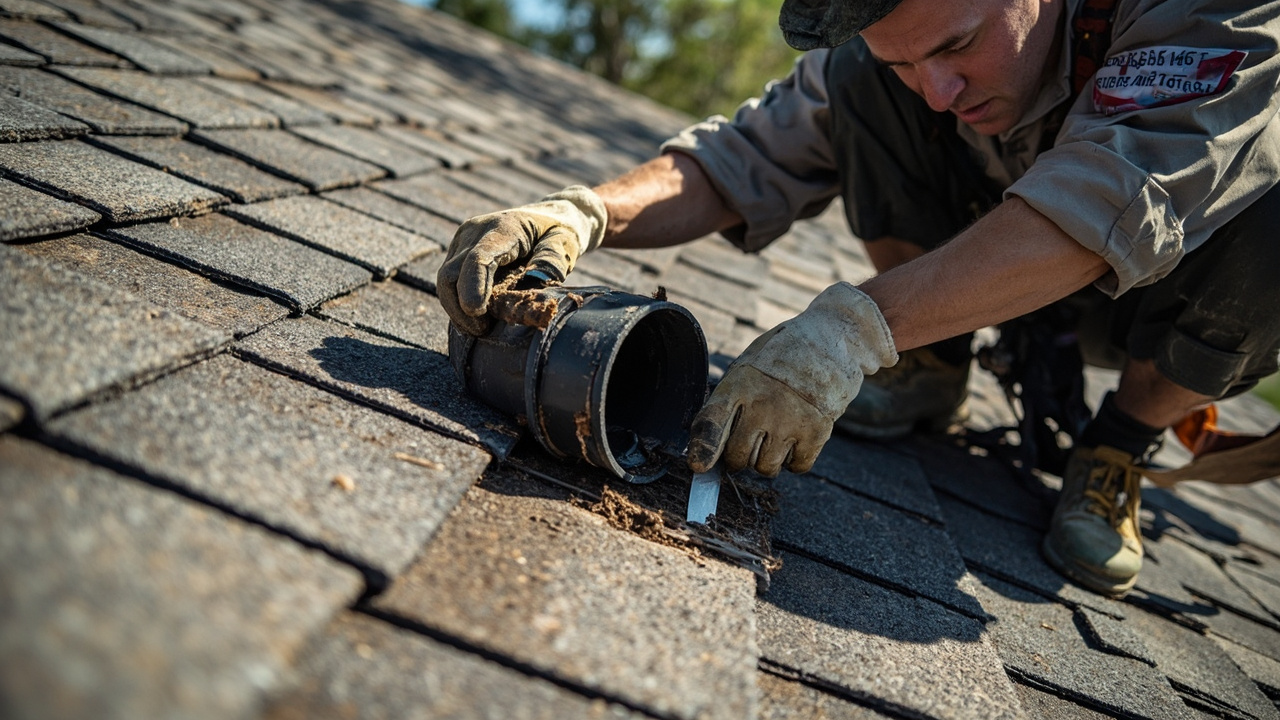
First, we remove the shingles surrounding the failed boot. This is non-negotiable. You cannot properly evaluate or repair pipe flashing while shingles cover the base metal. We expose the entire flashing assembly to assess whether the metal component has separated from the roof deck, rusted through, or lost its seal at the shingle interfaces.

Next, we inspect the pipe itself. A loose or damaged plumbing vent pipe will compromise any boot you install. We verify the pipe is secure to the roof framing and check for separations at the attic level. If the pipe rocks or shifts, we stabilize it before proceeding.

We use EPDM rubber boots rated for high-temperature applications. These outperform standard neoprene in San Antonio's climate. The base flashing gets integrated into the shingle layering system using the same overlap principles that keep the rest of your roof watertight. We don't rely on sealant as a primary barrier. Sealant is a backup, not the solution.

For metal pipe collars showing rust or separation, we fabricate custom flashing from galvanized or copper material depending on your roof type. The new collar extends minimum four inches under the upper shingles and over the lower course. We pitch it away from the pipe to shed water.

After installation, we perform a water test using a hose to simulate sustained rainfall. We verify no water penetrates at the boot, the shingle interfaces, or the attic side of the penetration. Summit Roofing San Antonio doesn't leave your property until we confirm the repair works under real-world conditions.

What Happens During Your Pipe Boot Repair

Leaking Pipe Boot in San Antonio – Expert Diagnosis and Permanent Repair
01

Attic and Roof Inspection

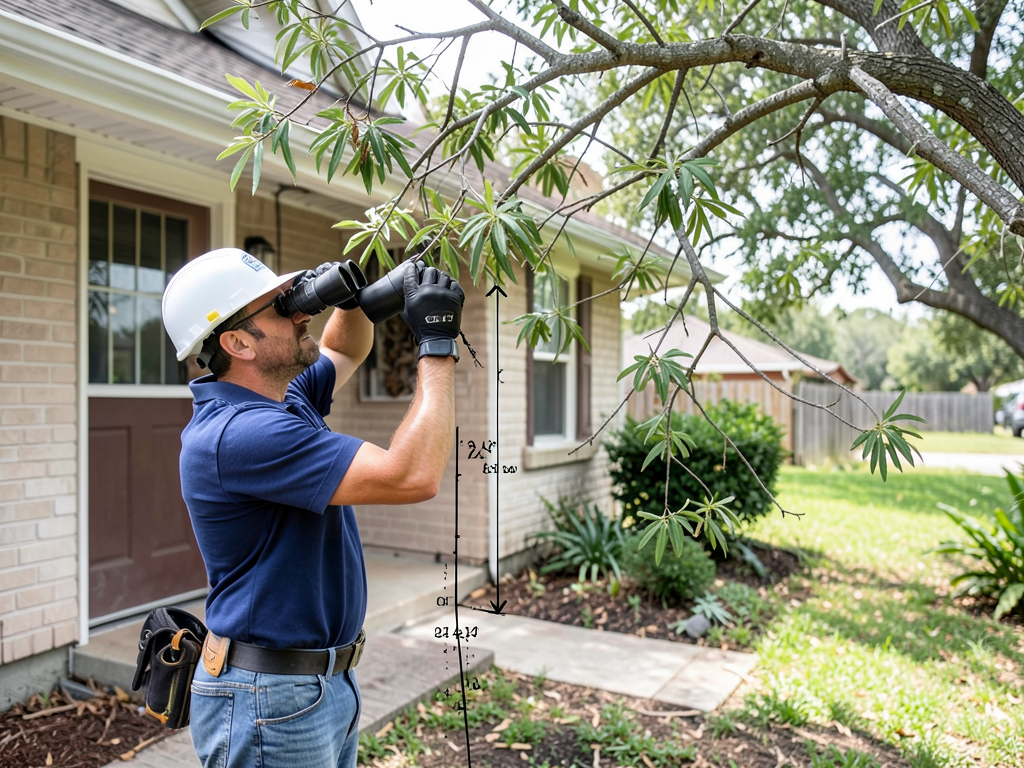
We start in your attic to trace the water path and confirm which vent pipe is leaking. We check for secondary damage to insulation, framing, and electrical. Then we climb up and photograph the boot condition, surrounding shingles, and flashing assembly. You see exactly what failed and why before we touch anything.
02

Flashing and Boot Replacement

We carefully remove shingles in a six-inch radius around the pipe. The old boot and compromised flashing come out as a unit. We assess the roof deck for soft spots or rot. If decking is damaged, we replace that section. Then we install new base flashing, interweave it with your shingle courses, and mount a high-temp EPDM boot.
03

Water Test and Verification

Before we pack up, we run water over the repair for ten minutes while someone watches from your attic. This confirms the fix works under saturation conditions. We document the repair with photos, clean up all debris, and provide you with a written record of what we replaced and why it failed.

Why Local Expertise Matters for Vent Boot Repairs

San Antonio roofing contractors see the same boot failures repeatedly because our climate is unforgiving to rubber components. We know which products hold up and which fail within two years. That knowledge comes from repairing thousands of plumbing vent flashing failures across Alamo Heights, Stone Oak, and the Medical Center area.

We understand the building practices in older San Antonio neighborhoods. Homes built before 1990 often have vent pipes installed with minimal flashing and no proper overlap into the shingle system. These installations relied heavily on tar or mastic, which degrades quickly in heat. When we repair these older penetrations, we bring them up to modern flashing standards while maintaining the aesthetic of your original roof.

Summit Roofing San Antonio stocks boots and flashing materials sized for both standard residential vent pipes and the larger commercial DWV pipes common in mixed-use properties along Broadway and near downtown. We carry inventory, which means same-day or next-day repairs instead of waiting for special orders.

We're also familiar with San Antonio's building inspection requirements for roof repairs. If your home is in a historic district like King William or Monte Vista, modifications require careful documentation and sometimes approval. We handle that process and ensure repairs meet preservation standards.

The biggest differentiator is our diagnostic accuracy. We've seen homeowners spend thousands on new roofs because someone misdiagnosed a simple roof pipe collar leak as wholesale failure. We separate cosmetic issues from structural problems. If you need a boot replaced, we tell you that. If you need more, we show you why with photos and clear explanations.

You're not getting an out-of-state crew learning on your roof. You're getting technicians who've worked through every San Antonio roof style, from flat tile to composition shingle to standing seam metal.

What to Expect When You Call Us

Response Time and Availability

We schedule inspections within 24 to 48 hours of your call. If you have active leaking during a storm, we provide emergency tarping to stop immediate damage while we arrange a proper repair. Most pipe boot replacements are completed in a single visit lasting two to four hours depending on access and roof pitch. We don't drag out simple repairs. You get a firm appointment window and a call when we're 30 minutes out.

Inspection and Diagnosis Process

Our inspection includes attic access, roof surface examination, and photo documentation. We identify whether you have a cracked vent boot, failed sealant, damaged base flashing, or pipe movement. You receive a written diagnosis explaining what failed, why it failed, and what we recommend. We provide repair cost before starting work. If additional damage like rot or compromised decking is discovered during tear-off, we stop and get approval before proceeding.

Quality of the Final Repair

We use professional-grade EPDM boots rated for extreme temperatures and UV exposure. The flashing integrates with your existing shingle system using proper overlap and fastening patterns. All penetrations are sealed with polyurethane or silicone rated for roofing applications. The repair is invisible from the ground and waterproof under sustained rainfall. We match shingle color and style so the repair blends with the surrounding roof.

Warranty and Future Maintenance

Our workmanship is backed, and we provide documentation of materials used. We recommend inspecting all roof penetrations every three to five years, especially if your roof is over ten years old. We offer annual maintenance plans that include boot inspection, sealant evaluation, and early identification of potential failures. Catching a deteriorating boot before it leaks saves you from ceiling repairs and insulation replacement.

Frequently Asked Questions

You Have Questions,
We Have Answers

How much does it cost to replace a pipe boot? +

Pipe boot replacement in San Antonio typically ranges based on roof accessibility, boot material, and labor. Rubber boots cost less than lead or neoprene options. A single boot replacement involves removing old caulk, detaching the damaged boot, installing new flashing, and sealing properly. Costs increase if your roof pitch is steep or if decking around the pipe shows rot from long-term leaks. San Antonio's intense UV exposure and thermal expansion cycles accelerate boot degradation, so quality materials matter. Always get a roof inspection to check for hidden water damage beneath the boot before committing to repair costs.

How to fix a leaking boot? +

First, identify where the boot failed. Most leaks come from cracked rubber or separated caulk around the pipe collar. Remove old sealant completely using a scraper. If the rubber boot is cracked or brittle, replace it entirely rather than patching. Clean the pipe and surrounding shingles thoroughly. Apply roofing caulk or lap sealant around the base where the boot meets the shingles and where the collar grips the pipe. In San Antonio's heat, use high-temperature caulk rated for thermal cycling. Press firmly and smooth edges to prevent water pooling.

How to seal a vent boot? +

Sealing a vent boot requires proper surface prep and quality sealant. Clean the area around the pipe and boot base, removing dirt, old caulk, and algae. Use a roofing lap sealant or polyurethane caulk rated for UV exposure and temperature swings. Apply a thick bead where the boot flange meets the shingles and around the pipe collar. Smooth with a gloved finger to eliminate air pockets. San Antonio's summer heat can exceed 100 degrees on roof surfaces, so choose sealants designed for high-temperature flexibility to prevent cracking during thermal expansion.

What is the purpose of a pipe boot? +

A pipe boot seals the gap where plumbing vents, exhaust pipes, or HVAC vents penetrate your roof. Without it, water flows directly into your attic along the pipe. The boot consists of a rubber or metal collar that grips the pipe and a flange base that sits under shingles to redirect water. It prevents rot, mold, and interior ceiling damage. In San Antonio, where afternoon thunderstorms deliver intense rain and UV degradation happens quickly, pipe boots act as your first defense against water intrusion at roof penetrations. They are critical to roof waterproofing.

Will homeowners insurance cover a leaky roof? +

Most homeowners insurance policies cover sudden, accidental roof leaks, including pipe boot failures from storm damage or unexpected deterioration. However, insurance will not cover leaks from neglected maintenance or wear-and-tear from aging materials. If San Antonio hail or windstorms damaged your boot and water entered your home, file a claim promptly. Document the damage with photos and get a professional inspection report. Insurers often deny claims when they determine the leak existed before the covered event. Regular roof maintenance helps establish that you took reasonable care of your property.

How long do pipe boots last? +

Standard rubber pipe boots last 10 to 20 years depending on material quality and sun exposure. In San Antonio, intense UV rays and thermal cycling between hot days and cooler nights accelerate rubber degradation. You may see cracking or brittleness sooner, especially on south-facing roof slopes. Lead boots last 50-plus years but cost more. Neoprene boots offer better heat resistance than basic EPDM rubber. Check your boots during roof inspections every few years. If the rubber feels hard or shows surface cracks, replace it before leaks start. Preventive replacement saves you from interior water damage.

Can a boot be repaired? +

Minor boot damage can be temporarily repaired with high-quality roofing sealant if the rubber remains flexible and the flange sits flat. Clean the area and apply thick beads of lap sealant around cracks or gaps. However, this is a short-term fix. Once rubber becomes brittle or cracked from San Antonio's UV exposure, it will continue deteriorating. Full boot replacement is the permanent solution. Repairs make sense only as emergency stopgaps during storms or if you plan to replace your entire roof soon. Investing in a new boot now prevents ceiling stains and attic mold later.

What is boot leaking? +

Boot leaking refers to water entering your home through failed pipe boot seals on your roof. The rubber collar around the pipe cracks, shrinks, or separates from thermal stress, letting rainwater run down the pipe into your attic. You will notice ceiling stains near bathrooms or kitchens where plumbing vents exit the roof. In San Antonio, boot leaking accelerates during summer when extreme heat makes rubber brittle, then fall rains exploit those cracks. Left unchecked, boot leaks rot roof decking, damage insulation, and create mold growth in your attic space.

How to waterproof leaking boots? +

Waterproofing leaking roof boots starts with identifying the failure point. Remove old, cracked caulk and clean surfaces with a wire brush. Apply a premium roofing lap sealant or polyurethane caulk designed for high-temperature flexibility around the boot base and pipe collar. For badly degraded boots, replacement is smarter than repeated patching. Use sealants rated for San Antonio's temperature extremes and UV exposure. Smooth the sealant to eliminate water traps. Consider adding a storm collar, a metal band that wraps the pipe above the boot, creating an extra water barrier during heavy rain events.

How to seal a duct boot? +

Sealing a duct boot follows similar steps to sealing vent boots. Clean the area where the metal duct boot flange meets the roof sheathing or shingles. Apply a bead of roofing mastic or butyl rubber sealant around the entire perimeter where the boot sits. If the boot is metal, check for rust or separation at seams. Use high-temperature HVAC duct sealant at pipe joints. In San Antonio, thermal expansion from attic heat can loosen duct boot seals over time. Ensure flashing overlaps correctly and sealant fills all gaps to prevent water and conditioned air leaks.

How San Antonio's Climate Accelerates Pipe Boot Deterioration

San Antonio averages 220 days of sunshine annually, and summer roof surface temperatures regularly exceed 150 degrees. That prolonged UV exposure and heat cycling breaks down rubber vent boots faster than in cooler climates. A boot that might last 15 years in the Midwest fails in six to eight years here. Add sudden temperature drops during winter cold fronts, and you get thermal contraction that cracks already-stressed rubber. The result is a predictable failure pattern we see across every San Antonio neighborhood from Leon Valley to Schertz.

Local building codes evolved significantly after the 1998 and 2002 hail events that damaged thousands of roofs across Bexar County. Modern flashing requirements emphasize redundant water barriers and proper integration with underlayment systems. Summit Roofing San Antonio stays current with these code updates and applies best practices even to small repairs. When we replace a damaged pipe flashing or leaking roof boot, you get a repair built to current standards, not outdated methods that caused the original failure.
Roofing Services in The San Antonio Area

Explore our service coverage in and around San Antonio using the map below. Summit proudly serves residential and commercial clients throughout the region. Whether you're in the heart of the city or in the nearby suburbs, we’re just a call away. We make it easy to reach us for inspections, quotes, or emergency assistance. Your trusted roofing team is always nearby.

Address:
Summit Roofing San Antonio, 1100 NW Loop 410, Suite 700, San Antonio, TX, 78213

Additional Services We Offer

Our news updates

Latest Articles & News from The Blogs

Managing Leaf Buildup in the Hard to Reach Roof Valleys of Shady Oaks Roof valleys channel rainwater off your home…

Managing Leaf Buildup in the Hard to Reach Roof Valleys of Shady Oaks

Managing Leaf Buildup in the Hard to Reach Roof Valleys of Shady Oaks Roof valleys channel rainwater off your home…

Understanding how Texas wildfire risks should influence your choice of roofing materials

Understanding how Texas wildfire risks should influence your choice of roofing materials Living in San Antonio means dealing with intense…

Choosing the Right Roof Underlayment to Battle South Texas Humidity

Choosing the Right Roof Underlayment to Battle South Texas Humidity Your roof faces a daily assault in San Antonio. The…

Contact Us

Water stains get worse fast. Call Summit Roofing San Antonio at (726) 256-6199 for same-week inspection and repair. We'll identify the exact cause of your pipe boot leak and fix it permanently.