




Menu

Emergency Tarping Service in San Antonio – On-Site in 60 Minutes or Less

Summit Roofing San Antonio dispatches crews 24/7 for urgent roof tarp services, stopping water damage before it spreads to ceilings, insulation, and walls.

Slider Image 1
Slider Image 2
Slider Image 3
Slider Image 4
Slider Image 5
Slider Image 7
Slider Image 8
Slider Image 9
Slider Image 10
Slider Image 11

When Your Roof Gets Compromised, Every Minute Counts

A missing shingle cluster or punctured decking turns into a nightmare when San Antonio storms roll through. You see water spreading across your ceiling, pooling on hardwood, or dripping into electrical panels. Panic sets in because you know what happens next: mold growth in Texas humidity starts within 24 to 48 hours, drywall crumbles, and insurance adjusters document everything.

San Antonio's weather is unpredictable. Hailstorms blow through the Hill Country in March and May, delivering golf ball-sized ice that tears through composition shingles. Summer thunderstorms dump inches of rain in minutes, overwhelming valleys and flat roofs that cannot shed water fast enough. Wind gusts from severe weather events lift roof edges, exposing underlayment to direct moisture penetration.

Emergency roof tarping is the only way to stop active leaks until permanent repairs can begin. A professional tarp installation creates a waterproof barrier over compromised sections, preventing secondary damage to insulation, ceiling joists, and interior finishes. Storm damage roof tarping is not about cosmetics. It is about containment. Water travels along roof decking, through wall cavities, and into spaces you cannot see. Every hour without protection increases repair costs exponentially.

You need someone who answers the phone at 2 a.m., arrives with industrial tarps and anchor systems, and knows how to secure temporary roof tarping on steep pitches, tile roofs, and flat commercial structures common in the greater San Antonio metro.

When Your Roof Gets Compromised, Every Minute Counts
How We Secure Your Roof When Time Is Against You

How We Secure Your Roof When Time Is Against You

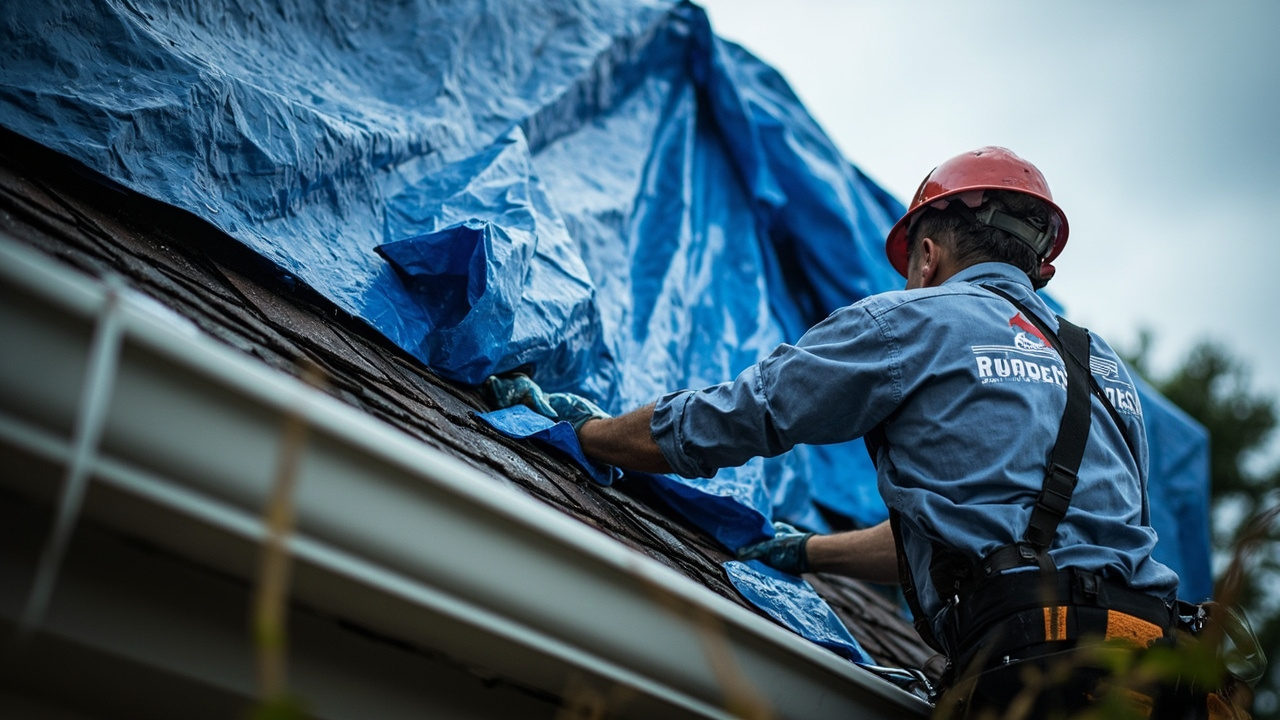
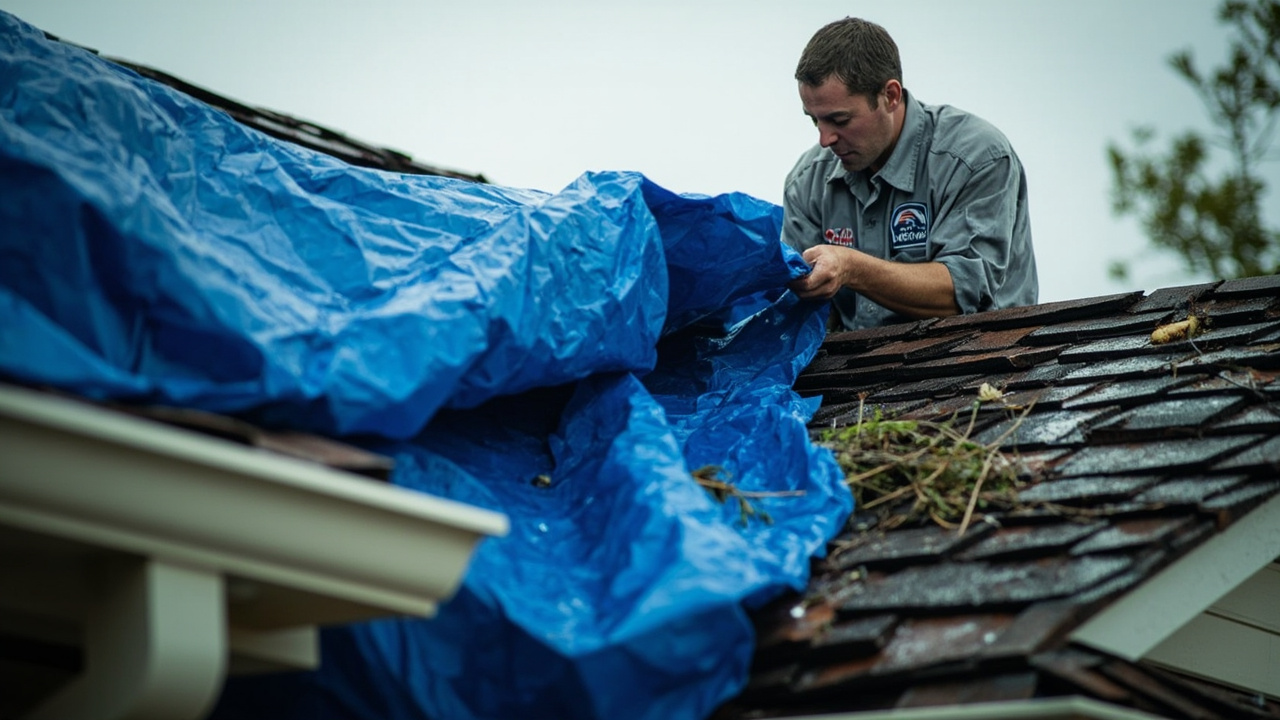
Summit Roofing San Antonio does not show up with a blue tarp from the hardware store. Our emergency tarp installation process uses reinforced polyethylene or woven poly tarps rated for wind speeds exceeding 70 mph. We anchor tarps with screwed battens, not nails that pull out under tension. Battens are wood strips fastened directly into roof decking, creating clamp pressure that holds the tarp edge without tearing grommets.

We inspect the damage zone first, identifying compromised flashing, lifted ridge caps, or broken truss members that affect tarp placement. If the roof deck is soft or saturated, we document it for your insurance claim and adjust our anchor points to solid framing. Tarp overlap extends at least two feet beyond the damaged area in all directions, ensuring water cannot wick underneath or pool at seams.

On steep pitches common in Alamo Heights and Terrell Hills, we use rope anchors and safety harnesses to prevent the tarp from slipping. For flat roofs in commercial zones near downtown or medical districts, we weight tarp edges with sandbags and seal perimeters with mastic to prevent wind uplift. Every urgent roof tarp service includes photos of the damage, tarp placement, and anchor points so your adjuster sees exactly what was protected.

We do not leave until water is stopped. If rain is still falling, we test the tarp's performance by checking interior ceilings for new drips. If we find active seepage, we adjust overlap or add secondary layers until the building is dry.

What Happens When You Call for Emergency Roof Tarping

Emergency Tarping Service in San Antonio – On-Site in 60 Minutes or Less
01

Immediate Dispatch

You call (726) 256-6199 and speak to a live person, not a voicemail system. We gather your address, damage description, and safety concerns. A two-person crew is dispatched within 15 minutes with tarps, anchor materials, and ladder equipment. You receive an estimated arrival time and a callback when the crew is five minutes out. No waiting until morning.
02

Damage Assessment and Tarp Installation

The crew inspects your roof from ground level and rooftop to identify all compromised sections. We measure the damage area, select the correct tarp size, and anchor it using battens screwed into solid decking. We document the process with time-stamped photos for insurance purposes. If multiple leaks exist, we prioritize areas with active water intrusion first. Installation takes 45 to 90 minutes depending on roof complexity and weather conditions.
03

Follow-Up and Repair Coordination

Before leaving, we confirm the interior leak has stopped and provide you with a written summary of damage findings. We schedule a daylight inspection to assess permanent repair needs and generate a detailed estimate. If your insurance requires immediate documentation, we email photos and notes within one hour. The tarp stays in place until permanent repairs are completed, and we check it after subsequent storms to ensure it remains secure.

Why San Antonio Property Owners Trust Us in a Crisis

You do not know us yet, but your neighbors do. Summit Roofing San Antonio has secured roofs in Olmos Park, Stone Oak, and the Monte Vista Historic District when storms hit hardest. We understand that San Antonio building codes require specific fastening schedules for wind uplift zones, and we follow those standards even during temporary tarp installations. Insurance adjusters recognize our documentation quality because we photograph every anchor point, measure every overlap, and note every pre-existing condition.

When you call a national franchise or an out-of-town crew, you get someone reading a script. When you call us, you get a roofer who knows the difference between a mission tile roof in King William and a composition shingle roof in Schertz. We know that San Antonio's clay soil causes foundation movement that stresses roof framing, creating weak points where wind damage concentrates. We know that the August heat makes asphalt shingles brittle, and that sudden hailstorms in spring can shatter clay tiles on impact.

We stock tarps in our local warehouse, not in a truck three hours away. We carry 10x20, 20x30, and 40x60 tarps to handle everything from a small penetration to a full ridge cap failure. Our crews train on steep-pitch safety protocols and work in the dark using headlamps and portable lighting. We do not outsource emergency calls to subcontractors. Every person who arrives at your property is a Summit Roofing San Antonio employee, background-checked and trained in fall protection.

You need someone who treats your emergency like their own. We do not upsell during a crisis. We tarp first, talk repairs later.

What You Can Expect When We Arrive

Response Time and Availability

We operate 24 hours a day, 365 days a year. Storm season does not sleep, and neither do we. When you call (726) 256-6199 at midnight on a Sunday, a crew is dispatched immediately. Average arrival time is 60 minutes or less within the San Antonio metro, including surrounding areas like Boerne, New Braunfels, and Seguin. During widespread storm events, we prioritize calls based on severity, focusing first on active leaks threatening electrical systems, medical equipment, or structural safety. You will receive a callback if arrival time extends beyond 90 minutes.

On-Site Damage Assessment

Before we place a single tarp, we walk your property to identify all damage points. We check ridge vents, pipe boots, valley flashing, and eave edges for wind uplift or hail impact. We inspect attic spaces if accessible, looking for water stains, saturated insulation, or compromised roof decking. This assessment informs tarp placement and helps you understand the full scope of damage before speaking with your insurance carrier. We document everything with photos and written notes, creating a record you can submit with your claim.

Quality of the Temporary Protection

We use heavy-duty reinforced tarps designed for multi-week installations, not lightweight covers that rip in the first windstorm. Tarps are anchored with screwed battens every 12 to 18 inches along all edges, creating a mechanical bond that resists 70 mph wind gusts. Overlaps extend at least two feet beyond the damage perimeter, and we seal edges with roofing mastic on flat or low-slope roofs. On tile roofs, we avoid nailing through existing tiles and use weight-distributed anchor systems to prevent cracking. The result is a watertight seal that lasts until permanent repairs begin.

Post-Installation Support and Monitoring

After installation, we provide you with a written summary of our findings, including recommended next steps for permanent repair. We schedule a follow-up inspection within 48 hours to assess any additional damage visible in daylight. If another storm approaches before permanent repairs are completed, we return to inspect the tarp and reinforce it if needed at no additional charge. We coordinate directly with your insurance adjuster, providing documentation and answering technical questions about the damage. Our goal is to keep your property protected while making the repair process as smooth as possible.

Frequently Asked Questions

You Have Questions,
We Have Answers

How much does it cost to emergency tarp a roof? +

Emergency roof tarping in San Antonio typically costs between $200 and $1,500, depending on roof size, damage extent, and accessibility. A standard single-story home runs lower, while two-story homes or steep pitches cost more due to safety requirements. Storm damage often spikes demand, which can affect pricing. Most reputable contractors provide free damage assessments before quoting. Your homeowner's insurance usually covers emergency tarping as immediate damage mitigation. Get multiple estimates, but prioritize speed over savings. Water damage compounds fast in San Antonio's humid climate. A quick professional tarp prevents thousands in secondary damage to ceilings, insulation, and belongings.

How much does insurance pay for tarping? +

Most homeowner's insurance policies cover emergency tarping as part of your wind and hail deductible, typically 1-2% of your home's insured value. Insurance treats tarping as immediate loss mitigation, which you're contractually required to perform after storm damage. Save all receipts and document everything with photos. Your adjuster reviews tarping costs during the claim inspection. If your roof damage gets approved, tarping costs fold into the total claim payout. Some policies reimburse directly, others require you to pay upfront and get reimbursed. Call your agent immediately after damage occurs. Delaying tarping can void coverage if secondary water damage results from neglect.

How much is an emergency roof repair? +

Emergency roof repairs in San Antonio range from $300 for minor shingle replacement to $3,000 for structural fixes after storm damage. Costs depend on damage type, materials needed, and roof accessibility. Missing shingles or small leaks cost less than damaged decking or compromised trusses. Emergency rates apply for after-hours or weekend service, adding 25-50% to standard pricing. Most contractors perform temporary repairs first, then provide full restoration estimates. Insurance often covers emergency repairs under your deductible if storm-related. Get written estimates and photo documentation before work begins. Quick action prevents exponential damage. San Antonio's summer heat and humidity accelerate interior deterioration once your roof barrier fails.

How to get a new roof if you can't afford it? +

If you cannot afford a new roof, explore these options immediately. File an insurance claim if storm damage caused the need. Many San Antonio roofing contractors offer financing plans with approved credit. Some manufacturers provide rebate programs for energy-efficient materials. FHA 203k loans let you roll roof costs into your mortgage refinance. Local nonprofits like Rebuilding Together San Antonio assist low-income homeowners with critical repairs. Veterans may qualify for VA grants. Property tax loans can free up cash for emergency work. As a last resort, temporary repairs extend your roof's life while you save. Do not ignore failing roofs. Water intrusion causes structural damage and mold that costs far more than proactive replacement.

How much is a tarping fee? +

Tarping fees in San Antonio vary based on roof size, pitch, and damage accessibility. Expect $200-$600 for basic residential tarping on single-story homes. Two-story structures or steep pitches run $500-$1,200 due to safety equipment and labor requirements. Emergency after-hours service adds premium charges. Large commercial buildings cost significantly more. Reputable contractors include tarp materials, labor, and fastening in the quoted price. Some companies charge trip fees if you're outside their service radius. Always verify what's included before authorizing work. Insurance typically covers tarping costs when storm damage occurs. Get a written estimate. Avoid cash-only operators who disappear after taking payment. Proper tarping requires professional-grade materials and secure fastening to withstand San Antonio wind conditions.

Does insurance cover a roof tarp? +

Yes, homeowner's insurance covers roof tarping when storm damage occurs. Tarping qualifies as immediate loss mitigation, which your policy requires you to perform to prevent additional damage. Coverage falls under your wind and hail deductible. You must document the damage with photos and notify your insurer immediately. Save all receipts for tarping services. Your adjuster reviews these costs during the claim inspection. If the roof damage claim gets approved, tarping expenses are reimbursed as part of the total settlement. Delaying tarping can jeopardize your claim if the insurance company determines that secondary water damage resulted from negligence. Act fast. Call a licensed contractor and your insurance agent the same day damage occurs.

Will FEMA put a tarp on my roof? +

FEMA does not provide roof tarping services directly. After presidentially declared disasters affecting San Antonio, FEMA may contract with the U.S. Army Corps of Engineers to perform free temporary roof repairs through Operation Blue Roof. This program covers only homes in designated disaster zones with structural damage that threatens habitability. Eligibility is limited and first-come, first-served. Most homeowners cannot wait for government assistance during active roof leaks. You need immediate professional tarping to prevent catastrophic water damage. Hire a licensed contractor now and submit receipts to insurance. If FEMA assistance becomes available later, you can apply for reimbursement through their Individual Assistance program. Do not delay protection waiting for government help.

How old may a roof be before insurance claims it's too old? +

San Antonio insurance companies typically consider roofs over 15-20 years old as high-risk for full replacement coverage. Many carriers limit coverage on roofs older than 10 years, offering only actual cash value instead of replacement cost. Some insurers require roof inspections for homes with roofs over 10 years old before issuing or renewing policies. Three-tab asphalt shingles have shorter coverage windows than architectural shingles or tile. After major storms, adjusters scrutinize roof age closely. Pre-existing wear reduces claim payouts. If your roof approaches 15 years old, document its condition with professional inspections. Consider proactive replacement before the next hail season. Newer roofs get better coverage and lower premiums.

How much does it cost to have a roof re-felted? +

Roof re-felting in San Antonio costs $1,500-$4,500 for typical residential projects, depending on roof size and complexity. Re-felting involves removing old shingles, installing new underlayment felt paper, and replacing the shingle layer. Costs include tear-off disposal, materials, labor, and permits. Steeper pitches and multiple roof levels increase pricing. Tile roofs require different underlayment and cost more. Most San Antonio contractors recommend synthetic underlayment over traditional felt for better moisture resistance in our humid climate. Re-felting addresses water penetration issues when shingles fail but decking remains sound. Get three written estimates. Insurance may cover re-felting if storm damage compromised your underlayment. Verify contractor licensing and workmanship warranties before signing contracts.

Will FEMA help pay for roof damage? +

FEMA provides limited roof damage assistance only after presidentially declared disasters. If San Antonio qualifies for a disaster declaration, you can apply for FEMA Individual Assistance grants covering temporary repairs and essential home functionality. Grants typically cap at $30,000-$40,000 for all disaster-related home damage, not just roofs. FEMA does not cover cosmetic damage or full replacements unless structurally necessary. You must prove uninsured losses and financial need. Most homeowners get partial reimbursement, not full coverage. Apply immediately after a declared disaster through DisasterAssistance.gov. Meanwhile, file your insurance claim and make emergency repairs. Do not wait for FEMA approval while your roof leaks. Their process takes weeks. Protect your home now and seek reimbursement later.

Why San Antonio's Storm Patterns Make Emergency Roof Tarping Essential

San Antonio sits at the intersection of Gulf moisture and Hill Country elevation changes, creating volatile weather patterns that produce sudden hailstorms, intense downpours, and severe wind events. Spring storms in March through May often spawn hail along the I-10 corridor, damaging roofs from Leon Valley to Converse. Summer thunderstorms dump three inches of rain in 30 minutes, overwhelming roof valleys and exposing poor flashing work. The city's sprawling growth means older roofs in Alamo Heights coexist with new construction in Stone Oak, each with different vulnerabilities. Emergency tarp installation is not optional when these systems hit. It is the only way to protect your investment until adjuster inspections and repair crews catch up.

San Antonio building codes require wind uplift ratings for new construction, but thousands of older roofs lack proper fastening. Summit Roofing San Antonio understands local code requirements and works with adjusters familiar with Bexar County standards. We have secured roofs in historic districts where preservation rules limit fastener visibility, and we have protected commercial buildings downtown where flat roofs require specialized tarp weighting. Choosing a local provider means working with someone who knows the difference between a ridge vent failure on a ranch-style home in Terrell Hills and a parapet wall leak on a commercial building near the Medical Center. That knowledge matters when water is pouring into your building at 3 a.m.
Roofing Services in The San Antonio Area

Explore our service coverage in and around San Antonio using the map below. Summit proudly serves residential and commercial clients throughout the region. Whether you're in the heart of the city or in the nearby suburbs, we’re just a call away. We make it easy to reach us for inspections, quotes, or emergency assistance. Your trusted roofing team is always nearby.

Address:
Summit Roofing San Antonio, 1100 NW Loop 410, Suite 700, San Antonio, TX, 78213

Additional Services We Offer

Our news updates

Latest Articles & News from The Blogs

What to do when a neighbor's tree limbs are hanging over your roof in the Great Northwest Living in the…

What to do when a neighbor's tree limbs are hanging over your roof in the Great Northwest

What to do when a neighbor's tree limbs are hanging over your roof in the Great Northwest Living in the…

Adding instant curb appeal to your Terrell Hills home with copper gutters

Adding instant curb appeal to your Terrell Hills home with copper gutters Your Terrell Hills home deserves more than ordinary…

Why brand new homes in Redbird Ranch still need a yearly roof check

Why brand new homes in Redbird Ranch still need a yearly roof check Your brand new roof in Redbird Ranch…

Contact Us

Do not wait for the next rainstorm to make the damage worse. Call Summit Roofing San Antonio at (726) 256-6199 for immediate emergency roof tarping. Our crews are standing by 24/7 to protect your property.