





Converse sits in a weather crossroads where Central Texas heat meets Gulf moisture and cold fronts push down from the Panhandle. This creates brutal conditions for roofing systems. Summer temperatures regularly hit 100 degrees, baking asphalt shingles and making attic spaces hot enough to warp decking. Then spring brings hailstorms that pummel roofs along the I-10 corridor, followed by straight-line winds that test every fastener.
The clay soil throughout Guadalupe County shifts during wet and dry cycles, causing homes to settle and putting stress on roof structures. You see this in older neighborhoods near Judson Road and around the Converse Lake area, where foundation movement creates roof valleys that hold water and leak during heavy rains. The rapid temperature swings between day and night cause expansion and contraction cycles that fatigue roofing materials faster than in more stable climates.
Local building codes require specific wind ratings because of documented storm patterns, but many older roofs were installed before current standards. Properties near Loop 1604 and along Toepperwein Road often have original roofs that need replacement or reinforcement to meet modern requirements. Understanding these local conditions is critical for roof installation that actually protects your home instead of failing during the first major weather event.
Summit Roofing San Antonio has built a reputation across the greater San Antonio metro by doing roofing work that holds up when tested by real Texas weather. We work in Converse neighborhoods every week, from the established homes around Converse Middle School to newer construction near Northcliffe and the properties along FM 1516. This gives us direct knowledge of how different roof systems perform in your specific climate conditions.
Our approach starts with honest assessment. When you call after storm damage or for a roof inspection, we tell you what actually needs repair versus what can wait. Too many roofing contractors push total replacement when targeted repairs would solve the problem. We walk your roof, document issues with photos, and explain what we find in plain language. If insurance is involved, we know how to document damage so adjusters see what needs coverage.
We install roofing systems using manufacturer protocols that maintain warranty coverage. This matters because shortcuts during installation void warranties and create failure points. Our crews secure shingles with the correct number of fasteners in the right locations, seal valleys properly, and install underlayment that creates a secondary water barrier. These details determine whether your roof lasts 15 years or needs replacement in 8.
Material selection makes a difference in Converse. We use impact-resistant shingles rated for hail, ventilation systems that manage attic heat, and flashing details that prevent wind-driven rain intrusion. Each roof gets custom solutions based on pitch, orientation, and exposure rather than cookie-cutter installations. This level of attention creates roofing systems that protect your home and your investment.

When hail or wind damages your roof, you need temporary protection fast to prevent interior water damage. Our crews respond quickly to tarp damaged sections, document loss for insurance claims, and schedule permanent repairs. We coordinate with adjusters and handle the paperwork so you can focus on getting your home secure. Emergency calls get same-day or next-day response across Converse.

Our installation crews hold certifications from major roofing manufacturers, meaning we install according to specifications that maintain full warranty coverage. This protects you if materials fail and ensures your roof system performs as designed. Many contractors skip certification training and install based on habit rather than current best practices. That approach voids warranties and creates problems down the road.
Every roof project gets documented with photos, material receipts, and installation records. You receive a complete project file showing what work was done, what materials were used, and what warranties apply. This documentation proves valuable for insurance claims, home sales, and future maintenance decisions. We create a paper trail that protects your investment and eliminates questions about what happened on your roof.
We work throughout Converse regularly and understand local conditions that affect roofing performance. We know which neighborhoods have clay soil settlement issues, where wind patterns create extra stress, and how different roof orientations handle sun exposure. This local experience informs material selection and installation techniques, creating roofing systems designed for your specific location rather than generic solutions that may work elsewhere but fail here.
Summit Roofing San Antonio handles all aspects of residential roofing, from emergency storm repairs to planned roof replacement and preventive maintenance. Converse homes need different roofing solutions depending on age, construction type, and exposure to weather. Older homes around Judson Road often need complete tear-offs and re-decking because original construction used materials that have reached end of life. Newer properties near Northcliffe might only need repairs after hail damage or targeted upgrades to improve ventilation and energy efficiency.
Our service structure covers three main categories that address different homeowner needs. Emergency work happens when storms cause immediate damage requiring fast response to prevent further loss. Replacement projects involve planned removal of old roofing systems and installation of new roof coverings designed for long-term performance. Maintenance and repair services extend roof life through targeted fixes and preventive care. Each category requires different expertise, materials, and scheduling approaches. Understanding which service your roof needs starts with proper inspection and honest assessment of current conditions versus what the structure requires for protection.
Hail, wind, and storm damage require immediate attention to prevent water intrusion and additional loss. We respond quickly to secure your property with tarps or temporary repairs, then document damage with detailed photos and measurements for insurance claims. Our team coordinates with adjusters, provides estimates that match insurance scope requirements, and completes permanent repairs using materials that meet or exceed what was damaged. This includes replacing torn shingles, repairing wind-damaged flashing, fixing punctures from falling branches, and addressing any structural damage to decking or trusses.
When roof systems reach end of life or damage is too extensive for repair, complete replacement delivers a new roofing system designed for decades of service. We remove old materials down to decking, inspect and repair structural components, install proper underlayment and ice barriers, then apply new roof covering using manufacturer-specified techniques. This includes upgraded ventilation systems that reduce attic heat, impact-resistant shingles rated for hail, and flashing details that prevent leaks at vulnerable transitions. Each installation follows protocols that maintain warranty coverage and building code compliance for Guadalupe County requirements.
Regular inspection and maintenance catches small problems before they become expensive failures. Our maintenance services include debris removal from valleys and gutters, replacement of damaged or missing shingles, resealing of flashing and boot penetrations, and cleaning of algae or moss growth that holds moisture. We inspect attic spaces for proper ventilation and signs of moisture intrusion, checking insulation and decking from below. Annual or biannual inspections create documentation of roof condition over time, helping you budget for eventual replacement and maintaining manufacturer warranty requirements that specify periodic professional inspection.
Converse properties face recurring roofing issues driven by local weather patterns and construction characteristics common to the area. The combination of intense heat, sudden storms, and soil movement creates stress on roofing systems that shows up as specific failure patterns. Understanding these problems helps homeowners recognize warning signs before minor issues become major damage.
Homes throughout the Converse area from Toepperwein Road to properties near Converse Lake show similar wear patterns based on age and exposure. South-facing roof sections take the worst sun damage, while north sections may develop algae growth from shade and moisture. Wind damage concentrates at roof edges and ridge caps where uplift forces are strongest. Recognizing these patterns early allows targeted repairs that prevent total roof failure. Most roofing problems give warning signs months before catastrophic failure, but those signs get missed without regular inspection.
Hailstorms along the I-10 corridor create impact damage that may not leak immediately but compromises shingle integrity. Bruising appears as dark spots where hail compressed the mat and knocked off granules. These damaged areas age faster and fail years before surrounding materials. Insurance coverage requires documentation within specific timeframes after storm events, making prompt inspection critical after any hail event in your area.
Spring windstorms test roof edge fastening and create uplift that tears shingles loose or breaks seal strips. This damage concentrates at eaves, rakes, and ridge caps where wind forces are strongest. Once edge shingles lift, wind gets under adjacent courses and progressively damages larger sections. Properties on exposed lots without windbreaks face higher risk, particularly along FM 1516 and in newer subdivisions with immature landscaping.
Daily temperature swings between cool mornings and 100-degree afternoons cause expansion and contraction that fatigues roofing materials. Shingles become brittle, crack along tabs, and lose granule adhesion. This aging process accelerates on south and west exposures that take direct afternoon sun. Older roofs around Converse Middle School and established neighborhoods show this wear pattern, with south sections failing while north sections remain serviceable.
Roof valleys concentrate water flow and fail when flashing corrodes or sealant deteriorates. Foundation settlement from clay soil movement can distort valley geometry, creating low spots that pond water instead of draining properly. Penetration flashing around vents, chimneys, and skylights also fails as sealants age and metal corrodes. These leaks often go unnoticed until water stains appear on interior ceilings, by which time decking and framing may have sustained damage.
Working with Summit Roofing San Antonio means clear communication, realistic timelines, and quality work that holds up to inspection. From your first call to project completion, we focus on making the roofing process straightforward and transparent. You get honest answers about what your roof needs, what work will cost, and how long it will take. No surprises, no pressure tactics, and no disappearing after the check clears.
Our process starts with understanding your specific situation. Are you dealing with storm damage that needs immediate attention? Planning a replacement before the next hail season? Trying to figure out if repairs will buy a few more years? Each scenario requires different solutions and timelines. We schedule convenient inspection times, show up when promised, and provide detailed findings with photos so you see exactly what we see. The goal is giving you information to make informed decisions about your roof rather than pushing services you may not need.
Every project starts with thorough roof inspection from shingles to structure. We photograph problem areas, check attic spaces for ventilation and moisture issues, and assess flashing and penetration details. You receive a written report explaining what we found, what needs immediate attention, and what can wait. If insurance is involved, we provide documentation that supports your claim. This inspection gives you a complete picture of roof condition and helps you understand options for repair versus replacement.
Once you approve the scope of work, we schedule installation based on weather and material availability. You get advance notice before crews arrive, daily updates during multi-day projects, and immediate communication if we discover unexpected issues like damaged decking or structural problems. Our project managers stay accessible by phone and respond to questions quickly. We protect landscaping with tarps, use magnetic sweeps to collect fallen fasteners, and clean up thoroughly each day so your property stays safe during construction.
Before calling a project complete, our quality control process verifies that installation meets manufacturer specifications and building codes. We walk the finished roof looking for any missed details or installation errors, then conduct a final walkthrough with you to ensure satisfaction. You receive complete documentation including material warranties, workmanship guarantees, photos of completed work, and maintenance recommendations. This documentation package protects your investment and provides records for future insurance claims or home sales.
Summit Roofing San Antonio uses a three-phase process that takes you from damaged or aging roof to reliable protection. This structure ensures nothing gets missed and you stay informed throughout the project.
We start by examining your roof from shingles to structure, documenting current condition with detailed photos and measurements. This inspection reveals damage extent, remaining roof life, and whether repairs or replacement make better sense. You receive a written assessment explaining findings in clear language, plus estimates for recommended work. If insurance coverage applies, we provide documentation formatted for claims submission. This phase typically takes one to two hours and gives you complete information for decision-making.
Once you approve the project scope, we order materials and schedule installation around weather conditions. Our crews arrive on schedule, protect your property with ground tarps, and complete work according to manufacturer specifications. Installation includes proper underlayment, correct fastener placement, sealed flashing details, and ventilation upgrades if needed. Most residential roofs get completed in one to three days depending on size and complexity. We conduct daily cleanup and final quality inspection before considering the job finished.
Project completion includes thorough site cleanup, magnetic sweep for fallen fasteners, and removal of all debris. We walk the finished roof with you, explaining what was done and answering any questions about your new roofing system. You receive complete documentation including material warranties, installation photos, maintenance recommendations, and warranty registration if applicable. This documentation package proves valuable for insurance records, home sales, and future maintenance decisions. Your roof is now protected and your investment is documented.
Proper roofing installation in Converse requires adherence to multiple technical standards that govern materials, methods, and structural requirements. The International Residential Code adopted by Guadalupe County specifies minimum standards for roof construction, but manufacturer warranties impose additional requirements that must be followed to maintain coverage. Understanding these standards explains why proper installation costs more than shortcuts but delivers roofing systems that actually perform as designed.
Wind ratings matter in Central Texas because documented storm patterns create uplift forces that test roof attachment. Current code requires roof systems to withstand 110 mph wind speeds, which translates to specific fastener patterns and edge reinforcement details. Impact resistance ratings address hail damage risk, with Class 4 shingles providing the highest protection against impact penetration. Insurance companies often discount premiums for Class 4 installations, recognizing the reduced claim risk these materials provide.
Ventilation requirements specify minimum net free area for attic airflow based on square footage and roof pitch. Inadequate ventilation traps heat in summer and moisture in winter, both of which accelerate roofing material deterioration and void manufacturer warranties. Proper ventilation systems combine intake vents at eaves with exhaust vents at ridge or gables, creating continuous airflow that removes heat and moisture. Many older Converse homes lack adequate ventilation because original construction predated current standards or builders cut corners to reduce costs.
Underlayment specifications have evolved from basic felt paper to synthetic materials that provide superior water resistance and UV stability. Modern underlayment creates a secondary water barrier that protects against wind-driven rain intrusion and ice dam backup. Premium installations use self-adhering underlayment in vulnerable areas like valleys, eaves, and around penetrations where leak risk is highest. These material upgrades cost more during installation but prevent water damage that would cost thousands to repair.
Flashing details around chimneys, skylights, vents, and wall intersections require specific installation sequences and sealant applications to prevent water intrusion. Counter-flashing must overlap base flashing with proper exposure and lap distances. Step flashing at wall intersections needs individual pieces woven with each shingle course rather than continuous strips that create failure points. These details separate quality installations from quick jobs that look fine initially but leak within a few years when sealants fail or metal corrodes.
Building codes in Guadalupe County require roofing systems rated for 110 mph wind speeds based on regional storm history. This rating depends on proper fastener placement, edge reinforcement, and seal strip activation. Impact resistance ratings from Class 1 to Class 4 indicate hail protection levels, with Class 4 providing maximum resistance to penetration from two-inch hail. These ratings determine insurance premiums and warranty coverage, making material selection critical for long-term cost management.
Roofing costs vary based on materials selected, roof complexity, and existing damage requiring repair. Architectural shingles cost more than three-tab but last longer and look better. Steep pitches require additional safety equipment and slow installation. Multiple valleys, dormers, and complex flashing details add labor time. Removing multiple layers versus single layer tear-off increases disposal costs. Decking repairs for water damage or structural issues add materials and labor beyond basic replacement pricing.
Most residential roof replacements take one to three days depending on size and complexity. Weather delays extend timelines because roofing cannot proceed during rain or high winds. Material delivery schedules affect start dates, particularly for specialty products or during busy storm seasons when suppliers face backorders. Insurance coordination adds time for adjuster scheduling and approval processes. Emergency repairs happen faster, often same-day or next-day, but permanent solutions require proper planning and material procurement.
Manufacturer warranties cover material defects but require certified installer status and adherence to published installation specifications. Workmanship warranties from contractors cover installation errors and typically run one to ten years depending on company policy. Extended system warranties covering both materials and labor require specific product combinations and installation by certified crews. Maintaining warranty coverage requires documentation of proper installation and periodic professional inspection per manufacturer requirements.
This video explains roofing challenges specific to Converse, Texas, including storm damage identification, material selection for local climate, and installation standards for Central Texas weather patterns. Summit Roofing San Antonio covers common problems like hail impact damage, wind uplift, thermal cycling, and valley leaks affecting homes throughout Guadalupe County. Viewers learn how to assess roof condition, understand when repairs versus replacement makes sense, and what to expect from professional roofing services in the Converse area.
Summit Roofing San Antonio provides complete roofing services throughout Converse and the surrounding areas of eastern Bexar County and Guadalupe County. Our work covers established neighborhoods around Converse Middle School and Judson High School, newer developments near Northcliffe, properties along the Toepperwein Road corridor, and homes throughout the greater Converse area extending to Schertz, Live Oak, and Universal City.
The Converse area shows distinct roofing characteristics based on development age and location. Older neighborhoods near Judson Road and around Converse Lake feature homes built in the 1970s and 1980s with original or first-replacement roofs approaching end of life. These properties often need complete tear-offs with decking inspection and repair because materials have exceeded service life. Clay soil throughout this area causes foundation settlement that creates roof stress points requiring attention during replacement.
Newer construction near Loop 1604 and along FM 1516 uses modern roofing materials and improved ventilation systems but still faces storm damage from hail and wind events that sweep across the open terrain east of San Antonio. These properties may only need targeted repairs after weather events rather than full replacement, but proper documentation for insurance claims requires expertise in damage assessment and adjuster coordination.
Properties in the Northcliffe area and developments between Converse and Schertz face exposure to weather patterns moving along the I-10 corridor where storms intensify over open land before hitting residential areas. Homes in these locations benefit from impact-resistant roofing materials and reinforced edge details that withstand higher wind loads. South-facing roof sections in all areas take intense afternoon sun that accelerates aging, while north exposures may develop algae growth from shade and moisture retention.
The proximity to Randolph Air Force Base and Joint Base San Antonio creates a substantial military community throughout Converse with unique needs around deployment schedules, VA loan requirements, and property management during assignments. We work with military families to coordinate roofing projects around duty schedules and ensure work meets requirements for VA appraisals and FHA inspections when homes change hands during transfers.
Commercial and residential properties along the Toepperwein Road business corridor require roofing services that minimize business disruption and meet commercial building codes. Strip centers, warehouses, and multi-family properties in this area use different roofing systems than residential homes but face similar weather challenges requiring expertise in multiple roofing types and commercial installation protocols.
Converse is a brand of athletic shoes, not roofing materials. If you mean whether Converse roofers are skilled, the quality depends on the contractor you hire. Converse sits in a high-wind zone with unpredictable Texas hail storms and intense summer heat that degrades shingles fast. You need a local crew experienced with these conditions who understands proper ventilation for our humid climate and can install impact-resistant materials correctly. Always verify licensing, check recent local references, and confirm they pull permits through Bexar County. A good Converse roofer knows the difference between code-minimum work and weatherproofing that actually lasts.
Most Converse roofers do not charge by the hour for residential projects. They quote per square (100 square feet) or give you a flat project price based on roof size, materials, complexity, and waste factor. For repair work, you might see hourly rates between $45 and $75 per worker, but this is uncommon. Converse contractors factor in heat exposure, disposal fees at local landfills, and insurance coverage into their pricing. Beware of anyone who insists on hourly billing without a cap, it can spiral fast. Get itemized written estimates that break out labor, materials, and disposal fees separately.
Experienced commercial roofers or specialized tradespeople working on large-scale projects in the greater San Antonio metro can earn $30 to $40 per hour or more, especially those certified in TPO, metal roofing, or low-slope systems. Foremen and crew leads with ten-plus years of experience and OSHA certifications command higher rates. In Converse, residential roofers typically earn less, averaging $18 to $25 per hour depending on skill level. The highest earners run their own companies or focus on storm restoration work where volume and insurance claims drive revenue. Pay reflects skill, safety training, and specialization, not just time on the job.
Converse is a brand of athletic shoes, not roofing materials. If you mean whether Converse roofers are skilled, the quality depends on the contractor you hire. Converse sits in a high-wind zone with unpredictable Texas hail storms and intense summer heat that degrades shingles fast. You need a local crew experienced with these conditions who understands proper ventilation for our humid climate and can install impact-resistant materials correctly. Always verify licensing, check recent local references, and confirm they pull permits through Bexar County. A good Converse roofer knows the difference between code-minimum work and weatherproofing that actually lasts.
Most Converse roofers do not charge by the hour for residential projects. They quote per square (100 square feet) or give you a flat project price based on roof size, materials, complexity, and waste factor. For repair work, you might see hourly rates between $45 and $75 per worker, but this is uncommon. Converse contractors factor in heat exposure, disposal fees at local landfills, and insurance coverage into their pricing. Beware of anyone who insists on hourly billing without a cap, it can spiral fast. Get itemized written estimates that break out labor, materials, and disposal fees separately.
Experienced commercial roofers or specialized tradespeople working on large-scale projects in the greater San Antonio metro can earn $30 to $40 per hour or more, especially those certified in TPO, metal roofing, or low-slope systems. Foremen and crew leads with ten-plus years of experience and OSHA certifications command higher rates. In Converse, residential roofers typically earn less, averaging $18 to $25 per hour depending on skill level. The highest earners run their own companies or focus on storm restoration work where volume and insurance claims drive revenue. Pay reflects skill, safety training, and specialization, not just time on the job.
Yes, but it requires owning the business or working high-volume commercial and storm restoration jobs. A W-2 roofer working standard residential projects in Converse will struggle to hit six figures. Business owners who manage multiple crews, handle insurance claims efficiently, and specialize in hail or wind damage restoration can clear 100k or more annually. Profit margins depend on overhead control, material cost management, and repeat referrals. Converse experiences frequent storm activity, which creates consistent demand for skilled contractors who respond fast and navigate insurance paperwork. The income potential exists, but it demands business acumen, not just roofing skill.
Watch for vague damage claims without photo documentation or pressure to sign contracts before an insurance adjuster inspects your roof. A dishonest roofer may say you need a full replacement when only repairs are necessary, especially after Converse hail storms when they canvass neighborhoods. Ask for specific explanations of damage, request a written scope of work, and get a second opinion if something feels off. Verify their physical address, not just a P.O. box. Check their TDLR registration and ask for proof of general liability insurance. If they demand full payment upfront or offer to waive your deductible, walk away immediately.
Quality roofing boots or shoes with slip-resistant rubber soles last six months to one year with daily use on shingle or metal roofs. The abrasive surface of asphalt granules and sheet metal wears down tread fast. Converse heat accelerates sole degradation, and cheap boots fall apart even quicker. Professional roofers replace footwear when tread depth drops below safe levels or when side walls crack. Investing in boots with reinforced toe caps and puncture-resistant midsoles protects against nail penetration. If you are a homeowner doing DIY work, inspect your soles before climbing. Worn shoes increase slip risk, especially on steep pitches common in Converse neighborhoods.
A standard 2000 square foot roof replacement in Converse typically ranges from $8,000 to $14,000 depending on material choice, pitch, and layer removal. Architectural shingles are mid-range, while impact-resistant Class 4 shingles cost more but may reduce your homeowners insurance premium. Metal roofing pushes the upper end but lasts decades longer. Complexity adds cost, tear-off of multiple layers, chimney flashing, or valley rework increase labor hours. Disposal fees at local landfills and permit costs through Bexar County are additional line items. Get three written estimates and confirm each includes underlayment, ventilation inspection, and manufacturer warranty registration to compare accurately.
Never pay in full before work starts. Reputable Converse roofers request a deposit (usually 10 to 25 percent) to order materials, then the balance upon satisfactory completion and final inspection. Some break payments into thirds: deposit, mid-project when materials are delivered, and final payment after cleanup and walkthrough. Texas law protects you if a contractor demands excessive upfront payment. If someone pressures you for 50 percent or more before starting, it signals cash flow problems or potential fraud. Always tie payment to completed milestones, not promises. Get a lien release when you make the final payment to protect your property title.
Material cost is the biggest expense, followed by labor for tear-off and disposal. Premium architectural shingles, synthetic underlayment, and metal flashing drive material costs higher than basic three-tab shingles. In Converse, removing multiple old layers and hauling debris to the landfill adds hundreds to thousands depending on roof size. If your decking has water damage or sagging sections, plywood or OSB replacement becomes a major line item. Underlayment quality matters in our humid climate to prevent moisture intrusion. Skimping on materials to save money upfront costs you more in premature failure. Invest in the substrate and waterproofing, not just the visible shingles.
A 1200 square foot roof replacement in Converse generally costs $5,000 to $8,500 depending on materials, roof complexity, and current condition. Simple gable roofs with minimal penetrations cost less than hipped roofs with multiple valleys and skylights. Factor in one or two layers of tear-off, disposal fees, and any decking repairs discovered during removal. Impact-resistant shingles add cost but provide hail protection critical in our area. Permits through Bexar County and potential HOA approval for color or material changes can extend timelines. Always get a detailed written estimate that itemizes materials, labor, disposal, and permits so you understand where your money goes.
Yes, but it requires owning the business or working high-volume commercial and storm restoration jobs. A W-2 roofer working standard residential projects in Converse will struggle to hit six figures. Business owners who manage multiple crews, handle insurance claims efficiently, and specialize in hail or wind damage restoration can clear 100k or more annually. Profit margins depend on overhead control, material cost management, and repeat referrals. Converse experiences frequent storm activity, which creates consistent demand for skilled contractors who respond fast and navigate insurance paperwork. The income potential exists, but it demands business acumen, not just roofing skill.
Watch for vague damage claims without photo documentation or pressure to sign contracts before an insurance adjuster inspects your roof. A dishonest roofer may say you need a full replacement when only repairs are necessary, especially after Converse hail storms when they canvass neighborhoods. Ask for specific explanations of damage, request a written scope of work, and get a second opinion if something feels off. Verify their physical address, not just a P.O. box. Check their TDLR registration and ask for proof of general liability insurance. If they demand full payment upfront or offer to waive your deductible, walk away immediately.
Quality roofing boots or shoes with slip-resistant rubber soles last six months to one year with daily use on shingle or metal roofs. The abrasive surface of asphalt granules and sheet metal wears down tread fast. Converse heat accelerates sole degradation, and cheap boots fall apart even quicker. Professional roofers replace footwear when tread depth drops below safe levels or when side walls crack. Investing in boots with reinforced toe caps and puncture-resistant midsoles protects against nail penetration. If you are a homeowner doing DIY work, inspect your soles before climbing. Worn shoes increase slip risk, especially on steep pitches common in Converse neighborhoods.
A standard 2000 square foot roof replacement in Converse typically ranges from $8,000 to $14,000 depending on material choice, pitch, and layer removal. Architectural shingles are mid-range, while impact-resistant Class 4 shingles cost more but may reduce your homeowners insurance premium. Metal roofing pushes the upper end but lasts decades longer. Complexity adds cost, tear-off of multiple layers, chimney flashing, or valley rework increase labor hours. Disposal fees at local landfills and permit costs through Bexar County are additional line items. Get three written estimates and confirm each includes underlayment, ventilation inspection, and manufacturer warranty registration to compare accurately.
Never pay in full before work starts. Reputable Converse roofers request a deposit (usually 10 to 25 percent) to order materials, then the balance upon satisfactory completion and final inspection. Some break payments into thirds: deposit, mid-project when materials are delivered, and final payment after cleanup and walkthrough. Texas law protects you if a contractor demands excessive upfront payment. If someone pressures you for 50 percent or more before starting, it signals cash flow problems or potential fraud. Always tie payment to completed milestones, not promises. Get a lien release when you make the final payment to protect your property title.
Material cost is the biggest expense, followed by labor for tear-off and disposal. Premium architectural shingles, synthetic underlayment, and metal flashing drive material costs higher than basic three-tab shingles. In Converse, removing multiple old layers and hauling debris to the landfill adds hundreds to thousands depending on roof size. If your decking has water damage or sagging sections, plywood or OSB replacement becomes a major line item. Underlayment quality matters in our humid climate to prevent moisture intrusion. Skimping on materials to save money upfront costs you more in premature failure. Invest in the substrate and waterproofing, not just the visible shingles.
A 1200 square foot roof replacement in Converse generally costs $5,000 to $8,500 depending on materials, roof complexity, and current condition. Simple gable roofs with minimal penetrations cost less than hipped roofs with multiple valleys and skylights. Factor in one or two layers of tear-off, disposal fees, and any decking repairs discovered during removal. Impact-resistant shingles add cost but provide hail protection critical in our area. Permits through Bexar County and potential HOA approval for color or material changes can extend timelines. Always get a detailed written estimate that itemizes materials, labor, disposal, and permits so you understand where your money goes.
Explore our service coverage in and around San Antonio using the map below. Summit proudly serves residential and commercial clients throughout the region. Whether you're in the heart of the city or in the nearby suburbs, we’re just a call away. We make it easy to reach us for inspections, quotes, or emergency assistance. Your trusted roofing team is always nearby.
Address:
Converse, TX, 78109
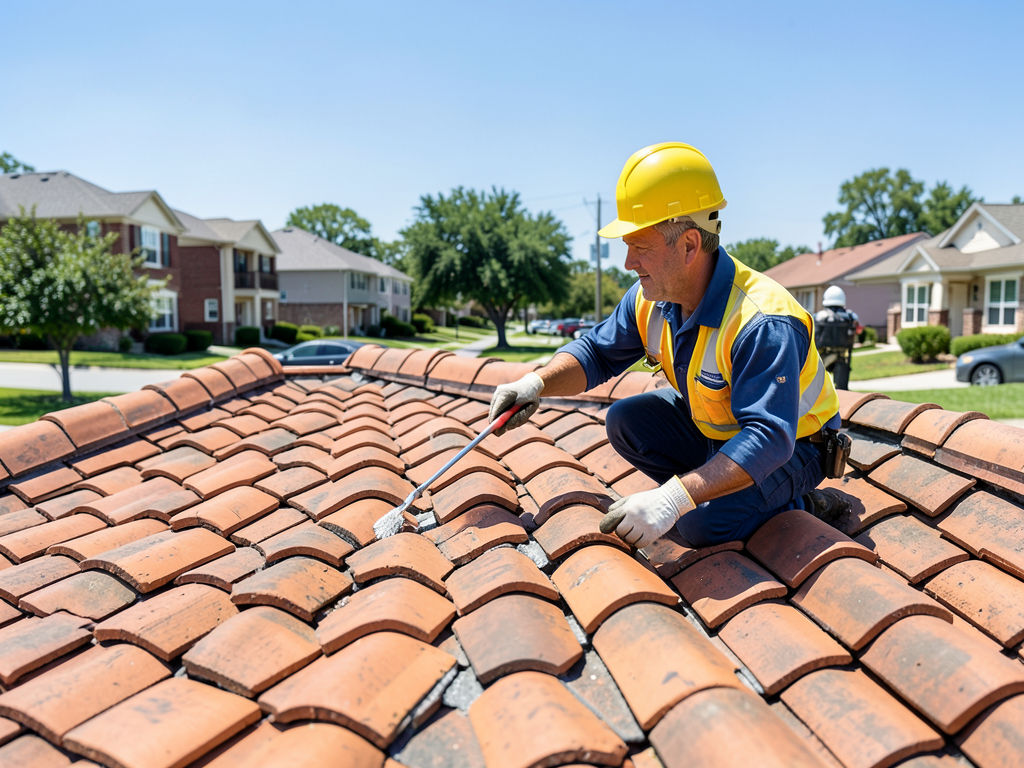
Essential steps to prepare your roof for a heavy South Texas rain event South Texas weather can change in minutes. One day the sun bakes your roof at 100 degrees. The next day a thunderstorm…
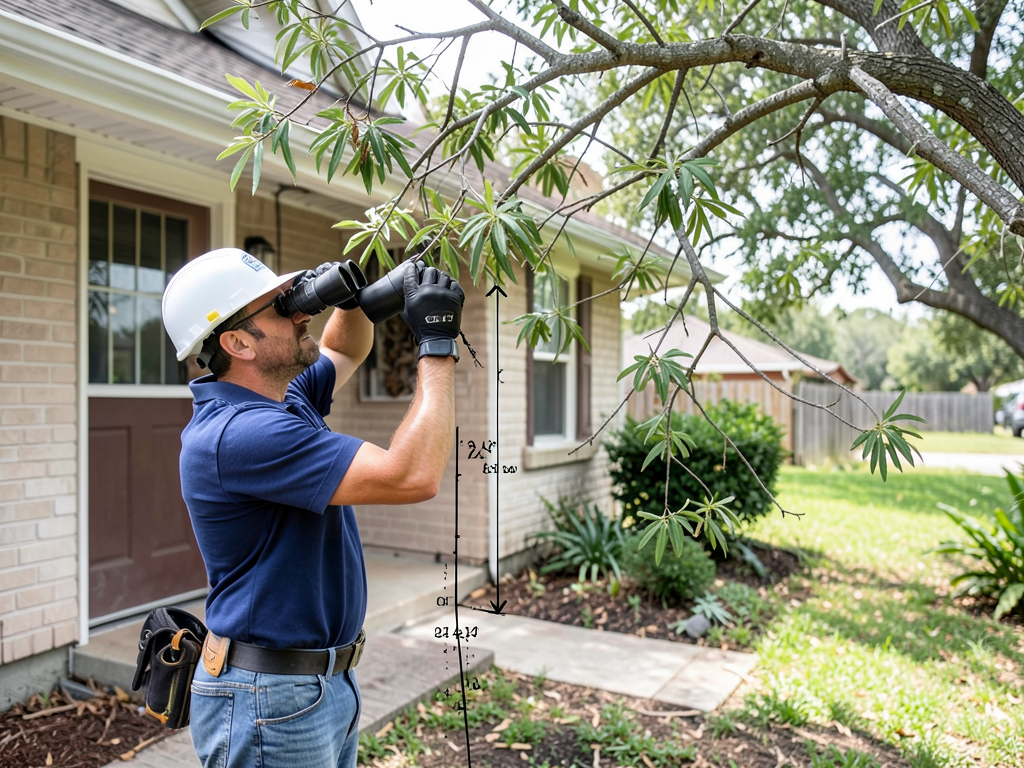
What to do when a neighbor's tree limbs are hanging over your roof in the…
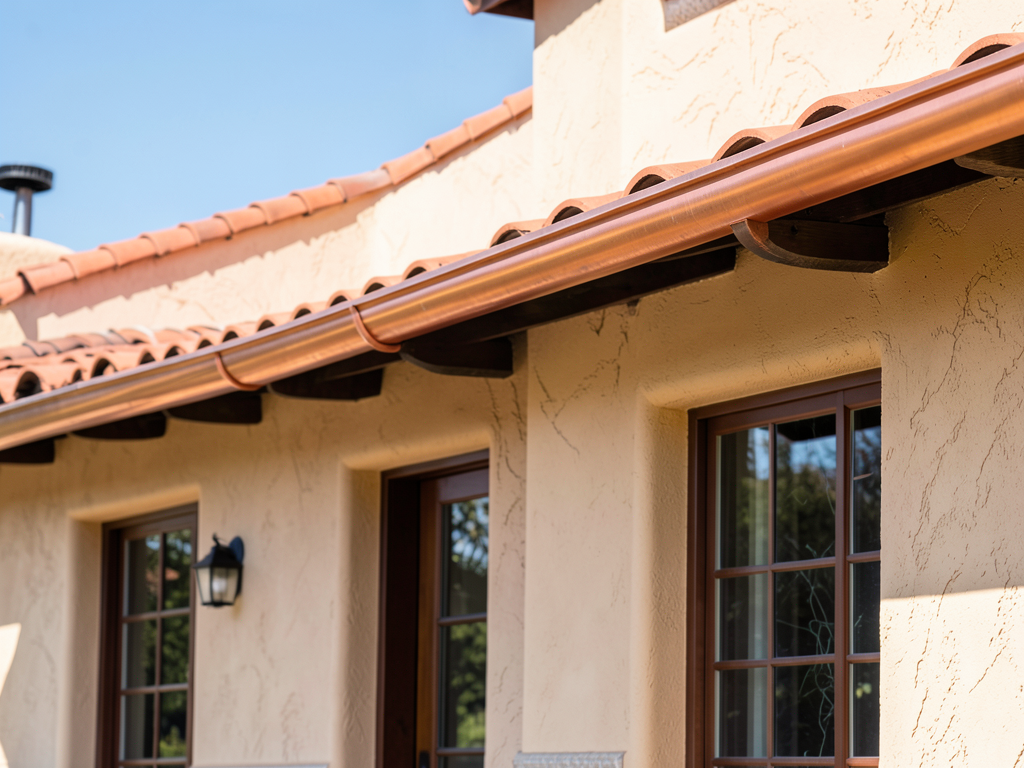
Adding instant curb appeal to your Terrell Hills home with copper gutters Your Terrell Hills…
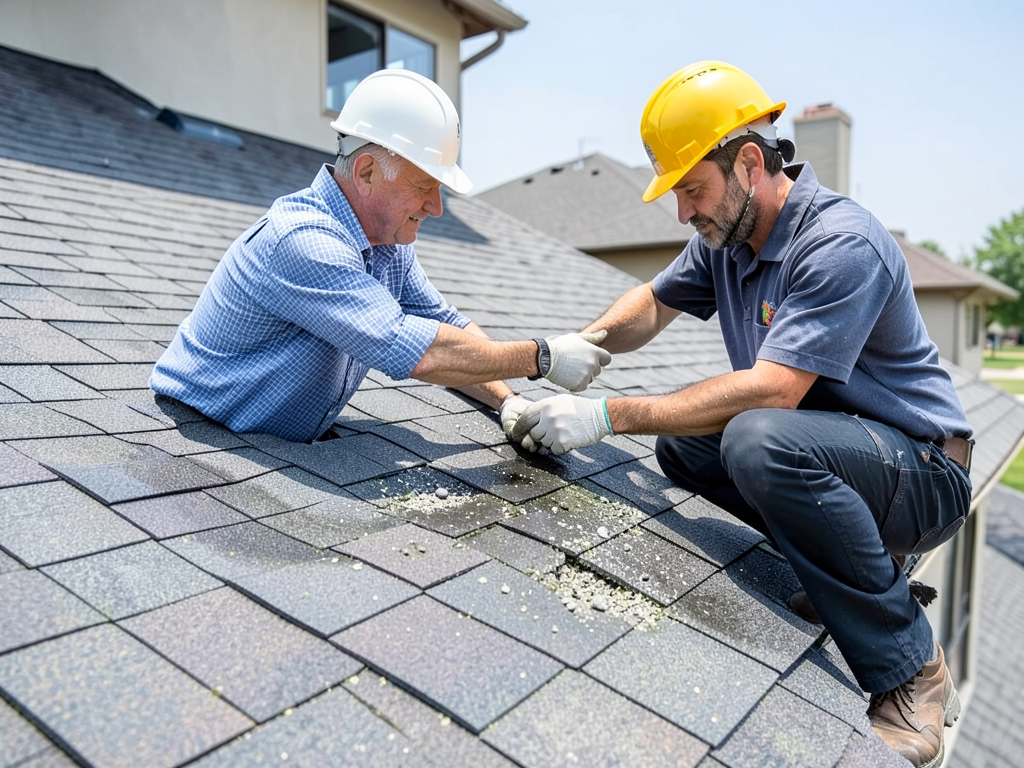
Why brand new homes in Redbird Ranch still need a yearly roof check Your brand…
Your roof protects your biggest investment. Find out what condition it's really in with a thorough inspection from Summit Roofing San Antonio. Call (726) 256-6199 now to schedule your free assessment. We'll show you exactly what your roof needs and provide honest recommendations without pressure tactics.