






San Antonio sits in a unique climate zone where summer temperatures regularly exceed 95 degrees for weeks on end, yet winter cold snaps can drop temperatures into the 20s overnight. This temperature swing accelerates the aging of rubber roof boots and sealants around roof jacks. Add in our intense UV exposure (we average 300 sunny days per year) and you have conditions that degrade roofing materials faster than in more moderate climates. Homes in older neighborhoods like Terrell Hills and Alamo Heights often have original boots from the 1980s or 1990s that are long past their functional lifespan. Newer developments in Helotes and Boerne use modern materials, but even those fail prematurely when exposed to our relentless sun and occasional hailstorms.
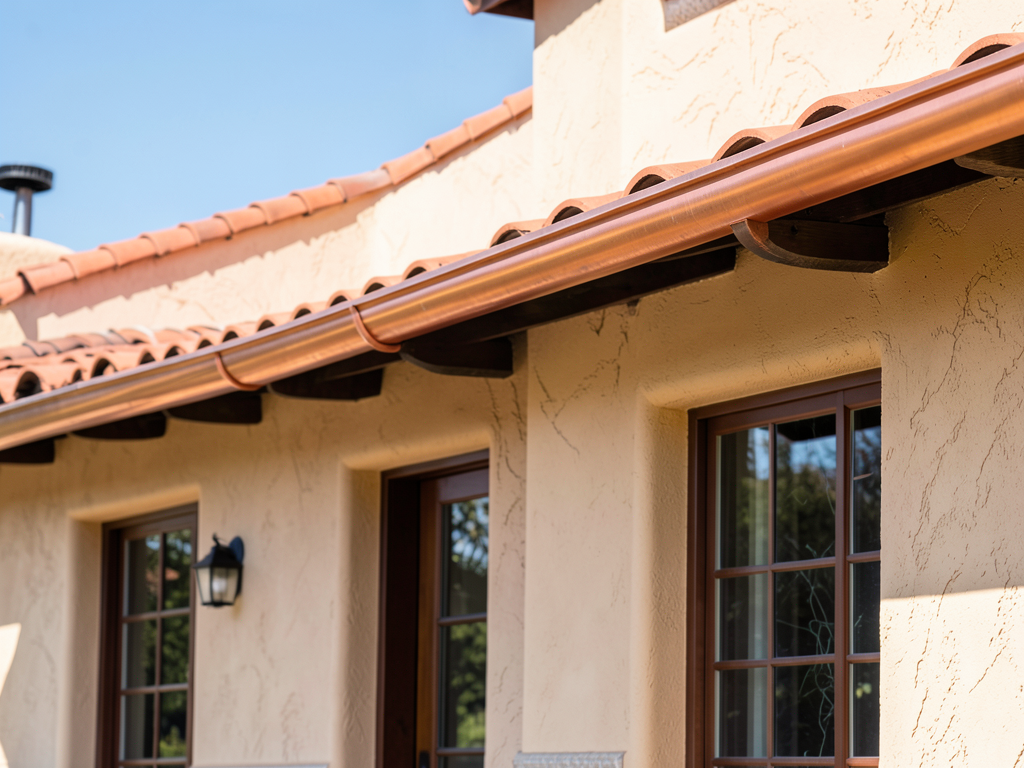
San Antonio building codes require proper flashing and weatherproofing around roof penetrations, but enforcement varies and older homes were built to less stringent standards. Many homes in the historic districts feature tile or metal roofs that require specialized flashing techniques different from standard composition shingles. Summit Roofing San Antonio has worked on every roof type across Bexar County, from mid-century ranch homes with simple plumbing vents to custom builds in The Dominion with complex exhaust systems. We understand local code requirements and work with inspectors when permits are necessary. Choosing a local roofer means you get someone who knows how San Antonio homes are built and what fails first in our environment.