





Menu

Valley Leak Repair in San Antonio – Stop Water Damage Before It Spreads Through Your Ceiling

Expert valley leak repair protects your San Antonio home from cascading water damage, interior staining, and structural rot caused by failed flashing and deteriorated valley shingles.

Slider Image 1
Slider Image 2
Slider Image 3
Slider Image 4
Slider Image 5
Slider Image 7
Slider Image 8
Slider Image 9
Slider Image 10
Slider Image 11

Why Your Roof Valley Keeps Leaking in San Antonio's Wet Climate

You see water stains spreading across your ceiling. The drip started small, but now you hear it every time it rains. That leak is coming from your roof valley, the vulnerable channel where two roof planes meet.

San Antonio's intense summer thunderstorms dump rain faster than most valley systems can handle. When roof valley flashing failure occurs, water rushes under your shingles instead of off your roof. Our humid subtropical climate keeps moisture trapped in damaged roof valley shingles longer than drier regions, accelerating rot in the underlying decking.

The Hill Country's limestone bedrock creates settling patterns that stress roof structures. Your home shifts microscopically over time, and valleys bear the brunt of that movement. Add in the 35 to 40 inches of annual rainfall we get in Bexar County, and you have the perfect conditions for a valley pan leak.

Most leaking roof valley problems start invisible. The metal flashing corrodes from underneath. The sealant dries out in our 100-degree summers. The shingles curl at the valley edges. By the time you notice ceiling damage, the leak has been active for weeks or months.

You might see dark streaks on your ceiling near interior corners. You might smell mustiness in your attic. You might find dampness in your insulation after a storm. These are signs of roof valley water damage spreading beyond the initial breach point. The longer water travels through your roof assembly, the more expensive the fix becomes.

Why Your Roof Valley Keeps Leaking in San Antonio's Wet Climate
How We Repair Valley Leaks the Right Way

How We Repair Valley Leaks the Right Way

Valley leak repair is not a shingle patch job. We treat the entire valley system as a waterproofing assembly that failed. That means addressing the flashing, the underlayment, the decking, and the shingles in that specific sequence.

Summit Roofing San Antonio starts by removing shingles six to twelve inches back from both sides of the valley centerline. This exposes the valley metal and the ice and water shield underlayment beneath it. Most leaks happen because the underlayment was never installed correctly or because the valley metal was nailed through instead of clipped in place.

We inspect the roof decking for soft spots and water staining. If the plywood shows delamination or sag, we remove and replace those sections before any waterproofing goes back down. Wet decking cannot hold fasteners, and it grows mold inside your attic space.

Next, we install a full-width ice and water shield that runs the entire valley length. This self-sealing membrane is your true water barrier. The valley metal goes on top, and we use cleats rather than nails to secure it. Nails create penetration points where water can wick under the metal during wind-driven rain.

The shingle weave or cut comes last. We use the closed-cut valley method for composition roofs in San Antonio because it sheds water faster than woven valleys. Each shingle gets a dab of roof cement where it crosses the valley metal. This prevents wind from lifting the shingle edge during storms.

We also check the valley exit point at the eave. If your gutter is clogged or undersized, water backs up into the valley during heavy rain. Fixing the valley without addressing drainage just delays the next leak.

What Happens During Your Valley Repair

Valley Leak Repair in San Antonio – Stop Water Damage Before It Spreads Through Your Ceiling
01

Attic and Exterior Inspection

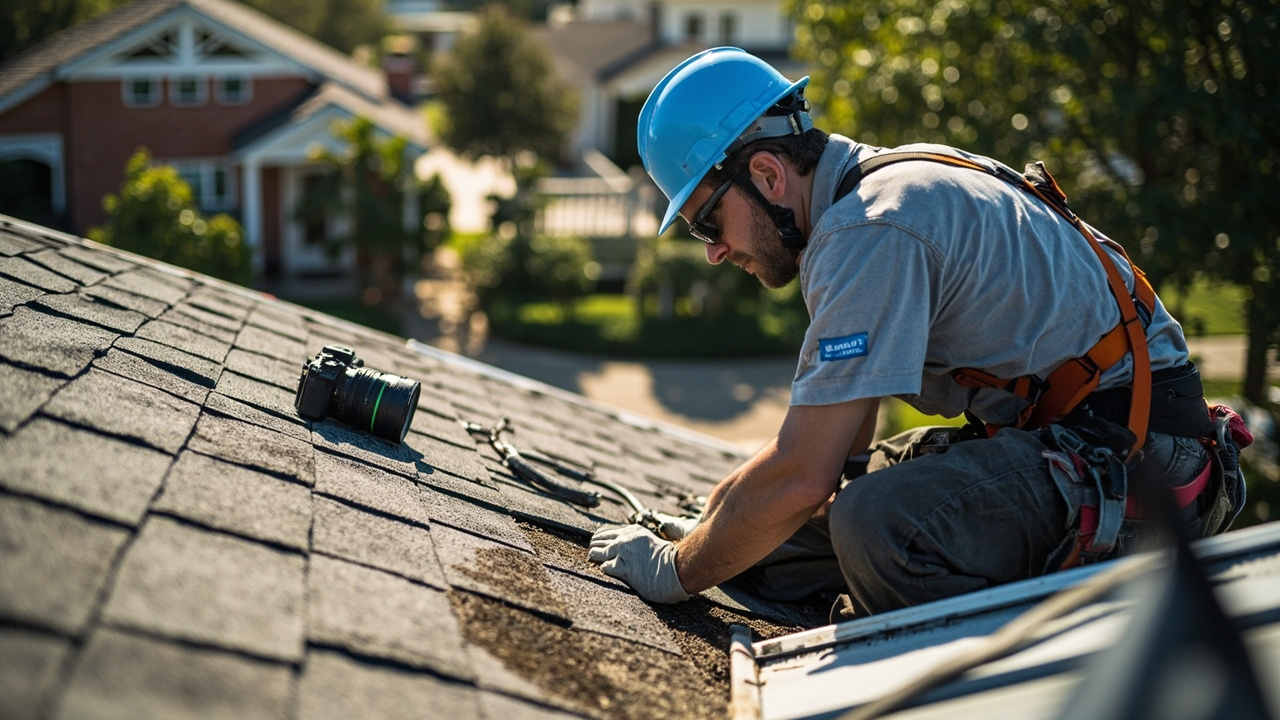
We examine your attic for water trails and staining on the underside of the roof deck. This shows us exactly where water enters and how far it travels. From the roof surface, we measure valley pitch, check flashing condition, and photograph damage. You get a detailed assessment that explains what failed and what needs replacement, not a generic estimate.
02

Decking and Flashing Replacement

We remove damaged shingles and expose the valley assembly. Any compromised decking gets replaced with matching thickness plywood. We install fresh ice and water shield across the full valley width, then secure pre-bent valley metal using hidden cleats. This creates a watertight channel that directs runoff without relying on sealant alone. The process takes precision because valley geometry affects water speed.
03

Shingle Integration and Testing

We install new shingles using the closed-cut method, trimming each course two inches back from the valley centerline. Every shingle edge gets secured with roof cement to prevent wind lift. Before leaving, we run water down the valley with a hose to verify flow and check for seepage. You get photos of the completed repair and guidance on what to watch for during the next storm.

Why San Antonio Homeowners Choose Us for Valley Repairs

Most roofers treat valley leaks as quick fixes. They slap tar under a shingle and call it done. That repair fails within six months because it never addressed the underlying flashing failure or water intrusion path.

Summit Roofing San Antonio has repaired valley systems on everything from 1920s bungalows in King William to new builds in Stone Oak. We understand how San Antonio's mix of Spanish tile retrofits, composition reroof jobs, and original cedar shake structures each handle valley water differently. A tile roof valley uses mortar and pan flashing. A composition roof valley uses metal and membrane. The repair techniques are not interchangeable.

We also understand San Antonio's building code requirements for valley construction in high-wind zones. Bexar County sits in Wind Zone III, which means your valley assembly must withstand sustained winds up to 120 miles per hour. That requires proper fastener spacing and edge securement that most patch jobs ignore.

Our crews work on valleys every week. We see the patterns. We know that Alamo Heights homes built in the 1960s often have undersized valley pans that overwhelm during storms. We know that Stone Oak roofs with low-slope valleys need extra underlayment protection. We know that Historic District homes near Brackenridge Park require color-matched metal that meets preservation guidelines.

You also get transparent communication. We send you photos from the attic and the roof before we start work. We explain what caused the leak and what we are doing to prevent recurrence. You are not handed a vague invoice with line items like "roof repair." You get documentation of replaced decking, installed flashing, and shingle integration methods.

We operate year-round in San Antonio's heat. We know how to schedule repairs between storm systems. We know how to protect your interior during active leaks using tarps and diverters. Most important, we know how to diagnose whether your valley leak is an isolated failure or a symptom of a larger roof problem.

What to Expect When You Call for Valley Leak Repair

Response Time and Scheduling

We schedule inspections within 24 to 48 hours of your call. If you have active dripping or ceiling damage, we prioritize your appointment and often arrive same-day. Valley leaks worsen quickly because water pools in the channel during every rain event. Our goal is to stop further interior damage while we prepare a repair plan. Most valley repairs take four to eight hours depending on the extent of decking replacement and shingle removal required. We complete the majority of residential valley repairs in a single day.

Inspection and Damage Assessment

Our inspection covers three areas: the attic space below the valley, the valley surface and flashing, and the drainage path at the eave. We use moisture meters to check decking and insulation for hidden water saturation. We measure valley pitch and check for debris accumulation that might slow water flow. You receive a written assessment that identifies the failure point, explains what needs replacement, and outlines the repair sequence. We also document whether your leak is covered under homeowner's insurance, which often applies if storm damage caused the flashing failure.

Completed Repair Quality

Your repaired valley will have new underlayment, new flashing, and integrated shingles that match your existing roof. We use manufacturer-approved materials that meet San Antonio's wind and weather ratings. The valley metal gets secured with hidden fasteners to eliminate future leak points. The shingle courses get cut and sealed to prevent wind lift. Before we leave, we test the valley with running water to verify proper flow and check for seepage. You get photos of the completed work and a detailed invoice showing materials used and labor performed.

Warranty and Future Monitoring

We provide documentation of all materials installed and methods used during your valley repair. This protects you if you ever need to file an insurance claim for future storm damage or if you sell your home and need to show roof maintenance records. We recommend inspecting your valley annually before storm season starts. Look for shingle edge lifting, metal corrosion, or debris accumulation in the channel. Most valley systems last 15 to 20 years when properly installed, but San Antonio's weather accelerates wear on undersized or poorly fastened assemblies.

Frequently Asked Questions

You Have Questions,
We Have Answers

How to fix a leaking valley? +

Fixing a leaking valley requires removing damaged shingles around the valley, inspecting the underlying flashing for cracks or rust, and replacing compromised metal. A roofer will clean debris from the valley channel, install new step flashing or W-valley metal, then relay shingles with proper overlap. In San Antonio, valleys accumulate oak leaves and limestone dust, which trap moisture and accelerate corrosion. The repair must account for our intense summer heat, which expands metal, and occasional freeze events that contract it. DIY fixes with roof cement fail quickly. Professional valley repair addresses the root cause and prevents water from entering your attic during heavy storms.

How much to repair a valley on a roof? +

Valley repair costs in San Antonio typically range based on valley length, material type, and access difficulty. A small section repair on an open metal valley runs less than full valley replacement on a closed-cut shingle valley. Expect higher costs if the decking underneath shows rot or if your roof pitch is steep. Homes in older neighborhoods like Alamo Heights often have longer valley runs that increase material and labor. Clay tile roofs common in San Antonio require specialized handling, which affects pricing. Most contractors provide free inspections to assess damage extent before quoting. Get multiple estimates and verify the scope includes flashing replacement, not just patching.

How much is it to patch a leak? +

Patching a roof leak in San Antonio depends on the leak source and repair complexity. A simple shingle replacement costs less than flashing repair or valley work. Emergency tarping during a storm provides temporary protection at lower cost, but does not fix the underlying issue. Leaks around penetrations like vents or chimneys require flashing work and sealant. Flat roofs on commercial buildings need different patching methods than pitched residential roofs. The patch must withstand our UV exposure and temperature swings. Beware of cheap fixes using roof cement alone. They fail within months. Proper patching includes addressing damaged decking and proper waterproofing layers.

What is the problem with roof valleys? +

Roof valleys channel heavy water volume from two roof planes into one path, making them vulnerable failure points. Problems start when flashing corrodes, shingles lift from thermal expansion, or debris clogs the channel. In San Antonio, limestone dust mixes with rain to create an acidic sludge that eats through galvanized metal. Improper installation causes immediate issues. Roofers who skip ice and water shield or use inadequate overlap create leak points. Closed-cut valleys trap moisture between shingle layers. Open valleys handle our intense downpours better but require quality metal that resists our heat. Valley problems worsen fast because concentrated water flow exploits any weakness.

Does homeowner insurance cover roof leaks? +

Homeowner insurance covers roof leaks from sudden, accidental events like hail damage or fallen tree limbs. It does not cover leaks from wear, age, or deferred maintenance. In San Antonio, insurers scrutinize roof age closely due to hail frequency. If your shingles are over 15 years old, expect depreciation or denial. Storm damage requires prompt reporting and documentation with photos. Insurance adjusters look for matching damage patterns. Normal valley deterioration from our climate is not covered. However, if a May hailstorm damages valley flashing, that qualifies. Read your policy exclusions carefully and maintain records of roof maintenance to support claims.

How much does it cost to get a roof resealed? +

Roof resealing costs in San Antonio vary by roof type, size, and accessibility. Flat commercial roofs use elastomeric coatings or silicone systems applied over existing membranes. Pitched residential roofs rarely get full resealing. Instead, roofers reseal penetrations like vents, chimneys, and skylights using polyurethane or butyl sealants. Resealing does not fix structural problems like damaged decking or failed flashing. Our extreme heat degrades sealants faster than cooler climates, so quality products matter. Resealing extends roof life by a few years but is not a substitute for proper repair. Get a thorough inspection first to determine if resealing addresses your specific leak source.

Why is my roof leaking in the valley? +

Your roof leaks in the valley because water concentrates there during rain. Common causes include corroded flashing, improper shingle installation, or debris blockage. In San Antonio, thermal cycling expands and contracts valley metal, cracking sealant and opening gaps. Previous repair attempts using roof cement fail as our sun bakes it brittle. Shingles installed without proper overlap allow water to migrate sideways under the material. Open valleys with thin gauge metal develop pinholes from acid rain. Closed valleys trap organic debris between layers, holding moisture against the decking. Ice and water shield underneath may be missing or improperly installed, removing your last line of defense.

What is the best time of year for roof repair? +

Fall is the best time for roof repair in San Antonio. September through November offers mild temperatures and lower humidity, allowing proper shingle adhesion and sealant curing. Our roofing season avoids summer heat that makes shingles too soft and winter cold snaps that make them brittle. Spring brings unpredictable storms, and summer temperatures exceed safe working conditions on dark roofs. Fall scheduling also avoids the spring hail season rush when contractors are backlogged. However, active leaks require immediate repair regardless of season. Waiting risks interior damage that costs more than the roof fix. Emergency repairs happen year-round, but planned maintenance and replacements should target fall.

How do you fix a leaking roof without replacing it? +

You can fix a leaking roof without full replacement by targeting the damaged section. Replace broken shingles, repair flashing around chimneys and vents, or reseal penetrations. Valley repairs address concentrated leak sources without touching the rest of the roof. In San Antonio, partial repairs work well if the remaining roof has life left. A roof with isolated hail damage does not need total replacement. However, if your roof is over 20 years old or shows widespread granule loss, patching delays the inevitable. Proper repairs use matching materials and techniques that maintain warranty coverage. Poor patch jobs void manufacturer warranties and create more problems.

Will homeowners insurance cover a water main leak? +

Homeowners insurance typically does not cover water main leaks. Your policy covers the structure, not underground infrastructure you own. The water line from the street to your house is your responsibility. However, if a water main break causes sudden damage inside your home, like flooded floors or ruined drywall, the resulting damage may be covered under your dwelling or personal property coverage. Check if you have optional water backup or service line coverage endorsements. In San Antonio, our clay soil shifts and breaks aging pipes. Some insurers offer service line coverage as an add-on that covers repair or replacement costs for underground utilities.

San Antonio's Flash Flood Risk Makes Valley Integrity Critical

San Antonio receives some of the most intense rainfall rates in Texas during summer thunderstorms. The National Weather Service records show Bexar County experiences multiple flash flood warnings each year, with rainfall rates exceeding two inches per hour. Your roof valleys must evacuate that water faster than it arrives. When roof valley flashing failure occurs during these extreme rain events, water does not drip into your attic, it pours. The volume overwhelms your ceiling drywall and spreads across multiple rooms. Homes near Olmos Basin and along the Salado Creek watershed face the highest risk because localized flooding combines with roof runoff to create catastrophic interior damage.

San Antonio's roofing contractors see valley problems year-round, but most homeowners only call after they see ceiling damage. Summit Roofing San Antonio works with insurance adjusters throughout Bexar County and understands how to document storm-related valley damage for claims. We also work within Historic District guidelines for homes in King William, Lavaca, and Monte Vista, where metal color and fastening methods must meet preservation standards. Choosing a local crew means you get someone who understands the difference between a cosmetic leak and a structural problem that threatens your home's integrity.
Roofing Services in The San Antonio Area

Explore our service coverage in and around San Antonio using the map below. Summit proudly serves residential and commercial clients throughout the region. Whether you're in the heart of the city or in the nearby suburbs, we’re just a call away. We make it easy to reach us for inspections, quotes, or emergency assistance. Your trusted roofing team is always nearby.

Address:
Summit Roofing San Antonio, 1100 NW Loop 410, Suite 700, San Antonio, TX, 78213

Additional Services We Offer

Our news updates

Latest Articles & News from The Blogs

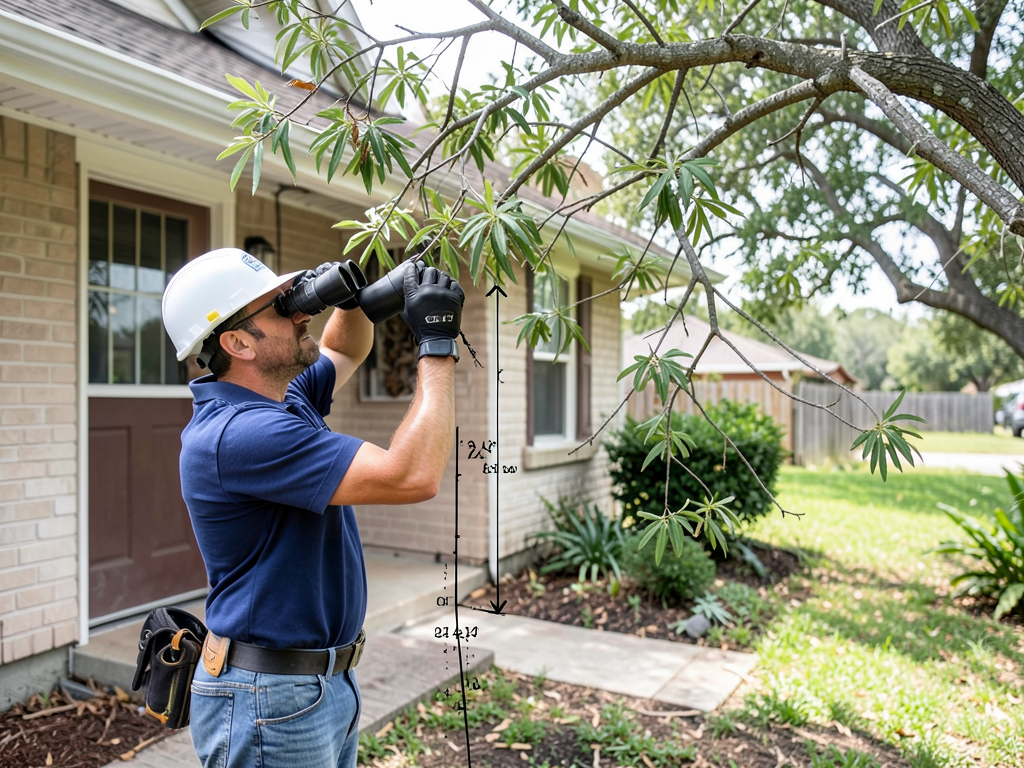
What to do when a neighbor's tree limbs are hanging over your roof in the Great Northwest Living in the…

What to do when a neighbor's tree limbs are hanging over your roof in the Great Northwest

What to do when a neighbor's tree limbs are hanging over your roof in the Great Northwest Living in the…

Adding instant curb appeal to your Terrell Hills home with copper gutters

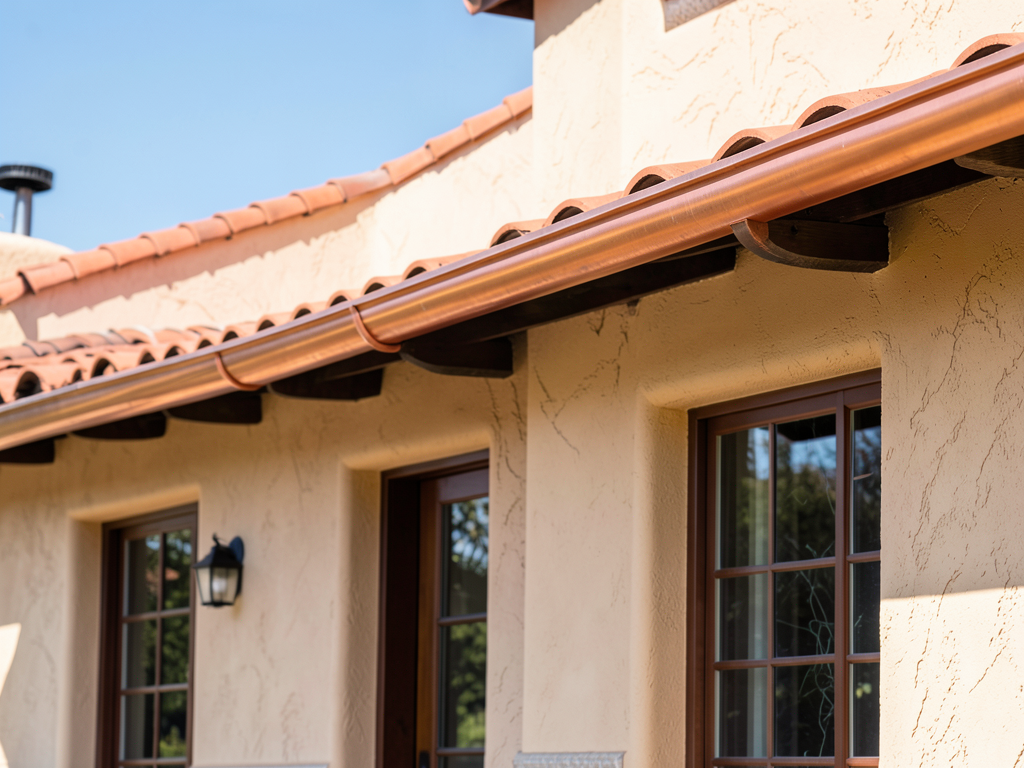
Adding instant curb appeal to your Terrell Hills home with copper gutters Your Terrell Hills home deserves more than ordinary…

Why brand new homes in Redbird Ranch still need a yearly roof check

Why brand new homes in Redbird Ranch still need a yearly roof check Your brand new roof in Redbird Ranch…

Contact Us

Call Summit Roofing San Antonio at (726) 256-6199 for a same-day inspection. We diagnose the failure point, remove damaged materials, and install a watertight valley system that handles San Antonio's extreme rainfall. Do not wait for the next drip to become a ceiling collapse.