





Leon Valley sits in a weather convergence zone where Gulf moisture collides with Hill Country elevation changes. This creates intense hailstorms that devastate roofing systems across neighborhoods from Westwood Village to Scenic Hills. The area experiences temperature swings from freezing to 100 degrees within weeks, causing thermal expansion that cracks sealant and loosens shingles.
Your roof also battles relentless UV exposure that degrades asphalt shingles faster than in cooler climates. The Texas sun literally bakes the oils out of roofing materials, making them brittle and prone to cracking. Summer temperatures regularly exceed 95 degrees, creating attic heat that can reach 150 degrees without proper ventilation.
Flash flooding is another concern near Leon Creek and Huebner Creek watersheds. Poor drainage from severe thunderstorms can pool water on low-slope sections, finding weak spots around penetrations and valleys. The clay-based soil throughout Leon Valley also shifts with moisture changes, causing subtle foundation movement that stresses roof structures and creates gaps where water enters. These conditions demand roofing systems engineered specifically for South Texas weather patterns, not generic installations that fail within years.
Summit Roofing San Antonio has protected homes throughout the greater Leon Valley metro for years, from the neighborhoods near Bandera Road to properties around Evers Road and Grissom Road. We know exactly how weather moves through this area because we live and work here. Our crews have installed thousands of roofing systems across Bexar County, learning which materials and installation methods actually survive Texas storms.
We focus exclusively on roofing work, which means our team has specialized expertise that general contractors cannot match. Our installers understand the critical details that prevent leaks, like proper valley flashing near Leon Creek drainage areas and ice-and-water barrier placement for homes in flood-prone sections. We follow International Building Code requirements and local permitting processes without delays or shortcuts.
When hail damage strikes Leon Valley, we coordinate directly with insurance adjusters to document every impact and secure full claim approval. We photograph damage, measure affected areas, and provide detailed repair estimates that insurance companies respect. You get the roof construction you need, not what an adjuster initially offers.
Our installation crews arrive on schedule and complete projects efficiently without sacrificing quality. We protect your landscaping, clean up thoroughly, and inspect every section before calling the job complete. You receive a workmanship warranty backed by our local reputation, not empty promises from a company that disappears after payment. We answer calls from Leon Valley residents personally because your roof emergency cannot wait for a call center in another state.

We know Texas storm patterns and respond immediately when severe weather hits Leon Valley. Our crews assess damage quickly, provide emergency repairs to stop active leaks, and begin full restoration before water destroys your ceilings and insulation. We understand how fast damage spreads in this humidity.

We handle insurance documentation from initial inspection through claim approval. Our detailed damage reports include measurements, photos, and material specifications that adjusters require. We attend adjuster meetings to ensure every affected section gets approved. You receive the roof replacement your policy covers.
We install manufacturer-certified roofing systems with warranties that protect your investment. Our material suppliers provide products engineered for Texas heat and hail impact resistance. We explain options clearly so you understand exactly what goes on your home and how it performs.
We maintain a physical presence in the San Antonio area and stand behind every installation. When you call about a concern, you reach our team directly, not an answering service. Our reputation depends on satisfied Leon Valley homeowners, so we resolve issues immediately.
Summit Roofing San Antonio provides comprehensive roofing services from emergency repairs to complete roof construction projects throughout Leon Valley. We handle every aspect of roof work, including tear-off, deck repair, underlayment installation, shingle application, flashing fabrication, and ventilation upgrades. Our crews work on residential properties of all sizes, from single-story homes in established neighborhoods to larger properties near the Hill Country.
We understand that different situations require different approaches. Storm damage needs immediate emergency response to prevent further water intrusion. Aging roofs need systematic replacement planning. Small leaks require precise diagnostic work to locate the source. Our service structure addresses each scenario with the right expertise and urgency level.
Whether you need a complete roofing system replacement after hail damage, repairs to extend the life of your current roof, or proactive maintenance to catch problems early, we provide solutions matched to your situation. We explain options honestly so you make informed decisions about protecting your home. Our goal is delivering roofing systems that perform reliably through every Texas storm season while staying within your budget and timeline requirements.
When severe weather damages your roof, water enters fast and spreads through insulation and ceilings. We provide emergency response to stop active leaks, then complete full damage assessment for insurance claims. Our crews handle everything from minor shingle replacement to complete roof construction after major hail events. We coordinate with adjusters, secure permits, and restore your roof to full protection quickly. Storm damage cannot wait for normal scheduling.
Aging roofs lose protection gradually through UV damage, thermal cycling, and normal wear. We remove old materials completely, inspect and repair roof decking, install proper underlayment, and apply new roofing systems engineered for Texas weather. Our installation process includes upgraded ventilation to reduce attic heat, proper flashing around all penetrations, and manufacturer-certified application methods. You receive a complete roofing system with material and workmanship warranties.
Water stains on ceilings indicate roof failure, but the actual entry point may be feet away from visible damage. We perform systematic inspections to locate exact failure points, whether from damaged flashing, cracked sealant, or compromised shingles. Our targeted repairs fix the actual problem without unnecessary roof work. We also identify developing issues before they cause interior damage, saving you thousands in water restoration costs.
Leon Valley's climate creates specific roofing challenges that homeowners face repeatedly. The combination of intense heat, severe storms, and high humidity accelerates roof deterioration compared to milder climates. Understanding these common problems helps you recognize warning signs before minor issues become expensive emergencies.
Hail damage is the most frequent problem across neighborhoods from Westwood Village to areas near Highway 90. Even small hail creates micro-fractures in shingles that compromise waterproofing. Heat stress from 100-degree summer days then expands these cracks, allowing water penetration during the next storm. Wind-driven rain also finds weak spots around roof penetrations and valleys.
The Texas sun causes another set of problems. UV radiation breaks down asphalt shingles, making them brittle and prone to cracking. Thermal expansion from extreme temperature swings loosens sealant strips that hold shingles in place. Poor attic ventilation traps heat that accelerates this degradation from below. Clay soil movement throughout Leon Valley can also stress roof structures, creating gaps where materials separate. These issues develop gradually but cause sudden failures when severe weather strikes vulnerable sections.
Leon Valley sits in a high-frequency hail zone where storms produce golf-ball-size impacts multiple times per year. Hail strikes fracture shingle granules, creating exposed asphalt that deteriorates rapidly in Texas heat. These impacts also crack sealant and bruise underlying materials, compromising your roof's waterproofing even when damage looks minor from the ground.
Relentless Texas sun bakes roofing materials, causing premature aging through UV radiation and sustained high temperatures. Shingles become brittle, crack along edges, and lose protective granules. Sealant strips fail, allowing wind to lift shingles during storms. Inadequate attic ventilation accelerates this process by trapping 150-degree heat against roof decking.
Flashing around chimneys, vents, and valleys must remain watertight through extreme temperature swings. Thermal expansion causes gaps between metal and roofing materials, allowing water to enter during heavy rain. Improper flashing installation during previous roof work creates immediate vulnerabilities. These failures cause interior water damage that spreads quickly through ceilings and walls.
Texas thunderstorms produce horizontal rain that finds every weakness in your roofing system. Water driven under damaged shingles, through cracked sealant, and around deteriorated flashing soaks underlayment and roof decking. The high humidity prevents proper drying, allowing mold growth in attic spaces. These leaks often go unnoticed until water stains appear on ceilings.
We understand that roof work involves trusting contractors with your largest investment while your family remains in the home. Our process focuses on clear communication, predictable scheduling, and quality workmanship that stands up to Texas weather. From initial contact through final inspection, you know exactly what happens next and when crews arrive.
We provide detailed written estimates that explain every aspect of your roofing project, from material specifications to timeline expectations. No surprise charges appear later. Our project managers stay in direct contact throughout the work, updating you on progress and addressing concerns immediately. We protect your property during installation, cleaning up thoroughly at the end of each day.
Quality control happens at multiple stages. Our crews follow manufacturer installation requirements exactly to maintain warranty coverage. Supervisors inspect work as it progresses, not just at completion. We identify any deck damage or underlying issues during tear-off so they get addressed properly. Your final walkthrough includes detailed explanation of the new roofing system and maintenance recommendations. We want you completely confident in your roof's protection before we consider the project complete.
You reach our team directly when you call, not a call center. We schedule inspections promptly and arrive on time. Our estimates include clear explanations of recommended work, material options, and pricing breakdown. We answer questions thoroughly so you understand exactly what your roof needs and why. If insurance is involved, we explain the claim process and documentation requirements. You make informed decisions without pressure or confusion about what you're buying.
Our crews arrive when scheduled and work efficiently without cutting corners. We protect landscaping, cover exposed areas if weather threatens, and clean up debris continuously. Your project manager provides daily updates on progress and addresses any concerns immediately. We notify you before starting noisy work and respect your property throughout the installation. If we discover unexpected issues like damaged decking, we explain options and pricing before proceeding with repairs.
We inspect every section of your new roof before calling the project complete. Our quality check includes verifying proper flashing installation, checking sealant application, and ensuring adequate ventilation. We walk you through the completed work, explaining maintenance recommendations and warranty coverage. You receive documentation for both material and workmanship warranties. If any issues arise after installation, we return promptly to resolve them. Our reputation depends on roofs that perform reliably for decades.
We keep the roofing process simple and predictable. You need a reliable roof without complications or delays. Our three-phase approach moves efficiently from assessment to completion while maintaining quality at every step.
We examine your entire roofing system, documenting damage and identifying underlying issues. Our inspection includes attic ventilation assessment and deck condition evaluation. We photograph problem areas for insurance documentation if needed. You receive a detailed written estimate explaining recommended work, material options, and project timeline. We answer all questions and help you understand exactly what your roof needs to provide reliable protection.
Our crews arrive on schedule and complete roof work efficiently using manufacturer-certified methods. We remove old materials, repair any damaged decking, install proper underlayment, and apply your new roofing system. All flashing gets fabricated and installed correctly around penetrations. We maintain clean work areas and protect your property throughout the project. Our supervisor inspects work quality as installation progresses to ensure every detail meets our standards.
We perform a comprehensive final inspection of your completed roof, checking every section for proper installation. You walk through the project with us so we can explain the new system and answer remaining questions. We provide all warranty documentation and maintenance recommendations. The job site gets cleaned thoroughly, with all debris removed. Your roof is now protected and backed by both manufacturer material warranties and our workmanship guarantee.
Professional roof installation in Leon Valley requires adherence to specific building codes, manufacturer specifications, and industry standards developed for Texas weather conditions. The International Building Code forms the foundation, but Bexar County adds requirements addressing local wind loads and climate factors. These regulations exist because improper installation leads to premature failure and expensive damage.
Wind rating requirements are critical for Leon Valley roofs. Materials must meet Class H impact resistance for hail and wind speed ratings appropriate to the area's storm frequency. Proper nailing patterns and sealant application prevent wind-driven shingle loss during severe weather. The Texas Department of Insurance provides guidelines for installation methods that insurance companies require for full coverage.
Ventilation requirements often get overlooked but directly affect roof longevity. Adequate intake and exhaust ventilation prevents heat buildup that accelerates shingle degradation. The building code specifies minimum ventilation ratios based on attic square footage, but homes with complex roof lines or insufficient existing ventilation need custom solutions. We calculate proper ventilation requirements and install ridge vents, soffit vents, or powered ventilation as needed.
Underlayment selection matters significantly in this climate. Standard felt paper degrades quickly in Texas heat. Synthetic underlayment provides superior tear resistance and UV protection during installation delays. Ice-and-water barrier gets installed in valleys and around penetrations for additional leak protection, even though ice dams are rare here. These materials cost more initially but prevent callbacks and warranty claims. Every roof construction project we complete meets or exceeds manufacturer installation requirements to maintain full material warranty coverage for the homeowner.
Bexar County requires permits for roof replacement and major repairs. Our team handles all permitting processes, ensuring installation methods meet International Building Code requirements and local amendments. Inspections verify proper installation before we call projects complete. Code compliance protects your home value and ensures insurance coverage remains valid. Unpermitted work creates serious problems when you sell your property.
Roof replacement costs depend on size, pitch, material selection, and existing condition. Steep roofs require additional safety equipment and labor. Multiple roof levels increase complexity and flashing requirements. Damaged decking needs repair before new materials get installed. Higher-quality shingles with better warranties cost more initially but last longer in Texas heat. We provide clear pricing so you understand exactly what drives your project investment.
Material warranties from manufacturers cover defects for periods ranging from 25 years to lifetime depending on shingle grade. These warranties require certified installation following exact specifications. We provide separate workmanship warranties covering installation quality. Understanding warranty terms matters because coverage varies significantly between products. We explain what each warranty covers and what actions void protection so you maintain full coverage.
Educational video explaining roofing system requirements for Leon Valley, Texas homes. Covers climate-specific challenges including hail damage, UV degradation, and storm impact. Details proper installation methods, material selection for Texas weather, building code compliance, and maintenance practices. Provides homeowners with expert knowledge about protecting their properties through quality roof construction and timely repairs in the San Antonio area.
Summit Roofing San Antonio provides comprehensive roofing services throughout Leon Valley and neighboring areas of northwest Bexar County. We know this region intimately because our crews work here daily, from properties along Bandera Road and Huebner Road to homes in the Westwood Village and Scenic Hills neighborhoods. The area's unique geography creates varying weather exposure that affects how roofs perform.
Homes near the Leon Creek corridor face different challenges than properties on higher elevation near the Hill Country transition zone. Creek-adjacent areas experience more severe humidity and occasional flood concerns that require careful attention to underlayment quality and ventilation design. Properties along Evers Road and Grissom Road often have complex roof lines with multiple valleys that need expert flashing installation to prevent leaks. The older established neighborhoods feature mature trees that drop debris and require regular maintenance to prevent organic buildup that traps moisture.
We serve residential properties throughout the greater Leon Valley metro, including areas near Lackland Air Force Base where wind patterns from the southwest create additional stress on roofing systems. Our familiarity with local building department requirements in Bexar County ensures permit processing happens smoothly without delays. We understand which streets have underground utilities that affect equipment placement and how to navigate the mix of original construction and newer development throughout Leon Valley.
Whether your home sits near the Highway 90 commercial corridor, in quiet residential streets off Bandera, or in neighborhoods transitioning toward the Hill Country, we bring the same expertise and quality standards to every project. Our response time across all Leon Valley areas remains quick because we maintain proper equipment staging and crew scheduling. When storms damage roofs throughout the region, our local presence means we reach your property fast to prevent further water intrusion. This geographic knowledge and community commitment distinguishes our service from companies based outside the area who lack familiarity with Leon Valley's specific conditions and needs.
Roof replacement in Leon Valley depends on several factors. Your home's size affects the total. The materials you select make a big difference. Asphalt shingles cost less than metal or tile. Roof complexity adds to labor time. Steep slopes require extra safety measures. Multiple valleys and chimneys increase difficulty. Get three written estimates from local contractors. Compare what each quote includes. Most Leon Valley homeowners replace their roofs every 15 to 25 years. Your investment protects your biggest asset.
Metal roofing stands up best to Leon Valley's climate. It resists hail impacts better than asphalt. Metal reflects heat and reduces cooling needs. Quality metal roofs last 40 to 70 years. Impact-resistant asphalt shingles offer good protection at lower upfront expense. Look for Class 4 impact ratings. These shingles survive hailstones up to 2 inches. Concrete tile works well but adds significant weight. Your roof structure must support the load. Metal and Class 4 asphalt give you the best value for extreme weather.
Most residential roof replacements in Leon Valley take 1 to 3 days. A standard single-story home finishes in one day with good weather. Two-story homes or complex layouts need 2 to 3 days. Weather delays extend timelines. Rain stops work immediately. Extreme heat slows progress for safety. Your contractor removes old materials first. This takes several hours. Installation follows. Final cleanup and inspection complete the job. Larger homes over 3,000 square feet might need 4 days. Ask your contractor for a specific timeline based on your home.
Roof replacement in Leon Valley depends on several factors. Your home's size affects the total. The materials you select make a big difference. Asphalt shingles cost less than metal or tile. Roof complexity adds to labor time. Steep slopes require extra safety measures. Multiple valleys and chimneys increase difficulty. Get three written estimates from local contractors. Compare what each quote includes. Most Leon Valley homeowners replace their roofs every 15 to 25 years. Your investment protects your biggest asset.
Metal roofing stands up best to Leon Valley's climate. It resists hail impacts better than asphalt. Metal reflects heat and reduces cooling needs. Quality metal roofs last 40 to 70 years. Impact-resistant asphalt shingles offer good protection at lower upfront expense. Look for Class 4 impact ratings. These shingles survive hailstones up to 2 inches. Concrete tile works well but adds significant weight. Your roof structure must support the load. Metal and Class 4 asphalt give you the best value for extreme weather.
Most residential roof replacements in Leon Valley take 1 to 3 days. A standard single-story home finishes in one day with good weather. Two-story homes or complex layouts need 2 to 3 days. Weather delays extend timelines. Rain stops work immediately. Extreme heat slows progress for safety. Your contractor removes old materials first. This takes several hours. Installation follows. Final cleanup and inspection complete the job. Larger homes over 3,000 square feet might need 4 days. Ask your contractor for a specific timeline based on your home.
Yes, you need a building permit for roof replacement in Leon Valley. The city requires permits to ensure work meets building codes. Your roofing contractor usually handles the permit application. The process takes a few days. Permit fees depend on your project size. Inspectors visit during or after installation. They verify proper installation and code compliance. Skipping permits creates problems when you sell your home. Future buyers and their lenders check for proper permits. Working without permits risks fines and mandatory removal of completed work.
Walk around your property and look for warning signs. Check for missing or cracked shingles. Hail creates dark spots where granules are knocked off. Dents on metal vents, flashing, or gutters indicate hail hits. Look at your downspouts for dings. Inside your attic, inspect for water stains or light coming through. Check your ceilings for new water marks. Photograph all damage you find. Schedule a professional inspection within days of a storm. Documentation helps with insurance claims. Many contractors offer free storm damage assessments.
Fall and spring offer ideal conditions for roof replacement in Leon Valley. September through November brings mild temperatures and less rain. March through May provides good weather windows. Avoid summer when temperatures exceed 95 degrees. Extreme heat makes installation harder and affects material performance. Winter works if temperatures stay above 40 degrees. Shingles need warmth to seal properly. Rain delays any project regardless of season. Book your project early. Quality contractors fill their schedules months ahead. Emergency replacements happen year-round when damage occurs.
Get your Leon Valley roof inspected twice yearly. Schedule inspections in spring and fall. These seasons let you catch damage before extreme weather arrives. Inspect after major hail storms or high winds. Annual inspections catch small problems before they become expensive repairs. Roofs over 10 years old need closer attention. Look for loose or missing shingles, damaged flashing, and clogged gutters. Professional inspections cost less than emergency repairs. Many roofing companies offer free basic inspections. Document each inspection with photos and written reports for your records.
Your homeowners insurance covers roof replacement if damage comes from covered events. Hail, wind, and fallen trees usually qualify. Normal wear and tear does not qualify for coverage. Your policy's age affects your claim. Replacement cost policies pay for full replacement. Actual cash value policies deduct for depreciation. File claims quickly after storm damage. Take photos before any temporary repairs. Your deductible applies to the claim. Insurance companies send adjusters to verify damage. Keep all documentation and repair estimates. Review your policy yearly to understand your coverage limits.
Start by checking online reviews on multiple platforms. Look for contractors with years of local experience. Verify they serve Leon Valley specifically. Ask for recent local references and follow up with phone calls. Check their physical business address. Get three detailed written estimates. Compare materials, warranties, and timelines. Confirm they pull proper permits. Ask about their crew size and project timeline. Request proof of workers compensation coverage. Watch for pressure tactics or requests for full payment upfront. A reliable contractor answers questions patiently and provides clear documentation.
Leon Valley building codes allow one layer of shingles over existing roofing in some cases. Your current roof must lie flat without damage. Two layers already means you must tear off everything. Multiple layers trap heat and moisture. This shortens your new roof's lifespan. The added weight stresses your roof structure. Complete removal lets inspectors check your decking for rot or damage. You address problems before they worsen. Most professionals recommend full tear-off for better results. Your new roof adheres better and lasts longer with proper installation.
Yes, you need a building permit for roof replacement in Leon Valley. The city requires permits to ensure work meets building codes. Your roofing contractor usually handles the permit application. The process takes a few days. Permit fees depend on your project size. Inspectors visit during or after installation. They verify proper installation and code compliance. Skipping permits creates problems when you sell your home. Future buyers and their lenders check for proper permits. Working without permits risks fines and mandatory removal of completed work.
Walk around your property and look for warning signs. Check for missing or cracked shingles. Hail creates dark spots where granules are knocked off. Dents on metal vents, flashing, or gutters indicate hail hits. Look at your downspouts for dings. Inside your attic, inspect for water stains or light coming through. Check your ceilings for new water marks. Photograph all damage you find. Schedule a professional inspection within days of a storm. Documentation helps with insurance claims. Many contractors offer free storm damage assessments.
Fall and spring offer ideal conditions for roof replacement in Leon Valley. September through November brings mild temperatures and less rain. March through May provides good weather windows. Avoid summer when temperatures exceed 95 degrees. Extreme heat makes installation harder and affects material performance. Winter works if temperatures stay above 40 degrees. Shingles need warmth to seal properly. Rain delays any project regardless of season. Book your project early. Quality contractors fill their schedules months ahead. Emergency replacements happen year-round when damage occurs.
Get your Leon Valley roof inspected twice yearly. Schedule inspections in spring and fall. These seasons let you catch damage before extreme weather arrives. Inspect after major hail storms or high winds. Annual inspections catch small problems before they become expensive repairs. Roofs over 10 years old need closer attention. Look for loose or missing shingles, damaged flashing, and clogged gutters. Professional inspections cost less than emergency repairs. Many roofing companies offer free basic inspections. Document each inspection with photos and written reports for your records.
Your homeowners insurance covers roof replacement if damage comes from covered events. Hail, wind, and fallen trees usually qualify. Normal wear and tear does not qualify for coverage. Your policy's age affects your claim. Replacement cost policies pay for full replacement. Actual cash value policies deduct for depreciation. File claims quickly after storm damage. Take photos before any temporary repairs. Your deductible applies to the claim. Insurance companies send adjusters to verify damage. Keep all documentation and repair estimates. Review your policy yearly to understand your coverage limits.
Start by checking online reviews on multiple platforms. Look for contractors with years of local experience. Verify they serve Leon Valley specifically. Ask for recent local references and follow up with phone calls. Check their physical business address. Get three detailed written estimates. Compare materials, warranties, and timelines. Confirm they pull proper permits. Ask about their crew size and project timeline. Request proof of workers compensation coverage. Watch for pressure tactics or requests for full payment upfront. A reliable contractor answers questions patiently and provides clear documentation.
Leon Valley building codes allow one layer of shingles over existing roofing in some cases. Your current roof must lie flat without damage. Two layers already means you must tear off everything. Multiple layers trap heat and moisture. This shortens your new roof's lifespan. The added weight stresses your roof structure. Complete removal lets inspectors check your decking for rot or damage. You address problems before they worsen. Most professionals recommend full tear-off for better results. Your new roof adheres better and lasts longer with proper installation.
Explore our service coverage in and around San Antonio using the map below. Summit proudly serves residential and commercial clients throughout the region. Whether you're in the heart of the city or in the nearby suburbs, we’re just a call away. We make it easy to reach us for inspections, quotes, or emergency assistance. Your trusted roofing team is always nearby.
Address:
Leon Valley, TX, 78238
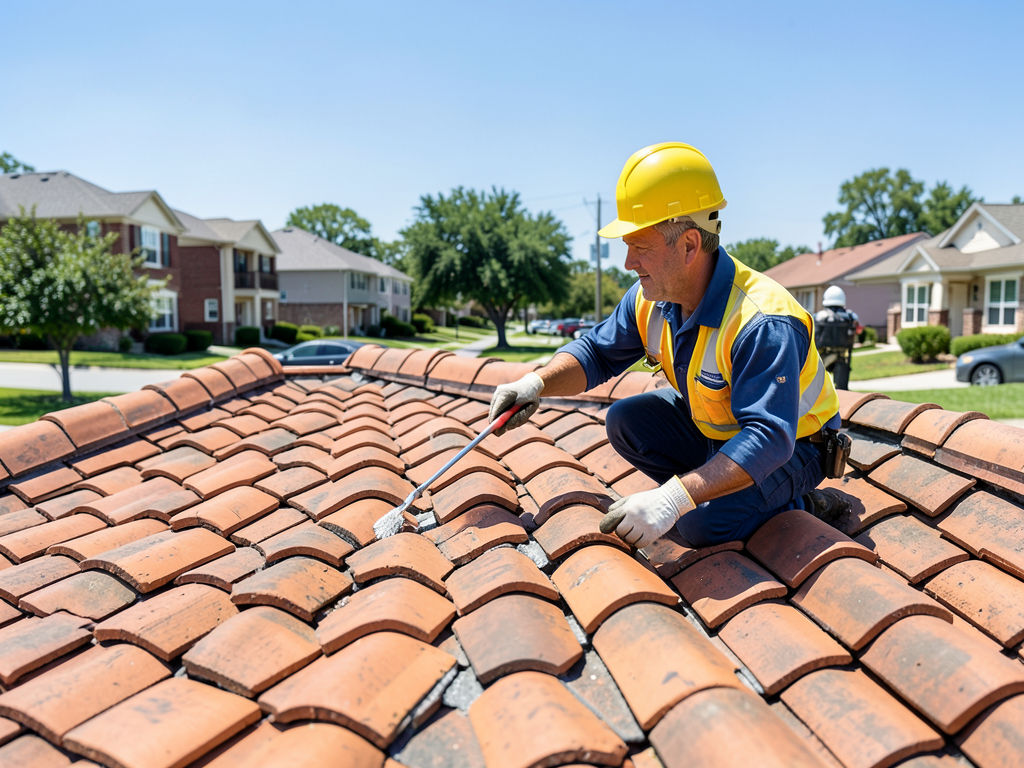
Essential steps to prepare your roof for a heavy South Texas rain event South Texas weather can change in minutes. One day the sun bakes your roof at 100 degrees. The next day a thunderstorm…
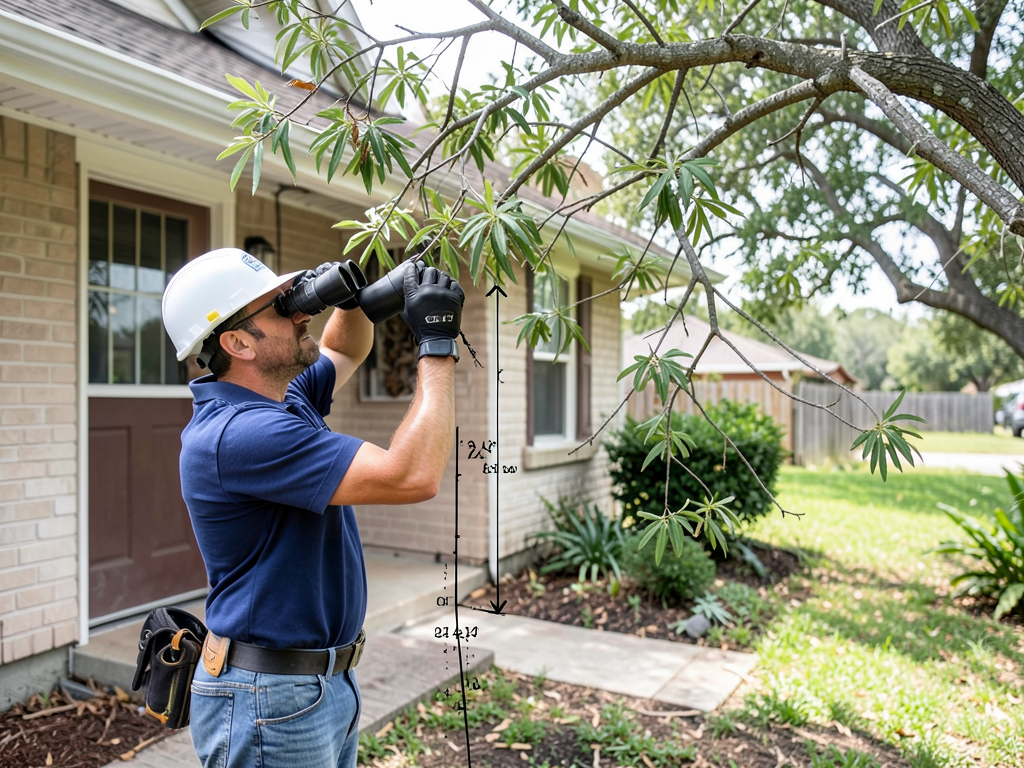
What to do when a neighbor's tree limbs are hanging over your roof in the…
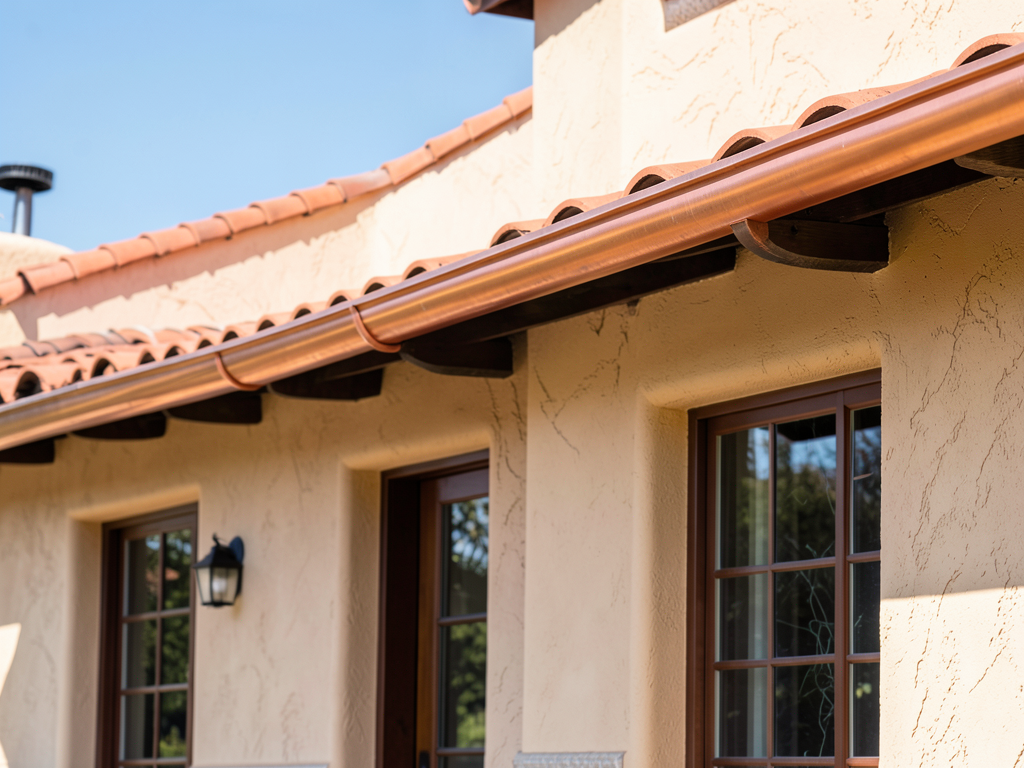
Adding instant curb appeal to your Terrell Hills home with copper gutters Your Terrell Hills…
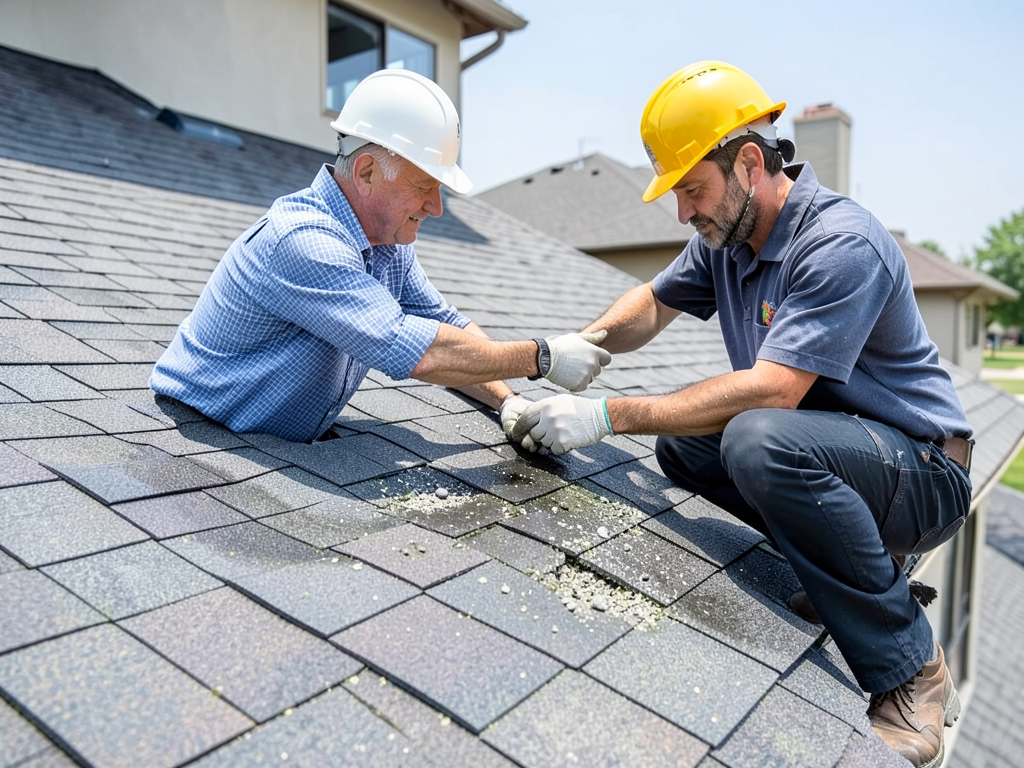
Why brand new homes in Redbird Ranch still need a yearly roof check Your brand…
Your roof faces another Texas storm season. Do not wait until leaks cause interior damage. Call Summit Roofing San Antonio now at (726) 256-6199 for a thorough inspection and honest assessment. We respond quickly and provide solutions that protect your home and family.