





Menu

Tile Roof Repair in San Antonio – Expert Fixes for Clay and Concrete Tile Systems

Summit Roofing San Antonio delivers precision tile roof repair that handles San Antonio's thermal cycling and wind-driven rain, restoring structural integrity and weatherproofing without unnecessary full replacements.

Slider Image 1
Slider Image 2
Slider Image 3
Slider Image 4
Slider Image 5
Slider Image 7
Slider Image 8
Slider Image 9
Slider Image 10
Slider Image 11

Why San Antonio Tile Roofs Fail Faster Than You Think

San Antonio's punishing summer heat causes tile roofs to expand and contract daily. When temperatures spike above 100 degrees for weeks, then drop suddenly during evening thunderstorms, the thermal stress cracks underlayment, loosens fasteners, and fractures individual tiles. Clay soil movement amplifies the problem. As the expansive clay beneath your foundation shifts, it torques roof decking and breaks tile bonds that were installed during stable conditions.

You see the symptoms quickly. Cracked roof tile repair becomes urgent when you notice pieces in your gutters after a storm. Tile roof leak repair escalates when water stains appear on ceilings near hips and valleys. Wind-driven rain during our intense spring storms finds every gap where tiles have slipped or mortar has failed. The longer you wait, the more secondary damage occurs to fascia boards, sheathing, and interior framing.

Fixing tile roofs in San Antonio requires understanding how local weather patterns attack specific weak points. Our S-tile and barrel tile roofs look beautiful, but they depend on proper hip and ridge cap installation, intact underlayment, and correctly positioned valley flashing. When one component fails, it creates a cascade. Repairing broken roof tiles becomes structural work, not cosmetic patching. You need precision diagnosis to separate surface damage from systemic failure. Roof tile replacement must match original profiles and integrate with existing waterproofing layers without creating new vulnerability points.

Why San Antonio Tile Roofs Fail Faster Than You Think
How We Diagnose and Repair Tile Roof Damage Correctly

How We Diagnose and Repair Tile Roof Damage Correctly

We start every tile roof repair with a full deck inspection from underneath. Attic access reveals water trails, sheathing rot, and truss movement that surface inspections miss. We map leak patterns back to their actual entry points, which often sit 3 to 6 feet upslope from interior stains. This matters because sealing the wrong area wastes your money and leaves the real problem active.

Our repair methodology separates underlayment failure from tile failure. If your 30-pound felt has degraded from UV exposure where tiles shifted, we remove sections and install synthetic underlayment with proper overlap and sealing. We do not patch deteriorated felt with roofing cement. That approach fails within months when San Antonio heat reactivates the degradation.

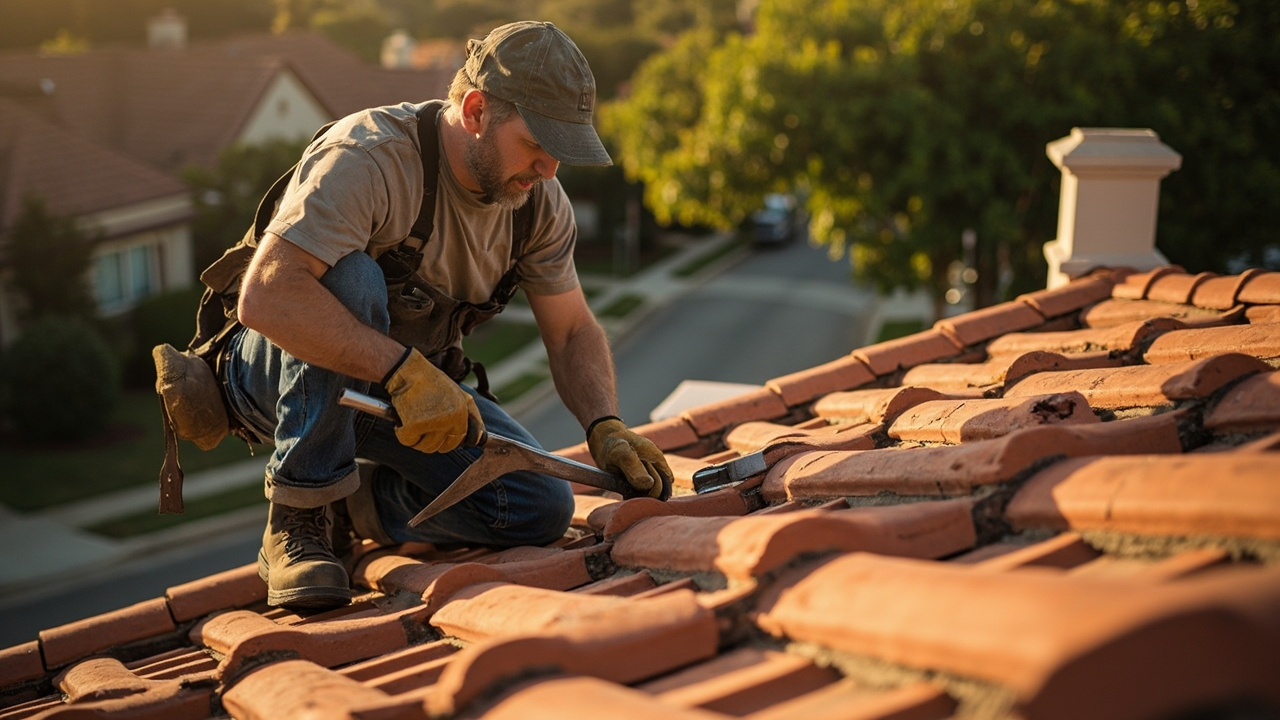
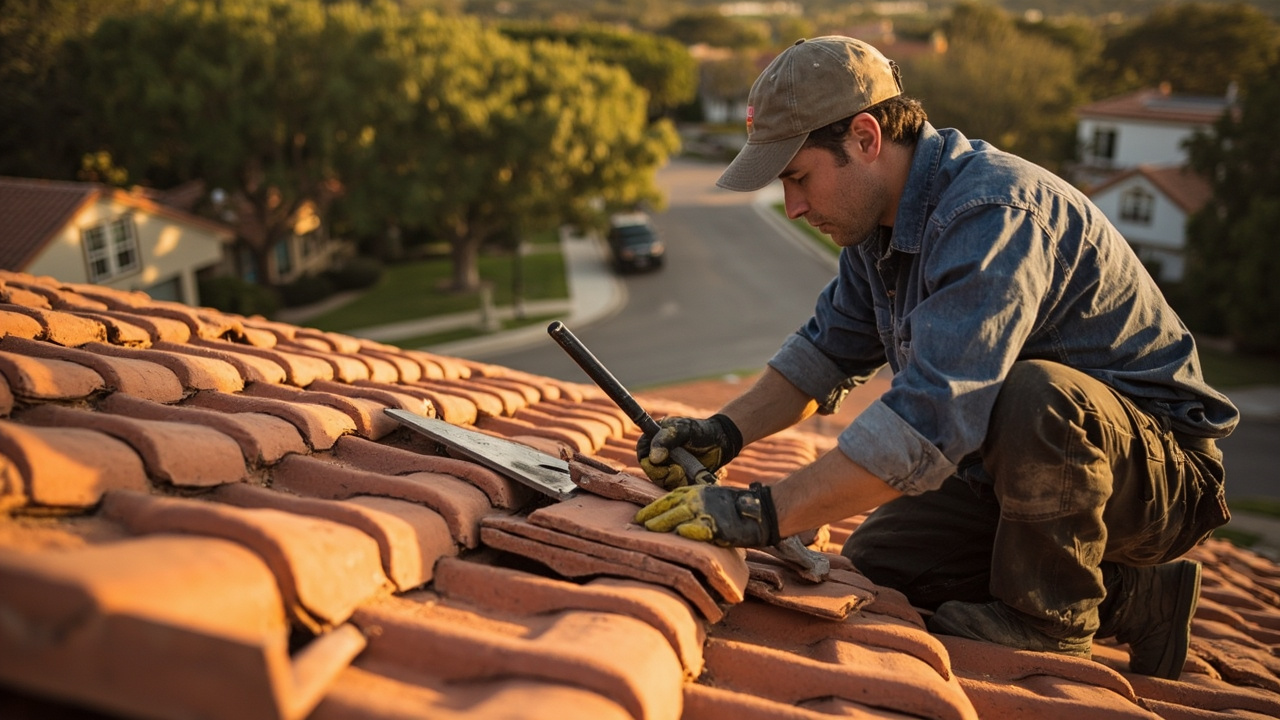
For cracked roof tile repair, we source matching profiles from local suppliers who stock the same clay and concrete formulations used in older Alamo Heights and Terrell Hills installations. Color matching matters. A repair that looks patchy damages your property value and signals amateur work. We replace broken tiles using mechanical fasteners rated for 110 mph wind zones, not just mortar. Mortar alone fails when the next thermal cycle hits.

Valley work requires surgical precision. We reflash valleys with 26-gauge galvanized steel or copper, depending on your existing system, and weave tile edges into the channel without creating dam points where debris accumulates. Hip and ridge caps get mechanically fastened, then bedded in fiber-reinforced mortar that flexes with thermal movement. This prevents the ridge cap blow-offs that happen during spring derechos.

What Happens During Your Tile Roof Repair

Tile Roof Repair in San Antonio – Expert Fixes for Clay and Concrete Tile Systems
01

Detailed Roof Inspection

We conduct a complete attic-to-surface evaluation, identifying every compromised tile, failed flashing point, and underlayment weak spot. You receive documentation with photos showing exactly what needs repair and why. We measure moisture levels in sheathing to determine if structural drying is required before we seal anything. This prevents trapping moisture that leads to mold and wood rot.
02

Precision Tile Replacement

We remove damaged tiles without disturbing surrounding sections, address underlayment and flashing issues in the exposed area, then install replacement tiles that match your existing profile and color. Every tile gets mechanically fastened to meet current wind load requirements. We verify proper overlap and ensure no gaps exist where wind-driven rain can penetrate. Ridge caps and hips receive extra attention because these high-stress areas fail first.
03

Final Waterproofing Verification

After installation, we conduct a water test on repaired sections to confirm zero penetration. We inspect from the attic during testing to verify our work performs under pressure. You get a detailed repair report documenting what we fixed, what materials we used, and maintenance recommendations to extend your roof life. We clean all debris from valleys and gutters before we leave your property.

Why Local Tile Roof Expertise Matters in San Antonio

San Antonio tile roofing presents unique challenges that out-of-town contractors miss. Our historic neighborhoods from Monte Vista to King William feature tile roof installations from the 1920s through 1940s that used different underlayment standards and fastening methods than modern code requires. Repairing these roofs without understanding original construction techniques leads to failure. You cannot simply overlay new materials on old systems and expect performance.

We understand local building code requirements for wind uplift resistance in Climate Zone 2. San Antonio sits in a 110 mph wind zone, which dictates specific fastener spacing and attachment methods for tile roof repair. Inspectors reject work that does not meet these standards. We pull permits when structural repairs require it, and we schedule inspections to keep your project compliant. This protects you during insurance claims and resale transactions.

Our familiarity with San Antonio's clay soil movement patterns informs how we approach valley and flashing repairs. When foundations shift on expansive clay, the resulting roof deck movement stresses tile attachment points differently than static settlement. We account for this ongoing movement when we design repairs, using flexible flashing materials and fastening patterns that accommodate micro-movement without creating new leak points.

Summit Roofing San Antonio maintains relationships with local tile suppliers who stock discontinued profiles and custom color matches for older installations. When you need roof tile replacement on a 1960s clay tile roof in Olmos Park, we can source matching materials that blend invisibly with your existing roof. This attention to aesthetic detail preserves your property value and maintains neighborhood character standards.

What You Can Expect From Your Tile Roof Repair

Rapid Response and Scheduling

We dispatch for inspections within 48 hours of your call. Most tile roof repairs take one to three days, depending on extent of damage and material sourcing requirements. We provide detailed timelines during your estimate, and we communicate daily during multi-day projects. Emergency tarping is available for active leaks while we wait for materials or weather windows. Our crews arrive on time and work efficiently to minimize disruption to your property and routine.

Comprehensive Damage Assessment

Your initial inspection includes attic evaluation, surface tile examination, flashing inspection, and valley assessment. We use moisture meters to detect hidden water damage in sheathing and framing. You receive a written report with photos documenting every issue we find, separated into immediate repairs and maintenance recommendations. We explain exactly what failed, why it failed, and what we recommend to fix it permanently. No pressure tactics, no unnecessary upselling.

Professional Installation Standards

Every tile roof repair meets or exceeds current San Antonio building code requirements for wind resistance and water penetration. We use mechanical fasteners rated for your wind zone, premium underlayment materials, and properly sized flashing. Our installations pass third-party inspections without callbacks or corrections. You get repairs that integrate seamlessly with your existing roof system, maintain your home's aesthetic appeal, and perform through San Antonio's weather extremes for years.

Ongoing Support and Maintenance

We provide maintenance guidance specific to your tile type and roof configuration. You receive recommendations for inspection frequency, valley cleaning schedules, and signs of emerging problems to watch for. We offer annual inspection services to catch small issues before they become expensive repairs. Our repair documentation includes material specifications and installation details that help future contractors maintain continuity if additional work becomes necessary years from now.

Frequently Asked Questions

You Have Questions,
We Have Answers

Can roof tiles be repaired? +

Yes, roof tiles can be repaired. Minor cracks, chips, or damaged underlayment often do not require full replacement. A qualified roofer can patch cracked tiles with specialized sealant, replace broken tiles individually, or repair flashing and underlayment issues. San Antonio's intense UV exposure and occasional hail damage make tile repairs common. The key is catching damage early before water intrudes beneath the tile layer. Regular inspections help identify loose or shifted tiles caused by wind or thermal expansion. Professional tile repair extends your roof's lifespan and prevents costly water damage to your decking and interior.

How much does it cost to replace one tile on a roof? +

Replacing a single roof tile in San Antonio typically costs between the service call fee and material charges. Pricing depends on tile type, accessibility, and roof pitch. Clay tiles differ in cost from concrete tiles. If your tile is discontinued or custom-colored, matching can increase expense. Most roofers charge a minimum service fee to cover travel and labor setup. The tile itself may cost just a few dollars, but labor and safety equipment add to the total. If multiple tiles need replacement during one visit, the per-tile cost drops. Always get a written estimate before work begins.

How to fix a roof tile without replacing it? +

You can fix a cracked roof tile without full replacement using roof tile adhesive or flexible sealant. Clean the damaged area thoroughly, removing debris and moisture. Apply a high-quality polyurethane sealant designed for roofing along the crack, pressing firmly to fill gaps. Some roofers use epoxy compounds for structural cracks. This method works for minor damage but does not address underlayment issues. San Antonio's heat cycles can cause sealants to degrade faster, so monitor repaired tiles annually. This fix is temporary. If the crack widens or water stains appear on your ceiling, replace the tile immediately.

How to patch a broken roof tile? +

Patching a broken roof tile requires removing debris, applying roofing cement or tile adhesive, and sealing the break. Lift surrounding tiles gently to access the damaged piece. For hairline cracks, apply a bead of polyurethane or silicone sealant along the fracture. For larger breaks, use roofing mastic or epoxy to bond fragments together. Press firmly and wipe away excess. This patch prevents immediate water intrusion but is not a permanent fix. San Antonio's thermal expansion can reopen patched cracks. If the tile is shattered or the break exceeds two inches, replacement is safer than patching.

How much does tile roof repair cost? +

Tile roof repair cost in San Antonio varies based on damage extent, tile type, and accessibility. Minor repairs like replacing a few tiles or fixing flashing may run a few hundred dollars. Moderate repairs involving underlayment, valleys, or multiple broken tiles can cost more. Clay tiles are pricier than concrete. Steep pitches or multi-story homes increase labor costs due to safety requirements. Emergency repairs after hail or wind storms may carry premium rates. Always get multiple estimates. Repair costs are a fraction of full replacement, making proactive maintenance wise in San Antonio's severe weather climate.

What is the average lifespan of a tiled roof? +

A tiled roof typically lasts 50 to 100 years, depending on material and maintenance. Clay tiles can exceed 100 years if properly installed and maintained. Concrete tiles last 40 to 75 years. San Antonio's intense sun and occasional hail can shorten lifespan without regular inspections. Underlayment usually fails before tiles, requiring replacement every 20 to 30 years. Proper ventilation, prompt repairs, and annual inspections extend tile roof longevity. The tiles themselves often outlast the structure beneath them. Quality installation and proactive care maximize your investment in a tile roof system.

Will a roof leak with one tile missing? +

Yes, a roof will leak with one missing tile, especially during heavy rain. The gap exposes underlayment, which deteriorates quickly under San Antonio's UV exposure and summer heat. Water can seep beneath adjacent tiles, saturating decking and insulation. Even one missing tile creates a pathway for wind-driven rain, common during thunderstorms. The longer the tile remains missing, the more damage occurs to underlying materials. Leaks may not appear immediately, but moisture trapped in the roof system leads to mold, rot, and structural damage. Replace missing tiles immediately to prevent cascading repair costs.

What is the most expensive part of replacing a roof? +

The most expensive part of replacing a roof is labor and material removal. Tearing off old roofing, disposing of debris, and preparing the deck account for significant costs. For tile roofs, crane rentals or specialized lifting equipment add expense due to tile weight. Structural repairs to damaged decking or trusses increase costs substantially. In San Antonio, code-compliant underlayment and ventilation systems required for energy efficiency add to the total. Premium tile materials like imported clay tiles drive up material costs. Labor dominates the budget because roofing is dangerous, skilled work requiring proper safety equipment and insurance coverage.

Can you replace just a few roof tiles? +

Yes, you can replace just a few roof tiles without redoing the entire roof. This is common for repairing isolated damage from fallen branches, hail, or wind. A skilled roofer can remove broken tiles, inspect underlayment, and install matching replacements. The challenge in San Antonio is finding tiles that match older roofs due to color fading from UV exposure or discontinued styles. Replacing a few tiles is cost-effective if your roof is otherwise sound. If you need frequent tile replacements across large areas, your underlayment or decking may be failing, requiring more extensive work.

Does flex seal really work on roofs? +

Flex Seal is not a reliable long-term solution for tile roofs. It may temporarily stop minor leaks, but it does not address underlying issues like damaged underlayment or broken tiles. San Antonio's extreme heat causes Flex Seal to break down quickly, losing adhesion and flexibility. It is not designed for the thermal expansion and contraction tile roofs experience. Professional roofers use industry-grade sealants and proper repair techniques that last years, not months. Flex Seal can void warranties and create cleanup problems for future repairs. For tile roof leaks, hire a licensed roofer for a proper fix.

How San Antonio's Thermal Extremes and Storm Patterns Demand Specialized Tile Repair

San Antonio experiences 110-degree summer days followed by sudden 30-degree temperature drops during winter cold fronts. This extreme thermal cycling expands and contracts tile, underlayment, and fasteners at different rates. Clay tiles are especially vulnerable because they absorb heat during the day and release it slowly at night, creating stress cycles that fracture mortar bonds and crack tiles along weak points. Our spring derecho storms deliver straight-line winds exceeding 70 mph with driving rain that finds every weakness in hip caps, ridge lines, and valley channels. Fixing tile roofs here requires understanding these specific stress patterns and engineering repairs that accommodate movement rather than resist it.

San Antonio's tile roofing community understands local material performance because we see the same failure patterns across similar installations. We know which tile manufacturers supplied specific neighborhoods during different decades, which underlayment products hold up in our UV intensity, and which flashing materials resist our temperature swings. This institutional knowledge prevents costly trial-and-error repairs. When you choose Summit Roofing San Antonio for tile roof leak repair or roof tile replacement, you get crews who have worked on hundreds of local tile roofs and understand how materials perform in real San Antonio conditions, not laboratory specifications.
Roofing Services in The San Antonio Area

Explore our service coverage in and around San Antonio using the map below. Summit proudly serves residential and commercial clients throughout the region. Whether you're in the heart of the city or in the nearby suburbs, we’re just a call away. We make it easy to reach us for inspections, quotes, or emergency assistance. Your trusted roofing team is always nearby.

Address:
Summit Roofing San Antonio, 1100 NW Loop 410, Suite 700, San Antonio, TX, 78213

Additional Services We Offer

Our news updates

Latest Articles & News from The Blogs

What to do when a neighbor's tree limbs are hanging over your roof in the Great Northwest Living in the…

What to do when a neighbor's tree limbs are hanging over your roof in the Great Northwest

What to do when a neighbor's tree limbs are hanging over your roof in the Great Northwest Living in the…

Adding instant curb appeal to your Terrell Hills home with copper gutters

Adding instant curb appeal to your Terrell Hills home with copper gutters Your Terrell Hills home deserves more than ordinary…

Why brand new homes in Redbird Ranch still need a yearly roof check

Why brand new homes in Redbird Ranch still need a yearly roof check Your brand new roof in Redbird Ranch…

Contact Us

Stop wondering if that crack will turn into a major leak. Call Summit Roofing San Antonio at (726) 256-6199 for a detailed tile roof inspection and repair estimate. We provide honest assessments and permanent solutions.