





Menu

Water Stains on Ceiling in San Antonio – Expert Diagnosis and Permanent Repair Solutions

Summit Roofing San Antonio pinpoints the hidden roof damage causing those water stains on ceiling and delivers lasting repairs that protect your home from San Antonio's severe weather patterns.

Slider Image 1
Slider Image 2
Slider Image 3
Slider Image 4
Slider Image 5
Slider Image 7
Slider Image 8
Slider Image 9
Slider Image 10
Slider Image 11

Why Water Stains Appear on San Antonio Ceilings

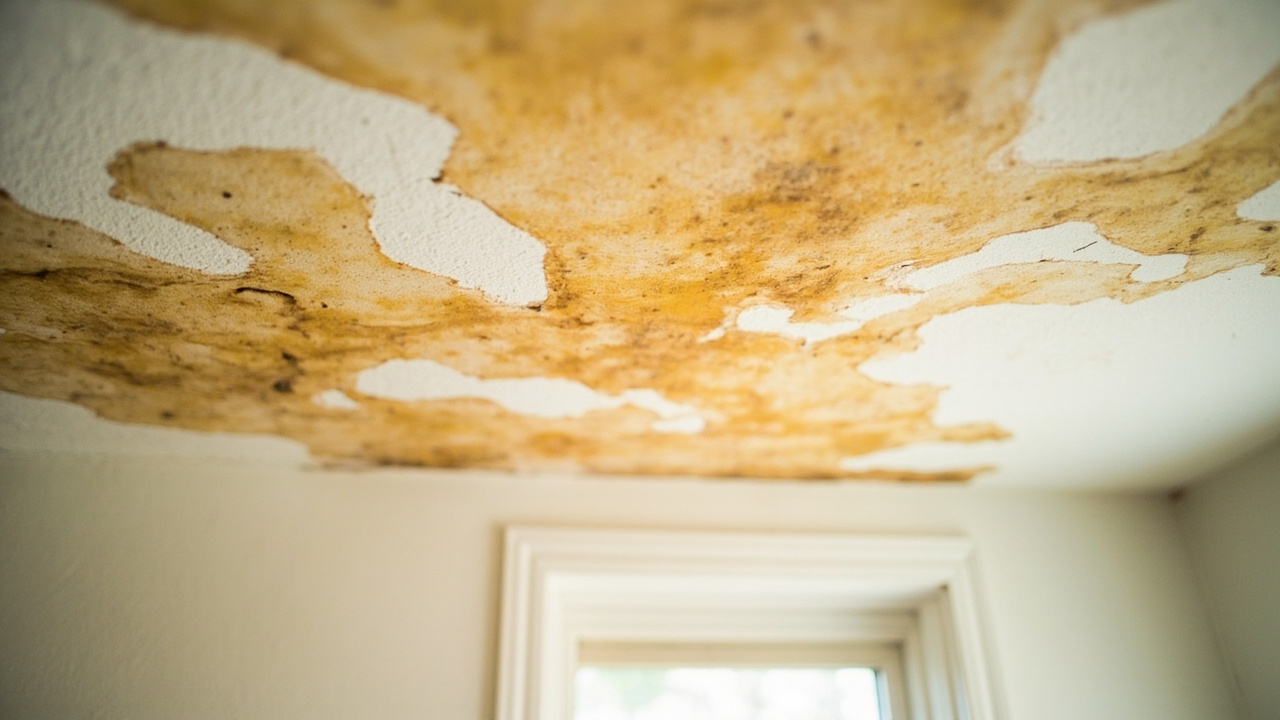
You notice brown spots on ceiling spreading across your bedroom. Those wet patches on ceiling grow darker after every thunderstorm. Yellow ceiling stains now mark your living room. You are not imagining it. Water is infiltrating your home.

San Antonio's intense summer heat expands roofing materials, while sudden temperature drops during winter create contraction cycles that crack flashing and loosen shingles. Our region receives brief but violent thunderstorms that dump inches of rain in minutes, overwhelming compromised roof systems. The clay soil beneath San Antonio homes shifts constantly, causing structural movement that separates roof connections and creates entry points for water.

Those ceiling water spots signal active leaks. Water travels along rafters and beams before appearing on your ceiling, often far from the actual roof breach. The brown discoloration you see comes from dissolved tannins in wood framing or rust from fasteners. Yellow ceiling stains indicate water has been present long enough to activate adhesives in drywall tape or ceiling texture compounds.

Every water mark on ceiling represents hidden damage you cannot see. Insulation absorbs moisture and loses its R-value. Wood framing begins to rot. Mold colonies establish themselves in dark cavities. Electrical wiring faces corrosion risks. The longer water circulates through your ceiling cavity, the more expensive the repair becomes.

San Antonio homeowners often dismiss small stains as minor issues. They are not. Those wet patches on ceiling mean your roof has failed its primary function. The damage is happening now, while you read this.

Why Water Stains Appear on San Antonio Ceilings
How We Find and Fix the Real Problem

How We Find and Fix the Real Problem

Most contractors patch the ceiling and walk away. We do not operate that way. Summit Roofing San Antonio traces every water stain back to its source on the roof deck.

We start with infrared moisture detection that reveals saturated areas invisible to the naked eye. This technology maps the water intrusion path from your ceiling back through the attic space to the roof penetration. We identify whether your leak originates from failed step flashing at a chimney, compromised valley metal, missing kickout flashing at a wall intersection, or deteriorated boot seals around vent pipes.

Our technicians access your attic to inspect the underside of the roof deck for water trails, check insulation compression patterns that indicate repeated wetting, and examine rafters for early-stage rot. We document the full scope of damage before proposing any repair.

The roof inspection covers shingle condition, checking for granule loss that exposes the asphalt mat to UV degradation, wind-lifted tabs that allow water to flow beneath the shingle plane, and thermal cracking from San Antonio's temperature extremes. We inspect every penetration, including plumbing vents, kitchen exhaust terminations, and attic ventilation points where improper flashing installation commonly fails.

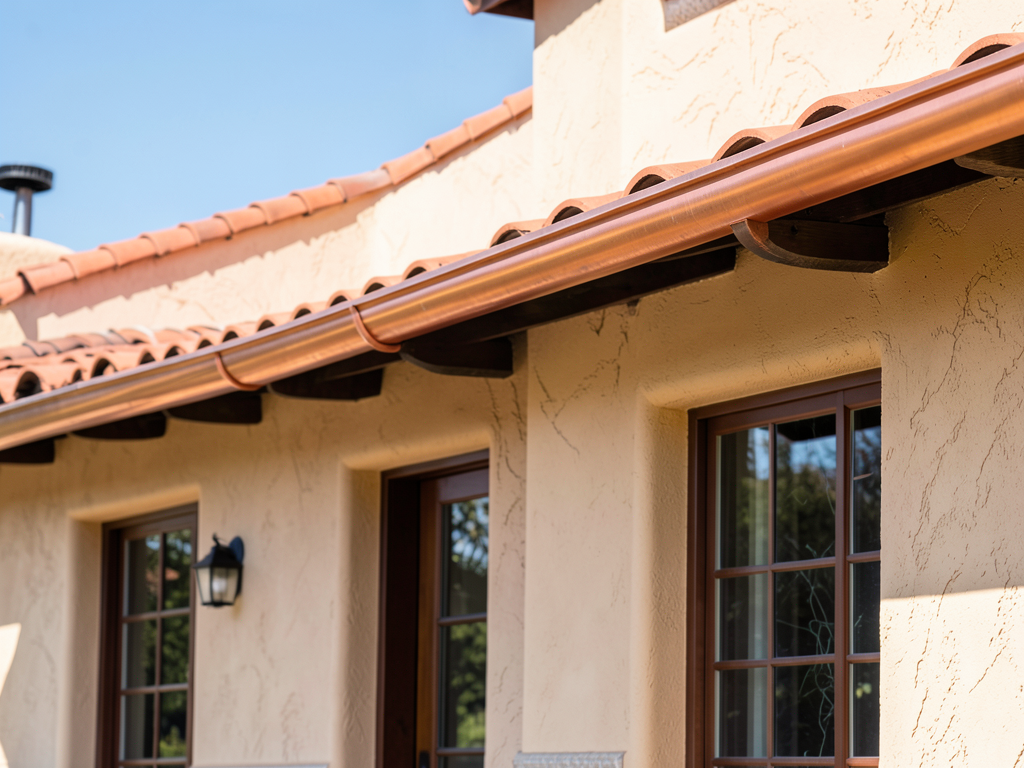
We examine the drip edge installation, check gutter attachment points where ice damming can occur during rare freezes, and verify that the underlayment extends properly to protect the decking. San Antonio homes with architectural shingles face unique challenges when installers skip the required high-wind installation methods, leaving nail lines exposed to water infiltration.

After identifying every failure point, we provide a detailed repair scope that addresses root causes, not symptoms. You receive documentation of what failed, why it failed, and what we will do to prevent recurrence.

Our Ceiling Water Damage Investigation Process

Water Stains on Ceiling in San Antonio – Expert Diagnosis and Permanent Repair Solutions
01

Interior Damage Assessment

We document every ceiling water spot, measure moisture levels in the drywall and framing using calibrated meters, and photograph the damage extent. You receive a written assessment that details which structural components require replacement versus which can be dried and restored. This documentation becomes essential for insurance claims and prevents disputes about damage scope.
02

Roof System Diagnosis

Our technicians trace the water intrusion path from your brown spots on ceiling back to the exact roof failure point. We inspect flashing integration at wall intersections, check valley installations for improper weave patterns or missing underlayment, examine ridge vent installation, and verify that penetration boots maintain proper seals. You learn exactly what failed and why it allowed water entry.
03

Comprehensive Repair Plan

We provide a detailed repair proposal that separates roof repairs from interior restoration work. You see line-item pricing for replacement flashing, shingle repairs, decking replacement if rot is present, and proper ventilation corrections. The plan includes a timeline that coordinates roof repairs before interior ceiling restoration begins, preventing additional water damage during the repair process.

Why San Antonio Homeowners Choose Summit Roofing

You need a roofing contractor who understands how San Antonio's climate attacks roof systems. Summit Roofing San Antonio has repaired thousands of leaks across Alamo Heights, Stone Oak, and the Historic Districts downtown, where different architectural styles present unique flashing challenges.

We know that San Antonio's building codes require specific wind-rated shingle installation methods in our 110 mph wind zone. Many contractors skip the required six nails per shingle or fail to use the proper sealant strips, leaving your roof vulnerable to the next severe thunderstorm. We follow the International Building Code requirements and manufacturer specifications exactly.

Our technicians recognize the difference between repairable and replacement-grade decking. When water creates brown spots on ceiling, the plywood or OSB sheathing beneath your shingles may have delaminated from repeated wet-dry cycles. We do not install new shingles over compromised decking. That practice guarantees callback visits when the next rain creates fresh water marks on ceiling.

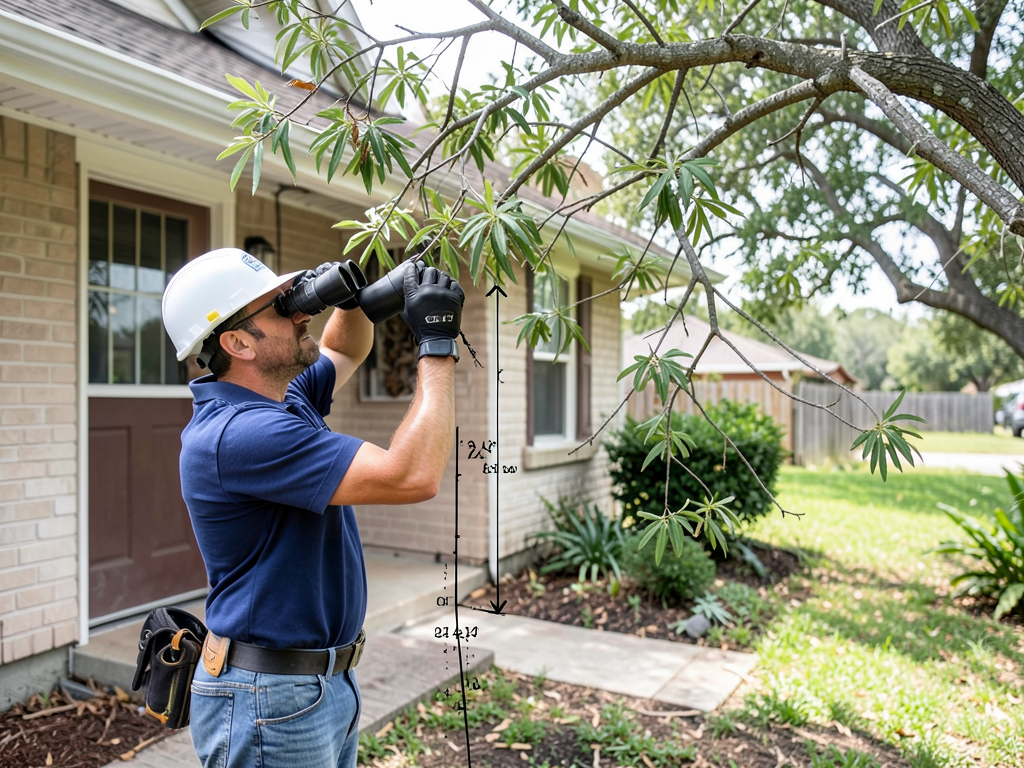
San Antonio's oak trees drop leaves that accumulate in valleys and behind chimneys, creating dams that force water under shingles during heavy rains. We address these accumulation zones during repairs and recommend maintenance schedules that prevent future problems. Homes near Brackenridge Park or along the Salado Creek Greenway face constant leaf debris that requires proactive management.

We coordinate with insurance adjusters who serve San Antonio. They know our documentation standards and trust our damage assessments. When your insurer questions whether those ceiling water spots resulted from a covered storm event or maintenance neglect, our detailed photo documentation and moisture mapping provide the evidence needed to support your claim.

You receive a local company that answers calls, not a national franchise that routes you through a call center.

What Happens After You Call Us

Rapid Response Timeline

We schedule an inspection within 24 to 48 hours of your call. Active leaks get same-day emergency response to prevent additional damage. Our technician spends 45 to 90 minutes conducting the thorough roof and attic investigation. You receive a preliminary assessment before we leave your property, followed by a detailed written report with photos within 24 hours. Most repairs schedule within one week of approval, weather permitting.

Thorough Leak Diagnosis

The inspection includes attic access to trace water paths, infrared scanning if needed to map moisture spread, and complete roof surface examination of all penetrations and transitions. We check every plumbing vent, kitchen exhaust termination, and attic ventilation point. You learn whether your wet patches on ceiling resulted from a single failure point or multiple compromised areas. We identify secondary damage like saturated insulation or early-stage mold growth that requires attention.

Permanent Repair Execution

We remove damaged materials back to solid substrates, replace any compromised decking with properly rated sheathing, and install new flashing using the correct integration methods. Shingle repairs match your existing roof and blend seamlessly. We do not create visible patch jobs that stand out. Valley repairs receive new underlayment and proper metal installation. Penetration repairs get new boots and storm collars. The interior ceiling receives professional restoration after the roof repair proves watertight.

Post-Repair Protection

All flashing work and roof repairs include workmanship coverage that protects you from installation defects. We provide maintenance recommendations specific to your roof design and the trees surrounding your property. You receive guidance on gutter cleaning schedules, debris removal from valleys, and annual inspection checkpoints. We document the repairs with photos that create a service history for your home, valuable information for future buyers or insurance underwriters.

Frequently Asked Questions

You Have Questions,
We Have Answers

Is a water stain on a ceiling serious? +

Yes. Water stains signal active or past moisture intrusion that can weaken ceiling structure and insulation. In San Antonio's humid climate, trapped moisture accelerates wood rot and creates conditions for mold growth within 24 to 48 hours. Even old stains indicate a pathway for water that can reactivate during our intense summer thunderstorms or winter freezes. The stain you see represents only surface damage. Behind it, drywall may be saturated, insulation compressed, and framing compromised. Ignoring ceiling stains leads to costly structural repairs, potential mold remediation, and decreased indoor air quality.

How do you get rid of water stains on the ceiling? +

First, identify and fix the moisture source. Surface cleaning without addressing the leak wastes time and money. Once the area is completely dry, inspect for structural damage or mold. If sound, apply stain-blocking primer like BIN or Kilz to prevent bleed-through, then repaint with ceiling paint matched to your existing finish. San Antonio's clay soil shifts can stress plumbing lines, so verify the fix is permanent before covering the stain. If the drywall is soft, sagging, or discolored brown, replacement is necessary. Never paint over wet or damaged material.

Why is there a water mark on my ceiling but no leak? +

Condensation from temperature differentials causes phantom stains without active leaks. In San Antonio, poorly insulated attics reach 150 degrees in summer while air-conditioned interiors stay at 72 degrees. This creates condensation on cold surfaces. HVAC ducts in unconditioned attic spaces sweat heavily, dripping onto ceilings. Bathroom exhaust fans venting into attics instead of outside trap humid air. Ice dams from rare freezes can temporarily melt and refreeze without breaching roofing. Check attic insulation levels, duct insulation, and ventilation pathways before assuming roof damage.

How to tell if it's mold or just a water spot? +

Mold appears fuzzy, raised, and ranges from black to green or white. Water stains are flat, smooth, and typically yellow, brown, or rust-colored. Smell the area. Mold produces a musty, earthy odor. Test by dabbing the spot with diluted bleach on a cloth. Mold lightens immediately, stains do not change. San Antonio's humidity accelerates mold growth on damp organic materials like drywall paper and insulation. If the ceiling feels soft, spongy, or cool to touch, assume mold is growing behind the surface. Professional testing confirms species and concentration.

Do water stains on the ceiling always mean mold? +

No, but they create ideal mold conditions. Mold needs moisture, organic material, and temperatures between 60 and 80 degrees to colonize. San Antonio's climate checks all boxes. A water stain proves moisture was present, but mold growth depends on how long materials stayed wet and airflow around the area. Ceilings that dried within 24 hours may avoid mold. Chronic leaks or high humidity guarantee spore germination. Even without visible mold, stains indicate compromised building materials that may harbor hidden growth in wall cavities or above ceilings. Inspection is critical.

How do professionals remove water stains? +

Professionals first document damage with moisture meters and thermal imaging to map the full extent beyond visible staining. They identify the source, perform necessary repairs, then remove damaged materials if saturation exceeds 48 hours or mold is present. After drying the area completely using dehumidifiers and air movers, they apply oil-based stain-blocking primers that seal tannins and prevent bleed-through. Finally, they texture-match and repaint to blend seamlessly. In San Antonio, pros also check attic ventilation and insulation to prevent recurrence from condensation caused by our extreme temperature swings.

Should I call a plumber for a ceiling stain? +

If the stain appears near plumbing fixtures, above bathrooms, or below second-floor plumbing, yes. However, many ceiling stains originate from roof leaks, HVAC condensation, or attic moisture issues. A plumber can pressure-test supply lines and inspect drain stacks, but a roofer should evaluate flashing, shingles, and underlayment. In San Antonio, where clay soil movement stresses pipe connections and summer storms test roof integrity, start with a visual inspection of the attic and roof. If no roof damage is visible, call a plumber to eliminate supply or waste line failure.

What are the common signs of a roof leak? +

Look for water stains on ceilings and walls, especially near chimneys, vents, or skylights. Check attics for daylight penetration through the roof deck, wet insulation, or dark streaking on rafters. Missing, curled, or cracked shingles signal vulnerability. Granules collecting in gutters indicate aged shingles. In San Antonio, wind-driven rain from summer thunderstorms exploits damaged flashing around roof penetrations. Sagging rooflines, peeling exterior paint near the roofline, and musty odors inside confirm chronic moisture intrusion. Inspect after heavy rain to catch active leaks.

What does a water stain look like on the ceiling? +

Water stains appear as discolored patches, typically yellow, brown, tan, or rust-colored. Fresh stains may look darker or have defined wet edges. Old stains fade to light yellow with irregular borders. Stains often form concentric rings as water spreads, dries, and reoccurs. Texture may bubble, crack, or peel if drywall paper delaminates. Severe stains show sagging or soft spots indicating structural saturation. In San Antonio homes with popcorn ceilings, stains appear as darkened sections where texture absorbs moisture. Stains near corners or exterior walls suggest roof leaks.

Who should I call for a water stain in my ceiling? +

Contact a licensed roofer first to inspect for roof damage, especially in San Antonio where summer storms and winter freezes stress roofing systems. If the roof is sound, consult a plumber to check supply lines and drains. For stains near HVAC vents, call an HVAC technician to inspect ductwork and condensation drains. If mold is suspected or materials are saturated, a water damage restoration specialist handles drying, remediation, and reconstruction. Start with the most likely source based on stain location. A qualified contractor will identify the root cause and coordinate necessary trades for complete repair.

San Antonio's Weather Extremes and Ceiling Water Damage

San Antonio sits at the intersection of humid subtropical and semi-arid climate zones, creating weather patterns that punish roof systems. Summer temperatures above 100 degrees cause extreme thermal expansion in roofing materials, while sudden cold fronts during winter create contraction that opens gaps at flashing connections. Our thunderstorms arrive with little warning, dropping two to three inches of rain in under an hour. These intense rainfall rates overwhelm any roof with compromised flashing or missing shingles, forcing water through gaps that remain dry during normal rain events. The clay soil throughout Bexar County swells and contracts with moisture changes, shifting foundations and creating stress on roof-to-wall connections that eventually separate and allow water infiltration.

Summit Roofing San Antonio maintains relationships with local building inspectors and understands how San Antonio's amended building codes apply to roof repairs. We know which neighborhoods contain homes built before current wind-resistance standards took effect, and we upgrade those installations during repairs to meet modern requirements. Our familiarity with architectural styles throughout Alamo Heights, Terrell Hills, and the King William Historic District means we match repair materials to your home's original construction methods. When you hire local expertise, you get technicians who recognize the difference between properly installed flashing and shortcut methods that create those yellow ceiling stains after the next storm.
Roofing Services in The San Antonio Area

Explore our service coverage in and around San Antonio using the map below. Summit proudly serves residential and commercial clients throughout the region. Whether you're in the heart of the city or in the nearby suburbs, we’re just a call away. We make it easy to reach us for inspections, quotes, or emergency assistance. Your trusted roofing team is always nearby.

Address:
Summit Roofing San Antonio, 1100 NW Loop 410, Suite 700, San Antonio, TX, 78213

Additional Services We Offer

Our news updates

Latest Articles & News from The Blogs

Managing Leaf Buildup in the Hard to Reach Roof Valleys of Shady Oaks Roof valleys channel rainwater off your home…

Managing Leaf Buildup in the Hard to Reach Roof Valleys of Shady Oaks

Managing Leaf Buildup in the Hard to Reach Roof Valleys of Shady Oaks Roof valleys channel rainwater off your home…

Understanding how Texas wildfire risks should influence your choice of roofing materials

Understanding how Texas wildfire risks should influence your choice of roofing materials Living in San Antonio means dealing with intense…

Choosing the Right Roof Underlayment to Battle South Texas Humidity

Choosing the Right Roof Underlayment to Battle South Texas Humidity Your roof faces a daily assault in San Antonio. The…

Contact Us

Those water marks on ceiling represent ongoing structural damage happening right now. Call Summit Roofing San Antonio at (726) 256-6199 for an expert diagnosis. We trace the leak to its source and provide permanent repairs that protect your home.