





Hondo sits in a climate zone where roofing systems face constant stress from multiple directions. Summer temperatures regularly exceed 100 degrees, causing asphalt shingles to bake and metal roofing to expand. The intense UV exposure in Medina County degrades roofing materials faster than in northern climates, shortening roof lifespans by years if inferior products are used.
Spring and fall bring severe weather that moves up from Mexico through the Frio River valley. These storms produce golf ball sized hail that damages shingles, cracks tiles, and dents metal roofing. Wind gusts often exceed 60 mph, testing the attachment strength of every roof component. Homes near the Hondo Creek area face additional moisture challenges during heavy rain events.
The caliche soil common throughout Hondo causes foundation settlement that can stress roof structures over time. As homes shift slightly, poorly installed roofing systems develop leaks at valleys and penetrations. Local building codes require specific wind ratings and installation methods, but not every contractor follows them correctly. Choosing a roofing contractor who understands these regional factors means the difference between a roof that fails in five years and one that protects your property for decades.
We have built our reputation in the San Antonio region by doing exactly what we promise. When you call Summit Roofing San Antonio, you get a roofing contractor who arrives on time, provides honest assessments, and completes work according to manufacturer specifications and local building codes. We do not play games with pricing or add mysterious charges after starting work.
Our crews know South Texas construction inside and out. We have installed thousands of roof systems across Medina County and understand how different roofing materials perform in this climate. That knowledge guides our recommendations. If your roof can be repaired instead of replaced, we tell you. If a cheaper material will fail in Hondo's weather, we explain why before you waste money on it.
Every roof installation includes proper ventilation design, ice and water barrier in critical areas, and attachment methods that exceed minimum code requirements. We use the same installation standards for a small repair as we do for a complete commercial roof replacement. Our project managers document every phase with photos so you see exactly what is happening on your roof.
We handle insurance claims daily and know how to document storm damage properly. When hail hits Hondo, we help property owners navigate the claims process and work directly with adjusters to ensure fair settlements. You get a roof that is fully covered by manufacturer warranties and backed by our workmanship guarantee. We are not the cheapest option in town, but we are the one that will still answer your calls five years from now.

Our crews maintain active certifications from major roofing manufacturers, which means your roof qualifies for extended warranties that generic contractors cannot offer. These certifications require ongoing training and quality audits. We follow exact installation protocols that keep your warranty valid and your roof performing as engineered.

We respond quickly after severe weather hits Hondo and provide detailed damage assessments that insurance companies accept. Our documentation includes measurements, photos, and material testing that proves storm damage versus normal wear. We handle the technical side of your claim so you can focus on getting your property protected.
Every roof system we install meets or exceeds Texas building codes and local ordinances specific to Medina County. We pull proper permits, schedule required inspections, and document compliance at every phase. This protects your investment and prevents issues when you sell your property or file insurance claims later.
We have completed hundreds of roofing projects throughout Hondo and understand the specific challenges properties face in this area. From older homes near downtown to newer construction off Highway 90, we know which roof systems work best for different architectural styles and exposure conditions common to this region.
Summit Roofing San Antonio handles every aspect of roof construction and repair for residential and commercial properties throughout Hondo. Our service range covers emergency storm damage response, scheduled maintenance programs, complete roof replacements, and specialized commercial roofing systems. We work with all major roofing materials and can match existing roof systems or help you upgrade to more durable options.
Whether you need a quick repair to stop a leak or a full roof replacement after hail damage, we provide the same level of attention and quality workmanship. Our crews arrive with proper equipment, follow safety protocols, and complete work efficiently without cutting corners. We schedule projects around your timeline and keep you informed throughout the process.
Commercial property owners rely on us for flat roof systems, metal roofing installations, and maintenance programs that extend roof life and prevent costly emergency repairs. Residential customers trust us for storm damage repairs, insurance claim assistance, and roof replacements that match neighborhood aesthetics while providing superior weather protection. Every project includes detailed proposals, clear timelines, and documentation that satisfies insurance requirements and building inspectors.
When severe weather damages your roof, water intrusion causes more destruction with every hour of delay. We provide emergency tarping services and permanent repairs that stop leaks and restore weather protection quickly. Our storm damage assessments document all damage for insurance claims and include detailed repair plans. We work directly with adjusters and handle the technical documentation required for claim approval, then complete repairs using materials that match your existing roof system or provide an opportunity for full replacement if damage is extensive.
A properly installed roof replacement includes removing old materials, inspecting and repairing decking, installing underlayment and ice barriers, then applying your chosen roofing material according to manufacturer specifications. We help you select roof systems appropriate for Hondo weather conditions and your budget. Our installations include proper ventilation design, upgraded flashing at critical areas, and attachment methods that exceed wind rating requirements. Every roof replacement includes manufacturer warranties and our workmanship guarantee, plus final inspection approval and documentation for your property records.
Commercial properties require roofing systems engineered for larger spans, equipment loads, and different water drainage requirements than residential roofs. We install TPO, EPDM, and modified bitumen flat roof systems designed for low slope applications. Our metal roofing solutions provide long term durability for warehouses, agricultural buildings, and commercial facilities. We schedule work to minimize business disruption and can phase large projects to maintain building operations. Maintenance programs keep commercial roofs performing efficiently and help you budget for eventual replacement instead of facing emergency repairs.
Hondo roofs develop specific problems related to local weather patterns and construction practices. Understanding these issues helps property owners recognize damage early and prevent minor problems from becoming expensive repairs. South Texas sun exposure degrades roofing materials faster than moderate climates, while sudden storms test installation quality.
Many older homes in Hondo have original roofs installed before updated wind rating requirements took effect. These roofs may look fine but lack proper attachment strength for severe weather. Newer construction sometimes uses minimum code requirements instead of best practices, leading to premature failures. The combination of intense heat, UV exposure, and violent storms creates a harsh environment that reveals any weakness in roof construction or materials.
Property owners who schedule regular inspections catch problems before leaks damage interiors. Small repairs cost hundreds of dollars, while ignoring issues leads to thousands in water damage and structural repairs. Knowing what to watch for helps you protect your investment and avoid emergency situations during the next storm.
Hailstorms move through Hondo regularly and cause damage that may not be immediately visible. Asphalt shingles develop bruises that expose the mat and accelerate deterioration. Metal roofing gets dented, and tile roofs crack. This damage voids warranties and allows water penetration that leads to rot and leaks within months. Professional inspections after storms document damage while insurance claims remain valid.
High winds test the attachment strength of every roof component. Improperly installed shingles blow off during storms, exposing underlayment and decking to water damage. Edge metal and flashing separate from roof structures, allowing wind driven rain to penetrate walls. Older roofs with hand nailing instead of pneumatic fasteners often fail wind rating requirements and suffer extensive damage during severe weather events.
Continuous exposure to temperatures above 100 degrees bakes asphalt shingles and causes premature aging. Granules that protect the asphalt mat from UV damage wash away, exposing the base material to direct sunlight. Shingles become brittle and crack, while adhesive strips fail and allow tabs to lift. Inadequate attic ventilation traps heat and accelerates this deterioration from below, shortening roof life significantly.
Flashing around chimneys, skylights, and roof penetrations prevents water from entering where different materials meet. Many contractors take shortcuts on flashing installation or use inadequate materials that fail quickly. Improperly installed valley flashing allows water to flow under shingles instead of over them. These hidden installation defects cause leaks that damage interiors and require expensive repairs to fix correctly.
We run our roofing business based on clear communication and realistic expectations. You will know exactly what work we are doing, how long it will take, and what it costs before we start. Our project managers stay in contact throughout your project and address concerns immediately. We treat your property with respect, protect landscaping and outdoor fixtures, and clean up thoroughly when work is complete.
Most roofing projects follow a predictable sequence once weather cooperates. We schedule work based on material delivery and crew availability, then commit to start dates we can meet. Our crews arrive prepared with proper equipment and materials to complete work efficiently. You receive updates on progress and have direct contact information for your project manager if questions arise.
After completing work, we conduct a final walkthrough to ensure you are satisfied with every aspect of the project. We provide all documentation needed for warranty registration, insurance records, and future property transactions. Our relationship does not end when the project is finished. We remain available for questions and stand behind our work with real guarantees that matter.
Your written proposal includes specific material specifications, scope of work, timeline, and total cost broken down by component. We explain what is included and what is not, so you can compare quotes accurately. No hidden fees or surprise charges appear later. If conditions require changes during work, we discuss options and costs before proceeding. You approve any additions in writing and know exactly what you are paying for throughout the project.
Our installation crews have years of experience and follow manufacturer specifications exactly. We maintain liability insurance and workers compensation coverage that protects you from risk. Job site supervision ensures work quality meets our standards at every phase. We use proper safety equipment and follow OSHA requirements to protect our workers and your property. Random quality inspections verify that installations match approved plans and meet code requirements before final inspection.
Every completed project includes manufacturer material warranties and our workmanship guarantee in writing. We register your warranty properly and provide all documentation needed for future claims. If issues arise after completion, we respond quickly to assess and resolve them. Our warranty service is not a phone menu that goes unanswered. You reach real people who have your project records and take responsibility for making things right.
We have refined our process to eliminate confusion and deliver consistent results. From your first call to final cleanup, you know what happens next and when to expect it.
We schedule a thorough roof inspection at your convenience and assess all components including decking, ventilation, and flashing. You receive a detailed written proposal within 48 hours that explains recommended work, material options, and total costs. We answer all questions and help you understand different roofing solutions appropriate for your property and budget. If insurance is involved, we document damage and provide claim support documentation.
Once you approve the proposal, we order materials and schedule your project. Our crews arrive on schedule with all necessary equipment and materials. We protect your property with tarps and barriers, then complete work according to manufacturer specifications. Your project manager provides daily updates and conducts quality inspections at critical phases. We handle all required building inspections and ensure code compliance throughout installation.
After completing installation, we conduct a detailed cleanup and final walkthrough with you. We verify you are satisfied with all work and address any concerns immediately. You receive complete documentation including warranty information, inspection approvals, photos of completed work, and care instructions for your new roof system. We register manufacturer warranties and provide contact information for any future service needs.
Proper roof construction in Hondo requires understanding how building codes, manufacturer specifications, and regional weather patterns interact. The International Residential Code and Texas building standards establish minimum requirements, but best practices often exceed these minimums to ensure long term performance in South Texas conditions.
Wind rating requirements in Medina County mandate specific attachment methods based on roof slope and exposure category. Properties in open areas face higher wind loads than homes sheltered by trees or other structures. Shingle installations require six fasteners per shingle in high wind zones instead of the four used in moderate climates. Starter strip installation, edge metal attachment, and underlayment selection all affect how roofs perform during severe weather.
Proper attic ventilation is critical in Hondo where summer temperatures create extreme heat buildup. The balanced ventilation ratio of intake vents at eaves and exhaust vents at the ridge removes heat that degrades roofing materials from below. Many contractors ignore ventilation or install inadequate vent area, leading to shortened roof life and higher cooling costs.
Flashing installation requires understanding how water moves across roof surfaces. Valley flashing must extend far enough under shingles to prevent water from flowing underneath during heavy rain. Step flashing around chimneys and walls needs proper integration with wall moisture barriers. Pipe boot selection and installation techniques prevent the most common leak points on residential roofs. These details separate roof systems that last from those that fail prematurely regardless of material quality.
Asphalt shingle installations in Hondo require Class H wind rating achieved through proper fastener patterns and adhesive activation. This means six fasteners per shingle placed in manufacturer specified locations, plus hand sealing in high wind areas. Metal roofing requires specific clip spacing and fastener types based on panel profile and gauge. These attachment methods prevent blow offs during storms that regularly produce 60 mph winds.
Roof replacement costs reflect material selection, roof complexity, and installation quality. Architectural shingles cost more than three tab but last longer in intense UV exposure. Metal roofing has higher upfront costs but lower lifetime expense. Roof size, pitch, and number of penetrations affect labor requirements significantly. Proper installation adds cost but prevents callbacks and premature failure that waste your initial investment.
Most residential roof replacements take two to four days depending on size and complexity. Weather delays are common during spring and summer storm seasons. Material delivery schedules affect start dates, especially for specialty products. We provide realistic timelines based on current workload and weather forecasts. Rushing installation to meet unrealistic deadlines compromises quality and leads to problems later.
Extended manufacturer warranties require certified installers who complete ongoing training and maintain quality standards verified through audits. These certifications ensure crews understand proper installation techniques for each product. Warranties from certified installers provide better coverage and remain valid when installation meets exact specifications. Generic contractors cannot offer the same warranty protection regardless of their experience level.
This video explains the unique roofing challenges properties face in Hondo, Texas and Medina County. Topics include storm damage assessment, proper installation techniques for South Texas weather, wind rating compliance, ventilation requirements, and how to evaluate roof condition. Summit Roofing San Antonio demonstrates quality roof construction practices including flashing installation, attachment methods, and material selection appropriate for extreme heat and severe weather conditions common to this region.
Summit Roofing San Antonio serves property owners throughout Hondo and the greater Medina County area. Our service territory extends from downtown Hondo near the historic courthouse district to newer residential developments along Highway 90 West toward Castroville. We regularly complete projects in the neighborhoods around Avenue M and Avenue K where older homes require roof replacements that match original architectural styles.
Properties in the northern sections of Hondo near FM 462 face different exposure conditions than homes sheltered in central neighborhoods. Wind patterns and sun exposure vary based on lot orientation and surrounding structures. We account for these factors when recommending roof systems and planning installations. The rural areas surrounding Hondo including communities along the Frio River valley require roofing solutions appropriate for agricultural buildings and ranch properties.
Commercial properties along Highway 90 business corridor and near the intersection with Highway 173 need roofing contractors who understand flat roof systems and metal roofing applications. We have completed projects on retail buildings, warehouses, and industrial facilities throughout this commercial district. Our experience includes working around active business operations and scheduling work to minimize disruption.
Residential neighborhoods in east Hondo and areas near Hondo Creek require contractors familiar with local soil conditions that cause foundation movement over time. We inspect for stress points where settling has affected roof structures and address these issues during repairs or replacements. Properties in the Ranchettes area and other county subdivisions often need permit coordination with Medina County building officials rather than city inspectors.
We maintain relationships with local building inspectors, material suppliers, and other trades throughout the region. This network ensures we can get materials quickly, schedule inspections efficiently, and coordinate with other contractors when projects require integrated work. Whether your property sits in central Hondo or in the county areas around D'Hanis or Rio Medina, we provide the same quality roofing services and attention to detail that has built our reputation across South Texas.
A 2000 sq ft roof in Hondo typically ranges from $8,000 to $18,000, depending on materials and complexity. Asphalt shingles cost less, while metal roofing or tile runs higher. Hondo's intense sun exposure and occasional hail storms mean you need durable materials that can handle UV degradation and impact resistance. Roof pitch, number of layers to remove, and access difficulty affect pricing. Expect higher costs if your home has multiple valleys, chimneys, or skylights. Get three written estimates that break down materials, labor, and waste removal. Cheaper bids often cut corners on underlayment or ventilation, which matters in our Texas heat.
Watch for pressure tactics like demanding immediate deposits or claiming storm damage that requires instant repairs. Legitimate roofers provide written estimates with material specifications, not vague quotes. If someone offers a price far below competitors without explaining why, that's a red flag. Ask for proof of insurance and references you can verify. In Hondo, a roofer who can't explain how they handle our clay soil foundation movement or proper attic ventilation for summer heat lacks local expertise. Check if they pull permits for tear-offs. Storm chasers often disappear after deposit collection. Trust your gut if something feels off.
Most roofers in Hondo don't charge hourly rates. They bid projects as a complete package covering materials, labor, and overhead. If you encounter hourly pricing for small repairs, expect $50 to $85 per hour depending on complexity. Emergency leak repairs after storms may carry premium rates. Hourly billing makes sense for diagnostic work or minor flashing repairs but creates uncertainty for full replacements. Reputable contractors provide fixed-price quotes so you know total costs upfront. This protects you from scope creep and ensures the crew works efficiently. Ask for itemized estimates that separate material costs from labor.
A 2000 sq ft roof in Hondo typically ranges from $8,000 to $18,000, depending on materials and complexity. Asphalt shingles cost less, while metal roofing or tile runs higher. Hondo's intense sun exposure and occasional hail storms mean you need durable materials that can handle UV degradation and impact resistance. Roof pitch, number of layers to remove, and access difficulty affect pricing. Expect higher costs if your home has multiple valleys, chimneys, or skylights. Get three written estimates that break down materials, labor, and waste removal. Cheaper bids often cut corners on underlayment or ventilation, which matters in our Texas heat.
Watch for pressure tactics like demanding immediate deposits or claiming storm damage that requires instant repairs. Legitimate roofers provide written estimates with material specifications, not vague quotes. If someone offers a price far below competitors without explaining why, that's a red flag. Ask for proof of insurance and references you can verify. In Hondo, a roofer who can't explain how they handle our clay soil foundation movement or proper attic ventilation for summer heat lacks local expertise. Check if they pull permits for tear-offs. Storm chasers often disappear after deposit collection. Trust your gut if something feels off.
Most roofers in Hondo don't charge hourly rates. They bid projects as a complete package covering materials, labor, and overhead. If you encounter hourly pricing for small repairs, expect $50 to $85 per hour depending on complexity. Emergency leak repairs after storms may carry premium rates. Hourly billing makes sense for diagnostic work or minor flashing repairs but creates uncertainty for full replacements. Reputable contractors provide fixed-price quotes so you know total costs upfront. This protects you from scope creep and ensures the crew works efficiently. Ask for itemized estimates that separate material costs from labor.
New roof installation in Hondo costs between $5,500 and $25,000 depending on size, materials, and structural issues. Asphalt shingle roofs average $350 to $550 per square (100 sq ft). Metal roofing runs $700 to $1,200 per square but lasts decades longer in our harsh sun. Factors affecting price include roof pitch, number of penetrations, decking condition, and removal of old layers. Homes in older Hondo neighborhoods may need additional framing repairs. Your quote should include tear-off, disposal, new underlayment, drip edge, and ridge venting. Proper ventilation prevents attic heat buildup that shortens shingle life.
Labor accounts for 40 to 60 percent of roof replacement costs in Hondo. Skilled crews who properly install underlayment, flashing, and ventilation cost more but prevent future leaks. Material quality follows as the second major expense. Premium architectural shingles or metal panels increase upfront costs but resist our intense UV exposure and wind better than basic three-tab shingles. Structural repairs to decking, trusses, or fascia boards add unexpected expenses. Many Hondo homes built in the 1970s and 1980s need sheathing replacement due to water damage. Waste removal and dump fees also add up for larger projects.
This question relates to concrete foundation work, not roofing. A 2000 sq ft concrete slab in Hondo costs $8,000 to $16,000 depending on thickness, rebar reinforcement, and site preparation. Hondo's expansive clay soils require proper compaction and moisture barriers to prevent cracking. Foundation work needs different contractors than roofing specialists. If you're asking because you need both services for new construction, get separate bids from foundation companies and roofers. Foundation issues do affect roofing performance since settling causes ridge lines to sag and flashing to separate. Address foundation movement before investing in a new roof.
Most insurance carriers in Texas consider roofs over 15 to 20 years old high-risk for claims. Some insurers require inspection for roofs older than 10 years before issuing homeowner policies. After major hail events in the Hondo area, adjusters scrutinize older roofs for pre-existing wear versus storm damage. Wind and hail coverage may be limited or excluded on roofs exceeding 20 years. If your roof approaches this age, consider replacement before filing claims. Denied claims for aged roofs are common. Document your roof's condition with photos and maintenance records to strengthen future claims.
Never tell contractors you have insurance paying for repairs until you've negotiated pricing. This can inflate estimates. Don't admit you haven't gotten other bids or that you're in a rush. Avoid saying you'll pay cash for a discount, which often means no paper trail or warranty protection. Don't claim you know someone who will do it cheaper unless you're actually getting competing bids. In Hondo, never tell a roofer you don't care about permits or inspections. This invites code violations that hurt resale value. Stay professional and let your questions reveal their expertise instead of showing desperation.
Never pay the full amount upfront. Standard practice in Hondo involves a deposit of 10 to 25 percent to order materials, with the balance due upon completion and your satisfaction. Large upfront payments give contractors no incentive to finish quality work or return for corrections. Storm chasers often collect deposits and disappear. Legitimate roofers have supplier accounts and don't need your money to buy shingles. Pay with credit cards for dispute protection when possible. Structure payments around project milestones like tear-off completion, new decking installation, and final inspection. Retain at least 10 percent until you verify cleanup and workmanship.
Ask for proof of liability insurance and workers' compensation coverage. Request references from jobs completed in Hondo within the past year. Find out who supervises the crew daily and how they handle unexpected decking damage. Ask about ventilation strategy for our hot summers and what underlayment they use. Question their experience with insurance claims if applicable. Confirm they pull permits and handle inspections. Ask how they protect landscaping and property during tear-off. Find out their warranty terms for labor versus manufacturer coverage. Request a written timeline with weather delay contingencies. Ask how they handle material price changes between estimate and installation.
New roof installation in Hondo costs between $5,500 and $25,000 depending on size, materials, and structural issues. Asphalt shingle roofs average $350 to $550 per square (100 sq ft). Metal roofing runs $700 to $1,200 per square but lasts decades longer in our harsh sun. Factors affecting price include roof pitch, number of penetrations, decking condition, and removal of old layers. Homes in older Hondo neighborhoods may need additional framing repairs. Your quote should include tear-off, disposal, new underlayment, drip edge, and ridge venting. Proper ventilation prevents attic heat buildup that shortens shingle life.
Labor accounts for 40 to 60 percent of roof replacement costs in Hondo. Skilled crews who properly install underlayment, flashing, and ventilation cost more but prevent future leaks. Material quality follows as the second major expense. Premium architectural shingles or metal panels increase upfront costs but resist our intense UV exposure and wind better than basic three-tab shingles. Structural repairs to decking, trusses, or fascia boards add unexpected expenses. Many Hondo homes built in the 1970s and 1980s need sheathing replacement due to water damage. Waste removal and dump fees also add up for larger projects.
This question relates to concrete foundation work, not roofing. A 2000 sq ft concrete slab in Hondo costs $8,000 to $16,000 depending on thickness, rebar reinforcement, and site preparation. Hondo's expansive clay soils require proper compaction and moisture barriers to prevent cracking. Foundation work needs different contractors than roofing specialists. If you're asking because you need both services for new construction, get separate bids from foundation companies and roofers. Foundation issues do affect roofing performance since settling causes ridge lines to sag and flashing to separate. Address foundation movement before investing in a new roof.
Most insurance carriers in Texas consider roofs over 15 to 20 years old high-risk for claims. Some insurers require inspection for roofs older than 10 years before issuing homeowner policies. After major hail events in the Hondo area, adjusters scrutinize older roofs for pre-existing wear versus storm damage. Wind and hail coverage may be limited or excluded on roofs exceeding 20 years. If your roof approaches this age, consider replacement before filing claims. Denied claims for aged roofs are common. Document your roof's condition with photos and maintenance records to strengthen future claims.
Never tell contractors you have insurance paying for repairs until you've negotiated pricing. This can inflate estimates. Don't admit you haven't gotten other bids or that you're in a rush. Avoid saying you'll pay cash for a discount, which often means no paper trail or warranty protection. Don't claim you know someone who will do it cheaper unless you're actually getting competing bids. In Hondo, never tell a roofer you don't care about permits or inspections. This invites code violations that hurt resale value. Stay professional and let your questions reveal their expertise instead of showing desperation.
Never pay the full amount upfront. Standard practice in Hondo involves a deposit of 10 to 25 percent to order materials, with the balance due upon completion and your satisfaction. Large upfront payments give contractors no incentive to finish quality work or return for corrections. Storm chasers often collect deposits and disappear. Legitimate roofers have supplier accounts and don't need your money to buy shingles. Pay with credit cards for dispute protection when possible. Structure payments around project milestones like tear-off completion, new decking installation, and final inspection. Retain at least 10 percent until you verify cleanup and workmanship.
Ask for proof of liability insurance and workers' compensation coverage. Request references from jobs completed in Hondo within the past year. Find out who supervises the crew daily and how they handle unexpected decking damage. Ask about ventilation strategy for our hot summers and what underlayment they use. Question their experience with insurance claims if applicable. Confirm they pull permits and handle inspections. Ask how they protect landscaping and property during tear-off. Find out their warranty terms for labor versus manufacturer coverage. Request a written timeline with weather delay contingencies. Ask how they handle material price changes between estimate and installation.
Explore our service coverage in and around San Antonio using the map below. Summit proudly serves residential and commercial clients throughout the region. Whether you're in the heart of the city or in the nearby suburbs, we’re just a call away. We make it easy to reach us for inspections, quotes, or emergency assistance. Your trusted roofing team is always nearby.
Address:
Hondo, TX, 78861
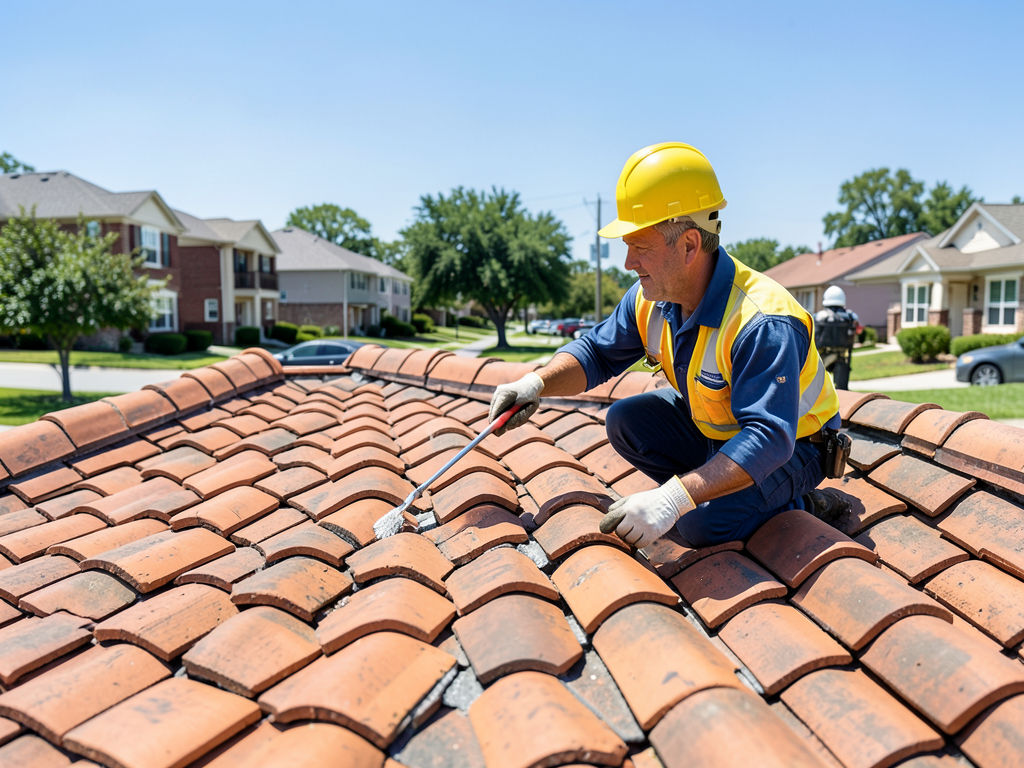
Essential steps to prepare your roof for a heavy South Texas rain event South Texas weather can change in minutes. One day the sun bakes your roof at 100 degrees. The next day a thunderstorm…
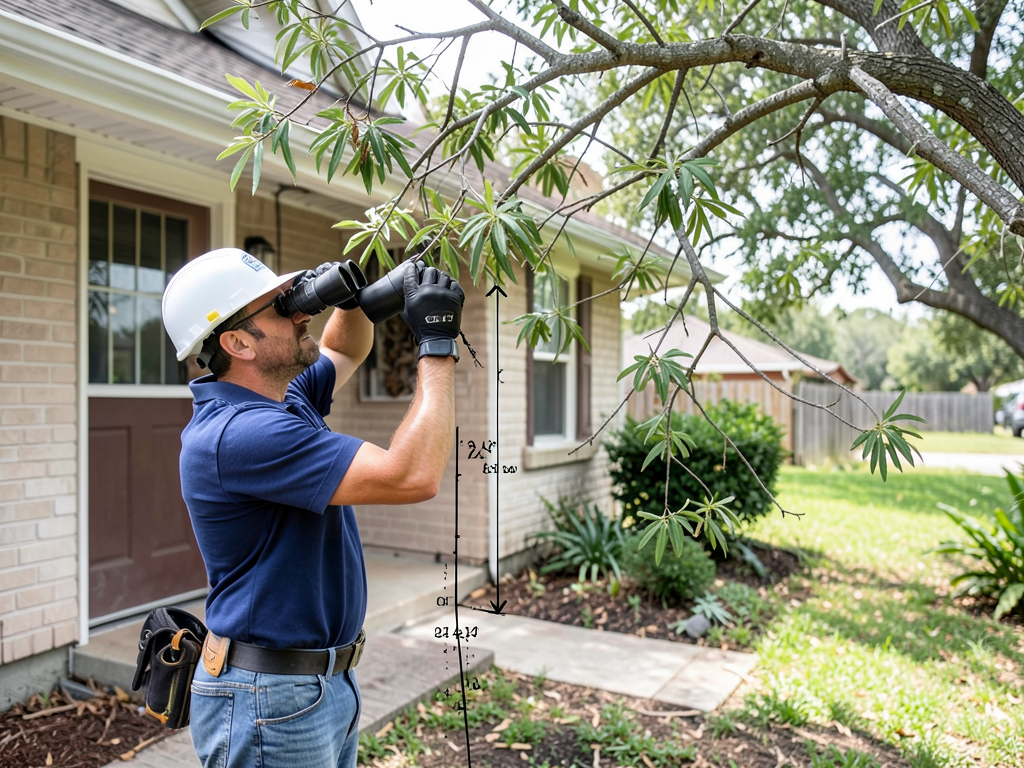
What to do when a neighbor's tree limbs are hanging over your roof in the…
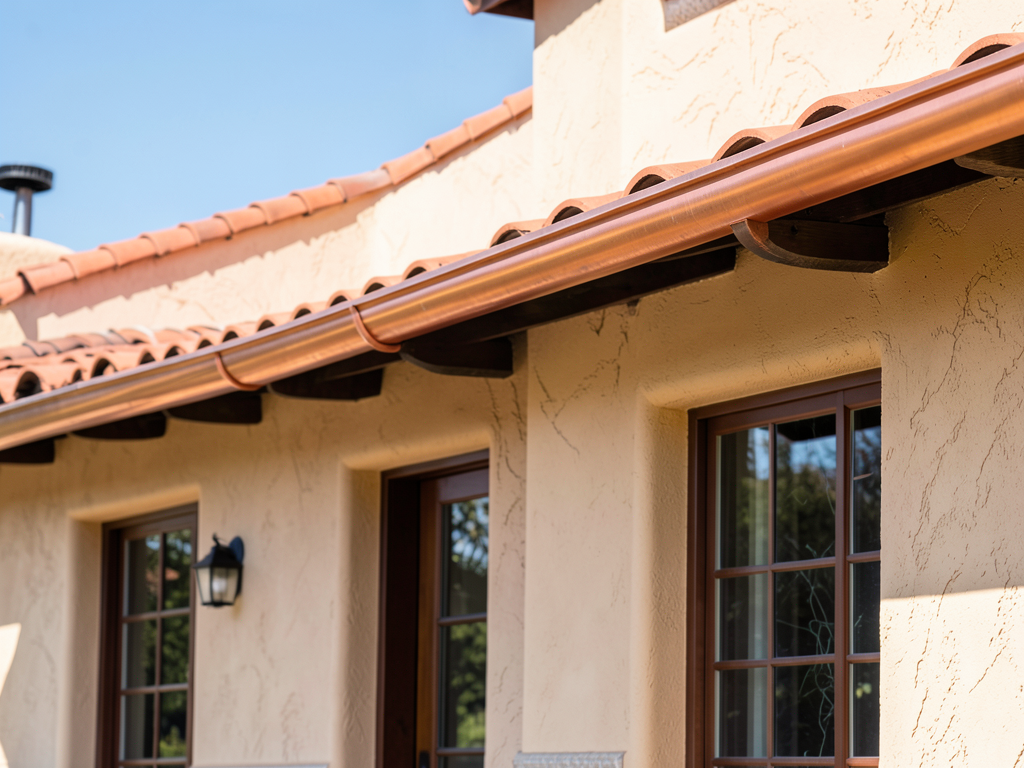
Adding instant curb appeal to your Terrell Hills home with copper gutters Your Terrell Hills…
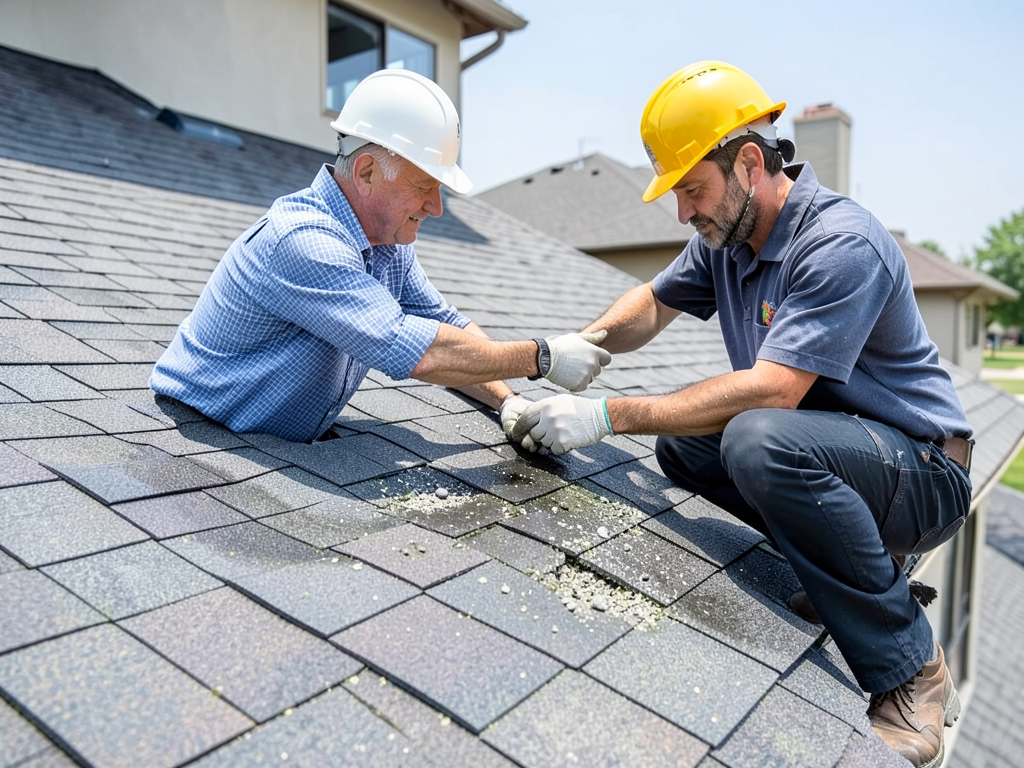
Why brand new homes in Redbird Ranch still need a yearly roof check Your brand…
Call Summit Roofing San Antonio at (726) 256-6199 right now for a thorough roof inspection and honest assessment. We provide detailed proposals within 48 hours and schedule work based on your timeline. Your roof protects everything inside, so stop waiting and get it done right.