
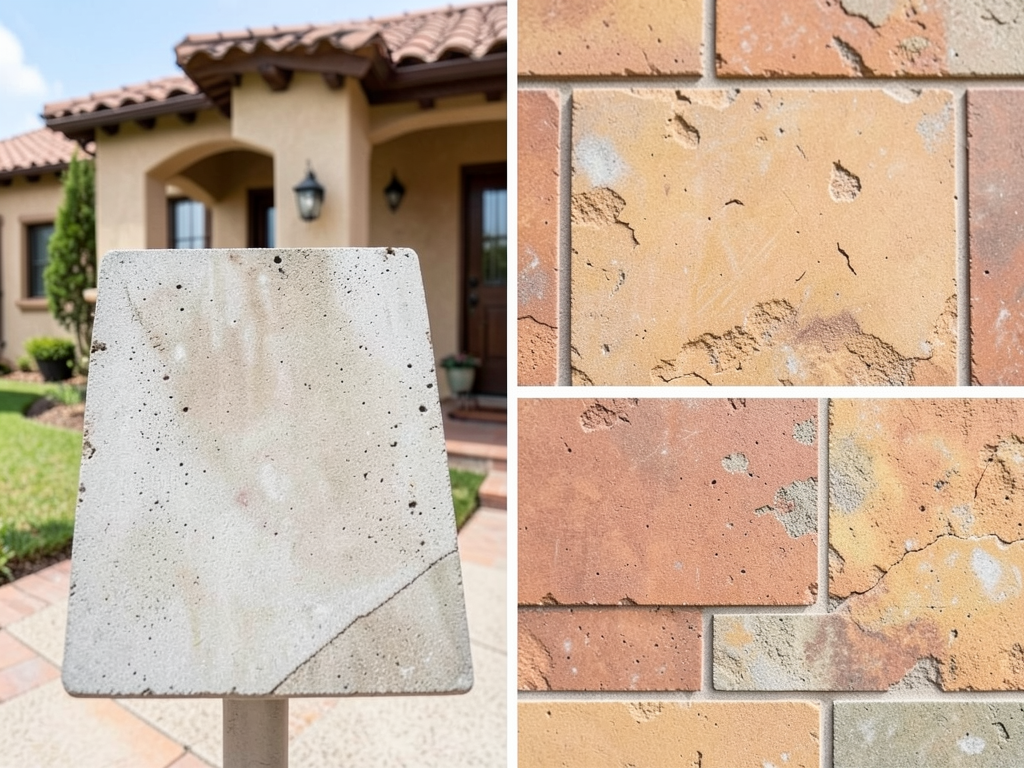
Comparing Concrete Tile and Natural Clay for Custom Homes in The Dominion
Homeowners in The Dominion face unique roofing decisions. The Mediterranean and Spanish Colonial architecture common in this San Antonio community creates a natural fit for tile roofing. But which material works better for your custom home: concrete tile or natural clay? How to get your San Antonio roof fixed after a major hail storm.
Both materials offer distinct advantages for San Antonio’s climate. Understanding their differences helps you make the right investment for your home’s protection and appearance. What to do when your San Antonio roof starts leaking in the middle of a storm.
Material Composition and Manufacturing
Concrete tile consists of cement, sand, and water mixed together and pressed into molds. The mixture cures under high pressure, creating dense tiles that manufacturers can shape into various profiles.. Read more about How to safely remove hard water stains from your Stone Oak roof.
Natural clay tile forms from fired clay that manufacturers shape and bake at extremely high temperatures. The firing process creates a non-porous surface that maintains its color throughout the material.
The manufacturing process affects each material’s performance. Concrete tiles can absorb moisture if not properly sealed. Clay tiles resist water absorption due to their fired composition.
Weight and Structural Requirements
Concrete tile weighs between 900 and 1,200 pounds per square (100 square feet). Natural clay tile weighs slightly less at 600 to 1,000 pounds per square.
This weight difference matters for homes in The Dominion. Many custom homes built before 2000 may need structural reinforcement before installing concrete tile. Clay tile’s lighter weight reduces this concern.
A structural engineer must evaluate your home’s roof framing before installation. The evaluation determines whether your home needs additional support beams or modified trusses.. Read more about Why the pitch of your roof determines which materials you can use.
Climate Performance in San Antonio
San Antonio’s climate creates specific challenges for roofing materials. Summer temperatures regularly exceed 100°F. Hail storms strike during spring and fall. High humidity promotes algae growth.. Read more about The best roofing materials for blocking out airport noise near Oakwell Farms.
Concrete tile handles temperature extremes well due to its thermal mass. The material absorbs heat during the day and releases it slowly at night. This property helps maintain cooler attic temperatures.
Clay tile naturally reflects more solar radiation than concrete. The material’s lighter colors and smooth surface bounce heat away from your home. Many clay tiles carry Energy Star ratings for their cooling properties. Energy Department roofing materials guide.
Both materials perform excellently in hail. Class 4 impact resistance ratings apply to most premium concrete and clay tiles. This rating provides maximum protection against hail damage.
Lifespan and Durability
Concrete tile typically lasts 50 to 75 years with proper maintenance. The material resists cracking but may develop surface erosion over decades of exposure.
Natural clay tile often exceeds 100 years of service life. The material resists weathering, fading, and structural degradation. Many historic buildings in San Antonio feature original clay tile roofs still functioning perfectly.. Read more about Picking the perfect roof style for a Mediterranean home in Cresta Bella.
Both materials resist wind speeds up to 150 mph when properly installed. This performance exceeds most building code requirements in San Antonio.
Cost Comparison
Concrete tile costs between $8 and $12 per square foot installed in San Antonio. The price includes materials, underlayment, and professional installation. How much a new roof actually costs in San Antonio right now.
Natural clay tile ranges from $10 to $18 per square foot installed. The higher cost reflects the material’s premium status and specialized installation requirements.
Installation labor costs more for both materials than for asphalt shingles. Tile installation requires specialized skills and takes longer than standard roofing.. Read more about Why High End Metal Shingles Are the New Standard in Hill Country Village.
Color Options and Fading
Concrete tile manufacturers offer extensive color options through surface pigments and coatings. Colors range from traditional terra cotta to contemporary grays and blues.
Surface pigments fade over time due to UV exposure. Concrete tiles may lighten by 10-15% over 20 years in San Antonio’s intense sunlight.
Natural clay tile colors penetrate the entire material thickness. The firing process creates permanent colors that never fade. Terra cotta, brown, and gray options maintain their appearance for decades.
Maintenance Requirements
Concrete tile requires periodic sealing every 10-15 years to prevent moisture absorption. The sealant protects against efflorescence, a white powdery substance that forms on concrete surfaces.
Both materials need debris removal from valleys and gutters. San Antonio’s oak trees drop leaves and pollen that can trap moisture against the roof surface.
Cracked tiles require immediate replacement regardless of material. Water infiltration through damaged tiles causes expensive structural damage.
Water Absorption and Moss Growth
Concrete tile absorbs 13% of its weight in water when unsealed. This absorption promotes algae and moss growth in San Antonio’s humid climate.
Natural clay tile absorbs less than 1% of its weight in water. The non-porous surface resists biological growth without chemical treatments.
Both materials require proper underlayment installation. Synthetic underlayment provides better moisture protection than traditional felt paper in San Antonio’s climate.
Installation Considerations
Professional installation proves critical for both materials. Tile roofing requires experienced crews familiar with San Antonio’s building codes and weather patterns.
Installation begins with removing existing roofing down to the deck. The process includes inspecting and repairing any deck damage before underlayment installation.
Proper fastening techniques prevent tile displacement during high winds. San Antonio building codes require specific fastening patterns based on roof pitch and location.
Energy Efficiency
Both materials contribute to energy efficiency through their thermal properties. Concrete tile’s mass helps regulate attic temperatures. Clay tile’s reflectivity reduces heat gain.
Many homeowners in The Dominion combine tile roofing with radiant barriers for maximum cooling efficiency. This combination can reduce cooling costs by 20-30% during summer months.
CPS Energy offers rebates for cool roofing materials that meet specific reflectivity standards. Both concrete and clay tiles qualify when they meet these requirements.
Environmental Impact
Concrete tile contains recycled materials and can be recycled at end of life. The manufacturing process creates less waste than many other roofing options.
Natural clay tile consists of abundant natural materials. The firing process requires significant energy but creates extremely durable products that rarely need replacement.
Both materials reduce landfill waste compared to asphalt shingles. Their long lifespans mean fewer replacements over a home’s lifetime.
Neighborhood Compatibility
The Dominion features strict architectural guidelines. Most homes require Mediterranean or Spanish Colonial styling that complements tile roofing.
Nearby neighborhoods like Stone Oak and Alamo Heights share similar architectural preferences. Clay tile often receives preference for its traditional appearance in these communities.
Homeowners associations in these areas may require specific tile profiles or colors. Check your HOA guidelines before selecting roofing materials.
Insurance Considerations
Tile roofing often qualifies for insurance discounts due to its durability and fire resistance. Class A fire ratings apply to both concrete and clay tiles.
Impact resistance ratings help reduce premiums in hail-prone areas. Most premium tile products carry Class 4 ratings that provide maximum hail protection.
Insurance companies may require specific installation methods or underlayment types for coverage. Professional installers understand these requirements.
Repair and Replacement
Individual tile replacement works for both materials. Damaged tiles lift out and replace without affecting surrounding tiles.
Matching replacement tiles proves challenging for older installations. Concrete tiles fade over time, making new tiles visibly different from existing ones.
Clay tile color consistency makes matching easier. Manufacturers often keep colors available for decades, simplifying repairs.
Noise Reduction
Both materials provide excellent sound insulation. The dense composition reduces exterior noise transmission compared to asphalt shingles.
Rain and hail create minimal noise on tile roofs. The material absorbs impact sounds rather than amplifying them.
Attic spaces under tile roofs remain quieter during storms. This benefit appeals to homeowners who value peaceful indoor environments.
Resale Value Impact
Tile roofing enhances property values in The Dominion and surrounding neighborhoods. The material signals quality construction and long-term durability.
Buyers often pay premiums for homes with tile roofs already installed. The perceived value exceeds the actual installation cost. How to Get Your Commercial Flat Roof Ready for San Antonio Summer Storms.
Energy efficiency improvements from tile roofing appeal to environmentally conscious buyers. This feature becomes increasingly important in San Antonio’s market.
Making Your Decision
Consider your budget first. Concrete tile offers lower upfront costs with good performance. Clay tile provides premium aesthetics with minimal maintenance.
Evaluate your home’s structure. Older homes may need reinforcement for concrete tile’s weight. Clay tile’s lighter weight simplifies installation on existing structures.
Think about long-term ownership. If you plan to stay in your home for decades, clay tile’s longevity may justify the higher initial investment.
Installation Timeline
Tile roof installation typically requires 7-14 days for an average home. Weather conditions in San Antonio can extend this timeline during storm season.
The process includes tear-off, deck inspection, underlayment installation, and tile placement. Each phase requires specific weather conditions for proper installation.
Professional Installation Requirements
Choose installers with specific tile roofing experience. The material requires different techniques than asphalt shingles or metal roofing.
Verify contractor licensing and insurance. San Antonio requires specific credentials for roofing contractors working on custom homes.
Common Installation Mistakes
Inadequate underlayment installation causes most tile roof failures. San Antonio’s humidity requires synthetic underlayment rather than traditional felt paper.
Improper fastening leads to wind damage. Each tile requires specific fastening based on its location and the roof’s design.
Incorrect flashing installation creates leak points. Tile roofing requires specialized flashing techniques different from other roofing materials.
Maintenance Schedule
Annual inspections identify potential problems before they cause damage. Spring inspections prepare for hail season. Fall inspections address summer wear.
Gutter cleaning prevents water backup that damages roof edges. San Antonio’s oak trees drop debris year-round, requiring frequent cleaning.
Tiles may shift slightly over time. Professional adjustment prevents water infiltration through gaps.
Energy Star Ratings
Many tile products carry Energy Star ratings for their cooling properties. These ratings indicate specific solar reflectance and thermal emittance values.
Energy Star qualified tiles can reduce cooling costs by 10-15% in San Antonio’s climate. The savings increase when combined with proper attic insulation.
Local Building Codes
San Antonio building codes address tile roofing installation requirements. The codes specify underlayment types, fastening patterns, and wind resistance ratings.
Permit requirements vary by neighborhood. The Dominion may have additional requirements beyond standard city codes.
Weather Considerations
San Antonio’s weather patterns affect tile roofing performance. Summer UV exposure causes surface degradation on concrete tiles. Winter freezes rarely damage properly installed tiles.
Hail season requires specific installation techniques. Class 4 rated tiles provide maximum protection but still need proper installation.
Color Selection Tips
Choose colors that complement your home’s exterior. Traditional terra cotta works well for Mediterranean designs. Contemporary grays suit modern architecture.
Consider your neighborhood’s character. The Dominion features predominantly warm earth tones that blend with the Texas landscape.. Read more about Understanding how Texas wildfire risks should influence your choice of roofing materials.
Cost Factors Beyond Material
Removal of existing roofing adds $1-2 per square foot to project costs. Multiple layers of old roofing increase removal time and disposal fees.
Structural reinforcement can add $3,000-8,000 to projects requiring additional support. The cost varies based on the extent of modifications needed.
Financing Options
Many contractors offer financing for tile roofing projects. Terms typically range from 12-60 months depending on credit qualifications.
Energy efficiency improvements may qualify for green financing programs. CPS Energy and local banks offer specific programs for qualifying improvements.
Quality Indicators
Manufacturer warranties indicate product quality. Premium tile products carry 50-year or lifetime warranties against manufacturing defects. Understanding Roof Warranties.
Installation warranties protect against workmanship issues. Quality contractors offer 10-25 year installation warranties.
Comparing Similar Materials
Composite tiles mimic the appearance of concrete or clay at lower costs. However, they typically last only 20-30 years compared to 50+ years for authentic materials.
Asphalt shingles cost less initially but require replacement every 15-25 years. The lifetime cost often exceeds tile roofing when replacement frequency factors in.
Future Trends
Solar integration with tile roofing gains popularity. Some manufacturers offer solar tiles that replace conventional tiles while generating electricity.
Cool roof technology continues improving. New tile coatings reflect more solar radiation while maintaining traditional appearances.
Making the Final Choice
Your decision between concrete and clay tile depends on multiple factors. Budget constraints often determine material selection for many homeowners.
Consider your home’s architecture and neighborhood character. The Dominion’s Mediterranean style complements both materials equally well.
Think about long-term ownership goals. Clay tile’s longevity may provide better value for homeowners planning to stay in their homes for decades.
Professional Consultation
Schedule a professional assessment before making your final decision. A qualified roofing contractor evaluates your home’s structure and recommends appropriate materials.
Request multiple quotes from experienced tile roofing contractors. Compare not just prices but also warranty terms and installation experience.
Installation Season Considerations
Spring and fall offer ideal installation conditions in San Antonio. Summer heat can affect installation quality and worker safety.
Winter installations proceed but may face weather delays. Tile roofing installation requires dry conditions for proper underlayment installation.
Final Recommendations
Concrete tile provides excellent value for budget-conscious homeowners. The material offers good performance at reasonable costs.
Natural clay tile delivers premium performance with minimal maintenance. The material’s longevity and color stability justify the higher initial investment.
Both materials enhance The Dominion’s architectural character. Your choice depends on budget, structural considerations, and personal preferences.
Getting Started
Begin with a professional roof inspection. The assessment identifies any structural issues and helps determine suitable materials.
Request detailed quotes that specify materials, underlayment types, and warranty terms. Compare proposals from multiple qualified contractors.
Frequently Asked Questions
How long does tile roof installation take in San Antonio?
Ttile roof installation typically requires 7-14 days for an average home in San Antonio. Weather conditions can extend this timeline during storm season.
Can my existing home support concrete tile roofing?
Many homes built before 2000 need structural reinforcement for concrete tile’s weight. A structural engineer must evaluate your home’s roof framing before installation.
Which material fades less in San Antonio’s intense sunlight?
Natural clay tile colors penetrate the entire material thickness and never fade. Concrete tile surface pigments may lighten by 10-15% over 20 years in intense sunlight.
Are tile roofs more energy efficient than asphalt shingles?
Yes. Both concrete and clay tiles provide better insulation than asphalt shingles. Many clay tiles carry Energy Star ratings for their cooling properties.
Next Steps for Your Tile Roof Project
Ready to upgrade your home with beautiful, durable tile roofing? Contact Summit Roofing San Antonio for a professional assessment. Our experienced team understands The Dominion’s unique requirements and can help you choose between concrete and clay tile options.
Call us today at (726) 256-6199 to schedule your free consultation. We’ll evaluate your home’s structure, discuss your preferences, and provide detailed pricing for both concrete and clay tile options.
Don’t wait until storm season arrives. Protect your investment with quality tile roofing that enhances your home’s beauty and value for decades to come. For more information, visit FEMA wind engineering guide.
{
“@context”: “https://schema.org”,
“@type”: “BlogPosting”,
“headline”: “Comparing Concrete Tile and Natural Clay for Custom Homes in The Dominion”,
“description”: “Compare concrete tile vs natural clay roofing for custom homes in The Dominion. Learn about durability, cost, and performance in San Antonio’s climate.”,
“wordCount”: 2442,
“datePublished”: “2026-05-30T06:36:00.000Z”,
“dateModified”: “2026-05-30T06:36:00.000Z”,
“inLanguage”: “en-US”,
“mainEntityOfPage”: {
“@type”: “WebPage”,
“@id”: “https://summitroofingsanantonio.com”
},
“publisher”: {
“@type”: “LocalBusiness”,
“name”: “Summit Roofing San Antonio”,
“url”: “https://summitroofingsanantonio.com”
},
“author”: {
“@type”: “Organization”,
“name”: “Summit Roofing San Antonio”,
“url”: “https://summitroofingsanantonio.com”
},
“image”: {
“@type”: “ImageObject”,
“url”: “https://summitroofingsanantonio.com/wp-content/uploads/2026/03/comparing-concrete-tile-and-natural-clay-for-custo-1.png”
}
}
{
“@context”: “https://schema.org”,
“@type”: “RoofingContractor”,
“name”: “Summit Roofing San Antonio”,
“url”: “https://summitroofingsanantonio.com”,
“address”: {
“@type”: “PostalAddress”,
“addressLocality”: “San Antonio”
},
“areaServed”: {
“@type”: “City”,
“name”: “San Antonio”
}
}
{
“@context”: “https://schema.org”,
“@type”: “FAQPage”,
“mainEntity”: [
{
“@type”: “Question”,
“name”: “How long does tile roof installation take in San Antonio?”,
“acceptedAnswer”: {
“@type”: “Answer”,
“text”: “Ttile roof installation typically requires 7-14 days for an average home in San Antonio. Weather conditions can extend this timeline during storm season.”
}
},
{
“@type”: “Question”,
“name”: “Can my existing home support concrete tile roofing?”,
“acceptedAnswer”: {
“@type”: “Answer”,
“text”: “Many homes built before 2000 need structural reinforcement for concrete tile’s weight. A structural engineer must evaluate your home’s roof framing before installation.”
}
},
{
“@type”: “Question”,
“name”: “Which material fades less in San Antonio’s intense sunlight?”,
“acceptedAnswer”: {
“@type”: “Answer”,
“text”: “Natural clay tile colors penetrate the entire material thickness and never fade. Concrete tile surface pigments may lighten by 10-15% over 20 years in intense sunlight.”
}
},
{
“@type”: “Question”,
“name”: “Are tile roofs more energy efficient than asphalt shingles?”,
“acceptedAnswer”: {
“@type”: “Answer”,
“text”: “Yes. Both concrete and clay tiles provide better insulation than asphalt shingles. Many clay tiles carry Energy Star ratings for their cooling properties.”
}
}
]
}
{
“@context”: “https://schema.org”,
“@type”: “BreadcrumbList”,
“itemListElement”: [
{
“@type”: “ListItem”,
“position”: 1,
“name”: “Home”,
“item”: “https://summitroofingsanantonio.com”
},
{
“@type”: “ListItem”,
“position”: 2,
“name”: “Blog”,
“item”: “https://summitroofingsanantonio.com/blog”
},
{
“@type”: “ListItem”,
“position”: 3,
“name”: “Comparing Concrete Tile and Natural Clay for Custom Homes in The Dominion”
}
]
}
{
“@context”: “https://schema.org”,
“@type”: “Service”,
“serviceType”: “Roofing”,
“provider”: {
“@type”: “LocalBusiness”,
“name”: “Summit Roofing San Antonio”,
“url”: “https://summitroofingsanantonio.com”
},
“areaServed”: {
“@type”: “City”,
“name”: “San Antonio”
},
“description”: “Compare concrete tile vs natural clay roofing for custom homes in The Dominion. Learn about durability, cost, and performance in San Antonio’s climate.”
}