




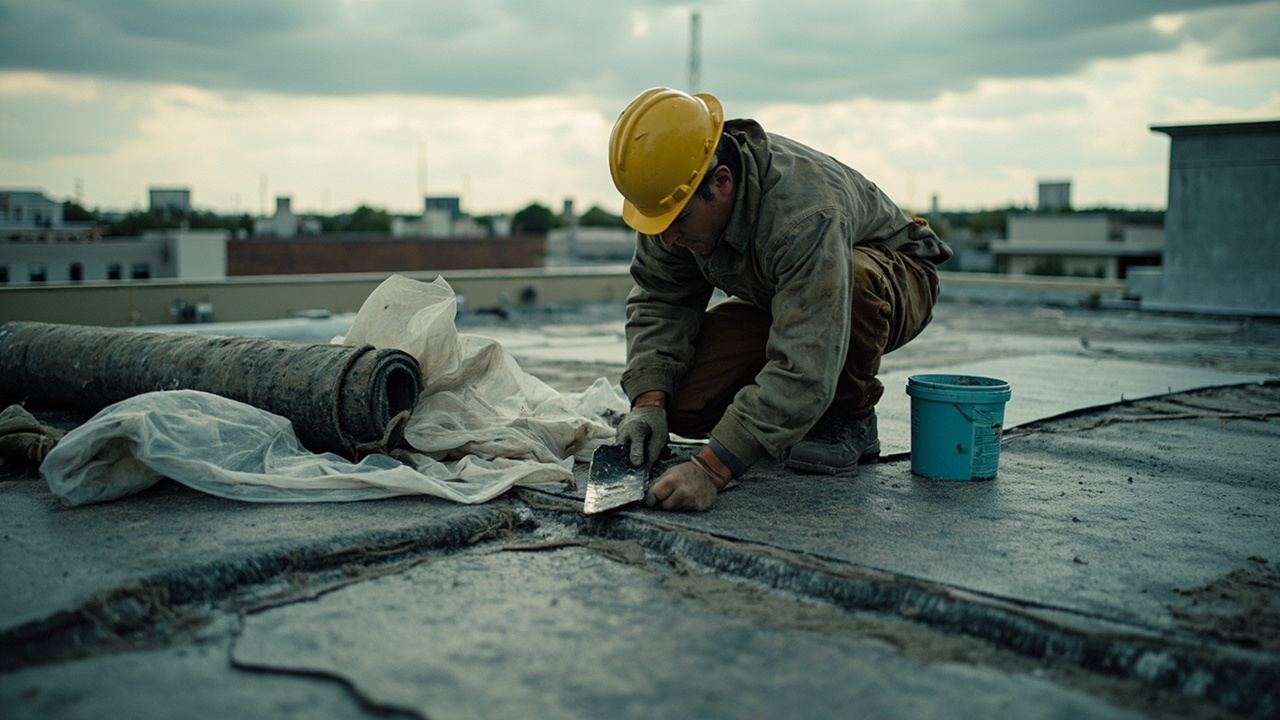


San Antonio experiences some of the most extreme flat roof stress conditions in Texas. Summer surface temperatures on black EPDM and dark TPO membranes regularly exceed 170 degrees, causing accelerated UV degradation and thermal cycling that fatigues seams and fasteners. The urban heat island effect concentrated around Loop 410, Downtown, and the Medical Center adds 10 to 15 degrees compared to surrounding areas, pushing roof temperatures even higher. When afternoon thunderstorms roll through with dramatic temperature drops, that thermal shock cracks already-stressed membrane materials. Properties near Olmos Basin and along the Salado Creek corridor face additional risk from flash flooding that overwhelms roof drains and creates standing water conditions. Emergency flat roof patching becomes necessary when these combined stressors cause sudden membrane failure during the brief but intense rainy periods that define San Antonio's climate.
Summit Roofing San Antonio understands the specific building codes and drainage requirements that govern flat roof systems in Bexar County. We work daily with the commercial roofing standards enforced by San Antonio's Development Services Department and know how emergency repairs must comply with current code even when executed under urgent conditions. Our crews are familiar with the flat roof challenges unique to San Antonio's diverse building stock, from historic commercial structures in Southtown with aging built-up roofing to modern industrial facilities along I-35 South with thermoplastic membrane systems. When you call a local emergency flat roof repair company, you get technicians who have seen your exact roof type fail in your exact weather conditions. That experience translates to faster diagnosis, appropriate material selection, and repairs that hold up through San Antonio's demanding climate cycles.