




Menu

Attic Ventilation Services in San Antonio | Stop Heat Damage and Slash Energy Bills

Summit Roofing San Antonio installs ridge vents, attic fans, and complete roof ventilation systems engineered for South Texas heat, humidity, and the unique airflow demands of homes in Alamo Heights, Terrell Hills, and neighborhoods across Bexar County.

Slider Image 1
Slider Image 2
Slider Image 3
Slider Image 4
Slider Image 5
Slider Image 7
Slider Image 8
Slider Image 9
Slider Image 10
Slider Image 11

Why San Antonio Attics Fail Without Proper Ventilation

San Antonio's brutal summer heat routinely pushes attic temperatures past 150 degrees. Without adequate roof ventilation, that trapped heat radiates down through your ceiling, forcing your air conditioner to run nonstop. Your energy bills spike. Your shingles age faster. Your roof decking warps.

The problem gets worse during South Texas humidity spikes. Moisture-laden air enters your attic through soffit vents but has nowhere to escape if you lack proper ridge vent installation or attic fan installation. That moisture condenses on rafters, insulation, and decking. Mold spreads. Wood rots. Your roof structure deteriorates from the inside out.

Many older homes in Monte Vista, King William, and Tobin Hill were built before modern attic ventilation standards existed. Newer construction in Stone Oak and Dominion sometimes cuts corners with undersized attic vent installation that cannot handle the sheer volume of heat San Antonio generates from May through October.

You might notice your second floor stays uncomfortably warm even when the AC runs constantly. You might see curled shingles or dark streaks on your roof. You might smell mustiness in your upper rooms. These symptoms point to ventilation failure.

Roof ventilation contractors often encounter attics with zero airflow, blocked soffit vents, or improperly placed exhaust vents that create dead zones where heat and moisture accumulate. The fix requires more than slapping a turbine on your roof. You need a calculated balance of intake and exhaust that matches your attic's cubic footage and your roof's pitch.

Without that balance, you pay more to cool your home, replace your roof sooner, and risk structural damage that costs thousands to repair.

Why San Antonio Attics Fail Without Proper Ventilation
How We Engineer Attic Airflow for San Antonio Climate

How We Engineer Attic Airflow for San Antonio Climate

We start every attic ventilation project by calculating your attic's square footage and determining the net free area your roof requires. Building codes mandate one square foot of ventilation for every 150 square feet of attic space when you balance intake and exhaust properly. Most attics we inspect fall short by 30 to 50 percent.

We measure your existing soffit vents to establish baseline intake capacity. If your soffits are blocked by insulation or inadequate for your attic size, we address that first. Intake matters as much as exhaust. Without proper intake, even the best ridge vent installation or attic fan installation will starve for air and fail to move heat out efficiently.

For exhaust, we evaluate your roof's configuration. Hip roofs with limited ridge lines benefit from a combination of ridge vents and static box vents positioned near the peak. Gable roofs with long ridge runs perform best with continuous ridge vent installation that spans the entire roofline. Steep pitches in older neighborhoods like Monticello Park sometimes require powered attic fans to overcome gravity and pull heat upward.

We avoid mixing ventilation types that fight each other. Installing both ridge vents and turbines on the same roof plane creates competing air currents that reduce efficiency. We design systems where intake feeds exhaust in a smooth, uninterrupted path.

Our roof vent repair work includes replacing damaged or undersized vents, sealing gaps where weather intrusion occurs, and ensuring every penetration is properly flashed to prevent leaks. We use aluminum ridge vents with external baffles that resist wind-driven rain common during South Texas thunderstorms.

Summit Roofing San Antonio matches ventilation solutions to your roof type, attic configuration, and the specific thermal load your home faces in Bexar County's climate.

What Happens During Your Ventilation Upgrade

Attic Ventilation Services in San Antonio | Stop Heat Damage and Slash Energy Bills
01

Attic Inspection and Airflow Analysis

We enter your attic to measure dimensions, check insulation depth, inspect existing vents, and look for moisture damage or airflow obstructions. We use thermal imaging to identify hot spots where heat accumulates. We document soffit vent condition and count existing exhaust vents. This data determines whether you need attic vent installation, ridge vent installation, or a complete system overhaul. We calculate the exact net free area your roof requires to meet code and perform efficiently in San Antonio heat.
02

Custom Ventilation Design

We design a balanced system that pairs intake capacity with exhaust capacity. For most homes, we recommend continuous ridge vent installation along the peak combined with adequate soffit vents at the eaves. For homes with insufficient ridge length, we add static box vents or consider attic fan installation to supplement natural convection. We account for roof pitch, attic volume, and local wind patterns. We select vent types that resist San Antonio's intense UV exposure and wind-driven rain during storms.
03

Installation and Performance Verification

We cut ridge line openings, install external baffle ridge vents, and flash every penetration to prevent leaks. We install or clear soffit vents to ensure proper intake. We verify airflow by checking for temperature drop between attic and outdoor ambient air after installation. We clean up all debris and inspect the work from inside your attic and from the roof. You get a ventilation system that reduces cooling costs, extends roof life, and protects your home from heat and moisture damage year-round.

Why San Antonio Homeowners Trust Summit Roofing for Ventilation Solutions

We have installed roof ventilation systems across every San Antonio neighborhood, from historic bungalows in Lavaca to modern builds in Cibolo Canyons. We understand how San Antonio's architecture affects airflow. Homes with clay tile roofs require different vent placement than composition shingle roofs. Older homes with narrow eave overhangs need creative soffit solutions.

We know San Antonio building codes and how they apply to attic ventilation. We pull permits when required and ensure every installation meets or exceeds code minimums. Inspectors recognize our work because we do it right the first time.

Our roof ventilation contractors have seen what happens when ventilation fails in South Texas. We have torn off roofs where decking rotted through because trapped moisture had nowhere to go. We have replaced shingles that curled and cracked after five years instead of twenty because attic heat exceeded manufacturer specifications. We have remediated mold growth in attics that became incubators for spores.

We prevent those failures by engineering systems that move air efficiently. We do not install the cheapest vent available. We install the right vent for your roof type and attic configuration. We balance intake and exhaust so your system works with natural convection instead of fighting it.

We also handle roof vent repair for homes where existing vents have failed. Cracked turbine housings, rusted static vents, and damaged ridge caps all compromise your roof's weather resistance. We replace failed components and restore proper function.

Summit Roofing San Antonio has the experience to diagnose ventilation problems accurately and the skill to fix them permanently. We serve homeowners who want solutions that last, not quick fixes that fail after the next summer heatwave.

What You Can Expect from Our Attic Ventilation Service

Fast Scheduling and Project Completion

Most attic ventilation projects take one to two days depending on roof size and the scope of work. We schedule your inspection within 48 hours of your call. After we assess your attic and design the right ventilation solution, we provide a detailed estimate and timeline. Installation typically happens within one to two weeks. We work efficiently to minimize disruption. You do not need to be home during installation, though we recommend someone be available for the initial walkthrough and final inspection. We complete the work in a single visit whenever possible.

Thorough Attic and Roof Assessment

We inspect your attic from the inside and your roof from the outside. We measure attic square footage, check insulation levels, identify obstructions, and document existing vent locations. We use thermal imaging to find heat concentration zones. We evaluate soffit condition and intake capacity. We assess roof pitch, ridge length, and hip configurations. We look for signs of moisture damage, mold, or wood rot. We take photos to document findings. You get a complete picture of your attic's current ventilation performance and what improvements will deliver the best results for your home.

Improved Comfort and Lower Energy Bills

Proper attic ventilation reduces the heat load on your air conditioning system. Your AC runs less frequently to maintain the same temperature. Your second floor stays cooler. Your energy bills drop. Your roof shingles last longer because they operate within temperature ranges the manufacturer designed them for. Your attic stays dry during humid periods, preventing mold growth and wood rot. You get a more comfortable home and avoid costly repairs caused by heat and moisture damage. The ventilation system works silently and requires no maintenance beyond occasional visual inspection.

Long-Term Performance and Durability

We install ventilation components built to withstand San Antonio weather. Ridge vents feature external baffles that prevent wind-driven rain intrusion during storms. Static vents use corrosion-resistant aluminum construction. Attic fans include thermostatic controls that activate only when needed. All roof penetrations are properly flashed and sealed. We warranty our installation workmanship so you have confidence the system will perform as designed. We recommend annual roof inspections to check vent condition and clear any debris that might block airflow. Properly installed attic ventilation requires minimal upkeep and delivers benefits for decades.

Frequently Asked Questions

You Have Questions,
We Have Answers

How much does it cost to ventilate an attic? +

Attic ventilation costs in San Antonio vary based on the system type and home size. Ridge vents and soffit vents typically run lower than powered systems. Factors include roof pitch, existing vent removal, and whether you need intake and exhaust upgrades. San Antonio's extreme summer heat makes balanced ventilation essential, which may require both soffit and ridge work. A professional assessment determines your specific needs. Homes in older neighborhoods like Monte Vista may need custom solutions due to unique roof structures. Get a detailed quote before work begins to avoid surprises.

How do you fix poor ventilation in an attic? +

Fixing poor attic ventilation starts with a ventilation audit. You need balanced intake and exhaust. Install soffit vents near the eaves to pull cool air in, then add ridge vents or gable vents at the peak to push hot air out. In San Antonio, where attic temps hit 150 degrees in July, you cannot skip this balance. Remove any insulation blocking soffit airflow. Add baffles between rafters to maintain airflow channels. Powered attic fans work in some cases but can create negative pressure if intake is inadequate. A qualified roofer ensures the system works correctly.

Who to call about attic ventilation? +

Call a licensed roofing contractor who specializes in ventilation systems. Roofers understand how ventilation integrates with your roof structure, shingles, and flashing. In San Antonio, you want a contractor familiar with Texas heat and local building codes. Avoid general handymen for this work because improper installation leads to moisture problems, voided shingle warranties, and energy waste. A qualified roofer will inspect your attic, calculate your ventilation needs using the square footage, and recommend the right combination of intake and exhaust vents for your home.

Is attic ventilation worth it? +

Yes. Attic ventilation is worth every dollar in San Antonio. Without it, summer attic temps soar above 150 degrees, which cooks your shingles from underneath and spikes cooling bills. Proper ventilation extends shingle life by 20 percent, prevents moisture buildup that rots decking, and keeps your home cooler. San Antonio's humidity compounds the problem. Trapped moisture breeds mold and damages insulation. Ventilation pays for itself through lower energy bills and fewer roof repairs. Homes without adequate ventilation face premature roof failure and uncomfortable living spaces.

How do you tell if your attic is properly ventilated? +

Check for balanced intake and exhaust first. Walk your roofline and look for ridge vents, gable vents, or turbine vents at the peak. Then inspect soffits for perforated vent panels. Go into your attic on a hot San Antonio afternoon. If it feels like an oven and you see moisture stains or feel humidity, ventilation is inadequate. Look for daylight through roof vents and check that insulation is not blocking soffit airflow. Mold growth, rusted nails, or warped decking are red flags. A professional can measure airflow and calculate if you meet the code requirement.

Why don't they put attic fans in houses anymore? +

Powered attic fans fell out of favor because they often create more problems than they solve. They pull conditioned air from your living space through ceiling gaps if attic sealing is poor, which increases energy bills. They also require maintenance and electrical work. In San Antonio, passive ventilation systems like ridge and soffit vents work better. They rely on natural convection and wind, require no electricity, and last decades without upkeep. Modern building science favors balanced passive systems over mechanical fans. Powered fans still have niche uses but are not the default solution anymore.

What is the 7 and 7 rule for attics? +

The seven and seven rule is outdated but still referenced. It suggests you need one square foot of ventilation for every 150 square feet of attic space, split evenly between intake and exhaust. Some codes allow one square foot per 300 square feet if you have a vapor barrier. In San Antonio, where heat is extreme, aim for the higher ventilation ratio. Balanced airflow is the key. Half your vents should be low, near soffits. Half should be high, near the ridge. This creates a natural convection current that exhausts hot air efficiently.

What is the cheapest way to ventilate an attic? +

The cheapest attic ventilation method is adding gable vents or additional soffit vents if your home already has some airflow. Gable vents mount on the exterior wall and require minimal labor. Soffit vent panels are inexpensive and easy to install. However, cheap does not mean effective. In San Antonio, where attic temps exceed 150 degrees, you need balanced intake and exhaust. Skipping ridge vents to save money often backfires because hot air gets trapped. Invest in a proper system upfront to avoid premature roof damage and higher cooling bills later.

What happens if an attic is not properly ventilated? +

Poor attic ventilation destroys your roof from the inside out. Heat buildup in San Antonio summers accelerates shingle aging, causing curling and cracking. Trapped moisture rots roof decking, warps framing, and breeds mold. Your cooling system works harder because heat radiates into living spaces, spiking energy bills. Ice dams are rare here, but humidity damage is constant. Insulation loses effectiveness when wet. Electrical wiring overheats. Stored items in the attic get ruined. Over time, inadequate ventilation shortens roof lifespan by years and creates health hazards from mold exposure.

Do roofers install attic vents? +

Yes. Roofers install attic vents as part of roof replacements or as standalone ventilation upgrades. A qualified roofer cuts openings, installs ridge vents, soffit vents, or gable vents, and ensures proper flashing to prevent leaks. In San Antonio, experienced roofers understand how ventilation affects shingle performance in extreme heat. They calculate the correct vent area based on your attic size and balance intake with exhaust. Do not hire a general contractor for this work. Roofers have the tools, knowledge, and warranty backing to do the job right the first time.

How San Antonio's Heat and Humidity Make Roof Ventilation Critical

San Antonio averages 110 days per year above 90 degrees, with summer temperatures routinely hitting the high 90s and low 100s. That sustained heat turns unventilated attics into ovens. Combine that with South Texas humidity levels that spike during Gulf moisture surges, and you create conditions where attic temperatures exceed 160 degrees while moisture condenses on every cool surface. Homes near Brackenridge Park, Olmos Park, and along the Broadway corridor face additional challenges from mature tree canopies that block wind and trap heat. Ridge vent installation and attic fan installation become essential for moving superheated, moisture-laden air out before it damages your roof structure and forces your HVAC system into overdrive.

Bexar County building codes require specific ventilation ratios for new construction, but older homes built before these standards often lack adequate attic airflow. Roof ventilation contractors familiar with San Antonio's architectural history know that homes in Mahncke Park, Jefferson, and Government Hill were built with minimal ventilation by today's standards. Summit Roofing San Antonio has worked throughout the Greater San Antonio metro, from Leon Valley to Universal City, upgrading ventilation systems to meet modern performance requirements. We understand local inspection standards and ensure every attic vent installation, ridge vent installation, and roof vent repair meets code while delivering measurable improvements in energy efficiency and roof longevity.
Roofing Services in The San Antonio Area

Explore our service coverage in and around San Antonio using the map below. Summit proudly serves residential and commercial clients throughout the region. Whether you're in the heart of the city or in the nearby suburbs, we’re just a call away. We make it easy to reach us for inspections, quotes, or emergency assistance. Your trusted roofing team is always nearby.

Address:
Summit Roofing San Antonio, 1100 NW Loop 410, Suite 700, San Antonio, TX, 78213

Additional Services We Offer

Our news updates

Latest Articles & News from The Blogs

What to do when a neighbor's tree limbs are hanging over your roof in the Great Northwest Living in the…

What to do when a neighbor's tree limbs are hanging over your roof in the Great Northwest

What to do when a neighbor's tree limbs are hanging over your roof in the Great Northwest Living in the…

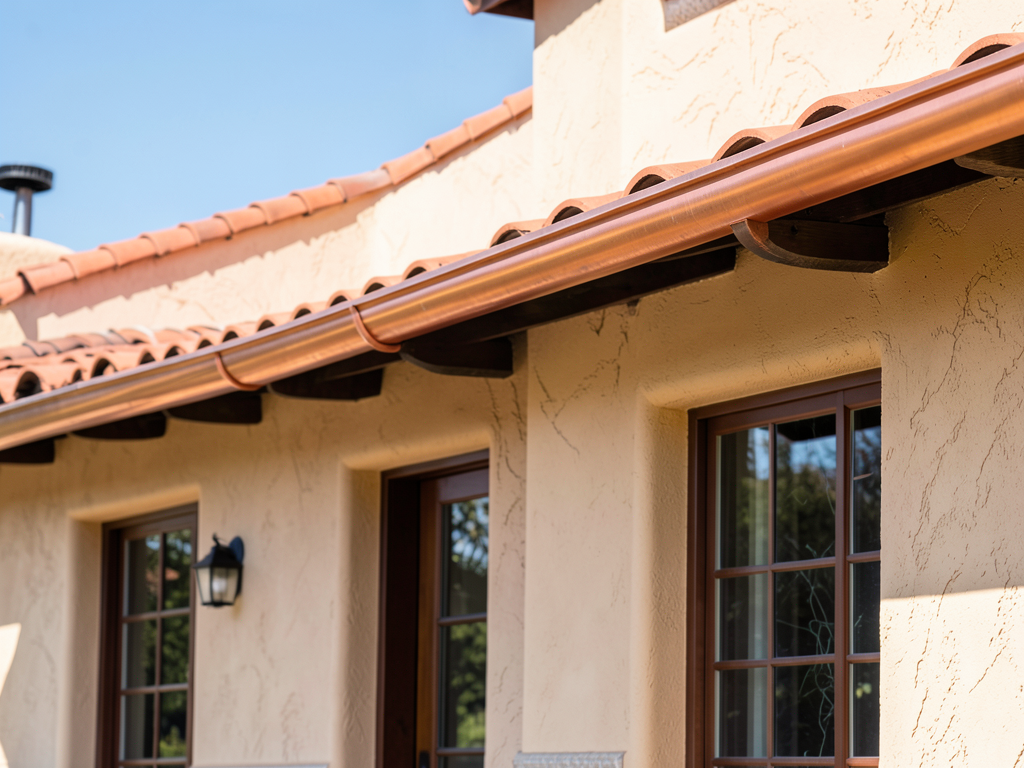
Adding instant curb appeal to your Terrell Hills home with copper gutters

Adding instant curb appeal to your Terrell Hills home with copper gutters Your Terrell Hills home deserves more than ordinary…

Why brand new homes in Redbird Ranch still need a yearly roof check

Why brand new homes in Redbird Ranch still need a yearly roof check Your brand new roof in Redbird Ranch…

Contact Us

Stop losing money to high energy bills and premature roof failure. Call Summit Roofing San Antonio at (726) 256-6199 to schedule your attic inspection. We will calculate your ventilation needs, design a balanced system, and install it right the first time.