
Does a metal roof actually make your house louder during a South Texas thunderstorm?
The short answer is no. A properly installed metal roof with the right underlayment and attic insulation can be just as quiet as asphalt shingles during a storm. In fact, the drumming sound you might associate with barns or sheds happens because those structures lack solid decking and insulation. Your San Antonio home has both. How to get your San Antonio roof fixed after a major hail storm.
South Texas thunderstorms bring heavy rain and occasional hail. That makes noise a valid concern for homeowners considering metal roofing. But modern residential metal roofing systems include multiple layers that absorb sound before it reaches your living space. Built-Up Roofing (BUR).
The science of sound: metal vs. asphalt shingles
Sound travels as vibrations through air and materials. When rain hits a roof, those vibrations move through the roofing material into your home. The key difference between metal and asphalt is how each material handles those vibrations.
Asphalt shingles absorb some sound through their composition. Metal reflects more sound initially but can be engineered to dampen it effectively. The real noise control comes from what sits between your roof and your ceiling.
Sound Transmission Class (STC) ratings measure how well building assemblies block airborne sound. A typical residential roof assembly with proper insulation achieves similar STC ratings whether using metal or asphalt. The difference is often less than 5 decibels.
3 factors that determine how quiet your metal roof will be
1. Solid roof decking and underlayment
Your home’s roof deck forms the first sound barrier. Solid plywood or OSB decking prevents rain from creating a drum-like effect. The solid surface absorbs and distributes impact energy across a larger area.
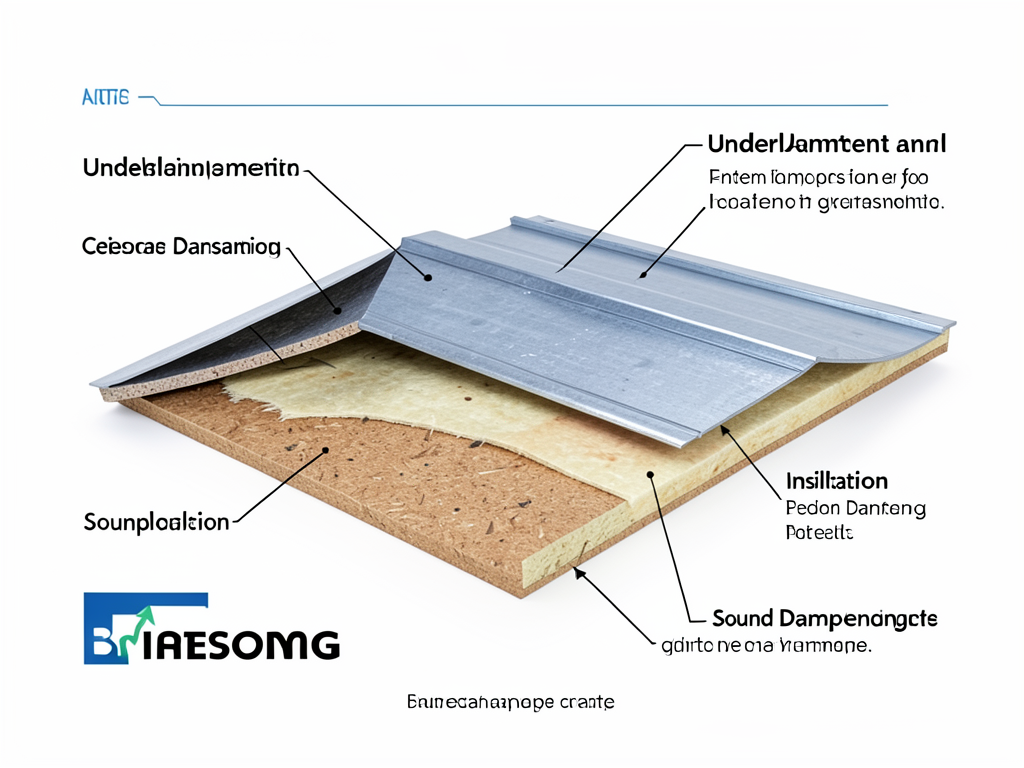
Underlayment adds another sound-dampening layer. Synthetic felt underlayment reduces noise transmission better than traditional felt. Some homeowners choose rubberized membranes that provide superior sound deadening.
Decking thickness matters too. A 5/8-inch plywood deck provides better sound insulation than 1/2-inch material. The extra mass helps block sound vibrations from passing through.
2. Attic insulation: the ultimate sound barrier
Attic insulation does more than control temperature. It creates a massive sound barrier between your roof and living space. Fiberglass batt insulation reduces sound transmission significantly. Spray foam insulation provides even better acoustic performance.
The recommended R-value for San Antonio attics is R-38 to R-60. At these thicknesses, insulation blocks most sound vibrations from reaching your ceiling. The dense material absorbs sound energy rather than allowing it to pass through. What to do when your San Antonio roof starts leaking in the middle of a storm.
Attic ventilation also affects sound perception. Properly vented attics prevent pressure changes that can amplify certain frequencies. Ridge vents and soffit vents work together to maintain neutral air pressure.
3. Fastener tightness and installation quality
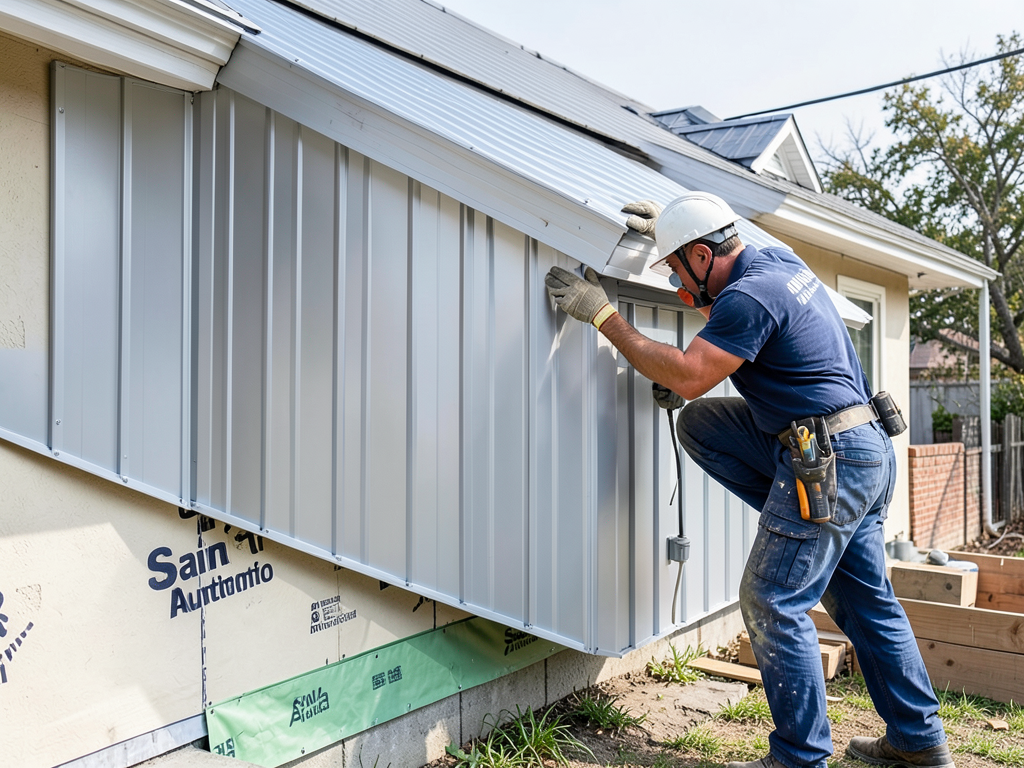
Loose fasteners create noise problems. Metal panels that move slightly in the wind can produce creaking or popping sounds. Professional installers torque fasteners to manufacturer specifications to prevent this.
Expansion and contraction cause noise if panels are installed too tightly. Quality installers leave proper gaps for thermal movement. They also use screws with neoprene washers that maintain tension while allowing slight movement.
Corrugated vs. standing seam panels affects noise differently. Standing seam panels have fewer exposed fasteners and tighter joints. This reduces potential noise points compared to exposed fastener systems.
Comparing standing seam vs. corrugated metal noise levels
Standing seam metal roofing typically runs quieter than corrugated panels. The concealed fastener system eliminates exposed screw heads that can work loose over time. The continuous panels also have fewer joints where noise can originate.
Corrugated metal panels require more fasteners. Each screw represents a potential noise point if it loosens. However, modern installation techniques and quality underlayment minimize these differences.
Stone-coated steel roofing offers the quietest metal option. The stone coating provides an additional sound-dampening layer. These systems often achieve noise levels comparable to heavy asphalt shingles.
Addressing San Antonio storms: rain, hail, and wind noise
San Antonio experiences two main storm types that concern homeowners. Spring thunderstorms bring heavy rain. Fall and winter bring occasional hail. Both require different sound management approaches.. Read more about Why South San Antonio Homes Are More Susceptible to Wind Damage During Squall Lines.
Heavy rain creates the most noticeable noise. A metal roof with proper insulation typically measures 45-55 decibels during intense rainfall. This compares to 40-50 decibels for asphalt shingles. The difference is barely noticeable inside a well-insulated home.
Hail creates sharp impacts that concern homeowners most. Metal roofs handle hail well structurally. The sound depends on hail size and your roof’s construction. Pea-sized hail produces minimal noise. Golf ball-sized hail creates more sound but still remains manageable with proper insulation.
Expert tips to soundproof your existing metal roof
Already have a noisy metal roof? Several solutions can reduce sound transmission. First, check your attic insulation. Adding another layer of blown-in insulation can significantly reduce noise. How to Get Your Commercial Flat Roof Ready for San Antonio Summer Storms.
Install acoustic panels on your ceiling. These specialized panels absorb sound waves before they enter your living space. They work particularly well in rooms directly under the roof.
Consider a secondary ceiling system. Installing a drop ceiling with insulation above it creates an additional sound barrier. This works well in finished attics or bonus rooms.
Replace loose fasteners. Walking your roof to tighten any loose screws can eliminate creaking noises. This simple maintenance task often resolves noise issues.
Decibel comparison: what to expect from different roofing types
| Roofing Type | Rain Noise (dB) | Hail Noise (dB) | Best For |
|---|---|---|---|
| Asphalt Shingles | 40-50 | 45-55 | Budget-conscious homeowners |
| Standing Seam Metal | 45-55 | 50-60 | Durable long-term investment |
| Stone-Coated Steel | 42-52 | 48-58 | Quiet metal performance |
| Corrugated Metal | 48-58 | 55-65 | Agricultural or industrial use |
Cost-benefit analysis of soundproofing upgrades
Adding soundproofing features during initial installation costs less than retrofitting later. Underlayment upgrades might add $500-$1,500 to a typical roof replacement. This investment often pays off in noise reduction and comfort. How much a new roof actually costs in San Antonio right now.
Attic insulation upgrades range from $1,500-$3,000 depending on your home’s size. The energy savings often offset part of this cost within a few years. The noise reduction provides immediate comfort benefits.
Premium underlayment materials cost more upfront but last longer. Synthetic felts with rubberized backing cost 20-30% more than basic synthetic felt. However, they provide superior sound dampening and moisture protection.
San Antonio building codes and metal roofing requirements
San Antonio follows the International Building Code with local amendments. Metal roofing must meet specific wind uplift requirements. In most residential areas, this means using systems rated for 120-150 mph winds.
The city requires proper underlayment for all roofing replacements. Synthetic felt has become the standard minimum. Some neighborhoods with homeowners associations require specific underlayment types.
Commercial buildings in San Antonio often need higher wind ratings. Industrial facilities near the airport must meet stricter requirements due to potential wind vortex effects from large structures.
Impact of San Antonio’s climate on roof noise perception
South Texas heat affects how we perceive sound. During summer, your air conditioner runs constantly. This background noise masks many sounds that might otherwise be noticeable. Metal roof noise becomes less apparent when competing with HVAC systems.
Humidity affects sound transmission. San Antonio’s humid climate can make certain frequencies more noticeable. However, proper attic ventilation prevents moisture buildup that could amplify noise.
Temperature swings cause metal expansion and contraction. Quality installation prevents these movements from creating noise. Proper fastener spacing allows panels to move slightly without creating pops or creaks.
Frequently Asked Questions
Will a metal roof make my house hotter in summer?
Metal roofs reflect more solar radiation than asphalt shingles. This actually keeps your attic cooler. Combined with proper insulation, a metal roof can reduce cooling costs by 10-25% in San Antonio’s climate.
How long does a metal roof last compared to asphalt?
Quality metal roofing typically lasts 40-70 years. Asphalt shingles need replacement every 15-25 years in San Antonio’s intense UV environment. The longer lifespan often justifies the higher upfront cost.
Can I install a metal roof over my existing shingles?
Yes, in many cases. This approach saves on tear-off costs and provides additional sound insulation. However, local building codes and your roof’s structural capacity determine if this is possible.
What maintenance does a metal roof require?
Metal roofs need minimal maintenance. Annual inspections to check fasteners and clean debris are usually sufficient. Unlike asphalt, metal doesn’t develop moss or algae in San Antonio’s humid climate.
Does metal roofing affect my home’s resale value?
Metal roofing often increases home value due to its longevity and energy efficiency. Many buyers appreciate the reduced maintenance and potential insurance discounts for impact-resistant roofing.
[IMAGE_PLACEHOLDER_3>
Ready to explore quiet metal roofing options for your San Antonio home? Our team understands the local climate challenges and can recommend systems that balance durability, energy efficiency, and acoustic comfort. Call Summit Roofing San Antonio at (726) 256-6199 to schedule your free consultation. We’ll show you exactly how a properly installed metal roof can protect your home from South Texas storms without creating unwanted noise inside. For more information, visit FEMA building codes. For more information, visit EPA energy efficiency guidelines.
{
“@context”: “https://schema.org”,
“@type”: “BlogPosting”,
“headline”: “Does a metal roof actually make your house louder during a South Texas thunderstorm?”,
“description”: “Worried about metal roof noise in San Antonio? Discover the truth about rain and hail sound levels, plus expert soundproofing solutions for your home.”,
“wordCount”: 1527,
“datePublished”: “2026-04-28T09:36:00.000Z”,
“dateModified”: “2026-04-28T09:36:00.000Z”,
“inLanguage”: “en-US”,
“mainEntityOfPage”: {
“@type”: “WebPage”,
“@id”: “https://summitroofingsanantonio.com”
},
“publisher”: {
“@type”: “LocalBusiness”,
“name”: “Summit Roofing San Antonio”,
“url”: “https://summitroofingsanantonio.com”
},
“author”: {
“@type”: “Organization”,
“name”: “Summit Roofing San Antonio”,
“url”: “https://summitroofingsanantonio.com”
},
“image”: {
“@type”: “ImageObject”,
“url”: “https://summitroofingsanantonio.com/wp-content/uploads/2026/03/does-a-metal-roof-actually-make-your-house-louder-1.png”
}
}
{
“@context”: “https://schema.org”,
“@type”: “RoofingContractor”,
“name”: “Summit Roofing San Antonio”,
“url”: “https://summitroofingsanantonio.com”,
“address”: {
“@type”: “PostalAddress”,
“addressLocality”: “San Antonio”
},
“areaServed”: {
“@type”: “City”,
“name”: “San Antonio”
}
}
{
“@context”: “https://schema.org”,
“@type”: “FAQPage”,
“mainEntity”: [
{
“@type”: “Question”,
“name”: “Will a metal roof make my house hotter in summer?”,
“acceptedAnswer”: {
“@type”: “Answer”,
“text”: “Metal roofs reflect more solar radiation than asphalt shingles. This actually keeps your attic cooler. Combined with proper insulation, a metal roof can reduce cooling costs by 10-25% in San Antonio’s climate.”
}
},
{
“@type”: “Question”,
“name”: “How long does a metal roof last compared to asphalt?”,
“acceptedAnswer”: {
“@type”: “Answer”,
“text”: “Quality metal roofing typically lasts 40-70 years. Asphalt shingles need replacement every 15-25 years in San Antonio’s intense UV environment. The longer lifespan often justifies the higher upfront cost.”
}
},
{
“@type”: “Question”,
“name”: “Can I install a metal roof over my existing shingles?”,
“acceptedAnswer”: {
“@type”: “Answer”,
“text”: “Yes, in many cases. This approach saves on tear-off costs and provides additional sound insulation. However, local building codes and your roof’s structural capacity determine if this is possible.”
}
},
{
“@type”: “Question”,
“name”: “What maintenance does a metal roof require?”,
“acceptedAnswer”: {
“@type”: “Answer”,
“text”: “Metal roofs need minimal maintenance. Annual inspections to check fasteners and clean debris are usually sufficient. Unlike asphalt, metal doesn’t develop moss or algae in San Antonio’s humid climate.”
}
},
{
“@type”: “Question”,
“name”: “Does metal roofing affect my home’s resale value?”,
“acceptedAnswer”: {
“@type”: “Answer”,
“text”: “Metal roofing often increases home value due to its longevity and energy efficiency. Many buyers appreciate the reduced maintenance and potential insurance discounts for impact-resistant roofing.”
}
}
]
}
{
“@context”: “https://schema.org”,
“@type”: “BreadcrumbList”,
“itemListElement”: [
{
“@type”: “ListItem”,
“position”: 1,
“name”: “Home”,
“item”: “https://summitroofingsanantonio.com”
},
{
“@type”: “ListItem”,
“position”: 2,
“name”: “Blog”,
“item”: “https://summitroofingsanantonio.com/blog”
},
{
“@type”: “ListItem”,
“position”: 3,
“name”: “Does a metal roof actually make your house louder during a South Texas thunderstorm?”
}
]
}
{
“@context”: “https://schema.org”,
“@type”: “Service”,
“serviceType”: “Roofing”,
“provider”: {
“@type”: “LocalBusiness”,
“name”: “Summit Roofing San Antonio”,
“url”: “https://summitroofingsanantonio.com”
},
“areaServed”: {
“@type”: “City”,
“name”: “San Antonio”
},
“description”: “Worried about metal roof noise in San Antonio? Discover the truth about rain and hail sound levels, plus expert soundproofing solutions for your home.”
}