




Menu

Does Homeowners Insurance Cover Roof Leaks in San Antonio – Get Clear Answers Before Filing Your Claim

Understanding what your homeowners insurance actually covers for roof leaks in San Antonio helps you avoid denied claims and out-of-pocket expenses when water damage strikes your home.

Slider Image 1
Slider Image 2
Slider Image 3
Slider Image 4
Slider Image 5
Slider Image 7
Slider Image 8
Slider Image 9
Slider Image 10
Slider Image 11

Why San Antonio Homeowners Face Confusing Insurance Coverage for Roof Leaks

You discover water stains spreading across your ceiling after a storm. You call your insurance company. Then you get the runaround about coverage terms, policy exclusions, and depreciation schedules. This frustration happens to San Antonio homeowners every day.

The truth about home insurance coverage for roof leaks comes down to one question: what caused the damage? Insurance companies distinguish between sudden damage and gradual deterioration. If a hailstorm cracks your shingles and water pours into your attic, your policy likely covers the damage. If your 20-year-old roof slowly degraded until water found its way through, you pay for repairs yourself.

San Antonio's climate creates specific challenges for this distinction. Our intense UV exposure degrades asphalt shingles faster than northern climates. Summer heat causes expansion and contraction that loosens nails and flashing. When monsoon rains arrive, water exploits these weak points. Insurance adjusters know this pattern and scrutinize claims carefully.

The clay soil throughout Bexar County shifts during drought-to-rain cycles. This foundation movement can stress roof structures and create imperceptible gaps around penetrations like chimneys and vent pipes. When a roof leak develops from this settling, proving whether it qualifies as sudden damage becomes difficult.

Is leaking roof covered by homeowners insurance? The answer depends on documentation, maintenance records, and how you present the claim. Understanding what adjusters look for before you file determines whether your homeowners insurance claim for roof leak gets approved or denied. The difference between coverage and rejection often comes down to how the damage gets classified in the initial report.

Why San Antonio Homeowners Face Confusing Insurance Coverage for Roof Leaks
How Insurance Companies Actually Evaluate Roof Water Damage Coverage

How Insurance Companies Actually Evaluate Roof Water Damage Coverage

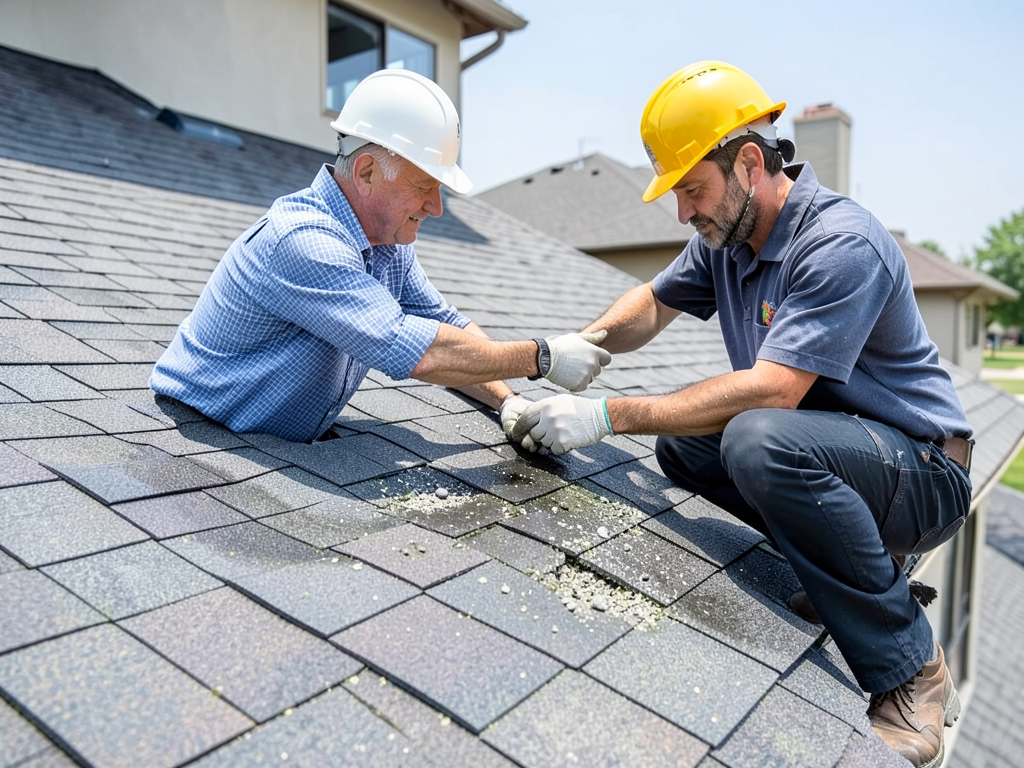
Insurance adjusters follow a specific evaluation process when they arrive at your property. They photograph the interior water damage, then access your roof to inspect the failure point. They look at shingle granule loss, which indicates age-related deterioration. They examine flashing around chimneys and valleys for rust or separation. They check the underlayment exposure and decking condition.

The adjuster documents whether damage appears sudden or progressive. A tree branch puncturing shingles during a storm qualifies as sudden. Wind uplift tearing off a section of roof qualifies as covered peril. These events create immediate entry points for water.

Gradual wear shows different evidence. The adjuster finds multiple layers of patch repairs. They see widespread shingle curling from heat exposure. They discover rotted decking that developed over months or years. They photograph missing granules across large sections. This evidence suggests deferred maintenance rather than covered loss.

Does home insurance pay for roof leak repair when damage falls in the gray area? This depends on your documentation. If you have receipts showing regular inspections and minor repairs, you prove you maintained the roof properly. If a specific storm date coincides with when you first noticed the leak, you establish causation. If you can show the roof was in acceptable condition before a weather event, you strengthen your position.

The age of your roof matters significantly. Most policies include an actual cash value calculation for roofs over 10 years old. This depreciation reduces your payout even for covered damage. A policy might cover the leak but pay only 50 percent of replacement cost based on age depreciation. Understanding this calculation before filing helps you set realistic expectations for your roof water damage insurance coverage claim.

What Happens When You File a Roof Leak Insurance Claim

Does Homeowners Insurance Cover Roof Leaks in San Antonio – Get Clear Answers Before Filing Your Claim
01

Initial Damage Documentation

Before calling your insurance company, document everything. Photograph the interior water damage from multiple angles. Capture the water stains, saturated insulation, and affected belongings. Take exterior photos showing the roof area above the leak. Note the date and time. Check weather records for recent storms or high winds. This documentation establishes the timeline and helps prove the damage qualifies as a sudden event rather than gradual deterioration.
02

Professional Roof Assessment

Get a qualified roofer to inspect the damage before the adjuster arrives. The roofer identifies the failure point, explains the likely cause, and documents the roof's overall condition. This independent assessment gives you leverage during negotiations. If the adjuster claims gradual wear caused the leak, but your roofer's report shows storm damage to flashing or shingles, you have professional documentation supporting your claim. This step often determines whether your claim gets approved.
03

Claim Review and Resolution

The insurance company reviews the adjuster's report and makes a coverage determination. They either approve the claim with a payout estimate, deny coverage citing policy exclusions, or request additional documentation. If approved, they issue payment based on your deductible and any depreciation. If denied, you can dispute the decision with supporting evidence from your independent inspection. Having detailed documentation from the start significantly improves your chances of a favorable resolution and appropriate compensation.

Why San Antonio Residents Need Local Roofing Expertise During Insurance Claims

Insurance adjusters from outside the region sometimes misunderstand how San Antonio's environment affects roofing systems. They apply standards from different climates and miss context about our specific challenges. A local roofing company knows what adjusters should find and what constitutes normal wear versus covered damage in our climate.

Summit Roofing San Antonio works with homeowners through the entire claims process. We provide detailed inspection reports that document current conditions and identify covered versus non-covered damage. We explain the difference between thermal cracking common to our heat exposure and impact damage from hail. We photograph the specific failure points and write descriptions that align with policy language about sudden and accidental loss.

Our familiarity with local building codes helps during the claims process. Some policies require repairs to meet current code even if the damage occurred to an older roof. We identify these upgrade requirements and document them in the claim to ensure full coverage for necessary work. Without this knowledge, homeowners often accept partial payments that leave them short when code compliance adds cost.

We understand which San Antonio neighborhoods have clay soil settlement issues and how this affects roof structures over time. Homes in Alamo Heights, Terrell Hills, and older parts of Stone Oak show specific stress patterns from foundation movement. When we document a roof leak, we can distinguish between settlement-related deterioration and actual storm damage. This precision matters when insurance companies question causation.

The relationship between local contractors and regional insurance adjusters also matters. Adjusters recognize companies with reputations for honest assessments. They know which contractors document thoroughly and which exaggerate damage. Having a trusted local roofer conduct your inspection and work with the adjuster often leads to faster approvals and fair settlements. We speak the technical language adjusters understand and present evidence that supports legitimate claims.

What to Expect During the Roof Leak Insurance Evaluation Process

Response Timeline for Claims

Insurance companies must acknowledge your claim within 15 days under Texas law. The adjuster typically schedules an inspection within 3 to 7 days of filing. After the inspection, you should receive a coverage decision within 15 business days. If the company needs more time to investigate, they must notify you in writing. Emergency repairs to prevent further damage should begin immediately, even before the adjuster arrives. Document all temporary fixes and keep receipts. Quick action protects your property and demonstrates you took reasonable steps to mitigate loss, which strengthens your claim position.

The Inspection and Evaluation Process

The adjuster examines both interior and exterior damage during the inspection. They measure affected areas, photograph evidence, and interview you about when the leak started. They access your roof to inspect shingles, flashing, and underlayment. This inspection typically takes 30 to 90 minutes depending on damage extent and roof size. The adjuster generates a report with repair cost estimates based on local labor rates and material costs. They apply your deductible and any depreciation based on roof age. You receive a summary of their findings and coverage determination within two weeks of the inspection.

Coverage Determination and Payout

If your claim gets approved, the insurance company issues an initial payment minus your deductible. For roofs over 10 years old, they withhold depreciation until repairs complete. You receive the recoverable depreciation after submitting final invoices and proof of completed work. Denied claims include written explanations citing specific policy exclusions. You can appeal denials by providing additional documentation or getting a second opinion from an independent inspector. The quality of your initial documentation and the professionalism of your roofing contractor's report significantly influence whether the claim gets approved and how much compensation you receive.

After the Claim Closes

Once repairs complete, your contractor provides final invoices and completion certificates to the insurance company. The insurer releases any withheld depreciation and closes the claim file. Your policy remains in force, but filing a claim may affect future premiums. Some homeowners see rate increases at renewal, particularly after multiple claims within a few years. Keep all documentation from the claim in your permanent records. If you sell the property, these records show buyers that damage was properly repaired and covered by insurance. Regular roof maintenance and inspections after the repair help prevent future leaks and demonstrate ongoing care to future adjusters.

Frequently Asked Questions

You Have Questions,
We Have Answers

Is it worth claiming roof damage on insurance? +

It depends on the damage cause and your deductible. If a sudden event like hail, wind, or fallen tree causes the leak, filing a claim often makes sense. San Antonio sees frequent hailstorms and severe weather that can damage shingles and flashing. If repair costs exceed your deductible by a significant margin, claim it. If the leak stems from wear, age, or poor maintenance, your insurer will deny the claim. Weigh the repair cost against your deductible and potential premium increases. Document everything before you file.

How do I make a successful roof leak insurance claim? +

Act fast. Document the damage immediately with photos and videos showing the leak source, water stains, and affected areas. Contact your insurance company within 24 to 48 hours to report the claim. Mitigate further damage by tarping the roof or placing buckets under leaks. Save all receipts for emergency repairs. In San Antonio, insurers often send adjusters quickly during storm season. Get a professional roof inspection to identify all damage. Provide your adjuster with a detailed estimate from a licensed roofer. Keep communication records and follow up in writing.

Is a ceiling leak covered by home insurance? +

Yes, if the leak results from a covered peril. If wind-driven rain damages your roof and water seeps through the ceiling, your homeowners policy covers it. San Antonio's intense thunderstorms and occasional tropical systems can cause sudden roof breaches. If the ceiling leak stems from a burst pipe, that falls under plumbing coverage. If the leak results from gradual wear, neglect, or deferred maintenance, your insurer will deny the claim. Document the ceiling damage and trace it back to the source to support your claim.

Who pays for roof repairs? +

The responsible party depends on the damage cause. If a covered peril like hail or wind causes the leak, your homeowners insurance pays after you meet your deductible. If a contractor installed the roof improperly, their liability insurance may cover repairs. If you neglected maintenance or the roof simply aged out, you pay out of pocket. In San Antonio, many policies exclude wear and tear. If a neighbor's tree falls on your roof, their homeowners insurance may be liable. Review your policy and determine the cause before filing.

What's the average cost to repair a roof leak? +

Repair costs in San Antonio range widely based on damage extent and roof type. Minor fixes like replacing a few shingles or resealing flashing run a few hundred dollars. Moderate leaks requiring deck repairs or underlayment replacement cost more. Extensive damage from hail or wind can require partial or full roof replacement. Clay tile roofs common in older San Antonio neighborhoods cost more to repair than asphalt shingles. Get multiple estimates from licensed roofers. Do not rely on online averages. Each roof and leak is different.

Will insurance drop you for a roof claim? +

Most insurers will not drop you for a single roof claim, but multiple claims in a short period raise red flags. Texas law limits non-renewal reasons, but insurers can non-renew policies after claims history reviews. If you file several claims within three to five years, expect premium increases or non-renewal notices. San Antonio homeowners who file repeated hail claims face scrutiny. Some insurers now require roof inspections before renewal. File claims only when damage is significant and covered. Small repairs paid out of pocket protect your policy standing.

Can an insurance company pay if you have a leaky roof? +

Yes, if the leak results from a covered peril. Insurers pay for sudden, accidental damage like storm-related leaks. If high winds tear shingles off your San Antonio home and rain enters, your policy covers repairs. If the leak develops slowly from worn shingles, clogged gutters, or poor flashing, the insurer denies the claim. Policies exclude damage from lack of maintenance. Your adjuster will investigate the cause. If they find pre-existing wear or neglect, you get nothing. File only when you have a clear covered event.

Is a water leak covered by house insurance? +

It depends on the leak source. If a pipe bursts or a plumbing fixture fails, your homeowners policy covers resulting water damage. If water enters through a damaged roof after a San Antonio hailstorm, that is also covered. If water seeps in due to poor grading, foundation cracks, or neglected maintenance, your insurer excludes it. Flood damage from rising water requires separate flood insurance. Read your policy declarations to understand water damage coverage limits and exclusions. Not all water leaks are the same in the eyes of insurers.

What documentation do I need for a roof damage claim? +

Gather photos and videos of the damage immediately after you discover the leak. Document the roof exterior, interior water stains, and damaged belongings. Save receipts for emergency repairs like tarping. Obtain a professional roof inspection report detailing damage extent and cause. In San Antonio, include weather reports showing recent hail or wind events. Provide your insurer with repair estimates from licensed contractors. Keep a claim journal noting adjuster visits, phone calls, and correspondence. Submit written documentation to support your claim timeline and damage scope.

What not to say to insurance adjuster roof? +

Never admit fault or speculate about the damage cause. Do not say the roof was old or that you skipped maintenance. Avoid phrases like "I think" or "maybe." Stick to facts. Do not accept the first settlement offer without review. Do not sign anything giving the adjuster authorization to settle without your approval. In San Antonio, do not let adjusters pressure you during busy storm seasons. Do not exaggerate damage, but do not downplay it either. Answer questions directly and provide documentation. Let the evidence speak.

How San Antonio's Severe Weather Patterns Affect Homeowners Insurance Claim Approvals

San Antonio sits at the intersection of multiple weather systems that create sudden, severe conditions. Spring hailstorms move up from the Gulf, dropping ice that cracks shingles and dents flashing. Summer heat reaches 100 degrees for weeks, causing thermal stress and accelerated aging. Fall brings heavy rains that test every vulnerable point on your roof. Insurance companies track these patterns and know which storms produced widespread damage. When you file a homeowners insurance claim for roof leak, connecting your damage to a documented weather event strengthens your case significantly. Adjusters cross-reference claim dates against National Weather Service records for San Antonio. If a severe thunderstorm warning was issued the day before you discovered the leak, your claim gains credibility.

Local roofing contractors understand the specific documentation that San Antonio insurance adjusters expect. We know the common denial reasons used by major carriers operating in Bexar County. We understand which types of roof water damage insurance coverage apply to different scenarios. When Summit Roofing San Antonio inspects your roof before you file a claim, we identify evidence that supports coverage under your policy terms. We photograph storm damage indicators like displaced shingles, cracked flashing, and impact marks. We distinguish between damage from the recent hailstorm and pre-existing wear from our harsh climate. This local expertise helps you present the strongest possible claim and avoid the common mistakes that lead to denials or reduced payouts.
Roofing Services in The San Antonio Area

Explore our service coverage in and around San Antonio using the map below. Summit proudly serves residential and commercial clients throughout the region. Whether you're in the heart of the city or in the nearby suburbs, we’re just a call away. We make it easy to reach us for inspections, quotes, or emergency assistance. Your trusted roofing team is always nearby.

Address:
Summit Roofing San Antonio, 1100 NW Loop 410, Suite 700, San Antonio, TX, 78213

Additional Services We Offer

Our news updates

Latest Articles & News from The Blogs

Managing Leaf Buildup in the Hard to Reach Roof Valleys of Shady Oaks Roof valleys channel rainwater off your home…

Managing Leaf Buildup in the Hard to Reach Roof Valleys of Shady Oaks

Managing Leaf Buildup in the Hard to Reach Roof Valleys of Shady Oaks Roof valleys channel rainwater off your home…

Understanding how Texas wildfire risks should influence your choice of roofing materials

Understanding how Texas wildfire risks should influence your choice of roofing materials Living in San Antonio means dealing with intense…

Choosing the Right Roof Underlayment to Battle South Texas Humidity

Choosing the Right Roof Underlayment to Battle South Texas Humidity Your roof faces a daily assault in San Antonio. The…

Contact Us

Water damage gets worse every day you wait. Call Summit Roofing San Antonio at (726) 256-6199 for a professional inspection that documents your damage correctly. We help you understand what your policy covers and how to present your claim for the best possible outcome.