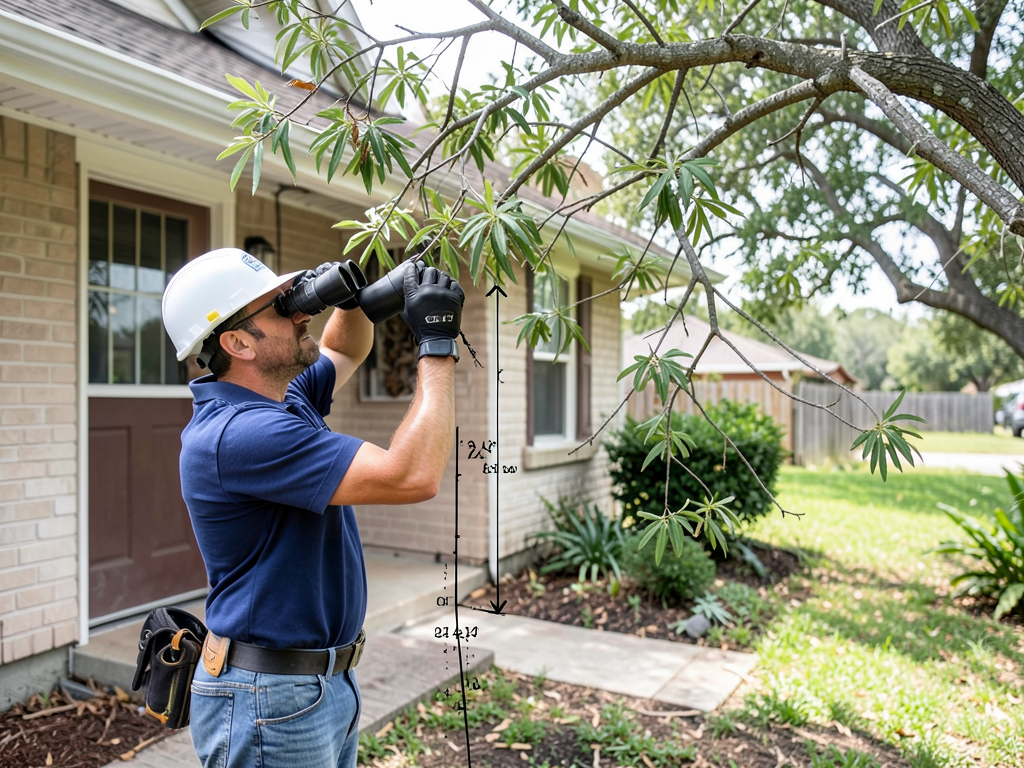





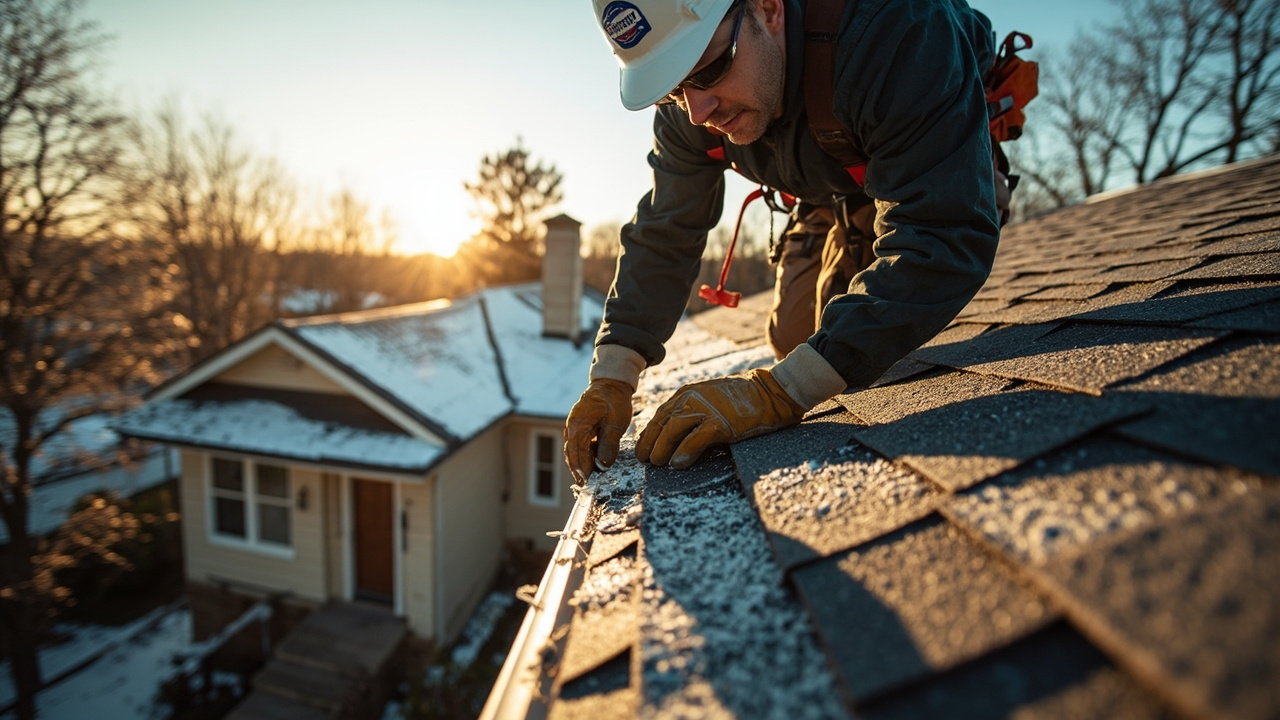
San Antonio sits in a unique climate transition zone where Gulf moisture meets Hill Country elevation changes, creating unpredictable freeze patterns. The city averages 20 freezing nights per winter, but they rarely occur in sustained stretches. Instead, you get sudden overnight drops to 28 degrees followed by afternoon highs in the 60s. This cycling causes roofing materials to expand and contract repeatedly, stressing sealants and fasteners in ways that steady cold never does. Preparing your roof for winter here means reinforcing vulnerable points that will experience dozens of thermal stress events rather than one long freeze.
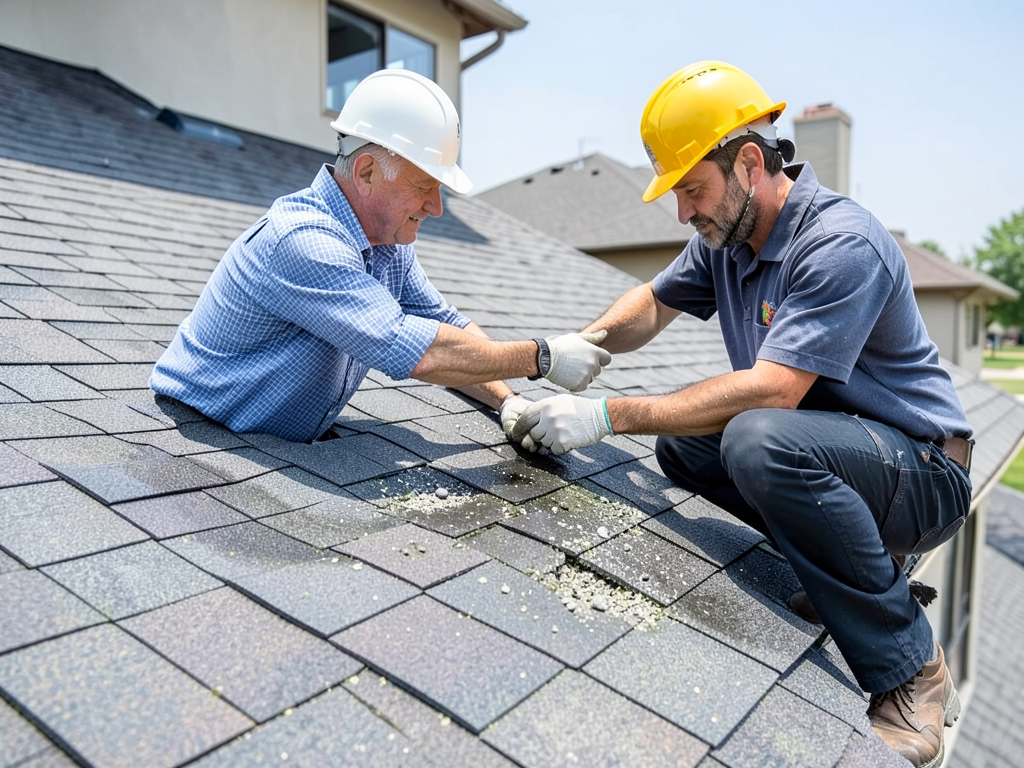
Local contractors who understand San Antonio's building patterns know that many homes were built during construction booms when code requirements were less stringent than today. Subdivisions from the 1980s and 1990s often have inadequate attic ventilation by current standards. These homes need specialized winterizing approaches that compensate for original construction shortcuts. Summit Roofing San Antonio has worked on properties across every neighborhood from Alamo Heights to Stone Oak, giving us insight into the specific vulnerabilities different areas face based on age, architectural style, and elevation. This local knowledge prevents the one-size-fits-all approaches that leave roofs unprotected.