




Menu

Roof Ventilation Explained in San Antonio – Clear Answers About Attic Airflow That Actually Make Sense

Understanding how roof ventilation works protects your home from extreme heat damage, moisture problems, and premature shingle failure in the San Antonio climate.

Slider Image 1
Slider Image 2
Slider Image 3
Slider Image 4
Slider Image 5
Slider Image 7
Slider Image 8
Slider Image 9
Slider Image 10
Slider Image 11

Why San Antonio Homeowners Need to Understand Roof Ventilation

Your attic can reach 150 degrees on a typical San Antonio summer day. Without proper ventilation, that heat radiates into your living space, forcing your air conditioner to work overtime. You feel it in your cooling bills. You see it in curled shingles that age 10 years in one season.

Roof ventilation basics come down to simple physics. Hot air rises and escapes through exhaust vents at the ridge or near the peak. Cool air enters through intake vents at the eaves or soffits. This continuous airflow cycle keeps your attic temperature closer to the outside temperature instead of creating a heat trap.

San Antonio's intense UV exposure and temperature swings from 100-degree days to 60-degree nights create extreme expansion and contraction cycles in your roof deck. Poor attic airflow explained in technical terms means your sheathing stays hot and humid, accelerating wood deterioration and adhesive breakdown in your shingles.

The humidity from South Texas storms adds another layer of complexity. When hot attic air meets cooler surfaces during temperature drops, condensation forms on the underside of your roof deck. That moisture feeds mold growth and rots the wood structure supporting your entire roof system.

Understanding roof ventilation means recognizing that your roof system needs to breathe. The intake-to-exhaust ratio matters. The placement of vents matters. The type of vents matters. Getting these elements wrong costs you thousands in premature replacement and energy waste.

Many homes in older San Antonio neighborhoods like Alamo Heights and Monte Vista lack adequate ventilation because building codes have evolved. What passed inspection in 1970 does not meet the demands of modern roofing materials or current energy efficiency standards.

Why San Antonio Homeowners Need to Understand Roof Ventilation
How Proper Roof Ventilation Systems Work

How Proper Roof Ventilation Systems Work

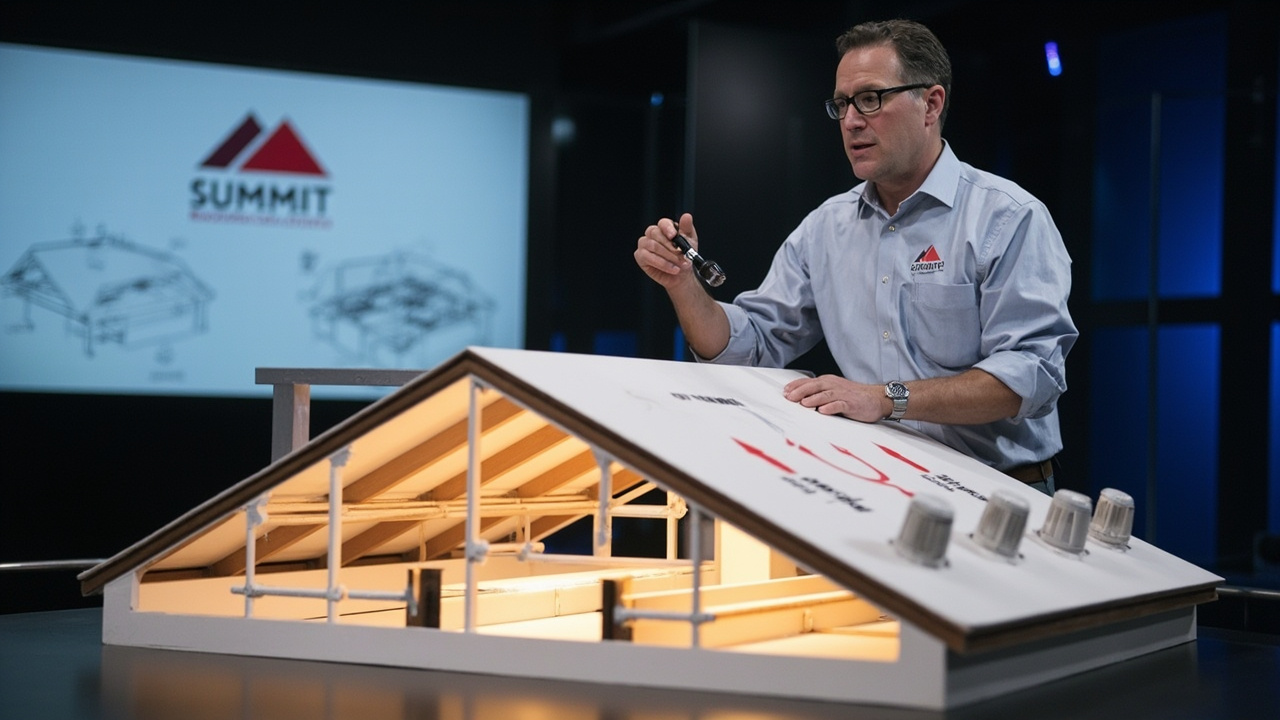
An effective attic ventilation guide starts with balanced airflow. You need equal amounts of intake ventilation at the lowest point of your roof (the eaves) and exhaust ventilation at the highest point (ridge or near-ridge areas). This creates what engineers call the stack effect, where temperature differences drive continuous air movement.

Intake vents pull fresh air into your attic space. Soffit vents are the most common intake method, running continuously along the eaves. Some homes use edge vents or under-eave vents. The key requirement is that these vents sit below the roof deck insulation, drawing air from outside before it enters the attic cavity.

Exhaust vents release hot, moisture-laden air. Ridge vents run along the peak of your roof and provide the most efficient exhaust because hot air naturally rises to this highest point. Box vents, turbine vents, and power vents serve the same purpose but work differently. Box vents are static openings. Turbines use wind to create suction. Power vents use electric fans to force air out.

The attic airflow explained in practical terms requires at least one square foot of ventilation for every 150 square feet of attic space when you have balanced intake and exhaust. Many San Antonio homes fall short of this ratio, especially those with hip roofs common in subdivisions like Stone Oak and Alamo Ranch.

Baffles play a critical role between your roof deck and insulation. These channels ensure intake air can flow from the soffit vents toward the ridge without getting blocked by insulation. Without baffles, blown-in insulation often covers soffit vents completely, cutting off the entire ventilation system.

Summit Roofing San Antonio evaluates your existing ventilation during every roof inspection. We measure intake and exhaust areas, check for blocked pathways, and identify mixing problems where different vent types work against each other instead of together.

What Happens During a Ventilation Assessment

Roof Ventilation Explained in San Antonio – Clear Answers About Attic Airflow That Actually Make Sense
01

Attic Inspection and Measurement

We enter your attic space to document current conditions. Our team measures attic square footage, counts existing vents, and checks for insulation blockages. We use thermal imaging to identify hot spots where ventilation fails. We photograph problem areas like insufficient soffit openings, blocked baffles, or exhaust vents placed too low on the roof slope. This diagnostic phase takes about 45 minutes and gives us the data needed to calculate your home's specific ventilation requirements.
02

Airflow Calculation and Design

We calculate the net free area needed based on your attic square footage and roof geometry. Hip roofs require different strategies than gable roofs. We identify whether you need additional intake vents, exhaust vents, or both. We check for competing vent types that create short-circuit airflow patterns. Our recommendations account for your roof type, existing vent locations, and whether your attic space is divided into multiple compartments that need independent ventilation paths.
03

Solution and Implementation Plan

We present a detailed ventilation upgrade plan with specific vent types, quantities, and placement locations. You see exactly what gets installed and why each component matters for your roof system. We explain how the improvements will reduce attic temperatures, extend shingle life, and lower cooling costs. If you approve the plan, we schedule installation to coordinate with any other roofing work or as a standalone upgrade. Most ventilation improvements complete in one day.

Why Local Expertise Matters for San Antonio Roof Ventilation

San Antonio's building codes have specific requirements for attic ventilation that vary based on when your home was built. Homes in historic districts like King William face additional restrictions on visible vent placement. We know which solutions meet code requirements while respecting architectural guidelines that matter to neighborhood associations and historic preservation boards.

The mix of roof styles across San Antonio neighborhoods requires different ventilation approaches. Ranch homes in areas like Terrell Hills often have low-slope sections that limit ridge vent options. Two-story homes in newer developments like Cibolo Canyons have complex roof planes with valleys and dormers that create ventilation dead zones. We have solved ventilation challenges across every roof type common to the region.

Our experience with South Texas weather patterns informs every recommendation. We know how afternoon thunderstorms can drive rain into poorly designed vents. We account for the prevailing southeast winds that affect turbine vent performance. We understand how the urban heat island effect in downtown and near Loop 410 creates more extreme attic temperatures than in surrounding areas.

Summit Roofing San Antonio has worked on thousands of local roofs. We recognize the ventilation mistakes that plague certain builders and subdivisions. Homes built in the early 2000s often have undersized soffit vents. Many reroofing jobs add new ridge vents without increasing intake ventilation, creating an imbalance that reduces efficiency.

We source ventilation products that withstand the intense UV exposure and temperature extremes specific to this region. Not all ridge vents handle the thermal cycling that happens on Texas roofs. Not all soffit vent screens resist the fine dust that clogs standard mesh. We install components proven to perform in this exact climate.

When you work with a local team, you get solutions designed for your specific address, not generic advice copied from a national handbook written for different weather patterns and building practices.

What to Expect from Professional Ventilation Services

Assessment Timeline and Scheduling

Initial ventilation assessments typically schedule within three to five business days of your call. The inspection itself takes 45 minutes to an hour, depending on attic size and access difficulty. We provide a written report with thermal images, measurements, and recommendations within 24 hours. If you need urgent evaluation due to suspected ventilation failure causing active damage, we prioritize your assessment and can often accommodate same-day or next-day service. Most ventilation upgrades schedule within two weeks of approval.

Detailed Diagnostic Process

Our diagnostic approach goes beyond counting vents. We measure attic temperatures in multiple zones to identify hot spots. We check for insulation contact with the roof deck that blocks airflow. We inspect for signs of past moisture problems like water stains, mold, or wood discoloration that indicate chronic ventilation failure. We test soffit areas to confirm they have actual openings behind the vent covers, which are sometimes blocked during insulation upgrades. You receive a complete picture of your current ventilation performance, not just a sales pitch for new vents.

Installation Quality and Results

Ventilation installations focus on proper integration with your existing roof system. Ridge vents require precise cuts along the peak that maintain structural integrity while maximizing airflow. Soffit vent additions involve careful cuts that avoid damaging roof trusses or electrical wiring in the eaves. We seal all penetrations to prevent water intrusion while ensuring vents maintain their designed net free area. After installation, we verify airflow improvement with follow-up temperature measurements. Most clients notice lower attic temperatures within days and reduced cooling costs in the first month after proper ventilation correction.

Maintenance and Longevity

Properly installed ventilation systems require minimal maintenance but benefit from periodic inspection. We recommend checking soffit vents annually for debris blockage, especially after major storms. Ridge vents should be inspected during routine roof maintenance to ensure the external baffle remains intact and the filter media has not deteriorated. Turbine vents need bearing checks every few years to maintain spin efficiency. We include ventilation system checks in our comprehensive roof maintenance programs, catching small issues before they compromise your attic airflow and cause expensive secondary damage to shingles or roof decking.

Frequently Asked Questions

You Have Questions,
We Have Answers

How San Antonio's Heat and Humidity Create Unique Ventilation Demands

San Antonio experiences some of the longest cooling seasons in Texas, with temperatures above 90 degrees from May through October. That extended heat exposure means your attic ventilation system works harder and longer than roofs in cooler climates. The combination of intense solar radiation and high humidity from Gulf moisture creates the perfect conditions for accelerated shingle aging and roof deck deterioration when ventilation fails. Homes near the Medical Center and downtown core face even more extreme conditions due to heat reflection from surrounding buildings and pavement. Understanding roof ventilation in this specific climate means accounting for 120-plus days of temperatures above 95 degrees and humidity levels that often exceed 70 percent.

Local building codes have evolved significantly over the past 20 years as officials recognized the impact of inadequate ventilation on roof longevity and energy consumption. Summit Roofing San Antonio stays current with City of San Antonio building department requirements and works regularly with local inspectors who know our installation quality. We understand the specific ventilation standards that apply to new construction in Bexar County and the modification rules that govern ventilation upgrades in existing homes. Our familiarity with local architecture, from the limestone homes in Olmos Park to the stucco construction common in newer subdivisions, ensures we recommend ventilation solutions that work with your home's specific design and materials.
Roofing Services in The San Antonio Area

Explore our service coverage in and around San Antonio using the map below. Summit proudly serves residential and commercial clients throughout the region. Whether you're in the heart of the city or in the nearby suburbs, we’re just a call away. We make it easy to reach us for inspections, quotes, or emergency assistance. Your trusted roofing team is always nearby.

Address:
Summit Roofing San Antonio, 1100 NW Loop 410, Suite 700, San Antonio, TX, 78213

Additional Services We Offer

Our news updates

Latest Articles & News from The Blogs

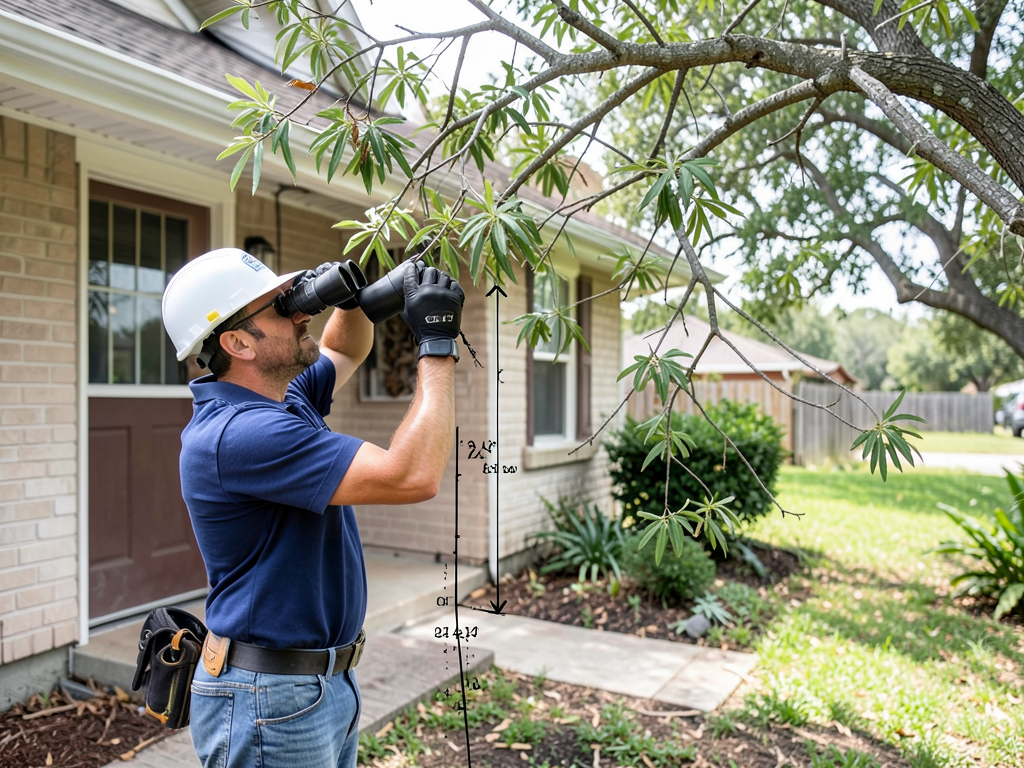
What to do when a neighbor's tree limbs are hanging over your roof in the Great Northwest Living in the…

What to do when a neighbor's tree limbs are hanging over your roof in the Great Northwest

What to do when a neighbor's tree limbs are hanging over your roof in the Great Northwest Living in the…

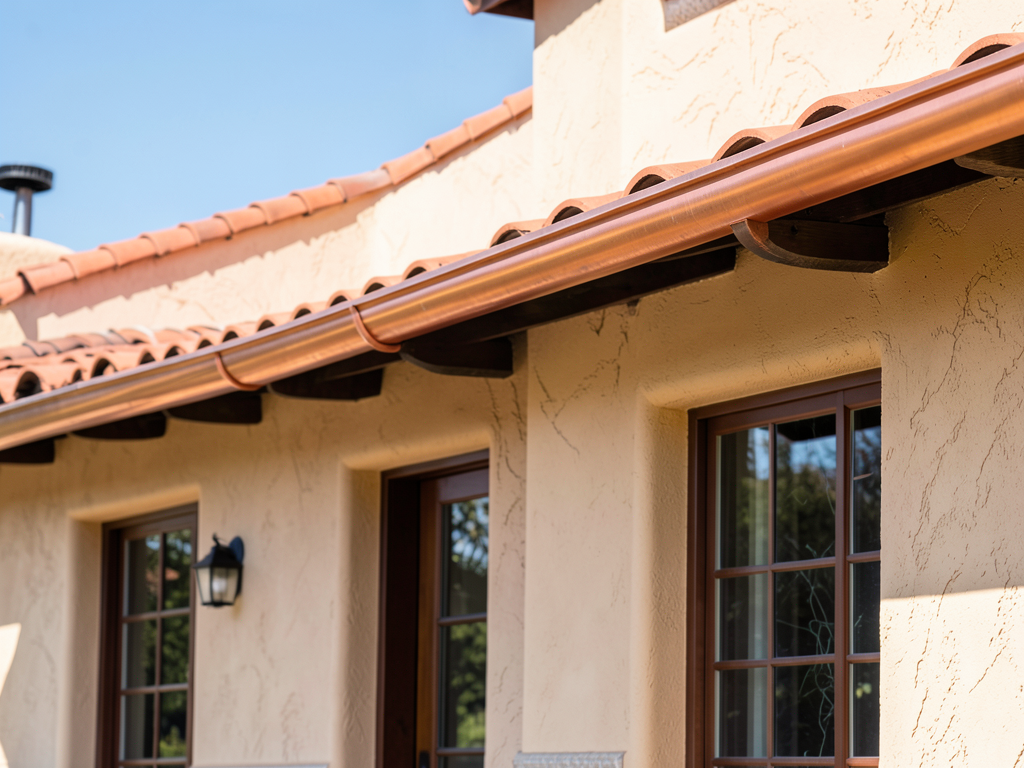
Adding instant curb appeal to your Terrell Hills home with copper gutters

Adding instant curb appeal to your Terrell Hills home with copper gutters Your Terrell Hills home deserves more than ordinary…

Why brand new homes in Redbird Ranch still need a yearly roof check

Why brand new homes in Redbird Ranch still need a yearly roof check Your brand new roof in Redbird Ranch…

Contact Us

Stop guessing about your attic ventilation. Call Summit Roofing San Antonio at (726) 256-6199 for a complete assessment. We measure, diagnose, and provide clear answers about your roof ventilation system. Schedule your inspection today.