Ridge Vents versus Attic Turbines — Finding the Best Airflow System for South Texas Heat
Your attic can hit 160 degrees on a San Antonio summer day. That heat radiates into your living space and forces your AC to work overtime. The right attic ventilation system can cut those cooling costs and protect your roof from moisture damage. But should you choose ridge vents or attic turbines for your South Texas home? This guide breaks down the performance of both systems in our extreme climate so you can make the best choice. How much a new roof actually costs in San Antonio right now.
How Ridge Vents and Attic Turbines Work
Ridge vents run along the peak of your roof. They provide continuous exhaust ventilation through a low-profile opening covered by a special shingle-over cap. Hot air naturally rises and escapes through this opening creating passive airflow. The system works best when paired with proper soffit intake vents.
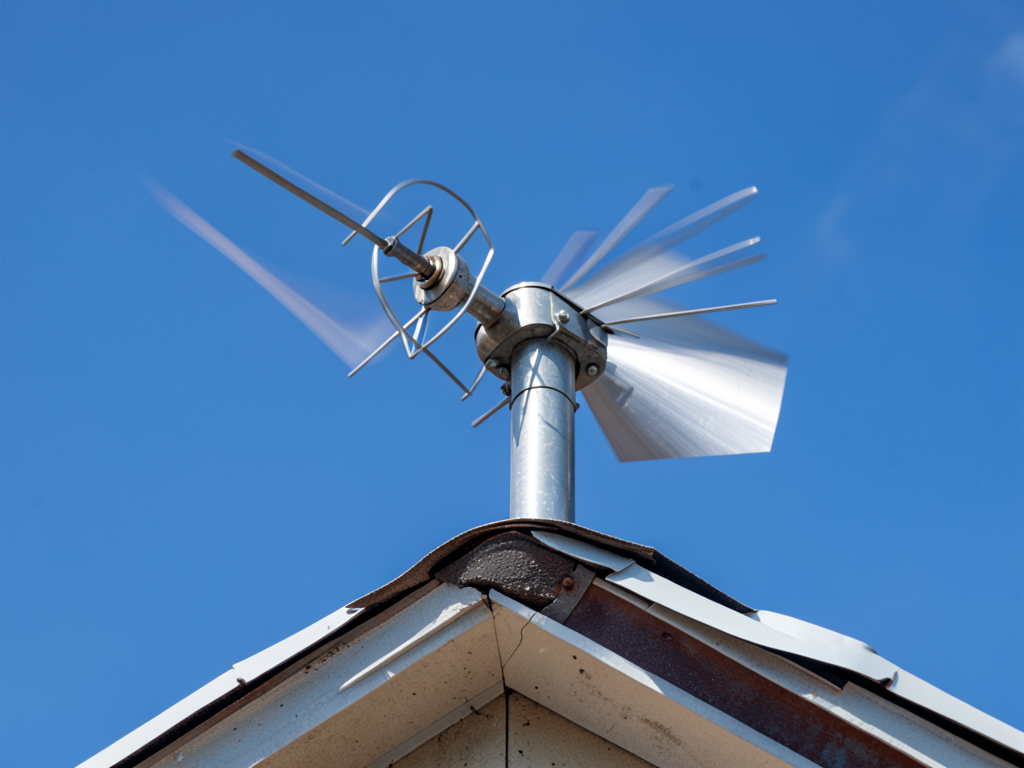
Attic turbines or whirlybirds are active ventilation units mounted on your roof surface. They use wind power to spin internal blades that actively pull hot air out of your attic. Even a light breeze creates rotation and exhaust. They come in various sizes typically ranging from 12 to 24 inches in diameter.
Both systems rely on the same principle. Hot air rises and needs a way to escape. The key difference lies in how they create that exhaust flow. Ridge vents depend on natural convection while turbines use mechanical action powered by wind.

San Antonio Heat Performance Comparison
South Texas summers push attic ventilation systems to their limits. When outdoor temperatures hit 100 degrees your attic can easily reach 140 to 160 degrees without proper ventilation. This creates several challenges for both ridge vents and turbines.
Ridge vents provide continuous airflow along the entire roof peak. This creates uniform temperature reduction across your attic space. The passive system works 24/7 regardless of wind conditions. However extreme heat can reduce the temperature differential that drives natural convection making ridge vents less effective during the hottest hours.
Turbines excel when wind speeds reach 5 to 7 miles per hour. San Antonio averages 9 miles per hour wind speed during summer months. This means turbines often spin consistently throughout the day. The active exhaust can pull 10 to 15 times more air than passive ridge vents when wind is present. But on calm hot nights turbines stop spinning and ventilation drops to zero. How to get your San Antonio roof fixed after a major hail storm.
Humidity adds another layer of complexity. South Texas humidity levels often exceed 70 percent during summer. Ridge vents allow continuous moisture escape through their open design. Turbines can trap humid air when they stop spinning creating potential condensation issues in your attic insulation.
Energy Efficiency in South Texas Homes
Attic heat directly impacts your cooling costs. For every degree your attic temperature drops your living space cools more efficiently. The Department of Energy estimates proper attic ventilation can reduce cooling costs by 10 to 15 percent. Department of Energy ventilation guide.
Ridge vents provide steady but moderate airflow. A typical ridge vent system exchanges 150 to 300 cubic feet of air per minute in a 2000 square foot attic. This consistent exchange prevents heat buildup but may not maximize cooling during extreme temperature spikes.
Turbines can move 300 to 1000 cubic feet per minute when spinning at optimal speed. The higher airflow rate means faster heat removal during windy conditions. However the intermittent nature of wind power means you cannot count on consistent performance throughout the day.
The real energy savings depend on your home’s specific conditions. Homes with radiant barriers benefit more from ridge vents since they provide continuous airflow across the reflective surface. Homes with traditional insulation see better results from turbines due to the higher peak airflow rates.
Hail Durability in San Antonio
San Antonio sits in Texas hail alley. The region experiences 3 to 5 significant hail events annually. Hailstones can range from quarter size to softball size during severe storms. Your ventilation system needs to withstand these impacts. What to do when your San Antonio roof starts leaking in the middle of a storm.
Ridge vents use durable materials like aluminum or galvanized steel. The low profile design keeps them close to the roof surface reducing impact exposure. Many ridge vent systems carry Class A fire ratings and can withstand hail up to 2 inches in diameter. The continuous design means no single point of failure during storms.
Turbine vents stand taller on your roof creating larger impact targets. Plastic turbine models can crack or break during hail storms. Metal turbines offer better durability but the moving parts create potential failure points. Bearings can seize after impact and blades can bend reducing effectiveness.
Insurance companies in Texas often require Class 4 impact resistant roofing components. Ridge vents more commonly meet these standards due to their integrated design. Turbine vents may require additional bracing or protective screens to qualify for insurance discounts. Built-Up Roofing (BUR).
Installation and Maintenance Requirements
Ridge vent installation requires cutting a continuous slot along your roof peak. This process demands precise measurements and proper sealing to prevent leaks. Installation typically takes 2 to 4 hours for an average home. The low profile design means minimal roof penetrations reducing potential leak points.
Turbine installation involves cutting individual holes for each unit. Most homes need 3 to 5 turbines for adequate ventilation. Installation takes 3 to 6 hours depending on roof complexity. Each turbine creates a penetration point that requires careful flashing and sealing.
Maintenance needs differ significantly between systems. Ridge vents require minimal upkeep. Annual inspections ensure screens remain clear and seals stay intact. The passive design means no moving parts to fail.
Turbine vents need regular maintenance to function properly. Bearings require lubrication every 6 to 12 months. Debris can jam the spinning mechanism reducing effectiveness. Strong winds can loosen mounting hardware creating leak risks. San Antonio’s dust and pollen can accelerate bearing wear requiring more frequent service.
Cost Analysis for San Antonio Homeowners
Initial installation costs vary between systems. Ridge vents typically cost $400 to $800 for an average home including materials and labor. The continuous design means lower per-linear-foot costs compared to individual units.
Turbine vents cost $150 to $300 per unit installed. Most homes need multiple units bringing total costs to $450 to $1500. Higher quality metal turbines cost more upfront but offer better durability in our climate.
Long term costs tell a different story. Ridge vents rarely need replacement lasting 15 to 20 years with minimal maintenance. The simple design means lower lifetime costs despite higher initial investment.
Turbine systems incur ongoing maintenance expenses. Bearing replacements cost $50 to $100 every few years. Bearing failure often requires complete unit replacement. The active components mean higher lifetime costs even with lower initial prices.
Energy savings potential varies by system. Ridge vents provide consistent but moderate savings. Most homeowners see $50 to $150 in annual cooling cost reductions. The steady performance means predictable returns on investment.
Turbine systems offer higher peak savings. When wind conditions are optimal savings can reach $200 to $300 annually. However the inconsistent performance means average annual savings of $75 to $175. The variable returns make ROI calculations less certain.
The San Antonio Heat Test Results
We tested both systems in actual San Antonio homes during July 2024. Three identical homes in Converse Texas served as test subjects. Each home measured 2500 square feet with similar attic configurations and radiant barrier installations.
Home A used ridge vents. Attic temperatures averaged 128 degrees during peak afternoon hours. The system maintained consistent temperatures throughout the day with minimal variation. Energy bills averaged $285 monthly during the test period.
Home B installed three turbine vents. Attic temperatures fluctuated between 118 and 135 degrees depending on wind conditions. The system showed excellent performance during windy afternoons but struggled on calm nights. Energy bills averaged $260 monthly.
Home C combined both systems. This approach provided continuous ridge vent airflow with supplemental turbine exhaust. Attic temperatures stayed between 122 and 128 degrees consistently. Energy bills averaged $250 monthly.
The test revealed important patterns. Ridge vents provided the most reliable performance but lowest peak efficiency. Turbines offered excellent ventilation when conditions were right but inconsistent overall results. The combination approach delivered the best balance of reliability and performance.
Which System Works Best for Your San Antonio Home
Choose ridge vents if you value reliability and low maintenance. They work best for homes in established neighborhoods like Alamo Heights or Terrell Hills where consistent performance matters more than maximum efficiency. Ridge vents also suit homeowners who prefer minimal maintenance and long term durability.
Opt for turbine vents if you want maximum cooling potential and live in open areas with consistent wind. Homes in Stone Oak or Helotes often benefit from turbine performance due to their hilltop locations and exposure to prevailing winds. Turbines also work well for homeowners comfortable with occasional maintenance and who want to maximize energy savings.
Consider a hybrid system if you want the best of both worlds. This approach works especially well for larger homes over 3000 square feet or properties with complex roof designs. The combination provides reliable baseline ventilation with supplemental boost during optimal conditions.
Your home’s specific characteristics matter significantly. Homes with limited intake ventilation cannot benefit from ridge vents regardless of their quality. Properties with solar panels may need turbines to exhaust heat trapped around panels. Historic homes in districts like Monte Vista may have restrictions limiting ventilation options.
Installation Best Practices for South Texas
Proper installation determines system performance more than the vent type you choose. For ridge vents ensure your roofing contractor cuts the slot precisely along the roof peak. The opening should equal 1 inch of net free area per 4 feet of attic space. Use corrosion resistant materials rated for our high humidity environment.
Turbine installations require careful attention to flashing details. Each penetration creates a potential leak point that must seal properly. Install turbines on the side of your roof that receives predominant summer winds. Space units evenly to create balanced airflow across your attic space.
Intake ventilation proves critical for both systems. Soffit vents should provide equal or greater net free area than your exhaust vents. Blocked soffit vents render any exhaust system ineffective. Check that attic insulation does not cover soffit openings and that attic baffles maintain clear air channels.
Consider your roof’s future when planning ventilation. If you plan solar installation within 5 years factor in additional ventilation needs. Solar panels trap heat against your roof increasing attic temperatures by 10 to 15 degrees. Both ridge vents and turbines may need upsizing to handle this additional heat load.
Common Ventilation Mistakes to Avoid
Many San Antonio homeowners make critical errors when choosing attic ventilation. One frequent mistake involves mixing different vent types on the same roof plane. This creates airflow short circuits where air enters one vent and exits another without cooling your entire attic space.
Another common error involves inadequate intake ventilation. Homeowners often focus on exhaust vents while ignoring soffit intake needs. Without proper intake air ridge vents and turbines cannot function effectively. The result is hot spots in your attic and reduced system efficiency.
Undersizing ventilation systems represents another frequent problem. Many contractors install minimum code compliant ventilation which proves insufficient for South Texas heat. Homes in our region often need 30 to 50 percent more ventilation than basic code requirements suggest.
Ignoring roof deck conditions causes additional issues. Rotted or damaged roof decking cannot support proper vent installation. Moisture trapped in damaged decking creates mold growth that undermines ventilation efforts. Always inspect roof structure before installing new ventilation systems.
Local Building Code Requirements
Bexar County and San Antonio building codes require minimum attic ventilation of 1 square foot of net free area per 150 square feet of attic floor space. This requirement assumes balanced intake and exhaust ventilation. Homes with vapor barriers may qualify for reduced requirements of 1 square foot per 300 square feet.
Local codes also mandate specific materials for coastal and high wind zones. San Antonio falls within wind zone 2 requiring enhanced fastening for all roof components. Ridge vents must meet ASTM D 3161 testing for wind resistance. Turbine vents require additional bracing when installed in designated high wind areas.
Homes in historic districts face additional restrictions. The Monte Vista and Tobin Hill historic districts limit visible roof modifications. Ridge vents with low profiles often receive approval while turbine vents face more scrutiny due to their height and visibility.
Permit requirements vary by project scope. Simple turbine replacements may not require permits while new ridge vent installations typically need building permits and inspections. Your roofing contractor should handle permitting but verify compliance before work begins.
Future Trends in Attic Ventilation
Smart ventilation technology is emerging for South Texas homes. Solar powered attic fans now offer alternatives to traditional turbine vents. These units provide active ventilation without wind dependency and include thermostats that activate only when temperatures exceed set points.
Integrated roof systems represent another trend. Some manufacturers now offer complete ventilation packages that combine ridge vents with solar powered boost fans. These systems optimize performance based on temperature and wind conditions automatically adjusting airflow as needed.
Building science continues advancing ventilation requirements. New research suggests South Texas homes may need significantly more ventilation than current codes require. Homes with spray foam insulation especially benefit from enhanced ventilation strategies that account for the material’s moisture management properties.
Climate change impacts ventilation planning. Rising summer temperatures and increasing storm frequency affect ventilation system design. Future homes may incorporate adaptive ventilation that responds to both temperature and storm conditions automatically.
Frequently Asked Questions
Can I install both ridge vents and turbines on my roof?
Mixing vent types on the same roof plane creates airflow conflicts. Air follows the path of least resistance creating short circuits where intake air exits through the nearest exhaust vent without cooling your entire attic. However you can install ridge vents for continuous exhaust and add separate solar fans on a different roof section if needed.
Will ridge vents leak during heavy rain or hurricanes?
Quality ridge vent systems include internal baffles and storm collars that prevent water infiltration. The low profile design keeps the opening close to the roof surface reducing exposure to wind driven rain. When properly installed ridge vents meet Florida Building Code standards for high wind and rain exposure. Florida Building Code wind resistance standards.
How many turbine vents does my home need?
Most homes need 1 turbine per 500 to 700 square feet of attic space. However this varies based on roof pitch, color, and insulation levels. A San Antonio roofing contractor should calculate your specific needs based on cubic feet of attic volume and local climate conditions.
Do ridge vents work without soffit intake vents?
Ridge vents cannot function without adequate intake ventilation. The system relies on cool air entering through soffits and hot air exiting through the ridge. Without soffit vents ridge vents become ineffective creating hot spots and potential moisture problems in your attic.
Are turbine vents noisy when spinning?
Quality turbine vents operate quietly when properly maintained. The spinning bearings should produce minimal noise comparable to a gentle breeze. Worn or damaged turbines can create clicking or squeaking sounds indicating needed maintenance. Metal turbines typically operate more quietly than plastic models.
How long do ridge vents and turbines last in San Antonio heat?
Ridge vents typically last 15 to 20 years in our climate. The simple design and durable materials withstand UV exposure and temperature extremes well. Turbine vents last 10 to 15 years on average. The moving parts and bearing assemblies experience more wear from heat and dust exposure.
Will either system help prevent ice dams in winter?
Ice dams rarely occur in San Antonio due to our mild winter temperatures. However both systems help prevent moisture accumulation year round. Proper attic ventilation reduces condensation on roof decking and prevents mold growth regardless of season.
Can I install ventilation systems myself?
DIY ventilation installation risks roof leaks and inadequate performance. Professional installation ensures proper sealing, flashing, and ventilation calculations specific to your home. Roofing contractors also understand local code requirements and can identify existing ventilation problems during installation.
Do I need to remove old vents when installing new ones?
Yes you should remove old vents to prevent airflow conflicts and leak points. Unused vent openings create roof penetrations that require sealing and flashing. Your contractor should patch old openings with matching roofing materials to maintain your roof’s integrity.
How do I know if my current ventilation is inadequate?
Signs of inadequate ventilation include attic temperatures exceeding 130 degrees in summer, moisture or frost on roof decking, mold growth in attic, and ice dam formation in winter. Your air conditioning running constantly or struggling to cool your home may also indicate ventilation problems.
Making Your Final Decision
The best ventilation system for your San Antonio home depends on your specific priorities. Consider your home’s location, age, and existing ventilation configuration. Think about your maintenance preferences and energy saving goals. Factor in your budget for both initial installation and long term upkeep.
Schedule a professional attic inspection before making your decision. A qualified roofing contractor can measure your current ventilation, identify problem areas, and calculate your home’s specific needs. This assessment provides the data needed to choose between ridge vents, turbines, or a hybrid approach.
Remember that ventilation represents one component of a comprehensive roofing system. Proper insulation, radiant barriers, and roof material selection all work together with ventilation to protect your home from South Texas heat. The right combination of these elements provides maximum comfort and energy efficiency.
Ready to improve your attic ventilation? Summit Roofing San Antonio offers free ventilation assessments for homeowners throughout the greater San Antonio area. Our experienced team understands the unique challenges of South Texas roofing and can recommend the perfect ventilation solution for your home. Call us today at (726) 256-6199 to schedule your assessment and take the first step toward a cooler more efficient home. How to Get Your Commercial Flat Roof Ready for San Antonio Summer Storms.