




Menu

Blistering Shingles in San Antonio – Get Expert Diagnosis and Proper Repair Before Leaks Start

Summit Roofing San Antonio identifies the root cause of asphalt shingle blisters and bubbling shingles, then executes the correct repair to prevent water intrusion and extend your roof's lifespan.

Slider Image 1
Slider Image 2
Slider Image 3
Slider Image 4
Slider Image 5
Slider Image 7
Slider Image 8
Slider Image 9
Slider Image 10
Slider Image 11

Why San Antonio Roofs Develop Shingle Blisters

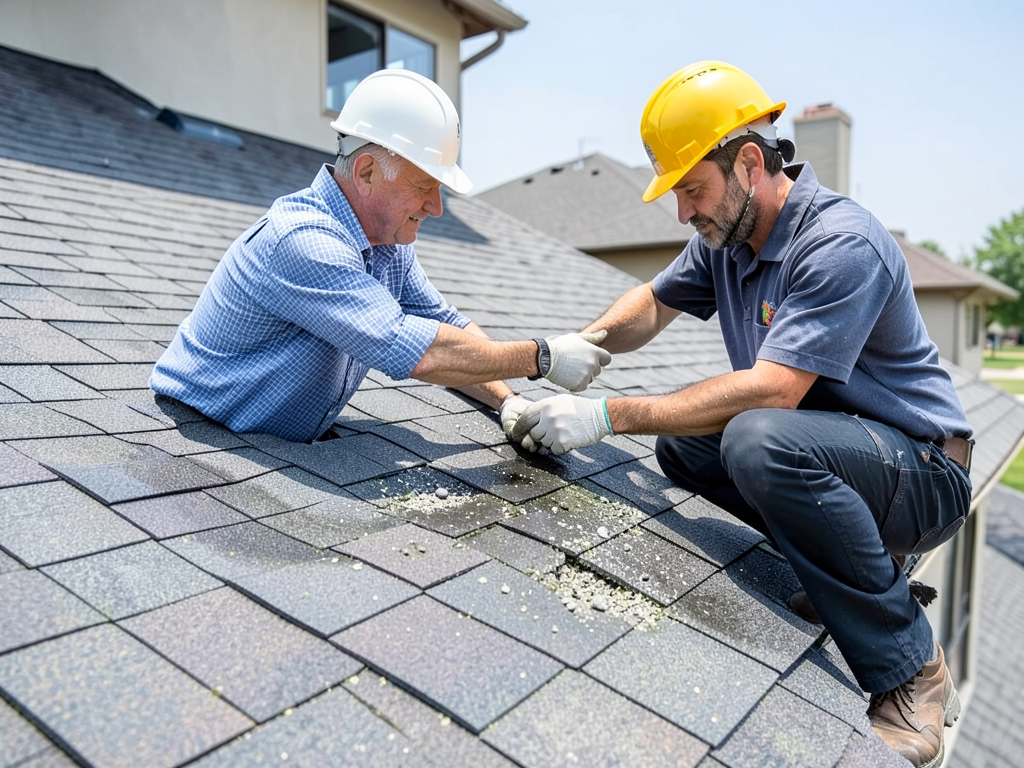
You walk outside and notice raised bumps on your roof. Those are shingle blisters, and they signal trapped moisture or gas between the shingle layers. In San Antonio, intense UV exposure and summer temperatures exceeding 100 degrees accelerate the formation of heat blisters on roof surfaces. When moisture gets trapped during installation or from humidity penetration, the heat causes expansion and creates those telltale bubbles.

Roof blisters start small but weaken the protective granule layer. Once the blister breaks open, the underlying asphalt loses its defense against the sun. The exposed area deteriorates rapidly. Water finds the compromised spot during our heavy thunderstorms. What began as a cosmetic issue becomes a leak path into your decking and attic.

San Antonio's clay soil also contributes to the problem. Ground movement creates stress on the roof structure. Small gaps open in the sheathing. Humid air enters the attic space and rises through the decking, especially in poorly ventilated homes. That moisture migrates into the shingle mat during hot afternoons when the roof surface reaches 160 degrees. The result is bubbling shingles that compromise your entire roofing system.

The combination of extreme heat, high humidity during summer months, and poor attic ventilation makes asphalt shingle blisters a persistent issue across Alamo Heights, Stone Oak, and the greater metro area. Ignoring these warning signs leads to premature roof failure and interior water damage. You need a diagnostic approach that addresses the cause, not just the symptom.

Why San Antonio Roofs Develop Shingle Blisters
How We Fix Blistered Shingles the Right Way

How We Fix Blistered Shingles the Right Way

Most contractors replace the damaged shingles and walk away. That approach fails because it ignores why the blisters formed. Summit Roofing San Antonio starts with a thermal inspection and attic ventilation audit. We measure intake and exhaust ratios to determine if hot air is escaping properly. Inadequate ridge venting or blocked soffit vents trap heat and moisture in the attic cavity. That creates the perfect conditions for shingle bubbles to form across the entire roof plane.

We check the decking moisture content with a penetrating meter. If the wood sheathing shows elevated readings, we identify the moisture source before replacing any shingles. Sometimes the issue is a plumbing vent boot leak or damaged step flashing. Other times, bathroom exhaust fans venting into the attic pump humid air directly into the roof assembly. We trace the problem to its origin.

Once we understand the failure mechanism, we address the ventilation deficiency or moisture source. We install additional intake venting if the soffit area is restricted. We add ridge vents or powered attic fans when exhaust capacity is insufficient. We reroute vent pipes outside the conditioned envelope. Only after correcting the underlying cause do we replace the damaged shingles.

The new shingles match your existing roof profile and color. We remove blistered units carefully to avoid damaging surrounding shingles. We inspect the felt underlayment for moisture damage and replace sections if needed. We hand-seal each new shingle with roofing cement to ensure wind resistance. This comprehensive repair stops the blister formation cycle and protects your roof investment.

What Happens During Your Blister Repair

Blistering Shingles in San Antonio – Get Expert Diagnosis and Proper Repair Before Leaks Start
01

Complete Roof Inspection

We document every blister location with photos and mark problem areas on a roof diagram. Our inspector checks the attic for ventilation issues, insulation problems, and moisture stains on the decking. We measure attic temperature differentials and check for blocked soffit channels. This diagnostic phase identifies whether your blisters are from installation defects, ventilation failure, or moisture intrusion from another source.
02

Root Cause Correction

We fix the ventilation imbalance or moisture source before touching the damaged shingles. If your intake-to-exhaust ratio is insufficient, we install additional venting to meet the one square foot per 150 square feet attic floor area requirement. We seal plumbing penetrations and repair flashing. We reroute improperly vented bathroom fans. This step prevents new blisters from forming on your existing shingles and protects the replacement units.
03

Shingle Replacement and Sealing

We remove blistered shingles without disturbing adjacent units. We replace damaged underlayment sections and install new shingles that match your roof. Each replacement shingle is hand-nailed with six nails per manufacturer specifications and sealed with roofing cement. We clean the work area completely and conduct a final inspection to verify the repair integrates seamlessly with your existing roof. You receive documentation of all work performed and recommendations for ongoing maintenance.

Why San Antonio Homeowners Trust Our Blister Diagnosis

Roof blisters require accurate diagnosis. A contractor who replaces shingles without investigating the cause costs you money twice. The blisters return within months because the moisture or heat problem still exists. Summit Roofing San Antonio built our reputation by solving problems correctly the first time.

We understand San Antonio's building environment. The intense summer heat combined with afternoon humidity creates unique challenges for asphalt roofing systems. Homes in older neighborhoods like Monte Vista often have inadequate attic ventilation because modern building codes did not exist when they were constructed. New construction in areas like Cibolo and Schertz sometimes suffers from rushed installations that trap moisture in the shingle mat during application.

Our team is trained to recognize the difference between manufacturing defects, installation errors, and environmental damage. We know which shingle manufacturers have had blister problems with specific product lines. We know how San Antonio's clay soil movement affects roof framing and creates stress points. We factor in roof orientation because south-facing and west-facing slopes take the most UV punishment and develop blisters first.

We work directly with insurance adjusters when storm damage contributes to shingle failure. We provide detailed reports with thermal imaging and moisture readings that support your claim. We know which local suppliers stock matching shingles for discontinued products. This local knowledge matters when you need a repair that blends invisibly with your existing roof and actually solves the problem. Generic contractors lack this depth of regional experience.

What You Can Expect From Our Service

Fast Response and Scheduling

We schedule inspections within 48 hours of your call. Our inspector arrives on time with thermal imaging equipment and moisture meters. The inspection takes 45 to 90 minutes depending on roof size and attic access. You receive a written report within 24 hours that explains the blister cause and outlines the repair scope. If the problem requires immediate attention to prevent leaks, we prioritize your project. Most blister repairs are completed within one week of approval. Weather delays can extend the timeline, but we communicate schedule changes promptly.

Thorough Problem Assessment

Our diagnostic process goes beyond the visible blisters. We enter your attic to check ventilation pathways, insulation depth, and decking condition. We inspect all penetrations including plumbing vents, exhaust fans, and chimney flashing. We use a thermal camera to detect temperature anomalies that indicate trapped heat or moisture. We measure attic temperature against outside temperature to calculate heat buildup. This complete assessment identifies every contributing factor. You get a clear explanation of why the blisters formed and what must change to prevent recurrence.

Quality Repair Execution

We source matching shingles from local suppliers who stock current and discontinued lines. Our installers remove damaged shingles carefully to preserve the surrounding roof surface. We replace any compromised underlayment or decking. We install new shingles following manufacturer specifications for nail placement and sealant application. We clean up all debris daily and conduct a final walkthrough with you. The repair blends seamlessly with your existing roof. You will not see mismatched colors or obvious patch work. The result is a watertight repair that restores your roof's integrity.

Ongoing Support and Monitoring

After completing the repair, we provide maintenance recommendations specific to your roof. If we added ventilation, we explain how to keep soffit vents clear of insulation. If moisture intrusion was the cause, we outline prevention steps. We offer annual roof inspections to catch small problems before they become expensive failures. Our service records track your roof's history so we can monitor blister recurrence and spot patterns. If new blisters appear within the first year, we investigate at no charge to determine if additional corrections are needed. This follow-up commitment ensures long-term protection.

Frequently Asked Questions

You Have Questions,
We Have Answers

What does shingle blistering look like? +

Shingle blistering appears as raised bubbles or bumps on the surface of your asphalt shingles. These blisters look like small dome-shaped protrusions where the shingle granules have lifted or broken away. You might see them scattered across individual shingles or concentrated in specific areas of your roof. The blisters can range from dime-sized to several inches wide. In San Antonio's intense heat, blistering often shows up on south-facing roof slopes first. Once the blister pops, it leaves behind a bare spot that exposes the underlying mat to UV damage and moisture infiltration. This accelerates shingle deterioration.

Is it normal for shingles to blister? +

No, it is not normal for shingles to blister. Blistering signals a manufacturing defect, improper installation, or trapped moisture during production. Quality shingles installed correctly should not develop blisters. San Antonio's extreme summer heat can expose weak shingles faster, but heat alone does not cause blistering in properly manufactured products. If you notice blistering within the first few years, contact your roofing contractor immediately. Manufacturing defects may be covered under warranty. Widespread blistering across multiple shingles indicates a deeper problem requiring professional inspection. Do not ignore it. Blistered shingles lose granule protection and fail prematurely.

What stage of shingles are blisters? +

Blistering occurs during the manufacturing process or shortly after installation, not in stages. Moisture or volatile compounds get trapped between shingle layers during production. When San Antonio's heat hits your roof, that trapped material expands and creates the blister. This happens early in the shingle's life. Over time, the blister may pop from thermal expansion and contraction, UV exposure, or physical impact. Once popped, the exposed area deteriorates rapidly. There are no progressive stages. You either have intact blisters, popped blisters, or fully degraded sections where the mat shows through. Each phase represents increasing damage and urgency for replacement.

Is shingles contagious when blistering? +

Roof shingle blistering is not contagious. Shingles are roofing materials, not a medical condition. If you are asking about the herpes zoster virus that causes skin blisters, that is a medical question outside roofing expertise. For roof shingle blistering, the condition does not spread from one shingle to another like an infection. If multiple shingles blister, it means they came from the same defective manufacturing batch or experienced the same installation error. In San Antonio's climate, heat stress can reveal widespread defects across your entire roof simultaneously. Inspect your full roof system when you spot blistering in one area.

What do shingle blisters look like? +

Shingle blisters look like raised bumps or bubbles on the shingle surface, similar to paint blisters on wood. They appear as circular or oval protrusions where the top shingle layer has separated from the base mat. The granules may still cover the blister initially, giving it a textured appearance. San Antonio homeowners often notice them during gutter cleaning or after storms. Once a blister ruptures, you see a crater-like depression with missing granules and exposed asphalt or felt. The exposed area appears darker or discolored. Multiple blisters create a pockmarked pattern across affected shingles, signaling significant roof damage requiring attention.

How to tell if a roofer is lying? +

A dishonest roofer will push unnecessary full replacements without documenting damage, refuse to provide detailed written estimates, or demand large upfront payments. In San Antonio, watch for storm chasers who appear after hail events offering free inspections then exaggerate damage. Legitimate roofers provide specific diagnoses, reference local building codes, and explain why repairs or replacement make sense. They document everything with photos and measurements. Ask for local references you can verify, proof of insurance, and manufacturer certifications. Trust your gut. If a roofer pressures you to sign immediately or uses scare tactics about immediate collapse, walk away. Get multiple opinions.

Should I put anything on my shingles blisters? +

Do not apply anything to blistered roof shingles. Coatings, sealants, or patch products will not fix the underlying structural failure causing the blistering. These temporary fixes waste money and delay proper repairs. The blister exists because the shingle layers have separated internally. Surface treatments cannot rebond those layers. In San Antonio's heat, added coatings may trap more moisture and worsen the problem. If blisters have popped and exposed the mat, that section needs replacement. Schedule a professional inspection to assess the extent of damage. Proper repair means removing affected shingles and installing new ones. Address the root cause, not the symptom.

What can be mistaken for shingles blisters? +

Hail damage, granule loss from age, and thermal splitting can resemble shingle blistering. Hail impacts create circular bruises or divots that look like popped blisters but have different edge characteristics. Aged shingles lose granules in patterns that may appear bubbly from ground level but lack the raised structure of true blisters. Thermal cracking creates linear breaks, not circular bubbles. In San Antonio, intense UV exposure accelerates granule loss, which homeowners sometimes confuse with widespread blistering. A professional inspection distinguishes between these issues by examining the shingle cross-section and checking for layer separation versus surface-level damage. Accurate diagnosis determines the right repair approach.

How long will shingles blisters last? +

Roof shingle blisters do not heal or disappear. Once formed, they persist until the shingle fails completely. An intact blister may last months to several years before popping, depending on San Antonio's thermal cycling and storm activity. After the blister ruptures, the exposed underlayment deteriorates rapidly under UV radiation and moisture exposure. Expect accelerated failure within one to three years post-rupture. The surrounding shingles may develop additional problems as water infiltrates through the compromised area. Blistered shingles should be replaced promptly. Waiting increases the risk of deck damage, leaks, and mold growth inside your attic. Address blistering quickly to protect your home.

How to speed up shingles blisters? +

You cannot speed up shingle blister resolution because blistering is permanent structural damage, not a healing process. The only solution is shingle replacement. Attempting to pop blisters intentionally or applying heat worsens the damage by exposing the underlayment to San Antonio's intense sun and rain. Do not try DIY fixes. Schedule a professional roof inspection to document the extent of blistering and get a replacement estimate. If the damage is widespread and your shingles are under warranty, file a claim immediately. The faster you replace blistered sections, the less risk of leaks and secondary damage to your roof deck and interior.

How San Antonio's Extreme Heat Accelerates Shingle Blister Formation

San Antonio averages 110 days above 90 degrees each year. Roof surface temperatures reach 160 to 180 degrees during July and August afternoons. This extreme heat causes rapid expansion of any trapped moisture or gas in the shingle layers. Asphalt becomes pliable at high temperatures, so the pressure from expanding moisture creates those characteristic bubbles. Homes with dark-colored shingles or west-facing slopes experience accelerated blister formation because they absorb more solar radiation. Poor attic ventilation compounds the problem by allowing heat to build up under the roof deck, effectively baking the shingles from both sides.

Summit Roofing San Antonio has diagnosed and repaired shingle blisters across every San Antonio neighborhood for years. We understand how local construction practices and climate conditions create specific failure patterns. Many older homes in areas like Terrell Hills and Olmos Park lack adequate ridge venting because they were built before modern ventilation standards. Newer subdivisions in Helotes and Fair Oaks Ranch sometimes suffer from installation errors when crews rush through projects during peak building seasons. Our familiarity with San Antonio building inspectors and code requirements ensures repairs meet all local standards and pass inspection the first time.
Roofing Services in The San Antonio Area

Explore our service coverage in and around San Antonio using the map below. Summit proudly serves residential and commercial clients throughout the region. Whether you're in the heart of the city or in the nearby suburbs, we’re just a call away. We make it easy to reach us for inspections, quotes, or emergency assistance. Your trusted roofing team is always nearby.

Address:
Summit Roofing San Antonio, 1100 NW Loop 410, Suite 700, San Antonio, TX, 78213

Additional Services We Offer

Our news updates

Latest Articles & News from The Blogs

What to do when a neighbor's tree limbs are hanging over your roof in the Great Northwest Living in the…

What to do when a neighbor's tree limbs are hanging over your roof in the Great Northwest

What to do when a neighbor's tree limbs are hanging over your roof in the Great Northwest Living in the…

Adding instant curb appeal to your Terrell Hills home with copper gutters

Adding instant curb appeal to your Terrell Hills home with copper gutters Your Terrell Hills home deserves more than ordinary…

Why brand new homes in Redbird Ranch still need a yearly roof check

Why brand new homes in Redbird Ranch still need a yearly roof check Your brand new roof in Redbird Ranch…

Contact Us

Shingle blisters will not heal on their own. They only get worse. Call Summit Roofing San Antonio at (726) 256-6199 to schedule your diagnostic inspection. We identify the root cause and fix it right the first time.