
The real risks of ignoring a sagging roofline in your older Highlands area home
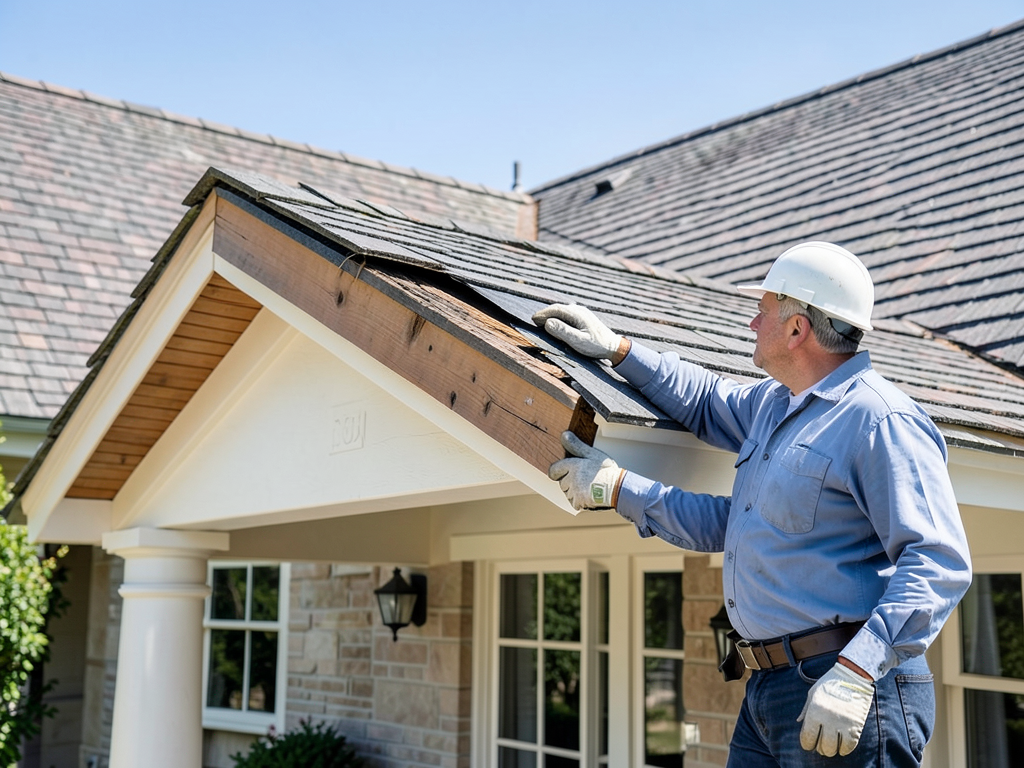
A sagging roofline is more than an eyesore. It is a warning sign that something has gone wrong with the structure of your home. For homeowners in the Highlands area of San Antonio where many houses were built in the 1950s through 1970s, that dip or bow in the roof ridge can signal serious problems that will only get worse if ignored. How to get your San Antonio roof fixed after a major hail storm.
Before we go further, if you see a severe sag or a roofline that looks like it might collapse, get everyone out of the house and call a structural engineer or roofing professional immediately. Safety comes first. Built-Up Roofing (BUR).
What a sagging roofline actually means
Your roof is a complex system of trusses, rafters, decking, and shingles all working together to keep water and weather out. When one part fails, the whole system can begin to shift. A sagging roofline usually means the roof’s structural frame is no longer holding its intended shape.. Read more about How to stop standing water from turning your flat roof into a breeding ground for mosquitoes.
In older San Antonio homes, this can happen for several reasons. The hot Texas sun beats down on asphalt shingles for decades, the wood framing dries and shrinks, and sometimes the foundation itself moves. All of these forces can cause the roof to bow or dip along the ridge. What to do when your San Antonio roof starts leaking in the middle of a storm.
Common causes of a sagging roofline
Foundation shifts: how San Antonio’s expansive clay soil impacts your roof
The biggest hidden culprit in San Antonio is our soil. Much of the city sits on expansive clay that swells when wet and shrinks when dry. Over years this movement can shift your home’s foundation. When the foundation moves, the walls move. When the walls move, the roof framing moves.
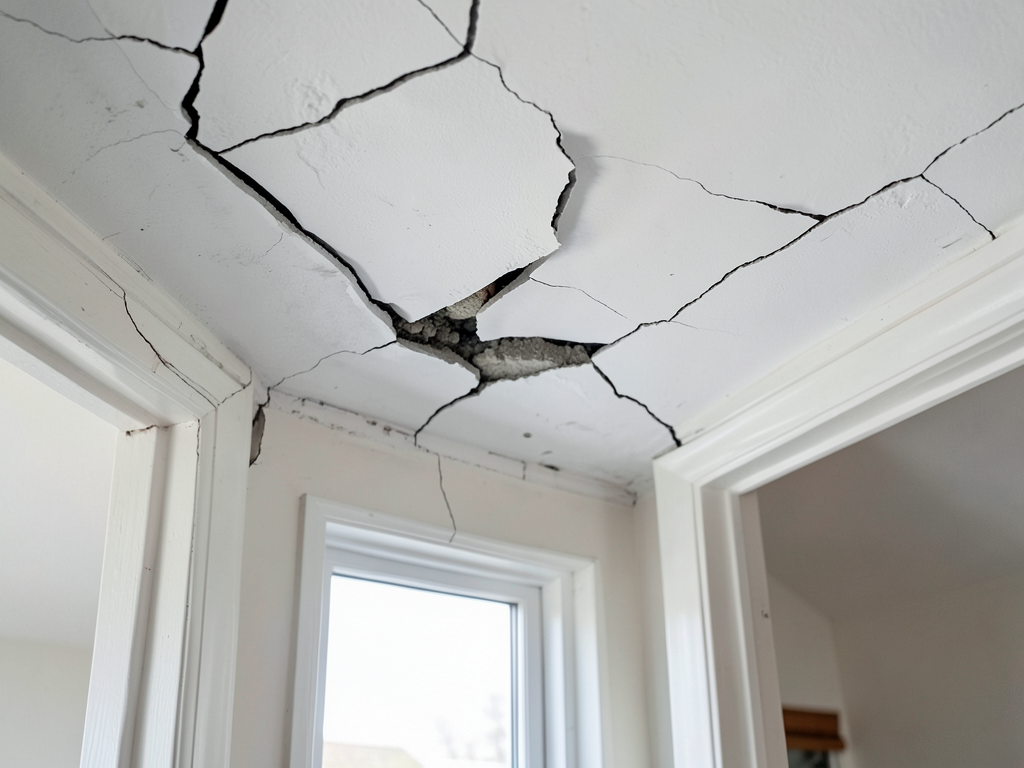
In neighborhoods like the Highlands area, where homes are often 40 to 70 years old, this soil movement can be significant. You might see the sag paired with cracks in interior drywall or doors that no longer close properly. That is a sign the problem is not just in the roof but in the home’s overall structure.
Extreme heat: the effect of triple-digit temperatures on roof decking
San Antonio routinely sees summer temperatures above 100 degrees. That heat does not just make your AC work harder; it also bakes your roof. Asphalt shingles absorb heat and transfer it to the wood decking underneath.
Over decades this constant heating and cooling cycle causes the wood to dry out, warp, and lose strength. If the decking becomes too weak, it can sag under its own weight or under the weight of multiple layers of old shingles. Many older homes in the Highlands area have had shingles replaced more than once without removing the old layer, adding unnecessary weight.. Read more about Why older Woodlawn Lake bungalows often struggle with poor attic airflow.
Water damage and rot from Texas humidity
San Antonio’s humidity might not be as extreme as Houston’s, but it is enough to cause problems if moisture gets into your attic. A small roof leak can let water into the decking and rafters. Over time, that moisture leads to wood rot.
Rot weakens the wood until it can no longer support the roof’s weight. You might not see water stains inside the house if the leak is slow, but the structural damage is happening above your ceiling. This is why a sagging roofline often appears suddenly even though the damage has been building for years.
Weight of multiple shingle layers
It is common in older San Antonio neighborhoods to find homes with two or even three layers of shingles. Each layer adds about 30 to 40 pounds per square foot. While building codes allow this in some cases, it is not a good long-term solution.
The extra weight stresses the roof framing, especially if the trusses or rafters were not designed for it. If your home already has a slight sag, adding another layer of shingles can turn a minor issue into a major structural problem. How to Get Your Commercial Flat Roof Ready for San Antonio Summer Storms.
San Antonio specific factors
Living in San Antonio means your roof faces unique challenges. The combination of intense UV radiation, occasional hail storms, and the city’s specific soil conditions creates a perfect storm for roof problems.
UV radiation breaks down the asphalt in shingles, making them brittle. Hail can crack or knock off granules, exposing the underlying mat to more UV damage. When you add in the soil movement that is so common in the area, you get a situation where the roof’s structure is under constant stress from multiple directions.
Neighborhoods like Alamo Heights and Terrell Hills, which border the Highlands area, often see similar issues because they share the same soil and climate conditions. The age of the homes in these areas means many are due for a full roof replacement rather than just repairs.
How to identify the severity
Not every dip in the roofline is a crisis, but you should know how to tell the difference. Here are the warning signs that mean you need professional help right away:
- A visible dip or bow along the ridge beam that is more than an inch or two
- Cracks in the ceiling or walls that run from the corners of doors or windows
- Gaps between the roof and the fascia board or soffits
- Doors or windows that suddenly stick or will not close
- A wavy appearance when looking at the roof from the street
If you see any of these signs, do not wait. A sagging roof can lead to a partial collapse, especially during a heavy rain or wind storm when the roof is under extra stress.
Solutions and professional repairs
The right fix depends on the cause and severity of the sag. In some cases, you can reinforce the existing structure. In others, a full replacement is the only safe option.
For minor sags caused by a single weak rafter, a contractor might install a support brace or sister a new piece of lumber alongside the damaged one. If the problem is water damage, they will replace the rotted decking and fix the source of the leak.
When the sag is due to foundation movement or major structural failure, you may need a structural engineer to design a repair plan. This could involve jacking up the roof to its original position and rebuilding part of the framing. In the worst cases, especially in very old homes, a complete roof replacement with new trusses is the safest and most cost-effective solution.. Read more about Restoring the original roof character of a classic Government Hill bungalow.
Cost varies widely. A simple rafter repair might cost a few hundred dollars. A full roof replacement for a 2,000 square foot home in the Highlands area typically ranges from $8,000 to $15,000 depending on materials and the extent of the damage. If structural repairs are needed, the cost can be significantly higher.
Next steps: professional inspection vs. DIY risks
It is tempting to climb up and take a look yourself, but a sagging roof is not a DIY project. Walking on a weakened roof can cause it to collapse. Plus, you cannot see the real damage from the outside.
A professional roofing contractor will inspect the attic for signs of water damage, rot, or broken trusses. They will check the roof decking for soft spots. They may also look at your home’s foundation and walls to see if the problem is more than just the roof.
In San Antonio, many reputable roofers offer free inspections. They can tell you whether you need a repair, a partial replacement, or a full new roof. They can also help you understand if your homeowner’s insurance might cover part of the cost, especially if the damage was caused by a recent storm.
Do not let a small sag turn into a big disaster. The longer you wait, the more expensive and dangerous the problem becomes.
Frequently Asked Questions
How long can I wait to fix a sagging roofline?
There is no safe waiting period. A sagging roofline is a sign of structural weakness. The longer you wait, the more the damage can spread and the higher the repair cost will be. If you notice a sag, schedule an inspection as soon as possible.
Will my homeowner’s insurance cover a sagging roof?
It depends on the cause. If the sag is due to sudden damage from a storm, hail, or falling tree, your insurance may cover repairs. If it is due to age, wear, or lack of maintenance, it is usually not covered. A professional inspection can help you determine the cause and whether an insurance claim is worth filing.
Can I just add another layer of shingles to hide the sag?
No. Adding shingles without fixing the underlying structural problem will only make it worse. The extra weight can cause the sag to deepen and may lead to a roof collapse. Always fix the structure first, then replace the shingles.
How do I know if the sag is caused by my foundation?
Look for other signs of foundation movement such as cracks in interior walls, especially around doors and windows, or doors that no longer close properly. If you see these along with a sagging roofline, the problem may be your foundation. A structural engineer or experienced roofing contractor can help diagnose this.
Is a sagging roof dangerous in the short term?
Yes, especially if the sag is severe. A weakened roof can collapse under the weight of heavy rain, wind, or even a person walking on it. If you see a large sag or hear creaking sounds from the roof, keep everyone away from that area and call a professional immediately.
Call Summit Roofing San Antonio for a free inspection
If you see a sagging roofline in your Highlands area home, do not ignore it. The longer you wait, the more expensive and dangerous the problem becomes. Summit Roofing San Antonio has been helping homeowners across San Antonio since 2010 with honest inspections and quality repairs.
Our team knows the unique challenges of South Texas roofs. We will inspect your roof, identify the cause of the sag, and give you clear options for repair or replacement. We also work with most insurance companies if storm damage is involved.
Call us today at (726) 256-6199 for a free, no-obligation inspection. Let us help you protect your home and your family from the risks of a sagging roofline. For more information, visit FEMA. For more information, visit IICRC.
{
“@context”: “https://schema.org”,
“@type”: “BlogPosting”,
“headline”: “The real risks of ignoring a sagging roofline in your older Highlands area home”,
“description”: “Learn why a sagging roofline in your Highlands area home is a serious structural issue. Discover the causes, risks, and when to call Summit Roofing San Antonio.”,
“wordCount”: 1763,
“datePublished”: “2026-05-29T11:59:00.000Z”,
“dateModified”: “2026-05-29T11:59:00.000Z”,
“inLanguage”: “en-US”,
“mainEntityOfPage”: {
“@type”: “WebPage”,
“@id”: “https://summitroofingsanantonio.com”
},
“publisher”: {
“@type”: “LocalBusiness”,
“name”: “Summit Roofing San Antonio”,
“url”: “https://summitroofingsanantonio.com”
},
“author”: {
“@type”: “Organization”,
“name”: “Summit Roofing San Antonio”,
“url”: “https://summitroofingsanantonio.com”
},
“image”: {
“@type”: “ImageObject”,
“url”: “https://summitroofingsanantonio.com/wp-content/uploads/2026/03/the-real-risks-of-ignoring-a-sagging-roofline-in-y-1.png”
}
}
{
“@context”: “https://schema.org”,
“@type”: “RoofingContractor”,
“name”: “Summit Roofing San Antonio”,
“url”: “https://summitroofingsanantonio.com”,
“address”: {
“@type”: “PostalAddress”,
“addressLocality”: “San Antonio”
},
“areaServed”: {
“@type”: “City”,
“name”: “San Antonio”
}
}
{
“@context”: “https://schema.org”,
“@type”: “FAQPage”,
“mainEntity”: [
{
“@type”: “Question”,
“name”: “How long can I wait to fix a sagging roofline?”,
“acceptedAnswer”: {
“@type”: “Answer”,
“text”: “There is no safe waiting period. A sagging roofline is a sign of structural weakness. The longer you wait, the more the damage can spread and the higher the repair cost will be. If you notice a sag, schedule an inspection as soon as possible.”
}
},
{
“@type”: “Question”,
“name”: “Will my homeowner’s insurance cover a sagging roof?”,
“acceptedAnswer”: {
“@type”: “Answer”,
“text”: “It depends on the cause. If the sag is due to sudden damage from a storm, hail, or falling tree, your insurance may cover repairs. If it is due to age, wear, or lack of maintenance, it is usually not covered. A professional inspection can help you determine the cause and whether an insurance claim is worth filing.”
}
},
{
“@type”: “Question”,
“name”: “Can I just add another layer of shingles to hide the sag?”,
“acceptedAnswer”: {
“@type”: “Answer”,
“text”: “No. Adding shingles without fixing the underlying structural problem will only make it worse. The extra weight can cause the sag to deepen and may lead to a roof collapse. Always fix the structure first, then replace the shingles.”
}
},
{
“@type”: “Question”,
“name”: “How do I know if the sag is caused by my foundation?”,
“acceptedAnswer”: {
“@type”: “Answer”,
“text”: “Look for other signs of foundation movement such as cracks in interior walls, especially around doors and windows, or doors that no longer close properly. If you see these along with a sagging roofline, the problem may be your foundation. A structural engineer or experienced roofing contractor can help diagnose this.”
}
},
{
“@type”: “Question”,
“name”: “Is a sagging roof dangerous in the short term?”,
“acceptedAnswer”: {
“@type”: “Answer”,
“text”: “Yes, especially if the sag is severe. A weakened roof can collapse under the weight of heavy rain, wind, or even a person walking on it. If you see a large sag or hear creaking sounds from the roof, keep everyone away from that area and call a professional immediately.”
}
}
]
}
{
“@context”: “https://schema.org”,
“@type”: “BreadcrumbList”,
“itemListElement”: [
{
“@type”: “ListItem”,
“position”: 1,
“name”: “Home”,
“item”: “https://summitroofingsanantonio.com”
},
{
“@type”: “ListItem”,
“position”: 2,
“name”: “Blog”,
“item”: “https://summitroofingsanantonio.com/blog”
},
{
“@type”: “ListItem”,
“position”: 3,
“name”: “The real risks of ignoring a sagging roofline in your older Highlands area home”
}
]
}
{
“@context”: “https://schema.org”,
“@type”: “Service”,
“serviceType”: “Roofing”,
“provider”: {
“@type”: “LocalBusiness”,
“name”: “Summit Roofing San Antonio”,
“url”: “https://summitroofingsanantonio.com”
},
“areaServed”: {
“@type”: “City”,
“name”: “San Antonio”
},
“description”: “Learn why a sagging roofline in your Highlands area home is a serious structural issue. Discover the causes, risks, and when to call Summit Roofing San Antonio.”
}