
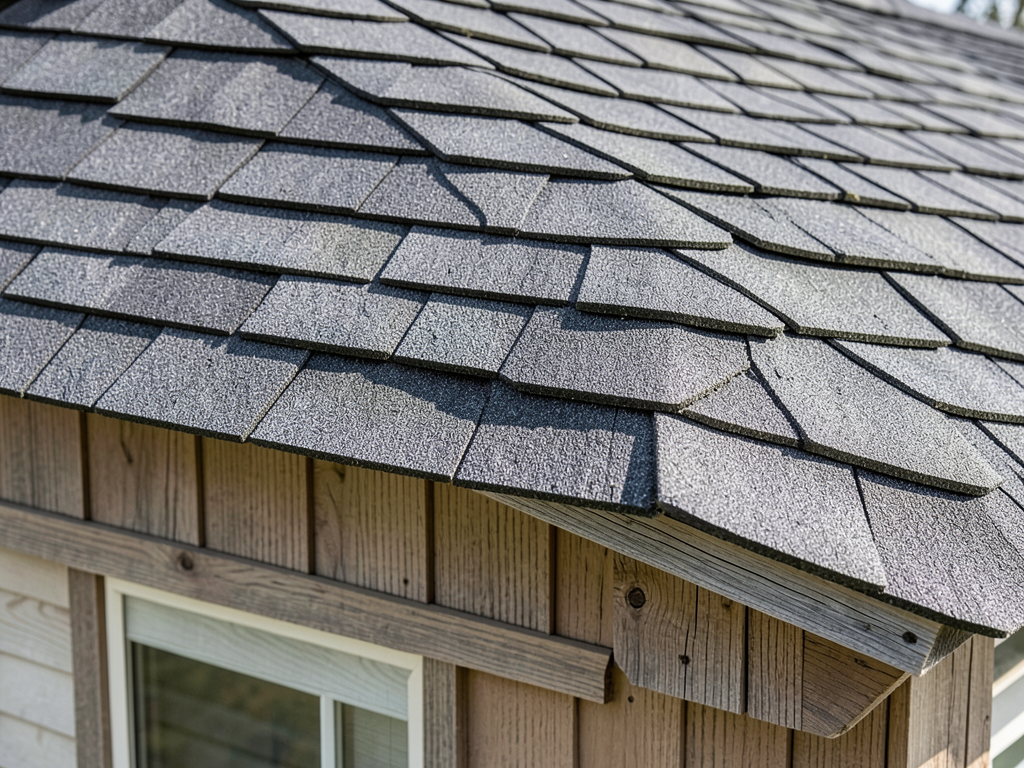
Restoring the original roof character of a classic Government Hill bungalow
Government Hill stands as one of San Antonio’s most treasured historic neighborhoods. Its charming bungalows tell stories of early 20th-century craftsmanship and architectural beauty. When you own one of these classic homes maintaining its original character becomes more than a renovation project. It becomes a responsibility to preserve San Antonio’s heritage. San Antonio Office of Historic Preservation.
The bungalows in Government Hill showcase distinctive architectural features that define their era. Low-pitched gabled roofs wide eaves with exposed rafters and decorative knee braces create the signature Craftsman aesthetic. These homes often feature front porches with tapered columns double-hung windows and built-in cabinetry that reflects the Arts and Crafts movement’s emphasis on simplicity and quality.
Restoring the roof of a Government Hill bungalow requires understanding both the historical significance and the practical challenges these century-old structures present. The original builders used materials and techniques that differ significantly from modern construction methods. Many of these homes were built before building codes required roof decking or proper attic ventilation. Historic and Design Review Commission.
Government Hill’s location near Fort Sam Houston influenced many of its architectural styles. Military officers and their families often occupied these homes creating a unique blend of residential charm and military practicality. The neighborhood’s proximity to downtown San Antonio and the Pearl District makes it a highly desirable area for preservation-minded homeowners. How to get your San Antonio roof fixed after a major hail storm.
The restoration process begins with understanding the specific requirements set by the San Antonio Office of Historic Preservation and the Historic and Design Review Commission. These governing bodies ensure that any changes maintain the neighborhood’s historic character while meeting modern safety standards. What to do when your San Antonio roof starts leaking in the middle of a storm.
Understanding Government Hill’s architectural heritage
Government Hill developed during San Antonio’s early 20th-century growth boom. The neighborhood features several bungalow variations including Craftsman California and Mission-style homes. Each style has distinct roofing characteristics that require careful preservation.
Craftsman bungalows typically feature low-pitched gable roofs with wide eaves. The original construction often used wood shingles or composition asphalt shingles that matched the home’s earthy color palette. California bungalows sometimes incorporated Mission-style elements like curved rooflines or clay tile accents.
The homes in Government Hill were built between 1900 and 1930 a period when San Antonio experienced rapid expansion. Many were constructed using locally sourced materials and traditional building techniques passed down through generations of San Antonio craftsmen.
Government Hill’s historic district designation means any exterior changes must receive approval from the Historic and Design Review Commission. This includes roof replacements even when using the same materials. The HDRC evaluates proposals based on historical accuracy material appropriateness and visual compatibility with surrounding properties.
The neighborhood’s proximity to Fort Sam Houston created unique architectural influences. Some homes feature more utilitarian designs while others display elaborate Craftsman details. Understanding these variations helps determine the appropriate restoration approach for your specific property. Understanding Roof Warranties.
Navigating San Antonio’s historic preservation requirements
Restoring a Government Hill bungalow roof requires navigating San Antonio’s historic preservation framework. The Office of Historic Preservation administers the city’s historic preservation ordinance while the HDRC reviews all proposed changes to properties within historic districts.
Before beginning any roof work you must submit a Certificate of Appropriateness application to the HDRC. This application requires detailed information about your proposed materials colors and construction methods. The HDRC meets monthly to review applications and make decisions about historic property changes.
The application process typically takes 30-45 days from submission to approval. During this time HDRC staff review your plans and may request additional information or modifications. Once approved you have one year to complete the work before the permit expires.
San Antonio’s Unified Development Code contains specific provisions for historic preservation. These regulations protect the visual character of historic districts while allowing necessary maintenance and repairs. The UDC requires that replacement materials match the original as closely as possible in appearance texture and color.
Government Hill falls within the larger Fort Sam Houston area historic district. This designation provides additional protections and may affect your restoration options. Some materials that work in other San Antonio neighborhoods might not receive approval in Government Hill due to its specific historical context.
The HDRC evaluates proposals based on several criteria including historical accuracy material authenticity and visual compatibility. They consider how your proposed changes will affect not just your property but the entire historic district’s character.
Selecting historically appropriate roofing materials
Material selection represents one of the most critical decisions in bungalow roof restoration. The HDRC requires that replacement materials closely match the original in appearance while meeting modern performance standards.
Wood shingles were the original roofing material for many Government Hill bungalows. These hand-split cedar or redwood shingles created the distinctive texture and shadow lines characteristic of Craftsman architecture. However modern building codes and fire safety regulations often prohibit wood shingles in urban areas.
Architectural asphalt shingles offer the closest modern alternative to wood shakes. High-quality architectural shingles can replicate the irregular edges and varied thickness of traditional wood shingles. Many manufacturers now produce shingles specifically designed for historic restoration projects.
Standing seam metal roofing sometimes receives HDRC approval for bungalow restorations. When properly finished with appropriate colors and textures metal roofing can complement Craftsman aesthetics while providing superior durability and fire resistance.
Clay tile roofing while more common in Mission and Spanish Colonial styles occasionally appears on California bungalows. If your home originally featured clay tile replacement options include concrete tiles that mimic the appearance of traditional clay while offering better performance and lower cost.
Color selection requires careful consideration of both historical accuracy and neighborhood context. Government Hill bungalows typically featured earth tones including browns grays and muted greens. The HDRC maintains color palettes for each historic district based on historical research and existing property conditions.
Material comparisons for historic bungalow restoration:
| Material Type | Historical Accuracy | Modern Performance | HDRC Approval Likelihood |
|---|---|---|---|
| Architectural Asphalt Shingles | High | Excellent | Very High |
| Wood Shakes | Very High | Moderate | Low |
| Standing Seam Metal | Moderate | Excellent | High |
| Concrete Tile | Moderate | Excellent | High |
Addressing structural challenges in century-old homes
Government Hill bungalows often present unique structural challenges that require specialized knowledge and techniques. Many of these homes were built before modern building codes required roof decking or proper attic ventilation.
Original construction methods used spaced sheathing rather than solid decking. This technique involved installing individual boards with gaps between them creating the ventilation necessary for wood shingle roofs. Modern roofing requires solid decking creating a conflict between historical accuracy and building code compliance.
Attic ventilation presents another significant challenge. Many Government Hill bungalows lack proper soffit vents or ridge ventilation systems. The original designs relied on natural air movement through the spaced sheathing but modern roofing materials trap heat and moisture without adequate ventilation.
Roof framing in century-old homes often uses dimensional lumber that doesn’t meet current strength requirements. The original rafters may be undersized for modern roofing materials or show signs of deterioration from years of moisture exposure.
Chimney flashing and masonry details require special attention during restoration. Many Government Hill bungalows feature brick chimneys that need repair or rebuilding. The original flashing methods may not meet current waterproofing standards requiring careful integration of modern flashing techniques with historical appearance.
Valley construction in historic bungalows often used woven shingle techniques that are difficult to replicate with modern materials. These valleys require careful detailing to prevent leaks while maintaining the original appearance.
Dormer windows and other roof penetrations present additional challenges. The original construction may have used lead flashing or other materials that are no longer acceptable for modern use. Replacing these details requires finding materials that match the original appearance while meeting current building codes.
Climate considerations for San Antonio bungalow roofs
San Antonio’s climate creates specific challenges for historic bungalow roofs. The intense summer heat occasional hail storms and high humidity all affect roof performance and longevity.
UV radiation in South Texas causes accelerated deterioration of roofing materials. The intense sunlight breaks down asphalt shingles and causes wood shakes to dry out and crack. This deterioration is particularly noticeable on south-facing roof slopes that receive direct sunlight throughout the day.
Hail damage represents a significant concern for Government Hill homeowners. While major hail storms are relatively infrequent even small hail can damage aging roofing materials. The original wood shingles or older asphalt shingles often cannot withstand the impact that modern impact-resistant materials can endure.
High humidity creates moisture-related problems for historic roofs. Without proper ventilation moisture can accumulate in attic spaces leading to wood rot mold growth and reduced insulation effectiveness. The original construction methods often did not account for modern moisture control requirements.
Thermal expansion and contraction cause additional stress on historic roof structures. San Antonio experiences significant temperature swings between day and night especially during spring and fall. These temperature changes cause roofing materials to expand and contract potentially loosening fasteners or creating gaps in flashing details.
Wind uplift becomes a concern during South Texas storm season. While Government Hill’s mature trees provide some wind protection the area can still experience strong winds that test the integrity of aging roof structures. Proper fastening and edge details become critical for preventing wind damage.
Step-by-step restoration process
Successfully restoring a Government Hill bungalow roof requires following a systematic process that addresses both historical preservation and modern performance requirements.
The first step involves thorough inspection and documentation of the existing roof condition. This includes photographing all roof surfaces identifying original materials and documenting any structural issues or code violations that need addressing.
Next research the home’s history to determine original roofing materials and colors. This may involve checking historical records consulting with preservation experts or examining areas where original materials might be preserved under later additions.
Prepare detailed construction documents that show how you will address both historical accuracy and modern code requirements. These documents become part of your HDRC application and guide the actual restoration work.
Submit your Certificate of Appropriateness application to the HDRC. Include all required documentation material samples and color selections. Be prepared to modify your plans based on HDRC feedback.
Once approved obtain all necessary building permits from the City of San Antonio. These permits ensure your work meets current building codes while the HDRC approval ensures historical compliance.
Begin the restoration work by addressing any structural issues. This may include replacing deteriorated rafters installing proper decking or improving attic ventilation. These improvements often remain hidden but are essential for long-term roof performance.
Install the new roofing materials according to both historical patterns and modern installation requirements. This may involve special techniques to replicate original details while ensuring proper waterproofing and wind resistance.
Complete all finishing details including flashing ventilation components and decorative elements. These details often make the difference between a good restoration and an excellent one that truly preserves the home’s character.
Finally schedule inspections with both the building inspector and HDRC staff to verify that your work meets all requirements. Address any deficiencies before final approval.
- Historical Research
Document original materials and architectural details through photos and research before any work begins.
- HDRC Application
Submit detailed Certificate of Appropriateness application with material samples and color selections.
- Structural Assessment
Evaluate and repair any framing decking or ventilation issues that don’t meet modern codes.
- Material Selection
Choose materials that balance historical accuracy with modern performance and code compliance.
- Installation
Follow both historical patterns and modern installation requirements for proper performance.
- Finishing Details
Complete all flashing ventilation and decorative elements that maintain historical character.
- Final Inspections
Schedule both building and HDRC inspections to verify compliance with all requirements.
Cost considerations and preservation tax incentives
Restoring a historic bungalow roof typically costs more than standard roof replacement due to the additional requirements for historical accuracy and specialized labor. However various incentives can help offset these increased costs. How much a new roof actually costs in San Antonio right now.
The San Antonio Office of Historic Preservation offers tax abatements for certified rehabilitation work on historic properties. These abatements can provide significant property tax savings for up to ten years helping to offset the higher initial restoration costs.
Federal historic preservation tax credits may be available for substantial rehabilitation projects. These credits can provide up to 20% of qualified rehabilitation expenses for income-producing properties though residential properties have more limited eligibility.
Material costs for historically accurate roofing often exceed standard replacement costs. High-quality architectural shingles that replicate wood shake appearance typically cost 30-50% more than basic architectural shingles. Specialty materials like standing seam metal or concrete tile can cost even more.
Labor costs increase due to the specialized knowledge required for historic restoration work. Contractors must understand both historical construction methods and modern building codes requiring additional training and experience.
Unexpected repairs often arise during restoration work. Deteriorated framing water damage or code violations discovered during the project can add significant costs to the initial budget. Planning for contingencies helps manage these unexpected expenses.
Insurance considerations affect restoration costs. Some insurance companies offer premium discounts for historically accurate restoration work while others may charge more for homes with unique or difficult-to-replace roofing materials.
Long-term value considerations should factor into cost decisions. A properly restored historic roof typically increases property value more than a standard replacement particularly in historic districts where architectural integrity strongly influences market value.
Maintenance requirements for restored bungalow roofs
Once your Government Hill bungalow roof restoration is complete proper maintenance becomes essential for protecting your investment and preserving the historical character.
Regular inspections should occur at least twice yearly typically in spring and fall. These inspections should check for damaged shingles loose flashing clogged gutters and signs of water infiltration. The mature trees in Government Hill drop leaves and debris that can accumulate on roofs and in gutters.
Gutter maintenance requires special attention in historic bungalows. The wide eaves characteristic of Craftsman architecture often feature complex gutter systems that trap debris. Clean gutters at least twice yearly and after major storms to prevent water backup and damage to fascia boards.
Flashing details around chimneys vents and roof penetrations need periodic inspection and maintenance. The original flashing methods may require more frequent attention than modern techniques but proper maintenance prevents water infiltration that could damage interior finishes.
Attic ventilation should be monitored to ensure it functions properly. Blocked soffit vents or malfunctioning ridge vents can lead to moisture accumulation even with modern roofing materials. Proper ventilation extends roof life and prevents damage to interior finishes.
Moss and algae growth can occur on shaded roof areas particularly north-facing slopes. While some historic roofs featured moss as part of their character excessive growth can damage roofing materials. Gentle cleaning methods that don’t damage the roof surface may be necessary.
Tree branches that overhang the roof should be trimmed regularly. San Antonio’s mature trees provide beautiful shade but can damage roofs through constant abrasion or by dropping heavy limbs during storms. Maintain at least several feet of clearance between tree branches and roof surfaces.
Document all maintenance activities and repairs. This documentation helps track roof condition over time and provides valuable information for future owners or restoration work. It also demonstrates proper maintenance to insurance companies and preservation authorities.
Case studies: Successful Government Hill roof restorations
Examining successful restoration projects provides valuable insights for your own bungalow roof restoration. Several Government Hill homeowners have completed exemplary restorations that balance historical accuracy with modern performance.
One North Main Avenue bungalow restoration involved replacing original wood shakes with architectural asphalt shingles that closely matched the wood shake appearance. The homeowners worked closely with the HDRC to select a color that matched historical records and neighboring properties. The project included upgrading attic ventilation while maintaining the home’s original profile.
A Dewey Place restoration featured standing seam metal roofing approved by the HDRC due to the home’s unique architectural features. The metal roofing provided superior durability while the finish and installation pattern maintained the Craftsman aesthetic. The project also addressed structural issues discovered during the restoration.
On Newell Avenue a bungalow restoration required extensive structural repairs before new roofing could be installed. The original spaced sheathing had deteriorated requiring installation of modern decking while maintaining the roof’s historical appearance. The homeowners received HDRC approval for architectural shingles that replicated the original wood shake texture.
A Houston Street restoration involved integrating modern impact-resistant shingles with historically accurate installation patterns. The project addressed both hail resistance and historical accuracy receiving praise from HDRC staff for its attention to detail and preservation of architectural character.
These successful projects share common elements: thorough historical research close collaboration with preservation authorities and careful attention to both visible details and hidden structural requirements. Each demonstrates that historically accurate restoration can be achieved while meeting modern performance standards.
Finding qualified restoration contractors
Selecting the right contractor for your Government Hill bungalow roof restoration requires careful consideration of experience expertise and understanding of historic preservation requirements.
Look for contractors with specific experience in historic restoration work. General roofing contractors may lack the knowledge of historical materials HDRC requirements and specialized techniques needed for bungalow restoration.
Verify contractor credentials including licensing insurance and references. Request examples of previous historic restoration work particularly in San Antonio’s historic districts. Contact references to learn about their experience with the contractor’s attention to detail and compliance with preservation requirements.
Ask potential contractors about their familiarity with HDRC processes and San Antonio’s historic preservation requirements. Experienced historic restoration contractors should understand the Certificate of Appropriateness process and have relationships with HDRC staff.
Evaluate the contractor’s approach to balancing historical accuracy with modern performance requirements. They should demonstrate understanding of how to address structural issues while maintaining historical appearance and how to select materials that satisfy both preservation authorities and building codes.
Request detailed proposals that address both the visible restoration work and any necessary structural improvements. The proposal should outline how the contractor will handle unexpected issues discovered during the project and how they will maintain communication with preservation authorities.
Consider contractors who are familiar with Government Hill specifically. Local experience means understanding the neighborhood’s unique characteristics typical structural issues in area homes and relationships with local suppliers who can provide historically appropriate materials.
Communication skills are essential for successful historic restoration projects. The contractor should be able to explain technical issues in understandable terms and demonstrate patience with the often-lengthy approval processes required for historic work.
Preserving San Antonio’s architectural heritage
Restoring your Government Hill bungalow roof contributes to preserving San Antonio’s rich architectural heritage. These homes represent more than individual properties; they tell the story of the city’s development and the people who built its communities.
Government Hill exemplifies the bungalow’s role in early 20th-century American housing. These homes provided affordable well-designed housing for middle-class families while incorporating artistic elements that elevated them beyond simple dwellings. Preserving these characteristics maintains a tangible connection to San Antonio’s past.
The restoration process itself becomes a learning experience about your home’s history and construction methods. Many homeowners discover original details hidden under later modifications or learn about the craftsmen who built their homes over a century ago.
Successfully restored homes inspire neighboring property owners and contribute to the overall improvement of historic districts. As more homes receive proper restoration the entire neighborhood benefits from increased property values and enhanced historical character.
Your restoration project may also qualify for recognition from historic preservation organizations. Local and national groups often highlight exemplary restoration work providing both personal satisfaction and public acknowledgment of your preservation efforts.
The knowledge gained through your restoration project can help others in the community. Sharing experiences both challenges and successes helps build a network of historic homeowners who support each other in preservation efforts.
Ultimately preserving your Government Hill bungalow roof ensures that future generations can experience and appreciate San Antonio’s architectural heritage. These homes connect us to our past while providing comfortable character-filled living spaces for today’s families.
Ready to begin your Government Hill bungalow roof restoration? Summit Roofing San Antonio brings over 15 years of experience in historic restoration and modern roofing solutions to your project. We understand the unique requirements of Government Hill’s historic district and maintain excellent relationships with San Antonio’s preservation authorities. How to Get Your Commercial Flat Roof Ready for San Antonio Summer Storms.
Our team specializes in balancing historical accuracy with modern performance ensuring your restored roof meets both HDRC requirements and your practical needs for durability and weather protection. We provide detailed proposals handle all permit processes and stand behind our work with comprehensive warranties.
Don’t trust your historic home to contractors who don’t understand the unique requirements of Government Hill restoration. Call Summit Roofing San Antonio today at (726) 256-6199 to schedule your consultation. Let us help you preserve your home’s character while ensuring it’s protected for generations to come.
Frequently Asked Questions
How long does the HDRC approval process take for roof restoration?
The HDRC approval process typically takes 30-45 days from application submission to decision. This timeline includes staff review potential requests for additional information and the monthly HDRC meeting where applications are considered. Plan your project timeline accordingly and submit applications well before you need to begin work.
Can I use modern materials that look like original wood shakes?
Yes architectural asphalt shingles designed to replicate wood shake appearance often receive HDRC approval. These materials provide the historical look while meeting modern fire safety and durability requirements. The key is selecting high-quality products with appropriate colors and textures that match your home’s original character.
What happens if we discover structural damage during restoration?
Structural issues are common in century-old homes and often require immediate attention. Your contractor should include contingency planning in their proposal. Any structural repairs must meet current building codes while maintaining historical appearance. Additional permits may be required and HDRC approval might be needed for changes that affect the home’s exterior appearance.
Are there tax benefits for historic roof restoration?
Yes several tax benefits may be available. The San Antonio Office of Historic Preservation offers property tax abatements for certified rehabilitation work. Federal historic preservation tax credits might apply for income-producing properties. These benefits can significantly offset the higher costs typically associated with historic restoration work.
How do I find the original roof color for my bungalow?
Finding original colors may require research through historical records old photographs or paint analysis. The San Antonio Conservation Society and local historical societies often maintain archives with neighborhood information. Your contractor or a preservation consultant can help research appropriate colors based on your home’s construction date and architectural style.
{
“@context”: “https://schema.org”,
“@type”: “BlogPosting”,
“headline”: “Restoring the original roof character of a classic Government Hill bungalow”,
“description”: “Learn how to restore your Government Hill bungalow roof while preserving historic character and meeting modern building codes. Expert guidance from San Antonio preservation specialists.”,
“wordCount”: 3775,
“datePublished”: “2026-05-17T10:38:00.000Z”,
“dateModified”: “2026-05-17T10:38:00.000Z”,
“inLanguage”: “en-US”,
“mainEntityOfPage”: {
“@type”: “WebPage”,
“@id”: “https://summitroofingsanantonio.com”
},
“publisher”: {
“@type”: “LocalBusiness”,
“name”: “Summit Roofing San Antonio”,
“url”: “https://summitroofingsanantonio.com”
},
“author”: {
“@type”: “Organization”,
“name”: “Summit Roofing San Antonio”,
“url”: “https://summitroofingsanantonio.com”
},
“image”: {
“@type”: “ImageObject”,
“url”: “https://summitroofingsanantonio.com/wp-content/uploads/2026/03/restoring-the-original-roof-character-of-a-classic-1.png”
}
}
{
“@context”: “https://schema.org”,
“@type”: “RoofingContractor”,
“name”: “Summit Roofing San Antonio”,
“url”: “https://summitroofingsanantonio.com”,
“address”: {
“@type”: “PostalAddress”,
“addressLocality”: “San Antonio”
},
“areaServed”: {
“@type”: “City”,
“name”: “San Antonio”
}
}
{
“@context”: “https://schema.org”,
“@type”: “FAQPage”,
“mainEntity”: [
{
“@type”: “Question”,
“name”: “How long does the HDRC approval process take for roof restoration?”,
“acceptedAnswer”: {
“@type”: “Answer”,
“text”: “The HDRC approval process typically takes 30-45 days from application submission to decision. This timeline includes staff review potential requests for additional information and the monthly HDRC meeting where applications are considered. Plan your project timeline accordingly and submit applications well before you need to begin work.”
}
},
{
“@type”: “Question”,
“name”: “Can I use modern materials that look like original wood shakes?”,
“acceptedAnswer”: {
“@type”: “Answer”,
“text”: “Yes architectural asphalt shingles designed to replicate wood shake appearance often receive HDRC approval. These materials provide the historical look while meeting modern fire safety and durability requirements. The key is selecting high-quality products with appropriate colors and textures that match your home’s original character.”
}
},
{
“@type”: “Question”,
“name”: “What happens if we discover structural damage during restoration?”,
“acceptedAnswer”: {
“@type”: “Answer”,
“text”: “Structural issues are common in century-old homes and often require immediate attention. Your contractor should include contingency planning in their proposal. Any structural repairs must meet current building codes while maintaining historical appearance. Additional permits may be required and HDRC approval might be needed for changes that affect the home’s exterior appearance.”
}
},
{
“@type”: “Question”,
“name”: “Are there tax benefits for historic roof restoration?”,
“acceptedAnswer”: {
“@type”: “Answer”,
“text”: “Yes several tax benefits may be available. The San Antonio Office of Historic Preservation offers property tax abatements for certified rehabilitation work. Federal historic preservation tax credits might apply for income-producing properties. These benefits can significantly offset the higher costs typically associated with historic restoration work.”
}
},
{
“@type”: “Question”,
“name”: “How do I find the original roof color for my bungalow?”,
“acceptedAnswer”: {
“@type”: “Answer”,
“text”: “Finding original colors may require research through historical records old photographs or paint analysis. The San Antonio Conservation Society and local historical societies often maintain archives with neighborhood information. Your contractor or a preservation consultant can help research appropriate colors based on your home’s construction date and architectural style.”
}
}
]
}
{
“@context”: “https://schema.org”,
“@type”: “HowTo”,
“name”: “How to restore a Government Hill bungalow roof”,
“step”: [
{
“@type”: “HowToStep”,
“position”: 1,
“name”: “Historical Research”,
“text”: “Document original materials and architectural details through photos and research before any work begins.”
},
{
“@type”: “HowToStep”,
“position”: 2,
“name”: “HDRC Application”,
“text”: “Submit detailed Certificate of Appropriateness application with material samples and color selections.”
},
{
“@type”: “HowToStep”,
“position”: 3,
“name”: “Structural Assessment”,
“text”: “Evaluate and repair any framing decking or ventilation issues that don’t meet modern codes.”
},
{
“@type”: “HowToStep”,
“position”: 4,
“name”: “Material Selection”,
“text”: “Choose materials that balance historical accuracy with modern performance and code compliance.”
},
{
“@type”: “HowToStep”,
“position”: 5,
“name”: “Installation”,
“text”: “Follow both historical patterns and modern installation requirements for proper performance.”
},
{
“@type”: “HowToStep”,
“position”: 6,
“name”: “Finishing Details”,
“text”: “Complete all flashing ventilation and decorative elements that maintain historical character.”
},
{
“@type”: “HowToStep”,
“position”: 7,
“name”: “Final Inspections”,
“text”: “Schedule both building and HDRC inspections to verify compliance with all requirements.”
}
],
“image”: “https://summitroofingsanantonio.com/wp-content/uploads/2026/03/restoring-the-original-roof-character-of-a-classic-1.png”
}
{
“@context”: “https://schema.org”,
“@type”: “BreadcrumbList”,
“itemListElement”: [
{
“@type”: “ListItem”,
“position”: 1,
“name”: “Home”,
“item”: “https://summitroofingsanantonio.com”
},
{
“@type”: “ListItem”,
“position”: 2,
“name”: “Blog”,
“item”: “https://summitroofingsanantonio.com/blog”
},
{
“@type”: “ListItem”,
“position”: 3,
“name”: “Restoring the original roof character of a classic Government Hill bungalow”
}
]
}
{
“@context”: “https://schema.org”,
“@type”: “Service”,
“serviceType”: “Roofing”,
“provider”: {
“@type”: “LocalBusiness”,
“name”: “Summit Roofing San Antonio”,
“url”: “https://summitroofingsanantonio.com”
},
“areaServed”: {
“@type”: “City”,
“name”: “San Antonio”
},
“description”: “Learn how to restore your Government Hill bungalow roof while preserving historic character and meeting modern building codes. Expert guidance from San Antonio preservation specialists.”
}