
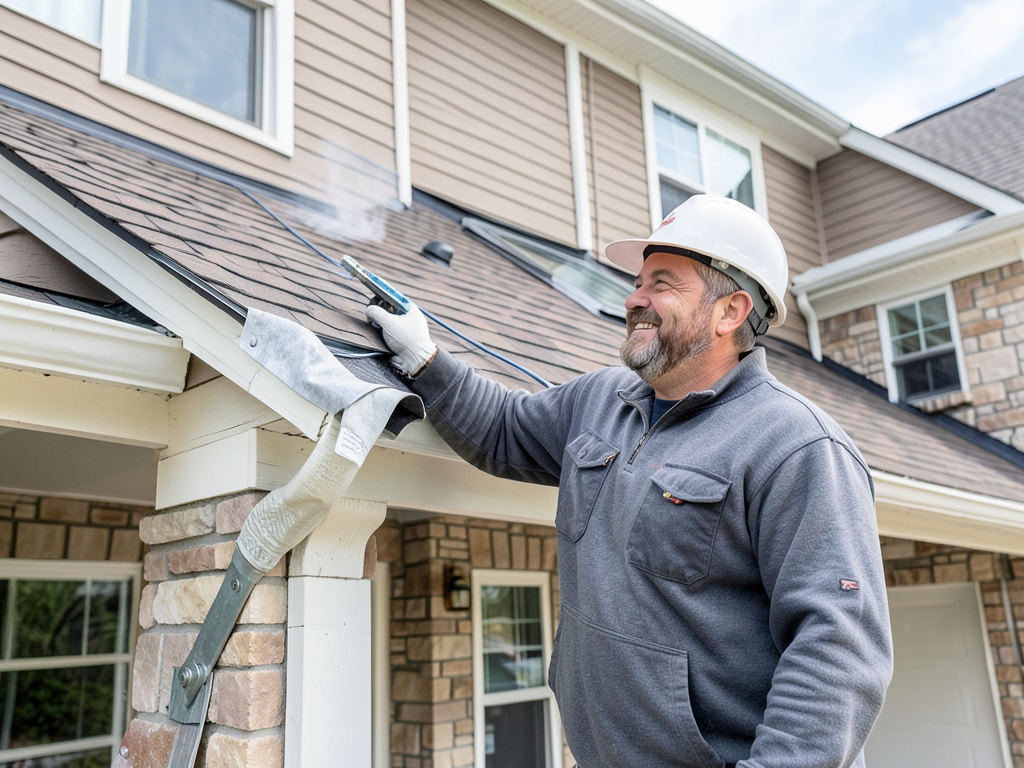
The most common spot for leaks in multi-level homes across the North Side
When water stains appear on your ceiling near an exterior wall in your North Side home the culprit is almost always the same place. Roof-to-wall flashing connections fail far more often than most homeowners realize and San Antonio’s intense heat and sudden storms make the problem even worse. How to get your San Antonio roof fixed after a major hail storm.
Multi-level homes in neighborhoods like Stone Oak and The Dominion have complex rooflines where sloped sections meet vertical walls. These intersections create what roofers call “dead valleys” where water collects and has nowhere to drain. Without proper flashing water seeps behind siding and into wall cavities causing rot mold and expensive structural damage.. Read more about How to safely remove hard water stains from your Stone Oak roof.
Why flashing fails in San Antonio homes
San Antonio’s climate puts unique stress on roof-to-wall connections. Summer temperatures regularly exceed 100 degrees causing sealants to expand and contract thousands of times per year. This constant movement breaks down caulking and pulls metal flashing away from walls. When thunderstorms roll in the compromised areas let water pour into your home. What to do when your San Antonio roof starts leaking in the middle of a storm.
Older homes built before current building codes often lack proper kick-out flashing. This small but critical piece directs water away from walls into gutters. Without it water runs down siding and finds its way behind trim boards. The problem compounds when homeowners try to seal leaks with more caulk instead of replacing damaged flashing.. Read more about Connecting a new roof to an old one when building a home addition in Five Points.
Common signs of flashing leaks
Water damage near exterior walls shows up in several ways. You might notice bubbling or peeling paint on walls beneath roof lines. Ceiling stains often appear in corners where roofs meet second-story walls. In severe cases you will see crumbling drywall or soft spots when you press on the wall.
Outside look for visible gaps between flashing and siding. Rust streaks on brick or stucco indicate water has been running down walls for months. Missing or bent flashing pieces around chimneys or where roof sections change direction are red flags that need immediate attention.
The cost of ignoring flashing problems
What starts as a small leak becomes a major repair when left untreated. Water trapped in wall cavities creates perfect conditions for mold growth. Wood framing rots and loses structural integrity. Insulation becomes saturated and loses its effectiveness driving up energy bills. EPA.
Insurance companies often deny claims for long-term water damage arguing homeowners should have maintained their roofs. A $500 flashing repair can turn into a $15,000 wall reconstruction if you wait too long. The longer you wait the more expensive the fix becomes.
Professional repair process
Proper flashing repair requires more than just adding caulk. A qualified roofer removes damaged materials and inspects the underlying structure for rot. They replace step flashing pieces individually ensuring each one overlaps correctly to channel water down and out. Counter flashing gets embedded into mortar joints for a watertight seal.
Modern installations use high-temperature silicone sealants rated for Texas heat. Kick-out flashings get installed at all critical points. The entire area gets inspected for proper water flow toward gutters. This comprehensive approach prevents future leaks and protects your home’s structure.
DIY temporary fixes
If you discover a leak during a storm you need immediate action to minimize damage. Place buckets under active drips and move furniture away from affected areas. Use tarps to cover valuable items near walls. Document everything with photos for insurance purposes.
For a temporary outdoor fix you can apply roofing tape over visible gaps. This buys time but is not a permanent solution. Never climb on your roof during wet conditions. Wait for dry weather then call a professional for proper repairs.. Read more about Who is actually responsible for roof repairs in a San Antonio townhome community?.
San Antonio building code requirements
Current San Antonio building codes require specific flashing details for roof-to-wall transitions. Kick-out flashings must extend at least 4 inches beyond the wall. Step flashing needs to be a minimum of 4 inches wide and extend up the wall at least 4 inches. All penetrations require two layers of protection.
Commercial buildings have even stricter requirements. Industrial facilities in areas like Port San Antonio must comply with International Building Code standards for flashing durability. These codes exist because flashing failures cause billions in property damage nationwide each year. How to Get Your Commercial Flat Roof Ready for San Antonio Summer Storms.
Prevention strategies
Annual roof inspections catch flashing problems before they cause interior damage. A professional checks all roof-to-wall connections, chimney flashings, and valley areas. They look for sealant deterioration, metal corrosion, and proper water flow patterns.
Keep gutters clean and free of debris. Clogged gutters cause water to back up under flashing. Trim tree branches that touch your roof. Constant rubbing wears away protective coatings and creates entry points for water.
When to replace vs repair
Small isolated flashing failures usually merit repair. But if your roof is over 15 years old and has multiple leak points replacement often makes more financial sense. New roofing systems come with integrated flashing details designed to last 25-30 years.
Consider replacement if you have recurring leaks, visible sagging in roof decking, or if repairs would cost more than 40% of a new roof. Modern materials like synthetic underlayment and ice-and-water shields provide better protection than older systems.. Read more about Why your older skylight is most likely to leak during the San Antonio rainy season.
Insurance considerations
Most homeowners insurance covers sudden damage from storms but not gradual deterioration from poor maintenance. Document all repairs and keep receipts. If you file a claim after storm damage show you maintained your roof properly.
Ask your roofer to provide detailed photos of the damage before repairs begin. This documentation helps with insurance claims. Some policies offer discounts for impact-resistant materials which also provide better flashing protection.
Choosing a qualified roofer
Not all roofers have experience with complex flashing details. Look for contractors who specialize in repair work not just new installations. Ask about their experience with multi-level homes similar to yours.
Check reviews specifically mentioning flashing repairs. A good roofer will explain the problem in plain language and show you exactly where the failure occurred. They should offer warranties on both materials and workmanship. Understanding Roof Warranties.
Cost factors for flashing repair
Repair costs vary based on accessibility, materials, and extent of damage. Simple flashing replacement on a single wall might cost $300-500. Complex repairs involving structural damage can exceed $2,000. How much a new roof actually costs in San Antonio right now.
Factors affecting price include roof pitch, height of repair area, need for scaffolding, and whether siding must be removed. Emergency repairs during storm season typically cost 20-30% more than scheduled work.
Long-term protection strategies
After repairs consider upgrading to more durable materials. Copper flashing lasts 50+ years compared to 20 years for galvanized steel. High-temperature silicone sealants withstand Texas heat better than standard caulking.
Install rain diverters in problem areas. These simple metal channels prevent water from pooling against walls. Proper attic ventilation reduces heat buildup that accelerates sealant failure.
Local building materials matter
San Antonio’s mix of stucco, brick, and HardiePlank siding each require different flashing approaches. Stucco needs embedded flashing that gets patched over. Brick requires cutting into mortar joints for counter flashing. Wood siding allows surface-mounted solutions.
The material determines flashing type and installation method. Using the wrong approach guarantees future leaks. A roofer familiar with local construction methods knows which techniques work best for each surface type.
Seasonal considerations
Spring brings both heavy rains and the highest risk for flashing failures. Winter cold snaps cause materials to contract then expand when temperatures rise. Summer UV radiation breaks down protective coatings.
Plan major repairs during mild weather when materials cure properly. Emergency fixes during extreme conditions provide only temporary relief. Understanding these seasonal patterns helps you schedule maintenance at optimal times.
Environmental impact
Water leaks waste energy as HVAC systems work harder to compensate for wet insulation. Mold growth creates indoor air quality problems affecting your family’s health. Structural damage often requires disposal of water-damaged materials in landfills.
Proper repairs protect both your home and the environment. Energy-efficient roofing systems reduce your carbon footprint while preventing water waste from leaks. Sustainable materials like recycled metal flashing offer durability with lower environmental impact.
Technology and flashing
Modern leak detection uses thermal imaging to find water behind walls without destructive testing. Some roofers use moisture meters to quantify damage extent. These tools help target repairs precisely instead of replacing entire sections unnecessarily.
3D modeling software helps plan complex flashing details before installation. This technology reduces errors and ensures proper water flow paths. Drone inspections provide safe assessment of hard-to-reach areas on steep or tall roofs.
Future trends
Self-healing sealants that seal small gaps automatically are becoming available. These materials could extend flashing life by 5-10 years. Integrated solar flashing systems allow roof-mounted panels without compromising waterproofing.
Smart sensors that detect moisture before visible damage occurs are in development. These systems could alert homeowners to leaks through smartphone apps. As technology advances flashing systems will become more durable and easier to maintain.
Final thoughts
Roof-to-wall flashing failures represent the most common and preventable source of water damage in North Side multi-level homes. San Antonio’s climate makes these problems worse but also makes proper repairs more critical.
Don’t wait for ceiling stains to appear. Regular inspections and prompt repairs protect your home’s value and your family’s health. The cost of prevention is always less than the cost of extensive water damage repairs.
If you suspect flashing problems call a qualified roofer for inspection. Document everything and address issues before they become emergencies. Your home deserves professional attention from someone who understands local conditions and building requirements.
Call Summit Roofing San Antonio today at (726) 256-6199 for expert flashing inspection and repair. We serve Stone Oak, The Dominion, and all North Side neighborhoods with fast emergency service and permanent solutions.
Frequently Asked Questions
How long should roof flashing last in San Antonio?
Quality flashing materials typically last 20-25 years in San Antonio’s climate. Harsh UV exposure and temperature extremes can reduce lifespan to 15-20 years. Regular inspections help identify deterioration before leaks occur.
Can I just seal a flashing leak with caulk?
Caulk provides only temporary relief and often makes problems worse by trapping water. Proper repair requires removing damaged materials and installing new flashing components according to building codes. Caulk should only be used as a temporary emergency measure.
What’s the difference between step flashing and counter flashing?
Step flashing consists of individual L-shaped pieces installed with each course of shingles where roofs meet walls. Counter flashing is embedded into mortar joints or siding and covers the top edges of step flashing. Both work together to create a waterproof barrier. For more information, visit FEMA.
You may also find this helpful. How to spot hail cracks on your Deerfield skylights before they start leaking.
{
“@context”: “https://schema.org”,
“@type”: “BlogPosting”,
“headline”: “The most common spot for leaks in multi-level homes across the North Side”,
“description”: “Roof-to-wall flashing leaks are the #1 cause of water damage in North Side multi-level homes. Learn how San Antonio’s climate accelerates failure and how to fix it.”,
“wordCount”: 1792,
“datePublished”: “2026-05-21T12:22:00.000Z”,
“dateModified”: “2026-05-21T12:22:00.000Z”,
“inLanguage”: “en-US”,
“mainEntityOfPage”: {
“@type”: “WebPage”,
“@id”: “https://summitroofingsanantonio.com”
},
“publisher”: {
“@type”: “LocalBusiness”,
“name”: “Summit Roofing San Antonio”,
“url”: “https://summitroofingsanantonio.com”
},
“author”: {
“@type”: “Organization”,
“name”: “Summit Roofing San Antonio”,
“url”: “https://summitroofingsanantonio.com”
},
“image”: {
“@type”: “ImageObject”,
“url”: “https://summitroofingsanantonio.com/wp-content/uploads/2026/03/the-most-common-spot-for-leaks-in-multi-level-home-1.png”
}
}
{
“@context”: “https://schema.org”,
“@type”: “RoofingContractor”,
“name”: “Summit Roofing San Antonio”,
“url”: “https://summitroofingsanantonio.com”,
“address”: {
“@type”: “PostalAddress”,
“addressLocality”: “San Antonio”
},
“areaServed”: {
“@type”: “City”,
“name”: “San Antonio”
}
}
{
“@context”: “https://schema.org”,
“@type”: “FAQPage”,
“mainEntity”: [
{
“@type”: “Question”,
“name”: “How long should roof flashing last in San Antonio?”,
“acceptedAnswer”: {
“@type”: “Answer”,
“text”: “Quality flashing materials typically last 20-25 years in San Antonio’s climate. Harsh UV exposure and temperature extremes can reduce lifespan to 15-20 years. Regular inspections help identify deterioration before leaks occur.”
}
},
{
“@type”: “Question”,
“name”: “Can I just seal a flashing leak with caulk?”,
“acceptedAnswer”: {
“@type”: “Answer”,
“text”: “Caulk provides only temporary relief and often makes problems worse by trapping water. Proper repair requires removing damaged materials and installing new flashing components according to building codes. Caulk should only be used as a temporary emergency measure.”
}
},
{
“@type”: “Question”,
“name”: “What’s the difference between step flashing and counter flashing?”,
“acceptedAnswer”: {
“@type”: “Answer”,
“text”: “Step flashing consists of individual L-shaped pieces installed with each course of shingles where roofs meet walls. Counter flashing is embedded into mortar joints or siding and covers the top edges of step flashing. Both work together to create a waterproof barrier. For more information, visit FEMA.”
}
}
]
}
{
“@context”: “https://schema.org”,
“@type”: “BreadcrumbList”,
“itemListElement”: [
{
“@type”: “ListItem”,
“position”: 1,
“name”: “Home”,
“item”: “https://summitroofingsanantonio.com”
},
{
“@type”: “ListItem”,
“position”: 2,
“name”: “Blog”,
“item”: “https://summitroofingsanantonio.com/blog”
},
{
“@type”: “ListItem”,
“position”: 3,
“name”: “The most common spot for leaks in multi-level homes across the North Side”
}
]
}
{
“@context”: “https://schema.org”,
“@type”: “Service”,
“serviceType”: “Roofing”,
“provider”: {
“@type”: “LocalBusiness”,
“name”: “Summit Roofing San Antonio”,
“url”: “https://summitroofingsanantonio.com”
},
“areaServed”: {
“@type”: “City”,
“name”: “San Antonio”
},
“description”: “Roof-to-wall flashing leaks are the #1 cause of water damage in North Side multi-level homes. Learn how San Antonio’s climate accelerates failure and how to fix it.”
}