
Connecting a New Roof to an Old One When Building a Home Addition in Five Points
Adding a new section to your home in Five Points means your roof must connect perfectly to the existing structure. A bad tie-in leads to leaks and expensive repairs. This guide shows you how San Antonio roofers handle these complex connections while meeting local building codes. How to get your San Antonio roof fixed after a major hail storm.
Why Roof Tie-Ins in Five Points Need Special Attention
Five Points homes built in the 1960s and 1970s often have different roof pitches than modern additions. The older homes typically feature 4:12 or 5:12 slopes while newer sections might need 6:12 or steeper pitches. This difference creates unique challenges for San Antonio roofers. What to do when your San Antonio roof starts leaking in the middle of a storm.
The area’s clay soil expands and contracts with moisture changes. This movement stresses roof connections at the walls where old meets new. Without proper engineering, seasonal shifting can crack sealant and create water entry points.
Common Roof Types in Five Points Home Additions
Most Five Points homes use asphalt shingles due to their affordability and decent hail resistance. When adding on, homeowners often consider:
- Architectural shingles that match existing three-tab patterns
- Standing seam metal for modern additions
- Texas-style clay tiles for Spanish Colonial designs
Class 4 impact-resistant shingles work best in Five Points. These materials withstand the frequent hail storms that hit San Antonio each spring and fall.
Structural Considerations for Roof Connections
Weight distribution matters when connecting new roof sections. The existing wall must support additional load from the new addition. San Antonio building codes require structural engineers to verify wall capacity before construction begins. City of San Antonio Development Services Department.
Ventilation presents another challenge. The new addition needs proper attic airflow to prevent moisture buildup. This means matching or improving the existing home’s ventilation system. Ridge vents, soffit vents, and gable vents all play roles in maintaining air circulation.
San Antonio Building Permits for Roof Additions
The City of San Antonio Development Services Department requires permits for any roof modification. This includes tie-ins for home additions. Permit applications must show:
- Structural engineering calculations
- Material specifications
- Energy efficiency ratings
- Wind load calculations
Permits typically take 2-3 weeks to approve. Rush processing costs extra but may be worth it for time-sensitive projects.
Step-by-Step Roof Tie-In Process
- Assessment and Planning
Roofers inspect the existing structure, measure pitches, and evaluate moisture damage. They create detailed plans showing how new materials will integrate with old.
- Structural Preparation
Contractors reinforce walls and install support beams where needed. They remove damaged decking and replace it with new plywood that matches existing thickness.
- Flashing Installation
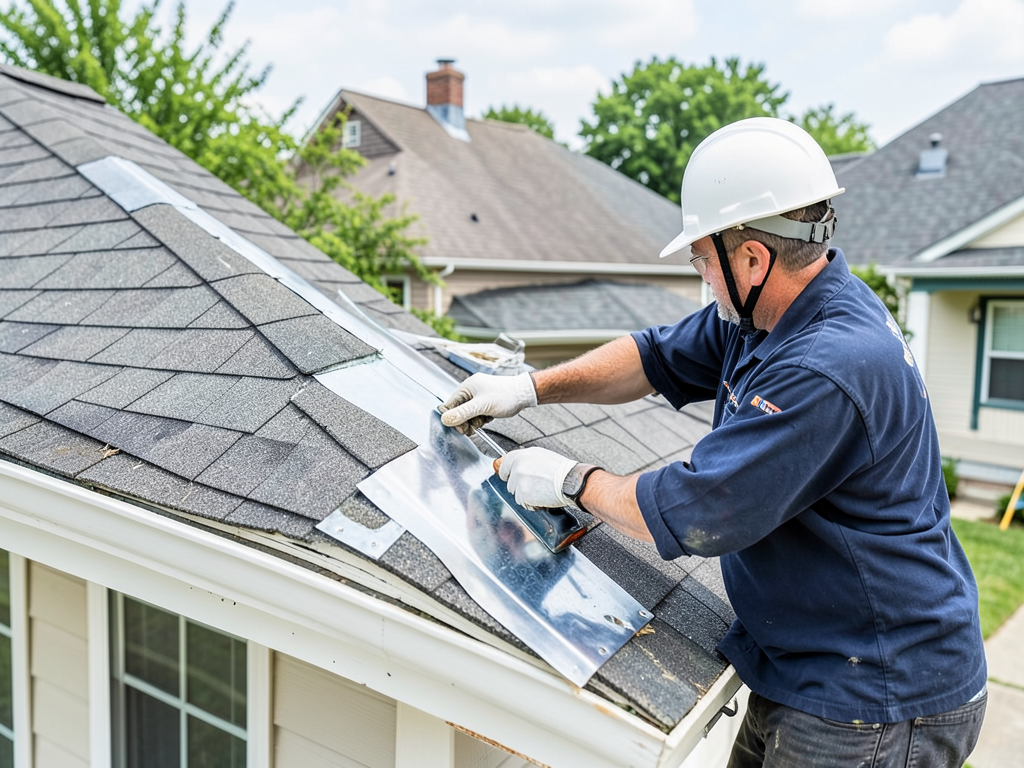
Metal flashing creates waterproof barriers at connection points. Step flashing, counter flashing, and valley flashing all work together to direct water away from joints.
- Underlayment Application
Ice and water shield protects vulnerable areas. Synthetic underlayment covers remaining decking for added moisture protection.
- Shingle Installation
Roofers start at the valley where old meets new. They use woven valleys or open metal valleys depending on design preferences and water flow patterns.
- Final Inspection
City inspectors verify code compliance. Roofers check for proper ventilation and make any necessary adjustments.
Matching Existing Roof Materials
Perfect color matching proves impossible for weathered shingles. Sun exposure, algae growth, and granule loss change the appearance of existing roofing over time. Smart homeowners choose one of two approaches: Built-Up Roofing (BUR).
- Replace the entire roof for uniform appearance
- Install new materials that complement rather than match exactly
Energy efficiency also matters. Modern shingles often have better reflectivity than 20-year-old materials. This difference can create noticeable color variations even with careful selection.
Climate Considerations for Five Points Additions
San Antonio’s extreme heat affects roof connections. Summer temperatures regularly exceed 95°F, causing materials to expand. Without proper spacing and flexible sealants, connections can buckle or separate.
High humidity creates condensation risks in attic spaces. Proper ventilation prevents moisture accumulation that leads to mold and wood rot. San Antonio homes need 1 square foot of ventilation for every 150 square feet of attic space.
Cost Factors for Roof Tie-Ins
Several variables affect the total cost of connecting a new roof to an old one:
| Factor | Impact on Cost |
|---|---|
| Pitch difference | Higher costs for steeper slopes due to safety equipment |
| Material matching | Full replacement vs. partial installation |
| Structural reinforcement | Engineered support beams add $2,000-$5,000 |
| Permit fees | $500-$1,500 depending on project scope |
| Flashing complexity | Multiple valleys increase labor time |
Most Five Points homeowners spend between $8,000 and $15,000 for a standard roof tie-in with matching materials.
Insurance Considerations
Home insurance policies often require permits for roof modifications. Unpermitted work can void coverage if problems arise later. Some insurers offer discounts for impact-resistant materials, which can offset higher upfront costs.
Document all work with photos and permits. This documentation helps with future claims and property appraisals.
Common Mistakes to Avoid
Several errors frequently occur during roof tie-ins:
- Using incompatible materials that expand at different rates
- Skipping proper flashing at connection points
- Ignoring ventilation requirements for new attic spaces
- Attempting DIY work without understanding structural loads
- Failing to obtain required permits
Each mistake can lead to water damage, structural failure, or code violations.
Energy Efficiency Upgrades During Addition
Roof tie-ins offer opportunities to improve energy efficiency. Consider these upgrades:
- Radiant barrier sheathing to reflect heat
- Solar-ready roof preparation
- Improved insulation in new attic spaces
- Cool roofing materials with high reflectivity ratings
These improvements can reduce cooling costs by 15-25% in San Antonio’s hot climate.
Timeline for Roof Addition Projects
Most roof tie-in projects follow this schedule:
| Phase | Duration | Key Activities |
|---|---|---|
| Planning | 1-2 weeks | Design, permits, material selection |
| Preparation | 2-3 days | Demolition, structural work |
| Installation | 3-5 days | Flashing, underlayment, shingles |
| Inspection | 1 day | City inspection, final adjustments |
Weather delays can extend timelines, especially during San Antonio’s rainy season.
Finding the Right Contractor
Look for roofers with specific experience in tie-ins and additions. Ask for:
- Portfolio of similar projects in Five Points
- References from recent addition work
- Proof of liability insurance and workers’ compensation
- Detailed written estimates with material specifications
Avoid contractors who promise perfect color matches or refuse to pull permits.
Maintenance After Installation
Connected roof sections need regular inspection to prevent problems. Check:
- Flashing joints twice yearly for separation
- Valley areas for debris accumulation
- Ventilation openings for blockages
- Shingle edges where new meets old
Early detection of issues prevents expensive repairs later. Emergency Roof Leak Detection.
Frequently Asked Questions
Can I change my roof type during an addition?
Yes but it requires careful engineering. Different materials have varying weights and expansion rates. A structural engineer must verify the existing frame can support the new material.
How long does a roof tie-in take?
Most projects complete in 5-7 days for installation plus 2-3 weeks for permits. Weather and structural complexity can extend timelines.
Do I need a full roof replacement?
Not always. Many homeowners replace only the addition section. However, replacing the entire roof ensures uniform appearance and may qualify for better material warranties. Understanding Roof Warranties.
Will my insurance cover roof tie-ins?
Insurance typically covers damage repairs but not home additions. However, some policies offer discounts for impact-resistant materials used in tie-ins.
How do I handle drainage with a new addition?
Proper drainage planning prevents water damage. New gutters may need separate downspouts or connection to existing drainage systems. City codes regulate how water flows from properties.
Ready to Connect Your New Roof to Your Existing Home?
Roof tie-ins require expertise in structural engineering, waterproofing, and local building codes. Summit Roofing San Antonio has served the Five Points area for over 15 years, handling complex connections that other contractors avoid.
Call us today at (726) 256-6199 for a free consultation. We’ll assess your existing roof, explain your options, and provide a detailed written estimate. Our team handles all permits and ensures your new addition connects perfectly to your existing home.
Don’t risk water damage from improper tie-ins. Trust the local experts who understand Five Points’ unique roofing challenges.
Learn more about current roofing costs in San Antonio For more information, visit Texas Department of Insurance.