
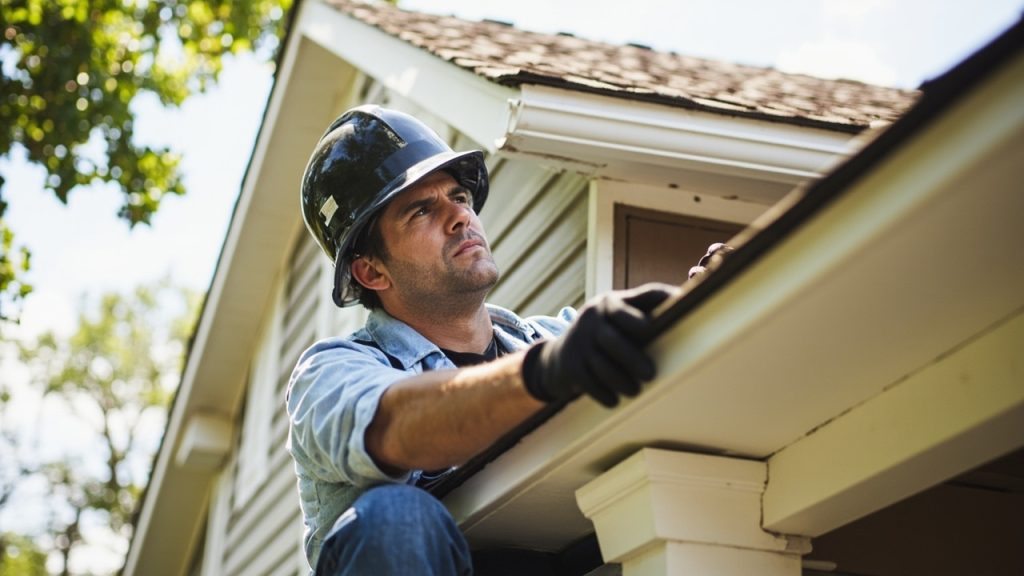
Keeping Squirrels and Raccoons Out of Your Attic in the Wooded Inwood Neighborhood
The wooded areas of Inwood make San Antonio homes especially vulnerable to squirrels and raccoons looking for shelter. These clever animals can squeeze through surprisingly small openings and cause extensive damage to your attic and roof structure.
Squirrels typically enter through gaps in soffits, damaged vents, or loose shingles. Once inside, they chew on electrical wiring, insulation, and wooden beams. Raccoons are stronger and can tear through roof decking, fascia boards, and even pull up flashing to create entry points.. Read more about Ridge Vents versus Attic Turbines — Finding the Best Airflow System for South Texas Heat.
The problem becomes more urgent in Inwood because mature trees provide easy access to rooftops. A single overhanging branch can give squirrels and raccoons direct access to your roof. The combination of tree cover and older homes with aging roofing materials creates the perfect conditions for wildlife intrusion.. Read more about How overhanging oak trees can destroy the roof of your Olmos Park home.
Preventing these animals from entering your attic requires a systematic approach that addresses both current entry points and potential future access. This guide covers the most effective methods for keeping squirrels and raccoons out of your Inwood home.. Read more about Why Your Shavano Park Home Needs a Drip Edge to Prevent Fascia Rot.
Common Entry Points for Wildlife in San Antonio Homes
Wildlife enters attics through specific vulnerabilities in your roof and exterior. Understanding these entry points helps you target your prevention efforts effectively.
Soffit vents are among the most common entry points. These vents allow air circulation in your attic but can become damaged or have gaps that animals exploit. Squirrels can chew through the thin mesh covering many soffit vents.
Fascia boards along the roof edge often develop gaps due to wood rot or improper installation. These gaps provide easy access for both squirrels and raccoons. The Texas climate accelerates wood deterioration through constant humidity and temperature fluctuations.
Ridge vents along the peak of your roof can be compromised if the vent cover is damaged or improperly installed. Raccoons are strong enough to pull up ridge cap shingles to access the attic space below.
Drip edges that are loose or missing create gaps between the roof deck and fascia. These gaps allow animals to enter the attic space. Proper installation of drip edges is crucial for both water management and pest prevention.
Chimneys without proper caps become entry points for raccoons and even birds. The warm air rising from your home attracts animals seeking shelter from the elements.
Roof vents for plumbing or attic ventilation can have damaged screens or loose covers. Squirrels can chew through plastic vent covers while raccoons can simply pull them off.
Why Inwood Properties Face Higher Wildlife Pressure
Inwood’s mature tree canopy creates ideal conditions for wildlife activity. The dense tree cover provides shelter and food sources that attract squirrels and raccoons to the area.
Older homes in Inwood often have aging roofing materials that create more vulnerabilities. Wood shake shingles, common in older San Antonio homes, can warp and create gaps. Even asphalt shingles on older roofs may have curled edges or missing pieces.
The proximity to natural areas means wildlife populations are higher in Inwood compared to more developed parts of San Antonio. Animals living in nearby green spaces naturally explore nearby homes for shelter.
Seasonal patterns affect wildlife behavior in Inwood. During spring breeding season, pregnant squirrels and raccoons actively seek safe nesting sites. Fall brings animals looking for winter shelter as temperatures drop.
Food sources in residential areas attract wildlife. Bird feeders, pet food left outside, and accessible garbage cans all encourage animals to explore your property and eventually your home.
Effective Prevention Methods for San Antonio Homes
Preventing wildlife entry requires a comprehensive approach that addresses all potential access points. The most effective strategy combines physical barriers with habitat modification.
Tree management is the first line of defense. Trim tree branches so they are at least 8-10 feet away from your roof. This prevents animals from jumping directly onto your roof from trees. In Inwood’s mature neighborhoods, this may require professional tree service.
Install heavy-duty vent covers on all roof and soffit vents. Use 1/4-inch galvanized hardware cloth rather than standard window screen. This material resists chewing and provides adequate ventilation.
Repair or replace damaged fascia boards. Use pressure-treated lumber or composite materials that resist rot. Ensure all gaps between fascia and roof deck are sealed with appropriate materials.
Install proper chimney caps that are securely fastened. Choose caps with mesh sides that prevent animal entry while allowing smoke to escape.
Seal gaps around roof penetrations including plumbing vents, exhaust fans, and attic fans. Use metal flashing or heavy-gauge hardware cloth secured with screws rather than nails.
Check and repair drip edges. Ensure they extend properly over the fascia and are securely fastened. Replace any sections that are bent or damaged.
Consider installing metal roof edge products in areas prone to chewing damage. These products provide a physical barrier that animals cannot chew through.
Professional vs. DIY Wildlife Prevention
Many homeowners attempt DIY wildlife prevention but often miss critical entry points or use inadequate materials. Professional services offer advantages that justify the investment.
Professional wildlife exclusion specialists have experience identifying all potential entry points. They know where to look for hidden gaps and understand animal behavior patterns specific to San Antonio.
Professionals use commercial-grade materials that provide longer-lasting protection. The hardware cloth, metal flashing, and specialized vent covers they use are more durable than typical home improvement store products.
Safety considerations make professional services valuable. Working on roofs, especially steep ones common in some Inwood homes, carries risks. Professionals have proper safety equipment and insurance.
Professional services often include cleanup of animal waste and damaged insulation. This step is crucial for preventing disease transmission and eliminating odors that attract more animals.
Many professional services offer warranties on their exclusion work. This provides peace of mind and ensures follow-up if animals find new ways to enter.
However, homeowners can handle some prevention tasks themselves. Regular visual inspections of your roof and attic can identify problems early. Simple repairs like replacing missing shingles or sealing small gaps can prevent larger issues.
Materials That Resist Wildlife Damage
Choosing the right materials makes a significant difference in preventing wildlife entry. Some materials are naturally more resistant to animal damage than others.
Galvanized hardware cloth with 1/4-inch mesh provides excellent protection for vents and openings. The galvanized coating resists rust and the small mesh prevents animals from reaching through.
Stainless steel mesh offers even greater durability but at higher cost. This material resists corrosion and provides decades of protection in San Antonio’s climate.
Aluminum flashing works well for sealing gaps and creating barriers. It resists rust and can be shaped to fit various roof configurations.
Copper flashing, while more expensive, provides superior longevity and develops a protective patina that resists corrosion in our humid climate.
Pressure-treated lumber resists rot and insect damage, making it ideal for fascia boards and other exterior wood components.
Composite materials like PVC or fiber cement boards offer excellent resistance to both moisture and animal damage. These materials do not warp or rot like wood.
Metal roofing provides the ultimate protection against wildlife entry. Animals cannot chew through metal, and properly installed metal roofs have fewer gaps than traditional shingle roofs.
Seasonal Considerations for Inwood Homes
Wildlife prevention needs vary by season in San Antonio. Understanding these patterns helps you time your prevention efforts effectively.. Read more about Why Your Castle Hills Home Needs Regular Roof Cleaning to Stop Live Oak Rot.
Spring brings breeding season when female animals actively seek nesting sites. This is when many homeowners first notice wildlife problems. Prevention efforts in late winter can stop animals before they establish nests.
Summer heat drives animals to seek cooler shelter. Attics provide relief from extreme temperatures, making prevention crucial before summer heat intensifies.
Fall prompts animals to find winter shelter. Prevention efforts in early fall can stop animals before they settle in for the cooler months.
Winter in San Antonio is mild but still prompts animals to seek reliable shelter. Homes with existing vulnerabilities may experience increased wildlife activity.
Rainy seasons increase animal activity as animals seek dry shelter. Check your roof and exterior after heavy rains for new entry points.
Construction or landscaping changes in your neighborhood can displace wildlife, causing them to seek new shelter in nearby homes.
Legal Considerations for Wildlife Removal
San Antonio and Texas have specific regulations regarding wildlife removal that homeowners should understand before taking action.
Raccoons are protected under Texas wildlife laws. You cannot simply trap and relocate them without following specific procedures. Many areas require permits for trapping and have restrictions on relocation distances.
Some squirrel species are protected, while others are considered nuisance animals. Understanding which species you are dealing with is important for legal compliance.
Using poisons for wildlife control is illegal in many areas and poses risks to pets and non-target wildlife. This method can also cause animals to die in your attic, creating odor and sanitation problems.
Professional wildlife control operators must be licensed by the Texas Parks and Wildlife Department. Verify credentials before hiring any wildlife removal service.
Some wildlife species are protected under federal law. Bats, for example, have specific protection and cannot be excluded during certain times of the year when young are present.
Local ordinances in San Antonio may have additional requirements for wildlife control. Check with the city’s Animal Care Services department for specific regulations.
Cost Factors for Wildlife Prevention
The cost of wildlife prevention varies based on several factors. Understanding these helps you budget appropriately for your Inwood home.
Roof accessibility affects labor costs. Steep roofs or homes with multiple stories require more time and safety equipment, increasing costs.
The extent of existing damage influences repair costs. Homes with extensive rot or previous animal damage require more extensive repairs before prevention can be effective.
Material choices impact overall costs. Basic hardware cloth and standard flashing cost less than premium materials like stainless steel mesh or copper flashing.
Professional inspection fees vary by company but typically range from $100 to $300. This fee is often credited toward the total cost if you proceed with the work.
Comprehensive exclusion services typically cost between $500 and $2,000 depending on your home’s size and the extent of work needed.
Emergency services for active infestations cost more due to the urgency and additional work required to remove animals before sealing entry points.
Preventive maintenance contracts can provide ongoing protection at a lower annual cost than addressing problems after they occur.
Maintenance Schedule for Ongoing Protection
Regular maintenance ensures your wildlife prevention measures remain effective over time. A consistent schedule helps catch problems before they become major issues.
Quarterly visual inspections of your roof and exterior help identify new vulnerabilities. Look for damaged vent covers, loose flashing, or new gaps that may have developed.
Annual professional inspections provide thorough assessment of your prevention measures. Professionals can identify subtle issues that homeowners might miss.
After severe weather events, check your roof for damage that could create new entry points. High winds can loosen flashing, and hail can damage vent covers.
Tree trimming should occur annually to maintain proper clearance from your roof. This prevents animals from using branches as access routes.
Check attic spaces seasonally for signs of animal activity. Look for droppings, nesting materials, or chewed wires that indicate animals have found a way in.
Replace damaged prevention materials promptly. A torn vent cover or loose piece of flashing can become an entry point if not repaired quickly.
Keep records of all prevention work and inspections. This helps track the effectiveness of your measures and identify recurring problem areas.
Benefits of Professional Wildlife Prevention
Investing in professional wildlife prevention offers numerous benefits beyond simply keeping animals out of your attic.
Energy efficiency improves when your attic is properly sealed. Preventing animal entry often involves sealing gaps that also allow air leakage, reducing heating and cooling costs.
Property values are protected when your home remains free of animal damage. Signs of wildlife infestation can deter potential buyers and reduce your home’s market value.
Health risks decrease significantly with proper prevention. Animals in attics can carry diseases, and their waste creates sanitation hazards. Prevention eliminates these risks.
Electrical fire risks decrease when animals cannot access wiring in your attic. Squirrels and rats chew on wires, creating short circuits and fire hazards.
Noise reduction improves your quality of life. Animals in attics create scratching, running, and vocal sounds that disturb sleep and daily activities.
Insurance premiums may be lower for homes with documented wildlife prevention measures. Some insurers offer discounts for proactive maintenance that reduces risk.
Peace of mind comes from knowing your home is protected. Professional prevention provides confidence that your investment is secure from animal damage.
Common Mistakes to Avoid
Many homeowners make mistakes when attempting wildlife prevention that can actually make problems worse. Understanding these pitfalls helps you avoid costly errors.
Sealing entry points without removing animals first traps them inside. This leads to animals dying in your walls or attic, creating odor and sanitation problems.
Using inadequate materials like standard window screen allows animals to re-enter quickly. These materials cannot withstand animal teeth or claws.
Focusing only on visible entry points misses hidden gaps. Animals can squeeze through surprisingly small spaces, so comprehensive inspection is essential.
Neglecting roof maintenance creates new vulnerabilities. Missing shingles, damaged flashing, or deteriorated wood all provide potential entry points.
Improperly installed prevention measures can actually attract animals. Gaps in flashing or loose vent covers create flapping noises that attract curious animals.
Using poisons creates more problems than it solves. Poisoned animals may die in inaccessible areas, and secondary poisoning can harm pets or wildlife.
Ignoring signs of animal activity allows problems to escalate. Early intervention is much less expensive than addressing established infestations.
Frequently Asked Questions
How do I know if animals are in my attic?
Common signs include scratching noises, especially at dawn or dusk, droppings in the attic, chewed wires or wood, and visible entry points on your roof. You might also notice a musky odor or see animals entering through roof gaps.
Can I handle wildlife prevention myself?
Many prevention tasks are DIY-friendly, such as trimming tree branches and sealing small gaps. However, roof work can be dangerous, and professional inspection ensures you don’t miss hidden entry points. Consider professional help for comprehensive prevention.
How much does professional wildlife prevention cost?
Costs vary based on your home’s size and the extent of work needed. Basic prevention might cost $500-1,000, while comprehensive exclusion for larger homes can range from $1,500-3,000. Most companies offer free inspections to provide accurate quotes.
Will wildlife prevention affect my roof warranty?
Professional wildlife prevention should not affect your roof warranty if done correctly. However, improper modifications or using incorrect materials could void warranties. Always check with your roofing manufacturer before making changes.
How long does wildlife prevention last?
Quality prevention measures typically last 5-10 years, but this varies based on materials used and local conditions. Regular maintenance and inspections help ensure long-term effectiveness. Some professional services offer warranties on their work.
What should I do if I already have animals in my attic?
Do not seal entry points immediately. First, have the animals removed by a licensed wildlife control professional. Once they are gone, then implement prevention measures to keep them from returning.
Are there humane ways to handle wildlife problems?
Yes, exclusion and prevention are the most humane approaches. These methods encourage animals to leave on their own and prevent their return without harming them. Many professional services specialize in humane wildlife control.
How can I tell if prevention measures are working?
Successful prevention means no new animal activity in your attic. You should see no new droppings, hear no scratching noises, and observe no animals entering your roof area. Regular inspections help confirm prevention measures remain intact.
- Inspect Your Roof Thoroughly
Examine your entire roof for gaps, damaged vents, loose flashing, and other potential entry points. Pay special attention to soffits, fascia boards, and ridge vents.
- Trim Tree Branches
Cut back any branches within 8-10 feet of your roof. This prevents animals from jumping directly onto your roof from trees.
- Install Heavy-Duty Vent Covers
Replace standard vent covers with 1/4-inch galvanized hardware cloth or professional-grade covers that resist chewing.
- Repair Damaged Fascia and Soffits
Replace rotted wood and seal all gaps between fascia boards and roof decking using appropriate materials.
- Secure Chimney Caps
Install properly fitting chimney caps with mesh sides to prevent animal entry while allowing proper ventilation.
- Seal Roof Penetrations
Check all roof penetrations including plumbing vents and exhaust fans. Seal gaps with metal flashing or hardware cloth.
- Schedule Professional Inspection
Have a wildlife prevention specialist inspect your work and identify any missed entry points or vulnerabilities.
Protecting Your Inwood Home Investment
Your home in Inwood represents a significant investment that deserves protection from wildlife damage. The mature trees and established character of the neighborhood create both charm and challenges when it comes to pest prevention.
Taking a proactive approach to wildlife prevention saves money in the long run. The cost of prevention is typically much less than repairing damage from established animal infestations or dealing with the health risks they create.
Regular maintenance of your prevention measures ensures they remain effective over time. The San Antonio climate with its humidity and temperature extremes can cause materials to deteriorate faster than in other regions.
Professional services bring expertise specific to our local wildlife and building practices. They understand the unique challenges of San Antonio homes and can provide solutions tailored to your specific situation.
Peace of mind comes from knowing your home is protected. You can sleep better knowing animals are not damaging your attic or creating health hazards in your living space.
Don’t wait until you hear scratching in your attic to take action. Implement prevention measures now to protect your Inwood home from squirrels and raccoons year-round.
Ready to Protect Your Home?
Don’t let squirrels and raccoons damage your Inwood home. Professional wildlife prevention services can identify all potential entry points and install effective barriers to keep animals out for good.
Summit Roofing San Antonio offers comprehensive wildlife prevention services specifically designed for San Antonio homes. Our experienced team understands local wildlife behavior and uses proven materials that withstand our unique climate conditions.
We provide free inspections to identify vulnerabilities in your roof and exterior. Our prevention solutions come with warranties for your peace of mind, and we use only professional-grade materials that provide long-lasting protection.
Contact us today to schedule your free wildlife prevention inspection. Protect your home, your family, and your investment from the damage and health risks that squirrels and raccoons can cause.
Call Summit Roofing San Antonio now or visit our website to learn more about our wildlife prevention services. Your Inwood home deserves professional protection from unwanted animal guests.
{
“@context”: “https://schema.org”,
“@type”: “BlogPosting”,
“headline”: “Keeping Squirrels and Raccoons Out of Your Attic in the Wooded Inwood Neighborhood”,
“description”: “Protect your Inwood home from squirrels and raccoons with proven pest-proofing techniques. Learn how to seal entry points and prevent wildlife damage.”,
“wordCount”: 3107,
“datePublished”: “2026-04-09T09:46:00.000Z”,
“dateModified”: “2026-04-09T09:46:00.000Z”,
“inLanguage”: “en-US”,
“mainEntityOfPage”: {
“@type”: “WebPage”,
“@id”: “https://summitroofingsanantonio.com”
},
“publisher”: {
“@type”: “LocalBusiness”,
“name”: “Summit Roofing San Antonio”,
“url”: “https://summitroofingsanantonio.com”
},
“author”: {
“@type”: “Organization”,
“name”: “Summit Roofing San Antonio”,
“url”: “https://summitroofingsanantonio.com”
},
“image”: {
“@type”: “ImageObject”,
“url”: “https://summitroofingsanantonio.com/wp-content/uploads/2026/03/keeping-squirrels-and-raccoons-out-of-your-attic-i-1.jpg”
}
}
{
“@context”: “https://schema.org”,
“@type”: “RoofingContractor”,
“name”: “Summit Roofing San Antonio”,
“url”: “https://summitroofingsanantonio.com”,
“address”: {
“@type”: “PostalAddress”,
“addressLocality”: “San Antonio”
},
“areaServed”: {
“@type”: “City”,
“name”: “San Antonio”
}
}
{
“@context”: “https://schema.org”,
“@type”: “FAQPage”,
“mainEntity”: [
{
“@type”: “Question”,
“name”: “How do I know if animals are in my attic?”,
“acceptedAnswer”: {
“@type”: “Answer”,
“text”: “Common signs include scratching noises, especially at dawn or dusk, droppings in the attic, chewed wires or wood, and visible entry points on your roof. You might also notice a musky odor or see animals entering through roof gaps.”
}
},
{
“@type”: “Question”,
“name”: “Can I handle wildlife prevention myself?”,
“acceptedAnswer”: {
“@type”: “Answer”,
“text”: “Many prevention tasks are DIY-friendly, such as trimming tree branches and sealing small gaps. However, roof work can be dangerous, and professional inspection ensures you don’t miss hidden entry points. Consider professional help for comprehensive prevention.”
}
},
{
“@type”: “Question”,
“name”: “How much does professional wildlife prevention cost?”,
“acceptedAnswer”: {
“@type”: “Answer”,
“text”: “Costs vary based on your home’s size and the extent of work needed. Basic prevention might cost $500-1,000, while comprehensive exclusion for larger homes can range from $1,500-3,000. Most companies offer free inspections to provide accurate quotes.”
}
},
{
“@type”: “Question”,
“name”: “Will wildlife prevention affect my roof warranty?”,
“acceptedAnswer”: {
“@type”: “Answer”,
“text”: “Professional wildlife prevention should not affect your roof warranty if done correctly. However, improper modifications or using incorrect materials could void warranties. Always check with your roofing manufacturer before making changes.”
}
},
{
“@type”: “Question”,
“name”: “How long does wildlife prevention last?”,
“acceptedAnswer”: {
“@type”: “Answer”,
“text”: “Quality prevention measures typically last 5-10 years, but this varies based on materials used and local conditions. Regular maintenance and inspections help ensure long-term effectiveness. Some professional services offer warranties on their work.”
}
},
{
“@type”: “Question”,
“name”: “What should I do if I already have animals in my attic?”,
“acceptedAnswer”: {
“@type”: “Answer”,
“text”: “Do not seal entry points immediately. First, have the animals removed by a licensed wildlife control professional. Once they are gone, then implement prevention measures to keep them from returning.”
}
},
{
“@type”: “Question”,
“name”: “Are there humane ways to handle wildlife problems?”,
“acceptedAnswer”: {
“@type”: “Answer”,
“text”: “Yes, exclusion and prevention are the most humane approaches. These methods encourage animals to leave on their own and prevent their return without harming them. Many professional services specialize in humane wildlife control.”
}
},
{
“@type”: “Question”,
“name”: “Ready to Protect Your Home?”,
“acceptedAnswer”: {
“@type”: “Answer”,
“text”: “Don’t let squirrels and raccoons damage your Inwood home. Professional wildlife prevention services can identify all potential entry points and install effective barriers to keep animals out for good.”
}
}
]
}
{
“@context”: “https://schema.org”,
“@type”: “HowTo”,
“name”: “How to Keep Squirrels and Raccoons Out of Your Attic”,
“step”: [
{
“@type”: “HowToStep”,
“position”: 1,
“name”: “Inspect Your Roof Thoroughly”,
“text”: “Examine your entire roof for gaps, damaged vents, loose flashing, and other potential entry points. Pay special attention to soffits, fascia boards, and ridge vents.”
},
{
“@type”: “HowToStep”,
“position”: 2,
“name”: “Trim Tree Branches”,
“text”: “Cut back any branches within 8-10 feet of your roof. This prevents animals from jumping directly onto your roof from trees.”
},
{
“@type”: “HowToStep”,
“position”: 3,
“name”: “Install Heavy-Duty Vent Covers”,
“text”: “Replace standard vent covers with 1/4-inch galvanized hardware cloth or professional-grade covers that resist chewing.”
},
{
“@type”: “HowToStep”,
“position”: 4,
“name”: “Repair Damaged Fascia and Soffits”,
“text”: “Replace rotted wood and seal all gaps between fascia boards and roof decking using appropriate materials.”
},
{
“@type”: “HowToStep”,
“position”: 5,
“name”: “Secure Chimney Caps”,
“text”: “Install properly fitting chimney caps with mesh sides to prevent animal entry while allowing proper ventilation.”
},
{
“@type”: “HowToStep”,
“position”: 6,
“name”: “Seal Roof Penetrations”,
“text”: “Check all roof penetrations including plumbing vents and exhaust fans. Seal gaps with metal flashing or hardware cloth.”
},
{
“@type”: “HowToStep”,
“position”: 7,
“name”: “Schedule Professional Inspection”,
“text”: “Have a wildlife prevention specialist inspect your work and identify any missed entry points or vulnerabilities.”
}
],
“image”: “https://summitroofingsanantonio.com/wp-content/uploads/2026/03/keeping-squirrels-and-raccoons-out-of-your-attic-i-1.jpg”
}
{
“@context”: “https://schema.org”,
“@type”: “BreadcrumbList”,
“itemListElement”: [
{
“@type”: “ListItem”,
“position”: 1,
“name”: “Home”,
“item”: “https://summitroofingsanantonio.com”
},
{
“@type”: “ListItem”,
“position”: 2,
“name”: “Blog”,
“item”: “https://summitroofingsanantonio.com/blog”
},
{
“@type”: “ListItem”,
“position”: 3,
“name”: “Keeping Squirrels and Raccoons Out of Your Attic in the Wooded Inwood Neighborhood”
}
]
}
{
“@context”: “https://schema.org”,
“@type”: “Service”,
“serviceType”: “Roofing”,
“provider”: {
“@type”: “LocalBusiness”,
“name”: “Summit Roofing San Antonio”,
“url”: “https://summitroofingsanantonio.com”
},
“areaServed”: {
“@type”: “City”,
“name”: “San Antonio”
},
“description”: “Protect your Inwood home from squirrels and raccoons with proven pest-proofing techniques. Learn how to seal entry points and prevent wildlife damage.”
}