
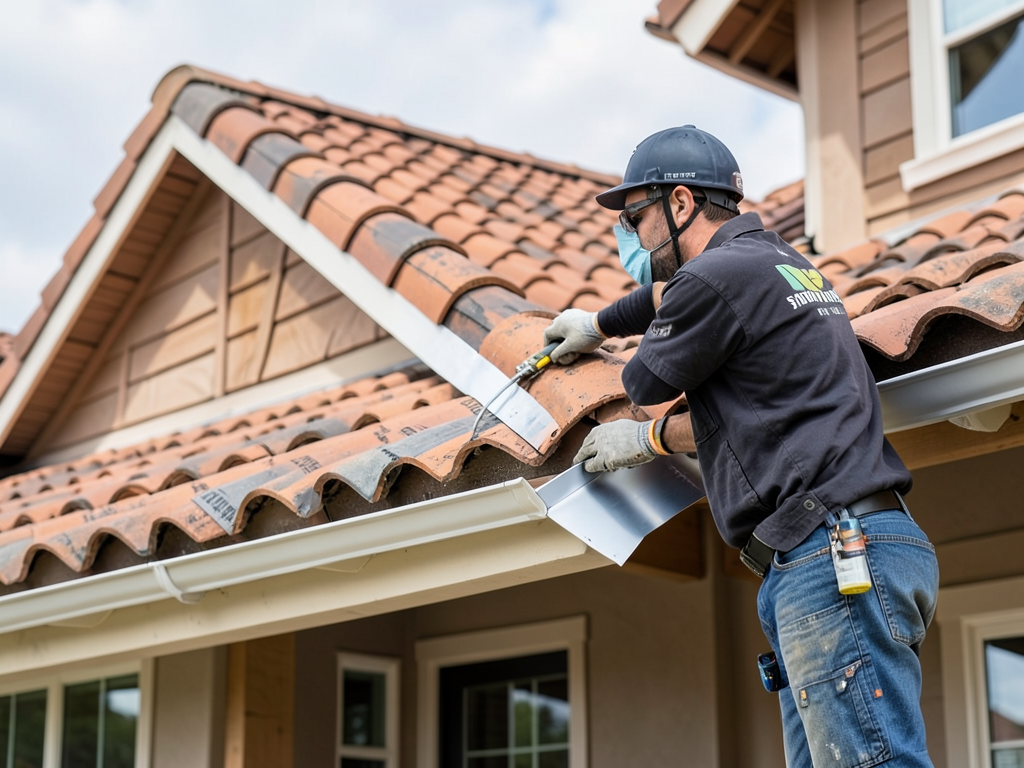
Why Your Shavano Park Home Needs a Drip Edge to Prevent Fascia Rot
Your Shavano Park home faces unique challenges from San Antonio’s intense storms and heavy rainfall. Water runoff from your roof can slowly destroy your fascia boards if you do not have proper protection. A drip edge is a simple metal strip that directs water away from your roof’s edge and prevents costly damage to your home’s structure. How to get your San Antonio roof fixed after a major hail storm.
Many homes in Shavano Park were built before drip edges became standard in Texas building codes. Without this protection your fascia boards absorb moisture from wind-driven rain. Over time this moisture causes wood rot that weakens your roof’s edge and creates entry points for pests and further water damage.
San Antonio’s climate makes drip edges essential for every home. Our area receives over 30 inches of rain annually with frequent spring thunderstorms that produce heavy downpours. These storms create conditions where water can back up under shingles and seep into your fascia boards. A properly installed drip edge channels this water directly into your gutters where it belongs. What to do when your San Antonio roof starts leaking in the middle of a storm.
Installing a drip edge costs far less than repairing fascia rot damage. Once wood rot sets in you face replacing damaged fascia boards soffits and potentially dealing with interior water damage. The small investment in a drip edge saves thousands in future repairs while protecting your home’s structural integrity. EPA.
How Drip Edges Protect Your Fascia Boards
Drip edges work by extending your roof’s coverage beyond the fascia board. The metal strip sits under your shingles at the roof’s edge and extends outward over your gutters. This simple design creates a barrier that prevents water from running directly down your fascia boards.
Water follows the path of least resistance. Without a drip edge water runs down your shingles and across the gap between your roof and fascia board. This water then travels along the top edge of your fascia where it can seep into the wood grain. Over time this constant moisture exposure breaks down the wood fibers causing rot.
Drip edges also protect against wind-driven rain which is common during San Antonio’s spring storms. Wind can drive rain up under your shingles at the roof’s edge. A properly installed drip edge creates a barrier that blocks this wind-driven moisture from reaching your fascia boards.. Read more about Managing Leaf Buildup in the Hard to Reach Roof Valleys of Shady Oaks.
The metal construction of drip edges provides additional benefits. Unlike wood they do not absorb moisture or rot. They also create a clean finished edge for your roof that improves your home’s appearance. Many homeowners in Shavano Park choose aluminum drip edges for their rust resistance and durability in our humid climate.. Read more about The Real Benefits of Upgrading to Oversized 6 Inch Gutters in San Antonio.
Types of Drip Edges for San Antonio Homes
Several drip edge profiles work well for Shavano Park homes. The most common is the Type C or L-shaped drip edge which works for most residential applications. This profile has a vertical leg that attaches to your roof deck and a horizontal leg that extends over your gutter.
Type D drip edges offer enhanced protection for homes with wide overhangs or those in areas with heavy rainfall. These have a taller vertical leg that provides better coverage for your fascia board. Many homes in Shavano Park with Spanish Colonial or Mediterranean architecture benefit from Type D profiles due to their wider roof overhangs.
For homes with unique architectural features you might consider custom bent drip edges. These can be fabricated to match specific roof angles or to work around decorative trim. Custom solutions often cost more but provide the best protection for complex roof designs common in Shavano Park’s older neighborhoods.
Material selection matters for San Antonio’s climate. Aluminum drip edges resist rust and work well for most homes. Galvanized steel offers greater strength but requires a protective coating to prevent rust in our humid conditions. Some homeowners choose copper drip edges for their durability and the beautiful patina they develop over time.
Installation Methods for Maximum Protection
Proper installation makes the difference between a drip edge that works and one that fails. The most effective method places the drip edge under your roof underlayment at the eaves and over the underlayment on the rakes. This creates a shingled effect that directs water away from your fascia.
At the eaves the drip edge goes under your ice and water shield and roofing felt. This placement ensures water running down your roof cannot get behind the drip edge. The horizontal leg extends at least 1/4 inch beyond your fascia board to direct water into your gutters.
On the rakes the drip edge goes over the underlayment. This placement protects the rake edge of your roof where wind-driven rain is most likely to cause problems. The vertical leg should extend at least 1 inch up the roof deck to provide adequate coverage.
Nailing patterns affect performance. Fasteners should be placed every 12 to 16 inches along the drip edge. Nails must penetrate into the roof deck but not through it. Over-nailing can create holes that allow water penetration while under-nailing leaves the drip edge vulnerable to wind damage.
San Antonio Building Code Requirements
San Antonio building codes now require drip edges on all new roof installations and major repairs. The City of San Antonio Development Services enforces these requirements to protect homes from water damage. These codes align with the International Residential Code which mandates drip edges for all sloped roofs.
Building inspectors check for proper drip edge installation during final inspections. They verify that the drip edge extends far enough over the gutter and that it is properly fastened to the roof deck. Homes in Shavano Park must meet these same standards whether you hire a contractor or do the work yourself.
Insurance companies often require drip edges for coverage on new roofs. Some policies give premium discounts for homes with proper drip edge protection. This requirement reflects the industry’s recognition that drip edges prevent costly water damage claims.
Homeowners associations in Shavano Park may have additional requirements for drip edge appearance. Some require specific colors or finishes to match neighborhood aesthetics. Always check with your HOA before selecting drip edge materials to ensure compliance with community standards.
Cost Factors for Drip Edge Installation
Drip edge costs depend on several factors including material choice roof complexity and local labor rates. Aluminum drip edges cost less than copper but more than galvanized steel. Custom bent profiles cost more than standard shapes due to the additional fabrication required. How much a new roof actually costs in San Antonio right now.
Roof complexity affects installation costs. Simple gable roofs need less drip edge material and labor than complex hip roofs with multiple valleys. Homes in Shavano Park with intricate roof designs may see higher installation costs due to the additional cutting and fitting required.
Removal of existing materials adds to the cost. If your home has old drip edges that need replacement the contractor must remove and dispose of the old material. This process takes time and creates additional labor costs.
Timing affects pricing. Many homeowners schedule roof work during dry seasons to avoid weather delays. This timing can affect availability and pricing as contractors may charge premium rates during their busiest periods.
Common Installation Mistakes to Avoid
Improper installation creates problems that defeat the purpose of a drip edge. One common mistake is installing the drip edge after the underlayment. This places the drip edge over the felt paper allowing water to travel under it and reach your fascia boards.
Another frequent error involves incorrect overhang length. Drip edges that extend too far can catch wind and tear away. Those that do not extend far enough allow water to drip behind your gutters causing fascia damage. The ideal overhang is 1/4 to 3/4 inch beyond your fascia board.
Using the wrong fasteners causes problems. Roofing nails work better than roofing staples for drip edge installation. Staples can work loose over time while nails provide more secure attachment. The fasteners must also be compatible with your drip edge material to prevent corrosion.
Ignoring expansion and contraction leads to failure. Metal drip edges expand and contract with temperature changes. Without proper spacing at joints the metal can buckle or pull away from your roof. Leave small gaps at joints to allow for this natural movement.
Maintenance and Inspection Guidelines
Regular inspection helps you catch drip edge problems before they cause fascia damage. Check your drip edges twice yearly during spring and fall maintenance. Look for signs of damage such as bent or missing sections loose fasteners or rust spots.
Clean your gutters regularly to prevent overflow that can overwhelm your drip edge. Clogged gutters cause water to back up and flow over the edges where it can reach your fascia boards. This backup defeats the protection your drip edge provides.
Watch for pest activity around your roof edges. Birds squirrels and insects can damage drip edges creating openings for water entry. Small holes or gaps allow water to penetrate and cause the very damage you installed the drip edge to prevent.
Address damage promptly. Bent or loose drip edges need immediate repair to maintain protection. Small problems become major repairs if left unattended. A single loose section can allow enough water entry to start fascia rot.
Comparing Drip Edge Materials
Material choice affects both performance and cost. Aluminum offers the best balance of price durability and rust resistance. It weighs less than steel making it easier to install and it accepts paint well for color matching.
Galvanized steel costs less than aluminum but requires more maintenance. The zinc coating prevents rust but can wear through over time especially in San Antonio’s humid climate. Steel provides greater strength for areas with severe weather.
Copper represents the premium option. It lasts longer than other materials and develops a protective green patina over time. Copper never rusts and provides excellent protection but costs significantly more than other options.
Vinyl drip edges offer a low-cost alternative but have limitations. They can become brittle in extreme temperatures and may not provide the same durability as metal options. Vinyl works best in mild climates rather than San Antonio’s temperature extremes.
| Material | Cost per Linear Foot | Lifespan | Best For |
|---|---|---|---|
| Aluminum | $1.50 – $3.00 | 20-30 years | Most homes |
| Galvanized Steel | $1.00 – $2.50 | 15-25 years | High wind areas |
| Copper | $5.00 – $10.00 | 50+ years | Premium homes |
| Vinyl | $0.75 – $1.50 | 10-15 years | Budget projects |
DIY vs Professional Installation
DIY installation saves money but requires skill and proper tools. You need metal snips for cutting drip edge a hammer or nail gun and safety equipment for roof work. Working on a roof carries risks and mistakes can cause water damage that costs more than professional installation.
Professional installation offers several advantages. Contractors have experience with local building codes and can ensure your drip edge meets inspection requirements. They also have access to commercial-grade materials and can complete the work faster with better results. How to Get Your Commercial Flat Roof Ready for San Antonio Summer Storms.
Time investment differs significantly between DIY and professional work. A professional crew can install drip edge on an average home in a few hours. DIY installation might take a full weekend or longer especially if you lack experience with roofing materials.
Warranty considerations matter when deciding between DIY and professional installation. Many roofing material manufacturers require professional installation for warranty coverage. DIY work might void warranties leaving you responsible for future problems. Understanding Roof Warranties.
Frequently Asked Questions
Does every roof need a drip edge?
Yes all sloped roofs need drip edges for proper water protection. Building codes require them on new installations and major repairs. Homes built before these codes may lack drip edges but should add them during any roof work.
How long does drip edge installation take?
Professional installation on an average home takes 2-4 hours. DIY installation typically requires a full day or weekend depending on your experience and the roof’s complexity. Weather conditions can extend installation time.
Can I install drip edge on an existing roof?
Yes you can add drip edge to existing roofs during reroofing or as a separate project. Installation requires lifting shingles at the roof edge which works best during complete roof replacement but can be done on existing roofs.
What color should my drip edge be?
Choose a color that matches or complements your roof and trim. Many homeowners select white or brown to match common gutter colors. Some prefer galvanized steel for a neutral appearance that works with any color scheme.
How much does drip edge cost for an average home?
Material costs range from $200 to $600 for an average home depending on the material chosen. Professional installation adds $300 to $800 bringing total costs to $500 to $1400. DIY installation reduces costs to materials only.
Protect Your Shavano Park Home Today
Water damage from missing drip edges costs Shavano Park homeowners thousands in repairs each year. The humid climate and frequent storms create perfect conditions for fascia rot when water finds its way behind your roof’s edge. Installing proper drip edge protection now prevents these expensive problems.
Summit Roofing San Antonio understands the specific challenges Shavano Park homes face from our local weather patterns. Our team installs drip edges that meet all building code requirements while providing maximum protection for your fascia boards. We use quality materials and proven installation methods that stand up to San Antonio’s climate.
Whether you need drip edge installation for a new roof or want to add protection to your existing roof we can help. Our free inspections identify current problems and recommend the best solutions for your specific situation. We serve all of Shavano Park and surrounding areas with prompt professional service.
Call Summit Roofing San Antonio today at (726) 256-6199 to schedule your free drip edge inspection. Protect your home from water damage and extend the life of your roof with proper drip edge installation. Your fascia boards will thank you for years to come. For more information, visit FEMA.
You may also find this helpful. How overhanging oak trees can destroy the roof of your Olmos Park home.
You may also find this helpful. Why high humidity in the Mission District might be rotting your roof from the inside out.
You may also find this helpful. The real reason your North Central San Antonio home has recurring roof leaks.
You may also find this helpful. Adding instant curb appeal to your Terrell Hills home with copper gutters.
{
“@context”: “https://schema.org”,
“@type”: “BlogPosting”,
“headline”: “Why Your Shavano Park Home Needs a Drip Edge to Prevent Fascia Rot”,
“description”: “Drip edges stop water damage to your Shavano Park fascia boards. Learn why this simple component is critical for San Antonio’s storm-heavy climate and how to protect your home.”,
“wordCount”: 2361,
“datePublished”: “2026-05-28T15:52:00.000Z”,
“dateModified”: “2026-05-28T15:52:00.000Z”,
“inLanguage”: “en-US”,
“mainEntityOfPage”: {
“@type”: “WebPage”,
“@id”: “https://summitroofingsanantonio.com”
},
“publisher”: {
“@type”: “LocalBusiness”,
“name”: “Summit Roofing San Antonio”,
“url”: “https://summitroofingsanantonio.com”
},
“author”: {
“@type”: “Organization”,
“name”: “Summit Roofing San Antonio”,
“url”: “https://summitroofingsanantonio.com”
},
“image”: {
“@type”: “ImageObject”,
“url”: “https://summitroofingsanantonio.com/wp-content/uploads/2026/03/why-your-shavano-park-home-needs-a-drip-edge-to-pr-1.png”
}
}
{
“@context”: “https://schema.org”,
“@type”: “RoofingContractor”,
“name”: “Summit Roofing San Antonio”,
“url”: “https://summitroofingsanantonio.com”,
“address”: {
“@type”: “PostalAddress”,
“addressLocality”: “San Antonio”
},
“areaServed”: {
“@type”: “City”,
“name”: “San Antonio”
}
}
{
“@context”: “https://schema.org”,
“@type”: “FAQPage”,
“mainEntity”: [
{
“@type”: “Question”,
“name”: “Does every roof need a drip edge?”,
“acceptedAnswer”: {
“@type”: “Answer”,
“text”: “Yes all sloped roofs need drip edges for proper water protection. Building codes require them on new installations and major repairs. Homes built before these codes may lack drip edges but should add them during any roof work.”
}
},
{
“@type”: “Question”,
“name”: “How long does drip edge installation take?”,
“acceptedAnswer”: {
“@type”: “Answer”,
“text”: “Professional installation on an average home takes 2-4 hours. DIY installation typically requires a full day or weekend depending on your experience and the roof’s complexity. Weather conditions can extend installation time.”
}
},
{
“@type”: “Question”,
“name”: “Can I install drip edge on an existing roof?”,
“acceptedAnswer”: {
“@type”: “Answer”,
“text”: “Yes you can add drip edge to existing roofs during reroofing or as a separate project. Installation requires lifting shingles at the roof edge which works best during complete roof replacement but can be done on existing roofs.”
}
},
{
“@type”: “Question”,
“name”: “What color should my drip edge be?”,
“acceptedAnswer”: {
“@type”: “Answer”,
“text”: “Choose a color that matches or complements your roof and trim. Many homeowners select white or brown to match common gutter colors. Some prefer galvanized steel for a neutral appearance that works with any color scheme.”
}
},
{
“@type”: “Question”,
“name”: “How much does drip edge cost for an average home?”,
“acceptedAnswer”: {
“@type”: “Answer”,
“text”: “Material costs range from $200 to $600 for an average home depending on the material chosen. Professional installation adds $300 to $800 bringing total costs to $500 to $1400. DIY installation reduces costs to materials only.”
}
}
]
}
{
“@context”: “https://schema.org”,
“@type”: “BreadcrumbList”,
“itemListElement”: [
{
“@type”: “ListItem”,
“position”: 1,
“name”: “Home”,
“item”: “https://summitroofingsanantonio.com”
},
{
“@type”: “ListItem”,
“position”: 2,
“name”: “Blog”,
“item”: “https://summitroofingsanantonio.com/blog”
},
{
“@type”: “ListItem”,
“position”: 3,
“name”: “Why Your Shavano Park Home Needs a Drip Edge to Prevent Fascia Rot”
}
]
}
{
“@context”: “https://schema.org”,
“@type”: “Service”,
“serviceType”: “Roofing”,
“provider”: {
“@type”: “LocalBusiness”,
“name”: “Summit Roofing San Antonio”,
“url”: “https://summitroofingsanantonio.com”
},
“areaServed”: {
“@type”: “City”,
“name”: “San Antonio”
},
“description”: “Drip edges stop water damage to your Shavano Park fascia boards. Learn why this simple component is critical for San Antonio’s storm-heavy climate and how to protect your home.”
}