
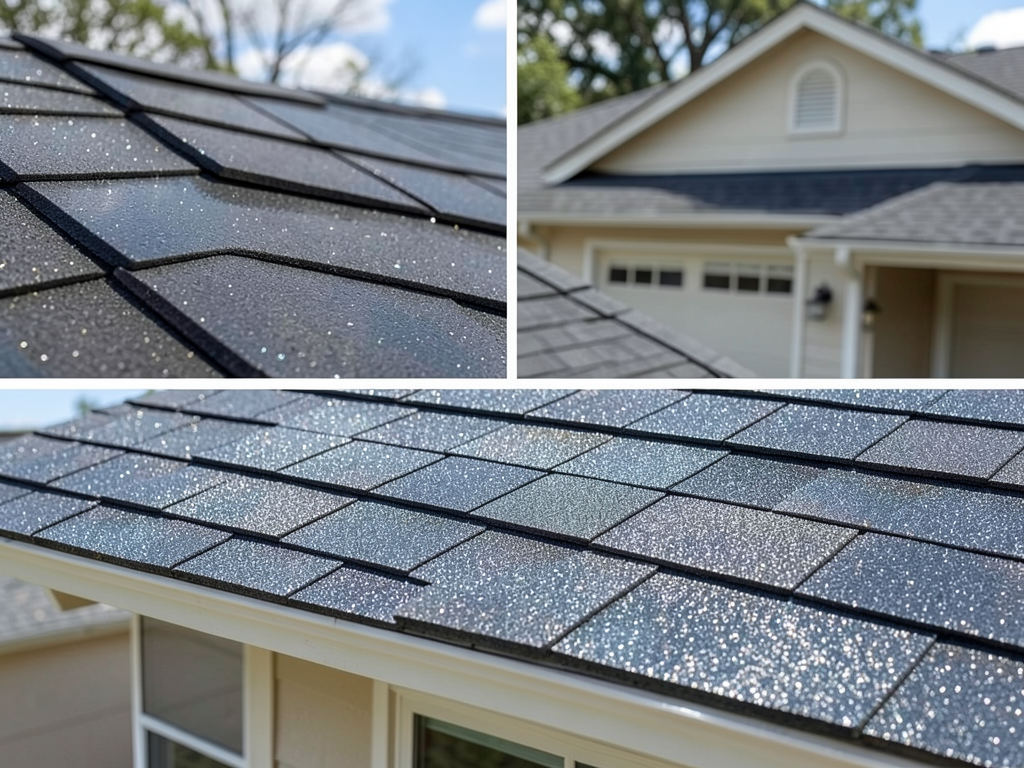
Why a Dark Roof Might Be Driving Up Your CPS Energy Bill Every Summer
Your dark roof could be the silent culprit behind those sky-high CPS Energy bills every July and August. In San Antonio’s brutal summer heat dark shingles absorb massive amounts of solar energy turning your attic into an oven that forces your air conditioner to work overtime. CPS Energy Residential Rebates.
The problem starts with basic physics. Dark surfaces absorb up to 90% of the sun’s rays while lighter surfaces reflect much of that energy away. On a typical 100-degree San Antonio summer day that dark roof can reach temperatures of 150 to 175 degrees heating everything underneath it. How to get your San Antonio roof fixed after a major hail storm.
Most homeowners never connect their roof color to their energy costs. They blame old AC units poor insulation or rising utility rates. But the roof covering your entire home plays a massive role in how hard your cooling system must work. How much a new roof actually costs in San Antonio right now.
Understanding this connection could save you hundreds of dollars each summer and make your home noticeably more comfortable. Understanding Roof Warranties.
How Your Roof Affects Your Energy Bill
Your roof acts as a giant solar collector. Dark asphalt shingles absorb heat and transfer it through the roof deck into your attic space. This heat radiates downward into your living areas forcing your AC to run longer and work harder.. Read more about Why Shingle Blistering Is So Common in the Westover Hills Heat.
In San Antonio’s climate this effect is amplified. Our long summer season means months of continuous heat gain. The intense Texas sun beats down on roofs for 10 to 12 hours daily creating a heat load that many AC systems struggle to overcome. What to do when your San Antonio roof starts leaking in the middle of a storm.
Energy auditors have measured the impact. Homes with dark roofs in San Antonio often show attic temperatures 30 to 50 degrees higher than the outdoor air temperature. When it’s 100 degrees outside your attic could be 150 degrees or more.. Read more about What every San Antonio homeowner needs to do to their roof before installing solar panels.
This heat doesn’t stay in the attic. It seeps through your ceiling into bedrooms and living spaces. Your AC must remove this extra heat constantly running up your CPS Energy bill.
The Department of Energy estimates that reflective roofing can reduce cooling energy use by 10 to 25% in hot climates. In San Antonio where AC runs almost year-round those savings add up quickly.
The Science Behind Cool Roofs
Cool roofs work by reflecting more sunlight and absorbing less heat than standard roofs. They achieve this through special granule coatings and reflective pigments that bounce solar radiation back into the atmosphere.
The key measurement is Solar Reflective Index or SRI. This number combines solar reflectance and thermal emittance to show how well a roof rejects heat. Higher SRI numbers mean cooler roof surfaces.
Standard dark asphalt shingles typically have an SRI of 4 to 8. Cool roof shingles can achieve SRI values of 20 to 35 or higher. This difference dramatically affects surface temperature.
Field tests in San Antonio show cool roofs staying 50 to 60 degrees cooler than dark roofs on the same day. This temperature difference translates directly to energy savings and improved comfort.
Beyond energy savings cool roofs also reduce thermal shock on your roofing materials. Lower temperature swings mean less expansion and contraction which extends the life of your roof system.
San Antonio’s Unique Heat Challenges
San Antonio presents special challenges for roofing. Our location in South Texas means intense UV exposure year-round. The sun’s angle in summer creates maximum heat gain on roofs.
The Urban Heat Island effect compounds the problem. Concrete buildings asphalt roads and other dark surfaces absorb heat during the day and release it at night preventing natural cooling. This makes cool roofing even more critical in urban areas.
Neighborhoods like Stone Oak and Alamo Heights experience these effects strongly. Homes in these areas often have large roof surfaces exposed to direct sun for most of the day.
Humidity adds another layer of complexity. High moisture levels make it harder for heat to dissipate at night. A cool roof helps by keeping the overall heat load lower throughout the entire day and night cycle.
Local building patterns also matter. Many San Antonio homes have cathedral ceilings or bonus rooms over garages where attic ventilation is limited. In these cases the roof’s heat gain directly impacts living space comfort.
Comparing Cool Roof Options
Several cool roofing options work well in San Antonio. Each has different costs performance levels and installation requirements.
Asphalt cool shingles offer the best balance for most homeowners. They cost about 15 to 20% more than standard shingles but provide significant energy savings. Major manufacturers like GAF and Owens Corning offer cool versions of popular styles.
Metal roofing provides excellent reflectivity and can last 40 to 70 years. However metal costs two to three times more than asphalt and requires specialized installation. The investment pays off over decades through energy savings and longevity.
Tile roofing naturally stays cooler due to its shape and material properties. Clay and concrete tiles allow air circulation underneath which helps dissipate heat. Tile works especially well in Spanish Colonial and Mediterranean style homes common in San Antonio.
Single-ply membranes like TPO or PVC work well for flat or low-slope roofs. These materials come in white or light colors and achieve high SRI ratings. They’re popular for commercial buildings but also work for modern home designs. How to Get Your Commercial Flat Roof Ready for San Antonio Summer Storms.
Energy Savings Potential
The actual savings from cool roofing depend on several factors. Your home’s orientation roof slope and existing insulation all play roles in the final energy impact.
Homes with large west-facing roof areas typically see the biggest benefits. These roofs get hammered by afternoon sun when outdoor temperatures and cooling demands peak.
Attic insulation quality affects savings too. A well-insulated attic with a cool roof can reduce cooling costs by 15 to 30%. Poor insulation might only yield 10 to 15% savings because heat still transfers through the ceiling.. Read more about Why your Castle Hills home might need a ridge vent upgrade to survive the summer.
Local utility rates matter as well. With CPS Energy’s tiered pricing structure reducing peak demand can save more than just lowering overall consumption.
Most San Antonio homeowners report summer electric bill reductions of $25 to $75 per month after installing cool roofs. Over a five-month cooling season that’s $125 to $375 in annual savings.
Cost Considerations
Cool roofing typically costs 15 to 25% more than standard roofing. For an average San Antonio home this means $1,500 to $3,000 additional upfront investment.
However several factors improve the economics. Many cool roofing products qualify for CPS Energy rebates and federal tax credits. These incentives can offset 20 to 30% of the added cost.
The longer-term math often favors cool roofs. Most cool roofing systems last 5 to 10 years longer than standard shingles due to reduced thermal stress. This delays the need for replacement.
Energy savings create a steady return on investment. At $40 per month average savings a cool roof can pay for its premium cost in 3 to 5 years through utility bill reductions alone.
Installation Requirements
Cool roofing installation follows the same basic process as standard roofing but requires attention to specific details. The roof deck must be in good condition since cool roofs typically last longer and any underlying issues become more problematic.
Ventilation becomes even more important with cool roofs. While the roof surface runs cooler proper attic ventilation ensures heat doesn’t build up underneath. Ridge vents soffit vents and gable vents all play crucial roles.. Read more about Ridge Vents versus Attic Turbines — Finding the Best Airflow System for South Texas Heat.
Underlayment choices matter too. Synthetic underlayments often work better with cool roofs than traditional felt paper. They provide better moisture protection and won’t degrade from the roof’s reflective properties.
Flashing and accessories should match the cool roof’s performance characteristics. Using standard dark flashing can create hot spots that undermine the roof’s overall efficiency.
Best Cool Roof Products for San Antonio
Several products perform exceptionally well in our climate. These options combine high reflectivity with durability against Texas weather extremes.
GAF’s Timberline UHS Shingles use advanced cool color technology to achieve SRI ratings up to 28. They come in popular colors like Barkwood and Antique Slate that look traditional but perform like cool roofs.
Owens Corning’s Duration Premium COOL shingles offer SRI values around 26. Their TruDefinition color platform provides rich colors while maintaining high reflectivity.
CertainTeed’s Landmark Solaris shingles combine cool technology with impact resistance. This dual benefit helps in San Antonio where both heat and hail present challenges.
For commercial applications GAF’s TPO membranes achieve SRI ratings above 80. These single-ply systems provide maximum reflectivity for flat or low-slope roofs.
Maintenance and Longevity
Cool roofs generally require less maintenance than standard roofs. Their cooler operating temperatures reduce thermal cycling which causes most roofing wear.
However cool roofs need occasional cleaning to maintain their reflective properties. Dust pollen and organic growth can reduce reflectivity by 10 to 20% over time. Annual gentle cleaning helps preserve performance.
Algae and moss growth can be more visible on light-colored roofs. While this doesn’t affect performance many homeowners prefer the cleaner appearance of algae-resistant products.
Impact resistance remains important in San Antonio. Many cool roof products now combine reflective properties with Class 3 or Class 4 impact ratings for hail protection.
Environmental Benefits
Beyond personal energy savings cool roofs provide community-wide benefits. By reflecting heat back into the atmosphere they help reduce the Urban Heat Island effect that makes San Antonio summers even hotter.
Cool roofs also reduce power plant emissions by lowering electricity demand. This helps improve regional air quality during ozone season when power plants work hardest.
The reduced energy consumption means fewer fossil fuels burned for power generation. A typical cool roof can prevent several tons of carbon dioxide emissions annually.
Some cool roofing materials are also recyclable at end of life. This reduces landfill waste compared to traditional roofing materials.
Making the Right Choice
Choosing a cool roof involves balancing several factors. Your home’s architectural style neighborhood covenants and budget all influence the best option.
Traditional neighborhoods often have HOA restrictions on roof colors. However many HOAs now allow cool roof products in colors that match traditional palettes.
Your roof’s orientation affects the value of cool roofing. South and west-facing roofs benefit most from reflective properties. North-facing roofs see less impact but still gain some advantages.
Consider your long-term plans. If you’ll stay in your home for 7+ years the energy savings typically justify the cool roof premium. For shorter ownership periods the decision becomes more about immediate costs.
Frequently Asked Questions
Will a cool roof make my house look strange?
Modern cool roofs come in many traditional colors. You can get cool versions of common shades like gray brown and even darker tones. Most people won’t notice the difference unless they know to look for it.
Do cool roofs work in winter too?
Cool roofs reflect heat year-round but San Antonio’s mild winters mean this rarely causes comfort issues. The energy savings in summer far outweigh any minimal winter heating penalty.
How much can I save on my CPS Energy bill?
Most San Antonio homeowners see 10 to 25% reductions in cooling costs. For a typical home this means $25 to $75 per month in summer savings or $150 to $450 annually.
Are cool roofs more expensive to install?
Cool roofing products cost 15 to 25% more than standard options. For an average home this adds $1,500 to $3,000 to the project cost but rebates and tax credits can offset much of this premium.
Can I install a cool roof over my existing shingles?
Most building codes require complete tear-off for new roof installations. Installing over existing layers traps heat and moisture which undermines cool roof performance.
How long do cool roofs last compared to standard roofs?
Cool roofs typically last 5 to 10 years longer than standard roofs. The reduced thermal stress from lower operating temperatures extends the service life of all roofing components.
Take Control of Your Summer Energy Costs
Your dark roof might be costing you hundreds of dollars every summer without you even realizing it. The combination of San Antonio’s intense heat and your roof’s heat-absorbing properties creates a perfect storm of high energy bills and uncomfortable indoor temperatures.
Cool roofing technology has advanced dramatically in recent years. Today’s products offer the energy-saving benefits of reflective surfaces while maintaining the traditional appearance many homeowners prefer.
The math is compelling. A cool roof typically pays for its premium cost through energy savings in just a few years while providing better comfort and longer service life. When you factor in available rebates and the extended lifespan the investment becomes even more attractive.
Don’t let another summer of high CPS Energy bills pass by. Understanding how your roof affects your home’s energy performance is the first step toward making an informed decision about your next roofing project.
Ready to learn more about how a cool roof could lower your energy bills and improve your home’s comfort? Call Summit Roofing San Antonio at (726) 256-6199 for a free consultation. Our local experts understand San Antonio’s unique climate challenges and can help you choose the right cool roofing solution for your home. For more information, visit U.S. Department of Energy on Cool Roofs.
{
“@context”: “https://schema.org”,
“@type”: “BlogPosting”,
“headline”: “Why a Dark Roof Might Be Driving Up Your CPS Energy Bill Every Summer”,
“description”: “Discover how dark roofs trap heat in San Antonio homes, forcing AC units to work harder and raising energy bills. Learn about cool roof options that reflect heat and save money.”,
“wordCount”: 2229,
“datePublished”: “2026-05-03T14:42:00.000Z”,
“dateModified”: “2026-05-03T14:42:00.000Z”,
“inLanguage”: “en-US”,
“mainEntityOfPage”: {
“@type”: “WebPage”,
“@id”: “https://summitroofingsanantonio.com”
},
“publisher”: {
“@type”: “LocalBusiness”,
“name”: “Summit Roofing San Antonio”,
“url”: “https://summitroofingsanantonio.com”
},
“author”: {
“@type”: “Organization”,
“name”: “Summit Roofing San Antonio”,
“url”: “https://summitroofingsanantonio.com”
},
“image”: {
“@type”: “ImageObject”,
“url”: “https://summitroofingsanantonio.com/wp-content/uploads/2026/03/why-a-dark-roof-might-be-driving-up-your-cps-energ-1.png”
}
}
{
“@context”: “https://schema.org”,
“@type”: “RoofingContractor”,
“name”: “Summit Roofing San Antonio”,
“url”: “https://summitroofingsanantonio.com”,
“address”: {
“@type”: “PostalAddress”,
“addressLocality”: “San Antonio”
},
“areaServed”: {
“@type”: “City”,
“name”: “San Antonio”
}
}
{
“@context”: “https://schema.org”,
“@type”: “FAQPage”,
“mainEntity”: [
{
“@type”: “Question”,
“name”: “Will a cool roof make my house look strange?”,
“acceptedAnswer”: {
“@type”: “Answer”,
“text”: “Modern cool roofs come in many traditional colors. You can get cool versions of common shades like gray brown and even darker tones. Most people won’t notice the difference unless they know to look for it.”
}
},
{
“@type”: “Question”,
“name”: “Do cool roofs work in winter too?”,
“acceptedAnswer”: {
“@type”: “Answer”,
“text”: “Cool roofs reflect heat year-round but San Antonio’s mild winters mean this rarely causes comfort issues. The energy savings in summer far outweigh any minimal winter heating penalty.”
}
},
{
“@type”: “Question”,
“name”: “How much can I save on my CPS Energy bill?”,
“acceptedAnswer”: {
“@type”: “Answer”,
“text”: “Most San Antonio homeowners see 10 to 25% reductions in cooling costs. For a typical home this means $25 to $75 per month in summer savings or $150 to $450 annually.”
}
},
{
“@type”: “Question”,
“name”: “Are cool roofs more expensive to install?”,
“acceptedAnswer”: {
“@type”: “Answer”,
“text”: “Cool roofing products cost 15 to 25% more than standard options. For an average home this adds $1,500 to $3,000 to the project cost but rebates and tax credits can offset much of this premium.”
}
},
{
“@type”: “Question”,
“name”: “Can I install a cool roof over my existing shingles?”,
“acceptedAnswer”: {
“@type”: “Answer”,
“text”: “Most building codes require complete tear-off for new roof installations. Installing over existing layers traps heat and moisture which undermines cool roof performance.”
}
},
{
“@type”: “Question”,
“name”: “How long do cool roofs last compared to standard roofs?”,
“acceptedAnswer”: {
“@type”: “Answer”,
“text”: “Cool roofs typically last 5 to 10 years longer than standard roofs. The reduced thermal stress from lower operating temperatures extends the service life of all roofing components.”
}
}
]
}
{
“@context”: “https://schema.org”,
“@type”: “BreadcrumbList”,
“itemListElement”: [
{
“@type”: “ListItem”,
“position”: 1,
“name”: “Home”,
“item”: “https://summitroofingsanantonio.com”
},
{
“@type”: “ListItem”,
“position”: 2,
“name”: “Blog”,
“item”: “https://summitroofingsanantonio.com/blog”
},
{
“@type”: “ListItem”,
“position”: 3,
“name”: “Why a Dark Roof Might Be Driving Up Your CPS Energy Bill Every Summer”
}
]
}
{
“@context”: “https://schema.org”,
“@type”: “Service”,
“serviceType”: “Roofing”,
“provider”: {
“@type”: “LocalBusiness”,
“name”: “Summit Roofing San Antonio”,
“url”: “https://summitroofingsanantonio.com”
},
“areaServed”: {
“@type”: “City”,
“name”: “San Antonio”
},
“description”: “Discover how dark roofs trap heat in San Antonio homes, forcing AC units to work harder and raising energy bills. Learn about cool roof options that reflect heat and save money.”
}