
The pros and cons of installing a standing seam metal roof in the Texas Hill Country
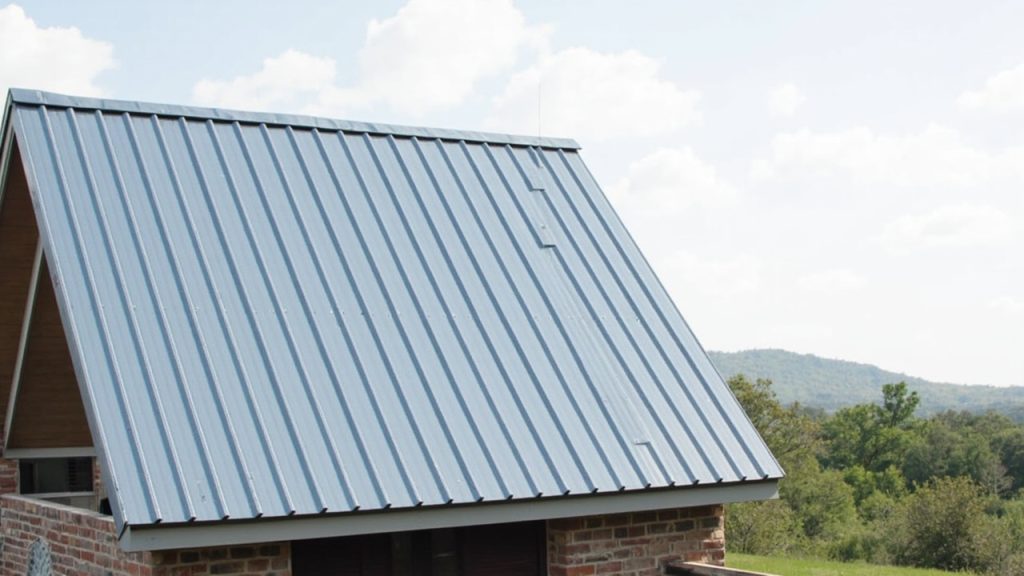
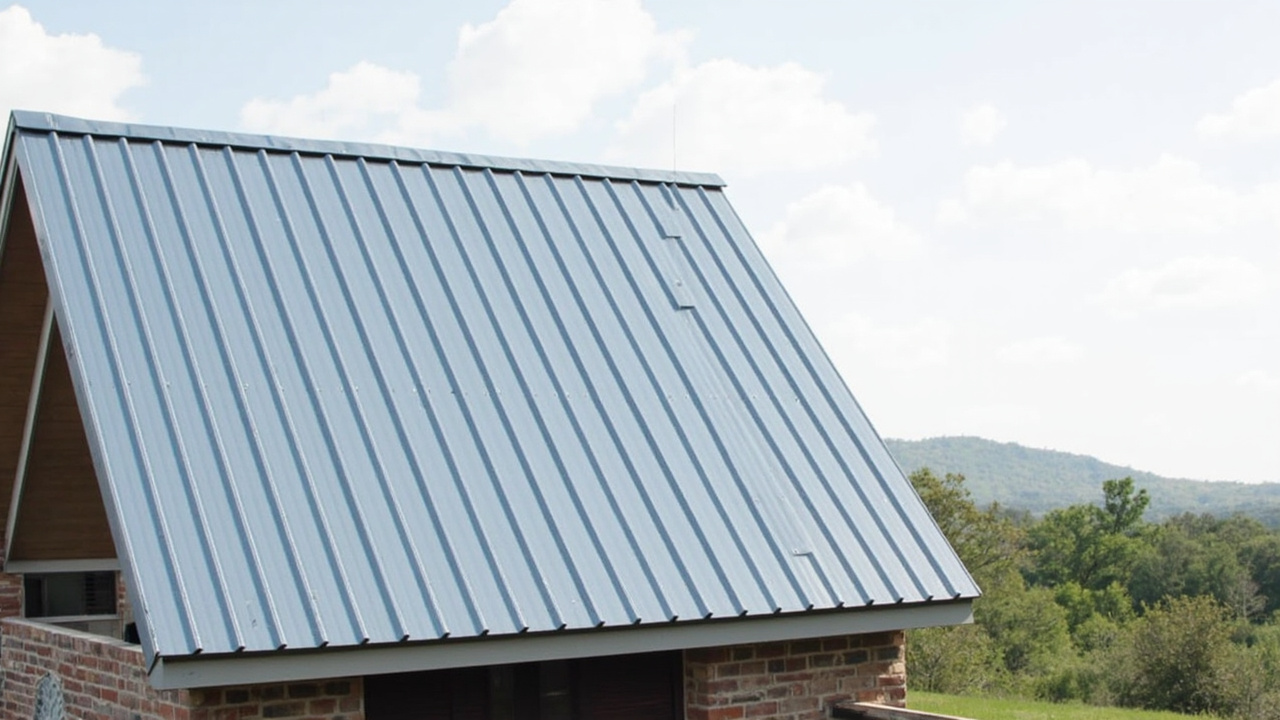
Standing seam metal roofing represents the premium choice for Texas Hill Country homeowners seeking durability and energy efficiency. This roofing system features vertical panels with concealed fasteners that run from the ridge to the eave creating a clean modern appearance while offering superior protection against San Antonio’s harsh climate.. Read more about Does a metal roof actually make your house louder during a South Texas thunderstorm?.
Before investing in this roofing solution homeowners need to understand both the benefits and limitations specific to our region. The extreme UV exposure frequent hail storms and rapid temperature swings in San Antonio create unique challenges that affect metal roofing performance differently than in other parts of the country.
Key advantages of standing seam metal roofing
Superior weather resistance in San Antonio conditions
San Antonio experiences some of the most extreme weather patterns in Texas. Standing seam metal roofs excel in these conditions because the concealed fastener system eliminates penetration points where water can enter. During our spring hail season the continuous metal panels resist impact better than traditional shingles while the interlocking seams prevent wind uplift during summer thunderstorms.
The thermal expansion and contraction rates of metal roofing actually work to your advantage in our climate. As temperatures swing from 30°F in winter to over 100°F in summer the panels expand and contract without compromising the seal. This flexibility prevents the cracking and splitting that occurs with rigid materials.
Energy efficiency benefits specific to Texas heat
Standing seam metal roofs can reflect up to 70% of solar radiation when coated with reflective finishes. In San Antonio’s summer heat this translates to significant cooling cost reductions. The Department of Energy estimates that reflective metal roofing can reduce cooling energy use by 10-25% in hot climates.
The air space between the metal panels and the roof deck creates a thermal barrier that further reduces heat transfer. This design feature is particularly valuable in older San Antonio homes where attic ventilation may be limited. Homeowners in neighborhoods like Alamo Heights and Stone Oak report noticeable temperature differences in upper floors after installation.
Exceptional longevity in our climate
Quality standing seam metal roofs typically last 40-70 years in Texas Hill Country conditions. This compares favorably to asphalt shingles which often require replacement after 15-20 years due to UV degradation and thermal stress. The initial investment pays off through decades of reduced maintenance and replacement costs.
Modern metal roofing systems use corrosion-resistant coatings specifically engineered for high-humidity environments. These finishes prevent the rust and oxidation that plagued older metal roofs making them ideal for San Antonio’s combination of heat and occasional moisture from Gulf air masses.
Potential drawbacks to consider
Higher initial investment
Standing seam metal roofing typically costs more upfront than asphalt shingles. For a typical San Antonio home this translates to a higher initial price point versus conventional roofing. However when factoring in the extended lifespan and energy savings the lifetime cost often equals or beats traditional options.
The specialized installation requirements also contribute to higher costs. Standing seam requires experienced metal roofing contractors with specific training in panel seaming and flashing techniques. This expertise is essential for proper performance in our climate.
Noise considerations during storms
Without proper insulation metal roofs can amplify the sound of rain and hail. This is particularly noticeable in San Antonio during our spring storms when hail can be substantial. Modern installation techniques address this through sound-deadening underlayment and attic insulation but homeowners should discuss acoustic treatments with their contractor.
The noise factor varies significantly based on your home’s construction. Homes with cathedral ceilings or limited attic space may experience more sound transmission than those with standard attic configurations.
Expansion and contraction effects
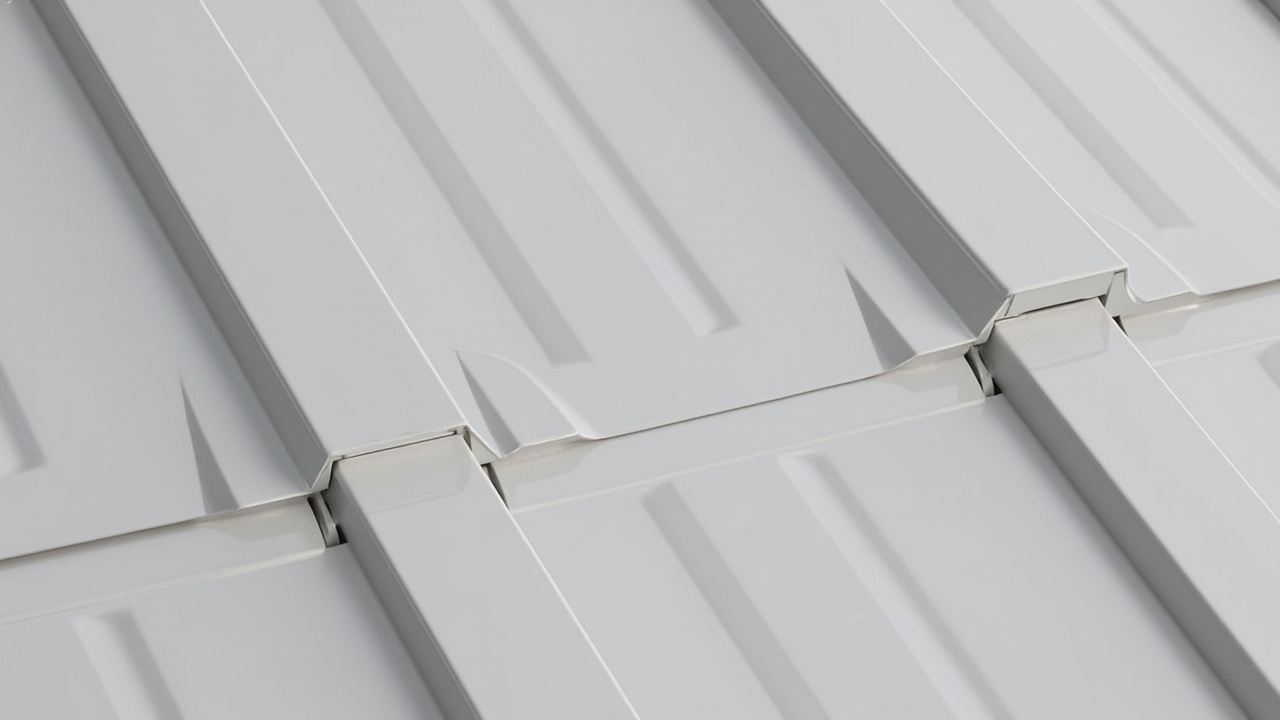
While thermal movement is an advantage for durability it requires careful installation planning. The panels must be mounted on clips that allow movement and flashing details must accommodate seasonal expansion. Poor installation can lead to oil canning (waviness in the panels) or fastener withdrawal over time.
Professional installers in San Antonio account for our extreme temperature ranges when spacing clips and designing expansion joints. This expertise is crucial for long-term performance.
Standing seam vs. other metal roofing options
Standing seam differs significantly from exposed fastener systems like corrugated metal panels. The concealed fastener design eliminates the primary failure point in exposed systems – the screws that penetrate the panels. In San Antonio’s high-wind environment this difference becomes critical during storm events.
The vertical seam design also allows for easier integration with solar panels. Many San Antonio homeowners are adding solar arrays and standing seam provides mounting points without roof penetrations. This preserves the roof’s integrity while supporting renewable energy systems.
Material options for Texas Hill Country
Galvalume steel offers the best combination of corrosion resistance and cost-effectiveness for San Antonio’s climate. The zinc-aluminum coating provides superior protection against the salt air that occasionally reaches us from the Gulf. Aluminum provides even better corrosion resistance but at a higher cost.
Copper and zinc options exist but are rarely practical for residential applications due to cost. These materials develop patinas that some homeowners find appealing but the premium pricing puts them out of reach for most projects.
Local building considerations
San Antonio’s building codes address metal roofing installation through specific requirements for wind uplift resistance and fire ratings. Homes in the Texas Hill Country must meet enhanced wind requirements due to our exposure to Gulf storms. Standing seam systems typically exceed these requirements when properly installed.
The city’s Unified Development Code also addresses roof replacement procedures and permitting. Metal roofing installations require specific inspections to verify proper fastening and flashing details. Working with a local contractor familiar with these requirements ensures compliance and smooth permitting.
Maintenance requirements
Standing seam metal roofs require minimal maintenance compared to other roofing types. Annual inspections should check for loose fasteners damaged sealants at flashing points and debris accumulation in valleys. San Antonio’s oak and mesquite trees can drop leaves and branches that trap moisture against the roof surface.
Cleaning the roof surface every 2-3 years removes dirt and organic growth that can affect the reflective properties. This is particularly important in shaded areas where algae and moss might develop in our humid climate.
Cost-benefit analysis for San Antonio homeowners
When evaluating standing seam metal roofing consider these factors specific to our region:
- Energy savings of $200-400 annually in cooling costs
- Potential insurance premium discounts for impact-resistant roofing
- Increased home resale value due to durability and energy efficiency
- Elimination of frequent replacement cycles common with asphalt shingles
The payback period typically ranges from 7-12 years after which the roof continues providing benefits for decades. This timeline aligns well with typical homeownership periods in San Antonio.
Is standing seam right for your home?
Standing seam metal roofing excels in San Antonio’s climate but requires careful consideration of your specific situation. Homes in exposed locations or those with poor attic ventilation benefit most from the energy efficiency and durability advantages. The modern aesthetic also complements many Hill Country architectural styles.
However if your home has complex rooflines with many valleys and penetrations the installation complexity increases costs significantly. In these cases a detailed cost analysis helps determine if the benefits justify the premium.
Installation considerations
Proper installation makes the difference between a roof that lasts 40 years versus one that fails prematurely. San Antonio contractors must account for our specific conditions:
- Enhanced wind uplift resistance for Gulf storm exposure
- Thermal movement accommodation for 70°F+ temperature swings
- Corrosion-resistant fastening systems for high humidity
- Proper flashing details for our occasional heavy rainfall events
Always verify your contractor’s experience with standing seam installations in Texas. Ask for local references and examples of completed projects in similar homes.
Environmental impact
Standing seam metal roofing offers significant environmental advantages. The materials are typically 30-60% recycled content and fully recyclable at end of life. The energy savings reduce your carbon footprint and the longevity means fewer replacement cycles and less landfill waste.
In San Antonio’s growing focus on sustainability metal roofing can contribute to green building certifications and may qualify for utility rebates or tax incentives when combined with solar installations.
Frequently Asked Questions
How does standing seam metal roofing perform during San Antonio hail storms?
Standing seam metal roofing typically receives Class 4 impact ratings the highest available. The concealed fastener system and durable metal panels resist hail damage better than traditional roofing materials. While large hail can dent metal surfaces this rarely affects performance or causes leaks.
Will a metal roof make my home hotter in summer?
No properly installed standing seam metal roofing actually helps keep your home cooler. The reflective coatings and thermal barrier design reduce heat absorption. Many San Antonio homeowners report 10-15°F temperature reductions in upper floors after installation.
How long does installation take compared to traditional roofing?
Installation typically takes 3-5 days for an average home slightly longer than asphalt shingle installation. The additional time accounts for the specialized seaming process and careful attention to flashing details required for optimal performance.
Can I install solar panels on a standing seam metal roof?
Yes and this combination works exceptionally well. The vertical seams provide mounting points that don’t require roof penetrations preserving the integrity of your roofing system while supporting solar energy production.
What maintenance is required for standing seam metal roofing?
Annual inspections and cleaning every 2-3 years are typically sufficient. Check for loose fasteners damaged sealants and debris accumulation. The corrosion-resistant coatings eliminate the need for painting or rust treatment common with older metal roofs.
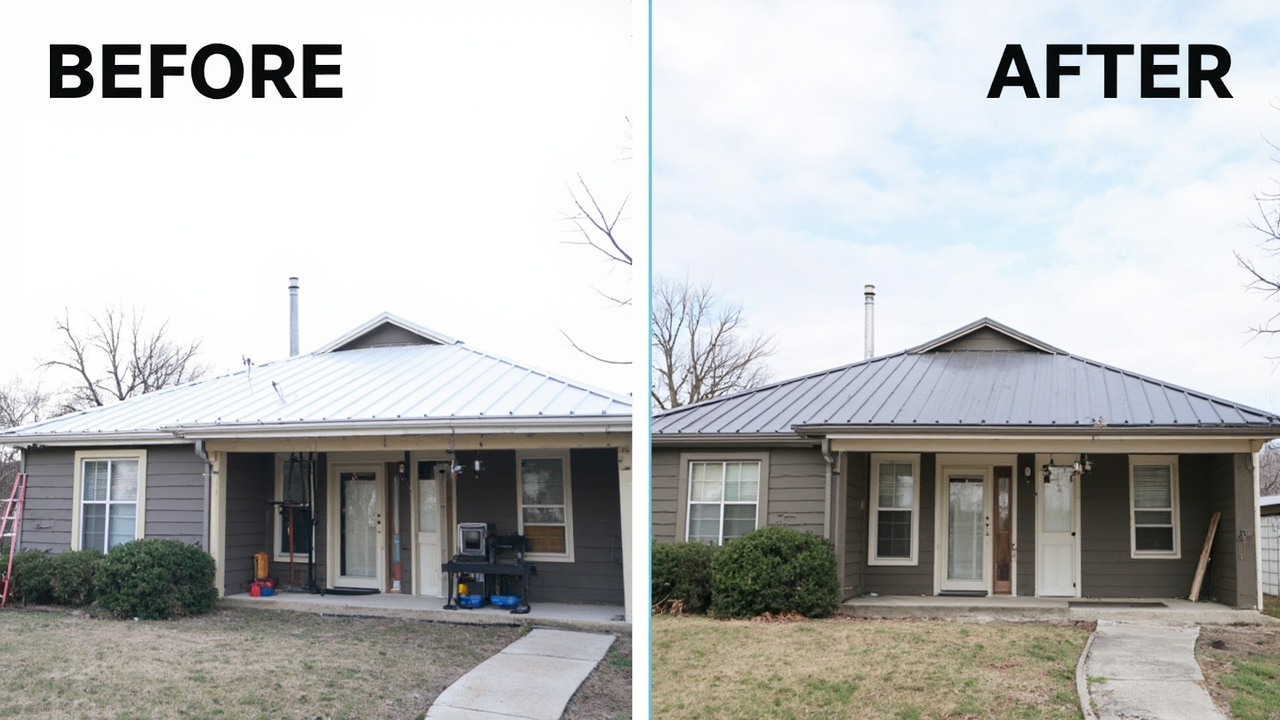
You may also find this helpful. Choosing the right roof color to lower your cooling costs in the Westside area.
{
“@context”: “https://schema.org”,
“@type”: “BlogPosting”,
“headline”: “The pros and cons of installing a standing seam metal roof in the Texas Hill Country”,
“description”: “Learn about standing seam metal roofing benefits and drawbacks for San Antonio homes including durability energy efficiency and cost considerations.”,
“wordCount”: 1580,
“datePublished”: “2026-04-15T08:04:00.000Z”,
“dateModified”: “2026-04-15T08:04:00.000Z”,
“inLanguage”: “en-US”,
“mainEntityOfPage”: {
“@type”: “WebPage”,
“@id”: “https://summitroofingsanantonio.com”
},
“publisher”: {
“@type”: “LocalBusiness”,
“name”: “Summit Roofing San Antonio”,
“url”: “https://summitroofingsanantonio.com”
},
“author”: {
“@type”: “Organization”,
“name”: “Summit Roofing San Antonio”,
“url”: “https://summitroofingsanantonio.com”
},
“image”: {
“@type”: “ImageObject”,
“url”: “https://summitroofingsanantonio.com/wp-content/uploads/2026/03/the-pros-and-cons-of-installing-a-standing-seam-me-1.jpg”
}
}
{
“@context”: “https://schema.org”,
“@type”: “RoofingContractor”,
“name”: “Summit Roofing San Antonio”,
“url”: “https://summitroofingsanantonio.com”,
“address”: {
“@type”: “PostalAddress”,
“addressLocality”: “San Antonio”
},
“areaServed”: {
“@type”: “City”,
“name”: “San Antonio”
}
}
{
“@context”: “https://schema.org”,
“@type”: “FAQPage”,
“mainEntity”: [
{
“@type”: “Question”,
“name”: “Is standing seam right for your home?”,
“acceptedAnswer”: {
“@type”: “Answer”,
“text”: “Standing seam metal roofing excels in San Antonio’s climate but requires careful consideration of your specific situation. Homes in exposed locations or those with poor attic ventilation benefit most from the energy efficiency and durability advantages. The modern aesthetic also complements many Hill Country architectural styles.”
}
},
{
“@type”: “Question”,
“name”: “How does standing seam metal roofing perform during San Antonio hail storms?”,
“acceptedAnswer”: {
“@type”: “Answer”,
“text”: “Standing seam metal roofing typically receives Class 4 impact ratings the highest available. The concealed fastener system and durable metal panels resist hail damage better than traditional roofing materials. While large hail can dent metal surfaces this rarely affects performance or causes leaks.”
}
},
{
“@type”: “Question”,
“name”: “Will a metal roof make my home hotter in summer?”,
“acceptedAnswer”: {
“@type”: “Answer”,
“text”: “No properly installed standing seam metal roofing actually helps keep your home cooler. The reflective coatings and thermal barrier design reduce heat absorption. Many San Antonio homeowners report 10-15°F temperature reductions in upper floors after installation.”
}
},
{
“@type”: “Question”,
“name”: “How long does installation take compared to traditional roofing?”,
“acceptedAnswer”: {
“@type”: “Answer”,
“text”: “Installation typically takes 3-5 days for an average home slightly longer than asphalt shingle installation. The additional time accounts for the specialized seaming process and careful attention to flashing details required for optimal performance.”
}
},
{
“@type”: “Question”,
“name”: “Can I install solar panels on a standing seam metal roof?”,
“acceptedAnswer”: {
“@type”: “Answer”,
“text”: “Yes and this combination works exceptionally well. The vertical seams provide mounting points that don’t require roof penetrations preserving the integrity of your roofing system while supporting solar energy production.”
}
},
{
“@type”: “Question”,
“name”: “What maintenance is required for standing seam metal roofing?”,
“acceptedAnswer”: {
“@type”: “Answer”,
“text”: “Annual inspections and cleaning every 2-3 years are typically sufficient. Check for loose fasteners damaged sealants and debris accumulation. The corrosion-resistant coatings eliminate the need for painting or rust treatment common with older metal roofs.”
}
}
]
}
{
“@context”: “https://schema.org”,
“@type”: “BreadcrumbList”,
“itemListElement”: [
{
“@type”: “ListItem”,
“position”: 1,
“name”: “Home”,
“item”: “https://summitroofingsanantonio.com”
},
{
“@type”: “ListItem”,
“position”: 2,
“name”: “Blog”,
“item”: “https://summitroofingsanantonio.com/blog”
},
{
“@type”: “ListItem”,
“position”: 3,
“name”: “The pros and cons of installing a standing seam metal roof in the Texas Hill Country”
}
]
}
{
“@context”: “https://schema.org”,
“@type”: “Service”,
“serviceType”: “Roofing”,
“provider”: {
“@type”: “LocalBusiness”,
“name”: “Summit Roofing San Antonio”,
“url”: “https://summitroofingsanantonio.com”
},
“areaServed”: {
“@type”: “City”,
“name”: “San Antonio”
},
“description”: “Learn about standing seam metal roofing benefits and drawbacks for San Antonio homes including durability energy efficiency and cost considerations.”
}