
Does a Radiant Barrier Really Lower Your San Antonio Cooling Costs?
San Antonio summers hit hard. When July temperatures climb past 95 degrees and your AC runs nonstop you start wondering what else you can do to keep your home cool. Radiant barriers have become a popular topic among San Antonio homeowners looking to fight back against the relentless Texas heat. How to get your San Antonio roof fixed after a major hail storm.
The question isn’t just academic. Your attic can reach 150 degrees on a sunny summer day in Stone Oak or Alamo Heights. That superheated air seeps into your living space forcing your air conditioner to work overtime. Radiant barriers promise to reflect that heat away before it ever enters your attic.
But do they actually work in San Antonio’s specific climate? The short answer is yes but with important caveats about installation materials and your home’s existing insulation. Let’s break down what radiant barriers can and cannot do for your cooling costs. How much a new roof actually costs in San Antonio right now.
How Radiant Barriers Work in South Texas Heat
Heat moves in three ways: conduction convection and radiation. Most insulation handles conduction well but struggles with radiant heat. That’s where radiant barriers shine.
Radiant barriers are reflective materials typically made of aluminum foil bonded to a substrate like kraft paper plastic film or oriented strand board. They work by reflecting radiant heat rather than absorbing it. When installed in your attic they bounce the sun’s heat back toward the roof instead of letting it radiate downward into your living space.
The physics matter in San Antonio. Our intense summer sun beats down on dark shingles which absorb heat and re-radiate it as infrared energy. Without a radiant barrier that energy penetrates your attic insulation and warms your ceiling. With one properly installed much of that heat never makes it past your roof deck. What to do when your San Antonio roof starts leaking in the middle of a storm.
Studies show radiant barriers can reduce attic temperatures by 20 to 35 degrees in hot climates. In San Antonio’s brutal summers that temperature difference translates directly to lower cooling costs and reduced AC strain.
Types of Radiant Barriers Available in San Antonio
Not all radiant barriers are created equal. Your choice affects performance installation cost and long-term durability in our humid climate.
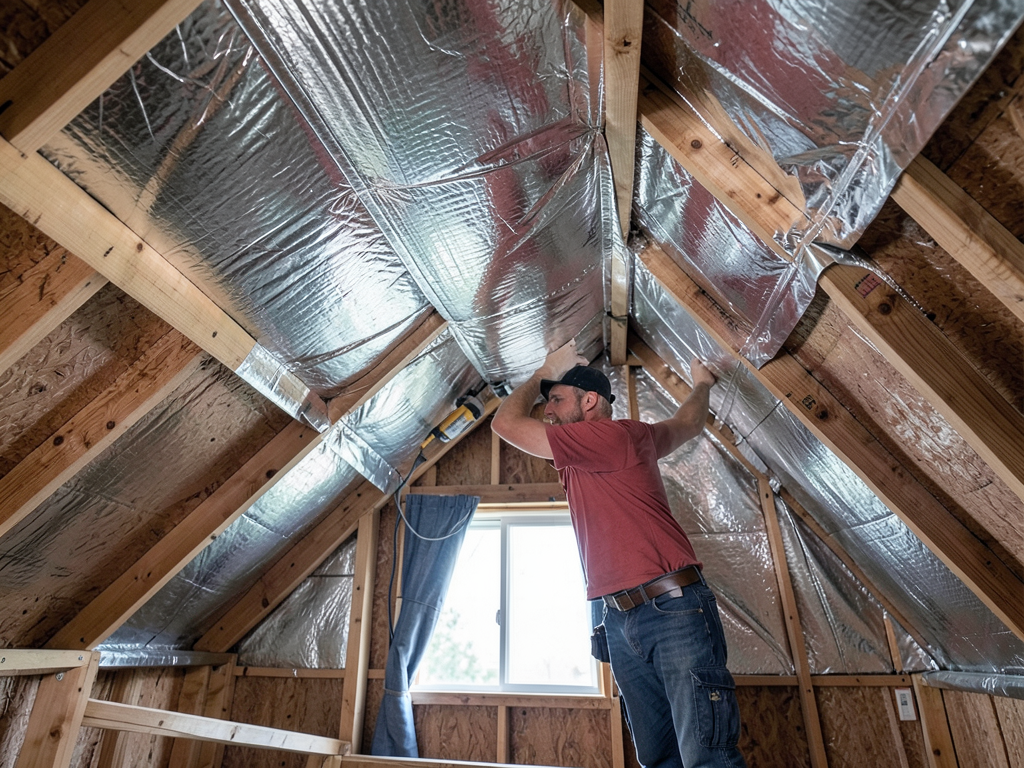
Foil Sheet Barriers represent the most common option. These consist of aluminum foil laminated to a backing material. They install beneath roof rafters or over attic floor insulation. In San Antonio foil barriers work well but require an air gap to function properly. Installers must maintain at least a half-inch space between the foil and any adjacent surface.
Radiant Barrier Chips offer a newer approach. These are small pieces of reflective material blown into attic spaces like loose-fill insulation. They settle between existing insulation creating multiple reflective surfaces. The advantage in San Antonio is easier installation over existing insulation without removing it first.
Reflective Roof Sheathing integrates the barrier directly into roof decking. Manufacturers bond aluminum foil to oriented strand board or plywood during production. This option works best for new construction or complete roof replacements in neighborhoods like Stone Oak or The Dominion where homeowners often upgrade entire roofing systems.
Radiant Barrier Paint or Sprays coat existing surfaces with reflective particles. While easier to apply they typically reflect only 75% of radiant heat compared to foil’s 97% reflection rate. In San Antonio’s extreme heat that difference matters for long-term energy savings.. Read more about Why a Dark Roof Might Be Driving Up Your CPS Energy Bill Every Summer.
San Antonio Climate Factors That Affect Performance
San Antonio’s climate creates unique challenges for radiant barriers. Our combination of intense heat high humidity and occasional severe storms means not all products perform equally well.
Summer attic temperatures in San Antonio routinely exceed 140 degrees. This extreme heat makes radiant barriers more effective here than in milder climates. The greater the temperature difference between your attic and living space the more energy you save.
Humidity presents another factor. San Antonio’s moisture levels can cause condensation on poorly installed radiant barriers. When warm humid air contacts the cool underside of a foil barrier water droplets form. Quality installation includes proper ventilation to prevent this moisture buildup.
Wind and storm exposure affect durability. San Antonio sits in hail alley experiencing frequent severe thunderstorms. Radiant barriers installed under roofing materials receive better protection than those in exposed attic spaces.
Solar orientation impacts effectiveness. Homes with east or west-facing roofs receive more direct afternoon sun when temperatures peak. Radiant barriers on these exposures deliver the highest energy savings in neighborhoods across San Antonio.
Comparing Radiant Barriers to Traditional Insulation
Many San Antonio homeowners wonder if radiant barriers replace traditional insulation. They don’t but they complement each other.
Traditional insulation works by slowing conductive heat transfer. Fiberglass cellulose and spray foam resist heat flow through solid materials. This works well for keeping conditioned air inside your home but does little to stop radiant heat from the sun.
Radiant barriers address the other half of the heat transfer equation. They reflect radiant energy before it becomes conductive heat. Think of traditional insulation as a winter coat and radiant barriers as a reflective sun shield.
The most effective approach in San Antonio combines both. Your attic needs adequate R-value insulation (typically R-38 to R-60 in our climate) plus a properly installed radiant barrier. This one-two punch stops heat from both entering and leaving your home.
Energy efficiency experts recommend this layered approach for San Antonio homes. The radiant barrier handles the intense summer sun while traditional insulation maintains consistent indoor temperatures year-round.
Installation Methods and Best Practices
Proper installation determines whether your radiant barrier delivers promised savings. In San Antonio’s climate several factors affect installation success.
Attic ventilation works hand-in-hand with radiant barriers. Without adequate airflow heat still builds up in your attic even with a barrier installed. Ridge vents soffit vents and gable vents must work together to create continuous air movement. This is especially important in San Antonio’s humid climate where stagnant air leads to moisture problems.
Air gap requirements vary by product but typically need 1/2 to 3/4 inch of space. Radiant barriers reflect heat across an air space. If foil touches another surface heat transfers through conduction instead of reflection. Professional installers use spacers furring strips or careful draping to maintain these critical gaps.
Electrical safety matters in attics. Radiant barrier foil conducts electricity. Installers must identify and avoid contact with wiring junction boxes and electrical penetrations. In older San Antonio homes this requires careful inspection of existing electrical systems.
Dust accumulation reduces effectiveness over time. Horizontal installations collect more dust than vertical ones. In San Antonio’s dusty conditions vertical installation or regular maintenance keeps barriers performing at peak efficiency.
CPS Energy Rebates and Local Incentives
San Antonio homeowners can offset radiant barrier costs through CPS Energy programs. These incentives make energy efficiency upgrades more affordable across the city. CPS Energy rebates and incentives.
CPS Energy offers various residential energy efficiency rebates. While specific radiant barrier programs may vary by year the utility consistently supports attic insulation improvements. Check current offerings through their Home Energy Rebates program.
Federal tax credits under the Inflation Reduction Act may apply to radiant barrier installations. These credits cover 30% of material costs for qualifying energy efficiency improvements. San Antonio homeowners should consult tax professionals about eligibility and claiming procedures. Federal tax credits for energy efficiency.
Some radiant barrier installations qualify as building envelope improvements. These may count toward green building certifications or increase home resale value in San Antonio’s competitive real estate market.
Local HVAC contractors sometimes bundle radiant barrier installation with air conditioning upgrades. These package deals can provide additional savings when replacing both your roof and HVAC system simultaneously.
Cost Considerations for San Antonio Homes
Radiant barrier costs in San Antonio depend on several factors. Understanding these helps you budget effectively for this energy efficiency upgrade. Understanding Roof Warranties.
Material costs range from $0.10 to $0.95 per square foot. Reflective foil barriers cost less than integrated roof sheathing options. Spray-on applications fall in the middle range but may require multiple coats for adequate coverage.
Installation costs vary by home accessibility and existing conditions. Steep roofs limited attic access or complex rooflines increase labor time. San Antonio homes with cathedral ceilings or finished attics present additional installation challenges.
ROI calculations for San Antonio show typical payback periods of 3 to 7 years. Factors affecting payback include your current energy bills AC efficiency and local electricity rates through CPS Energy. Homes with high cooling loads see faster returns on investment.
DIY installation saves labor costs but risks improper performance. Professional installation ensures correct air gaps electrical safety and warranty coverage. Many San Antonio homeowners find the professional cost worthwhile for guaranteed results.
Common Myths About Radiant Barriers
Misinformation surrounds radiant barriers especially in hot climates like San Antonio. Let’s address the most common misconceptions.
Myth: Radiant barriers make your attic hot. Reality: They reflect heat away from your living space. Your attic may still be warm but significantly less so than without a barrier. The goal is protecting your conditioned air not creating a cold attic.
Myth: They don’t work in humid climates. Reality: Properly installed radiant barriers work in San Antonio’s humidity. The key is adequate ventilation to prevent condensation. Quality installation accounts for our specific climate conditions.
Myth: Radiant barriers replace insulation. Reality: They serve different functions. Radiant barriers reflect heat; insulation slows heat transfer. Both play important roles in energy efficiency.
Myth: They interfere with cell phone reception. Reality: Modern radiant barriers have minimal impact on radio frequency signals. Any interference is usually negligible compared to your home’s walls and roofing materials.
Myth: DIY installation works as well as professional. Reality: Professional installation ensures proper air gaps electrical safety and optimal performance. DIY mistakes can void warranties and reduce effectiveness.
Impact on HVAC Systems and Energy Bills
Radiant barriers affect more than just your energy bills. They influence your entire home cooling system’s performance and longevity.
Reduced heat gain means your air conditioner runs less frequently. This decreased runtime translates to lower electricity consumption and extended equipment life. In San Antonio’s long cooling season these benefits compound significantly.
Cooling capacity requirements may decrease. When your home gains less heat you might be able to replace your AC with a smaller more efficient unit. This creates additional savings beyond the radiant barrier’s direct impact.
Temperature consistency improves throughout your home. Rooms that previously felt warmer due to ceiling heat gain maintain more even temperatures. This eliminates hot spots and reduces thermostat adjustments.
Humidity control often improves. When your AC runs less frequently but for longer cycles it removes more moisture from the air. This creates more comfortable indoor conditions even at higher thermostat settings.
Maintenance and Longevity Considerations
Radiant barriers require minimal maintenance but aren’t completely set-and-forget. Understanding longevity helps you maximize your investment.
Quality foil barriers last 10 to 15 years in San Antonio attics. Factors affecting lifespan include installation quality attic conditions and physical damage from maintenance activities. Dust accumulation gradually reduces reflectivity over time.
Integrated roof sheathing lasts as long as your roofing material. When installed under new shingles these barriers provide consistent performance for the roof’s entire lifespan. This makes them ideal for San Antonio homeowners planning roof replacements.
Regular attic inspections help identify issues early. Look for tears sagging or areas where foil contacts other surfaces. San Antonio’s occasional high winds can sometimes displace poorly secured barriers.
Cleaning isn’t usually necessary but may help in extreme dust conditions. If you notice significant dust accumulation gentle vacuuming with a soft brush attachment can restore reflectivity. Avoid harsh cleaning chemicals that might damage the reflective surface.
Is a Radiant Barrier Right for Your San Antonio Home?
Several factors determine if radiant barriers make sense for your specific situation. Consider these criteria when making your decision.
Your current energy bills matter significantly. Homes with high summer cooling costs see the fastest payback. If your CPS Energy bills spike during San Antonio summers radiant barriers likely offer strong returns.
Existing insulation quality affects the decision. Homes with inadequate attic insulation benefit most from the combined approach of upgrading both insulation and adding radiant barriers. San Antonio homes built before 2000 often need both improvements.
Roof condition influences timing. If you’re planning a roof replacement anyway integrated radiant barrier sheathing becomes cost-effective. The incremental cost is low compared to the energy savings over your new roof’s lifespan.
Climate zone matters. San Antonio’s hot sunny climate makes radiant barriers more effective here than in cooler regions. Our long cooling season maximizes the return on this investment.
Future plans affect the decision. If you plan to stay in your home for several years radiant barriers offer better value. The payback period works best for homeowners planning to remain in place for at least 3 to 5 years.
Professional Installation vs. DIY Approaches
Deciding between professional and DIY installation involves weighing several factors specific to San Antonio homes.
Professional installation guarantees proper air gaps electrical safety and optimal performance. Experienced installers understand San Antonio’s specific climate challenges and building code requirements. They also provide warranties covering both materials and workmanship.
DIY installation saves money upfront but risks several common mistakes. These include inadequate air gaps contact with electrical wiring and poor sealing around penetrations. In San Antonio’s extreme heat these errors can significantly reduce effectiveness or create safety hazards.
Time investment differs substantially. Professional crews typically complete most San Antonio homes in one day. DIY installation might take several weekends during which your attic remains unprotected from summer heat.
Code compliance varies by municipality. San Antonio and surrounding areas have specific requirements for attic modifications. Professional installers navigate these requirements while DIYers might inadvertently violate local codes.
Warranty coverage often requires professional installation. Many radiant barrier manufacturers void warranties for DIY applications. This matters in San Antonio where the investment typically runs $1500 to $3000 for professional installation.
Combining Radiant Barriers with Other Energy Efficiency Upgrades
Radiant barriers work best as part of a comprehensive energy efficiency strategy. San Antonio homeowners often combine them with other improvements for maximum impact.
Attic ventilation upgrades complement radiant barriers perfectly. Adding or improving ridge vents soffit vents and gable vents enhances the barrier’s effectiveness. This combination addresses both heat reflection and heat removal.
Solar attic fans provide active ventilation to supplement passive systems. These fans use solar power to exhaust hot air working with radiant barriers to maintain cooler attic temperatures. In San Antonio’s abundant sunshine they operate at peak efficiency.
Smart thermostats optimize your HVAC system’s response to improved attic conditions. When your home gains less heat smart controls can adjust cycling patterns for maximum efficiency. This synergy enhances both comfort and energy savings.
Window treatments reduce solar heat gain from other sources. While radiant barriers handle attic heat reflective window films or solar screens address heat through windows. This whole-house approach tackles all major heat gain pathways.
Roof color and material choices affect radiant barrier performance. Light-colored or cool-roof shingles reflect more solar radiation before it reaches your attic. When planning roof replacement consider these options alongside radiant barriers.. Read more about Choosing the right roof color to lower your cooling costs in the Westside area.
Environmental Impact and Sustainability
Beyond personal energy savings radiant barriers offer environmental benefits that matter to many San Antonio homeowners.
Reduced electricity consumption decreases your carbon footprint. Lower AC runtime means fewer greenhouse gas emissions from power generation. In CPS Energy’s mixed generation portfolio this reduction supports broader sustainability goals.
Extended HVAC equipment life reduces manufacturing demand and waste. When your air conditioner lasts longer due to reduced runtime you contribute less to landfill waste and manufacturing pollution.
Radiant barriers themselves have minimal environmental impact. Most consist of aluminum foil which is highly recyclable bonded to paper or plastic substrates. The energy savings typically offset manufacturing impacts within the first year of operation.
Urban heat island effects benefit from widespread radiant barrier adoption. When many homes in San Antonio reflect rather than absorb heat neighborhood temperatures can decrease slightly. This collective impact improves local comfort and reduces overall energy demand.
Water conservation connections exist through reduced power plant cooling needs. Lower electricity demand means less water used for thermal power plant cooling an important consideration in Texas’s water-conscious culture.
Frequently Asked Questions
How much can I really save on my energy bills?
Most San Antonio homeowners see 5% to 15% reductions in cooling costs after installing radiant barriers. Savings depend on your home’s current insulation AC efficiency and local electricity rates through CPS Energy. Homes with high cooling loads often see savings at the higher end of this range.
Will a radiant barrier affect my cell phone reception?
Modern radiant barriers have minimal impact on radio frequency signals. Any interference is usually negligible compared to your home’s walls and roofing materials. Most San Antonio homeowners report no noticeable difference in cell phone reception after installation.
How long does installation take?
Professional installation typically requires one day for most San Antonio homes. Factors affecting timing include attic accessibility roof complexity and whether you’re combining the installation with other work like roof replacement. DIY installation might take several weekends.
Do I need to remove my existing insulation?
Usually not. Radiant barriers work with existing insulation rather than replacing it. In fact the combination of both provides better performance than either alone. Only in cases of severely damaged or inadequate insulation would removal be recommended.
What maintenance do radiant barriers require?
Minimal maintenance is needed. Quality installations last 10 to 15 years with no intervention. Occasional attic inspections help identify any issues but cleaning is rarely necessary unless you live in an extremely dusty area of San Antonio.
Can I install a radiant barrier myself?
DIY installation is possible but comes with risks. Professional installation ensures proper air gaps electrical safety and optimal performance. DIY mistakes can void warranties and reduce effectiveness. Many San Antonio homeowners find the professional cost worthwhile for guaranteed results.
How do I know if my home would benefit?
Homes with high summer cooling costs inadequate insulation or planned roof replacements benefit most. San Antonio’s hot climate makes radiant barriers more effective here than in cooler regions. A professional energy audit can determine your specific benefits.
Are there any rebates available?
CPS Energy offers various energy efficiency rebates that may apply to radiant barrier installations. Federal tax credits under the Inflation Reduction Act may also be available. Check current programs through CPS Energy or consult with a tax professional about eligibility.
Making Your Decision
Radiant barriers represent a proven technology for reducing cooling costs in San Antonio’s challenging climate. They work by reflecting the sun’s intense heat before it enters your home reducing the workload on your air conditioning system.
The decision ultimately depends on your specific situation. Consider your current energy bills home’s insulation quality roof condition and how long you plan to stay in your home. For many San Antonio homeowners the combination of energy savings improved comfort and potential rebates makes radiant barriers a smart investment.
Professional installation ensures you receive the full benefits while avoiding common mistakes that reduce effectiveness. The modest additional cost compared to DIY typically pays for itself through guaranteed performance and warranty coverage.
Ready to learn if a radiant barrier is right for your San Antonio home? Summit Roofing offers free attic inspections and energy efficiency consultations. Our experienced team understands San Antonio’s unique climate challenges and can recommend the best solution for your specific situation. How to Get Your Commercial Flat Roof Ready for San Antonio Summer Storms.
Call us today at (726) 256-6199 to schedule your free consultation. Don’t let another San Antonio summer drain your wallet with excessive cooling costs. Take control of your energy bills with a professionally installed radiant barrier system. For more information, visit U.S. Department of Energy on radiant barriers.
{
“@context”: “https://schema.org”,
“@type”: “BlogPosting”,
“headline”: “Does a Radiant Barrier Really Lower Your San Antonio Cooling Costs?”,
“description”: “Discover if radiant barriers actually reduce cooling costs in San Antonio’s extreme heat. Learn about installation, savings, and local climate factors affecting performance.”,
“wordCount”: 3313,
“datePublished”: “2026-04-07T07:27:00.000Z”,
“dateModified”: “2026-04-07T07:27:00.000Z”,
“inLanguage”: “en-US”,
“mainEntityOfPage”: {
“@type”: “WebPage”,
“@id”: “https://summitroofingsanantonio.com”
},
“publisher”: {
“@type”: “LocalBusiness”,
“name”: “Summit Roofing San Antonio”,
“url”: “https://summitroofingsanantonio.com”
},
“author”: {
“@type”: “Organization”,
“name”: “Summit Roofing San Antonio”,
“url”: “https://summitroofingsanantonio.com”
},
“image”: {
“@type”: “ImageObject”,
“url”: “https://summitroofingsanantonio.com/wp-content/uploads/2026/03/does-a-radiant-barrier-really-lower-your-san-anton-1.png”
}
}
{
“@context”: “https://schema.org”,
“@type”: “RoofingContractor”,
“name”: “Summit Roofing San Antonio”,
“url”: “https://summitroofingsanantonio.com”,
“address”: {
“@type”: “PostalAddress”,
“addressLocality”: “San Antonio”
},
“areaServed”: {
“@type”: “City”,
“name”: “San Antonio”
}
}
{
“@context”: “https://schema.org”,
“@type”: “FAQPage”,
“mainEntity”: [
{
“@type”: “Question”,
“name”: “Is a Radiant Barrier Right for Your San Antonio Home?”,
“acceptedAnswer”: {
“@type”: “Answer”,
“text”: “Several factors determine if radiant barriers make sense for your specific situation. Consider these criteria when making your decision.”
}
},
{
“@type”: “Question”,
“name”: “How much can I really save on my energy bills?”,
“acceptedAnswer”: {
“@type”: “Answer”,
“text”: “Most San Antonio homeowners see 5% to 15% reductions in cooling costs after installing radiant barriers. Savings depend on your home’s current insulation AC efficiency and local electricity rates through CPS Energy. Homes with high cooling loads often see savings at the higher end of this range.”
}
},
{
“@type”: “Question”,
“name”: “Will a radiant barrier affect my cell phone reception?”,
“acceptedAnswer”: {
“@type”: “Answer”,
“text”: “Modern radiant barriers have minimal impact on radio frequency signals. Any interference is usually negligible compared to your home’s walls and roofing materials. Most San Antonio homeowners report no noticeable difference in cell phone reception after installation.”
}
},
{
“@type”: “Question”,
“name”: “How long does installation take?”,
“acceptedAnswer”: {
“@type”: “Answer”,
“text”: “Professional installation typically requires one day for most San Antonio homes. Factors affecting timing include attic accessibility roof complexity and whether you’re combining the installation with other work like roof replacement. DIY installation might take several weekends.”
}
},
{
“@type”: “Question”,
“name”: “Do I need to remove my existing insulation?”,
“acceptedAnswer”: {
“@type”: “Answer”,
“text”: “Usually not. Radiant barriers work with existing insulation rather than replacing it. In fact the combination of both provides better performance than either alone. Only in cases of severely damaged or inadequate insulation would removal be recommended.”
}
},
{
“@type”: “Question”,
“name”: “What maintenance do radiant barriers require?”,
“acceptedAnswer”: {
“@type”: “Answer”,
“text”: “Minimal maintenance is needed. Quality installations last 10 to 15 years with no intervention. Occasional attic inspections help identify any issues but cleaning is rarely necessary unless you live in an extremely dusty area of San Antonio.”
}
},
{
“@type”: “Question”,
“name”: “Can I install a radiant barrier myself?”,
“acceptedAnswer”: {
“@type”: “Answer”,
“text”: “DIY installation is possible but comes with risks. Professional installation ensures proper air gaps electrical safety and optimal performance. DIY mistakes can void warranties and reduce effectiveness. Many San Antonio homeowners find the professional cost worthwhile for guaranteed results.”
}
},
{
“@type”: “Question”,
“name”: “How do I know if my home would benefit?”,
“acceptedAnswer”: {
“@type”: “Answer”,
“text”: “Homes with high summer cooling costs inadequate insulation or planned roof replacements benefit most. San Antonio’s hot climate makes radiant barriers more effective here than in cooler regions. A professional energy audit can determine your specific benefits.”
}
},
{
“@type”: “Question”,
“name”: “Are there any rebates available?”,
“acceptedAnswer”: {
“@type”: “Answer”,
“text”: “CPS Energy offers various energy efficiency rebates that may apply to radiant barrier installations. Federal tax credits under the Inflation Reduction Act may also be available. Check current programs through CPS Energy or consult with a tax professional about eligibility.”
}
}
]
}
{
“@context”: “https://schema.org”,
“@type”: “BreadcrumbList”,
“itemListElement”: [
{
“@type”: “ListItem”,
“position”: 1,
“name”: “Home”,
“item”: “https://summitroofingsanantonio.com”
},
{
“@type”: “ListItem”,
“position”: 2,
“name”: “Blog”,
“item”: “https://summitroofingsanantonio.com/blog”
},
{
“@type”: “ListItem”,
“position”: 3,
“name”: “Does a Radiant Barrier Really Lower Your San Antonio Cooling Costs?”
}
]
}
{
“@context”: “https://schema.org”,
“@type”: “Service”,
“serviceType”: “Roofing”,
“provider”: {
“@type”: “LocalBusiness”,
“name”: “Summit Roofing San Antonio”,
“url”: “https://summitroofingsanantonio.com”
},
“areaServed”: {
“@type”: “City”,
“name”: “San Antonio”
},
“description”: “Discover if radiant barriers actually reduce cooling costs in San Antonio’s extreme heat. Learn about installation, savings, and local climate factors affecting performance.”
}