
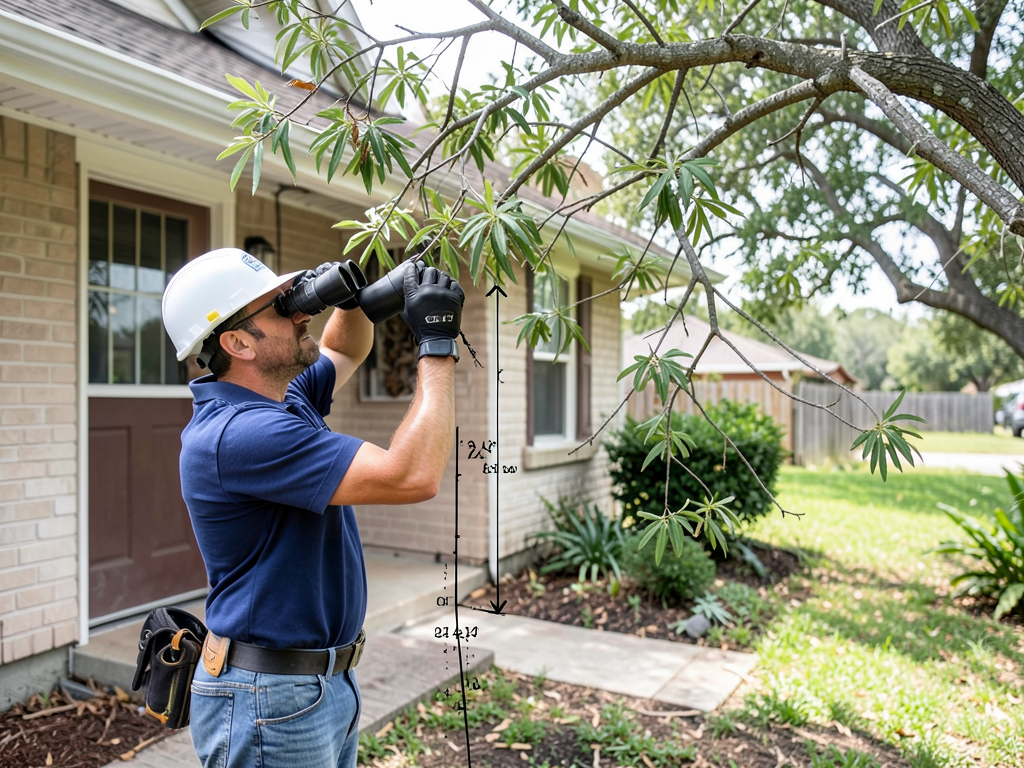
What to do when a neighbor’s tree limbs are hanging over your roof in the Great Northwest
Living in the Great Northwest means enjoying mature trees and established neighborhoods. Those same trees can create serious problems when their limbs hang over your roof. Texas law gives you specific rights to protect your property but you need to understand the rules before you fire up a chainsaw. Texas Oak Wilt Information Partnership.
Under Texas property law you have the legal right to trim tree branches that extend onto your property line. This is called the “Self-Help” rule. You can cut back any limbs hanging over your roof as long as you don’t trespass onto your neighbor’s property or damage the tree beyond what’s necessary for clearance. The key is staying on your side of the property line. Texas Department of Public Safety Tree Trimming Guidelines.
Before you grab your pruning tools you need to know that the Great Northwest area has specific tree ordinances that may affect what you can do. The city’s Development Services Department enforces tree preservation rules that protect certain species and sizes of trees. A Live Oak with a trunk diameter over 8 inches at 4.5 feet above ground is considered a “Protected Tree” under San Antonio’s Unified Development Code. Removing or severely pruning protected trees requires a permit from the city. San Antonio Development Services Department.
The timing of your pruning work matters critically in Central Texas. From February through June pruning oak trees creates a high risk of spreading Oak Wilt a deadly fungal disease that has devastated San Antonio’s oak population. The beetles that spread Oak Wilt are most active during these months and are attracted to fresh pruning cuts. If you must prune during this window you need to paint all cuts immediately with latex-based paint to seal them. How to get your San Antonio roof fixed after a major hail storm.
Tree limbs hanging over your roof cause specific types of damage that many homeowners don’t recognize until it’s too late. When branches rub against shingles during wind they scrape off the protective granules that shield your roof from UV damage. This creates thin spots that age prematurely and develop leaks. Leaves and twigs that accumulate in roof valleys trap moisture against the surface promoting algae and moss growth that holds water against the shingles.
During the Great Northwest’s severe storms overhanging limbs become dangerous projectiles. High winds can snap branches that then puncture your roof decking. Even if a limb doesn’t break the constant scraping during storms can wear through multiple layers of shingles over time. The weight of wet leaves on limbs also creates stress points that can cause them to break under the weight of a sudden downpour.
Insurance coverage for tree damage in Texas follows specific rules. If a healthy tree limb falls during a storm and damages your roof your homeowner’s insurance typically covers the damage under your “other structures” coverage. But if the tree was dead or dying and you knew about it your insurance might deny the claim. This is where documentation becomes critical. Taking photos of the overhanging limbs before any damage occurs can prove the condition existed before the incident.
Negligence liability works differently in Texas. If your neighbor’s dead tree falls on your house they may be liable for damages if you can prove they knew or should have known about the hazardous condition. This means sending a written notice to your neighbor about the dangerous tree creates a paper trail that protects your right to recover damages later. Keep copies of any communication and consider sending it by certified mail.
The first step in handling overhanging limbs should always be communication with your neighbor. Most disputes can be resolved amicably if you approach the situation as a shared concern rather than an accusation. Explain that you’re worried about potential roof damage and ask if they’d be willing to split the cost of professional pruning. Many neighbors appreciate being informed about potential hazards before they become emergencies.
If your neighbor is uncooperative you have several options. You can hire a professional tree service to trim the limbs back to the property line yourself. You can also file a complaint with the Development Services Department if the tree violates city ordinances. For protected trees you may need to obtain a permit before any trimming work can begin.
Professional roof inspection becomes essential after any major tree work near your home. A certified roofing contractor can identify damage that isn’t visible from the ground such as compromised flashing around chimneys or vents damaged underlayment and weakened decking. They can also recommend specific clearance distances based on your roof’s pitch and the types of trees involved. Built-Up Roofing (BUR).
In the Great Northwest where mature trees are part of the neighborhood character finding the right balance between preserving trees and protecting your roof requires careful planning. A certified arborist can help develop a pruning strategy that maintains the tree’s health while providing adequate clearance for your roof. They understand how different species respond to pruning and can recommend the best approach for each situation.
Documenting everything is your best protection. Take photos of the overhanging limbs from multiple angles before any work begins. Keep records of any communication with your neighbor about the tree. Save receipts for any professional services you hire. This documentation proves invaluable if you need to file an insurance claim or pursue legal action later.
Regular maintenance prevents most problems before they start. Schedule annual roof inspections to catch damage early. Keep gutters clean to prevent water backup that can damage fascia and soffits. Monitor tree growth patterns and address overhanging limbs before they become hazards. These preventive steps cost far less than emergency repairs after storm damage. Emergency Roof Leak Detection.
Understanding your rights and responsibilities regarding overhanging tree limbs protects both your property and your relationships with neighbors. Texas law provides clear guidelines but local ordinances and environmental factors like Oak Wilt add important considerations specific to the Great Northwest. By taking a proactive documented approach to tree management you can enjoy the benefits of mature trees without risking your roof’s integrity. Understanding Roof Warranties.
Call (726) 256-6199 today to schedule your professional roof inspection and get expert advice on handling overhanging tree limbs. Our team understands both the legal requirements and the technical aspects of protecting your roof from tree damage.
Frequently Asked Questions
Can I legally cut my neighbor’s tree limbs that hang over my roof?
Yes. Texas law allows you to trim branches that extend over your property line as long as you don’t trespass onto your neighbor’s property or damage the tree beyond what’s necessary for clearance.
Who pays for damage if a neighbor’s tree limb falls on my roof?
If the tree was healthy and fell during a storm your homeowner’s insurance typically covers the damage. If the tree was dead or dying and you can prove your neighbor knew about it they may be liable for the damages.
Do I need a permit to trim trees in the Great Northwest?
You don’t need a permit for most trimming work. However if the tree is a protected species or meets certain size requirements under San Antonio’s tree ordinance you may need a permit before doing major pruning. What to do when your San Antonio roof starts leaking in the middle of a storm.
When is the best time to trim oak trees in the Great Northwest?
The best time is during the summer or winter months when Oak Wilt beetles are not active. Avoid pruning from February through June unless absolutely necessary and always paint cuts immediately if you must prune during this period.
How much roof clearance do I need from tree limbs?
Most roofing professionals recommend at least 3 to 5 feet of clearance between tree limbs and your roof. This allows for proper air circulation and prevents branches from rubbing against shingles during wind.
{
“@context”: “https://schema.org”,
“@type”: “BlogPosting”,
“headline”: “What to do when a neighbor’s tree limbs are hanging over your roof in the Great Northwest”,
“description”: “Learn your legal rights about overhanging tree limbs in the Great Northwest and how to protect your roof from damage while maintaining good neighbor relations.”,
“wordCount”: 1341,
“datePublished”: “2026-06-19T07:27:00.000Z”,
“dateModified”: “2026-06-19T07:27:00.000Z”,
“inLanguage”: “en-US”,
“mainEntityOfPage”: {
“@type”: “WebPage”,
“@id”: “https://summitroofingsanantonio.com”
},
“publisher”: {
“@type”: “LocalBusiness”,
“name”: “Summit Roofing San Antonio”,
“url”: “https://summitroofingsanantonio.com”
},
“author”: {
“@type”: “Organization”,
“name”: “Summit Roofing San Antonio”,
“url”: “https://summitroofingsanantonio.com”
},
“image”: {
“@type”: “ImageObject”,
“url”: “https://summitroofingsanantonio.com/wp-content/uploads/2026/03/what-to-do-when-a-neighbor-s-tree-limbs-are-hangin-1.png”
}
}
{
“@context”: “https://schema.org”,
“@type”: “RoofingContractor”,
“name”: “Summit Roofing San Antonio”,
“url”: “https://summitroofingsanantonio.com”,
“address”: {
“@type”: “PostalAddress”,
“addressLocality”: “San Antonio”
},
“areaServed”: {
“@type”: “City”,
“name”: “San Antonio”
}
}
{
“@context”: “https://schema.org”,
“@type”: “FAQPage”,
“mainEntity”: [
{
“@type”: “Question”,
“name”: “Can I legally cut my neighbor’s tree limbs that hang over my roof?”,
“acceptedAnswer”: {
“@type”: “Answer”,
“text”: “Yes. Texas law allows you to trim branches that extend over your property line as long as you don’t trespass onto your neighbor’s property or damage the tree beyond what’s necessary for clearance.”
}
},
{
“@type”: “Question”,
“name”: “Who pays for damage if a neighbor’s tree limb falls on my roof?”,
“acceptedAnswer”: {
“@type”: “Answer”,
“text”: “If the tree was healthy and fell during a storm your homeowner’s insurance typically covers the damage. If the tree was dead or dying and you can prove your neighbor knew about it they may be liable for the damages.”
}
},
{
“@type”: “Question”,
“name”: “Do I need a permit to trim trees in the Great Northwest?”,
“acceptedAnswer”: {
“@type”: “Answer”,
“text”: “You don’t need a permit for most trimming work. However if the tree is a protected species or meets certain size requirements under San Antonio’s tree ordinance you may need a permit before doing major pruning. What to do when your San Antonio roof starts leaking in the middle of a storm.”
}
},
{
“@type”: “Question”,
“name”: “When is the best time to trim oak trees in the Great Northwest?”,
“acceptedAnswer”: {
“@type”: “Answer”,
“text”: “The best time is during the summer or winter months when Oak Wilt beetles are not active. Avoid pruning from February through June unless absolutely necessary and always paint cuts immediately if you must prune during this period.”
}
},
{
“@type”: “Question”,
“name”: “How much roof clearance do I need from tree limbs?”,
“acceptedAnswer”: {
“@type”: “Answer”,
“text”: “Most roofing professionals recommend at least 3 to 5 feet of clearance between tree limbs and your roof. This allows for proper air circulation and prevents branches from rubbing against shingles during wind.”
}
}
]
}
{
“@context”: “https://schema.org”,
“@type”: “BreadcrumbList”,
“itemListElement”: [
{
“@type”: “ListItem”,
“position”: 1,
“name”: “Home”,
“item”: “https://summitroofingsanantonio.com”
},
{
“@type”: “ListItem”,
“position”: 2,
“name”: “Blog”,
“item”: “https://summitroofingsanantonio.com/blog”
},
{
“@type”: “ListItem”,
“position”: 3,
“name”: “What to do when a neighbor’s tree limbs are hanging over your roof in the Great Northwest”
}
]
}
{
“@context”: “https://schema.org”,
“@type”: “Service”,
“serviceType”: “Roofing”,
“provider”: {
“@type”: “LocalBusiness”,
“name”: “Summit Roofing San Antonio”,
“url”: “https://summitroofingsanantonio.com”
},
“areaServed”: {
“@type”: “City”,
“name”: “San Antonio”
},
“description”: “Learn your legal rights about overhanging tree limbs in the Great Northwest and how to protect your roof from damage while maintaining good neighbor relations.”
}